You’ll start at the edge of Miraflores and then head into the older streets, with a small group cap of 12 people. I like that the tour is built for getting your bearings fast—Plaza de Armas first, catacombs second, then Barrio Chino to mix in something totally different. The only real drawback is that you should be ready for walking time and a moderate fitness level, plus you’ll need to cover the catacombs ticket.
If you want one solid, guided taste of Lima’s contrasts—official power above ground, history below ground, and local life on the next block—this is a strong pick.
Key highlights worth your attention
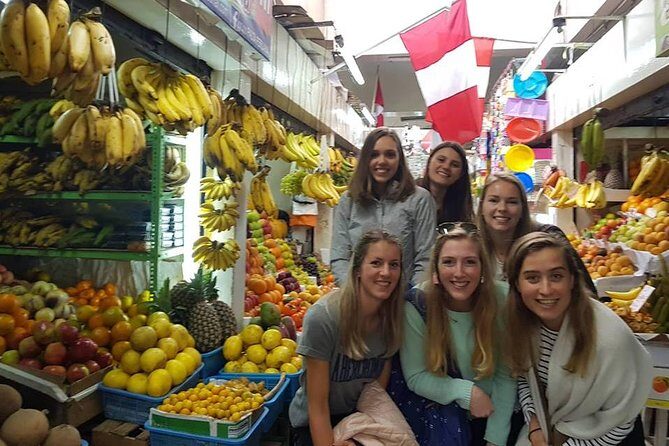
- Plaza de Armas first: the central square sets the tone with major landmarks close together
- San Francisco catacombs visit: one paid entrance unlocks the underground portion
- Barrio Chino + local market: you get food and daily-life visuals, not just architecture
- Small group size (max 12): easier questions, less waiting around
- English guide + mobile ticket: smoother check-in for a city that can be confusing
Starting in Miraflores: meeting point, timing, and what to expect
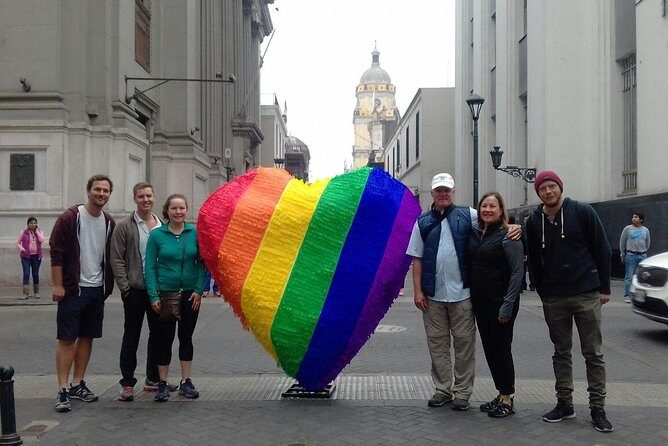
This tour runs about 3 hours and starts at 10:00 am. If you’re staying in Miraflores, the meeting point is on Calle Diego Ferre 249. If you’d rather not drag yourself across town on your own, pickup is offered—just let the operator know. (Miraflores to the historical center is roughly 40 minutes by driving, so pickup is genuinely helpful if you’re not already in the area.)
I like that the time is practical: you’re not stuck on a long bus ride and you’re not sprinting between stops. The walk is paced in segments—each main stop is about 30 minutes, so you can actually look up at buildings, not just keep your feet moving.
The tour is offered in English, and it uses a mobile ticket, which matters because it reduces time spent at the start of your day. Also, there’s a max of 12 travelers, so you’re unlikely to feel swallowed by a huge crowd.
What to watch: this is a walking tour. The info calls for moderate physical fitness, so wear comfortable shoes you can trust. Even if you love sightseeing, Lima’s older streets aren’t designed for flip-flops and casual strolling.
Plaza de Armas: Lima’s power center and easiest “first impressions”
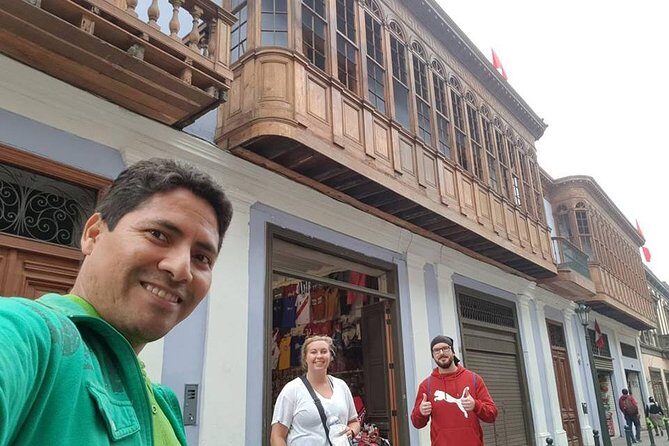
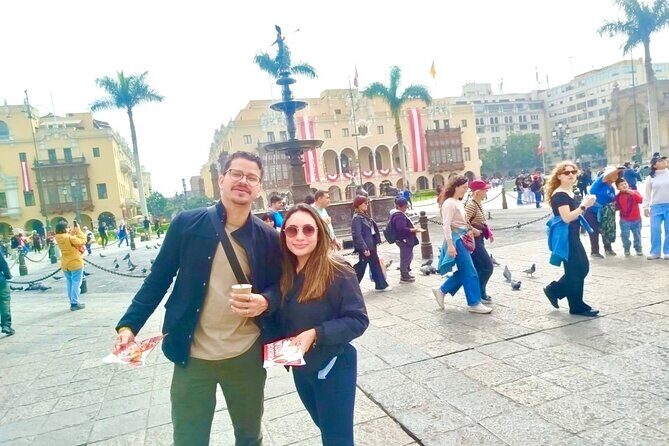
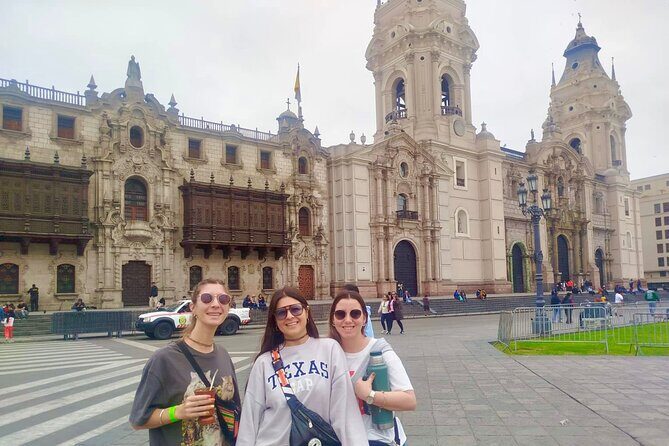
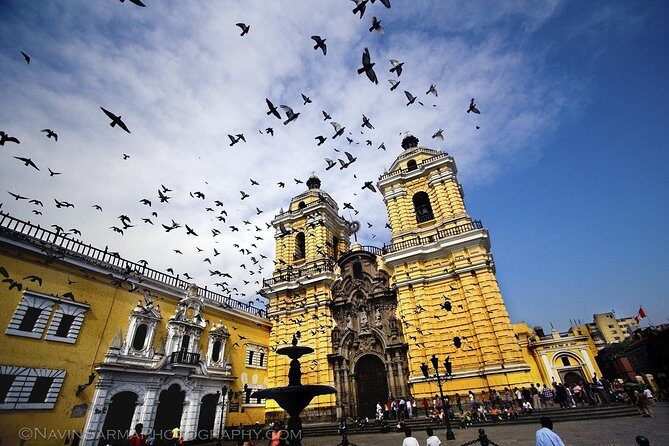
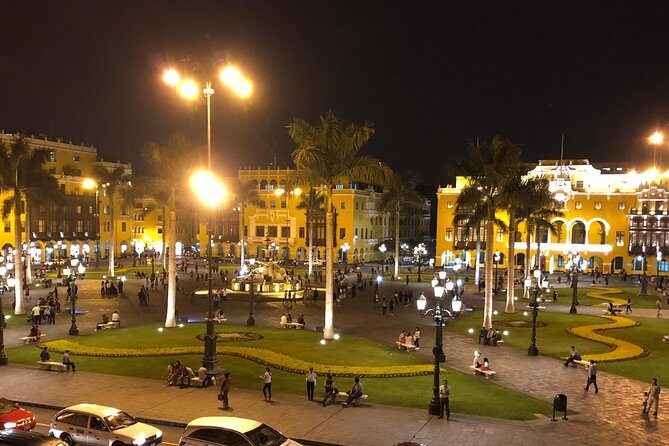
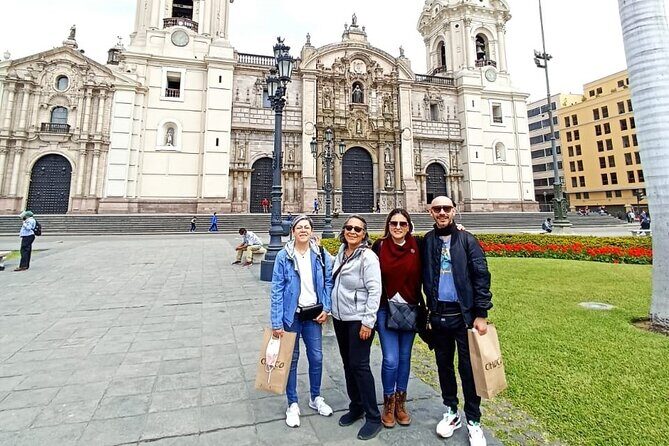
Your first stop is Plaza de Armas (Plaza Mayor). This is Lima’s classic starting point for a reason. You’ll explore the square and surrounding key buildings, including the Cathedral, the Government Palace, and city hall. All of that is close enough that you can understand the space without needing a map-reading marathon.
I love beginning here because the square gives you context quickly. Plaza de Armas isn’t just pretty stone; it’s a snapshot of how Lima grew and organized itself—politics, religion, and administration all grouped together. When you walk the perimeter, you get an immediate sense of why this area has stayed important for centuries.
At this stop, you’ll have about 30 minutes, and the entry for this part is free. That matters for value. You’re not “paying to stand outside a building”—you’re using the guide time to understand what you’re looking at, then you move on before your attention drifts.
Potential drawback: Plaza de Armas can feel busy at times (it’s Lima’s center of gravity), so if you’re the type who gets overwhelmed by crowds, focus on the buildings and the guide’s route. You’ll still get plenty of “aha” moments without needing to fight for the perfect photo angle.
San Francisco Convento y Catacumbas: the underground stop you’ll remember
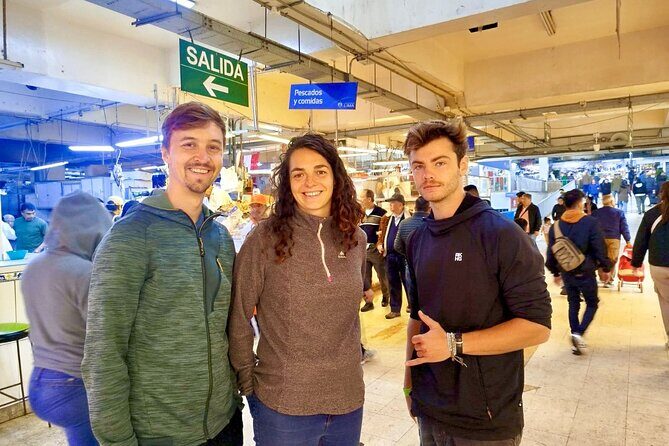
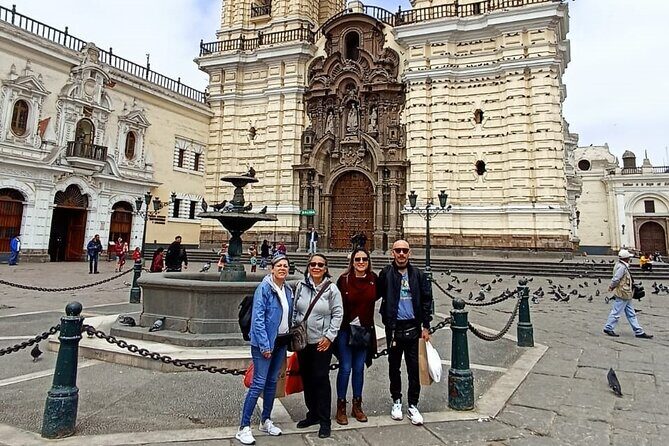
Next comes the Museo Convento San Francisco y Catacumbas, and yes—this is the stop that gives the tour its edge. You’ll visit the museum to see the catacombs, with about 30 minutes allotted. The big catch is simple: the museum ticket is not included.
You’ll need to pay PEN 30.00 per person for admission to the Catacombs Museum. That’s the only paid entrance on your route, and it’s worth planning your budget for. If you want a true “one-ticket-and-you’re-inside” experience, this is exactly that.
Why this stop is valuable: Lima has layers, and the catacombs are one of the most striking ways to understand the city’s past. You’re moving from the symbolic center (Plaza de Armas) into a more physical, human-scale history—where the story is literally below your feet. Even if you’re not a museum person, the catacombs tend to land because they’re experiential, not just informational.
What to keep in mind: you should be comfortable following the group during the visit. The walking tour format means you’ll have limited time, so you won’t be wandering endlessly. If you love spending a long time reading every label, you might find 30 minutes short. But for most people, it’s the right amount to get the main experience and still keep energy for Barrio Chino afterward.
Barrio Chino: Chinatown streets plus a market reality check
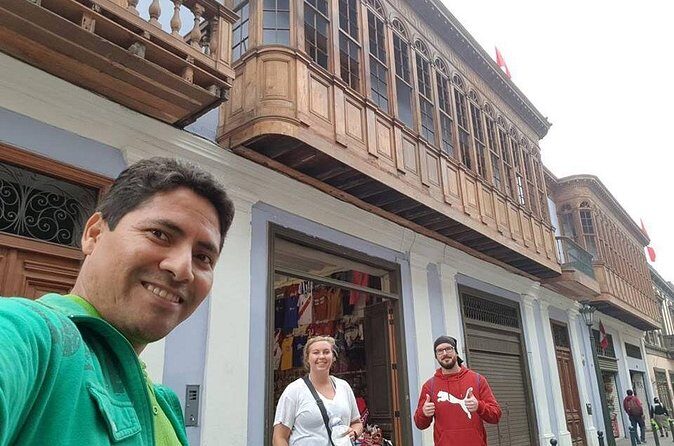
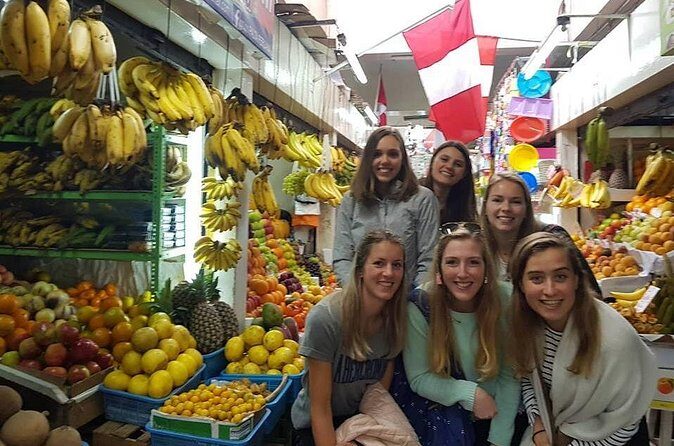
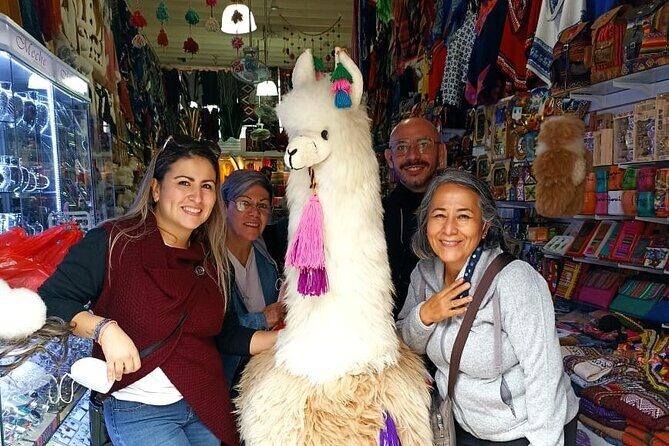
Your final sightseeing block is Barrio Chino, sometimes described as Lima’s Chinatown neighborhood. Here, you’re not just there for photos—you’ll explore the area and also visit a local market to look at vegetables, meat, and fruits.
I like this stop because it changes the lens. After cathedral-administration architecture and underground history, this part brings you back to everyday life. You’ll see how the neighborhood feels in motion: what people buy, what stands out, and how food and ingredients fit into local routines.
You’ll have about 30 minutes here, and admission is free. That again boosts value: the paid portion is concentrated in one place (catacombs), while the rest of the tour lets you spend time looking and learning without extra ticket surprises.
A practical tip: markets can be lively and sometimes tight. Keep your phone and camera handles secure, and move with the group so you don’t get separated. This is exactly the kind of place where a small-group guide makes things easier, because they’ll keep everyone oriented.
Price and value: what you’re really paying for at $18
The tour price is $18.00 per person, and it’s structured to feel fair. You get a tour guide for the full experience, and two of the three stops have free entry. The only extra cost you must pay is the PEN 30.00 catacombs admission.
So the real cost equation is: base price for guiding + one paid ticket for the underground museum. For most people, that’s a good deal because you’re not financing multiple museum admissions or paying for transportation inside the day.
You’ll also see that the experience is typically booked about 10 days in advance on average. That’s a useful signal: if you want this on a specific day, don’t wait until the last minute.
One more value point: pickup is available if you’re in Miraflores, and you’re told it’s roughly 40 minutes by driving to the historical center. Since transportation from your hotel isn’t included (often $2–$5 USD range, depending on where you start), pickup can make the experience smoother and less stressful.
The guide matters: what good guiding feels like here
In tours like this, your guide is the difference between seeing buildings and actually understanding them. In the feedback, one guide named Sofia gets highlighted for connecting local stories—Lima and even the broader Andes/Cusco-area history—to what’s happening in front of you.
That approach is useful. It turns “I walked past a square” into “I know why this square mattered.” It also makes the Chinatown market part more interesting, because the guide isn’t treating it like a random detour. They help you notice details that you’d otherwise miss.
Also, the tone matters. The walk is described as relaxed, fun, and well organized, with the guide paying attention to keeping the group together. That matters in a place where you can easily lose track of time and location if you’re on your own.
Walking logistics: what to wear, how to pace yourself, and how to not get separated
This tour is built around a steady walking rhythm, with three key stops of about 30 minutes each. With that structure, you don’t need a marathon mindset—but you do need comfortable footwear and clothes you can move in.
Here’s what I suggest, based on how these stops work:
- Wear shoes made for uneven sidewalks and long standing periods.
- Bring something simple for sun or light rain, since you’ll be outside for the square and Chinatown segments.
- Keep your schedule tight. If your next plan is far away, leave buffer time after the 3-hour mark.
Group size stays small—up to 12 travelers—which usually means the guide can manage pacing and check that everyone’s present. Still, in any crowded neighborhood, you should stay aware of where the group turns and where your guide points.
From a planning standpoint, it helps to know you’re starting at 10:00 am. If you’re coming from breakfast plans that run long, you’ll feel rushed. Give yourself time to get to the meeting point or request pickup early enough to avoid last-minute changes.
Who this tour suits best (and who might want a different option)
This walk fits best if you want:
- A first-time orientation to Lima’s historic center
- A mix of major landmarks, the catacombs, and a neighborhood market
- A guide to connect what you see to a bigger story
- An efficient 3-hour chunk rather than a half-day spiral
You’ll probably enjoy it even more if you like your sightseeing organized but not rigid—enough time at each stop to look, ask questions, and take photos without feeling rushed the entire time.
It might be less ideal if you:
- Hate walking or you have trouble with moderate activity
- Prefer long, slow museum time (since the catacombs stop is about 30 minutes)
- Want multiple paid museums in one day (this format concentrates the paid time into the catacombs only)
Should you book the Walking Tour in Lima’s Historical Centre and Chinatown?
I’d book it if you want a smart, guided route that gives you three different sides of Lima—official landmarks at Plaza de Armas, the memorable San Francisco catacombs experience, and the real-life feel of Barrio Chino and a local market. For $18, plus the single PEN 30 ticket, you’re buying a guide and a time-saving route through Lima’s most compelling contrasts.
If you’re on a tight schedule and you don’t want to spend your morning figuring out logistics, this is also a solid pick. The meeting point is clear, pickup is possible, and the group size stays small.
Book it sooner rather than later if your dates are fixed, since it’s commonly reserved about 10 days in advance.
FAQ
Where does the tour start?
The meeting point is Calle Diego Ferre 249, Miraflores. Pickup from your hotel is offered—just let the provider know if you want it.
What time does the tour begin?
It starts at 10:00 am.
How long is the tour?
The duration is about 3 hours.
Is there an entrance fee for all stops?
No. Plaza de Armas and Barrio Chino are free to explore. The San Francisco catacombs museum has an extra admission fee of PEN 30.00 per person.
What’s included in the price?
The price includes a tour guide.
Is the tour offered in English?
Yes, it’s offered in English.
How physically demanding is it?
The tour is suitable for people with moderate physical fitness and involves walking, so wear comfortable clothes and shoes.
Can I cancel for free?
Yes. Free cancellation is available, and you can cancel up to 24 hours in advance for a full refund.
]]>I like the setup because you get help right where you’re starting. A travel assistant meets you at your hotel, helps with your bags, and makes it easier to locate the driver before things get hectic.
One thing to consider: it’s a shared transfer, so your ride time can vary a bit with routing, and there’s always the small risk of an unexpected hiccup (like a vehicle accident) that could affect pickup. The upside is that refunds have been issued in those situations.
Key things I’d pay attention to
- 24/7 availability means you can match pickup to almost any departure time
- Mobile tickets arrive on your phone, no printer needed
- Driver + travel assistant at your hotel helps you with bags and finding the right vehicle
- Shared one-way transfer keeps costs lower, but timing can flex with the shared routing
- Flight details guide the right option (domestic vs. international) so you’re not guessing at the last minute
Why Lima Airport Timing Feels Tricky
Lima’s traffic can turn a short distance into a longer drive. Even when the route seems small on the map, it may still take longer in rush conditions, so a buffer matters. That’s exactly where an organized airport transfer helps: you don’t spend your last half-hour comparing bus routes or negotiating a taxi price while you’re juggling luggage.
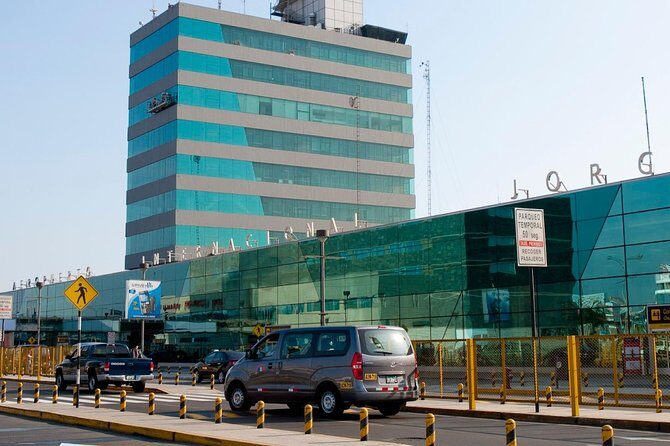
This service is designed around that same idea: get you from your hotel to Jorge Chávez International Airport in time, without extra thinking. With a stated drive time of about 40 minutes to 1 hour, I’d treat the upper end as your default planning number unless you’re traveling on a quiet schedule.
Price and What You Really Get for $19.74
At $19.74 per person for a one-way shared transfer, you’re paying for three things that matter on travel days: a scheduled pickup, a driver who’s focused on the airport run, and less hassle with your luggage.
You also get an unusual value point: airport/departure tax is included. Even if the final line items at airports differ from country to country, it’s still one less surprise cost at the end of your trip.
Here’s the real value math: you’re trading a bit of flexibility (because it’s shared) for reduced stress and fewer logistics headaches. That tends to be worth it when you’re traveling with multiple bags, going for a specific departure time, or just don’t want to gamble on finding transport quickly.
Hotel Pickup That Doesn’t Make You Search
One of the best parts of this transfer is the “meet you where you are” approach. After you reserve online, a driver is assigned and they’re expected to be at your hotel before the agreed time. A travel assistant looks for you and helps with your bags, which is the kind of detail that saves time in real life.
This is especially helpful in Lima where a last-minute scramble is common. You’re not trying to guess which driver you’re supposed to match with, and you’re not doing the awkward shuffle of calling a taxi company while standing over suitcases.
If you booked in advance, the provider says they can also share the driver name and travel assistant name, if you need it for confidence and coordination. That’s a small thing, but it can make the pickup feel calmer.
Mobile Tickets: Small Tech Detail, Big Day-of Relief
You won’t need to print anything. Tickets are sent straight to your mobile, so you can keep everything on your phone and focus on getting downstairs and outside.
This matters more than it sounds. Many airport-day problems are really “paper problems” in disguise—misplaced confirmations, damaged emails, or finding a printer at the worst moment. Having the ticket on your phone reduces those stress points.
Tip: keep your phone charged and easily accessible on departure day. If you’re traveling with your passport in a bag, don’t bury your phone under everything.
The Shared Transfer Reality (and How to Plan Around It)
This is described as a shared transfer service, which means your car may also be picking up or coordinating with other passengers. That can slightly change how fast you roll out the door and when you arrive at the airport.
What you can do is plan your departure with the shared nature in mind:
- Aim to be ready early at your pickup location.
- Build in extra time for city traffic, since Lima can slow down even short distances.
- If your flight is tight, treat your “transfer duration” as a minimum, not a guarantee.
In one example, a ride of about 10 kilometers took around 35 minutes due to heavy circulation. That’s a reminder that timing in Lima isn’t just about distance—it’s about flow.
That said, the service focus is still clear: you’re not booking a random ride with no airport experience. You’re using a chauffeur-style operation that’s built around airport timing, with someone dedicated to getting you there safely.
Getting to Jorge Chávez: The Airport End of the Story
The airport start point is Jorge Chavez International Airport, Av. Elmer Faucett s/n, Callao 07031, Peru. Even though pickup happens at your hotel, this gives you a clear reference for where you’re ending up.
A good airport transfer should accomplish two goals:
- You arrive with enough time to handle check-in, bag drop, and security without panic.
- You don’t lose your last moments figuring out where to go.
This service is designed for that “no last-minute thinking” feeling. With a dedicated driver and a travel assistant earlier on, you’re already saving time before you reach the airport.
If you’re arriving with more than standard luggage, the bag help is particularly useful. It reduces the chance that you’ll have to negotiate where to stand, how to carry everything, and when to move.
Reliability: On-Time Strength Meets Real-World Risks
A consistent theme from the best experiences is punctuality. One account described the driver arriving on time with plenty of time to make the flight, and that’s exactly the kind of win you’re paying for on travel day.
At the same time, the world isn’t perfect. There was also an example where the driver didn’t show up, and the passenger ended up taking a taxi to avoid missing their flight. The provider response in that situation noted that the driver had a vehicle accident and couldn’t notify them in time. A full refund was already made.
So what does that mean for you?
- This service looks strong when it comes to on-time pickup.
- But you should still travel like a realist: build buffer time, keep your phone ready, and have a backup plan if your flight is extremely time-sensitive.
If something goes wrong, the data here suggests the provider handles compensation. Still, your safest strategy is always to give yourself extra slack on departure day.
Domestic vs. International Flights: Why You Must Select the Right Option
When booking, you’re asked to provide flight details and whether it’s domestic or international. That sounds minor, but it matters because the transfer might be adjusted based on departure specifics.
If you select the wrong option or omit the flight type, you’re adding uncertainty right when you don’t want it. So double-check:
- Your departure flight details
- Whether the flight is domestic or international
- Your pickup time relative to the time you need to be at the airport
This is also where shared transfers can be tricky: if your timing is wrong, delays in routing can hurt more. Accurate flight info helps keep the operation aligned with your schedule.
Who This Transfer Fits Best (and Who Might Want Alternatives)
This works well if you want a simple, organized airport run:
- You’re traveling for tourism or business
- You have luggage that makes public transport annoying
- You don’t want to negotiate taxi availability while managing your schedule
- You need a 24/7 option that matches your departure time
It also makes sense if you prefer the comfort of professional drivers and a structured pickup process. The provider describes their drivers and travel assistants as professional and dedicated to tourism and corporate clients.
Where it may be less ideal:
- If you dislike any possibility of shared routing delays, you’ll want to confirm what the shared setup could mean for your exact timing.
- If you’re traveling with very minimal baggage and don’t mind arranging your own transport, this could feel like paying extra for convenience. For many people, that convenience is the entire point.
One more practical note: the service allows service animals, so it’s set up to accommodate that requirement.
The Practical Checklist I’d Use Before You Leave the Hotel
You can make this transfer feel smooth with a few simple habits:
- Keep your phone charged for the mobile ticket
- Confirm your pickup timing for your departure flight type (domestic vs. international)
- Be ready at the pickup time. Shared services work best when you’re punctual at the origin
- If you’re traveling with multiple bags, plan on using the assistant help rather than waiting until the last second
And because Lima traffic can be unpredictable, I’d never plan your day so tightly that one slow pickup or one slow turn into the airport could threaten your check-in window.
Should You Book This Lima Airport Transfer?
Yes, I’d book it if you want stress reduction and time savings. The combination of hotel pickup, a travel assistant for bags, and mobile tickets is exactly what turns an airport transfer into a low-effort routine. The included airport/departure tax is another value point.
I’d hesitate only if your flight is ultra-tight and you can’t tolerate any chance of shared-routing timing changes. In that case, you’ll want to be extra strict about your buffer and double-check the flight type you select.
Overall, this is a good choice when your top priority is getting to Jorge Chávez International Airport reliably without wrestling with public transit or last-minute taxi logistics.
FAQ
Is the airport transfer one-way?
Yes. It’s a one-way shared transfer to the airport.
How long does the transfer take?
The duration is approximately 40 minutes to 1 hour.
Do I need to print the ticket?
No. Tickets are sent to your mobile, so you don’t need a printer.
Is pickup included, and where does the driver meet me?
Yes. The driver is expected to pick you up at your hotel before the agreed time, and a travel assistant helps with your bags.
Is the service available at all hours?
Yes. The service is available 24/7 to match different departure times.
What should I send when booking my transfer?
Provide your departure flight details, including whether it’s domestic or international, so the correct option is selected.
What’s included in the price?
The price includes airport/departure tax and the one-way shared transfer.
Can I cancel for a refund?
Yes. You can cancel up to 24 hours in advance for a full refund.
]]>One thing to keep in mind: you’ll make multiple stops in a short 4-hour window, so if you want extra background at every location, you may have to prompt your guide with a few questions to get the detail you’re hoping for.
Key moments that make this night tour work
- Water Circuit at dusk: the lights-and-water show is timed so the city feels electric right as night falls.
- Historical Center photo time: you get to hit main plazas and grab pictures without rushing through everything.
- Three rounds of pisco: it’s built around tasting, not just sitting in a bar.
- Hotel-to-downtown convenience: pickup and a driver mean you skip the stress of navigation after dark.
- Small group cap: with up to 10 people, it feels more personal than a huge bus tour.
- Food is on you: street-food options are part of the vibe, but they are not included, so plan a snack budget.
Starting at 6:00 pm with hotel pickup and a tight four-hour plan
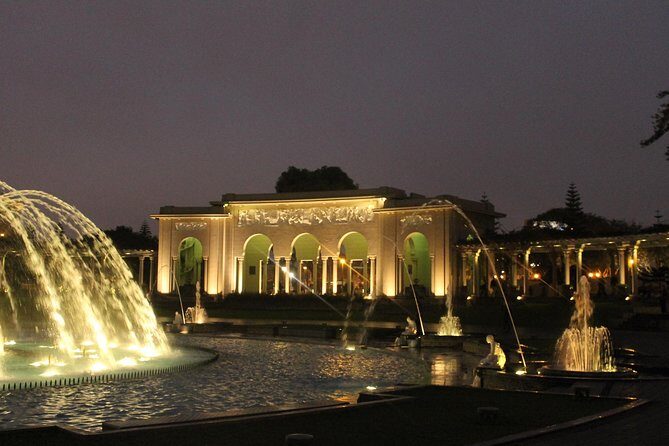
This tour starts at 6:00 pm, which is a great time to be downtown in Lima. You’ll catch the transition from late-day light to the first real night energy. That matters because the main show is all about lighting, and it hits best once the sky darkens.
The other practical win is pickup from your Lima hotel. You’re not trying to guess bus routes or hail rides in a new city after dark. Instead, you meet up, load into a vehicle with a driver, and then you’re off. The group is limited to 10 travelers, so it doesn’t feel like a production line.
You’re also in good hands with a dedicated guide-and-driver setup. In past tours, guides like Miguel (friendly and helpful) and Andres (excellent with timing) have partnered with drivers such as Aymen, who’s known for making logistics feel smooth. That combination is what keeps the night from getting messy when you’re hopping between places.
Circuito Magico del Agua: Lima’s fountain show after dark
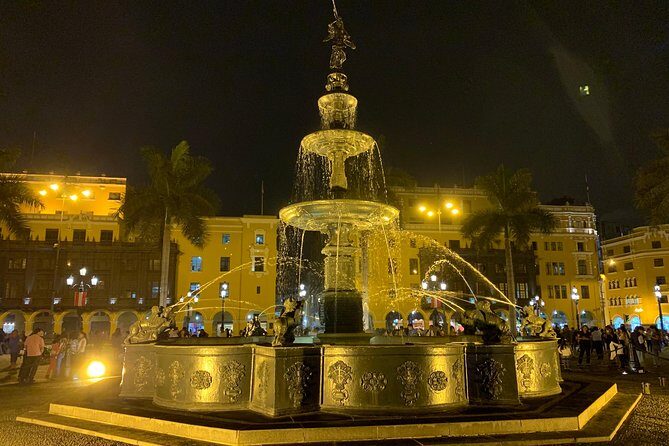
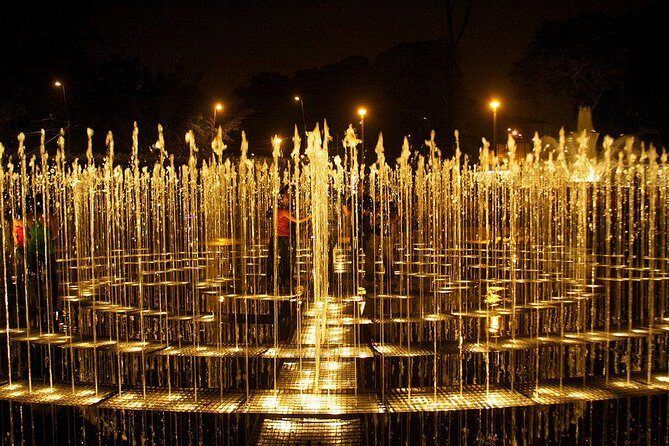
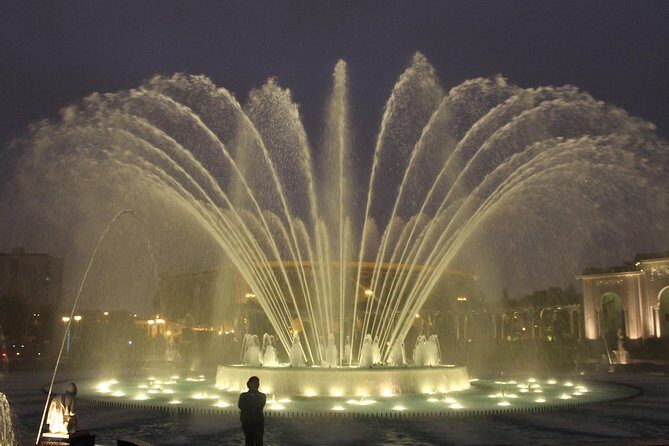
The evening kicks off at Circuito Magico del Agua, the famous Water Circuit. This is the kind of place where you don’t need to be a fountain expert to get it. You just need to be there when the lights come on.
Plan for about an hour here. You’ll get the admission ticket included, so you’re not doing a ticket hunt right when you arrive. The show is built around music and projections, and one highlight from earlier nights is the big central fountain with an animated presentation that spells out parts of Peru’s story while music runs in the background. It’s the sort of thing where you stop taking photos and just watch for a minute, because the scale is hard to fake.
What I like about starting here: it gives the tour an easy rhythm. You’re energized early, your senses are tuned for the night, and then you move into the slower pace of plazas and bars without feeling like you’re fading out.
Possible downside? If you arrive late because of hotel mix-ups, you’ll feel it more here than later stops. So if you’re running on a tight schedule, show up at pickup time with a little buffer.
Historical Center plazas: walk, look, and picture the old city lights
After the fountains, you shift into Centro Histórico de Lima. This section is where you trade spectacle for atmosphere.
You’ll visit a couple of main plazas, with time for photos and a guided walk-through that helps you understand what you’re looking at. The ticket situation here is easy: admission is free for this portion, so you’re mainly paying attention to people, buildings, and street life instead of ticket lines.
In this part of the tour, the guide’s personality matters. In one experience, Miguel acted like a facilitator and logistic helper, but the rider had to ask more questions to get deeper area context. In another night, Andres brought strong engagement, and Aymen’s driving kept the schedule calm and stress-free. So the best-case version of this stop is when you ask your guide what to notice before you take photos.
What to expect on the ground: this isn’t a museum stop where you sit for long periods. It’s walk-and-look, then move on. If you enjoy street-level seeing, this part pays off. If you prefer long quiet breaks, you might find it a bit “on the move.”
Pisco tasting in classic Lima bars: how to make three rounds feel fun, not frantic
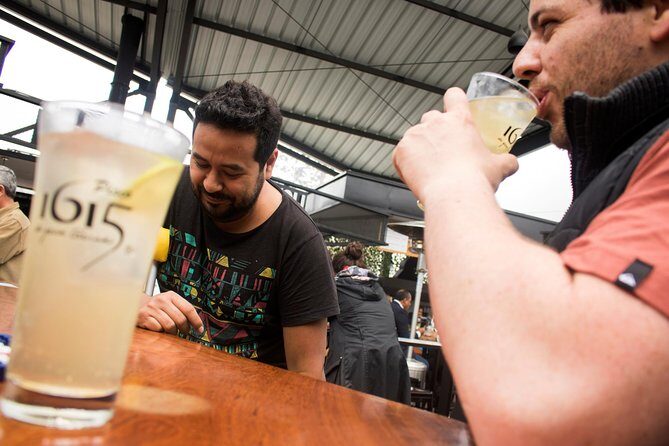
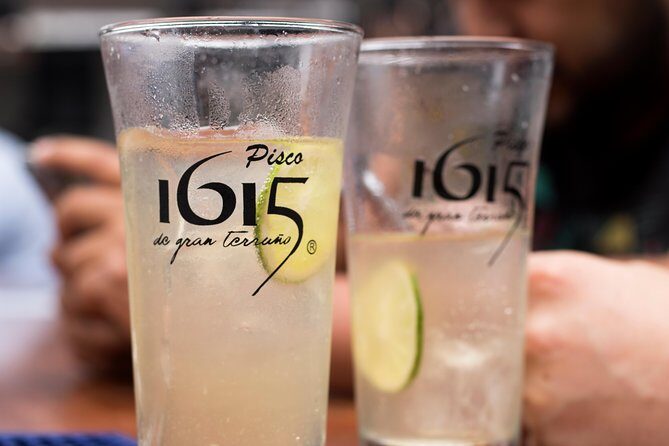
The core experience of the evening is the pisco drinks. You’ll have three rounds included, and the tour is designed around tasting, not just ordering one drink and calling it a night.
You’ll also spend time in a couple of bars during the Historical Center section, where the vibe is more traditional and local. Earlier nights included tastings at places like Hotel Gran Bolívar, which tells you the tour leans toward classic Lima energy rather than trendy-smooth cocktail bars.
Here’s how I’d approach the tasting so it stays enjoyable:
- Sip slowly and taste each round as its own drink, not just alcohol on a timer.
- If you’re the sort who usually eats before going out, eat a light snack earlier. Food isn’t included on this tour, and the pacing can catch you if you’re empty.
- If you want something different from the usual pisco menu, ask. One participant asked for food instead of additional Pisco Sours the next morning before a flight, and the team accommodated.
One practical point: you’re drinking three rounds in about a half-day timeframe that also includes walking and photos. That’s not a problem for most people, but it’s smart to bring a calm, steady mindset. You want to remember the fountain show, not just the last sip.
Surquillo Food Truck Park (Travel Buddies Peru): snack options and a breather
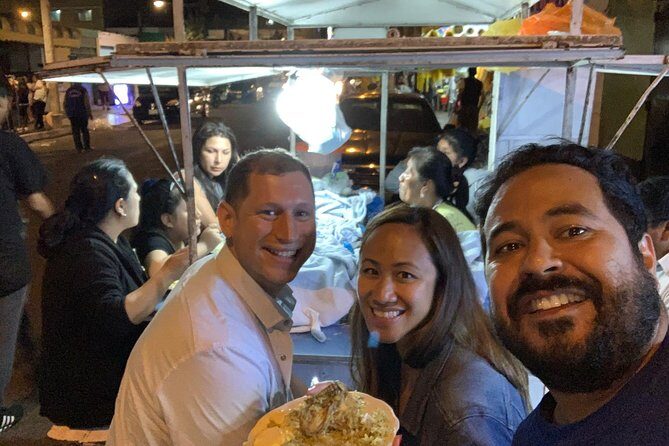
After the Historic Center, the tour heads to Surquillo, specifically a food truck area associated with Travel Buddies Peru. This stop is about an hour, and there’s no admission charge for this part.
This is your chance to eat something at your pace. The important part: food is not included. So if the tour description promises street food vibes, it still means you should budget for snacks and meals yourself.
I like this stop because it gives your body a break after the walking and bar time. It also helps you avoid the common night-tour problem where everyone ends up hungry and grumpy at the last location. Here, you have a buffer.
What you’ll do in a food truck park: browse, pick something that smells good, and keep the conversation going with your guide. If you’re traveling solo or you don’t have a lot of night plans, this hour often becomes the easiest social moment.
Price and value: what $80 covers in real terms
At $80 per person, this tour isn’t the cheapest way to spend an evening in Lima. But it’s also not trying to be a budget bus ride.
Here’s what you’re paying for:
- Transportation: pickup included and you’re driven between areas at night.
- A specialist guide: the guide handles the stops so you don’t need to figure it out.
- Three rounds of pisco: that alone is a meaningful chunk of the experience.
- Circuito Magico del Agua ticket: the fountain show admission is included.
So the value comes from combining entry costs and guided drink tasting with transportation. In other words, you’re not just buying a view. You’re paying to make a night plan feel organized, safe, and low-stress.
If you planned this on your own, you’d still pay for transport and you’d likely spend time figuring out timing. Time is expensive on a short trip, and this tour buys you smooth scheduling.
Who this night tour fits best (and who might want something else)
This tour suits you if you want a structured night in Lima without doing heavy planning. It’s also a good match if you like:
- Night photography around the plazas
- A fountain show as the anchor of your evening
- Trying pisco with a guide who helps you make sense of the drinks and the districts
- A group size that stays small, with up to 10 people
It may be less ideal if you prefer very slow travel, long free time, or deep, museum-style explanations at each stop. The schedule is designed for seeing more than one area. That means you get the highlights, not a long essay at every location.
Also note the minimum age is 18. If you’re traveling as a group with mixed ages, double-check everyone meets that rule.
Tips for getting the most out of your night (without turning it into homework)
You don’t need to overthink this tour, but a few smart moves can help:
- Wear shoes you don’t mind walking in. You’ll move between plazas, bars, and the Surquillo area.
- Bring a light jacket or layer. Lima nights can feel cooler than you expect.
- Pace yourself on the three rounds. It’s better to sip and enjoy than to power through.
- If you want more facts, ask. A recurring theme from one experience is that the guide stayed nice and friendly, but the rider had to ask questions to get more area info. You’ll get more out of it if you prompt the conversation.
- Have a small snack before pickup if you know you drink pisco best with food nearby. Food isn’t included, so your stomach will appreciate the planning.
If you want the night to feel like a guided hangout with logistics handled, this is the right approach.
Should you book Lights, Pisco & Fun?
Book it if you want a clean, time-efficient way to experience Lima at night: fountain show first, then Historical Center sights and pisco tastings, ending with a Surquillo food stop. It’s also a strong choice if you value pickup, a driver, and a small group cap, because it reduces the usual stress of figuring out nighttime transport.
Skip it (or consider something else) if you want lots of free time, long explanations, or food fully included. You’ll have food options at the Surquillo stop, but you should budget for snacks yourself.
Overall, this tour feels built for people who want to say yes to nightlife plans without making their evening complicated. If you’re up for lights, photos, and three guided pisco rounds, it’s a very practical way to spend 4 hours.
FAQ
What time does the tour start?
The tour start time is 6:00 pm.
How long is the experience?
The duration is approximately 4 hours.
Is hotel pickup included?
Yes. Pickup from your Lima hotel is offered.
What is included in the ticket price?
Your price includes transportation, a Travel Buddies specialist guide, and three rounds of pisco drinks. The fountain show ticket is also included.
Is food included?
No. Food is not included, though you’ll have a stop at a Surquillo food truck park where you can buy snacks or a meal.
Is there a minimum age?
Yes. The minimum age is 18 years.
What’s the maximum group size?
The tour has a maximum of 10 travelers.
]]>You’ll start at 9:00 am with pickup from your hotel or BnB, then ride in an air-conditioned vehicle as you hop between districts. You’ll get mobile tickets where they apply, and the whole tour is private—just your group—with an English-speaking guide. It’s also built with free entry at several stops, so your time goes to seeing, not waiting around.
Key highlights you’ll remember
- Huaca Pucllana’s ceremonial focus: evidence points to ritual activity as the main purpose of this Lima culture site
- El Parque del Amor’s sea views: inspired by Park Güell, plus the El Beso sculpture and mosaic love phrases
- Bilingual love notes in public art: Spanish and Quechua appear on the walls at El Parque del Amor
- San Isidro’s Parque El Olivar: a leafy reminder of viceregal and republican traditions
- Plaza Mayor’s civic core: the founding site of Lima, framed by major government and church buildings
- Lima Cathedral’s art styles: carved altar pieces created across multiple art styles, explained by your guide
How the 4-Hour Private Pace Works in Lima
This is a tight, efficient tour. You’re on the clock for roughly four hours, which means you’ll cover several high-impact stops without the day getting swallowed by transit.
Pickup is included from your hotel or BnB, and you’ll move between locations by private transportation in an air-conditioned vehicle. That matters in Lima because you’re not just sightseeing—you’re also dealing with city traffic and changing weather.
Since the tour is private, you can ask questions as you go rather than competing for attention. Your guide (Victor is specifically mentioned in a top review) tends to explain what you’re looking at in plain language, which is exactly what you want when time is short.
Huaca Pucllana: Lima Culture’s Ceremonial Core
Huaca Pucllana is the start that gives context. It’s an important ceremonial center of the Lima culture, and the evidence suggests ritual activity was the main purpose here. In other words, this isn’t just a scenic ruin you pass by—it’s a place built to matter.
When you’re standing on or near the site, try to focus on the idea of ceremony rather than modern expectations. I like tours that connect the dots: what people did here, why it mattered, and how the city that surrounds it grew later.
A practical note: with a site like this, you’ll want a comfortable stance and a little patience for outdoor walking. The tour keeps things moving, but this is still a stop where good viewing depends on where you stand and how long you pause.
El Parque del Amor: Sea Views and a Love-Themed Masterpiece
Then the tone changes—in a good way. El Parque del Amor gives you sea air and a big view, and it’s built around a concept of public love and memory.
The park is inspired by Park Güell in Barcelona, which you’ll notice in the playful design language. At the center is the sculpture El Beso by Peruvian sculptor Víctor Delfín, and the walls are decorated with mosaics that include love phrases in Spanish and Quechua.
What I like here is that the park is more than a photo stop. It’s a community-facing statement—romantic messages, languages, and names of famous couples in the history of love, plus references to people who helped finance the construction. Even if you’re not big on romantic art, the bilingual text makes it feel grounded and local.
You’ll spend about 40 minutes here, and admission is free. If you can, arrive with a curious mindset: spend a few minutes reading the phrases rather than only photographing the sculpture.
Parque El Olivar de San Isidro: A Quiet Viceregal-Rep to Breathe
After the energetic park, Parque El Olivar de San Isidro shifts you into a calmer rhythm. This area is considered one of the most representative sectors of San Isidro, and it symbolizes both viceregal and republican traditions of the district.
This is the kind of stop that works well when you’ve been walking and learning for a couple hours already. You get shade, greenery, and a softer pace—use it to reset your brain before the historic center.
You’ll have about 20 minutes here, and admission is free. That short window is intentional: it’s enough to enjoy the setting, but not long enough that you feel stuck. If you love gardens or urban parks, you’ll probably want a bit more time. If you prefer moving efficiently, the schedule fits you well.
Plaza de Armas (Plaza Mayor): Lima’s Founding Square
Plaza Mayor is the main event square, and it’s easy to see why. This is the founding site of the city of Lima, so everything around it carries weight—government, cathedral, major historic institutions, and the everyday life of a capital city.
At the square’s center area you’ll find the monument to Liberator Don José de San Martín, who proclaimed Peru’s Independence in 1821. Standing there, it’s hard not to feel the layering: independence, Spanish rule, church power, and modern civic presence all packed into one place.
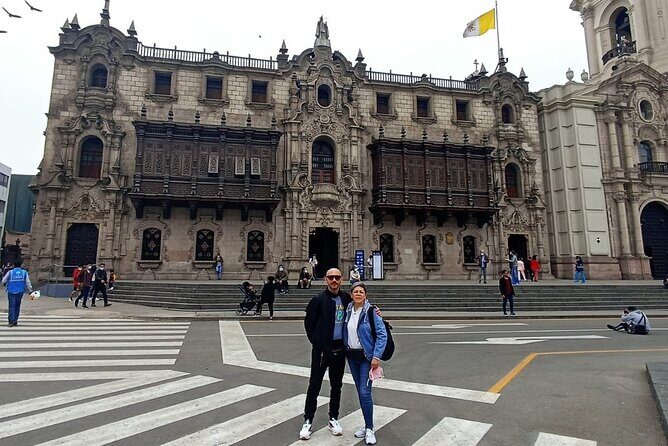
The square is framed by historical buildings such as Teatro Colón, the Gran Hotel Bolívar, and the Club Nacional. And while the square itself is the star, the edges tell the story too. Nearby, you’ll see the Government Palace of Peru and other landmarks like the Cathedral of Lima, the Church of the Tabernacle, the Archbishop’s Palace of Lima, the Municipal Palace of Lima, and the Club de la Unión.
You’ll get around 20 minutes here, and admission is free. My advice: don’t just look at one focal point. Spend a minute scanning the surrounding facades, then turn back to the monument—your brain will connect the history faster that way.
Lima Cathedral: 16th-Century Origins and Guide-Explained Art

After Plaza Mayor, the tour climbs into the church that anchors Peru’s Catholic life. The Lima Cathedral is described as the main headquarters of the Catholic Church in Peru, and its origins go back to the early Spanish period.
The story begins in 1535, when Francisco Pizarro ordered construction of a Catholic temple. It was inaugurated in 1540, then—one year later—Paul III converted it into a cathedral. That timeline helps you understand why the cathedral feels both old and official: it’s tied directly to how power and religion were organized during colonization.
You’ll spend about 40 minutes inside, and admission is included. In one standout review, the cathedral’s ornate details and carved altar pieces were a highlight, described as created in multiple art styles. That’s a big deal. When you have a guide who points out the differences, the building stops being just impressive and becomes educational in a satisfying, practical way.
If you’re an art/history person, this is where the tour pays off. Even if you’re not, the scale and craftsmanship are hard to ignore. Just give yourself time to look slowly, especially around altar pieces and key architectural details, rather than trying to take it all in at once.
Price and value: What $87 gets you for half a day
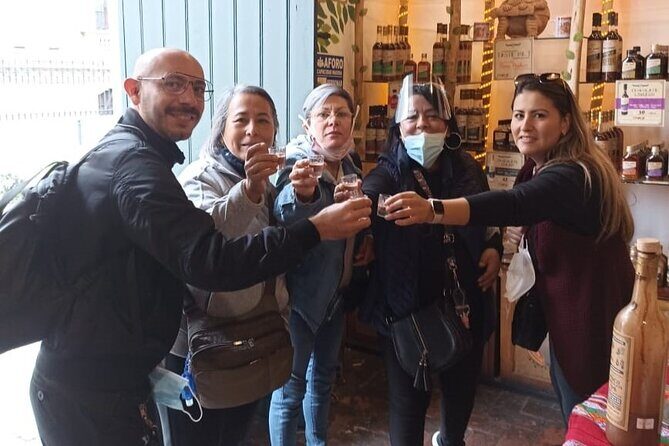
For $87 per person, the value is in the combination: private transportation, a private guide in English, and an included cathedral admission. That makes a difference versus piecing together multiple public tickets and trying to coordinate time by yourself.
The tour also includes free entry for several major stops—El Parque del Amor, Parque El Olivar de San Isidro, and Plaza Mayor. So while you are paying for guided time and logistics, you’re not double-paying for basic site access.
What’s not included is snacks or lunch. Since this tour lasts around four hours, that becomes the one real planning gap. I’d treat it like a morning/early afternoon mini expedition: eat before you go, or plan a meal right after the cathedral stop.
Also, because it’s private, you avoid the common downside of busy group tours: feeling rushed and unheard. You can ask a question and keep moving, without turning your day into a waiting game.
Who this tour suits best
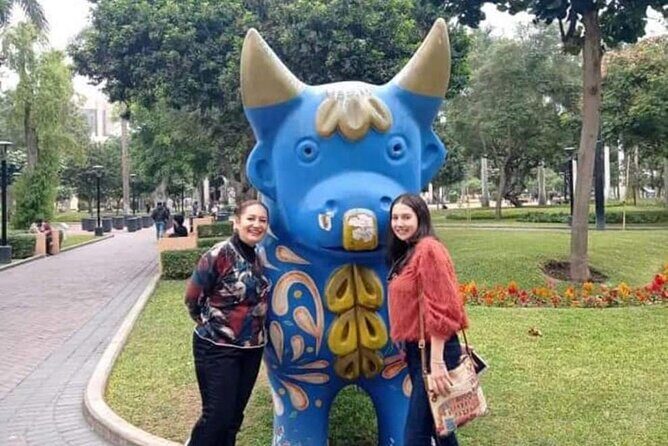
This tour is a smart fit if you want a concentrated taste of Lima without spending your day on logistics. You’ll like it if you enjoy mixing eras—pre-Hispanic ceremonial sites, modern public art, and the Spanish-era civic and religious center.
It also works well if you like your guide to translate what you’re seeing. The review praising Victor specifically points to clear, art-focused explanations inside the cathedral. That’s the style that makes a short tour feel like more than the clock says.
It’s also a good choice if you’re traveling with a group and want control. Since it’s private, you’re not stuck with strangers’ pace or topics.
If you hate walking, this might feel a little fast. The schedule is built for efficiency across multiple areas, so you’ll want comfortable shoes and a willingness to pause and look rather than sprint.
Should you book Half Day Private Tour to Historic Places of Lima?
If you have only a half day in Lima and you want real highlights in a single route, I think this is a solid choice. The best parts are the pairing: Huaca Pucllana for context, El Parque del Amor for local design and language, and Lima Cathedral for the art-history payoff—handled by a guide who actually explains.
Book it if you want guided clarity, indoor-and-outdoor variety, and the comfort of pickup plus air-conditioned transport. Skip it only if you’re planning to rely on the tour for food or if you want a slower, deeper exploration of just one site.
If you do book, do this: eat first, wear comfortable shoes, and bring a mindset of short stops with sharp attention. That’s how you get the most out of four hours in Lima.
FAQ
How long is the Half Day Private Tour to Historic Places of Lima?
It runs for about 4 hours.
What does the tour cost?
The price is $87.00 per person.
What time does the tour start?
Pickup and start time are listed as 9:00 am.
Is hotel pickup included?
Yes. The tour picks up clients at their hotel or BnB where they stay.
Is this tour private?
Yes. It’s a private tour/activity, and only your group participates.
What language is the tour offered in?
It is offered in English.
What is included in the price?
Included features are an air-conditioned vehicle and private transportation. Lima Cathedral admission is included, too.
Are admission tickets included for all stops?
No. Some stops are free, but Lima Cathedral admission is specifically included. Admission for other sites is noted as free.
Is snacks or lunch included?
No. Snacks and lunch are not included.
What if the weather is bad?
This experience requires good weather. If it’s canceled due to poor weather, you’ll be offered a different date or a full refund.
]]>I love the chronological, didactic layout. I also love seeing ceramics, textiles, and gold-and-silver pieces in such careful condition, organized in thematic areas instead of a random walk. It’s the kind of museum visit where you understand what you’re looking at while you’re still looking at it.
One consideration: your total tour time is 2 hours 30 minutes, but that includes travel. You’ll spend about 1 hour 45 minutes inside after roughly 22 minutes each way getting there and back.
Key things to know before you go
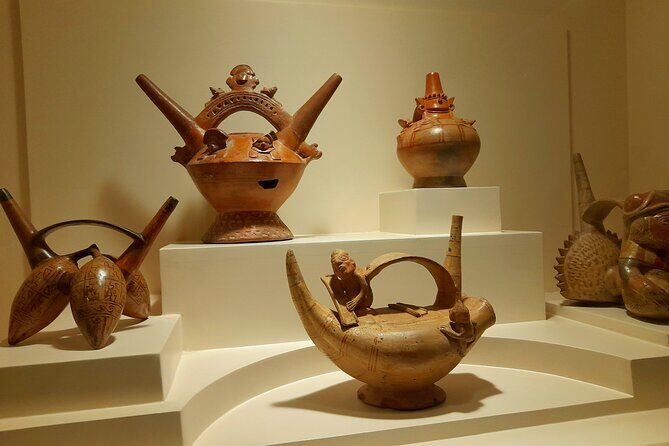
- Over 45,000 ceramic pieces arranged in didactic, chronological order across ancient Peruvian cultures.
- 1 hour 45 minutes in the museum, which is a good amount of time for seeing the main areas without burnout.
- Ceramics + textiles + precious metals shown beautifully, with lots in exceptional condition.
- Fertility gallery highlight often called the erotic room, tied to mysticism and cultural meaning.
- Small group size (max 10), so your guide can keep the pace humane.
- Official English/Spanish guide included, which makes the difference with archaeology.
Museo Larco: One Museum, 45,000 Years of Ceramics
If you’re short on time in Lima, this is a smart museum target. The Museo Larco is one of Peru’s best-known collections because it covers a big sweep of ancient life, and it does so with objects that are easy to organize in your mind. You’re not just staring at pottery. You’re seeing how ceramic styles and purposes evolved as different civilizations rose, shaped culture, and changed over time.
The museum’s structure matters for your enjoyment. Pieces are organized didactically and chronologically, so you get a built-in sense of progression. That means when you move from one room to the next, you’re not constantly asking yourself what era this is. A guide helps connect the dots, but even on your own, the museum’s layout is built to teach.
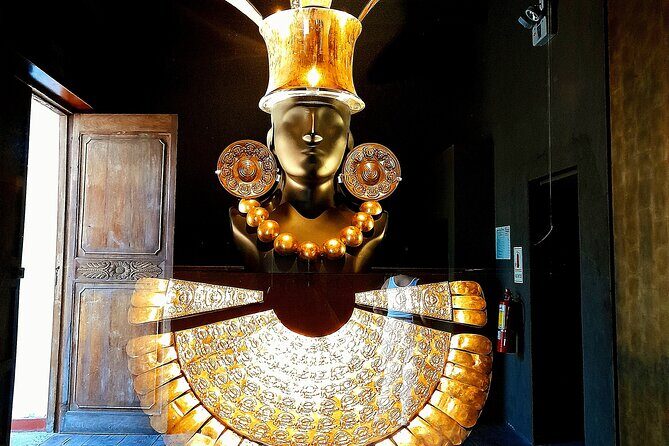
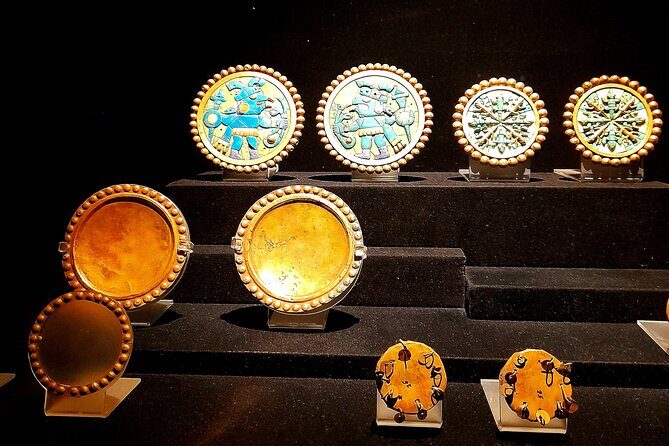
Then there’s the collection depth. You’ll encounter an impressive number of items, including more than 45,000 ceramic pieces. Add in textiles and gold and silver artifacts, and you get a fuller picture of what people valued and how they expressed beliefs—through art, daily life objects, and ceremonial pieces.
A practical note on expectations
The Larco Museum is not a giant warehouse you need a day to conquer. It’s packed, but it’s also designed to be readable. If your museum style is focused and meaning-driven, you’ll likely feel satisfied even with limited time.
2.5 Hours Total: How Timing Works With Transfers and Small Groups
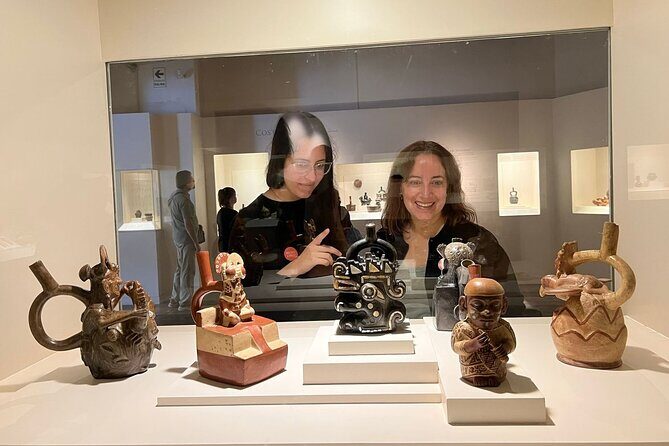
The tour runs about 2 hours 30 minutes, but the math is important. Getting to the museum from the pickup area takes about 22 minutes each way, for roughly 45 minutes of travel time. That leaves about 1 hour 45 minutes for the museum visit itself.
So if you’re the type who hates being shuffled around, plan your expectations. You’re not losing everything to transport—you’re just trading convenience for a half-day feeling. This timing is also one reason the guide component matters: the time in the galleries is limited, so you’ll want someone pointing out what’s most important.
Group size is kept to a maximum of 10 travelers. That’s a sweet spot for a museum tour. You can hear the guide without shouting over a crowd, and you can move at a pace that doesn’t feel like a sprint.
Pickup is offered only if you’re staying in Miraflores, Barranco, or San Isidro. If you’re elsewhere, you’ll start at the meeting point near the museum: Av. Simón Bolívar 1515, Ingreso frente al Parque Larco, Pueblo Libre. Either way, the tour ends back at the same meeting point.
My advice for making the most of the schedule
- Show up 10 to 15 minutes early if you’re doing pickup. It helps your start feel calm.
- Wear comfortable shoes. Even in 1 hour 45 minutes, you’ll walk room to room.
- If you’re sensitive to bright indoor lighting, bring sunglasses you can keep in your bag for outdoor breaks.
Your Museum Route: Ceramics, Textiles, and Precious Metals in Order
This is the part you’ll remember. The Larco Museum doesn’t just show objects—it organizes them into themed areas that map to ancient cultures and shifting meanings over time. The ceramics take center stage, but you’ll also move through sections with textiles and gold and silver artifacts.
The key benefit of that mix is perspective. Ceramics can be about craft and style, sure. But they also act like time markers: changes in shapes, decorations, and techniques can signal cultural shifts. Seeing textiles helps you remember that people expressed identity in many mediums, not just pottery. And precious metals add another layer—sometimes linked to ceremonial use, status, or belief systems.
Because the displays are arranged chronologically, you can follow the story more easily than in a museum where everything is grouped only by material. You’ll also benefit from the fact that many pieces are in exceptional condition. That matters because you can actually see the details the guide is talking about—patterns, forms, and symbolic choices.
What I’d watch for while you’re there
As you move through rooms, slow down for anything your eye can connect to earlier pieces. A guide may point out recurring motifs or shifts in technique. Even if you only catch part of what’s explained, noticing similarities and differences helps you build your own understanding fast.
The Fertility Gallery: The Famous Room That Changes How You Read the Art
One of the most talked-about elements of the museum is its ceramic room dedicated to fertility—often referred to as the erotic room. Whether that label sounds like a red flag or a curiosity magnet depends on you, but it’s still worth knowing what you’re walking into.
From a cultural point of view, fertility wasn’t a side topic. It connected to life, survival, and belief. The museum frames the gallery in a way that ties the objects to meaning, including mysticism. With a guide, you’re less likely to treat it as a shock display and more likely to understand why it matters in the broader story of ancient societies.
Here’s the practical side: if you’re visiting with kids or with anyone uncomfortable with mature themes, decide how you’ll handle that space ahead of time. The tour guide can help set context as you approach, but you still want to be in control of your comfort level.
Who will love this highlight
- People who like archaeology that includes everyday life and belief systems.
- Anyone who finds symbols more interesting than dates.
- Travelers who want the museum to feel human, not just academic.
Guide Power: Why the Stories Matter (and Names You’ll Hear)
With museum tours, you usually get one of two outcomes: either you enjoy the objects, or you understand them. This tour leans hard toward understanding, because an official tourist guide is included and you’ll have time to move through the areas at a steady pace.
The guide experience is a big deal here. I’ve seen that clearly in how people describe their visits—guides like Pamela have been praised for making ceramics and artifacts feel alive, not just readable. Another guide, Mabel, has been described as highly professional with confident command of the history, along with a friendly, attentive style.
You don’t need to memorize Peruvian history to get value from that. A good guide helps you do the simplest thing well: connect the object you’re standing in front of to a bigger idea. That’s how a museum stops being a checklist and becomes a conversation you can carry home.
What you can expect from the pacing
The tour is designed so you have enough time per room, but you’re also guided along so you don’t run out of energy before you hit the main areas. That pacing is especially important at the Larco Museum because it’s easy to get overwhelmed just by the number of items.
So if you tend to rush through museums on your own, you’ll likely appreciate the structure. If you like slow reading and optional detours, you might feel a little constrained—but in a good way, like someone keeping you from forgetting the essentials.
Price and Value: Is $55 Worth It in Lima?
At $55 per person, the value mostly comes from what’s included. You’re not just paying for admission. Your ticket price covers:
- Entrance ticket to the museum
- An official guide in English / Spanish
- Private transportation by air-conditioned vehicle
- Pickup and drop-off only if you’re staying in Miraflores, Barranco, or San Isidro
That matters because guided museum visits can turn a confusing experience into a meaningful one quickly. Here, you also get the convenience of transport without having to sort it out yourself.
In other words, the price makes sense if you want structure, context, and time efficiency. If you’re the type who loves wandering a museum solo at your own speed, you could do it independently. But that independence comes with tradeoffs: you’ll spend more time figuring out what you’re looking at, and you’ll lose the guided explanations that people specifically praise.
What’s not included (so plan ahead)
You’ll need to budget for tips, and food and drinks aren’t included. That’s normal for a museum tour, but it’s good to know so your visit doesn’t turn into a surprise shopping mission.
Who Should Book This Museo Larco Tour?
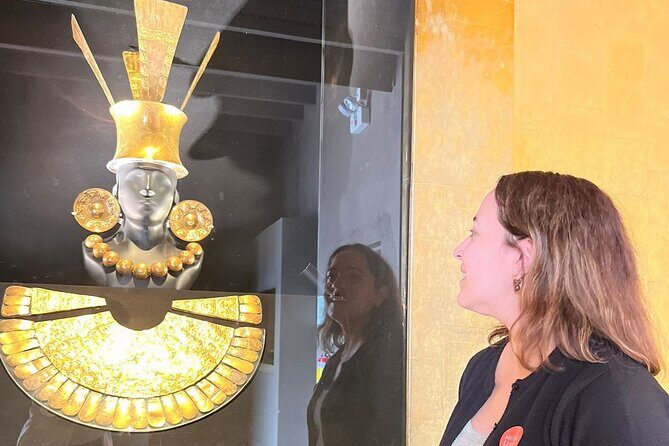
I’d steer you toward this tour if you want a museum visit that’s more than photo-taking. This is for travelers who like archaeology, ancient cultures, and symbolism—and who want someone to translate what you’re seeing without turning it into a lecture.
You’ll especially enjoy it if:
- You like a chronological story rather than random exhibits.
- You want to see ceramics but don’t want to guess at meanings.
- You prefer a small group (max 10) with a guide who can manage pace.
You might consider skipping or adjusting your expectations if:
- You’re very time-sensitive and don’t want to spend about 45 minutes in transit total.
- The fertility gallery might be uncomfortable for your group. Decide ahead how you’ll handle that space.
A tip for your comfort and focus
If you want to get the most from a guided visit, set a simple goal: pick three rooms or themes you care about most. Then let the guide’s explanation anchor those choices. You’ll leave with a clearer sense of what mattered, even if you don’t remember every object name.
Should You Book? My Honest Take
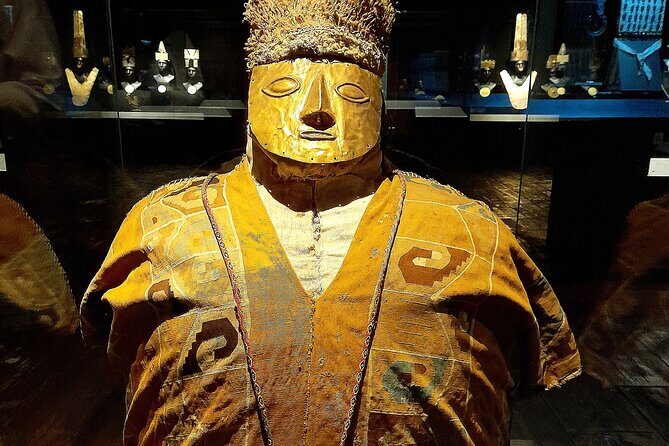
Book it if you want an efficient, guided visit that helps you understand Peru’s ancient world through ceramics, textiles, and precious artifacts—plus a fertility gallery that adds a deeper, symbolic layer. The combination of admission + guide + transport for $55 is a straightforward value play, especially in Lima where timing and logistics can eat your day.
Skip it only if you strongly prefer unguided wandering or you know you’ll hate the travel component. Otherwise, this is one of those tours where the guide really changes the experience. You’ll likely walk out with more than souvenirs—you’ll walk out with context.
FAQ
How long is the Museo Larco tour?
The tour lasts about 2 hours 30 minutes in total, including pickup and drop-off. You’ll spend approximately 1 hour 45 minutes exploring the museum after about 22 minutes transfer time each way.
What is included in the price?
The price includes air-conditioned vehicle transport, private transportation, the museum entrance ticket, an official tourist guide (English or Spanish), and pickup and drop-off only if you are staying in Miraflores, Barranco, or San Isidro.
Is food or drinks included?
No. Foods and drinks are not included, and tips are also not included.
Where does the tour start and end?
The tour starts at the Larco Museum meeting point at Av. Simón Bolívar 1515 (Ingreso por, frente al Parque Larco, Navarra 169, Pueblo Libre 15084, Peru). The activity ends back at the same meeting point.
Do I need to choose a language?
Yes. The official tourist guide is provided in English or Spanish, depending on the tour setup.
What is the cancellation policy?
Free cancellation is available up to 24 hours before the experience start time for a full refund. Changes less than 24 hours before the start time are not accepted.
]]>I also like that pickup is set up early from Miraflores and San Isidro—so you’re not stuck hunting for transport before the long road. The tour runs in English and keeps things moving with a guide you can ask questions to along the way, which matters on a schedule this long.
The main drawback is simple: it’s a 16-hour day and breakfast and lunch aren’t included, so you’ll want to plan food and snacks around the gaps.
Key things that make this day tour work
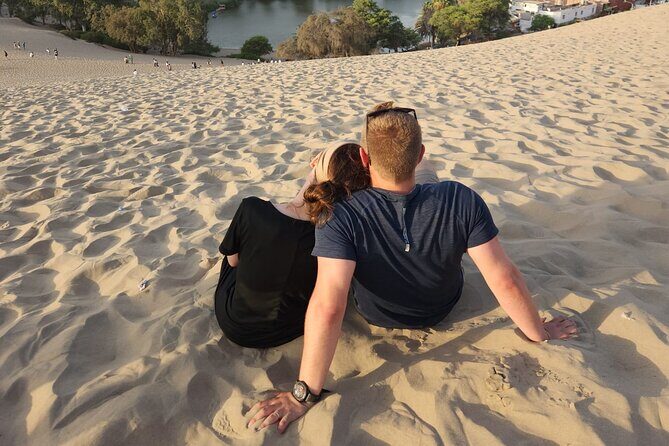
- Islas Ballestas time built in (2 hours) for marine-focused sights
- Pisco Nietto stop (2 hours) to slow down and enjoy the region’s pisco and wines
- Huacachina Oasis (1 hour) with dunes plus sandboarding
- Entrance fees included, so you avoid extra ticket hunting
- Early Lima pickup from Miraflores and San Isidro to start the day on time
- Small group (max 1 traveler) for a more personal pace
A 16-hour Paracas to Huacachina day that’s all about highlights
If you’re in Lima and want a big Peru sampler without arranging separate tours, this one-day loop is a practical choice. It’s long, yes, but it’s also structured: the day has three clear stop points, each with a set block of time, and entrance fees are handled for you.
Start time is 6:00am, and pickup from hotels in Miraflores and San Isidro begins at 4:30am. Expect to get back around 10:00pm, returning to the meeting point. That’s a lot of hours, so I recommend treating it like a commitment. You’ll be rewarded if you’re the type who can handle early mornings and travel days.
The upside of the pacing is that you don’t waste your time waiting around. The downside is that you won’t have hours and hours at any single location. You’re choosing breadth over depth.
Islas Ballestas: 2 hours to take in the marine wildlife
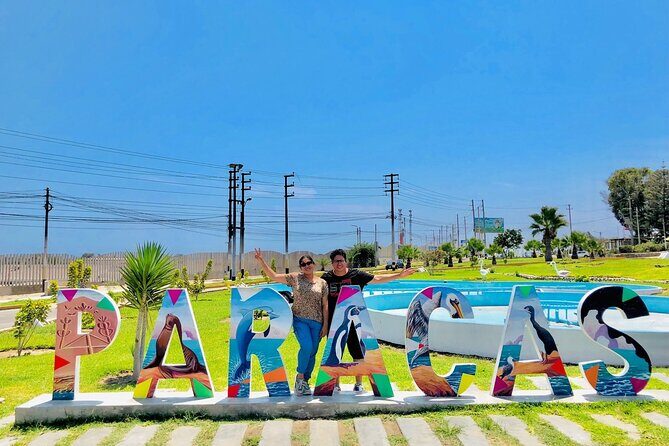
Islas Ballestas is scheduled for 2 hours, and the focus is on marine fauna. This is the stop that many people picture when they think of coastal Peru—wildlife, ocean air, and that feeling that you’ve left the city behind.
What I like here is that the time block is long enough to feel like a real outing, not a quick photo dash. Two hours gives room for the experience itself plus the small moments: looking around, taking in the view, and letting the sights sink in before you’re back on the road.
A consideration: wildlife experiences can be affected by conditions. The tour provider notes the experience requires good weather. If conditions aren’t right, the operator may cancel and offer a different date or a full refund (details show up in the tour rules).
Tip: dress for wind and sun. Even when the day is bright, coastal air can feel cooler than you expect.
Pisco Nietto: a 2-hour pause for pisco and wine culture
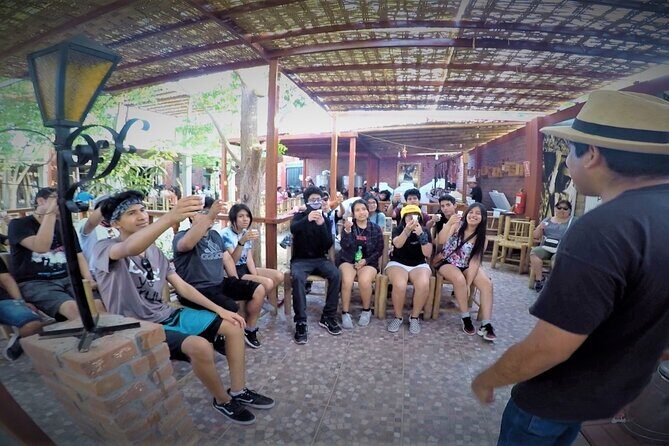
Next comes Pisco Nietto, with another 2 hours. This stop is built around enjoying the variety of pisco and the region’s wines. It’s a different energy than the coast—more tasting-style, more cultural, and a chance to slow down for a bit during a packed itinerary.
Why this works on a day like this: Paracas and Huacachina give you strong scenery and action. The Pisco Nietto stop adds a local flavor that’s still “on theme” for Ica Province, without turning the day into nonstop movement.
Also, it’s one of the better time buffers in the itinerary because it’s not just about walking. You get a dedicated chunk of time (not a rushed stop), so you can take it at an easy rhythm.
One practical note: breakfast and lunch aren’t included. If you’re sensitive to long gaps without food, plan what you’ll snack on during the day so the pisco stop feels enjoyable instead of a little frantic.
Huacachina Oasis in 1 hour: dunes, buguis walk, and sandboarding

Then you reach Huacachina Oasis for 1 hour. This is the adrenaline-friendly finish: you’ll head into the dunes area, take part in the buguis walk (as listed), and get sandboarding time.
One hour sounds short—because it is. But it’s long enough to try the signature activities and still feel like you experienced Huacachina, not just passed it. If you want a first taste of the desert and its classic dune play, this schedule delivers.
What to keep in mind:
- Sandboarding can be dusty and tough on clothes. Wear something that can handle sand.
- Protect your face and eyes from sun and grit.
- You’ll likely want to move at the pace of the group, even if you feel like lingering.
Also, because this stop is sand-and-action focused, it’s the part of the day where the “bring your energy” factor is real. If you’re already exhausted from the early start, this is where you’ll feel it.
Price and value: what $80 gets you from Lima

The price is $80.00 per person, and you’re paying for a full-day loop that includes:
- Air-conditioned vehicle
- Entrance fees (included as listed)
You’re also getting pickup (from hotels in Miraflores and San Isidro) and an English-speaking experience with a mobile ticket. For a 16-hour day with multiple stops, the value is mostly in the logistics: transport across the region plus entry fees taken care of.
What’s not included matters for real budgeting:
- Breakfast
- Lunch
So the smart way to think about the total cost is $80 plus whatever you spend on food. If you’re the kind of traveler who plans snacks and simple meals, the price feels fair. If you hate dealing with meals on the road, factor in that you’ll need to bring your own plan.
Is it good value compared to booking each stop separately? In most cases, yes, because the package reduces the coordination headache. But if you’re the type who likes flexible timing and long stays, you may feel the schedule is too tight for the same money.
Getting picked up and back: timings that matter

This tour has a clean structure, which I appreciate when you’re dealing with a long day.
- Start time: 6:00am
- Pickup offered: hotels in Miraflores and San Isidro begin at 4:30am
- Meeting point: Larcomar Mall, Mal. de la Reserva 610, Miraflores 15074, Peru
- End: returns to the meeting point
- Return time: around 10:00pm
- Tour duration: about 16 hours
That early pickup is the first thing to plan for. Set multiple alarms. If you show up late, you risk starting the day behind schedule, and there’s not much slack built in.
Another practical detail: it’s listed as near public transportation. So if you don’t want hotel pickup, you can still reach the meeting point without a taxi dependence.
Finally, the tour is limited to a maximum of 1 traveler. That usually means you’ll get a more personal experience and less crowd energy. It’s great if you prefer quieter days and more direct interaction.
The weather rule: why it can change your plan

Weather is a key factor here. The experience requires good weather. If the tour is canceled due to poor weather, the provider will offer a different date or a full refund.
Why this matters: the itinerary includes a wildlife-oriented coastal stop. If conditions are unsafe or not workable, the operator needs flexibility. If you’re booking near a tight travel window, consider travel days after the tour too, so you’re not stuck waiting.
Who this tour is best for (and who might not love it)

I’d point this tour at travelers who:
- Want major highlights from Lima in one day
- Like structured itineraries with set stop times
- Prefer entrance fees and transport handled
- Are okay with an early start and a late return
- Enjoy trying activities even when time is tight
You might want to skip it if:
- You really need breakfast and lunch included
- You hate long travel days (this is a full 16 hours)
- You’re hoping for slow, linger-with-coffee pacing at every stop
- Sandboarding and dune play aren’t your thing
In other words: if you’re going for maximum Peru-per-hour, this fits. If you’re going for a relaxed coastal day, you’ll probably feel rushed.
Should you book this Paracas–Huacachina day tour?
I’d book it if you’re in Lima with limited time and you want a well-organized highlights route: Islas Ballestas for marine-focused viewing, Pisco Nietto for the pisco and wine stop, and Huacachina for dunes plus sandboarding.
Book with a plan for the non-included meals. Eat before the early start, carry snacks for the gaps, and don’t underestimate the length of the day. Also, be ready for a weather-based change; it’s part of the deal.
If you want a long, active day with transport and entry fees covered—and you don’t mind getting up before the sun—this is a strong, practical choice.
FAQ
What is the total duration of the tour?
The duration is approximately 16 hours.
What time does the tour start?
The start time is 6:00am.
Is hotel pickup available?
Yes. Pickup from hotels in Miraflores and San Isidro starts at 4:30am.
Where does the tour meet?
The meeting point is Larcomar Mall, Mal. de la Reserva 610, Miraflores 15074, Peru.
What are the main stops during the day?
You’ll go to Islas Ballestas, Pisco Nietto, and Huacachina Oasis.
Are entrance fees included?
Yes. Entrance fees are included (as listed).
Are breakfast and lunch included?
No. Breakfast and lunch are not included.
What activities are included in Huacachina?
At Huacachina Oasis, you’ll enjoy the dunes and take part in the buguis walk and sandboarding.
What language is the tour offered in?
The tour is offered in English.
What happens if the tour is canceled due to poor weather?
If canceled due to poor weather, you’ll be offered a different date or a full refund.
]]>You’ll start at a clear, easy-to-find landmark and then move through several tasting stops that feel like you’re being let in on local routines. Expect a mix of coffee, ceviche, a huarique-style traditional meal, beer, and a fruit-forward gelato finish. If you’re thinking of bringing dietary restrictions, plan ahead by contacting the provider before you book so they can tell you what’s realistically possible.
Key things I’d zero in on

- Orange-umbrella meeting point outside La Santisima Cruz Church in Barranco makes it easy to find your guide.
- Multiple tastings in 3.5 hours, including coffee, ceviche with avocado, and a traditional huarique dish.
- Ingredient-forward meals (like causa rellena with chili, avocado, lemon, shrimp, and mashed potato) so you know what you’re tasting.
- Two local craft beers included, which is a great way to taste Lima beyond seafood.
- Homemade artisan gelato made from exotic fruits to end on something sweet and different.
- A promised Secret Dish that adds an element of surprise to the food line-up.
Why Lima works so well for a food tour
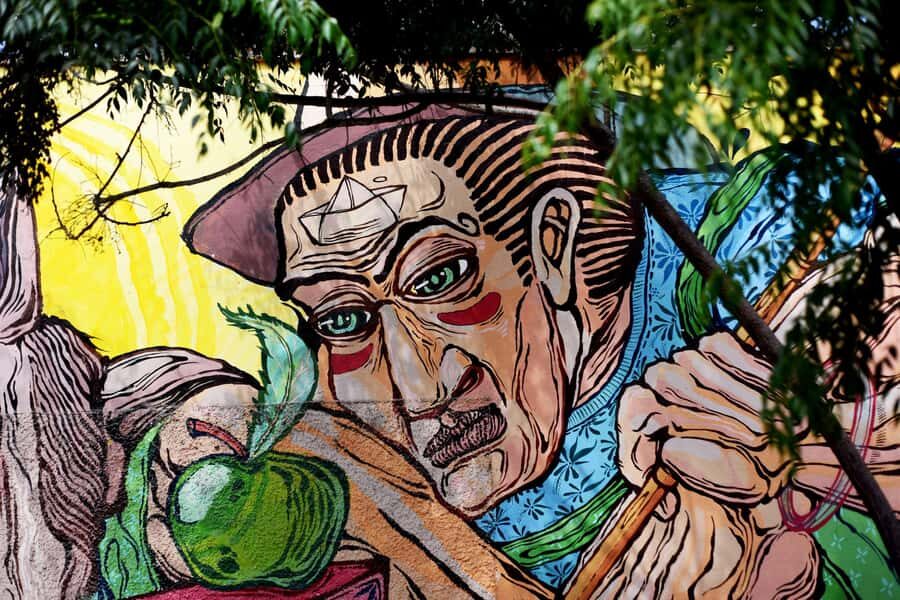
Lima gets labeled as a food city for a reason, and this kind of tour is a smart way to understand why. Peruvian cuisine is built on strong ingredients and confident combinations, from bright citrus to creamy textures and savory seafood. When you only eat at one restaurant, you miss how many different styles can belong to one city.
What I like about this format is that it covers a spread of tastes, not just one theme. You’ll hit coffee and sweets first, then go into seafood with ceviche, then a classic comfort-style plate with causa rellena, and finally finish with gelato. You also learn what each dish means locally, which helps you order with confidence later.
Also, the setting matters. The tour runs through a bohemian area of Lima, so it feels more like walking through neighborhood routines than hopping between far-flung destinations.
Starting at La Santisima Cruz Church (and what to look for)
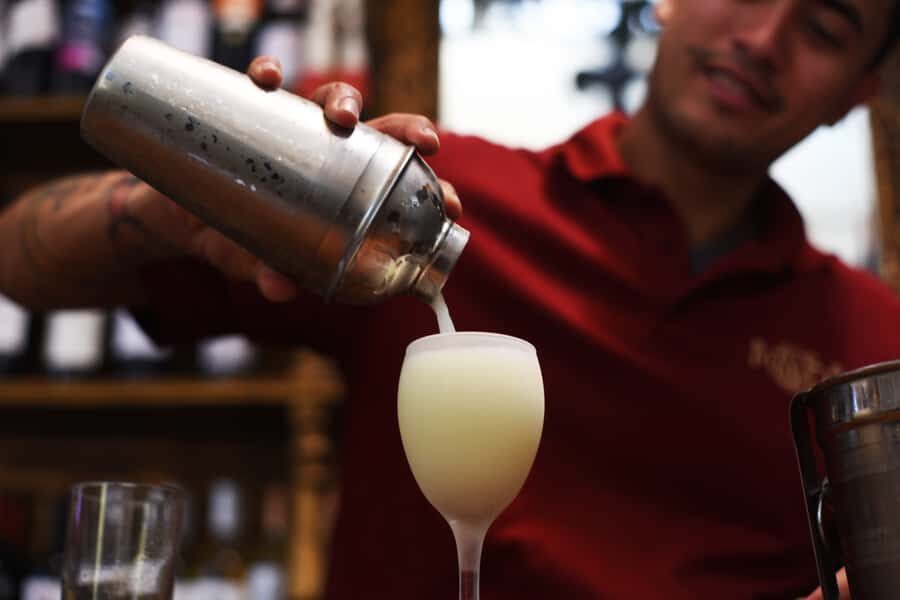
Your meeting spot is outside La Santisima Cruz Church, with your guide waiting in front of the church. Look for an orange umbrella and a big smile—this is one of those details that saves you time and stress, especially if you’re new to the area.
The exact meeting location is: Parque Municipal de Barranco N, Barranco 15063, at the crossing of San Martin Street and Parque Municipal Street. The tour ends back at the meeting point, which is convenient for planning the rest of your afternoon or evening.
One practical note: transportation is not included. That means you’ll want to plan how you’ll get yourself to Barranco and back on your own, then enjoy the tour as a guided walking-and-tasting experience.
Historic coffee shop stop: organic coffee and a sweet treat
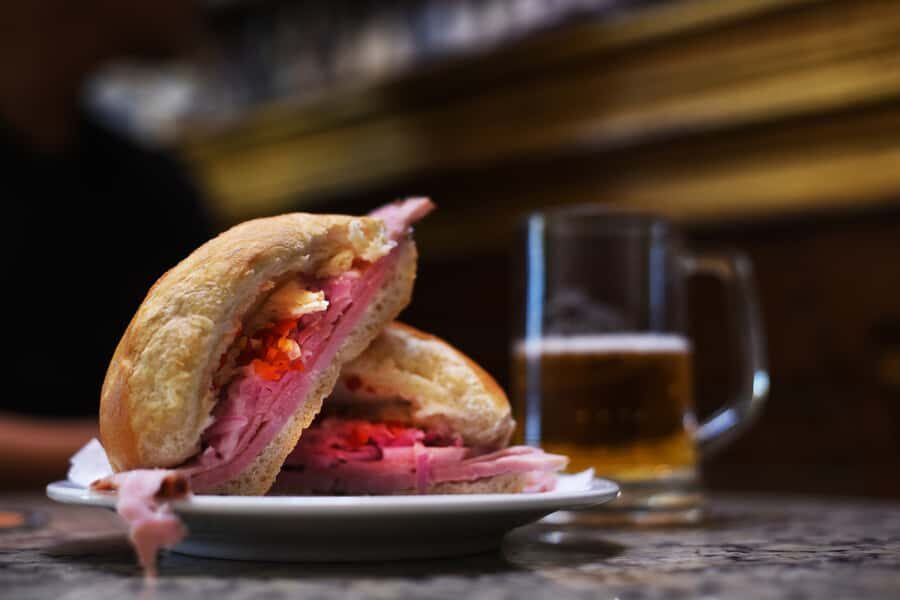
The tour kicks off in a historic coffee shop with organic coffee plus a sweet treat. This first stop is more than just a warm-up, and it’s a smart choice: coffee is a big part of many daily routines, so starting there helps you get a feel for local tastes before you switch gears into savory food.
I like how tours that include coffee also give you a chance to slow down for your palate. The sweetness can reset you so the later flavors—especially citrusy ceviche—hit in a clean, memorable way.
If you’re sensitive to caffeine, this is a good moment to pace yourself. You’ll be tasting several items afterward, so you might want to sip rather than slam the first cup.
Ceviche with avocado and tropical juice in Lima
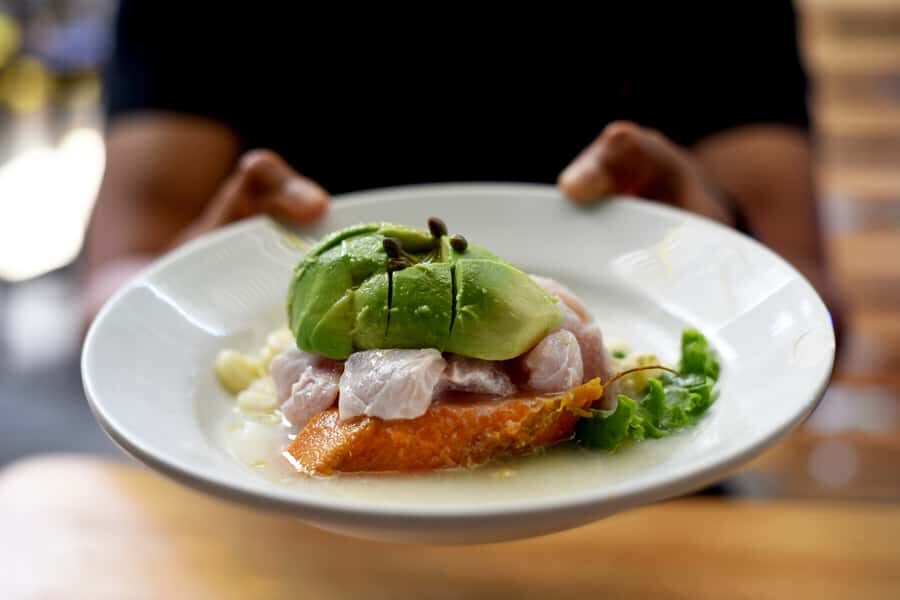
Next comes one of the best-known Lima moves: ceviche. You’ll try it with avocado, plus you’ll get a fresh tropical juice paired with it.
Ceviche is often described as seafood “cooked” by acid, and the key to loving it is balance. The avocado matters because it adds a creamy texture to counter the brightness of the citrus. That combo is a big reason Lima’s ceviche scene can feel both sharp and smooth in the same bite.
The tropical juice pairing is a practical touch. It keeps the drink alongside the food rather than turning the meal into something you drink at random. It also gives you something cold and refreshing, which is handy when you’re walking and tasting for a few hours.
Huarique style dining: causa rellena and traditional plates

After ceviche, you’ll move into a small local eatery style called a huarique. These spots are known for traditional Peruvian cooking served in a down-to-earth way, which is exactly what you want on a guided tour: real food energy, without the fuss.
Here you’ll sample causa rellena. The dish is made from chili, avocado, lemon, shrimp, and mashed potato, finished with a tartar sauce. That ingredient list is useful because causa rellena can look simple but actually tastes layered—creamy potato base, tangy elements from lemon, and heat and depth from chili, plus seafood.
One drawback to consider: because causa rellena is made with a mix of flavors and textures, if you don’t like any one of the core components (especially chili heat or shrimp), the dish might not hit for you. That said, the guide’s role is helpful here—you’ll be able to ask what’s going on in each bite and adjust expectations.
Two local craft beers: how to taste like a local
You’ll also sip two local craft beers as part of this stop sequence. Beer pairings can easily turn into a random add-on, but here it’s built into the meal pacing. Since you’re eating a traditional-style plate, the beers help you experience how locals might balance richness and spice.
I find beer tastings on food tours work best when you treat them like part of the menu, not a separate event. Take a small sip, then go back to the next bite. You’ll notice whether the beer cuts through the creamy potato or whether it makes the tartar notes feel sharper.
If you’re not a beer person, don’t panic—this tour still includes a full lineup of food. But since beers are included, it’s worth being honest with yourself about whether you’ll actually enjoy them.
Finish with artisan gelato from exotic fruits
You’ll end with homemade artisan gelato made from exotic fruits. This is the kind of finish that feels fun rather than just filling. It also gives you a taste of Lima that isn’t tied to seafood or savory mains.
What’s smart here is the flavor contrast. After chili, lemon, and seafood, gelato offers something cooling and sweet. And because it’s made from exotic fruits, it should taste like something you can’t easily replicate at home.
Keep an eye on pacing at the end. By the time you reach gelato, you’ve had coffee, ceviche, causa rellena, and beer. If you’re sensitive to heavy sweets, go for a couple slow bites and save the rest for a later walk.
The Secret Dish and why surprise matters
Every tour includes a Secret Dish, and that’s not just a gimmick. Surprise can be valuable because it prevents the tour from becoming predictable. If you go in thinking you already know what to expect, you’ll miss small moments—like a dish that clicks differently than you assumed.
It also keeps the experience flexible. Since the itinerary can change due to location availability, weather, and other circumstances, the Secret Dish helps the tour stay fun and complete even when the day doesn’t go exactly by plan.
Price and value: is $80 worth 3.5 hours?

At $80 per person for a 3.5-hour guided tour, the value comes down to what’s included and how much you actually eat.
You get:
- Food and drinks at multiple stops
- A live English-speaking guide
- Several tastings that aren’t just one snack and a drink
That’s important because Lima food costs add up fast when you order full dishes. This tour essentially combines several tastings into a single plan. You’re paying for guidance plus convenience, which can matter if you don’t want to navigate menus, translations, or which places are best for what you want to try.
Transportation is not included, so the “true” value depends on your own travel within the city. If you’re already in Barranco (or close enough to reach the meeting point easily), the overall deal tends to feel strong. If you must spend extra money and time getting there, that can soften the value.
The best way to think about it: if you were going to do ceviche + a traditional plate + dessert anyway, you’re already covering several categories. The guide’s explanations help you understand what you’re eating, which turns the cost into a learning experience, not just consumption.
How to plan your afternoon (since transportation isn’t included)
Because transportation isn’t provided, you’ll want to arrive ready to walk. The good part is that the route starts and ends at the same meeting point outside La Santisima Cruz Church, so you can plan dinner nearby afterward.
Wear comfortable shoes. You’ll be moving between tasting spots for about 3.5 hours, and food tour walking can add up faster than you expect. Also, consider bringing a light layer; even if it’s sunny, Lima can shift.
If you’re planning a tight schedule with another activity the same day, don’t stack too many things back-to-back. You’ll want time after the gelato finish for a slow cooldown meal or a sit-down drink.
Dietary requirements: what you must do before booking
The one clear rule here is simple: contact [email protected] prior to booking to see if dietary requirements can be accommodated.
That matters because the itinerary includes multiple specific items (ceviche with avocado, causa rellena with shrimp, craft beers, and gelato). If you’re vegetarian, have shellfish allergies, gluten concerns, or other restrictions, the only responsible way to plan is to confirm what substitutions or options might be possible before you commit.
If dietary accommodations can’t be made, you might end up with less than the full tasting menu, which affects both enjoyment and value.
Who should book this Lima secret foods tour
I’d recommend this tour if you want:
- A guided way to taste classic Peruvian dishes in a single afternoon
- Stop-by-stop context on culture and history, not just food samples
- A mix of seafood, traditional comfort food, and dessert
- An English-speaking local guide who can explain what you’re eating as you go
It also fits well if you’re visiting Lima for the first time and don’t want to spend your energy figuring out where to eat. The meeting point is clear, the tour duration is manageable, and you’re not relying on guesswork.
If you hate surprises or you need a perfectly fixed menu, the note that the itinerary can change might be a dealbreaker. On the other hand, that flexibility can keep the experience from feeling rigid or disappointing.
Should you book this Secret Peruvian Foods Tour?
Yes, if you’re the kind of traveler who enjoys guided tastings and wants to learn why the food works, not just eat it. The combination of coffee, ceviche with avocado, a huarique-style traditional plate, two craft beers, and artisan gelato gives you a full-spectrumb experience in just 3.5 hours, with a guide to connect the dots.
I’d hold off or ask extra questions before booking if transportation is a headache for you, or if you have strict dietary needs and haven’t contacted the provider yet. Also, be open to the itinerary changing due to real-world factors like availability and weather.
If you want one solid way to understand Lima through food, this is an easy yes.
FAQ
How long is the Lima Secret Peruvian Foods Tour?
The tour lasts 3.5 hours.
Where do I meet the guide?
Meet outside La Santisima Cruz Church in Barranco, at Parque Municipal de Barranco N, Barranco 15063. The guide will be waiting in front of the church with an orange umbrella. It is at the crossing of San Martin Street and Parque Municipal Street.
How much does the tour cost?
The price is $80 per person.
Is transportation included?
No, transportation is not included.
What food and drinks are included?
Food and drinks are included. The tour includes organic coffee and a sweet treat, ceviche with avocado plus tropical juice, causa rellena (with chili, avocado, lemon, shrimp, mashed potato, and tartar sauce) at a huarique, two local craft beers, homemade artisan gelato made from exotic fruits, and a Secret Dish.
What language is the tour guide?
The tour is guided in English.
Can the tour accommodate dietary requirements?
You should contact [email protected] prior to booking to see if dietary requirements can be accommodated.
Does the itinerary ever change?
Yes. The itinerary and menu are subject to change based on location availability, weather, and other circumstances.
What are the cancellation and pay-later options?
You can cancel up to 24 hours in advance for a full refund, and you can reserve now and pay later (book your spot and pay nothing today).
]]>For $66, you’re not just paying for entry. You get round-trip transport from central Lima pickup points, an official guide in English or Spanish, and the admission ticket. It’s a good value if you want structure and context without burning half a day traveling on your own.
Plan for sun and walking. The complex is outdoors, and this tour isn’t a good match if you have mobility limits, get motion sickness easily, are pregnant, or prefer very low-impact trips. The good news: with roughly 3 hours on site, you’ll see the highlights at a comfortable pace for a half-day.
Key things to know before you go
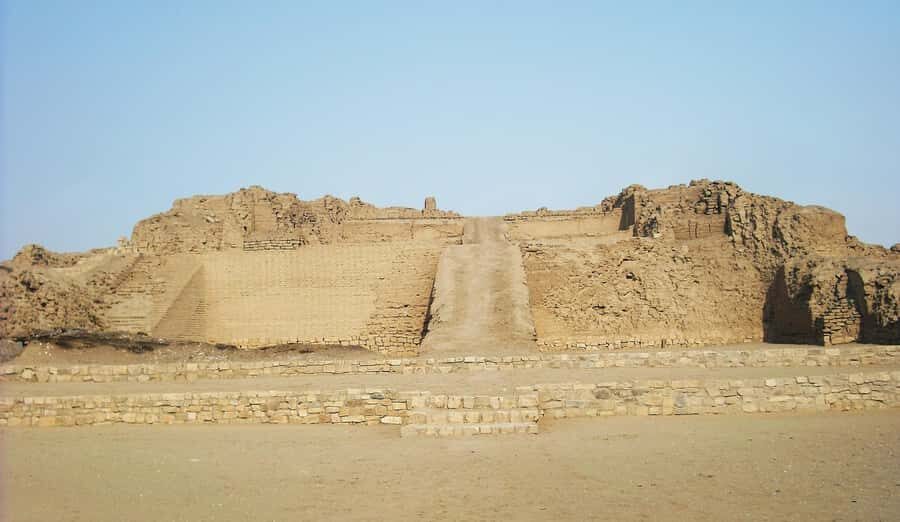
- Hotel pickup from Lima’s neighborhoods: San Isidro, Miraflores, or Barranco options make it easy to start without stress.
- About 80 minutes by van: travel time is built into the 4-hour total outing, leaving most of the time for the archaeology.
- Three-sector circuit: you won’t wander randomly through one of Peru’s largest archaeological areas.
- Temples plus the Site Museum: you get both the big structures and the context that explains what you’re looking at.
- Clay-built architecture from centuries of builders: Pachacamac is known for a construction style that shapes how the ruins look today.
Pickup and the van ride: why this tour stays “half-day”
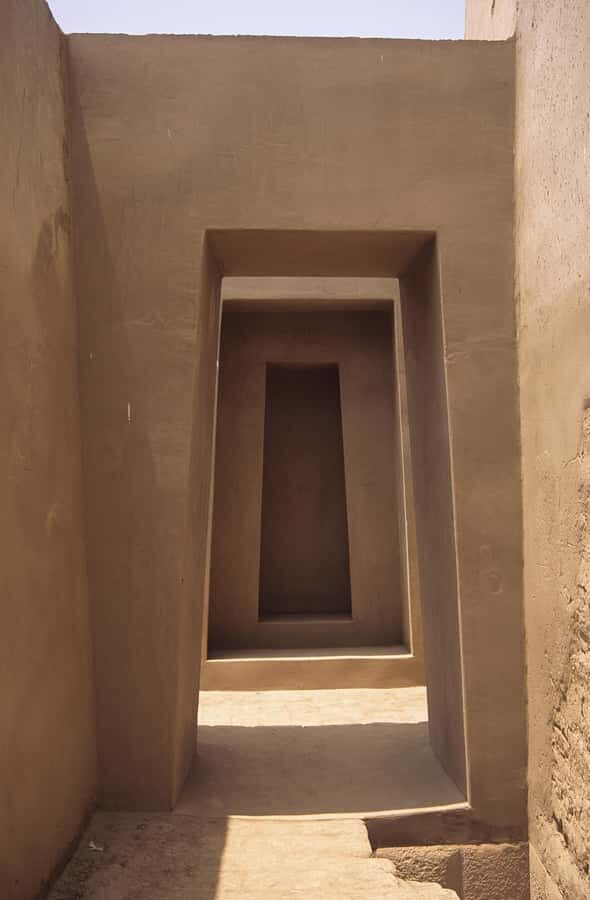
This is a straightforward Lima-to-Pachacamac trip, designed around central pickup. You can be picked up in San Isidro, Miraflores, or Barranco. You’ll want to be ready about 10 minutes before your scheduled time and wait in the hotel lobby or nearby outside your lodging.
Then you’ll head out by van. The schedule includes an 80-minute van segment, which matters because it tells you how your time gets spent. With a total duration of about 4 hours, you’re essentially buying one thing: a guided on-site experience that doesn’t spill into your whole day.
That also means you should pack like it’s a short outdoor outing: sunscreen, a hat, and water. Lima can be bright, and the site is open-air. I like tours like this because they keep you moving, but not rushed—at least, not in the driving part.
One more practical note: Pachacamac isn’t open on Mondays, and opening hours can change on some national holidays. If your travel dates land on a Monday, check before you commit.
Pachacamac Temple in plain terms: clay, power, and centuries
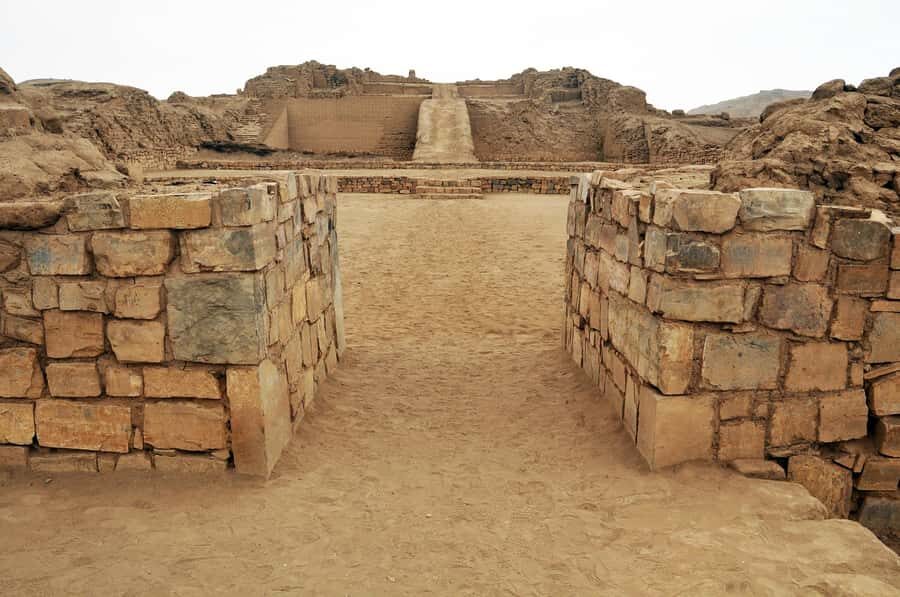
Pachacamac is one of the largest and most important archaeological complexes in Peru, and the “big idea” here is how long it developed. The temple complex was constructed over centuries by successive leaders between 200 and 1450 AD. That long timeline is part of what makes it feel layered and meaningful rather than like one single monument.
The other headline detail is the material. Pachacamac’s structures were crafted entirely from clay. That fact changes how you interpret the ruins. Clay architecture can erode and reshape over time, so the site you see today is not just a snapshot—it’s the outcome of centuries of rebuilding, weathering, and human use.
When your guide talks about the temples, it’s usually easier to picture the logic behind the layout: sacred spaces weren’t just decoration. They were built to support religious life, ritual gatherings, and the authority of whoever was leading the society at the time.
This is also where the tour’s value really shows. You’re not just looking at mounds and walls. You’re learning why these places mattered to people who lived long before the modern map of Lima ever existed.
The guided circuit: temples, pyramids, and three sectors
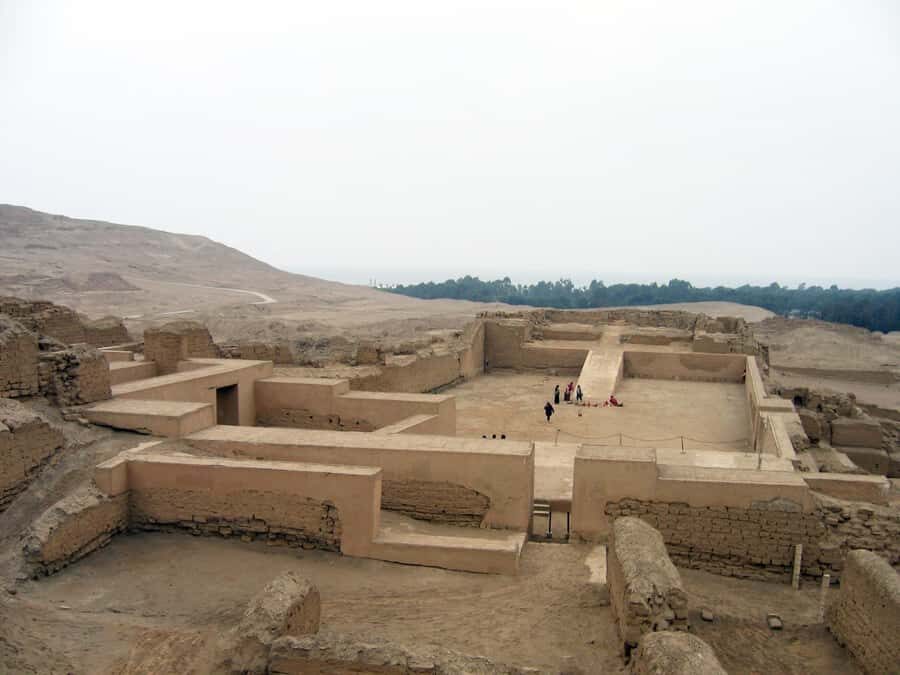
The best part of this experience is the guided route through Pachacamac. The schedule sets aside about 3 hours on site for the visit and guided tour, and the highlight is that the complex is organized into three sectors during your walk.
That structure matters. Without a guide, large sites can feel like a maze. With the route explained, you can follow what you’re seeing and connect it to the story being told.
As you move through the complex, you’ll focus on major temples and the iconic pyramids—especially the Pyramids of the Sun and the Moon. These are the type of landmarks that help you orient fast. Even if you don’t know much archaeology going in, you’ll leave knowing which structures are the headline features and how they relate to the broader complex.
Keep your eyes open for the guide’s explanations of religious architecture. The temples aren’t random. They sit inside a larger system of sacred design, and the guide’s job is to make that feel clear in real time.
Also, wear shoes that can handle uneven ground. Even if your feet are steady, you’ll likely be on dusty paths and around irregular terrain. This isn’t the kind of place where you can stay purely on perfect boardwalks.
Pachacamac Site Museum: useful context, but watch the clock
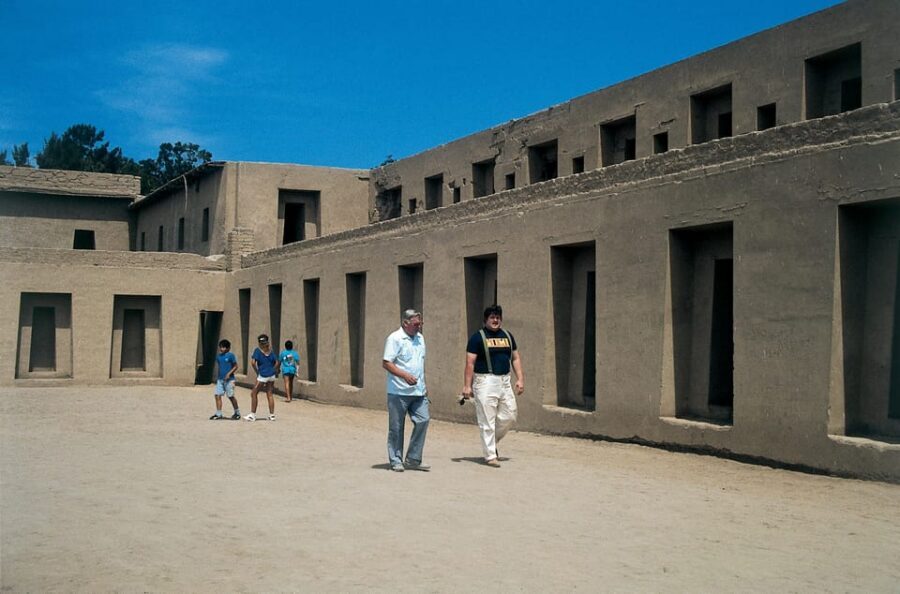
You’ll also visit the Pachacamac Site Museum as part of the tour. For me, a museum stop on an archaeology trip is like putting your travel photos in order. You see the structures in front of you, then the museum helps explain what those structures mean.
In practical terms, the museum can fill the gaps you’d miss during a walk: materials, interpretation, and how the site connects to the people behind it. The tour itself aims to give you a broader view of Inca and pre-Inca culture, and the museum supports that goal.
That said, there’s a real-world consideration. One of the reviews points out that there may not be enough time in the museum for deeper information. If you’re the type who likes to read every label and linger, you might wish you had more than the allotted window.
My advice: treat the museum as a “set your mental framework” stop, not a slow research project. If you want a full museum immersion, pair this tour with independent time in Lima later.
Inca and pre-Inca culture makes more sense with an expert guide
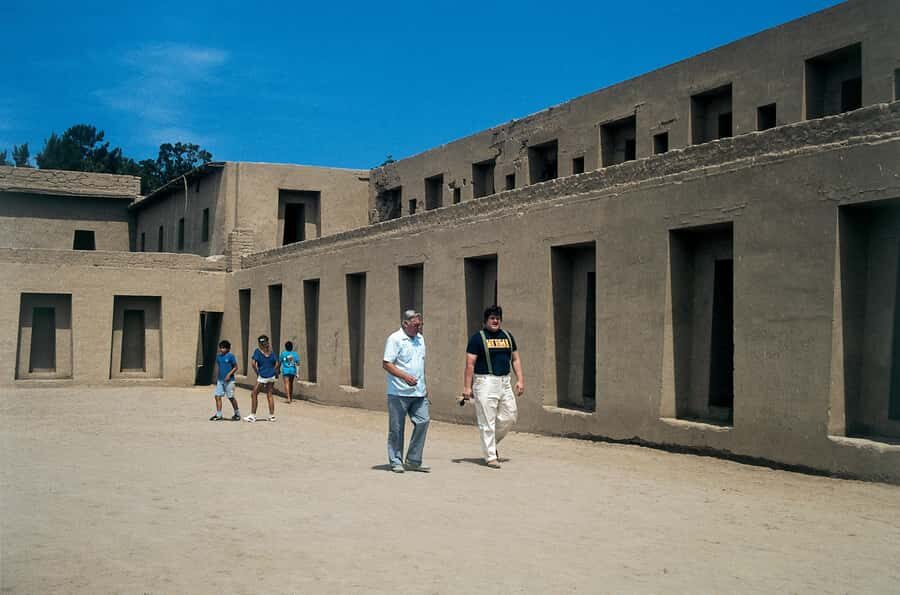
Pachacamac sits right in the overlap zone between cultures and influence, so interpretation matters. The tour is built around a guided explanation of the temples and the surrounding archaeological story, with a focus on religious life and the way architecture reflects belief.
The listing’s time plan supports this. You get guided temple viewing and a museum visit, all within a half-day window. That combination is exactly what makes a difference for first-time visitors. You’ll get the overview of how successive leaders shaped the complex over many centuries, then you’ll connect it to the bigger picture of Inca and pre-Inca traditions.
Language also matters here. You can go with a live guide in English or Spanish, so you’re not stuck with a generic audio experience that doesn’t answer your questions. If you ask simple follow-ups (like what a structure was used for or how the sectors connect), you’ll likely get a clearer takeaway than a self-guided visit.
One more thing I like: the route is described as identifying three sectors across the circuit. That means you can remember the site as a set of stops rather than a blur of ruins.
Price and value: what $66 buys you (and what it doesn’t)
At $66 per person, this isn’t a “cheap entry ticket” tour. It’s closer to a package: transport, an official guide, and admission. That’s the key value equation here.
Here’s what’s included:
- Transport to and from your hotel or lodging
- An expert official guide
- Admission ticket to the Temple of Pachacamac
What’s not included:
- Food and drinks
For me, the value makes sense if you want:
- a guided route through a major archaeological complex
- clear context in a short time
- less effort organizing transport yourself
But you should budget for your own snacks or drinks. Also, plan your timing so you don’t arrive hungry and then rush through the experience. A half-day archaeology visit feels better when you’re not thinking about where to find lunch halfway through.
Gratuity is not included, so tip if your guide and driver do a good job. (Keep it modest but respectful, like you would anywhere in Peru.)
What to bring for Lima sun and Pachacamac walking
This is an outdoors-heavy outing, so pack for heat and comfort. The essentials are simple, and they’re exactly what you’d expect for Lima in daylight:
- Sunglasses
- Sun hat
- Sunscreen (including biodegradable sunscreen)
- Water
- Daypack
If you’re prone to getting dry or headachy in the sun, bring a little extra water rather than relying on the day’s timing. Also consider a light layer for wind or cooler moments after the sun shifts.
This is also a tour you should treat as physical enough to matter. It’s not suitable for people with mobility impairments, for pregnant women, for people over 75, or for anyone with motion sickness. If any of these apply to you, I’d look at alternative options with a gentler pace and fewer constraints.
Should you book the Pachacamac half-day tour from Lima?
If you’re short on time and want real meaning—not just photos—this is a solid booking. It’s built around a clear guided route through one of Peru’s most significant archaeological complexes, plus a museum stop that helps connect the structures to culture.
Book it if:
- you want hotel pickup from central Lima
- you like guided interpretation (English or Spanish)
- you want to see the major temple areas like the Sun and Moon Pyramids without planning the logistics yourself
Consider skipping or adjusting plans if:
- you’re the type who wants hours and hours in a museum and hates time limits
- you need mobility-friendly pacing or can’t handle uneven outdoor terrain
- you know motion sickness will ruin the ride
If you can handle sun, dust, and a guided schedule, this tour is a smart way to make Pachacamac feel understandable and unforgettable in one half-day.
FAQ
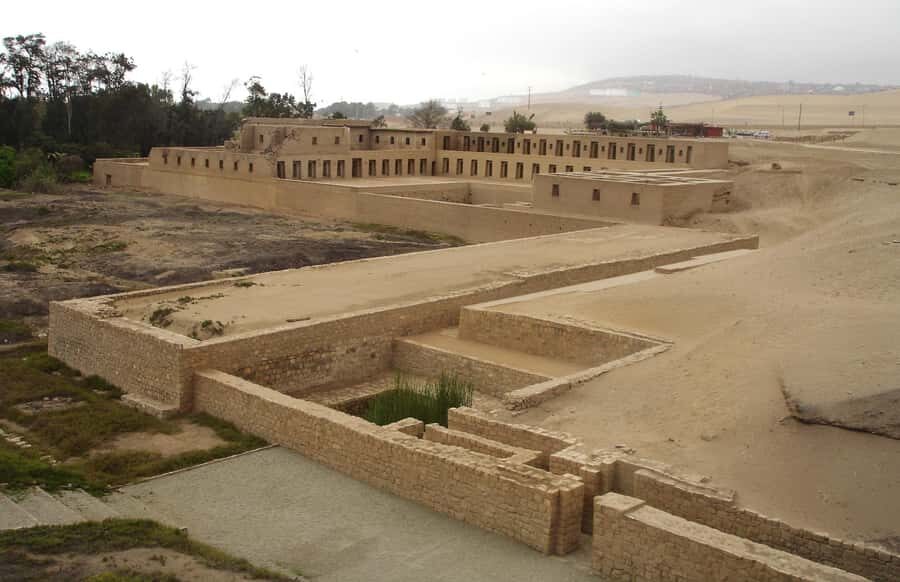
How long is the Pachacamac half-day tour from Lima?
The tour lasts 4 hours total. Exact starting times depend on availability.
Where does pickup happen?
Pickup is offered from San Isidro, Miraflores, and Barranco.
What’s included in the ticket price?
You get transport to and from your hotel or lodging, an expert official guide, and the admission ticket to the Temple of Pachacamac.
Is food included?
No. Food and drinks are not included, so plan to bring or buy your own.
What languages are the guides?
The live tour guide is available in English and Spanish.
Is Pachacamac open every day?
No. The Temple of Pachacamac is not open on Mondays, and hours may change during some national holidays.
Is this tour suitable for everyone?
No. It’s not suitable for pregnant women, people with mobility impairments, people over 75, or people with motion sickness.
]]>You’ll start in Miraflores at Av. Petit Thouars 5492, then head through several Lima highlights before ending back where you began. The route is a solid way to get your bearings fast and decide what to explore further later. One more thing to keep in mind: it’s not a quiet museum-only experience, and it’s not suitable for wheelchair users or visually impaired people.
Key highlights worth your attention

- 360° panoramic bus: wide viewing angles for photos and orientation around Lima
- Huaca Pucllana pass-by: an Inca-era ceremonial and archaeological site on your way to Old Town
- Old Town route with 50+ landmarks: enough sights to understand the city’s layout in one go
- Museo Convento de Santo Domingo entrance included: religious art in a major historic setting
- San Isidro + Miraflores residential driving: a look at everyday contemporary Lima after the big monuments
Miraflores start: where your Lima orientation begins
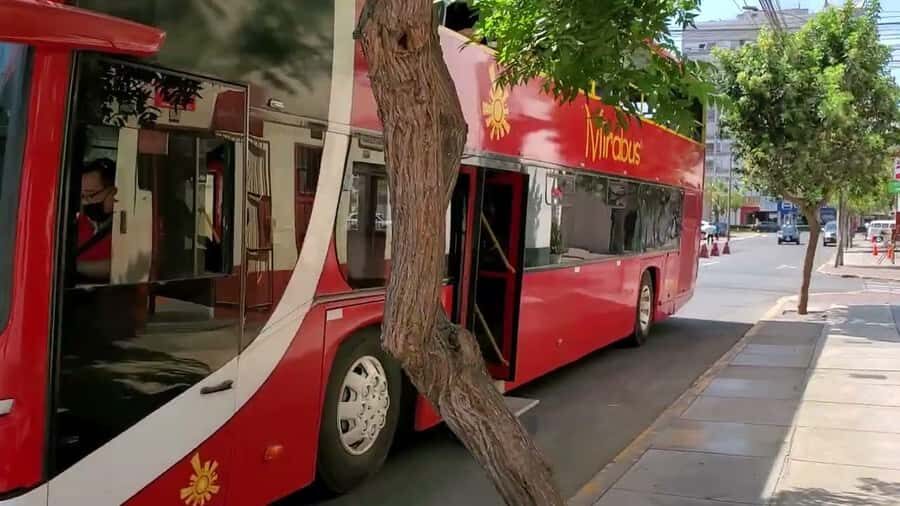
This tour is built for people who want to see a lot without spending the whole day planning. You meet at Av. Petit Thouars 5492, Miraflores, and the tour ends back at the same meeting point. There’s no hotel pick-up service, so you’ll want to arrive a bit early, find the group, and settle in.
The 360° panoramic bus matters because Lima’s best clues are often in the side streets and changing city blocks. From a normal bus seat, you miss half the city. With a 360° layout, you can keep looking around as the guide talks, so you’re not stuck staring forward the whole time.
I also like that you get a live guide in English and Spanish. That helps if you’re juggling your language skills or if you’re traveling with someone who prefers one language over the other. It’s especially useful when you’re switching between eras: Inca-related sites, colonial-era churches and squares, then more modern neighborhoods.
A practical note: you’ll want to bring sun protection (sunglasses, sun hat, sunscreen). Even when you’re traveling by bus, Lima’s daylight can be strong, and you’ll likely do quick outside viewing at key moments.
Huaca Pucllana and Ancestral Lima: the city’s older layer, up close
After you start in Miraflores, the route takes you through Ancestral Lima and past Huaca Pucllana. Huaca Pucllana is described as an important ceremonial and archaeological center, and it’s considered the Sacred Town by the Incas. Even though you’re mostly viewing it while passing, it’s one of those stops that changes how you think about the modern city sitting on top of earlier civilizations.
What you should watch for here is contrast. Lima’s streets look “normal,” but the city has deep roots under the surface. Huaca Pucllana is a reminder that Lima didn’t start as a neat grid with colonial cathedrals. It grew over centuries, and this site gives you a tangible anchor for that story.
If you’re hoping for lots of minute details, you might find the explanation shorter than you’d like. One earlier experience noted that the history of some buildings felt brief. The upside is that you still get the big signals, so you can decide what to follow up later on your own.
For many visitors, this pass-by is the right pace. It’s enough to recognize what you’re seeing later in photographs, and it sets up the Old Town portion that comes next.
Old Town Lima by bus: 50+ monuments, squares, and cathedral views
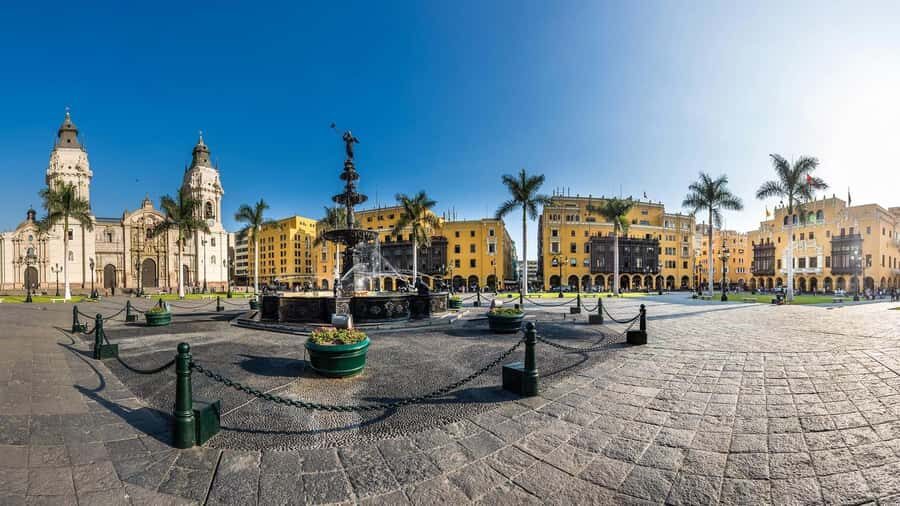
The heart of the route is Lima’s old town, where the tour focuses on more than fifty monuments, buildings, and places of interest. This is where the 3.5-hour format starts to make sense. You’re not trying to do deep museum study all day—you’re learning the city’s geography and landmarks fast.
You’ll see charming squares, the impressive cathedral, and other notable sites as the bus moves through the area. The big value here is orientation. Once you’ve been through this part of Lima on a route like this, you can understand where things are in relation to each other. Later, when you walk a neighborhood or plan a museum visit, you’ll feel less lost.
There are two realistic ways to experience Old Town on this kind of bus tour. Option one: you treat it like a visual map. You glance out, catch names the guide calls out, and remember the shapes—cathedral area, plaza clusters, major facades. Option two: you lean on the guide commentary to connect the dots right now. If you prefer Option two, arrive with at least a little curiosity, because the explanations can move quickly.
That quick pace is the possible drawback. If you’re the kind of traveler who wants a slow, detailed lesson on every building style and timeline, you might feel you didn’t get enough depth in the moment. Still, the route is packed with sights, and even brief context can help you spot what’s worth revisiting later at your own pace.
Museo Convento de Santo Domingo: religious art in a famous setting
After the Old Town stretch, the tour includes Museo Convento de Santo Domingo with entrance included. This part gives you a different tempo than the outdoor sights. Instead of repeating views through windows, you’re focusing on what’s inside: religious art exhibits within a well-known historic setting.
Why this stop is valuable is simple: it balances the route. A 360° city circuit can start to feel like you’re only collecting images. A museum or convent setting adds texture—materials, objects, and religious art that help you understand what the city’s monuments were built to express.
The entrance being included matters too. It saves you from figuring out ticket logistics while you’re on a time-limited schedule. You can spend your energy on actually looking, rather than hunting down entry lines or verifying opening hours.
One caution: the tour duration is only 3.5 hours total, so the museum time is unlikely to feel like a full half-day commitment. If you love religious art, you may want to take notes and plan a longer follow-up visit after the tour ends.
But as a first look, it’s a smart choice. It gives you a cultural anchor that matches the street-level landmarks you just saw in Old Town.
San Isidro and Miraflores neighborhoods: seeing contemporary Lima
After the big historic hits, the tour shifts to more contemporary residential areas, touring San Isidro and Miraflores. This is a helpful contrast because many Lima first-timers only focus on Old Town. Residential districts show another side of the city: everyday buildings, neighborhoods that feel lived-in, and the way Lima spreads out beyond its main monuments.
For you, this section works like a “where do I go next” preview. If you’re staying near Miraflores, you’ll recognize what you see and understand the vibe from the road. If you’re staying elsewhere, this part helps you compare neighborhoods so you can choose where to spend extra time later.
It’s also a good moment to catch your breath after the concentration of plazas and churches. Even if the bus is moving, the atmosphere tends to feel less focused on one single historic core and more on how the city functions day to day.
Price and logistics: is $45 good value?
At $45 per person, this tour is positioned as a short, guided Lima overview with included entrance. The value comes from the combination: a 360° panoramic bus, a professional live guide, and an admission ticket (for the Museo Convento de Santo Domingo). If you tried to replicate that on your own, you’d spend time arranging transport, mapping an efficient route, and buying tickets.
The tour also saves energy. Lima’s Old Town highlights are spread out enough that you’ll feel the benefits of being on a guided route rather than bouncing between areas with short planning bursts.
What’s not included matters for your budget. Lunch isn’t included, and there’s no hotel pick-up service. That means you’ll likely need to plan your meal separately and make sure you can reach the meeting point on your own. If you already know you’ll eat near Miraflores afterward, that’s not a big problem—it actually helps you keep the day simple.
Overall, the price feels fair for what you get, especially if you want an organized first pass through Lima rather than an all-day commitment.
What to bring, how to prepare, and what to watch for
This is a practical city tour, so bring the basics and you’ll enjoy it more. You should have passport or ID card, sunglasses, a sun hat, sunscreen, and cash. Even with a bus tour, you may do short outside moments and you’ll want to be ready for bright conditions.
You’ll also get messaging ahead of time. The tour provider contacts you via WhatsApp two or one day before to share your pickup time. Since the activity lists no hotel pick-up service, think of this as your departure timing for the meeting point rather than someone coming to your door.
If you’re trying to maximize learning during the older sights, do one small thing before you go: skim a couple of names you’ll hear—Huaca Pucllana, the cathedral area, and Santo Domingo. The guide can’t cover everything in a 3.5-hour window, and a bit of prior context helps you catch the meaning behind each stop.
And here’s my balanced advice: choose this tour if you want a strong overview and a clear sense of what’s worth your next visit. Choose it less if you want deep history at a slow pace.
Who should book this Lima 360° panoramic bus tour?
This is a great match if you:
- Want a first-time Lima overview with a guided route
- Like bus tours that help you spot neighborhoods and landmark clusters
- Enjoy a mix of ancestral context, colonial-era highlights, and museum time
- Prefer not to spend hours planning transport across the city
It’s not the best fit if you:
- Need full wheelchair accessibility or are visually impaired (it’s not suitable for those needs)
- Want long museum stays or extremely detailed history for every building
- Expect lunch to be included
Should you book this tour?
If you want a short, guided way to connect Lima’s past and present, I’d say yes. The 360° panoramic bus plus the guided route through Old Town is a smart combo for getting your bearings, and the included entrance to Museo Convento de Santo Domingo gives you a real cultural stop instead of only street viewing.
Book with realistic expectations. This is not a slow seminar on architectural history. You’ll get enough context to understand what you’re seeing and where to go next. If you keep that in mind, the $45 price feels like good value for a first sweep of Lima.
FAQ
FAQ
How long is the Lima 360° Panoramic Bus tour?
The tour lasts about 3.5 hours. Starting times vary, so check availability for the schedule.
Where is the meeting point?
The meeting point is Av. Petit Thouars 5492, Miraflores.
Does this tour include hotel pick-up?
No. Hotel pick-up service is not included.
What’s included in the price?
You get the 360° panoramic bus, a professional guide, and entrance to the included site.
Is lunch included?
No. Lunch is not included.
What language is the tour guide?
The live guide offers Spanish and English.
Is there a free cancellation option?
Yes. You can cancel up to 24 hours in advance for a full refund.
What should I bring with me?
Bring a passport or ID card, sunglasses, a sun hat, sunscreen, and cash.
Is the tour suitable for wheelchair users or visually impaired people?
No. It is not suitable for wheelchair users or visually impaired people.
]]>One thing to think about: if you already visited the catacombs or want to skip them, don’t assume there’s a free swap for the same amount of time. Ask for alternatives early, because replacement ideas may involve extra costs, and you’ll want the guide to keep narrating during the full ride.
Key highlights at a glance
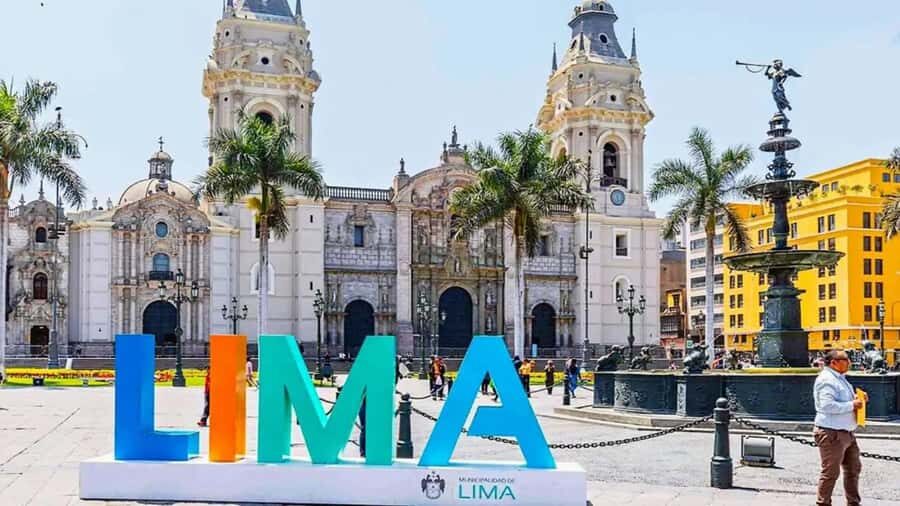
- Huaca Pucllana: a sacred 4th-century AD ceremonial site, tied to Inca-era beliefs
- San Francisco catacombs: underground vaults as the big draw of the visit
- Plaza Mayor de Lima: central squares and monuments in the colonial heart
- Miraflores and San Isidro: residential neighborhoods with classic Lima viewpoints
- Parque del Amor and Larcomar areas: modern coastal energy without leaving the city center behind
How the 5 hours flow: old center plus modern Lima
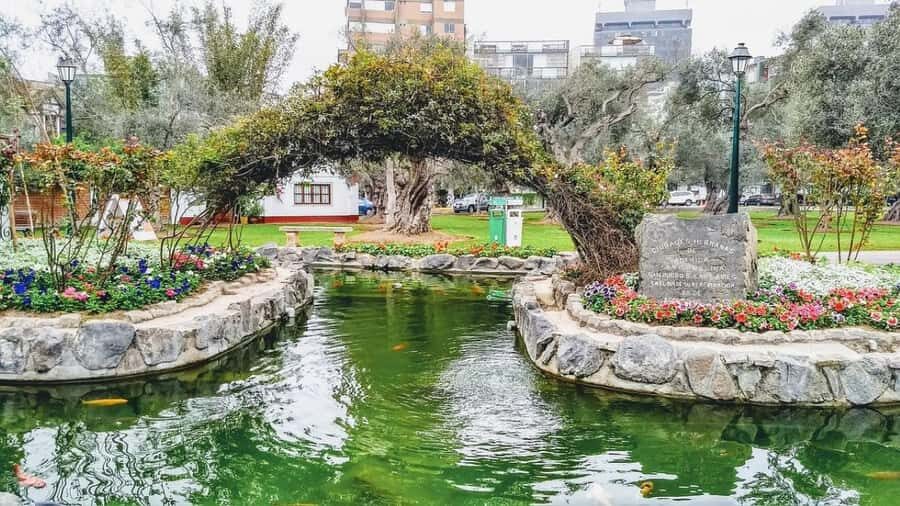
This tour is built for people who want a single “master picture” of Lima without doing the research homework first. You’ll get a hotel pickup, a guided visit through the historic center, and then a shift into the residential and coastal areas where Lima locals actually hang out.
The time plan matters. With only 5 hours, the tour moves in a steady rhythm: short scenic drives for framing, then focused stops for the main sights. That means you’ll see a lot, but you won’t get a slow, leisurely wander where you can read every plaque. If you like learning fast and taking photos between explanations, this schedule fits you well.
You’ll also get two start times, 09:00 am or 2:00 pm, which is handy. If you prefer morning light for plazas and ruins, go earlier. If you hate early departures, the afternoon version keeps you closer to the coast for those later-day views.
Starting with Parque del Amor and coastal city views
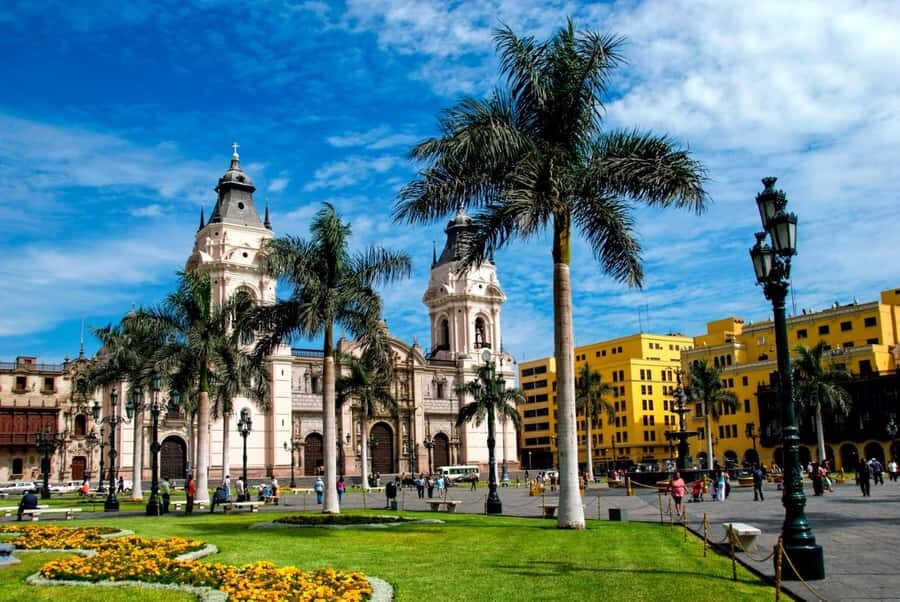
Before you hit the big landmark sites, the tour takes you past Parque del Amor, the Love Park area known for scenic viewpoints. Even if you don’t linger, it’s a useful warm-up stop because it shows you how Lima is shaped by the ocean, the cliffs, and the way neighborhoods stack up along the coast.
On the drive segments, you’re not just sitting in transit—you’re getting orientation. The tour includes scenic views on the way to the first major archaeological stop, so you arrive already understanding where you are in the city. For a first visit, that reduces the “where am I?” feeling fast.
If you’re the type who hates wasted time, this part still earns its place. The Love Park area is less about monuments you’ll later revisit, and more about visual context.
Huaca Pucllana: the brick-built pyramid that changes how you see Lima
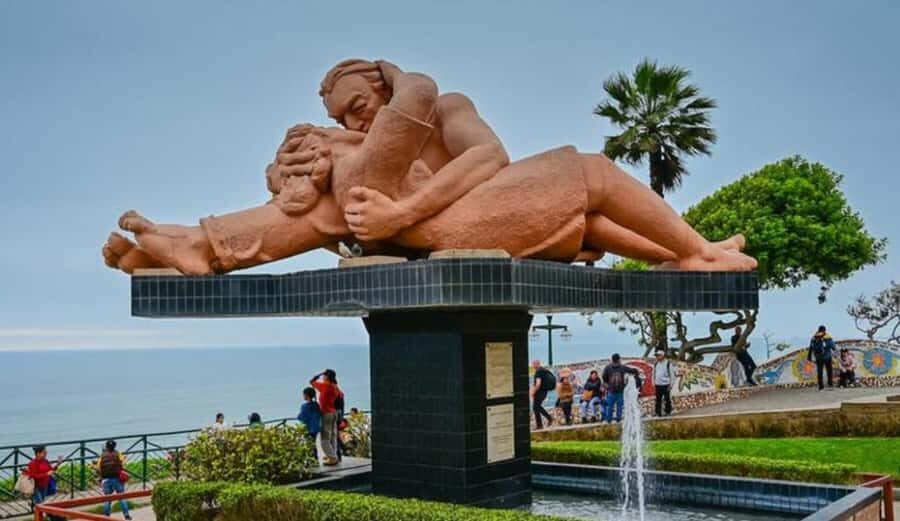
The tour kicks off with Huaca Pucllana, an archaeological and ceremonial center. This is not a random ruin behind a fence—it’s a real 4th-century AD site, and the Incas treated it as a sacred town. That connection is one of the big reasons Huaca Pucllana hits differently than many ruins: it shows how Lima’s spiritual geography carried forward through time.
You’ll get a guided visit plus scenic time to look at it from the right angles. One detail I’d pay attention to: Huaca Pucllana is often described as being built with brick-like materials, and that look helps you picture how it would have stood out in its surroundings. You’re not just looking at “old stones.” You’re seeing a formed ceremonial space with a specific construction style.
Practical note: you’ll be under Lima’s sun at least some of the time, so bring what the tour asks for—sun hat and biodegradable sunscreen—and wear comfortable clothes you can move in. You don’t need hiking shoes, but you do want something stable for uneven ground.
Plaza Mayor de Lima: how the colonial center explains power and politics
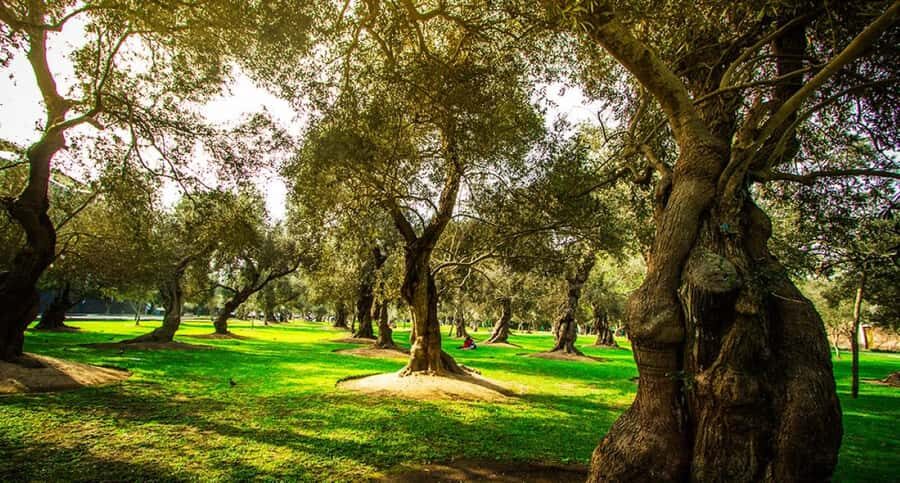
Next comes Plaza Mayor de Lima, the historic center where the city’s major colonial-era moments were concentrated. This stop is a guided walk with sightseeing and scenic viewpoints built in, so you get context, not just photos.
Plazas like this are more than pretty squares. They’re where you can feel the “center of gravity” of the city—government, religion, and public life all tied together. Even if you only spend a short amount of time here, it helps you connect what you saw at Huaca Pucllana with what you see in the colonial center: different eras, different sacred and civic priorities, all in one city.
If you prefer to read and study, you may wish you had longer. With a 5-hour tour, you’ll likely move through quickly. The tradeoff is that the next stop is so iconic that your attention stays hooked.
San Francisco Basilica and Convent: religious art plus the underground catacombs
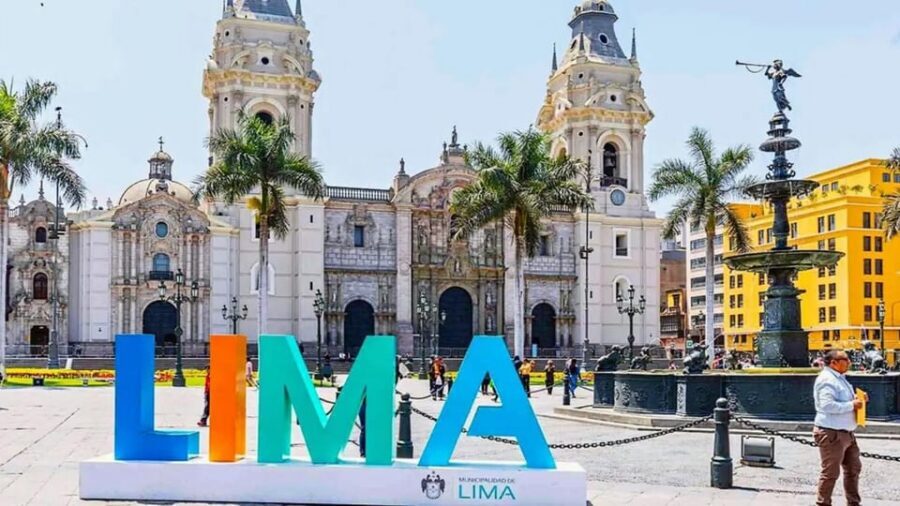
The heart of this tour for most people is the visit to the Basílica y Convento de San Francisco de Lima, including the underground vaults and catacombs. This is where the day goes from “great viewpoints and big squares” to something more intense and memorable.
The tour highlights the convent for a reason: it has the largest collection of religious art in America (as described for this visit). That matters because the site isn’t just famous for being old—it’s famous for what it holds. In other words, it’s not only about the building; it’s about the objects and the religious meaning behind them.
Then comes the catacombs, a space people usually picture as “spooky” before they see it. In a guided visit, you’re not just staring at tunnels—you’re learning the history of the underground vaults and how the convent’s life connected to these spaces. The tour includes a break time and a photo stop, so you can reset between the more intense underground segment and the outdoor architecture moments.
A practical consideration from real-world booking experience: if you already visited the catacombs on a prior trip and you ask to skip them, you should ask for a replacement right away. One of the most important things you control is whether you’ll get meaningful narration and time balance after skipping a centerpiece stop. If you care about that, be very clear early.
El Olivar de San Isidro, Miraflores, and Larcomar: where modern Lima shows up
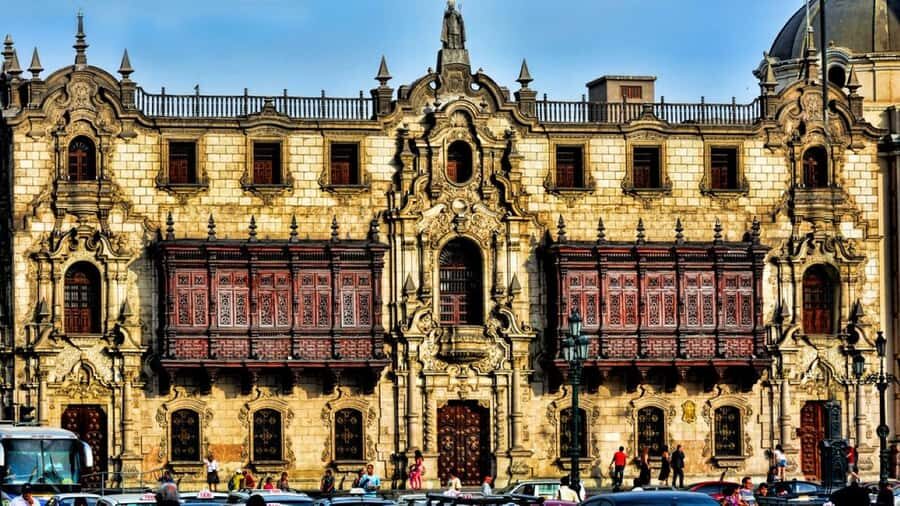
After the historic core, the tour shifts into residential areas—El Olivar de San Isidro, Miraflores, and the Larcomar zone. This is where you see how Lima lives now, not just how it looked centuries ago.
El Olivar de San Isidro gives you a calmer, green-feeling pause compared with the stone-heavy historic center. It’s a good stop for photos and a sense of how neighborhoods differ, even when they’re close together.
Miraflores is where many first-time visitors naturally end up, and the tour includes it for a reason: it’s part viewpoint, part local energy, part convenient base. Then Larcomar is a modern highlight near the coast area, and it helps you connect Lima’s skyline and shopping/entertainment vibe with the older cultural sites you just visited.
This part of the tour is also useful because it changes your pace. You go from enclosed underground spaces and formal architecture to open views and neighborhood streets. If the catacombs feel heavy, the modern coastal stops lighten the mood quickly.
Price and value: what $40 buys you in real terms
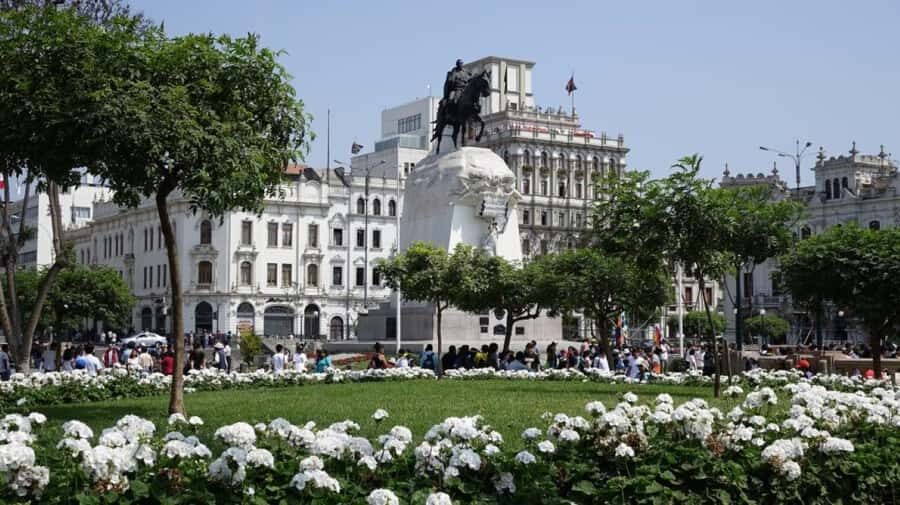
At $40 per person for 5 hours, the value comes from more than just the sightseeing.
What you’re paying for includes:
- Hotel pickup (from Miraflores, San Isidro, or Barranca options)
- A bilingual guide in English and Spanish (plus audio support in those languages)
- The key guided stops across the historic center and residential districts
- The entrance ticket for the San Francisco complex
- Permanent assistance during the tour
For a short Lima visit, hotel pickup alone can save you time and stress, especially if you’re not sure how to route taxis or public transport quickly. And entrance fees for major sites can add up fast on a self-guided day.
Where the value can soften is if you arrive with a very specific goal already covered. If you’ve seen these exact sites, you may feel the time spent doesn’t match your priorities. But if it’s your first time, this price is usually in line with the effort you’d put into coordinating everything yourself.
Who should book this tour (and who might want a different style)
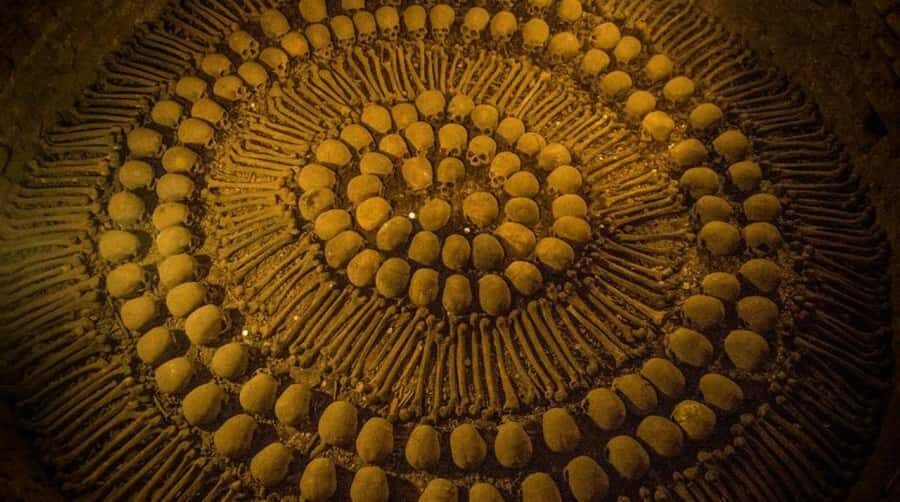
I’d point this tour toward you if:
- You want a fast first-time orientation to Lima that mixes old and new
- You want guided context for Huaca Pucllana, Plaza Mayor, and San Francisco catacombs
- You like a route that stays structured but still gives enough stops to capture real moments
You might choose a different option if:
- You know you only want beaches or only want modern Lima
- You hate indoor or underground spaces
- You’ve already covered the catacombs and want a different replacement stop
- You have medical needs where the tour may not work, since it’s not suitable for people with epilepsy
What to pack and how to make the most of the day
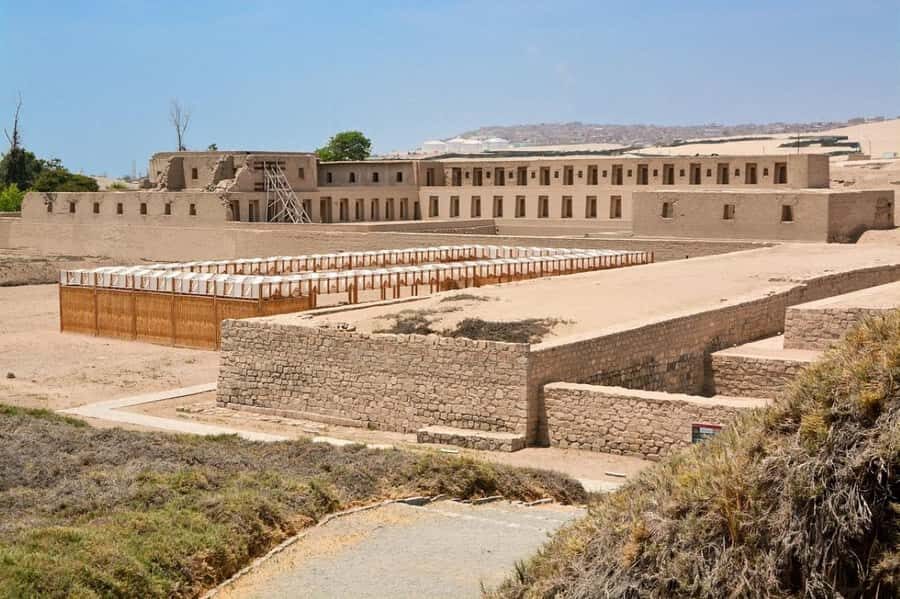
This one’s simple, and you’ll feel the benefit immediately:
- Bring passport or ID card
- Wear comfortable clothes
- Add a sun hat and biodegradable sunscreen
- Use a plan for water and light snacks since lunch is not included
The tour also has clear restrictions. Don’t bring weapons or sharp objects. Avoid alcohol and drugs, and don’t smoke in the vehicle or indoors. It’s standard for guided tours, but it’s worth taking seriously so nothing derails your start time.
One more tip: since the guide works in English and Spanish, if you’re traveling solo and your Spanish is limited, you’ll still want to communicate early that you’d appreciate extra context. In at least one booking experience, the guide made a point to include a non-Spanish speaker in the conversation and check in so the person felt comfortable the whole time. You can ask for that kind of attention up front.
Should you book this Lima Colonial and Modern City Tour?
If you’re visiting Lima for the first time and you want one organized day that connects the city’s sacred past to its modern neighborhoods, I think this is an easy yes. The standout combo—Huaca Pucllana + Plaza Mayor + San Francisco catacombs—is exactly the kind of pairing that helps your brain sort Lima into eras without feeling lost.
I’d book it with one mindset: you’re choosing structure over deep lingering. You get a guided overview with great photo chances, and the time is tight on purpose.
If you’re the kind of traveler who hates underground spaces or you’re already planning your own catacombs visit, message your preferences early or you may end up wishing you had used the time differently.
FAQ
How long is the tour and when does it start?
The tour lasts 5 hours and runs with a 09:00 am start for the first tour or a 2:00 pm start for the second tour, depending on availability.
Where do hotel pickups happen?
Pickup is available from hotel locations in Miraflores, San Isidro, and Barranca (with multiple pickup options).
Which main places are included in the guided visits?
You’ll cover Lima’s historic center (streets, squares, and monuments), plus the Convent and Catacombs of San Francisco. The tour also includes residential districts like Miraflores and San Isidro, along with areas such as Parque del Amor, Huaca Pucllana, Plaza Mayor de Lima, and Larcomar.
Are there entrance tickets and a guide included?
Yes. The tour includes the entrance ticket for the San Francisco site and a tourist guide in English and Spanish. An audio guide is also available in English and Spanish.
Is lunch included?
No. Lunch is not included, so you’ll want to plan your own meal or bring a light option before or after.
Is the tour wheelchair accessible, and is it suitable for epilepsy?
The tour is wheelchair accessible. It is not suitable for people with epilepsy.
]]>