Peru feels huge. This trip keeps it manageable. You move through Lima, Nazca, Paracas, Cusco, the Sacred Valley, and Machu Picchu with a plan built around transportation and timed entry.
I like that the big-ticket sights are handled end to end: Nazca Lines by light aircraft and Machu Picchu by train plus the bus up to the site. I also like the balance of guided moments and breathing room, with free time built in on multiple days.
One drawback to consider: this is a trip with real altitude and real stairs. Cusco and day trips put you high, and the Nazca plane is a small craft, so motion and airsickness can happen.
In This Review
- Key Points Worth Noting
- A Small-Group Peru Sprint With Fewer Moving Parts
- Lima’s UNESCO Historic Center and the Larco Museum Focus
- Nazca Lines by Small Aircraft, With Paracas as Your Scenic Reset
- Ballestas Islands Boat Morning and the Calm-Water Advantage
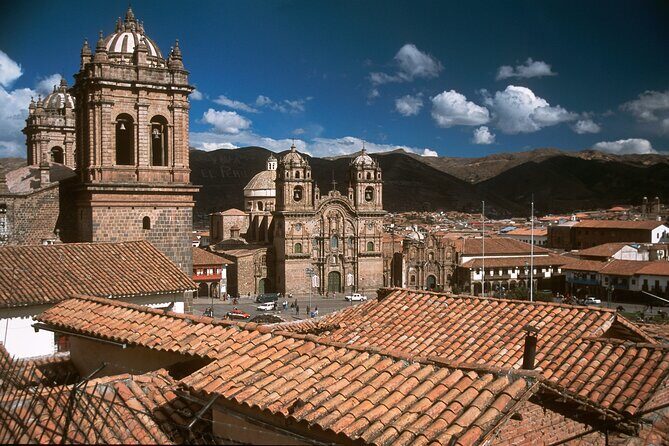
- Cusco First Look: Cathedral Area, Qorikancha, and San Pedro Market
- Sacsayhuaman, Q’enqo, Tambomachay: The Inca Citadel Tour Without the Crowds
- Sacred Valley Stops That Explain the Incas, Not Just Postcards
- Machu Picchu Day: Train Ride, Bus Up, and Visitor Circuit Realities
- The Final Day Back to Lima and Home
- Price and Logistics: What You’re Really Paying For
- Comfort, Altitude, and Pace: Who This Tour Fits
- Should You Book This Tour?
- FAQ
- What’s included in the tour price?
- Are flights Lima to Cusco included?
- What time should I book the flight from Lima to Cusco?
- How do you see the Nazca Lines?
- Is the Nazca flight suitable for children?
- What about Machu Picchu ticket changes or refunds?
- How large is the group?
Key Points Worth Noting
- Nazca Lines are only seen from the air, with a bus connection to Pisco and a small aircraft over the desert figures.
- Paracas’ Ballestas Islands are reached by boat early in the morning, when the water is calmer.
- Cusco is taught through neighborhoods: San Pedro Market, Qorikancha, the Inca stonework, and the Cathedral area.
- Sacred Valley stops include the why, not just the what, with Moray’s microclimates and Ollantaytambo’s major Inca features.
- Machu Picchu entry uses new visitor circuits, and you’ll be assigned a route (priority given to route 2 if available).
- You’re capped at 9 travelers, which usually makes daily touring feel more personal than mass-group travel.
A Small-Group Peru Sprint With Fewer Moving Parts
This 8-day route is built for people who want the iconic Peru hits without spending weeks building an itinerary. You’ll be based in Lima first, then Paracas, and then Cusco/Sacred Valley before finishing at Machu Picchu. The pace is active, but the workflow is sensible: hotels, drivers, and site tickets are included, so you’re not chasing details on the fly.
The small group size matters. With a maximum of 9 travelers, it’s easier to coordinate meeting times and keep the day running smoothly. Also, communications are handled through WhatsApp, which can be a lifesaver when timings shift.
If you're still narrowing it down, here are other tours in Lima we've reviewed.



Lima’s UNESCO Historic Center and the Larco Museum Focus
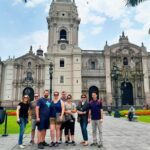
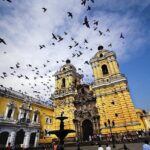
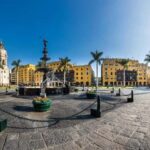
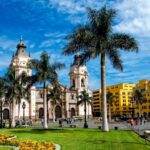
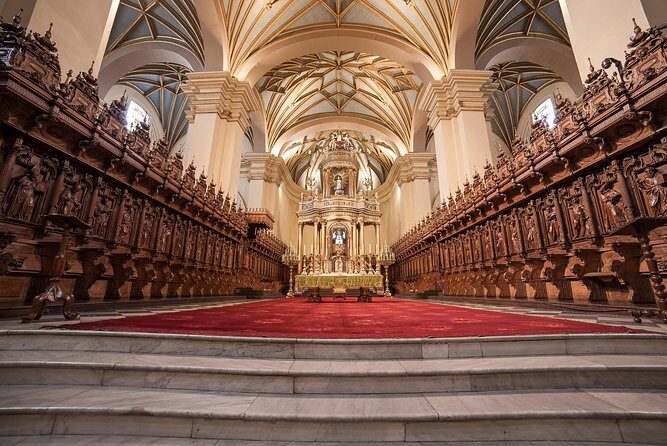
Day 1 is a classic Lima start: arrive, get transferred to your hotel, then get oriented fast with a guided tour of the Historical Center of Lima, a UNESCO site. You’ll visit the Convent of Santo Domingo, which is tied to the oldest university in the Americas and a set of important colonial-era artifacts. You also get the big-picture Lima view by walking through key civic spaces like Plaza Mayor, with the Government Palace, the Municipality, and the historic Cathedral area.
Then you finish at the Larco Museum, which is a strong way to understand Peru before you fly inland. It’s not just “pretty objects.” You’ll see ancient cultural highlights including gold pieces, textiles, and erotic ceramics, plus you’ll visit the museum’s warehouse to view ancient ceramics up close.
Why this works for most people: Lima can be either rushed or overthought. This day gives you history, art, and context in a single block, without asking you to solve Lima’s traffic or ticketing system alone.
Possible drawback: Day 1 is long enough that you may want to keep your arrival day easy in the evening. You’ll likely be walking and moving more than you expect right after a flight.
Nazca Lines by Small Aircraft, With Paracas as Your Scenic Reset
Day 2 is one of the main reasons people book this tour: Nazca Lines from the air. The schedule sends you by bus toward the Paracas bay area, then you transfer to the Pisco airport for a flight over the desert. From the aircraft you’ll see the famous figures—things like the monkey, hummingbird, spider, lizard, astronaut, dog, condor—plus long straight sections that look like landing strips. The tour also invites you to listen to the theories and make your own call about what you’re seeing.
After the flight, you return and continue to your hotel area for the night in Paracas (so you get out of Lima-mode and into coastal-mode).
Day 2’s sweet spot is the pacing: you don’t just “do Nazca and leave.” You do it, then you land in Paracas, where the scenery and the slower rhythm help you process what you just saw.
Two things to think about:
- The plane capacity is small (up to about 12 passengers), and flying over the figures involves banking turns. If you’re sensitive to motion, plan accordingly.
- There’s an additional Nazca airport tax (USD 14 per person) that isn’t included, so keep that in your budget.
Ballestas Islands Boat Morning and the Calm-Water Advantage
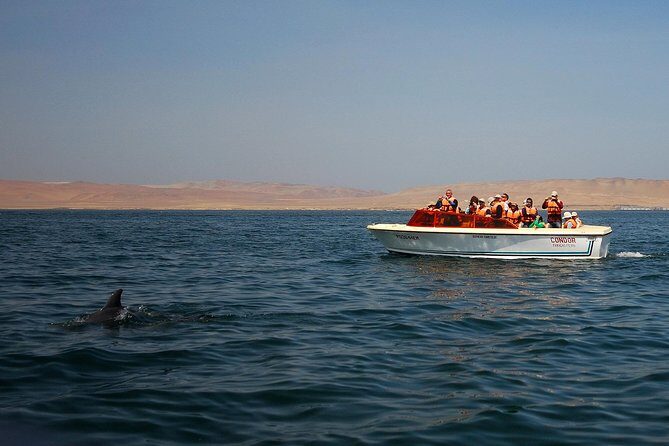
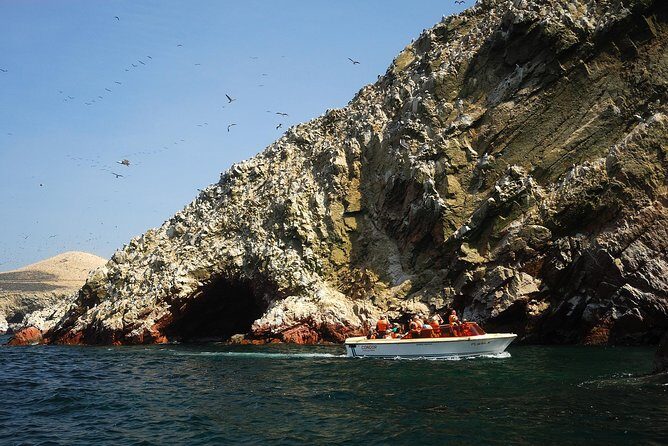
Day 3 shifts from mysticism to wildlife. You head out early in the morning—when the sea is calmer—and take speedy motorboats to the Ballestas Islands in the Paracas National Reserve. Along the way, you may spot the El Candelabro drawing, aligned toward the Nasca pampa.
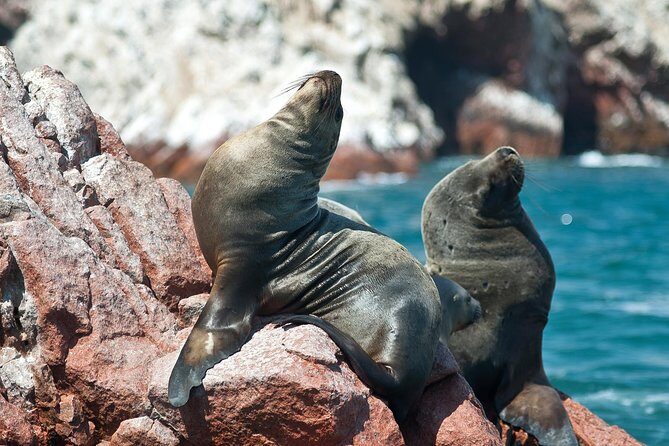
Once you arrive, your guide helps you identify what you’re seeing—seals, penguins, and marine birds—and you’ll explore caves during the trip. The seals can be curious, sometimes getting close to the boats.
Why the early timing matters: “early and calm” is not a small detail here. Choppy water can turn a scenic boat ride into a survival test. This schedule is built to avoid that as much as possible.
After the boat trip, you return to the hotel, then you go back to Lima for an overnight.
Cusco First Look: Cathedral Area, Qorikancha, and San Pedro Market
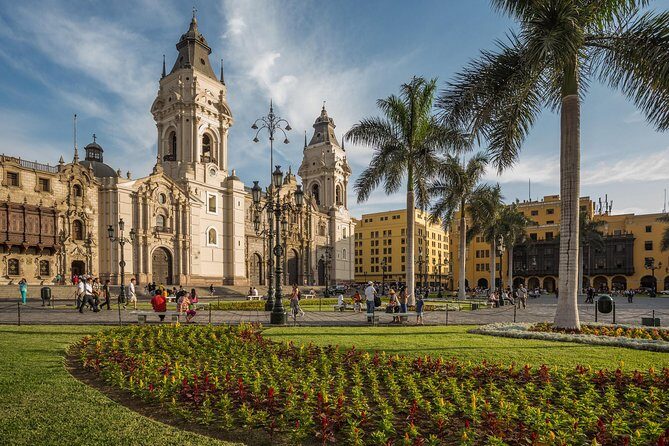
On Day 4 you arrive in Cusco and take it easy with an afternoon walk that shows you how the city layers work: colonial buildings on top of Inca foundations, plus street-level Cusco energy.
You start at Plaza de San Cristóbal for a panoramic overview. Then comes San Pedro Market, a practical stop where you’ll see local flavors and products up close. If you like travel that teaches you how people actually live, this market time is a strong use of an afternoon.
Next you visit Qorikancha, the Temple of the Sun area, famous for having walls once covered in gold. Then you walk through artisan streets in the San Blas area, down Hatun Rumiyoc, and you get time to admire the Twelve Angled Stone. The day wraps at Plaza de Armas with a visit to the Cathedral, known for colonial artworks.
This day is less about “big ruins” and more about learning the Cusco logic. It helps when you later see Sacsayhuaman and Sacred Valley sites because you understand what you’re looking at.



Sacsayhuaman, Q’enqo, Tambomachay: The Inca Citadel Tour Without the Crowds
Day 5 is designed to get you out of the most intense crowds by visiting Sacsayhuaman earlier. You’ll see a citadel of large Inca constructions set in a dramatic setting that feels like it’s still in communion with the environment around it. This is one of those places where the stonework itself tells you a lot.
After Sacsayhuaman, you go to Q’enqo, including an altar for sacrifices carved into the rocky formation. Then you move to Puca Pucará lookout and Tambomachay, known for architectural excellence and tied to Andean cosmovision.
The rest of the afternoon is free. You’ll have an admissions passport included that can give you access to other points of interest not visited on the main route. That’s a smart inclusion because it means you can adjust if your body needs slower pacing.
Practical note: This is the kind of day where you’ll want comfortable shoes. Even if you’re not doing heavy hiking, you’re dealing with stone steps and uneven surfaces.
Sacred Valley Stops That Explain the Incas, Not Just Postcards
Day 6 is one of the best days for “why does this matter?” You visit Chinchero first, known for weaving traditions. You’ll see alpaca-wool dyeing and spinning techniques using older approaches—then you’ll visit the Inca plaza and its colonial church.
Next is Moray, the site of concentric agricultural terraces. The core idea here is that the terraces helped recreate microclimates. In other words, this wasn’t random stone decoration. It was practical experimentation in agriculture.
After lunch, you head to Ollantaytambo, described as the last living Inca village. You’ll see the Temple of the Ten Windows, the Bath of the Princess, and the Sun Temple, and you’ll get those classic height views of the area.
You’ll stay overnight in the Sacred Valley area, which is great for not feeling rushed. It also sets you up for train logistics the next day.
The main drawback: this day has multiple stops and lots of movement in a short window. If you’re tight on energy, consider using the included lunch and free time to actually rest.
Machu Picchu Day: Train Ride, Bus Up, and Visitor Circuit Realities
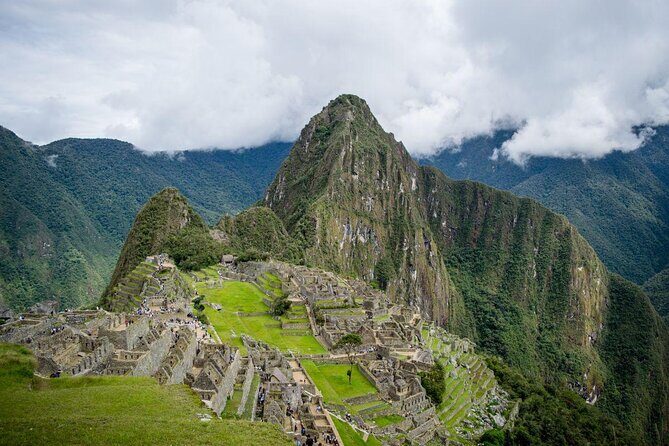
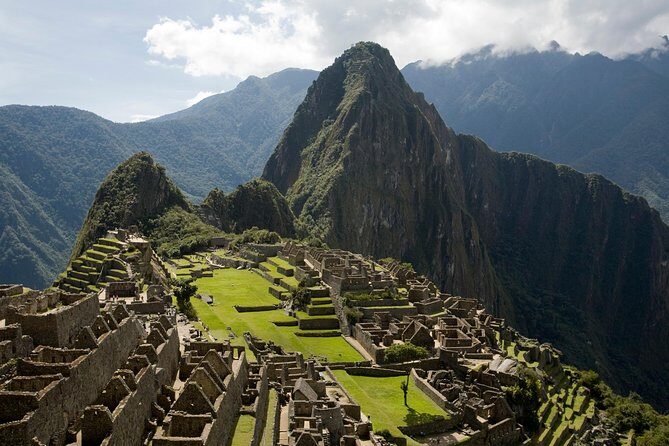
Day 7 is the headline. You board at Ollantaytambo station, take your selected train, then arrive at Machu Picchu station. Staff guide you onto the bus that winds up toward the site with views over the Urubamba River and the canyon.
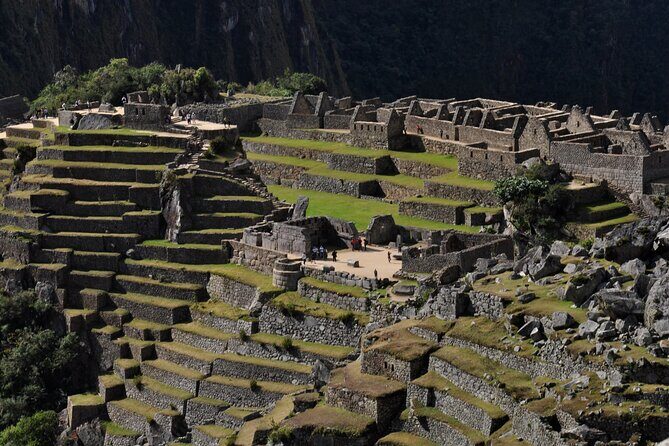
Then it’s Machu Picchu: terraces, staircases, ceremonial areas, and the feeling that the site was planned with intention. You’ll have lunch during the visit and then return by train to Cusco, where you’ll stay overnight.
Important reality check: Machu Picchu has new visitor circuits, with three main routes and route differences to spread people out. This tour prioritizes route 2 when available. If route 2 isn’t available, you’ll be informed about route 3B or route 1B so you can confirm before tickets are issued. Also, the Machu Picchu ticket is not refundable, and date changes or amendments aren’t accepted.
So what should you do? Treat that Machu Picchu date like an anchor. Plan your travel to protect it.
The Final Day Back to Lima and Home
Day 8 is straightforward: transfer to the airport, fly from Cusco back to Lima, and connect with your return flight. There’s no big sightseeing block here. It’s the kind of finish that prevents last-day stress.
Price and Logistics: What You’re Really Paying For
At $1,541 per person, the biggest question is not “is it expensive?” It’s “what does it include that would cost you more if you booked separately?”
Here’s what’s clearly bundled:
- 7 nights of accommodation
- Breakfast for 7 days and lunch on 2 days
- All admission tickets on the tour
- Round-trip train to Machu Picchu based on selected hotel category
- Transfers from airport to hotels and other key legs
- Shared transfer to the train station
- Machu Picchu on your circuit and the included bus ride up to the site
- The key transport components to hit the route efficiently
What you still need to budget for:
- Flights Lima–Cusco–Lima are not included
- Nazca airport tax (USD 14 per person)
- Airport/Departure Tax (listed as €14.00 per person)
- Food and drinks unless specified
If you compare this to piecing together flights, trains, site tickets, and transfers yourself, the value is in the “managed friction.” This tour is basically buying you time and reducing planning errors—especially for the Machu Picchu train and the timed nature of site entry.
Also note a flight rule that matters: when you book your Lima to Cusco flight, it must be in the morning. Arrival by noon is too late. That’s one of those details that can derail an itinerary if ignored.
Comfort, Altitude, and Pace: Who This Tour Fits
This itinerary is best for you if you want a bucket list Peru route and you’re comfortable with moderate daily movement. You’ll see a lot in a short timeframe, and many days include walking and stone steps.
Altitude matters. Cusco and the surrounding region operate at high elevation, and this trip can put you over 12,000 feet. The tour notes to bring medicine or ask your doctor before you depart if you’re prone to altitude sickness. That’s not just a warning—it’s a reminder to plan for your body.
A second comfort factor: the Nazca flight is on a small aircraft and can involve motion. If you’re airsick easily, consider your options before you go.
This is a good fit for:
- First-time visitors who want the highlights without working out logistics
- People who like guided context but also want some free time
- Solo travelers who prefer a small-group structure (the tour is capped at 9)
Not ideal if:
- You need a slow, low-stair itinerary
- You’re trying to minimize altitude exposure
- You’re very strict about changing plans, since Machu Picchu tickets are not refundable
Should You Book This Tour?
Book it if you want a tight, well-structured Peru route where the hardest parts—Nazca logistics, Machu Picchu train coordination, and daily guiding—are handled for you. The route hits the right sequence too: you build context in Lima, add wonder and sea life around Paracas, learn Cusco, then move into the Sacred Valley before Machu Picchu.
Skip or rethink it if your top priority is maximum flexibility or a super-restful pace. This trip is built around timing, high-altitude days, and a major Machu Picchu ticket commitment.
If you decide to go, protect the Machu Picchu date, book that morning Lima-to-Cusco flight, and plan for elevation and walking with honest gear choices. Do that, and this itinerary can feel like Peru with the chaos removed.
FAQ
What’s included in the tour price?
The tour includes transfers from airports to hotels, a shared transfer to the train station, all admission tickets on the tours, round-trip railway tickets to Machu Picchu based on your selected hotel category, 7 nights of accommodation, 7 breakfasts, and lunch on 2 days.
Are flights Lima to Cusco included?
No. Flights Lima–Cusco–Lima are not included, and you’ll need to arrange your own internal flights.
What time should I book the flight from Lima to Cusco?
The tour requires that your Lima to Cusco flight be booked in the morning. Arrival by noon is too late.
How do you see the Nazca Lines?
You travel by bus to the bay of Paracas, then fly from Pisco in a small light aircraft over the Nazca Lines. The designs are only appreciated from the air.
Is the Nazca flight suitable for children?
Overflight is not recommended for children less than 8 years old.
What about Machu Picchu ticket changes or refunds?
The Machu Picchu admission ticket is not refundable. Date changes or amendments are not accepted, so you need to lock in your visit date.
How large is the group?
This tour has a maximum of 9 travelers.