REVIEW · LIMA
Discover Shipibo Women´s Art in Lima
Book on Viator →Operated by Mila Tour Guide · Bookable on Viator
One afternoon, your hands learn a story. This small-group tour takes you from Miraflores into Lima’s Rímac district, then into a Shipibo-Konibo artisan home where you’ll learn the look and meaning behind ancestral design. I love that it’s hands-on, not a sit-and-watch class, and that the experience is tied to real economic support for women artisans. The main drawback to plan for: you’re not doing big sightseeing stops all day, because most of your time is spent creating art in a neighborhood setting.
Run by your guide Mila, the day blends cultural context with practical craft time. I also like that you get a chance to buy directly at the end, so your purchase goes straight to the people making it. If you’re hoping for museums and postcard views, this may feel more intimate and local than you expect.
In This Review
- Key highlights you’ll feel during the 4 hours
- From Miraflores to Rímac: the day starts with context, not clutter
- Center-style Lima intro, then straight into Shipibo-Konibo culture
- Inside the artisan’s home workshop: where the tour becomes craft class
- What you’ll actually be doing with your hands
- Learning the symbolism: patterns that mean more than decoration
- Directly supporting women artisans (and why that matters for value)
- How to think about the $179 price
- Logistics that help you enjoy the day (instead of rushing it)
- Who this fits best
- The one caution: it’s a workshop, not a city highlights tour
- Should you book Discover Shipibo Women’s Art in Lima?
- FAQ
- FAQ
- How long is the Discover Shipibo Women’s Art in Lima tour?
- How much does the tour cost?
- Where do I meet and where does the tour end?
- Is the group size small?
- Will I get to make my own art?
- Can I buy artwork during the tour?
- What’s the cancellation policy?
- Is the tour suitable for people with service animals?
Key highlights you’ll feel during the 4 hours
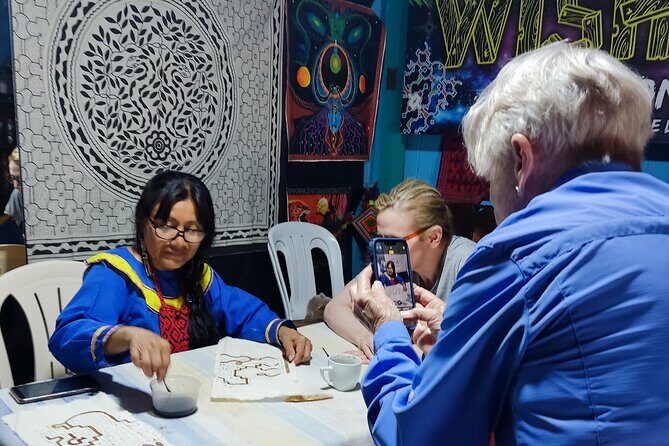
- A real home workshop in the Shipibo-Konibo community rather than a staged studio setting
- A cultural heritage talk in the first part of the day, focused on Peru’s Indigenous peoples and languages
- Hands-on creation time using traditional tools and techniques, with step-by-step help
- Design symbolism you can practice yourself, including linework and space-filling patterns
- Direct art sales at the end, supporting more than 20 women artisans
From Miraflores to Rímac: the day starts with context, not clutter
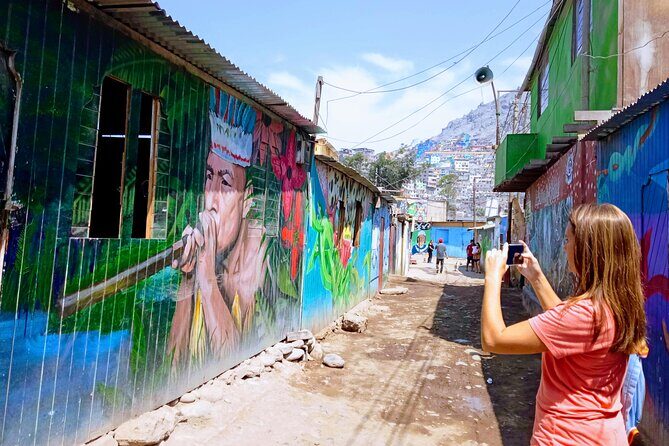
You meet at Parroquia La Virgen Milagrosa (Ca. Lima 345, Miraflores 15074). From there, the group heads out and you get moving right away. In the first 40 minutes, you’ll be transported to the Rímac district, one of Lima’s oldest, traditional areas. This isn’t just travel time—it’s your on-ramp.
As you go, your heritage interpreter guide shares context about Peru’s Indigenous peoples, their native languages, and the cultural legacy they carry today. This matters because Shipibo-Konibo art isn’t random decoration. The patterns are tied to identity, memory, spirituality, and a way of reading the world. If you show up thinking you’ll only learn a technique, you’ll still leave with a technique—but you’ll also walk away understanding why the technique exists.
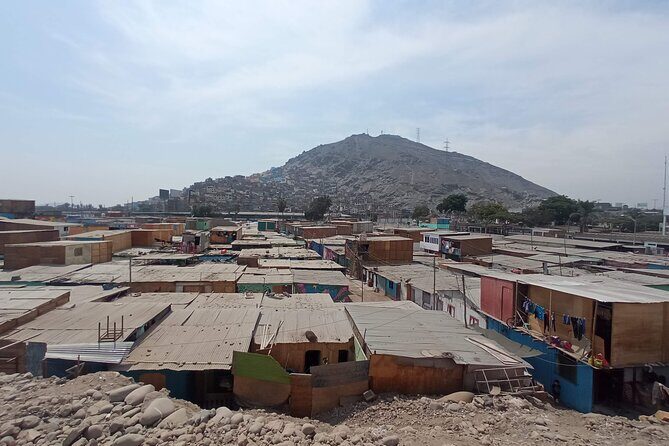
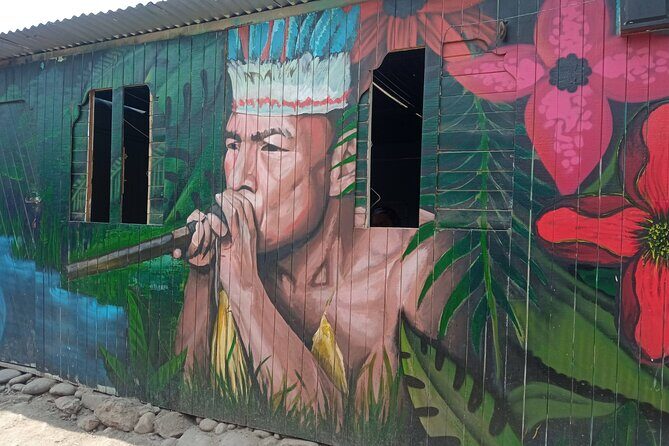
When you arrive, you shift to another side of Lima: the migration and cultural resilience of Amazonian peoples who continue to preserve identity in the capital. That contrast—old Lima streets to living Indigenous culture—sets the tone for the rest of the day.
Planning note: since the day is mostly instructional and creative, you’ll want to keep your schedule flexible for the workshop portion. The tour timing is about 4 hours (approx.), and it flows, rather than feeling like a checklist.
If you're still narrowing it down, here are other tours in Lima we've reviewed.



Center-style Lima intro, then straight into Shipibo-Konibo culture
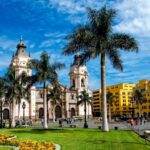
The tour includes a stop at Centro Historico de Lima early on. Expect this as part of the cultural framing, not as a long sightseeing block with a lot of museums. You’re using the city’s layers as a backdrop for a message: Lima is not only the colonial center you see in photos. It’s also a place where Indigenous cultures keep shaping daily life.
Then you head into the Shipibo neighborhood environment. In one of the best parts of the day, the welcome isn’t formal or distant. You’re greeted graciously, and you’re given space to ask questions while keeping the focus on art and meaning.
The group size stays small—up to 8 travelers—which changes the feel. You’re not stuck waiting your turn behind a wall of people. Instead, you get more real interaction and more time for help as you work.
Inside the artisan’s home workshop: where the tour becomes craft class
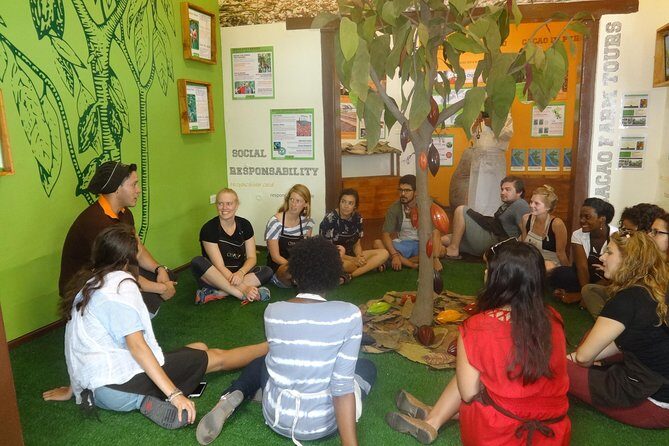
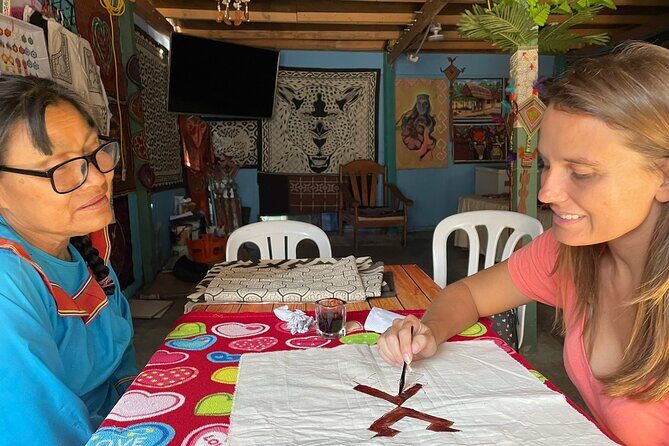
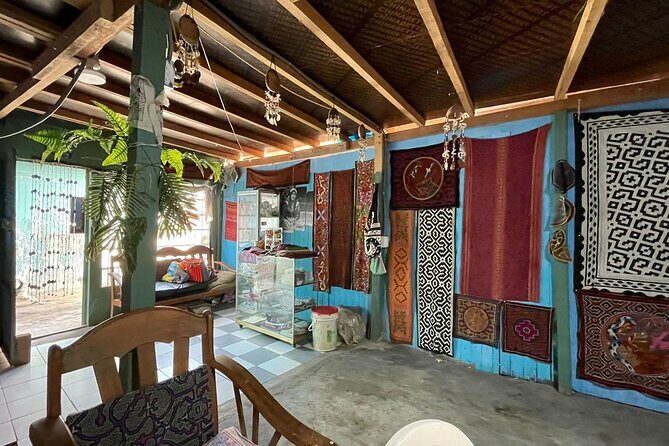
Most tours about art show you examples. This one brings you to the source: the home workshop of a Shipibo-Konibo master artisan, where she opens her doors and shares her life story and spiritual connection to ancestral art.
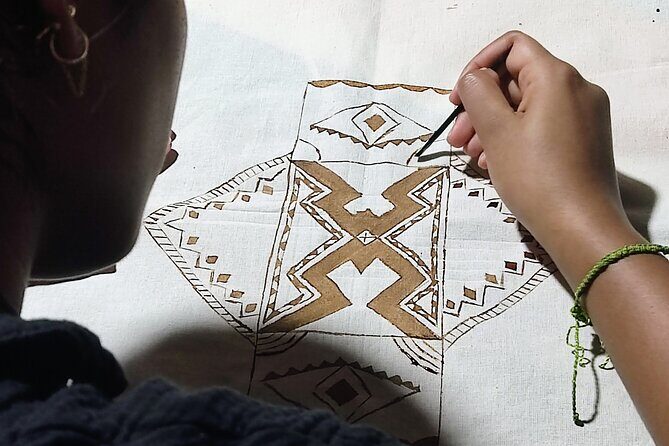
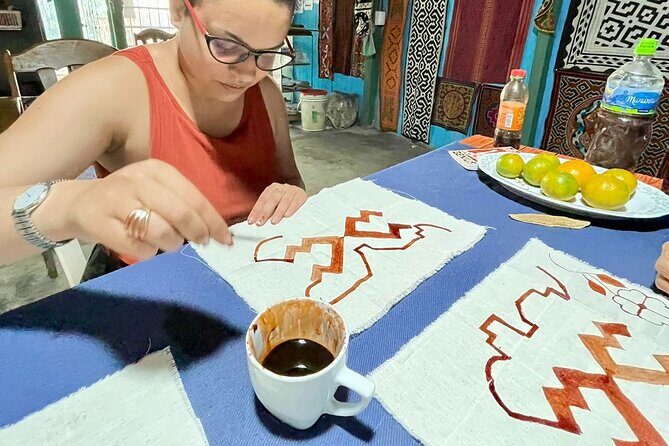
This is the heart of the experience. You spend most of your time learning and creating together, making your own Indigenous art piece using the traditional tools and techniques taught in that home environment.
You’ll get instruction, and you’ll also get patience. In the teaching style described by past visitors, the artists sit with you and guide you step by step while you build your own design. Some visitors specifically highlighted feeling warm, welcoming teaching—plus a relaxed rhythm once you get into the linework and pattern-filling.
There’s also a strong emphasis on the living heritage side of the work. One helpful piece of context you’ll hear is how techniques connect to older generations—how mothers and grandmothers taught designs, and how natural materials found in the Amazon could play a role in the broader tradition. Even if your exact materials and tools vary by what the artisan is using at that moment, the story helps you see the craft as inherited knowledge, not a trend.
What you’ll actually be doing with your hands
While your final piece will be your own, the typical activity includes:
- Practicing lines and building structure
- Filling spaces with symbols tied to nature and daily life—roads, trees, plants, and animals were specifically mentioned in examples
- Working slowly enough that it feels therapeutic, not rushed
I like that the activity is creative without requiring you to already be an artist. If you can draw lines and follow basic steps, you’ll be fine.
Learning the symbolism: patterns that mean more than decoration
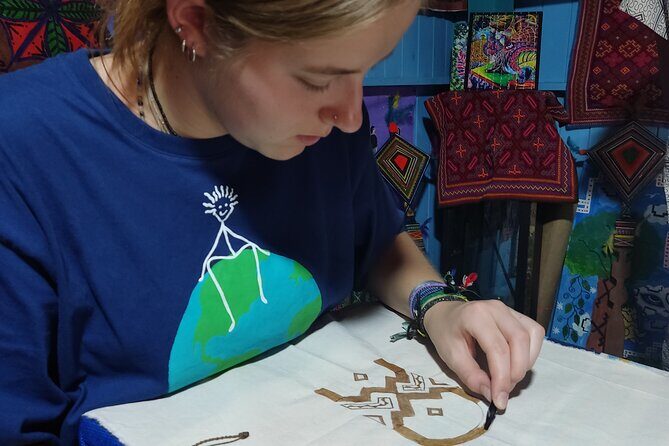
The best craft learning happens when the symbols have a story behind them. Here, your guide and your hosts connect the visuals to Shipibo-Konibo culture. You’re not just copying shapes—you’re learning what those shapes represent.
You may talk about how the designs connect to spiritual relationships and identity, and how the artisan views her work as part of ongoing cultural resilience. Some teaching focuses on how people maintain patterns and meanings even after migration to the capital.
This is one reason the tour feels more meaningful than a typical souvenir stop. When your design includes symbols for roads, trees, and animals, you start understanding why these aren’t interchangeable icons. The structure of the art becomes a way of organizing experience—environment, movement, life, and place.
And yes, you’ll still get the satisfaction of creating something physical you can take home.



Directly supporting women artisans (and why that matters for value)
At the end, you’ll have the option to purchase artwork directly from the artisan. This isn’t only about souvenirs. The experience is designed to have a social and economic impact—strengthening Shipibo-Konibo culture and generating new income for more than 20 women artisans.
For you as a buyer, this is one of the clearest value signals in the day. You’re not paying mainly for a lecture. You’re paying for access to the workshop, instruction, time spent creating, and the chance to support the people behind the work directly.
How to think about the $179 price
$179 per person for about 4 hours sounds steep until you price what’s included. You’re getting:
- a guided cultural introduction (with interpretation)
- time with a master artisan in her home workshop
- hands-on creation using traditional tools and techniques
- the opportunity to buy directly from the maker
Also, the small group size (max 8 travelers) helps keep the instruction personal. When a tour is small and hands-on, your money goes further than with big bus tours where you’re mostly watching.
If you’re comparing it to a standard museum ticket, it’s a different thing. This is workshop time plus cultural context. If that’s what you want, the cost starts to make sense fast.
Logistics that help you enjoy the day (instead of rushing it)
This is a low-stress format, but it has a few practical realities.
- Duration: about 4 hours, so plan a calm morning or afternoon.
- Group size: max 8 travelers, so you’ll be able to interact.
- Where it starts: Parroquia La Virgen Milagrosa in Miraflores.
- Transport: you’ll be transported into the Rímac district after a first intro period.
- Ending point: it finishes back at the meeting point.
Who this fits best
You’ll likely enjoy this most if you:
- want a local experience more than a “see the sights” day
- like learning through making, not just watching
- care about where art comes from and who benefits
The one caution: it’s a workshop, not a city highlights tour
Here’s the main consideration. Because most of the time is spent creating art in a home environment, you shouldn’t expect a full itinerary of major attractions. Even the Centro Historico element is more about framing than a long guided walk of famous landmarks.
Also, the experience takes you out of the Miraflores bubble and into a neighborhood workshop. That’s a plus for authenticity, but it can feel less “tour-comfy” if you planned the day like a museum circuit.
If you’re flexible and open to a slower, craft-focused afternoon, you’ll be glad you booked it.
Should you book Discover Shipibo Women’s Art in Lima?
I’d book it if you want more than a photo. This tour is one of those experiences where you leave with a piece of art and a clearer sense of why the designs matter. The hands-on creation, the warmth of the teaching in the artisan home, and the chance to support women artisans directly are the biggest reasons to choose it.
Skip it only if your priority is classic Lima sightseeing and you’re not in the mood for an intimate workshop day. If you want a calm, meaningful afternoon and you enjoy learning by doing, this is a strong pick.
FAQ
FAQ
How long is the Discover Shipibo Women’s Art in Lima tour?
It runs for about 4 hours (approx.).
How much does the tour cost?
The price is $179.00 per person.
Where do I meet and where does the tour end?
You meet at Parroquia La Virgen Milagrosa, Ca. Lima 345, Miraflores 15074, Peru, and the tour ends back at the meeting point.
Is the group size small?
Yes. The tour has a maximum of 8 travelers.
Will I get to make my own art?
Yes. You’ll spend most of the visit learning and creating together, making your own piece of Indigenous art with traditional tools and techniques.
Can I buy artwork during the tour?
Yes. At the end, you have the opportunity to purchase artwork directly from the artisan.
What’s the cancellation policy?
Free cancellation is available up to 24 hours in advance for a full refund. If you cancel less than 24 hours before the start time, the amount paid is not refunded.
Is the tour suitable for people with service animals?
Yes. Service animals are allowed, and the tour is near public transportation. Most travelers can participate.