REVIEW · LIMA
Enjoy Lima Walking Historic Center, Plaza San Martin and Plaza de Armas
Book on GetYourGuide →Operated by LIMA PERU TRIP · Bookable on GetYourGuide
Lima in two hours is a fast, smart way to get oriented. This walking tour links Plaza San Martín with the heart of downtown, using key landmarks to explain Lima’s colonial and aristocratic side in a way you can actually follow on foot. I like that it’s built around the streets between the big squares, not a checklist that skips the human story behind them.
What I really like: the route takes you through Plaza de Armas and the main government and religious sights, then keeps moving to smaller stops where the details matter. The one possible drawback is simple: this is a true walking tour, and it does not include transport to the meeting point or the end.
In This Review
- Key things to notice before you go
- Why This 2-Hour Walking Route Makes Sense in Downtown Lima
- Starting at Gran Hotel Bolívar: Get Oriented Fast
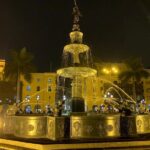
- Plaza San Martín: The Tour’s First Anchor
- Jirón de la Unión and La Merced Church: Architecture on the Move
- Plaza de Armas to Civic Lima: Government Palace and Cathedral
- Boulevard Chabuca Granda: Typical Peruvian Desserts Within the Route
- Murralla Park and the Mini Zoo: A Side of Lima You Don’t Expect
- San Francisco Church and the Catacombs Area: History You Can See
- Crossing a Beautiful-Looking Street and Finishing with Literature and Cordano Bar
- Price and What You Get for Around $40
- Guide Quality: The Part That Most Consistently Works
- Who This Walking Tour Is Best For
- Should You Book This Lima Historic Center Tour?
- FAQ
- How long is the tour?
- Where do I meet the guide?
- Is transportation included?
- What’s included in the price?
- Are tickets included for churches or catacombs?
- What are the main areas the tour covers?
Key things to notice before you go
- A guided loop on foot: you walk between downtown highlights for about 2 hours
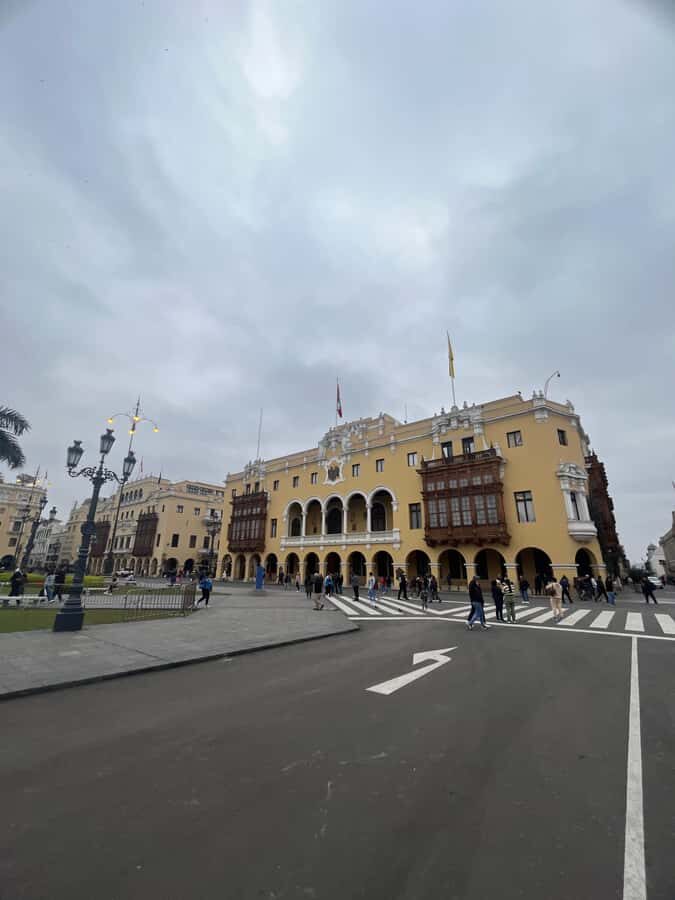
- Two big squares first: Plaza San Martín then Plaza de Armas as your backbone
- Historic churches on the path: including La Merced and San Francisco
- Food break nearby: a stop at Boulevard Chabuca Granda for typical Peruvian desserts
- A surprising stop by Parque La Muralla: you’ll pass Murralla Park and a mini zoo
Why This 2-Hour Walking Route Makes Sense in Downtown Lima
If you only have a short window in Lima, this format is practical. A focused walking tour lets you connect the city’s major landmarks—squares, churches, and civic buildings—without wasting time on transfers or waiting around.
I like that the experience is organized like a story with a clear progression: you start in the historic core, move along a main avenue, reach Plaza de Armas, and then continue into the surrounding neighborhoods and side landmarks. That means when you look at a façade or a church entrance later in your trip, you’ll have a framework for what you’re seeing.
The route also pays attention to the “in-between” parts of Lima. The tour doesn’t just point at iconic buildings. It guides you through the streets that connect them, where smaller details often live—street rhythm, architecture patterns, and everyday textures like desserts along Boulevard Chabuca Granda.
Other historic center and catacombs tours in Lima


Starting at Gran Hotel Bolívar: Get Oriented Fast
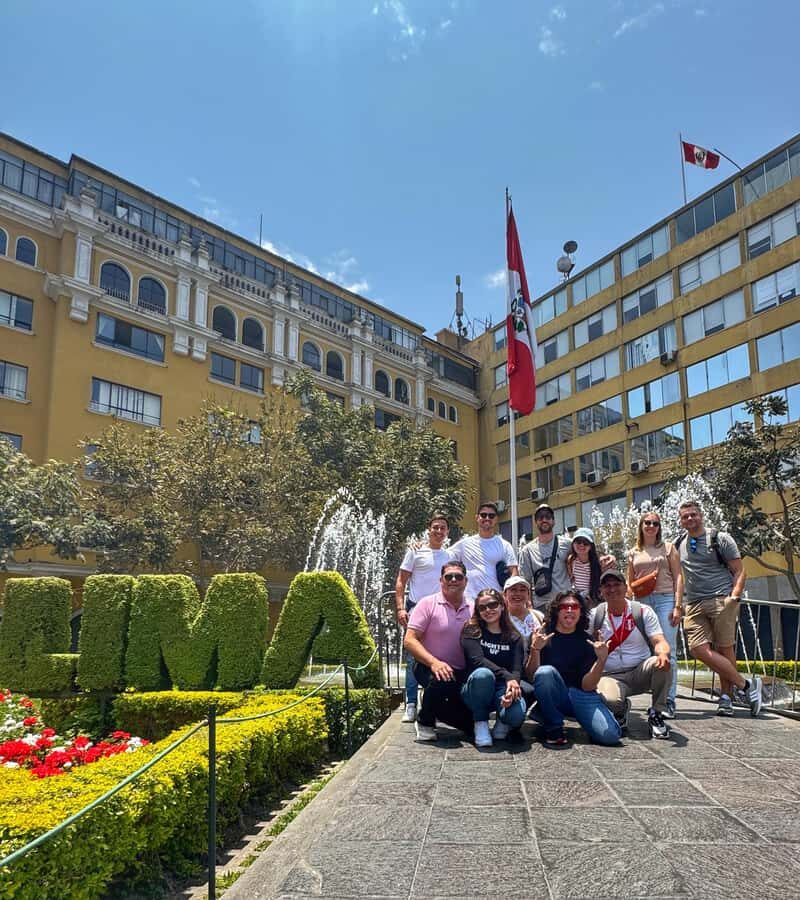
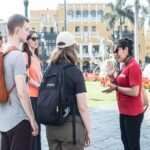
The meeting point is easy to find if you’re nearby: meet the guide in front of the Gran Hotel Bolívar (the Bolivar Hotel), and the guide will be properly identified. The coordinates are -12.0509284, -77.03510570000002, which is handy if you’re using a map app.
This matters because Lima’s center can feel busy and complex when you’re first arriving. Starting at a known landmark helps you avoid the usual first-day stress of wondering where to go. Once the group is together, the tour starts by explaining Plaza San Martín, so you get context before you start moving.
You’ll also know right away what to expect from the pace and comfort level. The plan is roughly 2 hours of walking, so you should treat this as an active sightseeing session. Comfortable shoes are not optional here.
Plaza San Martín: The Tour’s First Anchor
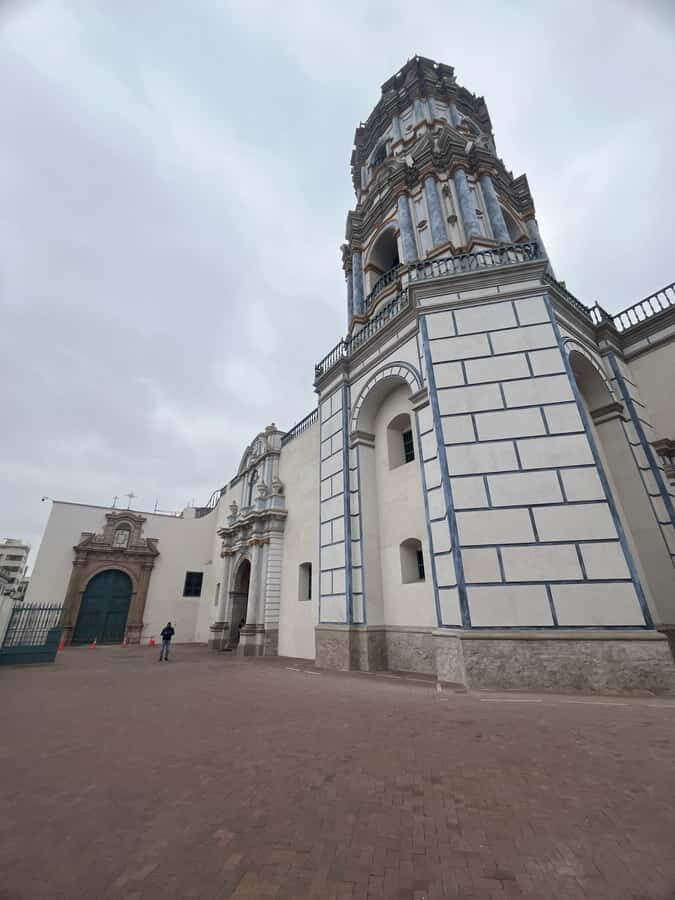
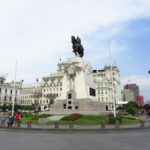
The first stop is Plaza San Martín, with a guided portion around 30 minutes. This is a smart opening because it sets the scene for the rest of the downtown walk.
In many cities, big plazas can feel like just open space. Here, you’re not wandering aimlessly. The guide’s role is to connect what you see in the square to Lima’s wider story—so that when you head toward Jirón de la Unión and eventually Plaza de Armas, the landmarks don’t feel random.
This is also where you learn the “how to read the city” part. Even if your Spanish or English is only basic, a professional guide talking through the why behind buildings helps you notice more than you would on your own.
Jirón de la Unión and La Merced Church: Architecture on the Move
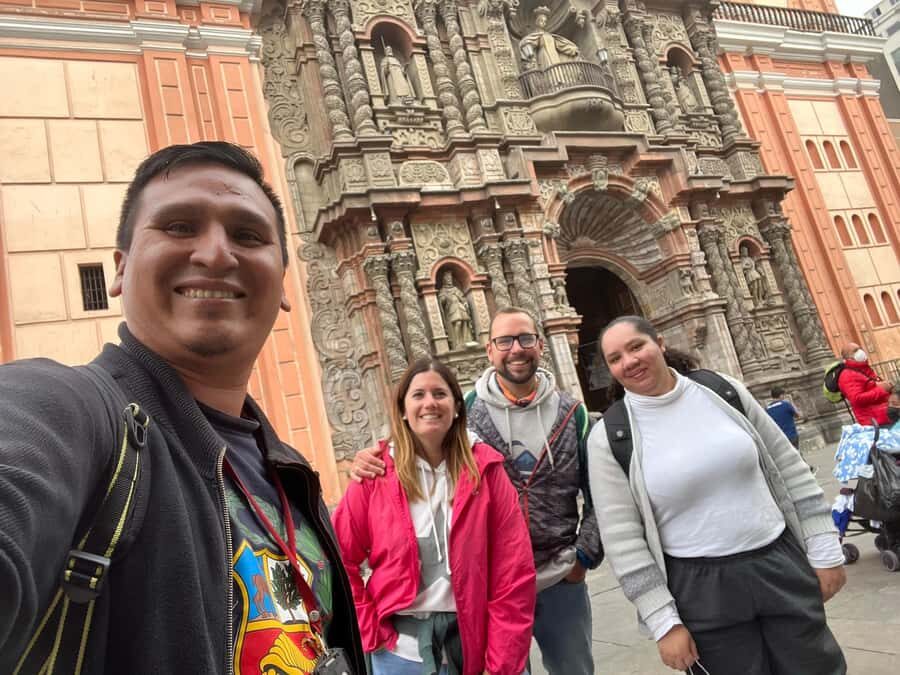
After Plaza San Martín, the walk heads through Jirón de la Unión. This is a key artery in the historic center, and the tour uses it to introduce major sights as you progress toward the civic heart.
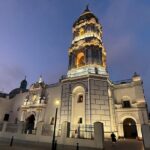
One of the notable stops along the way is La Merced Church. The value here is timing: you’re still fresh from the first square, and the guide can point out important architectural and historical elements while you’re close enough to see details clearly.
Jirón de la Unión also works as a transition. The walk links the more monumental atmosphere of plazas with the texture of Lima’s streetfront life. That makes it easier to understand how the city grew into the present layout—rather than treating the center as separate “photo stops.”
Plaza de Armas to Civic Lima: Government Palace and Cathedral
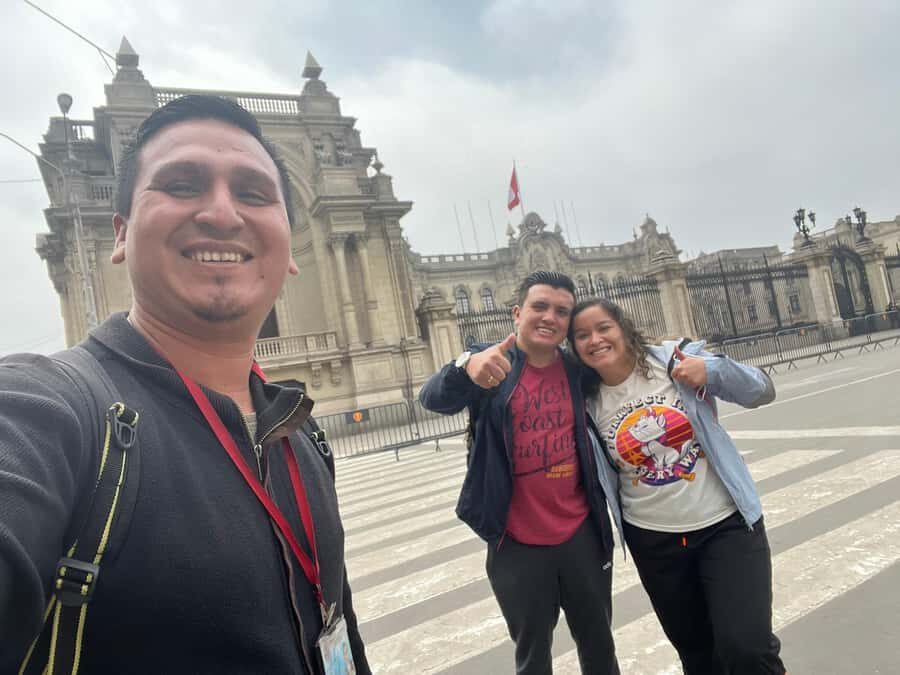
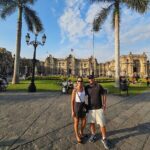
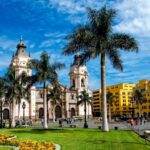
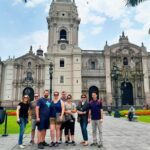
Next comes Plaza Mayor de Lima, also commonly referred to as Plaza de Armas, again with about 30 minutes guided time. This is where downtown Lima’s identity compresses into one area.
From there, you’ll be guided through the big civic and religious markers tied to the plaza. The tour includes time for the Government Palace and the Lima Cathedral, plus additional explanation around what you’re seeing in the surrounding area (the schedule lists time for Lima itself as you move through the zone).
Why this is worth your time: these buildings aren’t just pretty. They represent how power and faith shaped the city’s layout and daily rhythm. In a short tour, that context is gold because it turns your photos into something you can remember clearly later.
One practical consideration: cathedral areas and major government-adjacent zones tend to be busy. If you prefer quieter visits, keep an eye on your group pace and listen for what the guide wants you to notice first—line of sight, façade features, and placement around the square.
Other walking tours we've reviewed in Lima


Boulevard Chabuca Granda: Typical Peruvian Desserts Within the Route
Between the major landmarks, the tour adds a very Lima moment: you’ll continue through Boulevard Chabuca Granda, where you can find typical Peruvian desserts.
This is more than a break. It’s a chance to experience the city as locals do—between monuments. When food appears in an itinerary like this, it helps balance the heavy historic focus, and it keeps the walk from feeling like only stone and paperwork.
If you want to make this part work for you, come with some willingness to try something sweet even if you’re not a dessert-only person. Think of it as an easy cultural checkpoint rather than a strict meal plan.
Murralla Park and the Mini Zoo: A Side of Lima You Don’t Expect
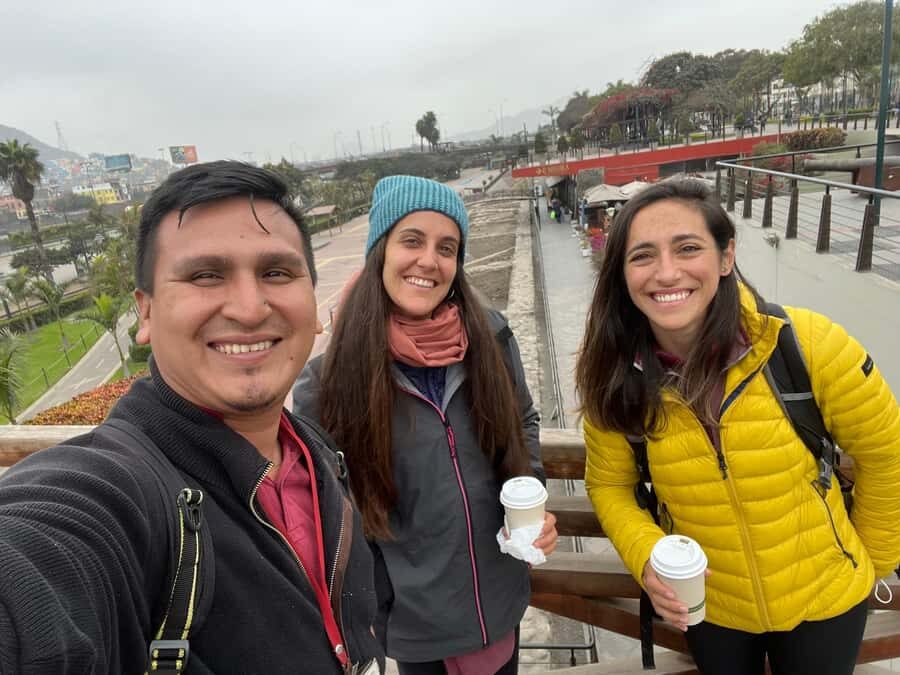
After the dessert area, the route continues through Murralla Park. Here, you’ll find a mini zoo, which is an interesting twist in a historic-center tour.
This stop gives you a change of pace, and it also makes the route feel more real. Downtown Lima isn’t only monuments; it’s also where families and everyday life show up. Seeing that blend in a single walk is one reason this kind of tour can feel more memorable than a purely architectural route.
It’s also a good moment to reset your legs. The tour is still moving forward, but the mini zoo detail can make the surroundings feel less like a straight line of sightseeing.
San Francisco Church and the Catacombs Area: History You Can See
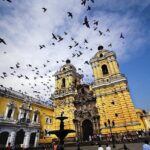
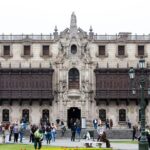
The tour includes a visit to the San Francisco Church, described as the place where the catacombs are located.
Even if you don’t go inside paid areas, the exterior and immediate setting help you picture how Lima’s history connects to burial sites and the city’s older layers. And because the tour notes that tickets are not included, you can decide on the spot whether you want to pay separately for any entry-based experience related to catacombs or church interiors.
This is a good moment to listen carefully to the guide. A professional explanation is especially helpful here because “catacombs” can sound sensational. A guide can ground it in what you’re actually looking at and why it matters in Lima’s timeline.
Crossing a Beautiful-Looking Street and Finishing with Literature and Cordano Bar
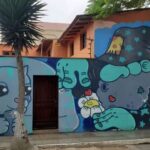
As the tour continues, you’ll cross one of the streets with beautiful architecture of Lima. The route doesn’t rely on only major plazas; it uses these street segments to show how architectural character appears in everyday blocks too.
Then the tour finishes in a very satisfying way: at the House of Peruvian Literature and the emblematic Cordano Bar.
Why this ending works: it ties the historic and cultural threads together. After walking through civic buildings, churches, and city life pockets, you end at places that represent Peruvian identity through culture and social tradition. Cordano Bar is a fitting “last stop” because it gives you a natural next step after the walking portion—something to linger over if you still have energy.
Price and What You Get for Around $40
At $40 per person for about 2 hours, the value mostly comes from the guided structure. You’re paying for a professional tour guide in Spanish and English, plus a route that strings together multiple major downtown highlights efficiently.
The other value is clarity: the stops aren’t random. They form a chain:
- start at Plaza San Martín,
- move through Jirón de la Unión toward Plaza de Armas,
- then keep going to churches, dessert streets, and the finish around literature and Cordano Bar.
What you should budget for beyond the tour price: tickets aren’t included. If you want to enter catacombs or go inside certain attractions, you’ll likely need to pay separately. That doesn’t make the tour overpriced; it just means you should plan like an adult and decide your must-enter priorities ahead of time.
Guide Quality: The Part That Most Consistently Works
The reviews highlight something simple: the guidance. One mention specifically calls out Alvaro as great and notes a very good experience.
That matters because, on foot, the difference between a “see-it” walk and a “understand-it” walk is the guide. A strong guide helps you connect what you’re seeing—plazas, churches, and street layout—to Lima’s colonial and aristocratic story, rather than leaving you with only landmarks and photos.
If you want the best results, arrive on time at Gran Hotel Bolívar, then ask yourself what you want most out of Lima: architecture context, major-sight orientation, or culture details like the desserts and the literature-bar finish. The tour is designed to cover all of that in one compact loop.
Who This Walking Tour Is Best For
This is a great fit if you:
- want an efficient introduction to Lima’s historic core,
- like walking routes with clear sequences of landmarks,
- enjoy culture connections, not just photos,
- want a guide who can switch between Spanish and English.
You might consider something else if you:
- hate walking more than a couple blocks (this is about 2 hours of walking),
- need frequent stops or extended indoor time, since the tour is designed as a continuous historic walk.
Also note that the tour is listed as wheelchair accessible. Because it’s still a walking route, your best move is to confirm the practical path details with the provider if mobility is a concern.
Should You Book This Lima Historic Center Tour?
If your goal is to understand Lima’s downtown quickly—without spending the day on logistics—this tour is a smart buy. For $40, you get a professional guide in Spanish and English, a route through key squares and churches, a dessert moment at Boulevard Chabuca Granda, and an ending at the House of Peruvian Literature and Cordano Bar.
Book it if you want a compact, organized walk that helps you read the city as you go. Skip it only if walking for about 2 hours sounds like misery for you, or if your main interest is deep museum-style time where you’d rather linger than move.
FAQ
How long is the tour?
It runs for about 2 hours.
Where do I meet the guide?
Meet the guide in front of the Gran Hotel Bolívar (Bolivar Hotel). The guide will be properly identified.
Is transportation included?
No. This is a walking tour, so it does not include transfer to the meeting point or to the end of the tour.
What’s included in the price?
A professional tour guide in Spanish and English.
Are tickets included for churches or catacombs?
No. Tickets are not included.
What are the main areas the tour covers?
Plaza San Martín, Plaza de Armas (Plaza Mayor de Lima), key historic buildings around the downtown core, plus stops including Jirón de la Unión, La Merced Church, Boulevard Chabuca Granda for desserts, Murralla Park, San Francisco Church (catacombs area), and finishes at the House of Peruvian Literature and Cordano Bar.