REVIEW · LIMA
From Lima: Cordillera de la viuda | Mountain Exploration
Book on GetYourGuide →Operated by www.iziperu.com · Bookable on GetYourGuide
Early start, big mountain payoffs. This Cordillera de la Viuda outing from Lima strings together Checta Petroglyphs and high Andean lagoons like Laguna de Chuchun in one long day, led by an official guide with group oxygen along the way.
I also like the balance here: it’s scenery plus real-life culture, from Huaros trout farming to a Canta market and city tour. Then you close with quiet time at the Santa Rosa de Quives sanctuary.
The main drawback to consider is the time on the road. You’re out from 5am until about 9pm, and road conditions and traffic can make the middle of the day feel slow before the big views show up.
In This Review
- Key points at a glance
- Why Cordillera de la Viuda from Lima Works as a One-Day Reset
- Meeting at La Rambla and the 5am Start: Timing You Can Manage
- Checta Petroglyphs and the Cochapampa Viewpoint Stop
- Laguna de Chuchun and the Andean Lagoons: What to Bring and Why
- Huaros Community Trout Farming: A Real-World Stop, Not Just a Photo Break
- Canta’s Plaza, Market, and Mariscal Chaperito Connections
- Santa Rosa de Quives Sanctuary: Chapel Time and a Wishing Well
- Price and Logistics: What You’re Paying For (and What You Still Need)
- Who This Cordillera de la Viuda Tour Suits Best
- Should I Book This Cordillera de la Viuda Day Tour?
- FAQ
- What time does the tour start and end?
- Where do I meet the group in Lima?
- How long is the tour?
- What is the price of the tour?
- Is food included?
- What does the tour include?
- What extra costs should I expect?
- What should I bring?
Key points at a glance
- Checta Petroglyphs: stone art with animals, hunters, and cosmos-style symbols that you’ll read multiple ways
- Lagoons of Cordillera La Viuda: Laguna de Chuchun plus other lagoons like Laguna Ocho and Laguna Leoncocha
- Group oxygen and first-aid kit: comfort and safety basics included for a high mountain day
- Huaros community trout farming: learn how trout farming works at a community level
- Canta + Santa Rosa de Quives: market snacks, Plaza de Armas sights, and a sanctuary with a wishing well
Why Cordillera de la Viuda from Lima Works as a One-Day Reset
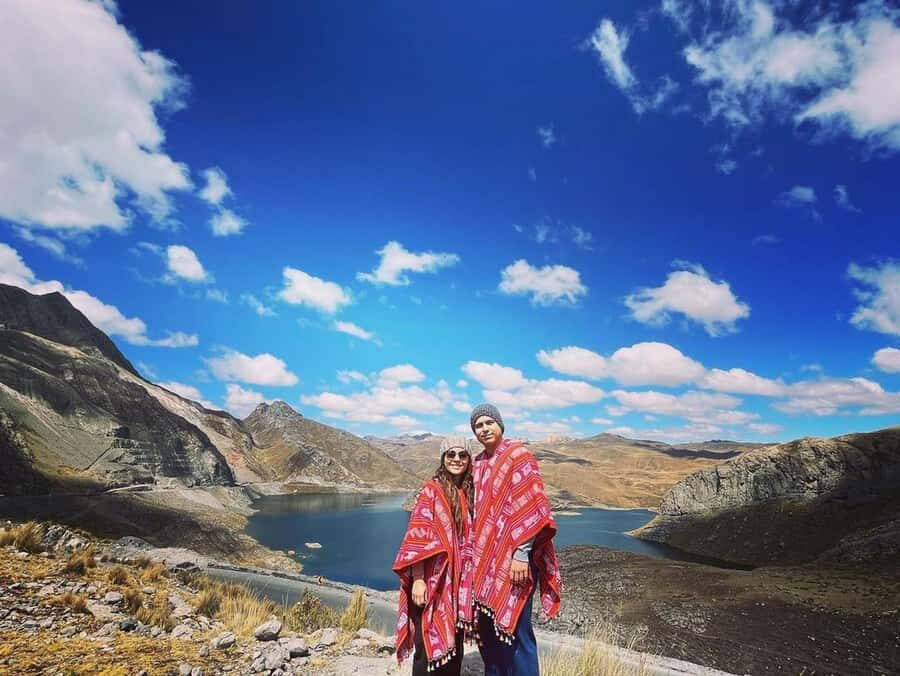
This is the kind of day trip that feels like you’re traveling through several worlds without changing hotels. You start in the Lima mountain region, meet evidence of very old human presence at Checta, then spend time around serene lagoons and snow views tied to the La Viuda range.
What I like most for you: the day has built-in variety, so even if one stop is crowded or cloudy, you still have several other payoff moments. The petroglyph stop gives your brain a story to follow, and the lagoons give your eyes time to breathe.
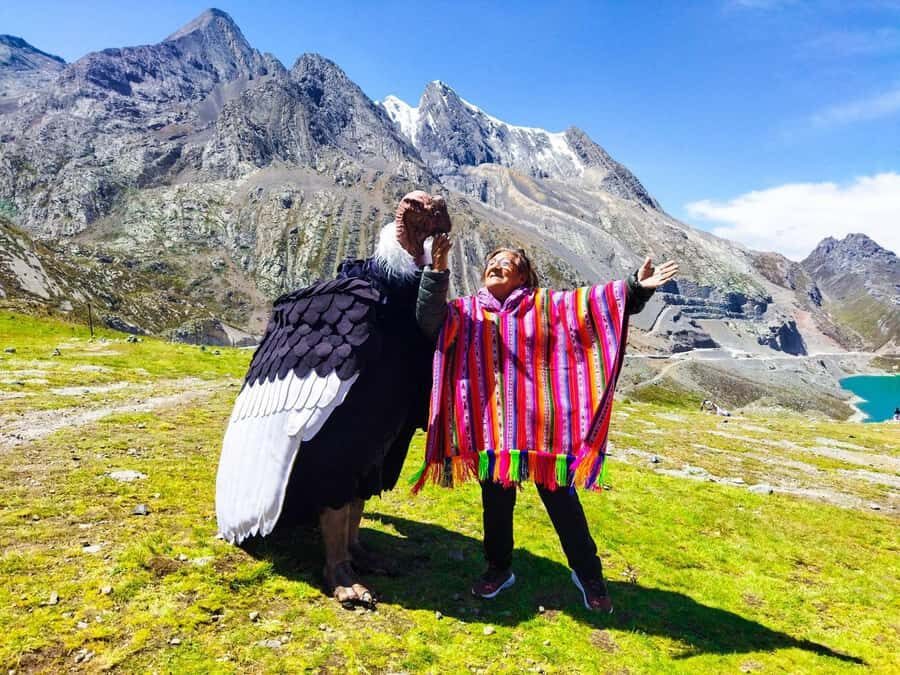
I also appreciate that the experience includes small altitude-day support items—oxygen for the group and even coca leaves—without making it feel like a lecture. You get practicality, plus respect for local traditions through a payment to Earth-Pachamama as part of the day.
If you're still narrowing it down, here are other tours in Lima we've reviewed.



Meeting at La Rambla and the 5am Start: Timing You Can Manage
You meet at Shopping Mall La Rambla. You’ll get the exact GPS location so you can find the right spot without guesswork. Departure is at 5am, and the tour runs until about 9pm, so this is a full-day commitment, not a quick hop.
Here’s how to make the start work for you: treat it like an early flight. Eat something light before pickup if you can. Bring water and keep an eye on rest breaks, because the day includes several driving segments plus multiple stops.
One practical consideration based on real-world experiences with this kind of long road itinerary: coordination matters when the group is picking up and moving early. I’d strongly suggest you double-check the GPS meeting details and confirm you’re with the correct group before you roll out. That simple step can save you from a stressful start.
Also note the language: the live guide is Spanish. If your Spanish is basic, you can still enjoy the day, but you’ll get the most out of it when you follow the guide’s explanations at petroglyphs, lagoons, and the cultural stops.
Checta Petroglyphs and the Cochapampa Viewpoint Stop
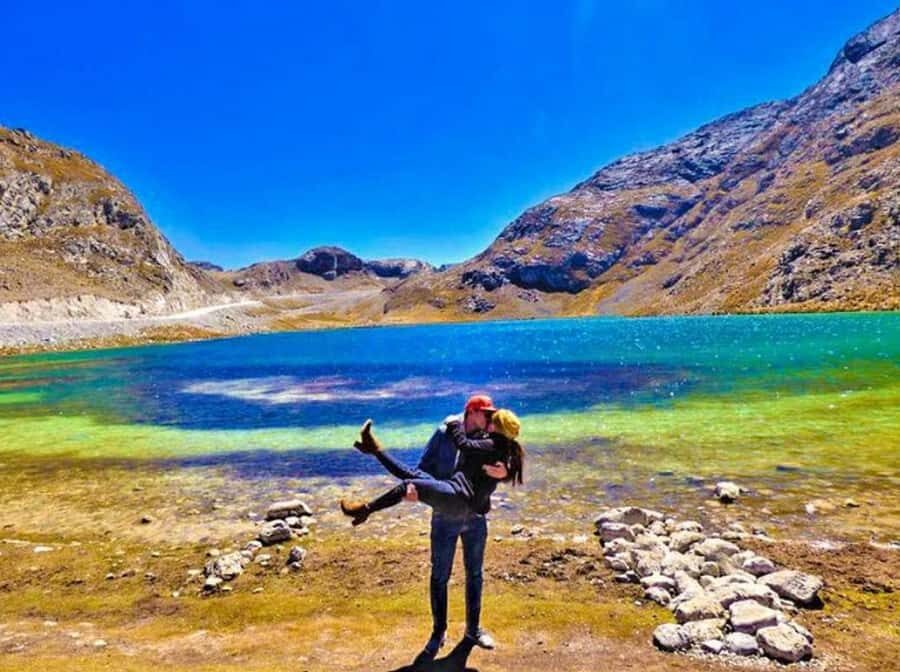
After the early departure, the first big content stop is Checta Petroglyphs. Here, you’ll see stylized drawings carved into stones, including animals, humans on the hunt, and elements of the cosmos—plus other abstract designs that people interpret in different ways.
This stop is valuable because it turns the mountains from a backdrop into a timeline. You’re not just looking at rocks; you’re looking at communication—how people once mapped meaning onto stone, and how that meaning still sparks discussion today.
You’ll also make a road stop at a viewpoint of Cochapampa. It’s a quick chance to reset your eyes and check the bigger geography before you head to the lagoon area. These short viewpoints can be the difference between feeling rushed later and feeling ready when the lagoons arrive.
Practical tip: wear something comfortable for stops outside the bus. You’ll likely want sunglasses for glare, and insect repellent for outdoor moments.
Laguna de Chuchun and the Andean Lagoons: What to Bring and Why
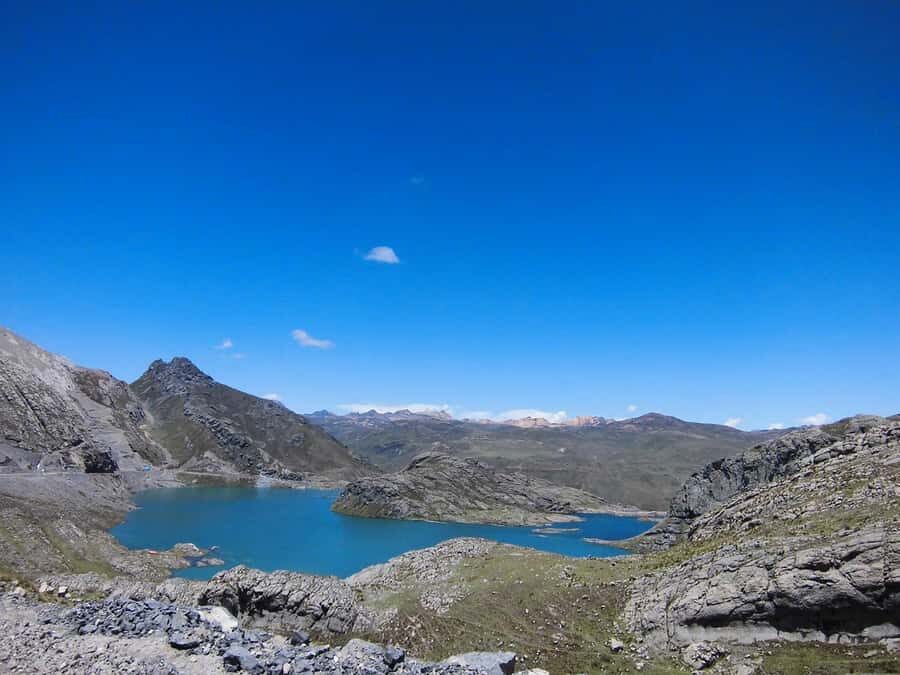
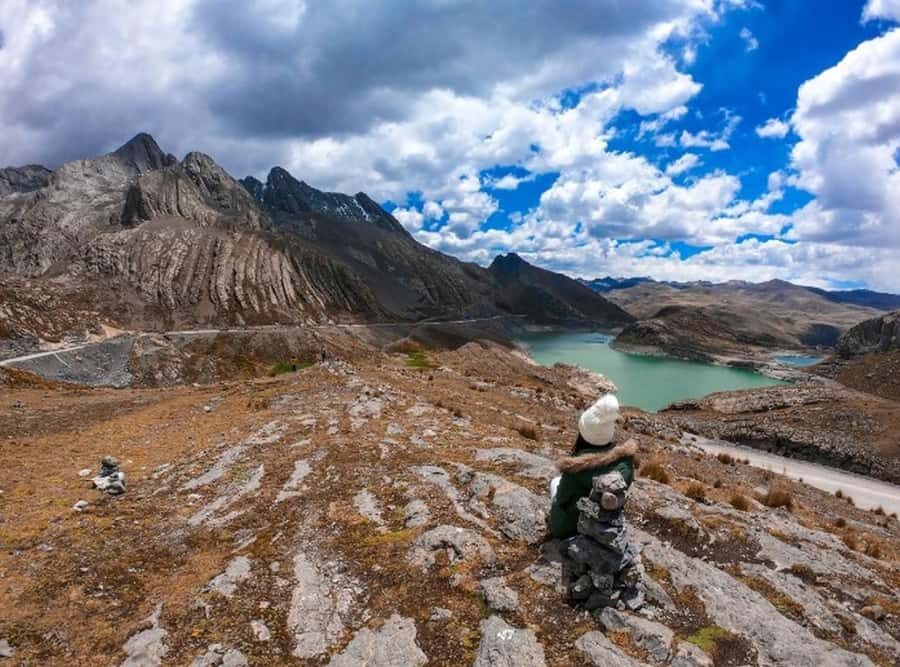
This is the centerpiece. You’ll arrive at the main lagoon area and spend time at Laguna de Chuchun, plus Laguna Ocho and Laguna Leoncocha. You’ll also get sighting views toward the snow-capped mountain range of La Viuda.
These lagoons matter more than the photos make it seem. You’re in a place where the day’s rhythm changes: the walking becomes more about slow observation than speed. You’ll notice how color and light shift on water and stone, and how the mountain backdrop frames everything.
You should also know what’s optional. Entrance tickets for the lagoons are S/3 (indicative and subject to variation), and there’s an optional boat tour for S/7. If you’re trying to save money, you can skip the boat and still enjoy the lagoons from shore. If you like being on the water, budget for the boat option.
Bring swimwear. It’s not a guarantee you’ll swim, but it’s smart insurance in a lagoon setting. Also pack sunscreen even if it feels cool—high sun can surprise you—and insect repellent for outdoor time around water.
One more useful detail: the tour includes photography during the tour. That’s helpful for lagoons when the best angles are hard to pull off while juggling a phone, wind, and your own camera settings.
Huaros Community Trout Farming: A Real-World Stop, Not Just a Photo Break
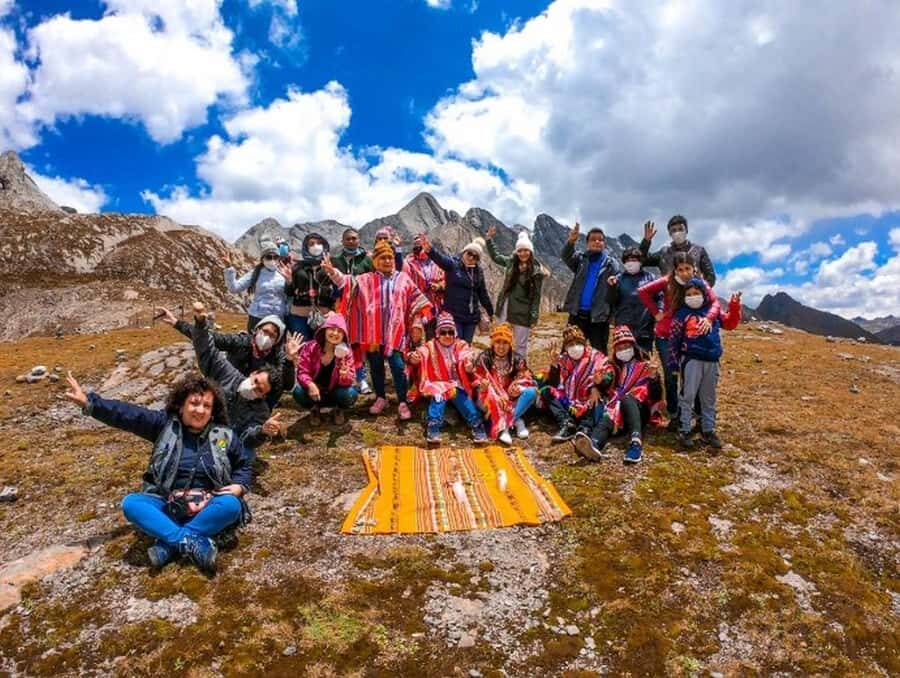
After the lagoon time, you visit the fish farm of the Huaros community, where you learn a little about trout farming. This stop is a change of pace from nature-only touring. It brings you closer to how people make livelihoods in mountain regions and how food production works where water and climate shape the possibilities.
Even if you’re not a “fish person,” you’ll likely enjoy it because it’s hands-on in a quiet way: you’re not just consuming scenery—you’re seeing a system. And it helps the day feel connected, not like a string of unrelated stops.
This is also where you’ll feel the structure of the day more clearly: the tour uses the mountains for views, then uses the community stop to give context. That rhythm is good for keeping your energy up.


Canta’s Plaza, Market, and Mariscal Chaperito Connections
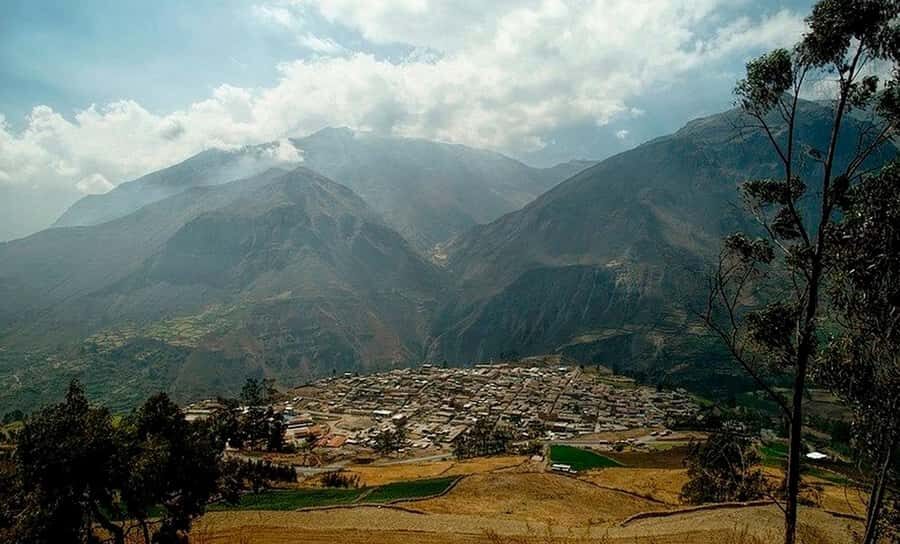
Next comes Canta, sometimes called Heroica Villa for its role in battles related to independence and the war with Chile. The city tour includes stops around the Plaza de Armas, including a historic colonial pool, and the portals of the Republican era. You’ll also visit the church to admire the patrons of Canta and learn about Mariscal Chaperito.
What I like about folding Canta into this route is the contrast. You get mountain quiet, then city texture. And you get a practical chance to buy snacks and simple gifts while you’re there.
The local market stop is one of the most useful parts for food lovers. You can shop for items like flat bread, rolls, rosquitas, humitas, tamales canteños, honey, manjar blanc, cow butter, cow cheeses, and beef, among other things. Even if you don’t buy much, it’s a great way to see what locals actually choose to eat.
If you do plan to buy food, keep it in mind for the long day. Try to grab items you can carry easily and handle without stress.
Santa Rosa de Quives Sanctuary: Chapel Time and a Wishing Well
The final cultural stop is Santa Rosa de Quives, at a sanctuary connected to your patron saint. You visit the sanctuary site where the patron saint lived, plus the chapel and the wishing well.
This last part works well because it slows the day down after the bus time, the lagoons, and the market energy. It gives you a calmer ending point—spiritual quiet rather than another set of “must-see” facts.
It’s also a nice reminder that this tour isn’t only about scenery and photos. It includes local faith and tradition as part of the itinerary, with a respectful pace.
Price and Logistics: What You’re Paying For (and What You Still Need)
This tour is listed at $39 per person and runs about 16 hours total. For that price, you get transport, an official tourist guide, group oxygen, a first-aid kit, coca leaves, payment to Earth-Pachamama, and tour photography. Those inclusions matter because they reduce the hassle of planning safety and basic spiritual/cultural participation.
Two items are not included:
- Food (there’s lunch time in the flow, but meals aren’t covered)
- Entrance and add-ons: lagoons entrance is S/3, and the optional boat is S/7 (indicative and subject to variation)
So the real value depends on how you handle meals and optional costs. If you’re comfortable buying lunch and using the optional boat only if you feel like it, the all-day structure can feel like a good deal. If you want everything fully included (every entrance fee and meal), you’ll likely spend a bit more on top.
Also remember what’s included for comfort and safety: oxygen, first aid, and coca leaves. Those aren’t “nice-to-haves” when you’re spending a long day at altitude-adjacent mountain areas, and they set expectations that the operator is thinking about the conditions.
In terms of day experience, the guide will be Spanish only, and the tour includes an express security check (helpful if there’s any waiting involved around departure).
Who This Cordillera de la Viuda Tour Suits Best
This is a strong fit if you want a single-day combo of ancient stone art, high-water views, community culture, and an end-of-day sanctuary stop. You’ll like it if you enjoy photography and scenic walking, but you also want stops that explain more than just what something looks like.
It’s also a good choice if you appreciate practical safety support: the day includes group oxygen, first aid, and even coca leaves. You’ll feel less like you’re winging it.
If your priority is a short, relaxed day with minimal driving, this probably won’t feel right. The 5am-to-9pm schedule means you’re committing to long transit time, and you should expect that the road can be slow or crowded at times.
Should I Book This Cordillera de la Viuda Day Tour?
Yes, you should book if you want one long day that combines Checta Petroglyphs, several lagoons (including Laguna de Chuchun), and cultural stops in Canta and Santa Rosa de Quives—with transport, oxygen, a guide, and photography included in the price.
Before you go, plan for the big day reality: bring what you need for sun and insects, pack swimwear just in case, and budget a bit extra for lagoon entrance and the optional boat. If you’re Spanish-dependent, check your comfort level too, since the live guide is Spanish.
If you’re the type who gets stressed by long pickup windows, do yourself a favor and re-check your GPS meeting point information and confirm you’re in the correct group before departure.
FAQ
What time does the tour start and end?
The tour starts at 5am and returns to Lima at about 9pm.
Where do I meet the group in Lima?
You meet at Shopping Mall La Rambla. The exact GPS localization is sent to you.
How long is the tour?
The total duration is 16 hours.
What is the price of the tour?
The price is $39 per person.
Is food included?
Food is not included.
What does the tour include?
It includes transport, an official tourist guide, oxygen for the group, payment to Earth-Pachamama, coca leaves, a first aid kit, and photography during the tour.
What extra costs should I expect?
Lagoons entrance tickets are S/3 and the optional boat tour is S/7 (indicative and subject to variation).
What should I bring?
Bring sunglasses, swimwear, sunscreen, and insect repellent.