REVIEW · LIMA
From Lima: Discover the Ancient Sites Caral & Bandurria
Book on GetYourGuide →Operated by Inca Trilogy Tours S.A.C · Bookable on GetYourGuide
One sunrise, two ancient worlds. This 15-hour day trip heads north from Lima to Caral and Bandurria, where you’ll walk among ruins and learn what made these places matter.
I like the fact that the tour doesn’t just point at stones. You’ll get explanations tied to how ancient Peruvians lived.
I also love the contrast: Caral’s sacred skyline of pyramids and temples, then Bandurria’s wetlands setting with a Pacific view.
The main thing to plan for: it’s a very early start, and you’ll spend plenty of time in the sun—bring water and dress for heat.
In This Review
- Key highlights to look forward to
- Why Caral and Bandurria fit together so well
- Lima pickup at 6:00 am: the long day made manageable
- Caral Sacred City: pyramids, temples, and astronomical clues
- What makes Caral special in plain terms
- Expect clear, guide-led interpretation
- Practical note: bring your patience and your camera
- Lunch time after Caral: a needed reset before Bandurria
- Bandurria and the Wetlands of Paradise: fishing-village ruins with Caral echoes
- What you’ll actually see at Bandurria
- The payoff: panoramic Pacific views near Albufera Paraíso
- What the 14-person small group feels like in real life
- Price and value: is $300 fair for a 15-hour day trip?
- What to bring (and what will make your day easier)
- Who should book this tour, and who might want to skip it
- Should you book From Lima: Discover the Ancient Sites Caral & Bandurria?
- FAQ
- How long is the tour?
- What time are pickup and return in Lima?
- Is the tour guided in English?
- What’s included in the price, and what’s not?
- Do we get time for lunch?
- Where will the sites be located, and is it mostly outdoors?
- Can I cancel for a full refund?
- Is the tour suitable for everyone?
Key highlights to look forward to
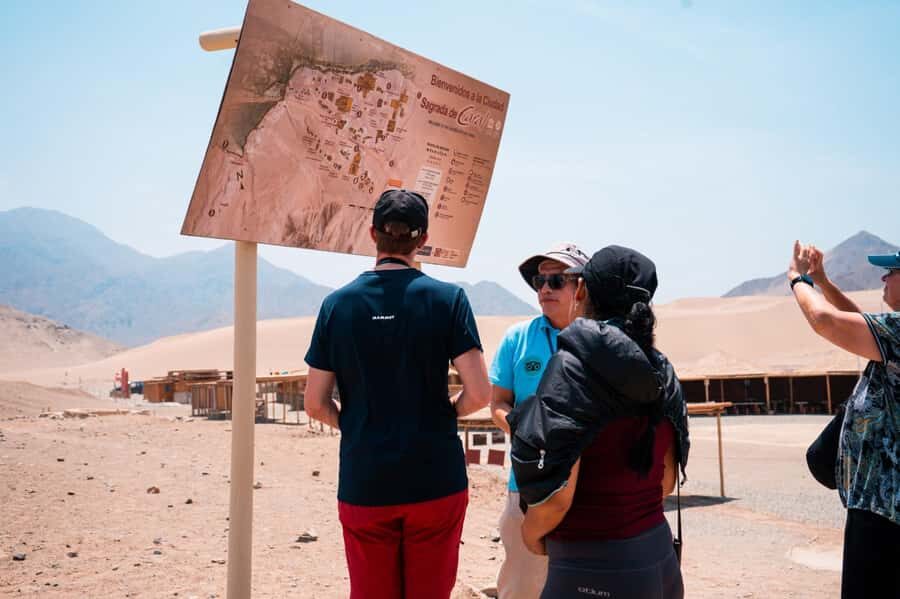
- Caral’s sacred-city layout, including pyramids, temples, and astronomical centers over 5,000 years old
- Supe Valley context, where Caral is linked to the cradle of Andean civilization
- An hour of lunch time after you learn the Caral story
- Bandurria’s fishing-village ruins, with pyramids, mounds, and circular areas similar to Caral
- A panoramic Pacific viewpoint near Albufera Paraíso after the archaeological complex
Why Caral and Bandurria fit together so well
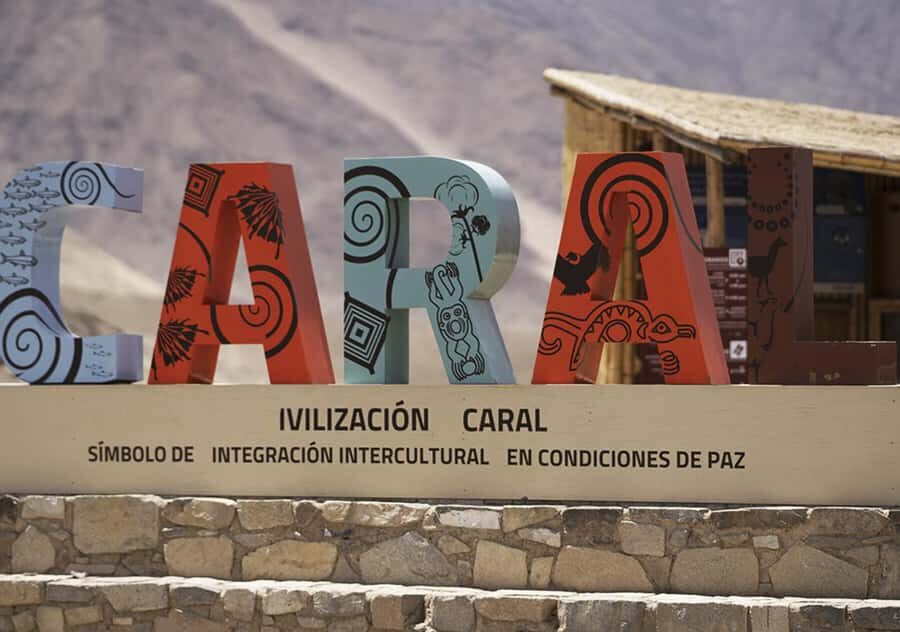
Caral and Bandurria aren’t just two random stops. They tell a bigger story about how people shaped life in coastal Peru and the nearby valleys thousands of years ago.
You’ll spend the day moving between two very different environments. Caral is inland in the Supe Valley, with an impressive ceremonial focus. Bandurria connects more directly to water and food—an old fishing village near wetlands, with a view out toward the Pacific.
What I like most is that your guide keeps linking what you see to the ideas behind it: sacred city planning at Caral, then the practical world of coastal living at Bandurria.
Other Caral civilization day trips from Lima
Lima pickup at 6:00 am: the long day made manageable
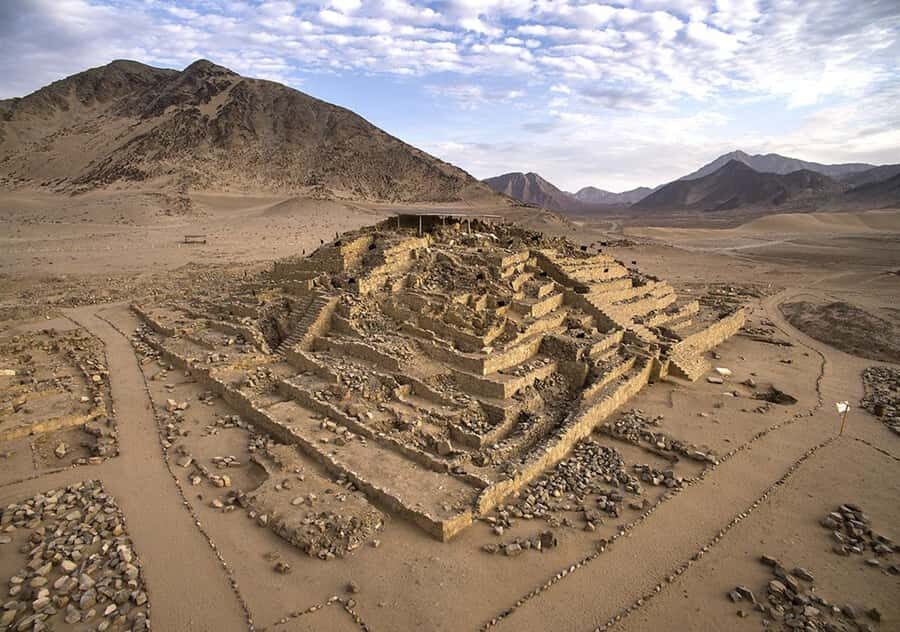
This is a full 15-hour outing, so the schedule matters. Pickup starts at 6:00 am from main hotels in Lima, and you’re usually back around 8:00 pm.
You’ll be on air-conditioned transport for the drive north, which helps with the “feels-long” part of the day. And because the group is limited to 14 participants, the pace feels steadier than big-bus tours.
One thing I’d plan around: since there’s no breakfast included, eat early before pickup. Then keep snacks in mind if you’re the type who gets hungry before lunch.
Caral Sacred City: pyramids, temples, and astronomical clues
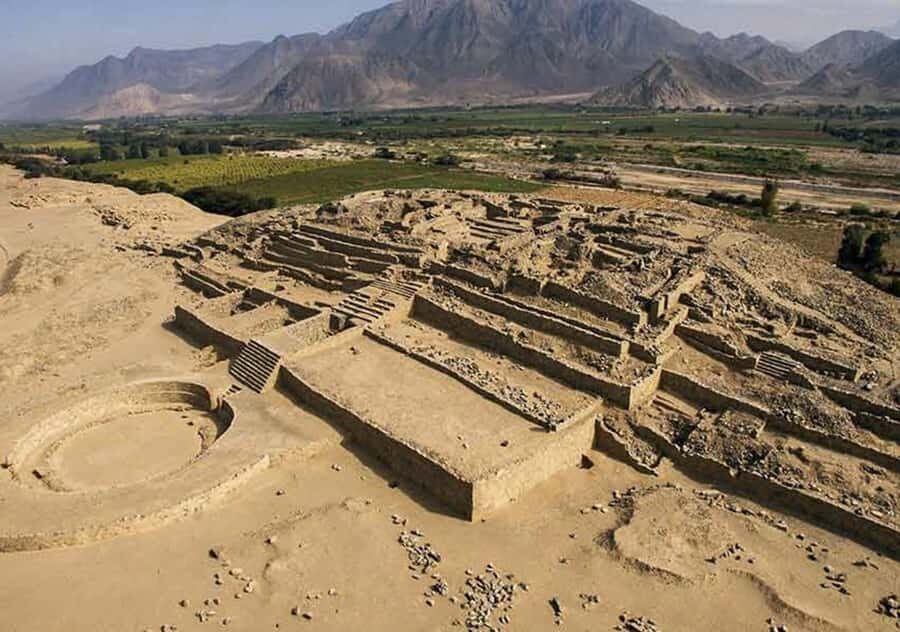
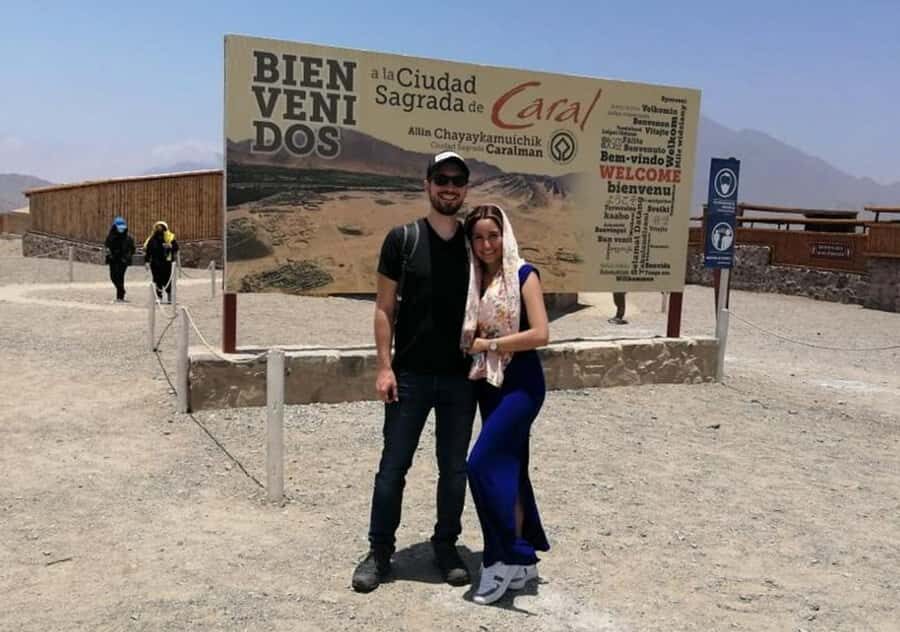
Caral is the star of the day, and it earns that title fast. After you leave Lima heading north, you arrive at the archaeological site where the sacred city of Caral remains.
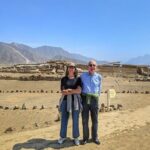
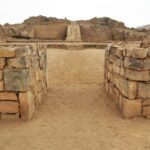
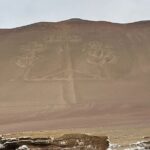
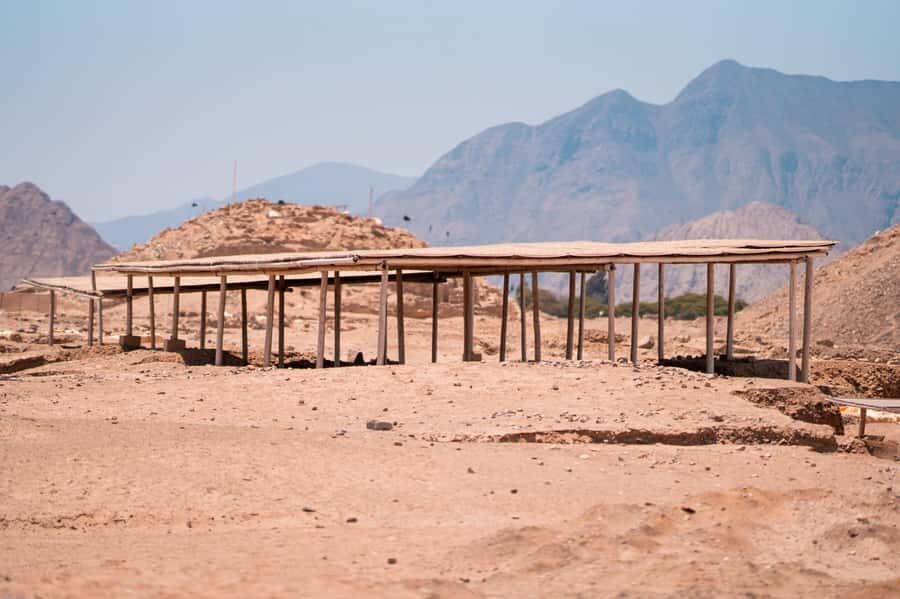
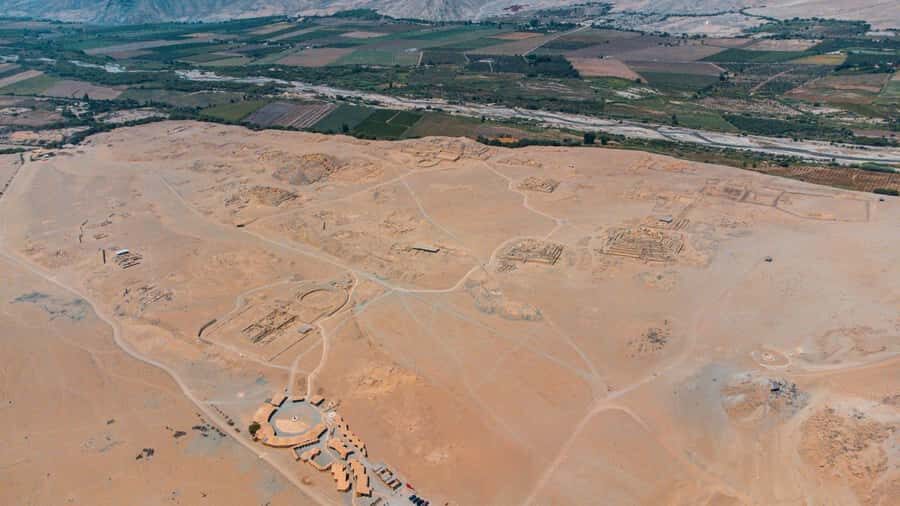
Caral is famous for its age and for how intentional the space feels. You’ll see pyramids, temples, and astronomical centers that are over five thousand years old. Even if you’re not a “ruins person,” the site layout helps you understand that this wasn’t a casual settlement.
What makes Caral special in plain terms
Here’s the simple way to think about it. Caral is considered one of the first major cities of the Americas, and it’s located in the Supe Valley, described as the cradle of Andean civilization.
You’ll also learn where Caral sits in the timeline of early human settlement. It’s considered the third oldest place with human settlement in the world, behind Mesopotamia and Egypt. That matters because it puts Peru’s ancient story into a global frame.
Expect clear, guide-led interpretation
A good part of the value here is the official English guide. In past groups, guides such as Roxanne and Noemí have led the explanations with real structure—clear enough that you can keep track of what each area is doing.
For you, that means you’re not just taking photos. You’re building a mental map: sacred spaces, ceremonial buildings, and the idea that astronomy was part of the city’s way of organizing time and events.





Practical note: bring your patience and your camera
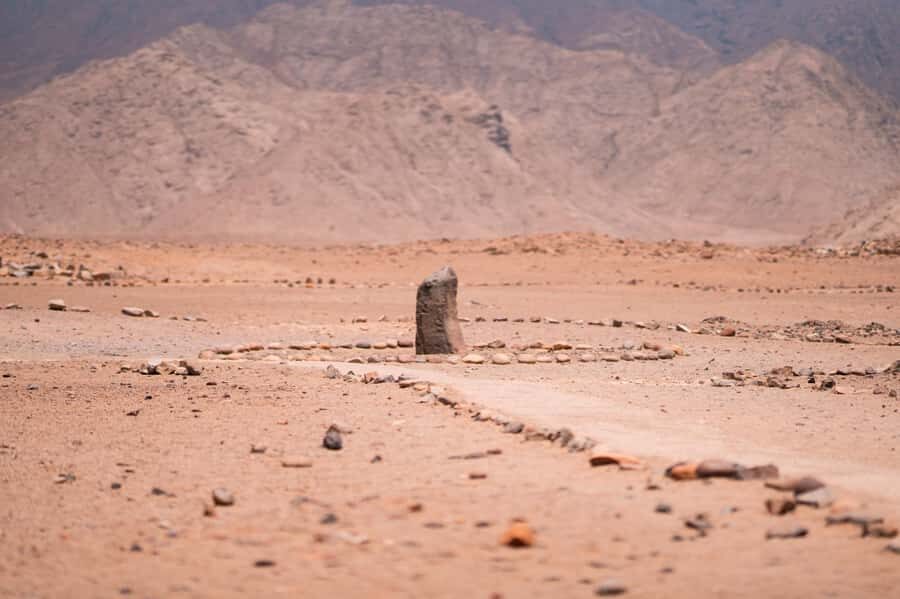
Caral is out in the sun. You’ll want water within reach and a camera ready when the light hits the stone textures.
Also, wear comfortable clothes. The day starts early, then stretches long, and the site walking adds up.
Lunch time after Caral: a needed reset before Bandurria
Right after you learn about the Caral civilization, the tour gives you about an hour of free time for lunch.
I like this break because it changes the rhythm of the day. One morning inside archaeology explanations can make your brain feel full. Lunch time lets you recharge before you switch environments again.
What to keep in mind: drinks aren’t included. So if you want something beyond water from your own supplies, have some cash ready. The tour also lists cash as something to bring, which is a good hint that you’ll likely want it for personal purchases.
Bandurria and the Wetlands of Paradise: fishing-village ruins with Caral echoes
After Caral, the trip shifts toward the Wetlands of Paradise area, and then you’ll visit the archaeological complex of Bandurria.
Bandurria is described as an old fishing village, which is a big part of why it feels different from Caral. Instead of focusing only on ceremonial architecture, you’re looking at traces of daily survival and community organization tied to coastal resources.
What you’ll actually see at Bandurria
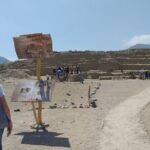
At Bandurria, you’ll see pyramids, mounds, and circular areas. The circular areas are specifically noted as being similar to those of Caral, which creates a neat “echo” between the two sites.
That similarity is the kind of detail that sticks. It suggests shared ways of planning space, even if the function of the village community was shaped by its coastal setting.
The payoff: panoramic Pacific views near Albufera Paraíso
After the archaeological complex, you’ll approach a natural viewpoint.
From there, you get a panoramic view of the Pacific Ocean and the Albufera Paraíso. This is one of those moments that makes the long drive feel worth it. You’re seeing the modern geography that ancient communities would have depended on.
It’s also a reminder that ruins don’t exist in a vacuum. They sit in real landscapes where wind, light, water, and food shaped life.
What the 14-person small group feels like in real life
The group size is limited to 14 participants, and that has a clear impact on your day.
Smaller groups usually mean fewer distractions and easier movement at sites. It also makes it more likely your guide can answer practical questions without rushing.
The tour is also run with an official tourism guide and air-conditioned transport, so you’re not left piecing things together on your own. For a long day that runs from early morning to evening, that structure matters.
Price and value: is $300 fair for a 15-hour day trip?
At $300 per person, this tour isn’t the cheapest option. But you’re paying for more than “getting to ruins.”
You’re getting:
- Entrance tickets to both Caral and Bandurria
- An official English guide for the full day
- Lunch included
- Air-conditioned tour transport
The math that matters is time and complexity. This is a long day that starts early and includes two archaeology sites. Add guide interpretation and entry fees, and the price starts to look less random.
Still, it may feel steep if you’re the type who wants to wander independently and skip guided context. If you’re aiming to understand what you’re seeing—why Caral and why Bandurria—this price makes more sense.
What to bring (and what will make your day easier)
The tour lists a simple set of essentials, and I agree with all of them.
Bring:
- Water
- Camera
- Comfortable clothes
- Weather-appropriate clothing
- ID card (a copy accepted)
- Cash
You’re told the tour takes place in the sun, so pack like it’s warm and bright. If you’re sensitive to heat, light layers help. If you’ll be taking lots of photos, keep sunscreen and a hat in your plan, even if they’re not explicitly listed.
Also note: baby carriages aren’t allowed, and the tour isn’t suitable for people over 95 years. If you’re unsure about walking comfort, check with the provider before booking.
Who should book this tour, and who might want to skip it
I think this is a great fit if you want:
- A guided explanation of Caral’s sacred-city layout and astronomy centers
- A second site that links archaeology to environment, like Bandurria’s fishing village and wetlands setting
- A small-group day with a real payoff view of the Pacific
You might skip it if you:
- Hate early wake-ups and long drive days
- Prefer totally independent travel with no fixed schedule
- Need a fully shaded, low-walking experience (this tour is in the sun)
Should you book From Lima: Discover the Ancient Sites Caral & Bandurria?
If you’re excited by ancient ruins that you can actually understand—and you’re ready for a long day with an early start—this tour is worth strong consideration. The mix of Caral’s sacred architecture and Bandurria’s coastal, fishing-village feel gives you a better picture of ancient Peru than doing one site alone.
I’d book it if you want good interpretation from an official guide (and there’s a good chance you’ll experience the kind of clear explanations associated with guides like Roxanne or Noemí). The small group size also helps the day feel controlled, not chaotic.
If you’re on a tight budget or you’d rather move at your own pace, then you may want to compare options. But for a single-day, guided archaeology experience with lunch and entry tickets included, $300 can be a fair value.
FAQ
How long is the tour?
The duration is 15 hours.
What time are pickup and return in Lima?
Pickup is included from main hotels at 6:00 am, and you’re dropped off at approximately 8:00 pm.
Is the tour guided in English?
Yes, it includes a live tour guide in English.
What’s included in the price, and what’s not?
Included: lunch, entrance tickets to Caral and Bandurria, an official tourism guide, and air-conditioned tourist transport. Not included: breakfast and drinks.
Do we get time for lunch?
Yes. After learning about the civilization of Caral, you’ll have one hour of free time to enjoy lunch.
Where will the sites be located, and is it mostly outdoors?
The tour takes place in the sun, so plan for outdoor walking and bright conditions.
Can I cancel for a full refund?
Yes. You can cancel up to 24 hours in advance for a full refund.
Is the tour suitable for everyone?
It’s not suitable for people over 95 years. Baby carriages are also not allowed.