REVIEW · LIMA
Gastronomy Journey in Lima
Book on Viator →Operated by Peru Well Served · Bookable on Viator
Lima tastes better when you follow a local lead. This is a food-first way to see the city, with a host steering you to the right spots and helping you understand what you’re eating. Instead of only photo stops, the day is built around plates.
I love two things most: the chance to try multiple styles of Peruvian food in one morning-to-afternoon route, and the way the host guidance turns casual eating into smart, low-effort exploring. Guides like Renato (and a strong team around hosts such as Alexia) are the kind of people who do well with timing, pacing, and insider recommendations.
One thing to consider: alcoholic beverages aren’t included, and tips aren’t listed either. So if you like pairing meals with drinks, budget a bit extra so the bill doesn’t surprise you later.
In This Review
- Key highlights you’ll actually notice
- A food-led Lima route that feels like a plan
- 8:00 AM start and a private-group pace
- Centro Historico de Lima: get your bearings before you taste
- La Punta: a coastal-leaning neighborhood with appetite-friendly stops
- Barranco: artsy energy, food that makes sense of the city
- Miraflores: finishing strong with Nikkei and ceviche energy
- What you’ll eat: Nikkei-style, traditional plates, and ceviche
- Price and value: $250 for a guided, transfer-heavy food day
- The hosting team matters more than you think
- Practical tips so you get the most out of the day
- Who this gastronomy journey fits best
- Should you book this Lima food experience?
- FAQ
- What time does the tour start?
- How long is the experience?
- Is this a private tour?
- What’s included in the food?
- Are alcoholic beverages included?
- Can I cancel for a full refund?
Key highlights you’ll actually notice
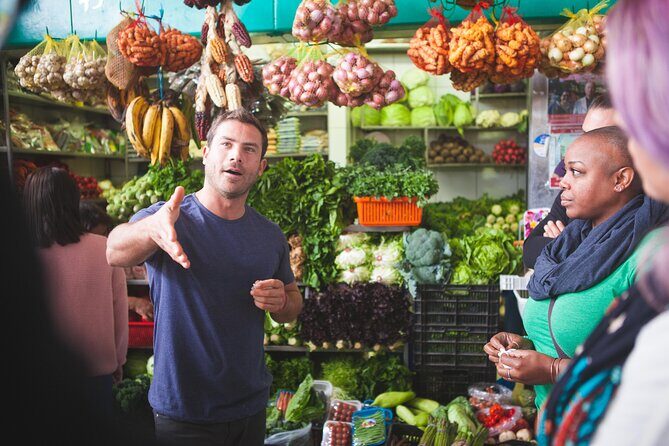
- A food-focused route through Centro Histórico, La Punta, Barranco, and Miraflores
- Local host guidance that helps you order, taste, and understand what’s on the plate
- A menu mix that includes Nikkei-style food, traditional Peruvian dishes, and ceviche
- Private group setup with only your group participating
- Price includes a lot of basics like guides, private transfers, and listed hotel nights plus breakfasts
A food-led Lima route that feels like a plan
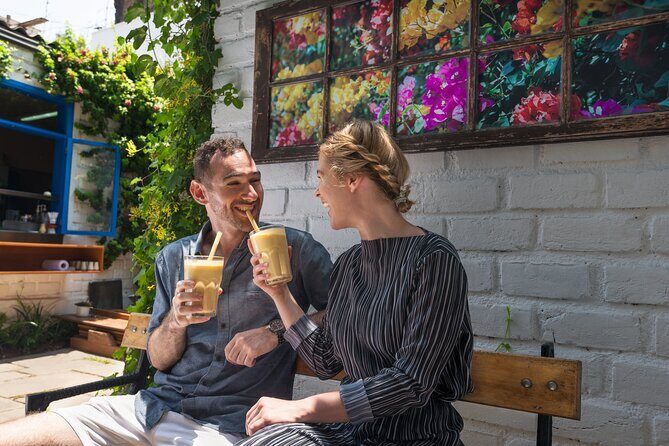
Lima can be overwhelming at first. Big neighborhoods, lots of options, and a food scene that moves fast. This kind of day works because it turns the chaos into a sequence you can follow.
Here, the focus is gastronomy with a local host. That matters because Lima food isn’t just about eating. It’s also about knowing how to taste and what to ask for. Even if your Spanish is basic, a good host can help you connect the dots between ingredients, technique, and the vibe of each neighborhood.
I also like that the pacing is built around real stops, not only “stand here and look” moments. When the day is organized by neighborhoods—Centro Histórico, La Punta, Barranco, Miraflores—you get a sense of how Lima’s identity shifts block by block.
The other practical win: it’s a private tour. That means the host can tailor the flow for your group, keep things efficient, and not waste time waiting on random strangers’ schedules.
Other Lima food tours we've reviewed in Lima
8:00 AM start and a private-group pace
The tour starts at 8:00 am and runs about 1 day. That early timing is useful in Lima, especially when you want to eat well without losing the day to traffic or long gaps between meals.
You’ll also want to know what kind of day this is in “logistics terms.” Private transfers are included, and the tour is set up to return you back to the meeting point at the end. That reduces hassle. You’re not trying to coordinate rides while your stomach is already negotiating the menu.
Because it’s private, you’re not sharing the experience with a bunch of unrelated people. In plain terms: your group gets more of the host’s attention. That’s usually where food tours either win or fall flat—quick answers, better ordering, and fewer awkward pauses.
If you’re the type who hates feeling rushed, aim to show up ready to go. Starting early can feel “quick,” but it’s often what makes a day like this actually work.
Centro Historico de Lima: get your bearings before you taste
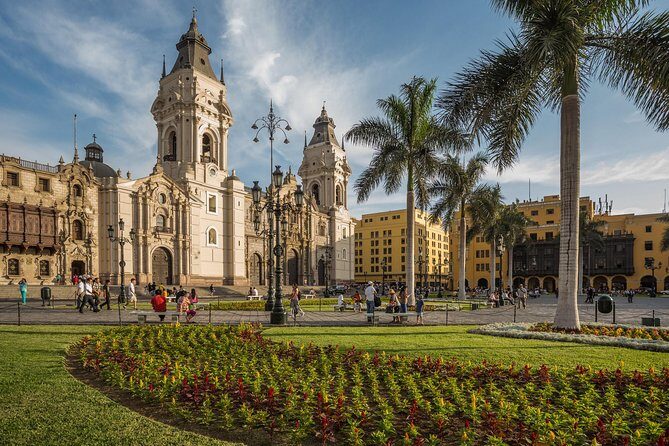
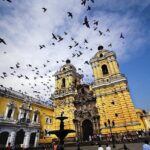
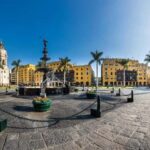
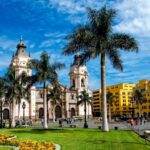
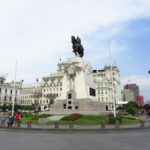
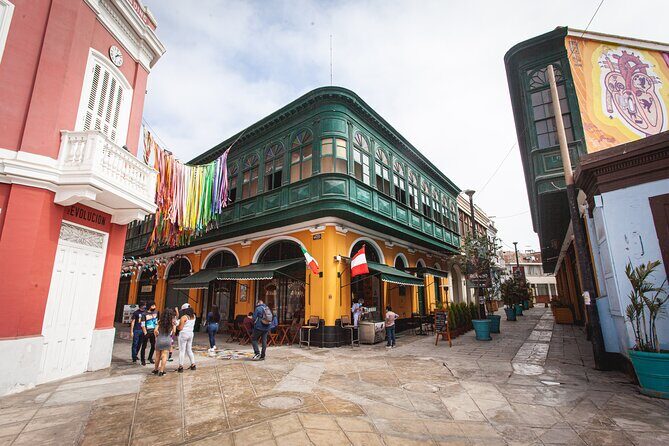
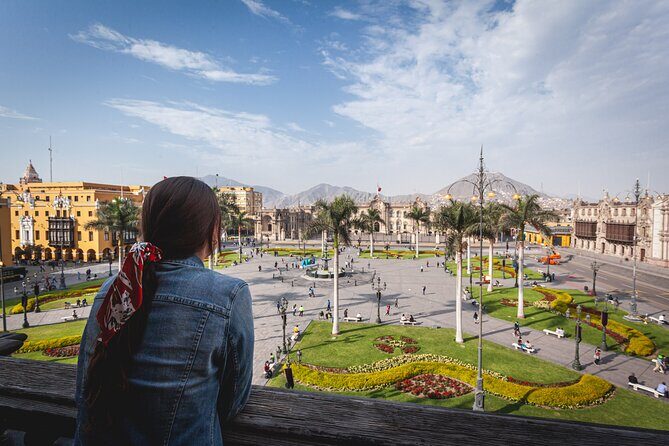
Your day begins in Centro Historico de Lima. This is a smart way to start because it gives you context. Before the food gets flashy, you’re grounding yourself in the older core of the city—how Lima looks, how it moves, and how locals experience the urban feel.
For me, the best part of starting here on a food tour is that it sets the tone. You stop thinking of Lima as a single place and start seeing it as a set of districts with distinct personalities. That makes the later stops more meaningful once you begin comparing flavors and dining styles.
A possible drawback at the start: older central areas can feel crowded or busy at morning hours. Since the tour includes transfers and a guide, you won’t be navigating alone, but you should still expect some street energy.
This first stop is also where you’ll likely get the host’s framing: what the day’s about, what to pay attention to, and how to approach tasting. If you’re food-curious, this is the moment to ask questions that will make later bites land better.
La Punta: a coastal-leaning neighborhood with appetite-friendly stops
Next up is La Punta. Even without getting overly specific about landmarks, the neighborhood name alone hints at a different Lima mood—more laid-back and slightly coastal in character than the historical center.
Food-wise, this is a helpful transition. After starting in the older core, you shift into a more relaxed neighborhood rhythm. That’s exactly what you want on a gastronomy day: the route shouldn’t just be travel from one address to another. It should feel like the city is unfolding in an order your stomach can handle.
If you’re sensitive to noise or prefer a calmer pace, you’ll appreciate that a guided itinerary keeps you moving with intention. Private transfers also help here; you’re less likely to waste energy going “the long way” because of traffic.
One practical consideration: neighborhoods like this can include small streets and short walks. Wear comfortable shoes. Food tours are not the day to test new sandals.
La Punta is also a nice point to build momentum. When you’re already getting your first tastings, the host can steer you toward what to focus on—texture, acidity, seasoning balance—so you don’t just eat. You taste with purpose.
Barranco: artsy energy, food that makes sense of the city
Then you move to Barranco, a neighborhood people often associate with creative energy and casual wandering. On a food tour, that kind of vibe works well because it encourages you to slow down just enough to notice what makes each place distinct.
Barranco is also a good “mid-day anchor.” By the time you arrive, you’ve already started the day with context from Centro Historico, and you’ve shifted style once with La Punta. Now the tour can lean into flavor variety—because by mid-route, your palate is awake and ready for comparisons.
This stop is one of the places where a strong host matters most. Food isn’t only what’s served—it’s how it’s explained. A good host can help you read the choices behind the menu: why something is paired the way it is, what locals tend to order first, and how to decide if you should go bold or keep it balanced.
The day is private, so if your group has mixed preferences—one person wants traditional flavors and another wants something more modern—the host can often steer everyone toward satisfying options across the route.
If you hate waiting, you’ll like this setup. The tour includes guides and transfers, which generally means fewer delays from searching for the next place on your own.





Miraflores: finishing strong with Nikkei and ceviche energy
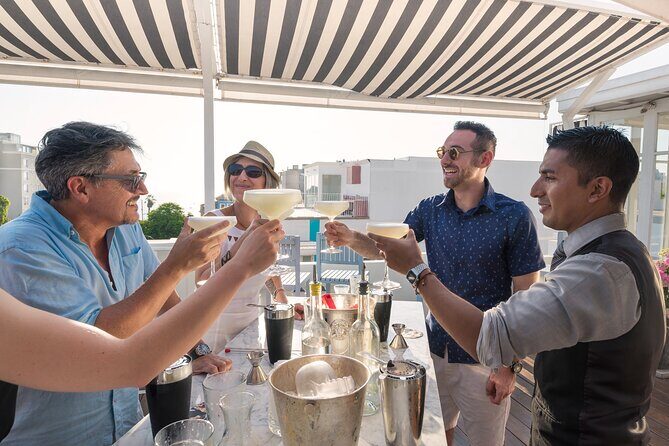
The final named neighborhood is Miraflores. This is where a food-focused itinerary often shines, because Miraflores tends to feel more “organized” and straightforward for visitors. It’s also where the day can land with a clean sense of finale.
Miraflores is a smart ending point for two reasons. First, it keeps the route from ending too early into the day’s unknowns. Second, it’s a strong setting for tastings that feel a little more “global” while still grounded in Peruvian ingredients.
This is also where your sample menu themes start making more sense as a whole. You’re likely to hit a mix that includes Nikkei-style food tasting and ceviche. These are flavors that reward a later-stage appetite—once you’ve tasted a range of styles, ceviche’s brightness and Nikkei’s fusion logic feel clearer.
Just remember: ceviche is all about freshness and temperature. If you’re the type who gets cold easily, plan to eat it promptly rather than waiting around.
Finishing back at the meeting point means you don’t have to solve transportation on a full stomach. That’s not glamorous, but it’s a big part of why this tour feels practical.
What you’ll eat: Nikkei-style, traditional plates, and ceviche
The menu preview for this experience includes:
- Nikkei-style food
- Traditional Peruvian food
- See Food ceviche
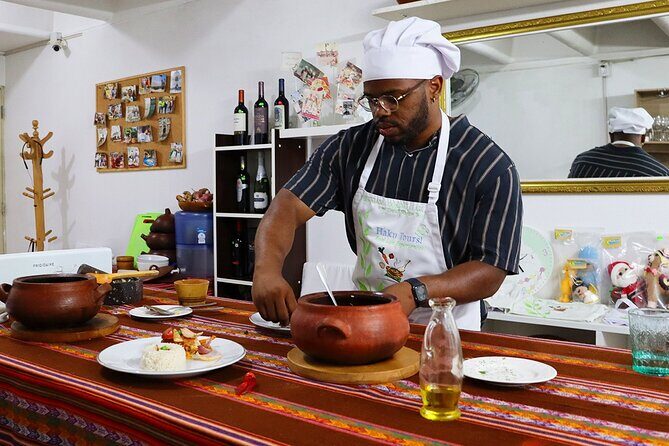
Even with just that snapshot, you can tell the goal. This isn’t one cuisine. It’s a guided comparison across Peru’s culinary identities and Peru’s ability to blend influences without losing its own voice.
Here’s how I’d approach it if you’re deciding what to prioritize. If you’ve never tried Nikkei, this is the time to taste it while you’re in Lima with a host who can explain the logic of the flavors. If you already love Peruvian classics, lean into the traditional Peruvian dishes and use those bites to anchor your understanding.
Ceviche is the third leg of the stool—fresh, sharp, and usually a crowd-pleaser. If the day has any risk, it’s not the food. It’s the timing of your appetite. If you arrive too hungry and too shaky, you might feel like you’re rushing. If you arrive not hungry enough, you might underestimate how much you’ll actually enjoy. Aim for a steady hunger level and let the host pace you.
Also note what’s not on your plate by default: alcoholic beverages aren’t included. That doesn’t mean you can’t find drinks nearby, but you should assume the tasting plan is focused on food rather than drink pairings.
Price and value: $250 for a guided, transfer-heavy food day
At $250 per person, this tour isn’t a budget snack crawl. It’s priced like a real guided experience—one that includes the heavy stuff: guides and private transfers, plus listed items like hotel nights and breakfasts.
That last part is important. For a day tour, “hotel nights” can mean the experience is packaged to extend your stay, or it includes overnight components. The number of nights isn’t spelled out here, so I’d treat it as a question worth asking before you book. Still, it’s a strong signal that the operator isn’t only selling walking and eating.
You also get “all fees and taxes,” which helps avoid the classic travel-tour surprise of hidden add-ons. And since you’re in English, you’re not paying extra just to translate your own food questions.
What you’re not getting: tips, international flights, and alcoholic beverages. That’s normal for many tours, but it affects your true cost. If you calculate your budget, build in a bit for gratuity and optional drinks so you stay comfortable.
In value terms, what you’re buying is time savings and decision help. A good host makes it easier to choose what to eat and where to eat it, without you spending your trip time comparing five different places on your phone.
The hosting team matters more than you think
The reviews you’ve likely seen about this kind of company tend to point to one theme: the team makes the difference. Names that come up include Renato as a standout guide and Alexia as a host/owner with a strong team behind her, including Holber and Ruben.
Why you should care: food tours live or die on the guide’s ability to keep things moving and to help you feel confident. When the host is efficient and genuinely invested, you spend less energy figuring things out and more energy tasting.
You’ll also benefit from the private setup. It’s not only about comfort; it’s about the host being able to adjust. If your group leans traditional, the host can steer more that way. If someone wants Nikkei or ceviche first, the host can help match pacing to interests.
One more subtle value point: insider recommendations aren’t only about where to eat. They’re often about what to look for when you’re there—seasoning, textures, and what makes a dish feel Peruvian versus just “Peruvian-style.”
Practical tips so you get the most out of the day
Here’s how to make this kind of food route land well.
- Start the day ready to eat, not after a light breakfast. A 1-day gastronomy experience usually expects a real appetite.
- Ask your host what to pay attention to. Not just what it is—how it should taste and what ingredient or technique is doing the job.
- Wear comfortable shoes. The day is built on multiple neighborhoods, and walking can happen even with transfers.
- Bring extra cash for tips and optional drinks, since tips and alcoholic beverages aren’t included.
- Use the mobile ticket on arrival so you don’t slow down the start time.
Also, since this is near public transportation, you’re not stuck if you want backup plans. Private transfers are included, but it’s nice to know you have options.
Lastly, if you have dietary needs, you should confirm with the operator ahead of time. The menu preview is a guide, but details can matter for the exact dishes served.
Who this gastronomy journey fits best
This tour is a great match if you want:
- A guided food day rather than a self-planned route
- A chance to taste Nikkei-style food, traditional Peruvian dishes, and ceviche
- A private experience in English with a local host guiding the decisions
It’s also a good fit for couples and small groups who want conversation and pacing control. If you’re traveling with people who get bored by long museum days, this format keeps the energy tied to food.
If you’re traveling with kids or you prefer very quiet sightseeing, a food day can be a lot—so consider your group’s stamina. You’ll be eating multiple styles, and you’ll be in active neighborhoods.
Should you book this Lima food experience?
Book it if you want a smart, guided food route that ties Lima’s neighborhoods to what’s actually on the table. The biggest reasons to choose it are practical: private-group comfort, private transfers, and a host who can steer you toward great choices.
Think twice if your main goal is drinking or if you don’t want to budget for tips and possible extra beverages. The menu plan is food-centered, and the extra costs aren’t hidden.
If you want a day that makes Lima feel understandable—one neighborhood at a time through food—this is exactly the kind of tour that saves you effort and helps you eat like you know what you’re doing.
FAQ
What time does the tour start?
It starts at 8:00 am.
How long is the experience?
It’s listed as 1 day (approx.).
Is this a private tour?
Yes. It’s a private tour/activity, so only your group participates.
What’s included in the food?
The sample menu includes Nikkei-style food, traditional Peruvian food, and ceviche.
Are alcoholic beverages included?
No. Alcoholic beverages aren’t included.
Can I cancel for a full refund?
Yes. You can cancel up to 24 hours in advance for a full refund.