REVIEW · ICA
Ica: Tacama Winery and Pisco Tasting Tour with Hotel Pickup
Book on GetYourGuide →Operated by Sierra Travel · Bookable on GetYourGuide
Pisco here tastes like a history lesson. This Ica tour strings together three wineries for generous tastings of pisco and wine, then adds big scenery at Tacama and a genuinely old Spanish cava at Lazo.
I love the variety you get without extra stops: at Bodega El Catador you can sample award-winning pisco options like the signature semi-prepared Pisco Sour and fine Pisco Cream. I also like the way the tour mixes liquids with context, from Ica’s classic wine-cellar landscape to Tacama’s bell-tower viewpoint over the crop fields.
One consideration: pickup is a make-or-break detail. A verified booking reported they weren’t picked up from the agreed meeting point, even though the refund was handled, so I’d confirm your pickup details the day before.
In This Review
- Key things that make this tour worth your time
- How this Ica pisco-and-wine tour fits real travel days
- Getting there: hotel pickup and the small-group pace
- Stop 1: Bodega El Catador and the pisco craft behind the labels
- Stop 2: Lazo Winery, wines and piscos, plus a historic Spanish cava
- Stop 3: Tacama Winery, bell-tower views and Peru’s oldest vineyard
- What you’ll actually taste: pisco, wine, and Cachinas
- Price and value: is $35 per person a good deal?
- Tips so your visit feels smooth, not stressful
- The guide factor: what makes the tour feel personal
- Who should book this pisco tasting tour?
- Should you book Tacama and Lazo with El Catador pisco tastings?
- FAQ
- What wineries does this tour visit?
- Is hotel pickup included?
- What languages is the guide available in?
- What tastings are included?
- How large is the group?
- Is this tour suitable for everyone?
Key things that make this tour worth your time
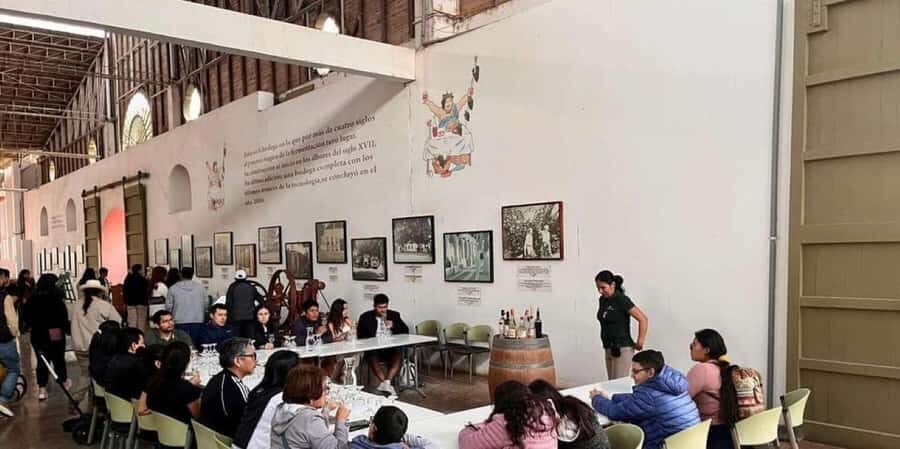
- Small group, max 10 people, which helps you actually hear explanations during tastings
- El Catador pisco tasting with signature styles like semi-prepared Pisco Sour and Pisco Cream
- Lazo Winery historic Spanish cava (16th and 17th centuries) plus a rustic museum with artifacts
- Tacama bell tower panoramas over the Ica oasis crop fields
- Oldest vineyard in Peru (Tacama) in an area surrounded by desert and fed by the Ica oasis
How this Ica pisco-and-wine tour fits real travel days
Ica is one of those places where you can chase views and wine at the same time. This tour is built around three wineries you’ll recognize by what they represent: pisco craft at El Catador, heritage at Lazo, and scale plus landscape at Tacama. If you want more than a quick sip-and-skip, the structure here helps you connect the dots between what’s in the glass and what’s happening behind it.
You’ll also get a practical day plan. Hotel pickup gets you out of the logistics headache, and a small group keeps the pace from turning into a sprint. The tastings are described as generous, and that matters, because pisco and wine take a little tasting time before you start noticing differences.
The tradeoff is simple: this is not a sit-everywhere, slow-museum type of tour. You’ll want comfortable shoes and a sun hat because the vineyards and viewpoints are exactly what they sound like—open-air and bright.
Getting there: hotel pickup and the small-group pace
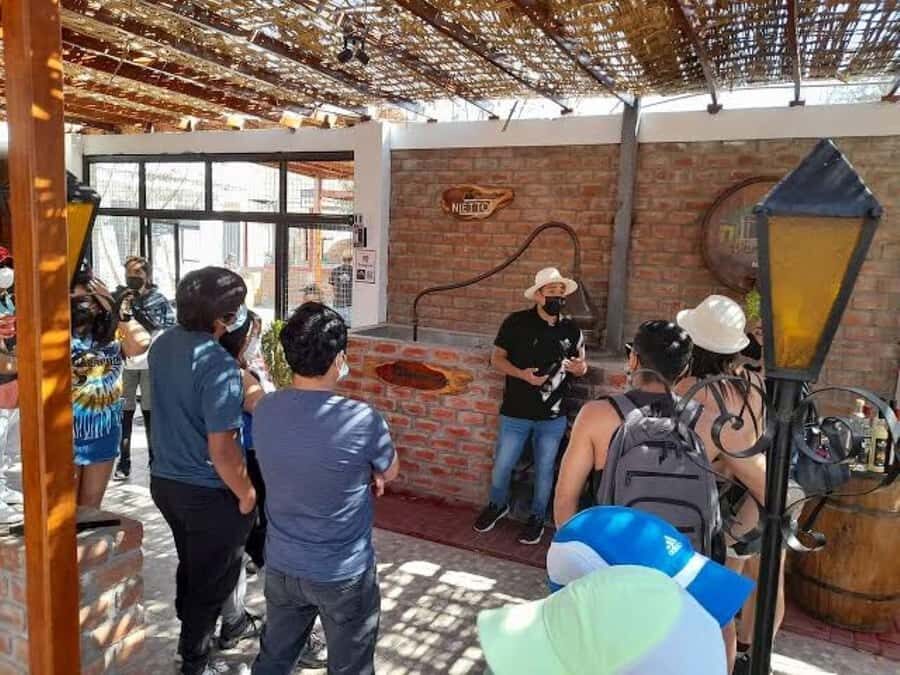
Hotel pickup is included, and the tour is limited to 10 participants, with a live guide in English or Spanish. That setup is usually what you want in Ica, because winery visits can get crowded fast when tour groups multiply.
Think about what small-group really changes for you. You’re more likely to get follow-up questions, and the guide can spend time explaining production steps without feeling like they’re herding people through rooms. You’re also less likely to spend your day waiting for a van full of strangers.
One thing I’d be strict about: confirm your meeting point and pickup timing before you go. A verified booking reported no pickup from the specified location, so build in a quick double-check with your provider so your day doesn’t start with a scramble.
Stop 1: Bodega El Catador and the pisco craft behind the labels
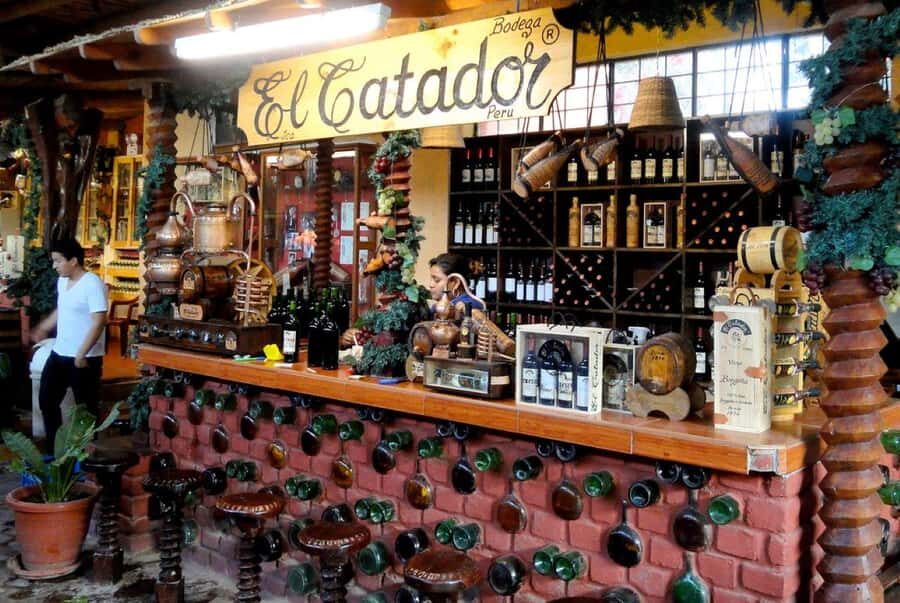
El Catador is your entry point into pisco beyond the tourist basics. You’ll see artisanal production insights and then taste from the award-winning lineup. The tour description highlights specific varieties, so you’re not just guessing what you’re ordering.
What makes El Catador stand out is that it’s not only about tasting straight pisco. You can sample creative expressions tied to the classic cocktail culture, including the signature semi-prepared Pisco Sour and fine Pisco Cream. If you’re new to pisco, these are useful because they help you learn flavor families faster than tasting only unflavored spirits.
You’ll also get guided context that turns the tasting into a lesson. Pisco production and aging details don’t need to be technical to be memorable, and here the tour is set up to explain what you’re seeing and tasting in plain language.
If you care about awards and “signature” styles, El Catador is a good first stop. It sets expectations for the rest of the day so the second and third wineries feel like comparisons, not just more pours.
Stop 2: Lazo Winery, wines and piscos, plus a historic Spanish cava
Lazo Winery adds the heritage angle. You’ll taste a range of wines and piscos, but the headline feature is the historic Spanish cava dating to the 16th and 17th centuries. That’s the kind of place where you can feel the age without needing a lecture—cooler air, heavy stone, and the sense that the site was built to last.
Lazo also includes a rustic museum with unusual artifacts. The details listed include mummified trophy heads, ceramics, goldsmith work, and weapons from different eras. I’m not going to pretend every artifact will be for everyone, but it’s part of why Lazo feels different from a typical tasting room: it frames the winery as a long-running property shaped by many periods.
From a practical viewpoint, this stop is good for photos and mood. You’ll get a mix of tasting and exploring, so you’re not stuck only in one room. And if your group likes stories, Lazo gives the guide plenty of material to explain how Ica’s history and grape culture interlock.
The only caution here is personal taste. If you prefer pure winery focus and minimal historical side-quests, you might feel the museum portion is more than you expected. If you like that kind of context, though, it’s one of the stops that can turn into a highlight.
Stop 3: Tacama Winery, bell-tower views and Peru’s oldest vineyard
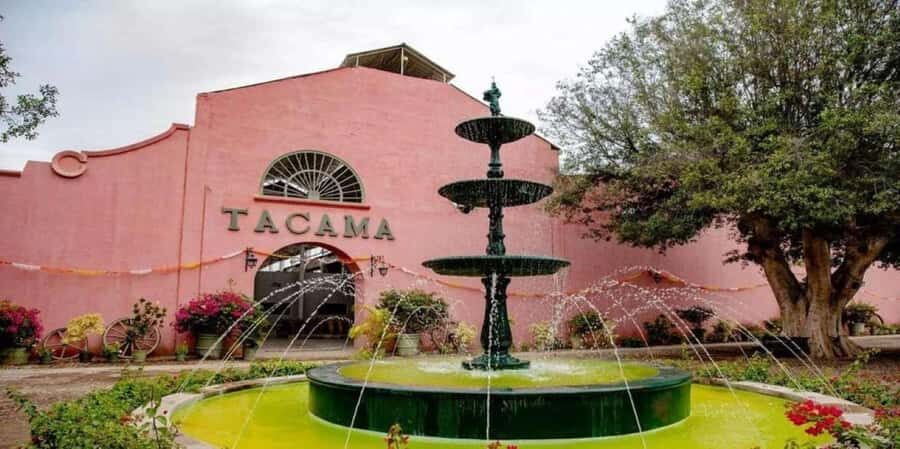
Tacama is where the tour shifts from heritage rooms to Ica’s real landscape. You’ll start with a climb to the bell tower for a panoramic view of the extensive crop fields. It’s the kind of view that makes you understand why vineyards survive here at all: fertile irrigation in an area that’s surrounded by desert.
Tacama is described as the oldest vineyard in Peru, established in the Ica oasis. It spans about 180 hectares in a fertile valley, and the tour description emphasizes how the setting is unusual—desert around it, and water and agriculture concentrated in the oasis. Standing above those fields helps you connect the physical environment to what ends up in the bottles.
You’ll also get production context. On the way, you’ll learn about instruments used in wine and pisco production. Later, you’ll observe stills and botijas as part of the tasting room experience. That combination matters because it turns tastings into something you can picture: the equipment, the storage, and the steps that lead from grape to spirit.
This is also a colonial estate story. Tacama is described as a colonial hacienda built in the 16th century, tied to high-quality wine and pisco production. Even if you don’t care about the exact century, you’ll likely care about the fact that this place isn’t a pop-up winery built for modern branding.
If you want a single stop that feels like the “why Ica matters,” Tacama is it.
What you’ll actually taste: pisco, wine, and Cachinas
The tour is built around generous tastings across pisco, wine, and Cachinas, with stops at three different wineries. That matters because each producer tends to present its own style, and tasting across multiple sites is the fastest way to learn what you like.
At El Catador, the specific mention of semi-prepared Pisco Sour and fine Pisco Cream helps you approach the tasting with less uncertainty. These styles are ideal if you’re curious about how pisco plays with classic flavors, not just straight spirit notes.
At Lazo and Tacama, you’ll taste a range of wines and piscos, and the tour includes tasting room experiences tied to each winery’s production setting. When you pair tastings with what you’re seeing—historic cava in Lazo, bell-tower panoramas in Tacama—the flavors become part of the place instead of random samples.
A quick reality check: tastings can add up. The tour includes multiple winery stops, so plan to sip, compare, and pace yourself. If you’re the type who likes to try everything, you may still want water and slower sips between pours, because the day is sun-heavy.
Price and value: is $35 per person a good deal?
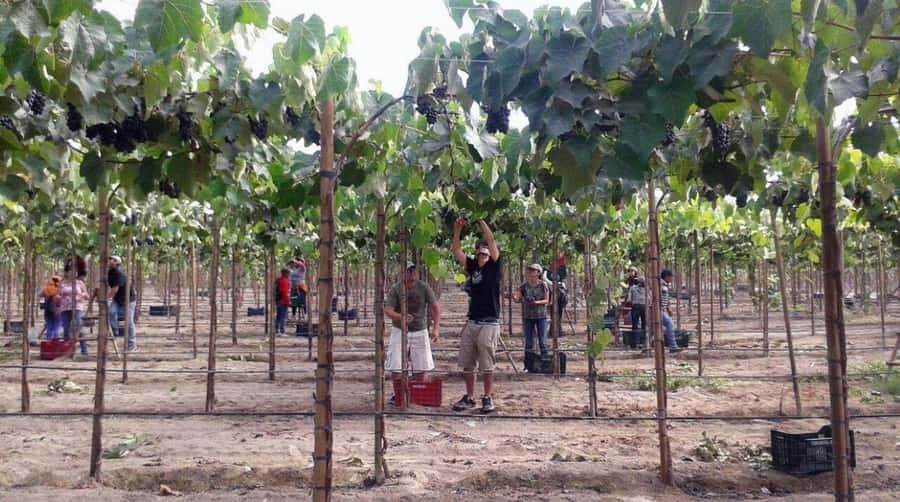
At $35 per person, this tour is priced like a solid Ica staple. The value comes less from the sticker and more from what’s included: hotel pickup, three winery visits (El Catador, Lazo, Tacama), and tastings across multiple categories. For many travelers, that “bundle” effect is the whole point.
Also, you’re paying for structure. Small group size and a live guide matter when the experience includes production explanations and specific architectural features like Tacama’s bell tower and Lazo’s historic cava. If you had to arrange all of that yourself, you’d likely spend more time and money than the tour costs.
Where value can change is your personal interest level. If you’re mostly buying bottles for gifts and don’t care about production context, you might feel $35 is more than you need. If you want to understand pisco and wine in Ica, this is exactly the kind of price point that makes learning possible without burning your whole budget.
Tips so your visit feels smooth, not stressful
First: bring the simple basics. Comfortable shoes are a must because you’ll be walking around wineries and climbing up to Tacama’s bell tower. Add a hat and sunscreen, because Ica’s light is strong and the tour description doesn’t suggest any long indoor shelter time.
Bring a camera, and consider how you’ll handle low-light shots inside caves or cellars. Lazo’s Spanish cava and museum spaces are likely darker than the outside vineyards, so you might prefer quick photos rather than trying to capture everything with perfect settings.
Second: eat before you go, or at least plan to snack during breaks. The tour includes tastings of pisco and wine, plus a day that’s sun-forward. You’ll enjoy the tasting much more if your stomach isn’t empty.
Third: choose your tasting strategy. You can try widely, but keep mental notes like what felt smoother, what tasted sweeter, and what you liked after a sip of water. The goal is not to win a spirit tasting contest. It’s to find what you’ll actually buy or remember.
The guide factor: what makes the tour feel personal
The experience includes a live tour guide in English and Spanish. A positive detail to watch for is the quality of storytelling during the drive and between stops. One confirmed experience mentions a guide named William who turned transport into part of the lesson, sharing history and offering food suggestions, plus helping with a pet while doing the tours.
That’s the best kind of small-group service: someone who sees the day as more than a checklist. When the guide helps you understand why each stop matters, your tastings land better and you feel less like you’re just being processed.
So if you have preferences—more history, more production detail, or more time for photos—say it early. In a group of up to 10, a good guide can often adjust the flow.
Who should book this pisco tasting tour?
This tour is a great match if you want:
- multiple wineries in Ica without planning transportation
- structured tastings of pisco and wine
- historic atmosphere, especially Tacama’s viewpoint and Lazo’s Spanish cava
- a small-group feel with a live English/Spanish guide
It may not be the right fit if you:
- need mobility accommodations, since it’s not listed as suitable for mobility impairments
- are pregnant, since the tour is noted as not suitable for pregnant women
- want a purely educational museum day with minimal walking
Also, if pickup logistics matter to you, do a quick confirmation step before you leave your hotel. Starting late or missing pickup can wreck the mood of an otherwise great itinerary.
Should you book Tacama and Lazo with El Catador pisco tastings?
Book it if you want an efficient, value-priced introduction to Ica’s pisco culture through three distinct wineries. At $35, hotel pickup included, and tastings spanning El Catador, Lazo, and Tacama, it’s one of the more straightforward ways to learn what you like and why it tastes the way it does.
Skip or reconsider if you’re very sensitive to the risk of pickup issues or you prefer low-walking tours with lots of controlled indoor time. And if you’re not interested in pisco and wine beyond buying a bottle, you might get less payoff from the added stops and historical elements.
For most travelers heading to Ica, though, this is the kind of tour that turns a tasting day into a real sense of place—especially once you reach Tacama’s bell tower view.
FAQ
What wineries does this tour visit?
You’ll visit Bodega El Catador, Lazo Winery, and Tacama Winery.
Is hotel pickup included?
Yes. The tour includes hotel pickup, and you’ll be returned to your hotel or the bus terminal.
What languages is the guide available in?
The live tour guide is available in English and Spanish.
What tastings are included?
The experience includes tastings of pisco, wine, and Cachinas, with El Catador featuring pisco varieties such as a signature semi-prepared Pisco Sour and fine Pisco Cream.
How large is the group?
It’s a small group limited to 10 participants.
Is this tour suitable for everyone?
It is not suitable for pregnant women or people with mobility impairments.