REVIEW · LIMA
Lima: Spiritual Healing with Xanga – The Smokeable Ayahuasca
Book on GetYourGuide →Operated by Xangaperu · Bookable on GetYourGuide
Ayahuasca without the long jungle trip.
In Lima, you can take part in a smokeable Xanga ceremony—guided by Paul—set on a mountain near Huaca de La Luna. It’s designed to give you the same active ingredient as traditional ayahuasca, but in a shorter experience (about 15–30 minutes), with extra rituals that aim to prepare you and keep you grounded.
I especially like two things. First, Xanga is much less likely to cause nausea or other unpleasant side effects than drinkable ayahuasca, and you typically return to normal quickly. Second, the experience isn’t just the smoke: you get a full sequence of cleansing and spiritual steps—Pachamama offering, coca, Hapé, and sound therapy—before and after the medicine.
The main drawback is simple: this is still a plant-medicine ceremony, and it can feel intense even with careful guidance. It’s also not for everyone—no pregnancy, no under-18s—and you need to avoid alcohol and other drugs for at least 48 hours beforehand.
In This Review
- Key things to know before you go
- Why Xanga in Lima is a real alternative to the jungle route
- Huaca de La Luna 420: meeting point, hike, and the view factor
- The 4-hour flow: what happens before the medicine
- Cleansing with Palo Santo and White Mexican Sage: why it matters
- The Pachamama + coca + Hapé sequence: setting the spiritual context
- The Xanga ceremony itself: smokeable medicine, 15–30 minutes, multiple journeys
- Sound therapy and integration: what you do after the peak
- Price and value: does $300 make sense for Lima?
- Who should book this, and who should not
- Practical prep tips so you feel comfortable on the mountain
- Should you book Xanga Spiritual Healing with Xanga in Lima?
- FAQ
- How long is the Xanga ceremony in Lima?
- Where is the meeting point?
- What is Xanga, exactly?
- How long do the effects last?
- What does the ceremony include besides the medicine?
- Is transportation included?
- What group size is it?
- Who should not participate?
Key things to know before you go
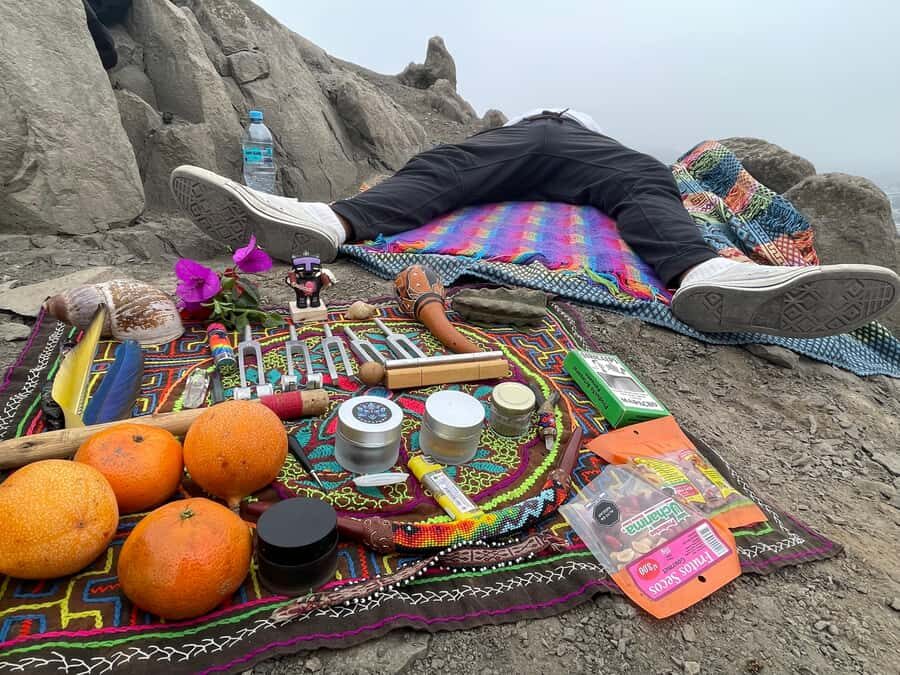
- Shorter medicine time (15–30 minutes) with the option to journey multiple times during the ceremony
- Less nausea risk than drinkable ayahuasca, according to the experience design
- Small group (up to 4 participants) for more personal attention
- Mountaintop setting with a roughly 20–30 minute hike up
- Full ceremony flow: cleansing, Pachamama offering, coca, Hapé, sound therapy, integration
- English and Spanish guidance with Paul leading from Andean shamanic training
Why Xanga in Lima is a real alternative to the jungle route
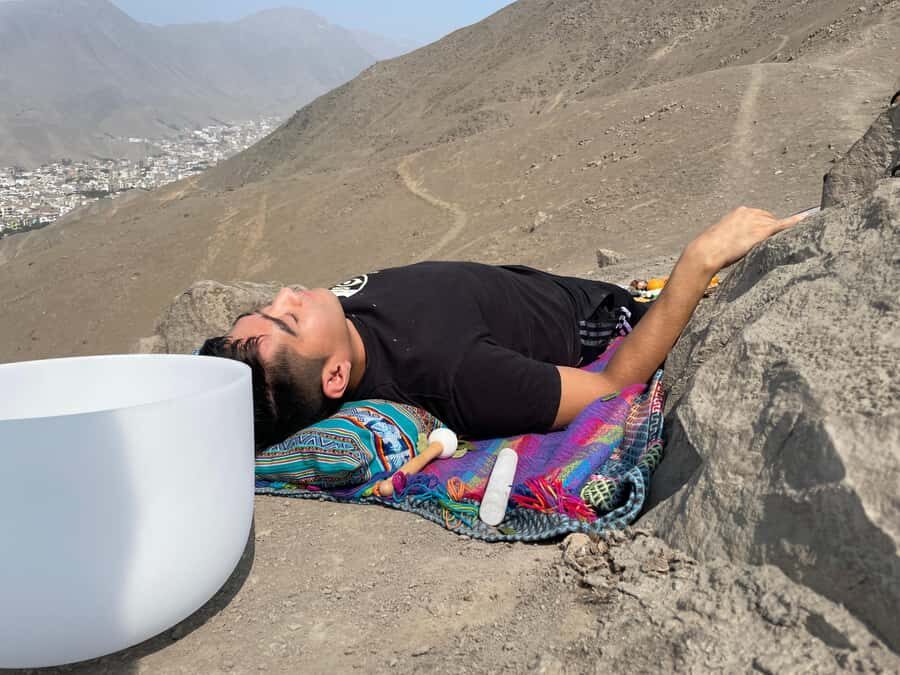
Most people associate ayahuasca with the Amazon. Here, the pitch is different: you’re in Lima Province, starting at Huaca de La Luna, and the ceremony happens up on a mountain. That matters because it changes the whole rhythm of the trip. You’re not planning days of travel and logistics before you even touch the medicine. You’re planning a focused 4-hour session where the spiritual work is the main event.
I also like how the experience is framed around accessibility. Xanga contains the same active ingredient as ayahuasca, but it’s smokeable and designed to be shorter. That means you’re not stuck in an all-day brew session. Instead, you get a concentrated window—about 15–30 minutes—then time to reflect and integrate with support.
There’s another practical advantage that people care about for a reason: side effects. The ceremony is set up so Xanga rarely causes nausea or other undesired effects. If you’ve ever heard horror stories about feeling sick during drinkable ayahuasca, this design will feel like a calmer option—without pretending the experience is “easy.”
If you're still narrowing it down, here are other tours in Lima we've reviewed.

Huaca de La Luna 420: meeting point, hike, and the view factor
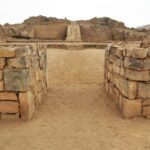
You start at Huaca de La Luna 420. The directions are very specific: pass Ovalo de los condores, continue up Los Fresnos past the church, then keep going up prolongacion de Los Fresnos toward Vilcabamba. From there, turn left, continue down Vilcabamba to Huaca de La Luna, turn right, and keep going up until you find a grey building marked 420. You’ll be opposite a building with no number and wooden garage doors. Call Paul or press the top-right intercom button when you’re outside.
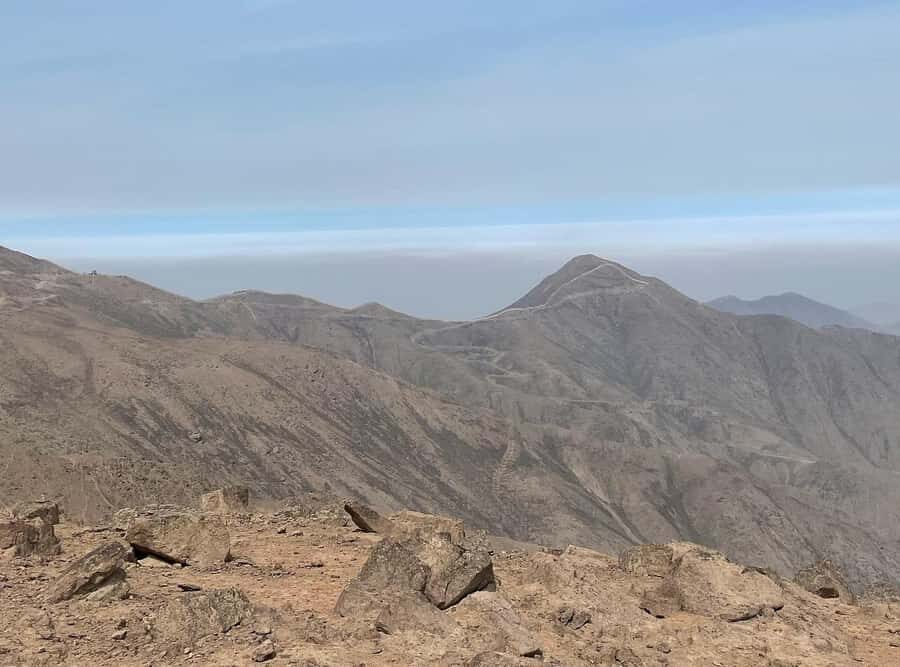
Then comes the move: a hike up the mountain for about 20–30 minutes. It’s not described as a technical climb, but it’s long enough to matter. Wear comfortable clothes and plan to take your time. In plain terms, you want your body warm, your hat on, and your jacket handy.
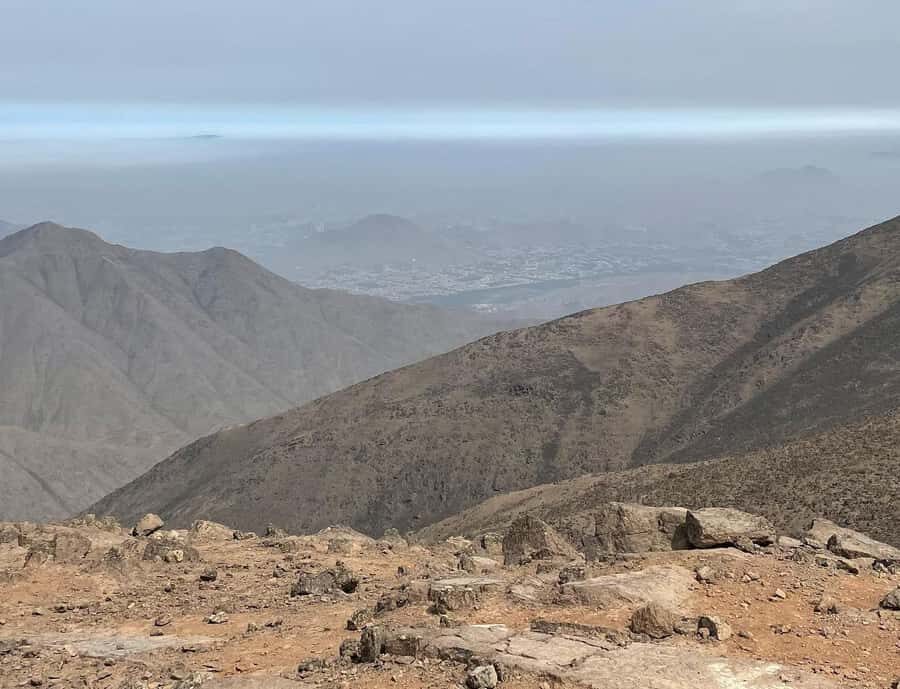
And yes, the setting is part of the experience. One reason this ceremony gets high marks is the mountaintop atmosphere and the changing view as the day shifts. Even if the medicine moment is the headline, the environment supports the whole tone: quiet, spacious, and very “you’re small and the world is big.”
The 4-hour flow: what happens before the medicine
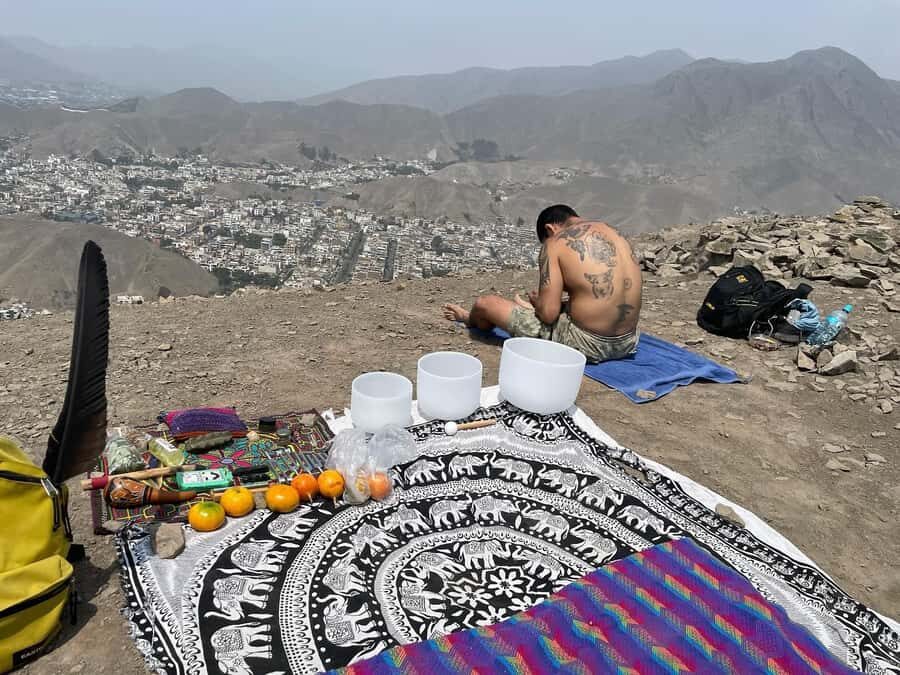
This is not a one-step ritual. It’s a full sequence, and it’s built to guide you from preparation into the medicine and back out again.
The ceremony typically runs about 3–4 hours total, with the hike up and back bracketing the main time. During the guided portion, you’ll go through several elements:
1) Cleansing ritual
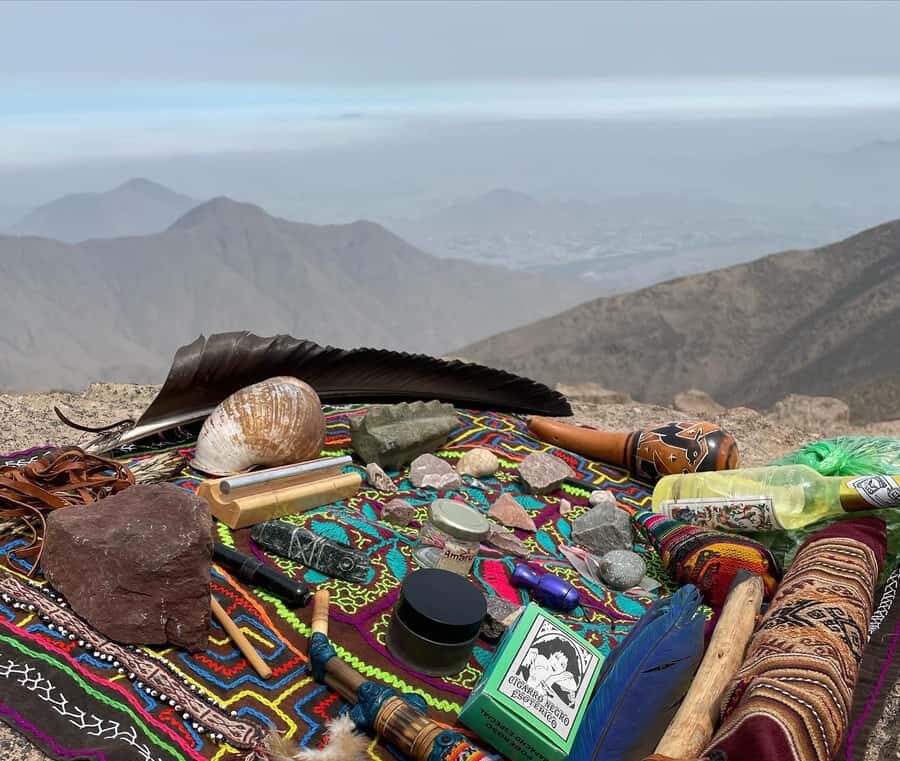
You’ll cleanse with Palo Santo, White Mexican Sage, and sacred essences. The goal is to purify your mind, body, and spirit. In practice, this is the part where you stop thinking like a tourist and start getting your nervous system ready. Even if you’re not super spiritual, cleansing rituals often help you feel less “on the outside” and more like you’re inside the container.
2) Offering to Pachamama
You make an offering to Pachamama, Mother Earth. This is a gratitude act. It’s also a grounding move: you’re not just taking from the experience, you’re acknowledging place and earth.
3) Coca ceremony
You connect to ancestral energies with a coca ceremony. That’s the tradition-based way of saying: before the medicine speaks, you align with the lineage and the larger spiritual framework.
4) Hapé ceremony
You’ll cleanse and open energetic channels through a Hapé ceremony. If you’re new, don’t worry about memorizing terms—just focus on receiving the guidance in the moment.
Only after these steps does the main Xanga ceremony happen.
Cleansing with Palo Santo and White Mexican Sage: why it matters
On paper, this looks like a ritual checklist. In real life, it’s often the psychological switch that makes the ceremony feel safer and clearer.
Palo Santo and White Mexican Sage are used for cleansing, along with sacred essences. That combination signals a few things at once:
- you’re expected to arrive open, not perform
- you’re being prepared rather than thrown into the medicine
- there’s a structure that helps you keep your bearings
I also like that this part isn’t skipped. With plant medicine, preparation is half the experience. If you go in rushed or defensive, you’ll probably feel it when the effects begin. The cleansing steps give you time to settle and follow the leader’s pacing.
The Pachamama + coca + Hapé sequence: setting the spiritual context
This ceremony isn’t only about the smoke. It’s about order—spiritual order, not “do whatever you feel like.”
- Pachamama offering anchors gratitude. It’s easy to focus on your own healing request. This ritual balances that by tying you back to Mother Earth.
- Coca ceremony adds the ancestral thread. You’re not treating the event like a shortcut. You’re stepping into a longer spiritual logic.
- Hapé ceremony focuses on opening and cleansing energetic channels.
Even if you’re skeptical, you can still appreciate the intention: the rituals help you move from personal thoughts into a wider perspective. And for many people, that’s exactly what makes the medicine feel clearer, not chaotic.
Paul guides you through all of it. He’s an experienced practitioner trained in Andean shamanic traditions, and the vibe you want here is calm, patient, and present. From what you’re told and how the experience is described, the goal is for you to feel safe enough to let go.


The Xanga ceremony itself: smokeable medicine, 15–30 minutes, multiple journeys
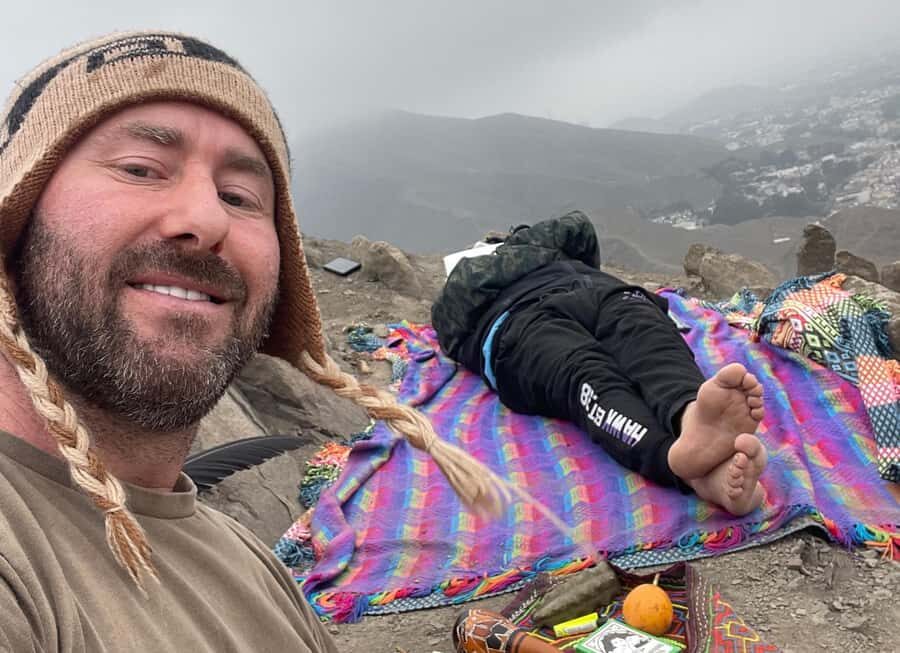
Now the main event.
Xanga is smokeable plant medicine made in-house from Mimosa hostilis as the principal ingredient, plus Egyptian Blue Lotus flower and Syrian Rue, along with other master plants. The important practical point: it contains the same active ingredient as ayahuasca, but it’s designed for a shorter experience.
The medicine effects last approximately 15 to 30 minutes. That’s much shorter than traditional ayahuasca drinks, which can last hours. The ceremony also allows you to journey various times during the overall session—so if you feel ready for more than one round, you may have that option with guidance.
Also, the experience design emphasizes something you really care about: Xanga is much less likely to cause nausea, vomiting, or other undesired effects compared to drinkable ayahuasca. For some people, that turns “plant medicine day” into something more manageable and emotionally clear, rather than physically miserable.
One more human detail I appreciated: the leader supports your choice. If it turns out not to be for you, you can step away, reset, and still enjoy the fruit and refreshments after, plus the view. That reduces the fear factor. You’re not locked in.
Sound therapy and integration: what you do after the peak
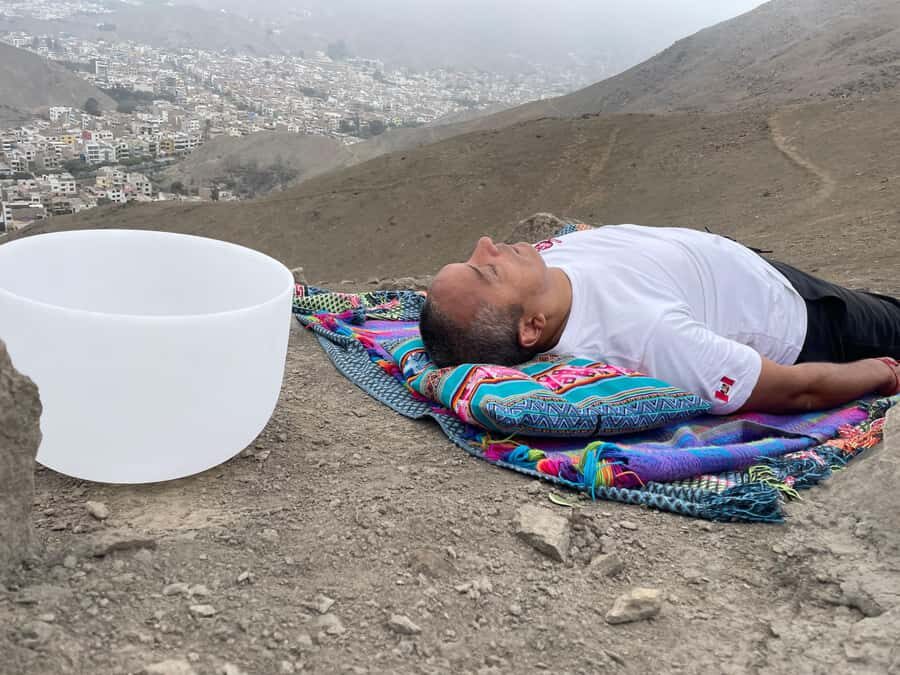
The ceremony doesn’t end when the effects fade. It includes sound therapy and then a softer landing afterward.
Sound therapy is part of the guided sequence. The aim is relaxation and harmonizing through sound vibrations. Even if you don’t fully understand the mechanics, sound can help your mind stop racing. It’s also a bridge from the medicine state back into normal thinking.
After the Xanga session, you’ll reflect and connect with integration therapy, plus fruit and refreshments. This is where the trip becomes useful. Without integration, intense experiences can feel like a movie you watched instead of a lesson you learned.
What’s included here matters: integration support plus food and drink helps you regulate and re-enter everyday life without scrambling. You’re also in a supportive environment with Paul, and the ceremony is tailored individually, not run like a factory line.
Price and value: does $300 make sense for Lima?
$300 per person for about 4 hours is not cheap. But it can be good value, depending on what you compare it to.
Here’s what you’re paying for:
- a short, guided plant-medicine ceremony in Lima, not a multi-day jungle setup
- mountain time plus a structured ritual sequence (cleansing, Pachamama offering, coca, Hapé, sound therapy)
- a smokeable formulation designed to reduce nausea risk
- small group size (limited to 4 participants)
- integration therapy plus fruit and refreshments
- guidance in English or Spanish
If you’ve seen what ayahuasca trips cost once you add travel time, lodging, and jungle logistics, this can look more reasonable. And if nausea risk is a concern for you, the design choice around Xanga can feel like money well spent.
On the other hand, you’re not buying a “pass/fail” product. This is an experience with uncertainty. Effects are not guaranteed in a specific way for everyone, and some people find ceremonies intense even when side effects are less likely. Treat the price as paying for guidance and a setting, not for a guaranteed outcome.
Who should book this, and who should not
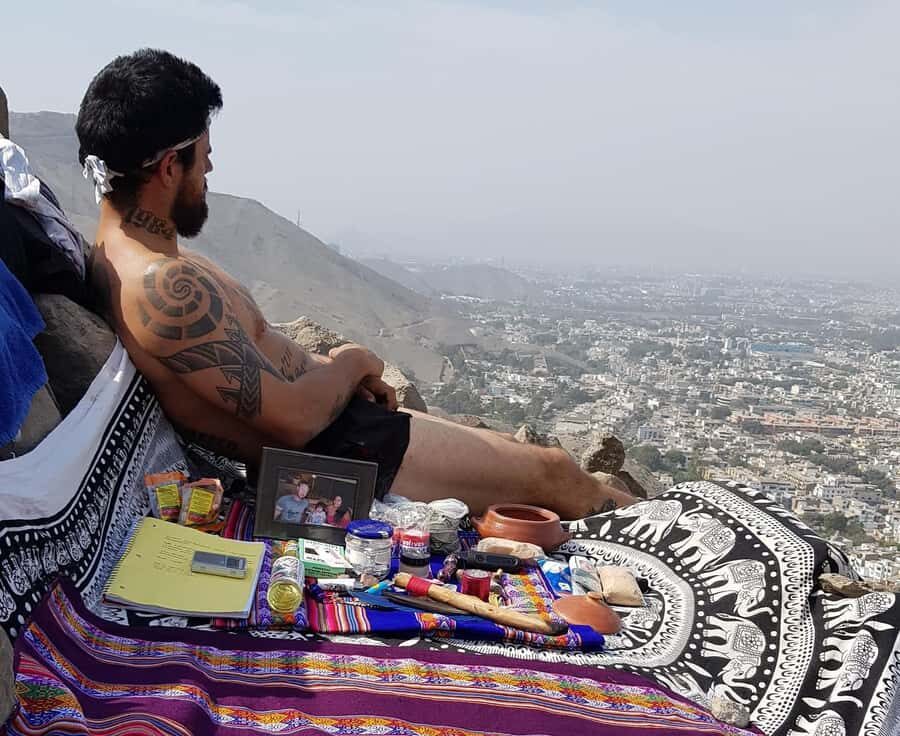
This ceremony is best for adults who:
- want a shorter ayahuasca-related experience rather than a long drink session
- prefer a format with lower likelihood of nausea and other undesired effects
- like structured guidance and clear ritual steps
- want time for integration afterward, not just the medicine
It may suit you especially well if you’re in Lima and don’t want to build a whole jungle itinerary.
It’s not suitable for:
- pregnant women
- children under 18
And there are also preparation rules:
- no alcohol and no drugs
- don’t consume alcohol or other drugs for at least 48 hours prior
- if you have health problems or are using prescription medications, contact the provider for advice first
That last point is worth reading twice. Plant-medicine experiences can interact with medications or health conditions, and the data you have here says you should ask for guidance rather than guessing.
Practical prep tips so you feel comfortable on the mountain
Even if the ceremony is spiritual, your body still needs basic comfort.
Bring:
- a sun hat
- a jacket
- comfortable clothes
Plan for:
- sun exposure on the mountain (hat helps)
- cooler air as conditions change (bring the jacket)
- a 20–30 minute hike up and the same back down
What not to do:
- don’t drink alcohol or use drugs beforehand
- don’t treat this like a casual evening event
If you want extra support, Paul can help with practical coordination. In one case, a participant noted he helped arrange a taxi to and from. So if you’re trying to reduce stress, ask.
Also: keep expectations realistic. You’re not guaranteed to get the exact insight you want. You are getting a guided, structured container designed to support healing, emotional release, mental clarity, and spiritual growth.
Should you book Xanga Spiritual Healing with Xanga in Lima?
If you want a focused plant-medicine ceremony in Lima, this can be a strong choice. The big selling points for me are practical: shorter effects, lower nausea risk, small group size, and a full ritual + integration flow rather than just “take the smoke and go.” The mountaintop setting near Huaca de La Luna adds real atmosphere.
I’d only tell you to skip if any of these apply:
- you’re pregnant or under 18
- you can’t follow the no-alcohol/no-drugs rule for at least 48 hours
- you have a health condition or take prescription meds and you haven’t gotten advice first
- you know you handle intensity poorly and would rather choose something less demanding
If you’re open, prepared, and you want guidance from Paul in an Andean-shaman context, booking makes sense. Choose it like you’d choose a serious workshop: show up rested, follow the pre-ceremony rules, and give yourself time to reflect afterward.
FAQ
How long is the Xanga ceremony in Lima?
The total experience runs about 4 hours, with the ceremony portion taking around 3–4 hours including a mountain hike.
Where is the meeting point?
You meet at Huaca de La Luna 420. Look for the grey building at 420 opposite a building with no number and wooden garage doors.
What is Xanga, exactly?
Xanga is smokeable plant medicine. It’s prepared in-house from Mimosa hostilis as the principal ingredient, plus Egyptian Blue Lotus flower, Syrian Rue, and other master plants.
How long do the effects last?
The effects last approximately 15 to 30 minutes. You can also journey various times during the ceremony.
What does the ceremony include besides the medicine?
It includes a cleansing ritual with Palo Santo, White Mexican Sage, and sacred essences; an offering to Pachamama; a coca ceremony; a Hapé ceremony; sound therapy; and then integration support with fruit and refreshments.
Is transportation included?
No. Transportation to the venue is not included.
What group size is it?
It’s a small group limited to 4 participants.
Who should not participate?
Pregnant women and children under 18 are not suitable. You should also avoid alcohol and other drugs for at least 48 hours prior, and contact the provider if you have health problems or take prescription medications.