REVIEW · LIMA
Mujica Gallo’s Private Gold Collection and Weapons of the World Museum
Book on Viator →Operated by VIPAC Travel · Bookable on Viator
One museum. Two obsessions: gold and weapons. In Lima, this private outing links Peru’s metalwork traditions with a massive global collection of arms, all explained by your guide as you move through the galleries. You’ll get a close look at the private Mujica Gallo collection and Peru’s gold heritage, then shift gears to see more than 20,000 weapon artifacts across five halls. The main catch is that the full experience is only about three hours, so the weapons portion can feel a bit rushed if you want to read every label.
I especially like that you’re not just browsing one museum. You’ll connect Peru’s pre- and post-Inca story through gold, silver, and brass, then compare it with how weapons were used and collected around the world. I also like the value angle: entrance fees are included, and you have a private guide plus hotel pickup and drop-off, which keeps the day simple. Still, with a tight schedule, you’ll want to pay attention to pacing and make sure you get enough guided time in the weapons rooms.
If you’re hoping for a slow, label-by-label museum stroll, this might not be your best match. But if you want a well-structured hit of Peru’s metalwork plus a big-picture arms collection, it’s a smart way to spend a morning or afternoon in Lima.
In This Review
- Key highlights you should not miss
- Peru’s gold and weapons, in the same focused tour
- Stop in Surco: the Mujica Gallo private collection and why it matters
- Museo Oro del Peru: gold, silver, brass, and pre- and post-Inca style
- Weapons of the World: reading power through more than 20,000 artifacts
- How the tour timing works (and how to make it feel less rushed)
- What you learn here: gold meaning vs weapon meaning
- Price and value: is $89 a good deal for what you get?
- Who this tour is best for in Lima
- Final thoughts: should you book this Mujica Gallo and Weapons tour?
- FAQ
- How long is the tour?
- What is included in the price?
- Is this a private tour?
- Where do you go in Lima?
- What museums and collections are visited?
- How many artifacts are in the Weapons of the World Museum?
- How many gold-related pieces are shown at Museo Oro del Peru?
- Is there a minimum number of people per booking?
- What is the cancellation refund window?
Key highlights you should not miss
- Mujica Gallo’s private collection tied to Peru’s northern heritage and recovery of cultural artifacts
- Museo Oro del Peru showing gold, silver, and brass from Mochica, Chimú, and Inca cultures
- Over 20,000 weapons artifacts displayed worldwide across five gallery halls
- A private guide who ties objects to tradition, religion, and historical meaning
- Entrance fees included, so your budget stays predictable
- Hotel pickup and drop-off, making the museums easier to reach in a short time
Peru’s gold and weapons, in the same focused tour
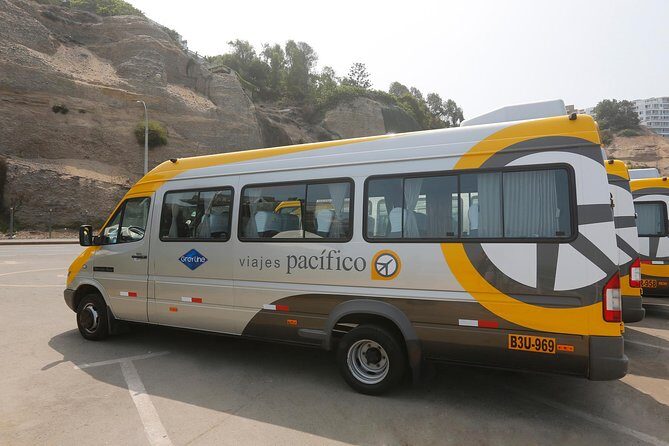
This is one of those Lima tours that makes planning feel easy. You start with pickup from your hotel, then head to Surco, where you’ll spend your time in a compact circuit of collections tied to Peru’s past. The idea is to help you read the objects in context, not just admire them as showpieces.
What makes this tour interesting is the pairing. Peru’s gold world is about symbolism, ritual use, and artistic skill. Weapons of the World is about power, conflict, and the history of arms—collected and displayed in an organized way. Put together, you get a surprisingly clear theme: societies make and value objects that shape belief, status, and survival.
The time frame matters. With about three hours total, you’ll likely see a lot of rooms and highlights, but you won’t have the luxury of drifting. If you love museums, go in with a game plan: focus on what you want to understand most—gold symbolism, or weapon history—and use your guide to fill in the gaps.
Other private tours in Lima



Stop in Surco: the Mujica Gallo private collection and why it matters
Your first stop is the private collection connected to Mr. Mujica Gallo, someone who spent his lifetime working on the recovery of Peru’s historical heritage, especially the cultures that developed in the north of Peru. That background gives this part of the day more weight than a typical museum entrance.
Here’s what to look for: the way metal artifacts connect to daily life, craft, and identity. The tour format is built around explanation, so you’re not just standing in front of objects. Your guide is there to frame what you’re seeing and why it connects to northern Peruvian cultures.
Practical note: because this is a private collection stop, you’ll want to be ready to listen. It’s not about scanning thousands of objects like a warehouse. It’s about using your time well—ask questions if something catches your eye, and try to understand the pattern your guide is pointing out.
Museo Oro del Peru: gold, silver, brass, and pre- and post-Inca style
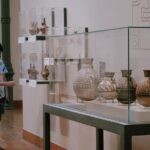
Next comes Museo Oro del Peru, run through the Peruvian Gold Museum Foundation. This is where the metalwork focus really lands. The foundation displays over 2,000 pieces of gold, silver, and brass tied to Mochica, Chimú, and Inca traditions.
The most satisfying part of this stop is how much you can learn from looking closely at form. You’re not only seeing shiny objects. You’re seeing objects made for purpose—religious use, ceremonial display, and status. The tour mentions religious pieces like nose ornaments, pots, and utensils. You’ll also encounter mummies as part of the museum’s material world.
Two other things stand out for me as a visitor mindset. First, the museum includes textiles and pottery tied to Inca and Paracas displays, along with some garments. That broadens the day beyond metalwork alone. Second, the museum’s collection includes decorative items with detailed animal-themed designs—masks depicting lizards, birds, and monkeys show up in the tour description. Those details are where Peru’s craft strength becomes obvious.
One possible consideration: if you’re hoping to stay in one room for a long time, the schedule won’t allow it. You’ll move. So if you have one favorite object type—nose pieces, religious utensils, or textiles—decide ahead of time so you don’t miss it while walking to the next gallery.
Weapons of the World: reading power through more than 20,000 artifacts
After gold and ritual objects, you shift to Weapons of the World Museum. The tour description calls it one of the world’s finest collections of its kind, and it’s easy to see why it would earn that reputation for scale.
You’ll be looking at over 20,000 artifacts from around the world, arranged across five gallery halls. That number is big enough that you can’t treat the visit like one slow museum. The best way to enjoy it is to let your guide help you choose a few threads to follow.
The tour highlights a range that includes ancient crossbows, fearsome swords, and antique guns. Whether you’re interested in craftsmanship, military technology, or symbolism, this kind of spread gives you enough variety to keep the visit from feeling repetitive. Also, weapon collections tell a story even when labels are brief: materials, construction, and design choices all point to who made the objects and what they were built to do.
Now, the caution I’d give you: the weapons portion can feel tight in a three-hour format. One person’s frustration point in similar tours is not the quality of the collection, but the limited guided time inside it. For you, the best move is simple—when you get there, check in with your guide early: confirm how much time you’ll have in each hall and which areas they recommend most.
If you want the weapons museum to feel satisfying, aim for depth over breadth. Pick one or two weapon types to focus on and ask your guide what to notice—construction, era signals, or what makes certain designs distinct.
How the tour timing works (and how to make it feel less rushed)
This experience runs about 3 hours total. In that window you’ll cover two major museum stops plus the private collection connection. With hotel pickup and drop-off added, your time inside each space becomes the real variable.
Here’s the best way to manage it. At the start of the day, tell your guide what you care about most—gold symbolism, animal-mask craftsmanship, textiles, or weapons history. Then follow their pacing. A private guide can tailor attention, but only if you speak up early.
Also, consider how you’ll handle viewing pace. Gold and weapon museums both reward close looking, but you can’t do that at full speed for every object. Choose a few moments you really want to capture in your mind: one textile display, one set of ritual objects, one weapons gallery theme. Let the rest be context.
If you notice the day moving faster than you expected—especially around the weapons halls—don’t just accept it silently. Ask whether you can get a guided walkthrough of the most important sections first, and then use any remaining time for faster self-reading.
That small adjustment can turn a rushed museum experience into a focused one where you leave feeling you understood the main ideas.
Other museum experiences in Lima





What you learn here: gold meaning vs weapon meaning
The tour isn’t only about objects. It’s about why objects mattered in different societies.
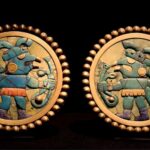
On the gold side, you’re tracing Peru’s metalwork through multiple cultures—Mochica, Chimú, and Inca—plus related displays like Paracas textiles. Gold and other metals show up as religious and ceremonial materials, and that changes how you should interpret them. Instead of thinking of metal as money, think of metal as meaning: wearable status, sacred function, and craftsmanship linked to cultural identity.
On the weapons side, you’re looking at a collection that uses arms as a lens on human history. Weapons communicate more than violence. They show metallurgy, engineering priorities, and the balance of power between groups. One of the more interesting ways to connect the two halves of the day is to think about materials and purpose. Gold is about ritual and belief. Weapons are about control and survival. Both are human answers to what mattered.
If you like history that connects objects to people, this is a strong format. Your guide’s job is to tie details—like decorative design and collection intent—into something you can carry home.
Price and value: is $89 a good deal for what you get?
At $89 per person for about three hours, the best way to judge value is to compare what’s included. This price covers a private guide, hotel pickup and drop-off, and entrance fees.
That’s not a small bundle. Museums in Lima can eat up time and money fast when you have to navigate transport and separate tickets. Here, the structure reduces the friction. You’re paying for convenience and interpretation, not just entry.
Where value gets tricky is how you experience pacing. If you love museums but prefer slow, guided depth, the three-hour format might feel like it skimps—especially if you want more time inside the weapons rooms. But if you’re comfortable with a highlights-focused visit and you’re willing to ask for guidance on what to prioritize, the package makes sense.
My rule: if you want interpretation and you’re short on time, this price is reasonable. If you want a full, leisurely deep museum day, you might be happier with separate longer visits.
Who this tour is best for in Lima
This tour fits best when your travel style is practical and curious.
You’ll likely love it if:
- you want a private guide in Lima rather than a big group
- you’re curious about Peru’s gold traditions and the role of metal in religion and society
- you also want a major museum contrast, like weapons across cultures
- you want a tidy half-day plan without transport headaches
You may want to skip or adjust your expectations if:
- you need extra time for reading labels and slow viewing
- you only care about one half of the concept—either gold or weapons—because you won’t have hours for both
- you’re very sensitive to schedule changes, since the day is compact
It also works well for anyone combining Peru’s museum time with other Lima sights. This is the kind of tour that gives you a strong indoor cultural hit without eating the whole day.
Final thoughts: should you book this Mujica Gallo and Weapons tour?
I’d book it if you want a focused, private introduction to Peru’s gold symbolism and a world-scale weapons museum, all wrapped into a simple transportation plan. The best part is the blend: you see Peru’s craft and ritual world, then switch to weapons as a global story about power and design. With entrance fees included and a guide doing the connecting work, the experience is built for value.
Before you go, make one smart move: set priorities in your head. If gold is your main interest, say so early and ask what objects or rooms matter most. If weapons are your main interest, do the same and ask your guide where you should spend the most time inside the five halls.
If you do that, the three hours can feel satisfying rather than rushed. If you don’t, you might feel like you walked through a lot of rooms without getting the depth you were hoping for.
FAQ
How long is the tour?
The tour lasts about 3 hours.
What is included in the price?
The price includes a private guide, hotel pickup and drop-off, and entrance fees.
Is this a private tour?
Yes. It’s a private tour/activity, and only your group will participate.
Where do you go in Lima?
You depart from your hotel and head to the Surco cultural district for the museum stops.
What museums and collections are visited?
You’ll visit the private collection connected to Mr. Mujica Gallo, then Museo Oro del Peru, and also the Weapons of the World Museum.
How many artifacts are in the Weapons of the World Museum?
The Weapons of the World Museum features over 20,000 artifacts across five gallery halls.
How many gold-related pieces are shown at Museo Oro del Peru?
Museo Oro del Peru, through the Peruvian Gold Museum Foundation, displays over 2,000 pieces of gold, silver, and brass.
Is there a minimum number of people per booking?
Yes. A minimum of 2 people per booking is required.
What is the cancellation refund window?
You can cancel up to 24 hours in advance for a full refund. If you cancel less than 24 hours before the start time, the amount paid is not refunded.