REVIEW · LIMA
Sandboarding Experiance in Lima
Book on Viator →Operated by Go Touch Peru experiences · Bookable on Viator
One ride down the dunes changes your whole mood. This sandboarding day near Lima is built around 4×4 dune runs and patient, step-by-step instruction at Chilca, so you can go from nervous to sending it. The main thing to plan for: traffic can stretch the drive time, and you’ll get more out of it if you come ready for a little off-road jostling.
What I like most is the way the day feels personal. You’re not just dropped at a dune field—you ride out with a dedicated vehicle and guide, then learn technique with coaching that’s calm, practical, and geared to beginners. The dunes themselves are the star: big, steep, and close enough that a half-day excursion actually feels like a real adventure, not a long commute.
In This Review
- Key points to know before you go
- Chilca dunes: the easy win for a Lima sand day
- The 4×4 off-road ride: where the adrenaline starts
- Sandboarding lessons that actually teach (not just hope)
- Your day at Chilca: what the timing feels like in real life
- What to expect on the sand: more than one kind of run
- Guides, photos, and the part you’ll be glad wasn’t on your phone
- Small extras that make the day feel local
- Price and what you’re really paying for at $145
- Who should book this sandboarding day (and who should skip)
- A note on safety, pace, and how to avoid a bad day
- Should you book sandboarding in Chilca near Lima?
- FAQ
- Where is this sandboarding experience located?
- How long does the tour last?
- How much does it cost?
- Do I need sandboarding experience?
- What should I wear?
- Does the tour run in all weather?
- Are service animals allowed?
- Is the group size limited?
- What information do I need at booking?
Key points to know before you go
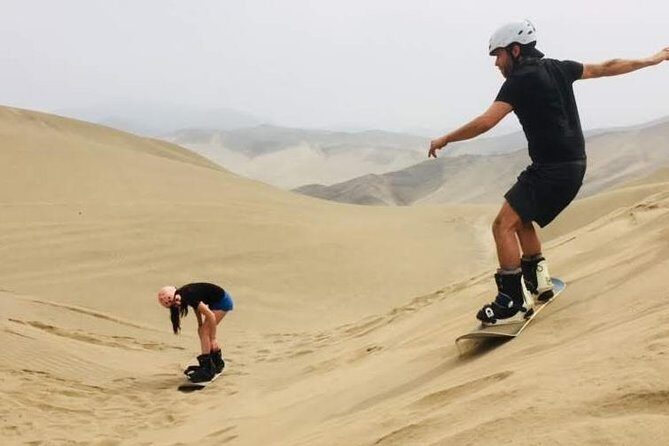
- Chilca is about an hour south of Lima, so you can sandboard without burning your whole day
- Off-road dune driving in a 4×4 is part of the fun, not just the transport
- Instruction is beginner-friendly, with clear technique coaching from instructors like Abraham Fretell
- You’ll get multiple descents—practice runs first, then longer runs as you feel steadier
- Photos and video are handled for you, so you can focus on riding instead of filming
- Sled-style runs are sometimes included, giving you more ways to play in the sand
Chilca dunes: the easy win for a Lima sand day
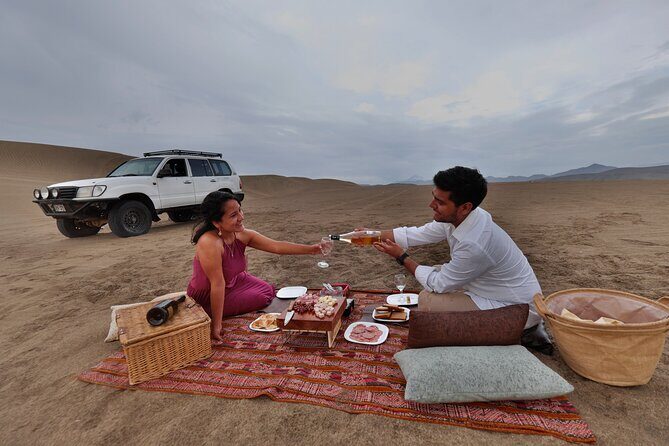
Chilca is one of those rare places that feels worlds away from the city while still being practical. You’re heading out of Lima into a desert setting where the air is open, the horizon goes far, and the dunes look bigger than you expect from photos. It’s a clean break from traffic and traffic noise, and it’s ideal if you want action without a full-day trek.
This matters for value. At $145 per person, the trip is only worth it if you get enough actual play time. The structure here is designed to deliver: you spend a chunk of time at Chilca doing runs, learning technique, and getting repeat attempts, instead of burning most of the day waiting around.
If you’re the type who needs time to warm up, you’ll like that the day isn’t just one drop and done. You typically start easier, then build confidence with guidance.
Other Ica desert and sandboarding experiences in Lima


The 4×4 off-road ride: where the adrenaline starts
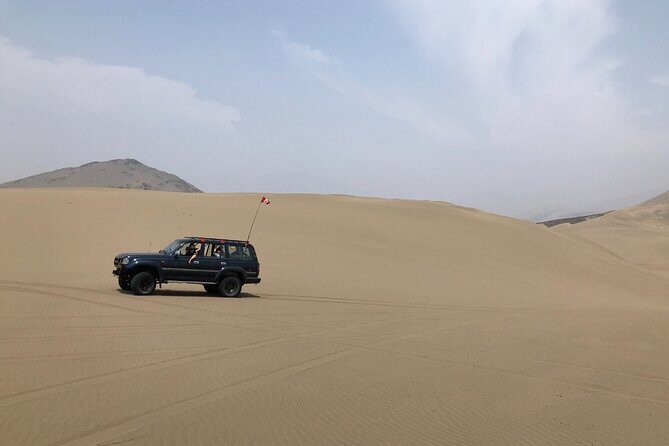
Before the board ever touches sand, you’ll feel it in your body. The drive out includes an off-road part through the dune area, and it’s not the gentle sightseeing kind of driving. Expect dune-coaster style moments where the vehicle climbs and drops over soft sand, and you’ll be bouncing enough to remember you’re on a desert adventure.
This section is a big reason the experience feels complete. Sandboarding isn’t only about standing up and going fast—it’s also about the ride-in, the terrain, and the sense that you’re actually inside the dunes. One of the most common wins in the feedback is how fun that off-road portion turned out to be, even for people who weren’t sure what to expect.
Practical tip: if you get carsick, bring a motion-sickness plan. A number of people specifically suggested Dramamine for the off-road portion, and that’s solid advice for anyone with a sensitive stomach.
Sandboarding lessons that actually teach (not just hope)
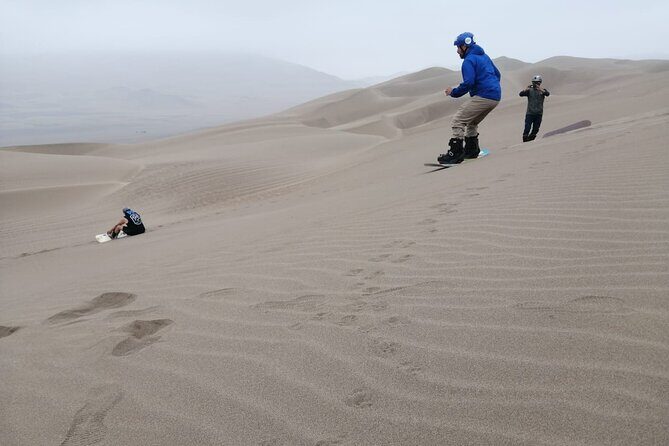
Here’s the honest truth about sandboarding: it looks easy from above, then you’re standing on a slippery slope made of fine sand. The difference between a wipeout that’s funny and a wipeout that ruins your day is instruction.
That’s where this tour shines. You get step-by-step coaching that matches your level—especially helpful if you’ve never done it before. In the experience you’re likely to be guided by instructors such as Abraham or Abraham Fretell, and the teaching approach credited in past sessions is patient and encouraging: practice starts controlled, then the instructor helps you progress to longer descents.
You’ll also hear practical technique tips that transfer fast. Sandboarding is similar to snowboarding in body position, but the sand behaves differently, so the coaching focuses on how to shift weight and how to keep your balance. And yes, you will probably fall. The good part is that falling in sand is more like rolling than getting slammed—soft, dramatic, and usually survivable.
One more detail that can surprise beginners: you may need to wax the board for each descent. That’s not a small thing—wax affects speed and control—so when you’re prepared for the routine, you’ll have a smoother time.
Your day at Chilca: what the timing feels like in real life
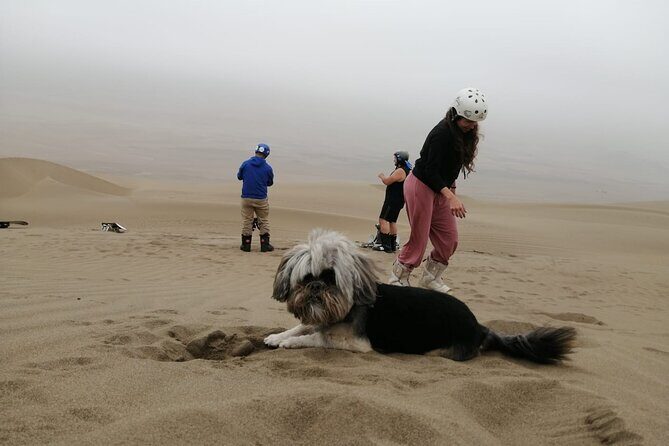
The total outing runs about 4 to 6 hours, which is a sweet spot for Lima. You’re not trying to fit adventure into an impossible schedule. Most people make it work even on shorter trips.
Still, don’t ignore the real-world factor: traffic. The drive south can run around an hour depending on timing, but Saturday rush or peak periods can stretch it. One person noted roughly 1.5 hours or more on the way out due to traffic, while the return felt faster.
Once you’re at Chilca, the rhythm speeds up. You get a period of riding time that’s long enough to learn, try again, and start owning a few runs instead of just surviving one. Past sessions also mention going down multiple times and gradually moving up to bigger hills as confidence rises.
Value note: if you’re deciding between a shorter or longer dune trip, the “close enough to get multiple tries” setup is the advantage here. You spend more energy on boarding and less on transportation.
What to expect on the sand: more than one kind of run
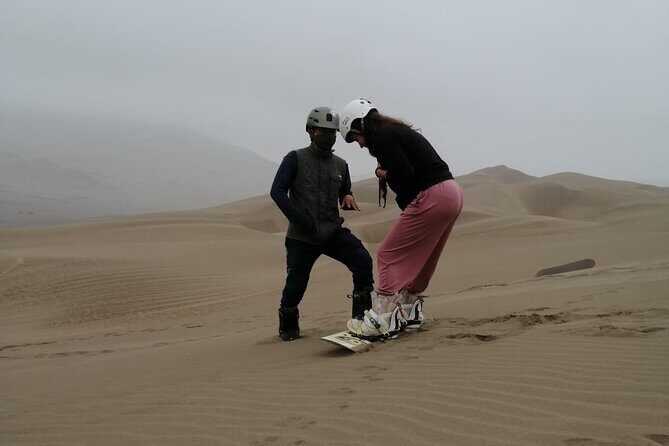
Sandboarding here isn’t one-style-only. You’ll get the classic sandboard descents, but several past participants also described sledding-style runs as part of the fun. That matters because it changes how you experience the dunes. If you’re struggling with standing, sled-style options can still let you enjoy the speed and views without the same balance burden.
Also, the dunes are big enough that even a controlled run feels like a real mini-adventure. You’re not sliding down a gentle slope like a backyard hill. Expect steep moments where you either commit and ride or you bail and laugh—and the instruction helps you figure out when each option is smarter.
One practical perk: many sessions include repeated stops for hydration. People often mention cold water provided during the day. In Lima, it can be tempting to think you’ll be fine because it’s not tropical heat the way it is elsewhere—but desert sun still wears you out.





Guides, photos, and the part you’ll be glad wasn’t on your phone
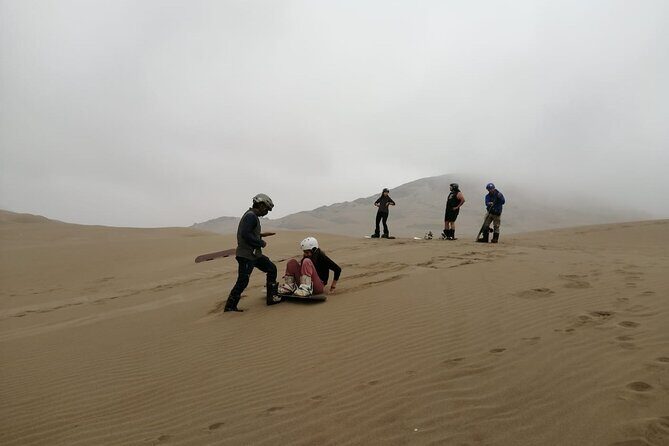
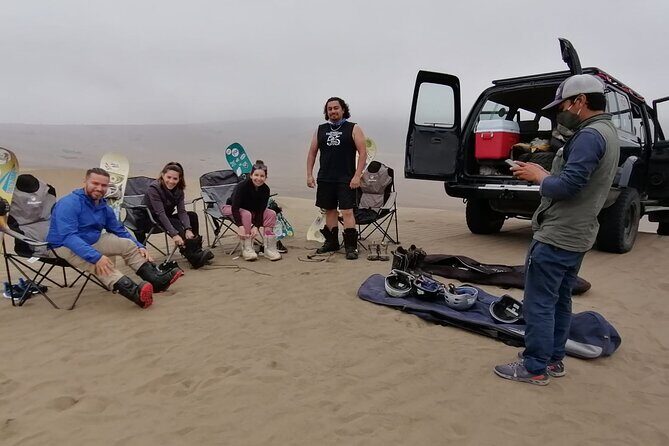
The experience tends to feel well managed. Pickup and drop-off are handled, and you’re usually working with a driver plus an instructor. Names that come up often in the experience are Carlos (frequently described as an accommodating guide/communicator) and instructors like Abraham and Abraham Fretell, with other driver names such as Jose, Rodrigo, and Eddie showing up depending on the day.
What you’ll really appreciate, though, is how the day captures you. Many people highlighted that the instructor took photos and videos and focused on getting good shots while still keeping things safe and organized. It means you can ride without constantly stopping to direct someone else to film or to guess what you looked like mid-slide.
If you care about having proof your legs actually survived the dunes, this is a bonus. It also helps because sandboarding gets chaotic fast—your memory of the best part can blur, and having footage makes the moment stick.
Small extras that make the day feel local
This isn’t just dunes and a board. On the way out (or around the drive), many sessions include a snack stop at a local bakery. One popular mention: Tonito, where people bought bread with cheese and oregano. It’s the kind of stop that costs little, fills you up, and feels like Peru rather than a generic tourist pit stop.
In a half-day format, those small moments matter. They break up the drive and keep energy steady so you’re not arriving to the dunes hungry, tired, or cranky.
Price and what you’re really paying for at $145
$145 per person can sound either expensive or like a steal depending on what you compare it to. Here’s how I’d frame the value.
You’re paying for:
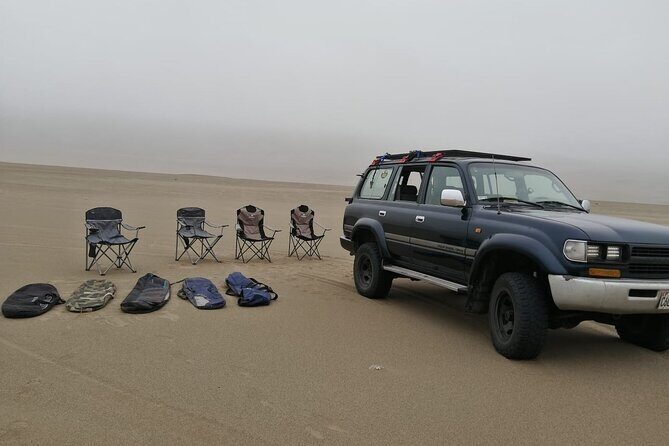
- transport that includes a dedicated vehicle for the dune day
- an instructor who teaches technique, not just a guide who points at hills
- time at Chilca with multiple attempts, not a quick demo
- off-road driving that adds thrill and terrain access
- and, often, photos and video taken during your rides
If you compare this to doing “just sandboarding” without the off-road part or without real instruction, the difference is big. The cost makes more sense when you think of it as half-day adventure plus coaching plus desert driving.
Also, the experience is capped in size—up to 50 travelers. In practice, that can affect how crowded the area feels, how much attention your instructor can give, and how easy it is to coordinate with the group. A smaller cap generally helps, especially for learning-based activities like boarding.
Who should book this sandboarding day (and who should skip)
This is a strong match for:
- First-timers who want to learn the basics and progress through practice runs
- Couples and friends who want a shared thrill without needing technical experience
- People who want desert adventure close to Lima, with a half-day time commitment
- Families with children who can handle an active outing and follow safety guidance (one family with a 10-year-old called it a standout day)
It might be less ideal if:
- You’re very time-sensitive and traffic timing will stress you out
- You have mobility or balance issues that make boarding unsafe, unless you’re comfortable doing alternative riding options if provided
- You dislike off-road vehicle motion (then plan for motion-sickness support)
A note on safety, pace, and how to avoid a bad day
Sandboarding is fun, but it’s still an activity on steep dunes. The best way to avoid a miserable experience is to show up ready to follow instructions, keep distance when you’re not riding, and take practice runs seriously.
Communication also matters. This is a day with a dedicated vehicle and instructor/equipment already set up for your slot. If anything affects your group’s ability to go last minute, expect that there may be less flexibility than a casual tour that can easily swap people in. If you’re coordinating sensitive health or schedule issues, start early and be clear.
And bring the right mindset. The best sessions are the ones where you treat falling as part of learning and listen to the instructor’s corrections without panic.
Should you book sandboarding in Chilca near Lima?
I’d book it if you want a true desert adventure without spending your whole day commuting. The combination of 4×4 dune fun, beginner-friendly instruction, and repeated descents makes it feel worth the money, especially for first-timers who want more than a one-time thrill.
I’d think twice only if motion-sickness, traffic timing, or safety concerns would put you on edge. If you can handle a few bumpy minutes and you’re ready to learn on soft sand, this is one of the most fun ways to spend a short window in Lima.
FAQ
Where is this sandboarding experience located?
It takes place in the Chilca desert area, about one hour south of Lima, Peru.
How long does the tour last?
The experience runs about 4 to 6 hours, depending on timing and conditions.
How much does it cost?
The price is $145.00 per person.
Do I need sandboarding experience?
Most people can participate, and instruction is geared for beginners. You’ll practice first and then ride larger dunes as you feel comfortable.
What should I wear?
Dress code is outdoors. Wear clothing appropriate for the weather and bring what you need for comfort in the desert conditions.
Does the tour run in all weather?
It operates in all weather conditions, and you should dress appropriately. The experience requires good weather, so if it’s canceled due to poor weather, you’ll be offered another date or a full refund.
Are service animals allowed?
Yes, service animals are allowed.
Is the group size limited?
Yes. The tour/activity has a maximum of 50 travelers.
What information do I need at booking?
You’ll need the passport name, number, expiry, and country for all participants.