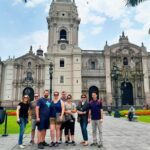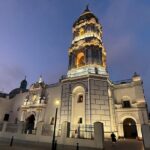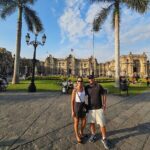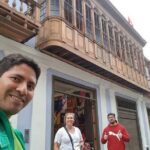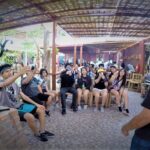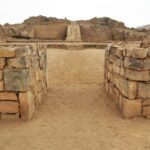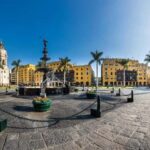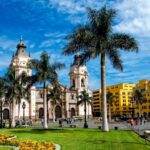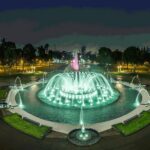
Lima starts on this stone square.
On this guided walk through Plaza de Armas, I love how quickly you get a sense of what made Lima powerful in colonial times. The guide keeps it practical and readable, then links the buildings around you to the big Peru story—so the sights don’t feel like random photos.
The best part for me is the mix of free pisco tasting and real, in-person context for the colonial sites you pass. One possible drawback: admission tickets for the churches/catacombs (and any optional add-ons) are not included, and the route involves walking—so come ready for a bit of effort.
In This Review
- Key highlights before you go
- Getting your bearings at Plaza de Armas
- How the guide turns old buildings into a real story
- Church focus: San Francisco and the Catacombs Museum
- Santo Domingo vs San Francisco: you’ll know where you’re headed
- Barranco’s bohemian side and the ocean-facing moments
- Price and tickets: what US$43 can really buy you
- Pisco tasting: the small included stop that’s worth it
- Timing, meeting points, and how the route usually lands
- Who this tour fits best
- Should you book this Plaza de Armas and Barranco tour?
- FAQ
- How long is the visit?
- Is the tour offered in English?
- What’s included in the price?
- Are admission tickets included?
- Is this a private tour?
- What if the weather is bad or I need to cancel?
Key highlights before you go
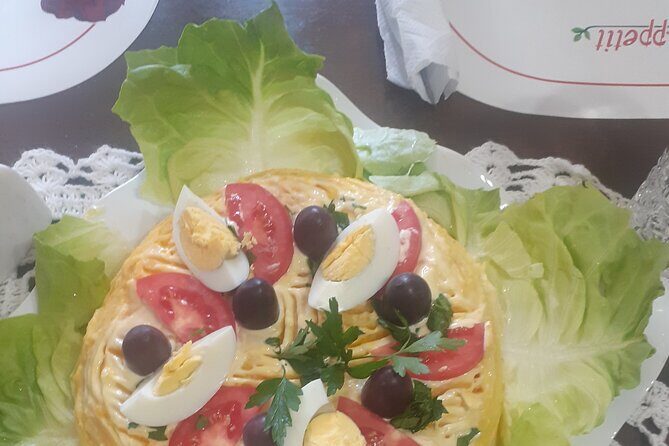
- Plaza de Armas orientation fast so you understand what you’re seeing instead of guessing
- Free pisco tasting as a fun palate break during the walk
- San Francisco complex focus with church and catacombs stops built into the route
- Barranco and ocean views plus time to look at the Bridge of Sighs area
- A private format for your group, so questions and pacing feel easier
Getting your bearings at Plaza de Armas
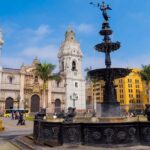
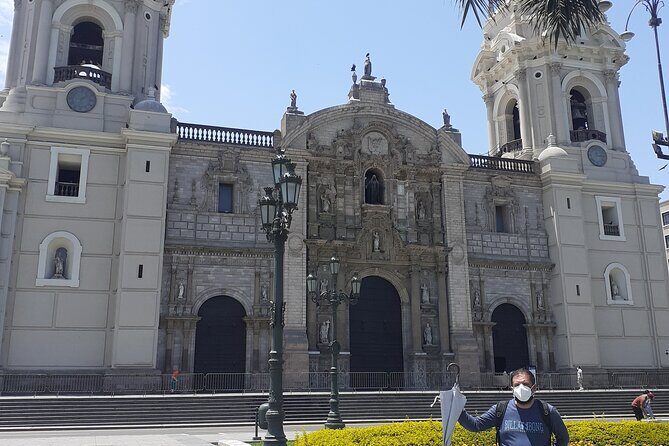
If you’ve ever arrived in a historic center and felt lost after five minutes, this start helps. Plaza de Armas is Lima’s central “why” in brick and stone: political power, religious power, and everyday city life all orbit here. Even if you only spend part of your time in the square, the guide’s narration gives you a mental map you can carry to every other neighborhood.
A detail I really liked: you’re shown how Lima’s early layout wasn’t just pretty—its main functions were planned around the square. You’ll hear the story that Francisco Pizarro (re)founded Lima under the guidance of King Charles I of Spain, and you’ll connect that to what the space was used for after the foundation. Think outdoor market life, public spectacle, and the harsh reality of executions for political and/or religious reasons. It’s the kind of context that makes the walls around you feel like a timeline, not scenery.
And yes, the square can be lively. Depending on the day and timing, you might catch something special—like a religious procession with bands, fireworks, and incense drifting through the air. You can’t plan on it, but if it’s happening, it turns a history lesson into a living moment.
Other historic center and catacombs tours in Lima

How the guide turns old buildings into a real story
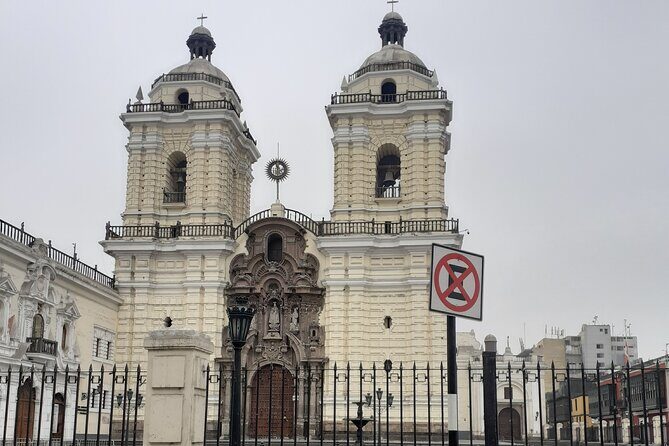
The walking approach is the point here. You’re not stuck in a van. You’re moving through the center while the guide connects what you see to what it meant. That’s why I think this works well as a first or early Lima experience: it helps you understand the city’s “logic” before you start picking museums and neighborhoods on your own.
You’ll typically get viewpoints over the big institutions ringing the square—areas connected to the Presidential Palace zone, the Archbishop’s Palace area, and the Cathedral surroundings. The narration helps you spot relationships between buildings that otherwise look disconnected. It’s one thing to read about colonial governance. It’s another to watch how the city’s layout keeps bringing you back to the same gravity.
If you’re the kind of person who likes to ask questions, the private setup makes that easier. The guide can slow down where you’re interested and speed up when you’re not. That flexibility matters more than people expect, especially in a place like Lima where streets can feel layered—older stone right next to newer construction.
Church focus: San Francisco and the Catacombs Museum
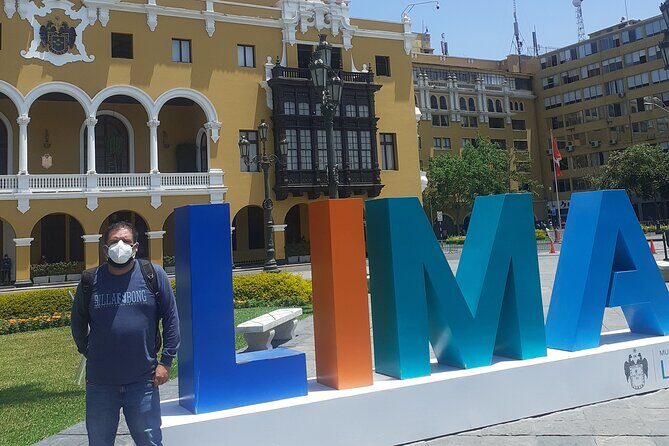
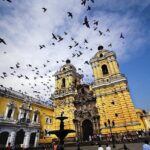
After Plaza de Armas, the route often centers on the San Francisco complex. This is where the experience goes beyond “pretty buildings” and into Lima’s religious and civic history.
You’ll visit the church area and then head to the Catacombs Museum. The catacombs stop is the one most people remember because it changes the mood fast. Instead of broad square views, you get a more enclosed, atmospheric sense of Lima’s past—how the city handled burial and religious tradition, and why the site is treated as one of Lima’s key historic landmarks.
Two practical notes that make this stop work:
- Bring a comfortable pace in your legs. You’ll be walking and transitioning between spaces.
- Expect that the time spent here depends on entry timing and ticketing, since admission isn’t included.
One more thing: this part of the tour tends to feel best when it’s not too crowded. The experience is designed as a small, guide-led visit, so you get enough attention for the details that matter—like why the site’s layout and the museum presentation are so closely tied to Lima’s identity.
Santo Domingo vs San Francisco: you’ll know where you’re headed
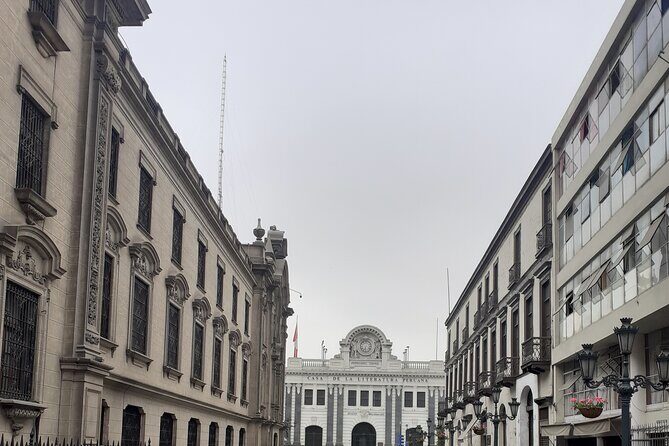
The experience is built around downtown Lima, and you may be routed through Santo Domingo Monastery or the San Francisco complex depending on the exact flow and what’s best on the day. Either way, the goal stays the same: show you the major colonial anchor points and explain how they connect to Peru’s broader history.
If you’re trying to choose based on your interests, here’s my simple way to think about it:
- If you like church architecture and religious spaces you can immediately visualize, the monastery-style focus can feel more open and “above ground.”
- If you want that dramatic shift into burial history and museum storytelling, San Francisco and the catacombs are the stronger pull.
Either way, the tour doesn’t leave you with vague impressions. You should walk away with clear names, clear connections, and a better sense of why these sites mattered.
Barranco’s bohemian side and the ocean-facing moments
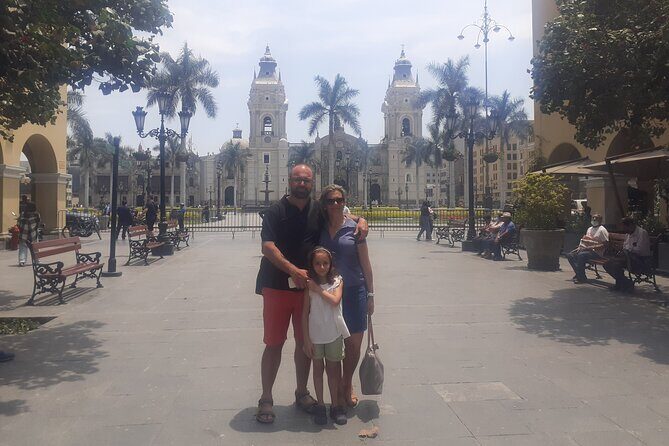
Then the tour shifts gears to Barranco, the South Lima neighborhood known for its artsy, bohemian vibe. This area sits close to Miraflores, so it often feels like a quieter cousin—still on the coast, still shaped by views, but with more personality in the streets.
You’ll see key Barranco sights, including the Bridge of Sighs area. The best value here is not a single landmark—it’s the feeling of moving into a neighborhood that looks like it belongs to another chapter of Lima. The ocean view aspect makes the walk more enjoyable too. After the dense historic center, it’s a relief to switch from monuments to perspectives.
Barranco also adds texture. You get a break from the “lecture-heavy” mode without losing the guided context. The guide still frames what you’re seeing, but the neighborhood setting makes it easier to absorb.






Price and tickets: what US$43 can really buy you

The headline price is $43 per person for a private, English-offered experience lasting about 1 to 3 hours. I think that’s a fair starting point because you’re paying for guidance plus at least one included activity: the free pisco tasting.
But here’s the honest part: admission tickets are not included. That can change your total cost, depending on which interiors you enter and whether optional add-ons appear in your route.
Based on what I’ve seen during similar guided visits in Lima-style “ticketed site clusters,” you should plan for extra per-site charges for places like the church/catacombs and any optional historic homes your guide may suggest. If your route includes something like Casa Aliaga, it’s typically ticketed separately and may require entry with a guide.
So think of the $43 as the cost of the thinking and storytelling, not the cost of every doorway you might step through. If you’re budget-conscious, bring cash for small admissions and be ready to choose what’s worth it to you.
Also note: private transportation is not included. That usually means you either walk between stops or use nearby public transportation. The upside is you’re not paying for car time you don’t need in a central area. The downside is you’ll want to plan how you’ll meet the group and reach the end point comfortably.
Pisco tasting: the small included stop that’s worth it
I’m a fan of included food and drink stops when they’re short and purposeful. Here, the free pisco tasting works that way. It breaks up the walking rhythm and gives you a distinctly Peru moment while the guide is still talking history and place.
You’re not just sipping something for fun—you’re doing it while you’re still in the heart of Lima’s cultural story. That timing makes the tasting feel connected, not random. Even if you don’t consider yourself a “spirit person,” the pause can refresh you before the next cluster of sights.
Timing, meeting points, and how the route usually lands
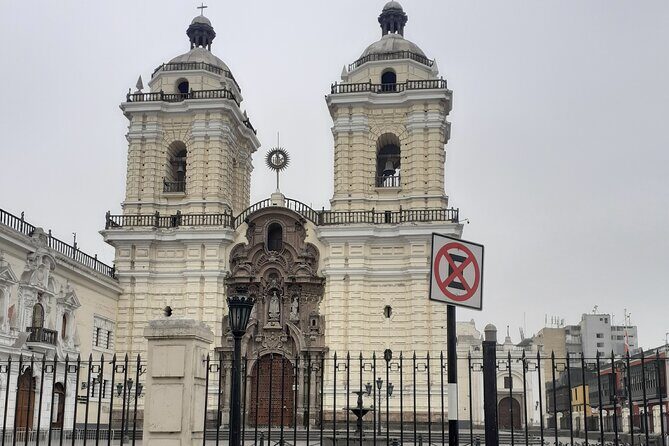
The tour starts at Lima Main Square (Jr. Junín cdra. 1, Lima 15001). It ends near the Basílica and Convent of San Francisco area (Jr. Lampa, Lima 15001). That matters because you can plan your later meal or next neighborhood walk with a head start.
Duration is listed as about 1 to 3 hours, and in practice that range mostly depends on ticketed entries, how long you spend inside museums/church spaces, and how your group moves. If you want the full effect—square context plus catacombs plus Barranco—you’ll likely be toward the longer end.
Language is English, and you get a mobile ticket. Also, it’s private, so it’s only your group. That reduces the “constant re-start” feeling you sometimes get on crowded city-center tours.
One more note: the experience is described as requiring strong physical fitness level. Even if you’re used to walking, make sure you factor in an old-city surface, steps, and time in and out of indoor spaces.
Who this tour fits best
I think this is a strong choice if you:
- Want an early Lima overview built around the city’s core colonial spine
- Prefer guided walking over museum-only days
- Enjoy story-driven context for buildings you can actually see
- Like the idea of pairing Downtown history with a neighborhood like Barranco
It’s less ideal if you:
- Want zero ticket add-ons and no extra cost surprises
- Hate walking or aren’t comfortable with physical effort
- Are hoping for a mostly “car-to-car” itinerary
Should you book this Plaza de Armas and Barranco tour?
I’d book it if you’re aiming to understand Lima quickly and taste a bit of local culture while you do it. The big value is the way the guide connects names and buildings to a bigger story—especially at Plaza de Armas—and then keeps your momentum with San Francisco and the ocean-side shift to Barranco.
Just be realistic about the budget. The stated price covers the guided experience and pisco tasting, but admission tickets are on you. If you’re okay with that, you’ll likely feel like you got your money’s worth fast—because the tour gives you an easy mental map and a set of places you can build on for the rest of your trip.
FAQ
How long is the visit?
The tour duration is approximately 1 to 3 hours.
Is the tour offered in English?
Yes, it’s offered in English.
What’s included in the price?
You get a mobile ticket and a free pisco tasting.
Are admission tickets included?
No. Admission tickets are not included.
Is this a private tour?
Yes. It’s private, and only your group participates.
What if the weather is bad or I need to cancel?
The experience requires good weather. If it’s canceled due to poor weather, you’ll be offered a different date or a full refund. You can cancel up to 24 hours in advance for a full refund.