REVIEW · LIMA
8-Hour Private Tour Lima Viceroyalty and Gold Museum with Lunch
Book on Viator →Operated by Inca Trilogy Tours · Bookable on Viator
Lima can feel like two cities at once, and this tour helps you pin it down. I love the private, air-conditioned transport that keeps the day moving, and I really like how the itinerary pairs big public squares with real sites from the Viceroyalty era. One consideration: the schedule is busy, so a couple stops are more like a focused look from the inside-out rather than a long, slow linger.
What makes this experience worth your time is the blend of landmarks and collections. You get a guided walk through Lima’s historic core, then a visit to the Gold Museum, where the standout is not just jewelry but also an enormous weapons collection and pre-Inca gold and objects. If you hate crowds and prefer total free time, you may feel the pacing is tight—but if you’re here to understand Lima’s story fast, it works.
In This Review
- Key Highlights You’ll Actually Notice
- A Private Morning Through Lima’s Viceroyalty Core
- Plaza San Martín: Independence History in a 20th-Century Square
- Jirón de la Unión: Merchant Streets and a Baroque Doorway
- Plaza de Armas (Plaza Mayor): Lima’s Power Center, from Pre-Hispanic Roots
- Government Palace and the Lima Cathedral: The State Meets the Sacred
- Palacio Municipal de Lima: City Symbols and Old Documents
- Casa Aliaga: A Viceroyal-Era Mansion You Can Actually Walk Through
- Lunch in Central Lima: Included, Practical, and Timed
- Museo Oro del Perú y Armas del Mundo: Gold Meets 20,000 Weapons
- Is the 8-Hour Pace Too Much for You?
- Value Check: Is $120 a Fair Price for a Private Day?
- Should You Book This Lima Tour?
- FAQ
- Pickup is offered—where do they pick up?
- Where is the tour meeting point?
- What time does the tour begin?
- Is the tour private?
- What language is the guide?
- Which attractions are included with entrance tickets?
- Is lunch included?
- How long is the museum visit?
- Is bottled water included?
- When is the Gold Museum closed?
- What should I bring for a day like this?
Key Highlights You’ll Actually Notice
- Private tour with pickup options from Miraflores, San Isidro, Barranco, and parts of the center
- Plaza San Martín, Plaza de Armas, and Lima Cathedral in one organized historic loop
- Casa Aliaga, a Viceroyal-era mansion with a famous chapel connection to Santa Rosa de Lima (in the site’s story)
- Gold Museum visit with both weapons (about 20,000 pieces) and pre-Hinca gold and artifacts (around 800 items)
- Lunch in central Lima included, so you’re not hunting food between major sights
- English-speaking guide (one recent guide name you may hear: Ricardo)
A Private Morning Through Lima’s Viceroyalty Core
This is a true private format, meaning your group stays together and you’re not dealing with the stop-and-start rhythm of a big bus tour. You meet at Av. José Larco 389, Miraflores at 9:00am, and pickup is available if your hotel is in San Isidro, Miraflores, Barranco, and/or the center. If you’re coming from the airport or a different district, there may be an extra cost, so it’s worth double-checking before you lock it in.
The driving force of the day is simple: Lima’s colonial-era power lived around these squares, churches, and palaces. By using a guided route that hits the major nodes, you get context without having to do it all yourself with a map and guesswork.
Also, your guide’s job here is not just to recite names. It’s to connect why these places matter—like how the same ground went from pre-Hispanic leadership to Spanish rule to the modern state.
Other private tours in Lima


Plaza San Martín: Independence History in a 20th-Century Square
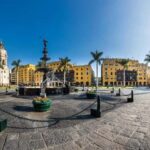
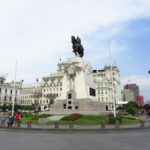
You start at Plaza San Martín, an important public space inaugurated in the second decade of the 20th century for Peru’s first Centenary of independence celebrations. In the center, you’ll see the monument to Don José de San Martín, and the surrounding buildings give you a feel for what Lima’s civic life looks like.
Why I like this first stop: it sets the theme for the whole day. You’re not just collecting pretty façades—you’re learning how independence and the Viceroyalty past overlap in Lima’s identity. You’ll also get a quick visual “orientation point” before walking into the more complex street-and-square network of the historic center.
Plan on about an hour here, and use it to look up as much as you look straight ahead. The square’s architecture is part of the lesson.
Jirón de la Unión: Merchant Streets and a Baroque Doorway
Next is Jirón de la Unión, a street that links some of the historic center’s most emblematic corridors. This area matters because it connects to Lima’s early urban life—how the city grew and where commerce concentrated.
As you walk, your guide points out older houses and commercial spaces associated with European colonial families. Even if you’re not a “buildings-only” person, this stop helps you understand how money moved through Lima long before modern skyscrapers.
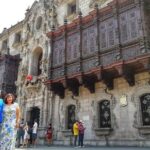
You also visit La Merced church, where you’ll see a Lima baroque style doorway. That doorway detail is the kind of thing you’d miss if you just followed a fast walking route on your own. Time is about an hour, so it’s structured, not rushed.
Plaza de Armas (Plaza Mayor): Lima’s Power Center, from Pre-Hispanic Roots
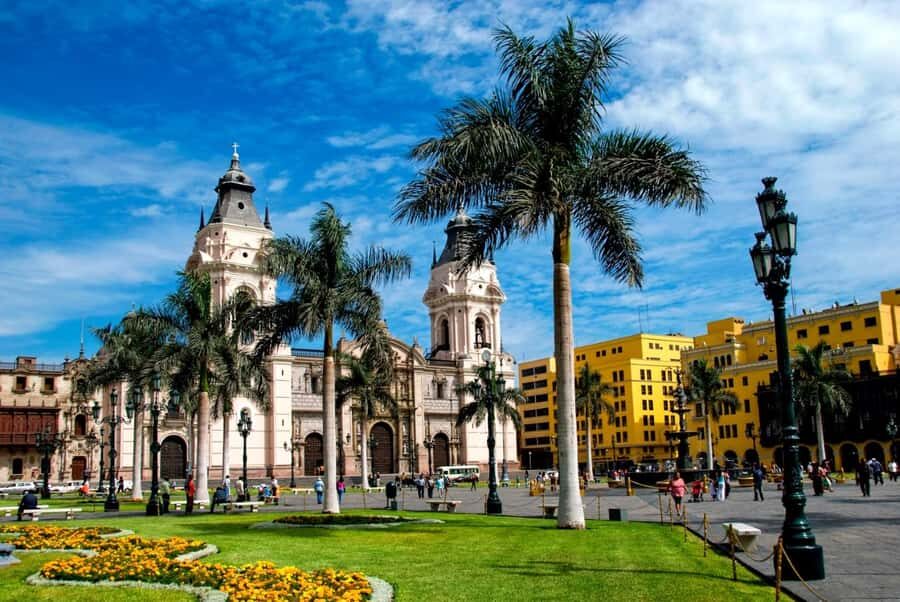
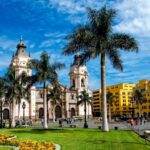
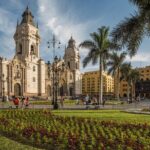
Then you hit the biggest stage: Plaza de Armas, also called Plaza Mayor. This is where Lima’s big historical moments played out. The square’s story starts long before the Spanish—when the area was the valley of Rímac, associated with curaca Taulichusco. Later, the founding of Lima as the “City of Kings” made the area the viceregal capital of South America for centuries.
You’ll also hear about the proclamation of Peruvian independence on July 28, 1821, again tied to Don José de San Martín. The square’s meaning isn’t abstract; it’s anchored by the surrounding institutions.
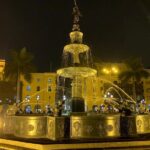
One detail that’s easy to overlook if you’re only taking photos: the pool from the 17th century. It dates from long ago and sits in a space of about 140 square meters, which makes it feel like a “civic living room” even today.
Expect about one hour here. The Cathedral, Government Palace, and Municipal Palace surround the plaza, so it’s a natural hub for understanding how church, state, and city leadership lined up.
Government Palace and the Lima Cathedral: The State Meets the Sacred
After Plaza de Armas, you get a short look at the Presidential Palace (Palacio de Gobierno). The visit is brief—about 10 minutes—and your focus is the building’s layered identity. It was inaugurated in 1938, but the site itself carries older layers: it relates to the house of the Rímac valley curaca, later connected to the founder’s residence and the residences of viceroys, and it’s now used as the president’s office and residence.
Your guide also points out that the façade was designed by the architect Malachowsky, a notable name from 20th-century Peruvian architecture. That’s the kind of detail you don’t get from casual sightseeing.
Then comes Lima Cathedral. Plan for about one hour inside. The cathedral’s first construction is tied to Francisco Pizarro in 1540, and it became a cathedral a year later. After the 1746 earthquake, the current third construction followed.
Inside, you’ll see artistic elements linked to the Viceroyalty period, and there’s also the mausoleum of the founder of the City of Kings, Francisco Pizarro. If you want a feel for Spanish-era religious art and how the city chose to remember its founders, this is one of the most direct stops of the day.
Possible drawback here: because the tour is timed, your cathedral visit is guided and paced. If you’re the type who wants to study chapels for a long time, you might wish you had more hours. Still, you’ll leave with a clear understanding of what you’re seeing.
Other museum experiences in Lima
Palacio Municipal de Lima: City Symbols and Old Documents
Next is the Municipal Palace (Palacio Municipal de Lima). The current building opened in 1944, and its façade follows a neocolonial style. It also carries the coat of arms of Lima, designed by King Carlos V, which gives you a direct link to how Spanish monarchy shaped city identity.
Your guide also points out the name Lima originally had when it was first established as Peru’s biggest city, plus historical documents that help explain why this place mattered. You’ll learn about the Act of the foundation of Lima and the declaration of independence of Peru, including details connected to José de San Martín in earlier structures.
This is a solid stop if you like institutions. It’s not just a pretty building; it’s a “paper trail” building. Time on site is about one hour, which feels about right for taking in the façade, the symbols, and the key documents without dragging.
Casa Aliaga: A Viceroyal-Era Mansion You Can Actually Walk Through
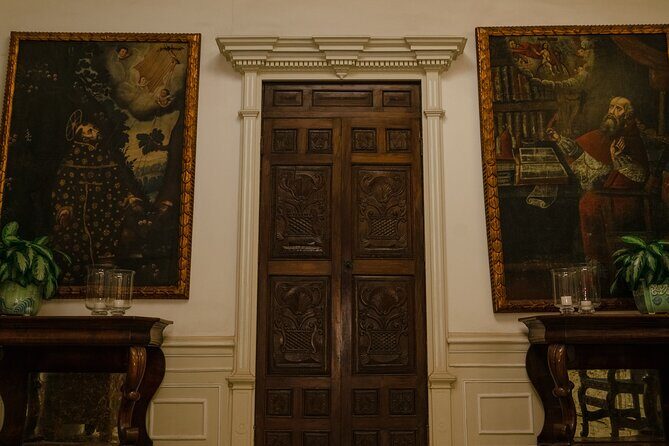
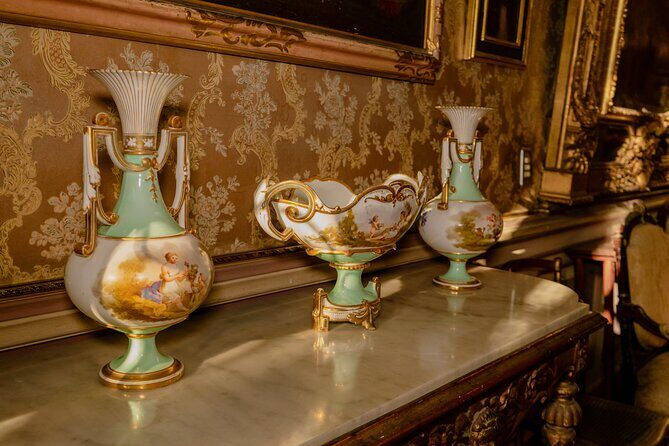
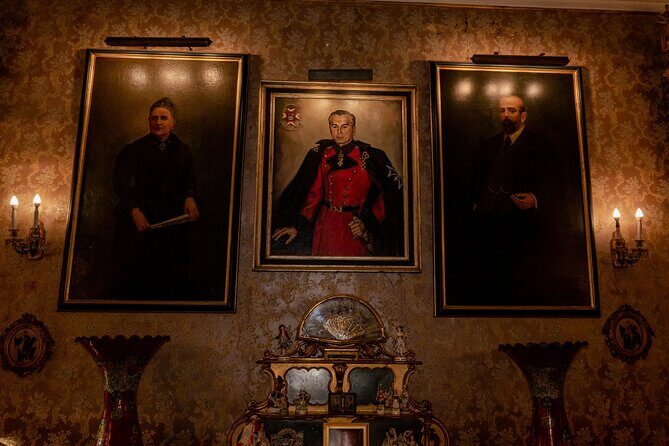
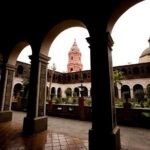
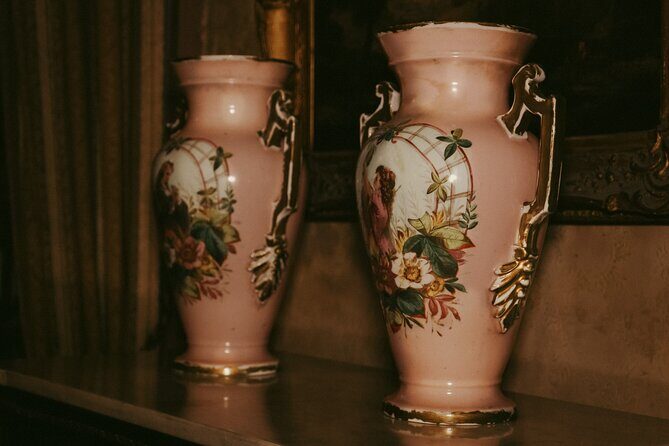
One of the most memorable parts of the day is Casa de Aliaga, a mansion built at the beginning of the Viceroyalty period. The house was built on land donated by Francisco Pizarro to his friend in arms, Jerónimo de Aliaga, who served as attorney general in 1550 and was tied to the Dean University of America founded in 1551.
Inside, you’ll see decorations and architectural elements with historical and artistic value—this is the kind of stop that makes Lima feel lived-in across centuries, not just staged behind ropes.
The site also has a chapel connected to the story of Santa Rosa de Lima. According to the story told here, she was a visitor during the time she was detained near her family and performed prayers in this chapel.
This stop is a standout for me because it shifts the focus from official power to private life—what elites lived like, how homes carried prestige, and how faith showed up in domestic spaces.
Just keep in mind: Casa Aliaga is one of the indoor stops, and the overall day is still timed. It’s not a museum marathon, but you’ll get enough to understand the layout and the meaning.
Lunch in Central Lima: Included, Practical, and Timed
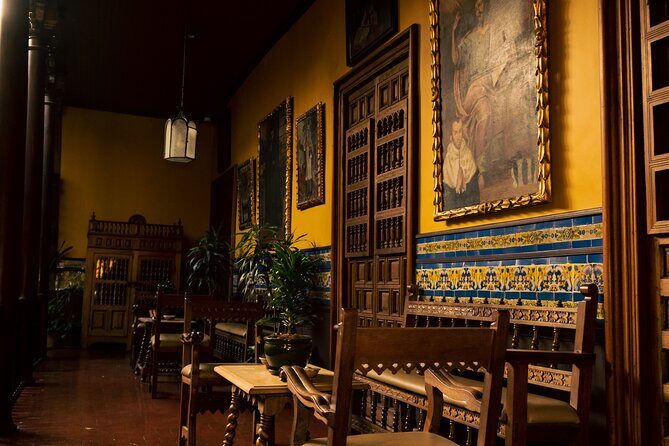
After Casa Aliaga, you get lunch at a typical restaurant in the center of Lima, with about one hour allotted. The big value here is timing: you won’t lose half your day figuring out where to eat between major sights.
Your tour includes lunch, so you can budget the day without adding another “guess cost” to your trip. Bottled water is not included, so if you’re the type who drinks steadily during walking tours, plan to grab water either before or during lunch.
If you want to make lunch work well: avoid a super heavy meal if you’re sensitive to afternoon sluggishness. The second half of the day still includes a major museum, and you’ll enjoy it more with some energy left.
Museo Oro del Perú y Armas del Mundo: Gold Meets 20,000 Weapons
Post-lunch is when the tour gets really distinctive: the Museo Oro del Perú y Armas del Mundo. This museum is known for holding two main collection rooms, and the contrast is part of what makes it memorable.
Room one is about weapons from around the world, with approximately 20,000 pieces from different eras and countries. Your guide may highlight pieces tied to major historical figures. Notably, you can see two swords belonging to the conqueror of Peru, and weapons connected to Miguel Grau, Francisco Bolognesi, and Simón Bolívar.
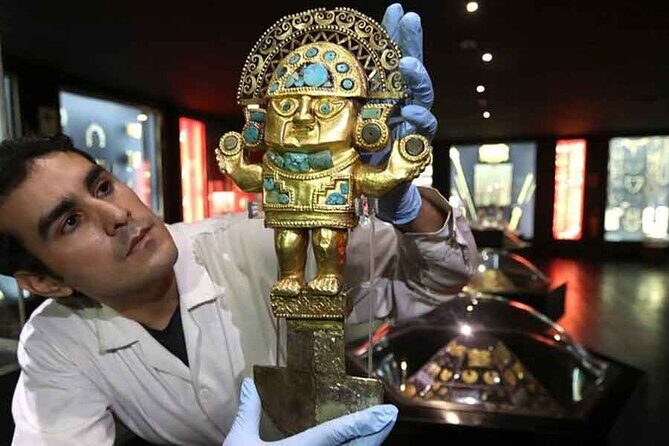
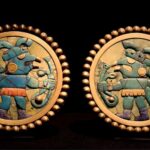
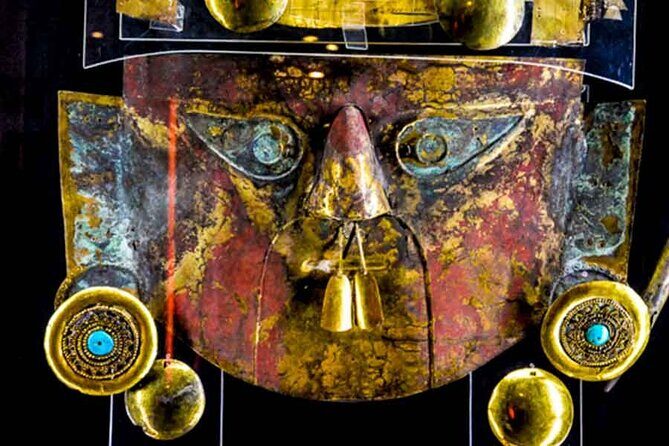
Room two focuses on gold utensils and objects from the pre-Hinca culture, roughly 800 pieces. You’ll also see related cultural objects like textile pieces, ceramics, mummies, and trophy heads.
That’s the museum’s real personality: it doesn’t treat gold like a jewelry-only display. It frames gold, craftsmanship, and artifacts inside wider historical and cultural stories, and it mixes dramatic weapon history with delicate pre-Hispanic objects.
Time here is about one hour, which is short compared with the size of the collection. So your best move is not trying to read everything. Let the guide’s highlights guide where you look, then pick a few items that match what you’re curious about—gold objects, weapon history, or specific figures tied to Peru’s national story.
Closed dates to note: January 1, May 1, July 28, and December 25. If your trip lands on one of those days, the museum may be closed, so you’ll want to confirm your operating schedule before you go.
Is the 8-Hour Pace Too Much for You?
This tour is built for people who want structure. It runs about eight hours, includes multiple timed stops, and keeps you moving through Lima’s historic center.
Here’s who it suits best:
- First-timers who want the core sights without hours of planning
- People who like guided context more than wandering aimlessly
- Solo travelers who want a confident plan and a friendly guide
- Museum-goers who also want architecture and city history
One consideration: because it’s private and organized, the day is “full.” The Presidential Palace stop is brief, but you still have several major points: Plaza San Martín, Jirón de la Unión, Plaza de Armas, Lima Cathedral, Municipal Palace, Casa Aliaga, lunch, then the Gold Museum.
If you love to linger in places like cathedrals or want to take a slow photo walk, you might feel the tempo a bit faster than your ideal. Still, the tradeoff is you’ll get more done in one day than most self-guided loops.
Value Check: Is $120 a Fair Price for a Private Day?
At $120 per person for about eight hours, the price feels reasonable given what’s included. You’re paying for:
- Private transportation in an air-conditioned vehicle
- An English-speaking guide
- Entrance tickets to Lima Cathedral, Casa Aliaga, and Museo Oro del Perú
- Lunch in central Lima
That’s not just “someone guiding you around.” Entrance fees can add up fast in major sites, and this itinerary folds them in. Also, the private format means the guide can adjust emphasis for your group, rather than sticking to a rigid bus script.
What’s not included is bottled water, so budget a few soles or bring your own. Otherwise, it’s a straightforward deal: you show up, you’re escorted, and you pay mainly once.
Should You Book This Lima Tour?
I’d book it if you want a smart, guided sampler of Lima’s historic identity: independence-era mood at Plaza San Martín, the power core around Plaza de Armas, a real Viceroyal-era house in Casa Aliaga, and then a museum that surprises you by mixing gold and weapons.
Skip it or consider another option if you want lots of unstructured time, deep self-directed wandering, or long museum reading sessions. The museum is big, and the day is timed—so you’ll enjoy it most if you like being guided to the best points.
If you do book, ask for a guide like Ricardo if he’s available in your schedule. The vibe from one recent solo experience was clearly friendly, informative, and focused on making the day work smoothly from start to finish.
FAQ
Pickup is offered—where do they pick up?
Pickup is available from hotels in San Isidro, Miraflores, Barranco, and/or the center of Lima. If you’re at the airport or another district, there may be an additional cost.
Where is the tour meeting point?
You start at Av. José Larco 389, Miraflores 15074, Peru.
What time does the tour begin?
The start time is 9:00am.
Is the tour private?
Yes. This is a private tour/activity, so only your group participates.
What language is the guide?
The tour is offered in English.
Which attractions are included with entrance tickets?
Entrance tickets are included for the Lima Cathedral, Casa Aliaga, and Museo Oro del Perú y Armas del Mundo (Gold Museum).
Is lunch included?
Yes. Lunch is included at a typical restaurant in the center of Lima.
How long is the museum visit?
The Gold Museum stop is listed as about 1 hour.
Is bottled water included?
No. Bottled water is not included.
When is the Gold Museum closed?
The Gold Museum is closed January 1, May 1, July 28, and December 25.
What should I bring for a day like this?
Since it’s a full walking-and-visiting day across the historic center, wear comfortable shoes and plan for sun or light weather changes. Also remember bottled water is not included.