REVIEW · LIMA
Peruvian Cooking Class, Local Market Tour & Exotic Fruit Tasting
Book on Viator →Operated by HAKU TOURS · Bookable on Viator
Stop by a market, then cook like Lima locals.
This Peruvian cooking class hooks you fast because it starts with real ingredient shopping at Mercado N°2 de Surquillo, not a classroom pantry. I love the free hotel pickup/drop-off and the chance to taste exotic fruits and native potatoes before you cook. One thing to consider: the fish option has come up as shark for some people, so mention any food restrictions ahead of time.
After the market, you head to a kitchen studio in Miraflores for a hands-on class with a real chef team and step-by-step help. The group stays small, with a maximum of 14, so you’re not just watching from the sidelines. If you’re sensitive about language balance, pick a departure time where you feel comfortable following along with the guide and chef directions.
In This Review
- Key points worth marking on your map
- Surquillo Market N°2: where your lunch has a backstory
- Miraflores studio kitchen: hands-on Peruvian cooking, not a show
- The menu structure: choose your starter and main (and plan for flexibility)
- Exotic fruit and native potato tasting: more than a snack break
- Cooking class highlights: the Peruvian classics you can actually make
- Choice between morning and afternoon: pick what matches your energy
- Price and value: why $65 makes sense for Lima
- Who this cooking class fits best
- Smart prep before you go
- Service and staff: friendly teams matter here
- Should you book this Peruvian Cooking Class in Lima?
- FAQ
- How long is the Peruvian cooking class and market tour?
- Where does the tour start and end?
- Is hotel pickup and drop-off included?
- How many people are in the group?
- What happens at the market?
- What happens in the cooking studio?
- What meal and food tastings are included?
- What dietary options are available?
- Can I choose both a starter and a main course from different options?
- Are drinks included?
Key points worth marking on your map
- Surquillo Market N°2 ingredient shopping first, so your meal starts with the same foods Lima cooks buy
- Exotic fruit tasting and native potato focus, before you lift a knife or stir a sauce
- Hands-on cooking in Miraflores, with a chef walking you through each step
- Small group size (up to 14), which helps you ask questions and actually participate
- Starter + main course choices (chicken, fish, or beef), with vegetarian, gluten-free, or vegan adaptations
- Lots of food plus meals included, and many people leave full, not just fed a sample
Surquillo Market N°2: where your lunch has a backstory
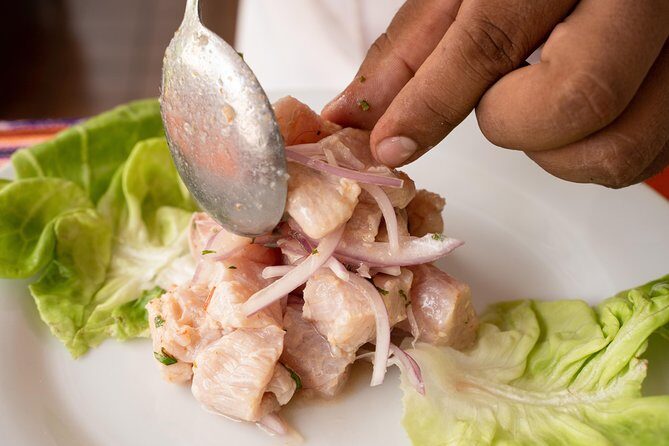
This tour opens in Surquillo at Mercado N°2 de Surquillo, with pickup and drop-off handled for you (so you skip the hassle of getting there on your own). The market stop runs about 30 minutes, but it’s built to do something useful: get you looking at the ingredients you’ll cook with later.
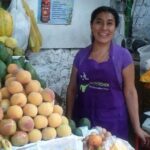
You’ll see Peru through produce and pantry staples. Think vegetables, groceries, and especially the fruits and potato varieties that can be hard to identify if you’re just passing by a display. Your guide and chef explain what to look for and why certain ingredients matter in Peruvian cooking. It’s not just sightseeing. You’re also preparing to buy the items your group will use in the kitchen.
This is where the experience earns its keep. Market tours can be too “look at this, take photos” and not enough “learn the food.” Here, the point is that you leave the market knowing what you’re about to cook—and you recognize those ingredients again at the studio.
Practical tip: try to arrive hungry, but not starving. You’ll be tasting fruit, learning about potatoes, and then cooking. One small note from real-world experience: people recommend not eating beforehand because you end up with more food than you expect.
Other Peruvian cooking classes in Lima

Miraflores studio kitchen: hands-on Peruvian cooking, not a show
After the shopping stop, you ride in an air-conditioned vehicle to the cooking space in Miraflores. The class portion runs about three hours.
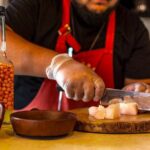
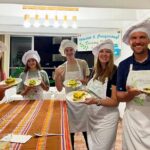
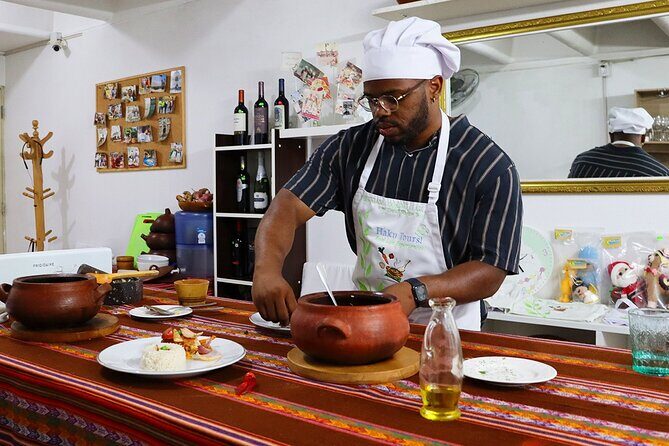
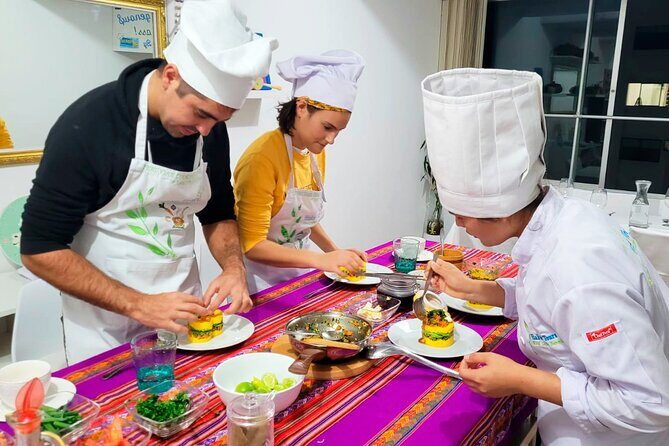
This part is designed as a working session. You don’t just sit. You help. The chef and team guide you step by step while you prepare the dishes chosen by your group. The atmosphere tends to feel relaxed and fun, and that matters, because Peruvian cooking rewards participation. Stirring, tasting, and adjusting salt or acidity is how you learn quickly.
A few people have described the setup as an open-kitchen style with a dining area and a view. Even if your exact layout varies by day, you can expect a lively kitchen environment where you can see what’s going on and where your questions make sense.
Also note the group limit of 14. In a room that size, you’re more likely to get individual attention when you’re chopping, assembling, or mixing.
The menu structure: choose your starter and main (and plan for flexibility)
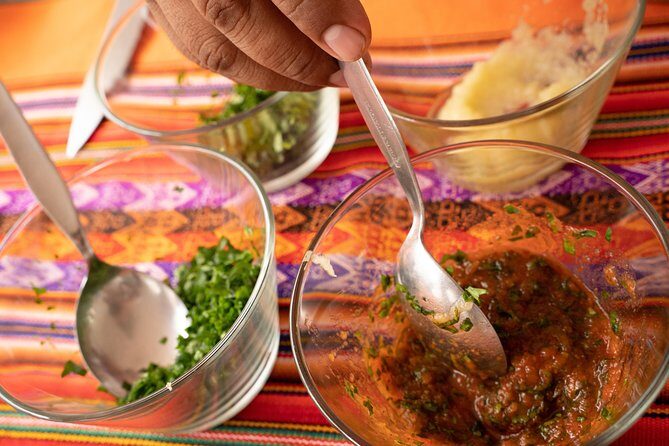
Your class uses a clear menu structure: you pick a starter and a main course, with choices for the starter and main in categories like chicken, fish, or beef. Before you book, read your options carefully and choose what fits your preferences.
Here’s the practical part: you can still be strategic. The tour allows combining choices across categories (for example, a chicken starter with a fish main), but you must consult first. If you have a specific pairing in mind, message ahead rather than assuming it’s automatic.
Dietary needs are supported. The tour states that all dish options can be adapted for vegetarian, gluten-free, or vegan diets. Just inform the team in advance so they can plan the menu around your restrictions.
A note on “fish” expectations: one person reported shark on the fish option. If that’s a dealbreaker for you, say so clearly when you book (or as soon as you confirm). In at least one case, the team accommodated a substitution with mushrooms. That doesn’t guarantee the same swap every day, but it does show they take concerns seriously.
Exotic fruit and native potato tasting: more than a snack break
This tour includes a tasting session that’s one of its biggest selling points. Before you cook, you’ll sample exotic fruits and learn about potato varieties that are part of Peru’s everyday food culture.
It’s fun in a simple way—tasting fruit you can’t easily buy at home. But it’s also educational. The tour frames why certain fruits show up in Peruvian flavors and how potatoes come in many forms, not just one kind of starch. More than one person highlighted how much they learned, including potato variety details.
Some groups reported tasting around 11 fruits. Your exact list may vary based on what’s available and the season, but expect a tasting moment that becomes a reference point during cooking. When you later smell or taste something in your dish, it often clicks because you’ve already worked with the ingredients in your own hands and mouth.
If you love food education without lectures, this is a strong match.
Cooking class highlights: the Peruvian classics you can actually make
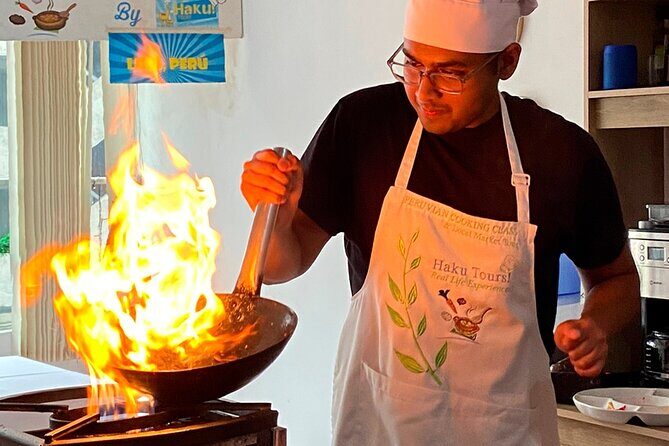
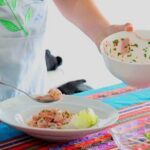
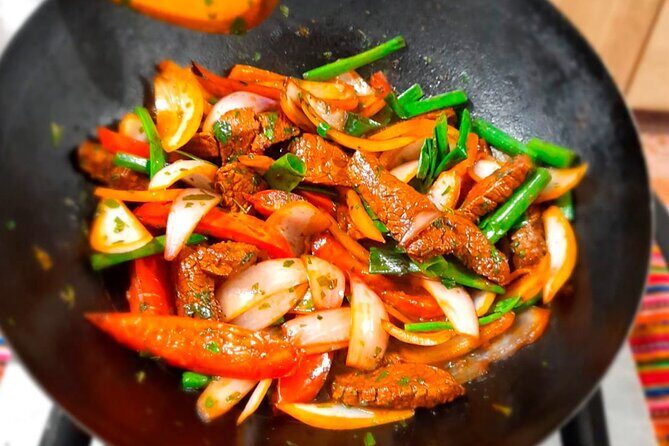
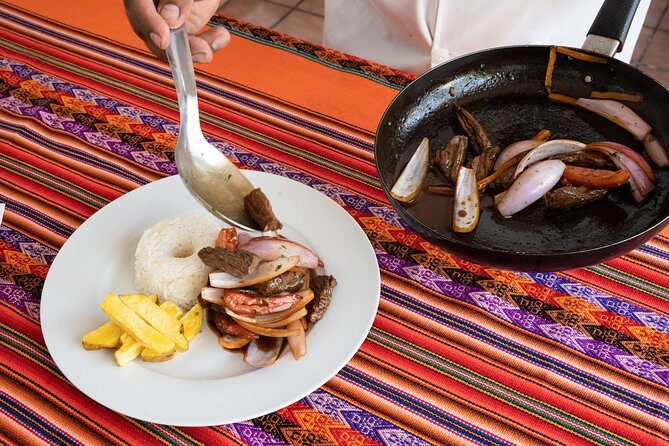
The exact dishes depend on your starter and main choices, but common examples reported include classics like ceviche and lomo saltado. People also mentioned making potato-based dishes like batatas rellenos (often translated as stuffed sweet potatoes) and learning about sauces and preparation methods that connect to traditional Peruvian flavors.
You might also see hands-on techniques such as mashing or using a mortar and pestle for dips and mixtures. One review mentioned that kind of active work, which is exactly what you want from a cooking class: your hands on the process, not just your eyes.
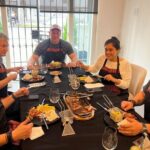
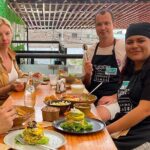
You’ll end up eating what you make. The tour includes meals, and people frequently note there’s plenty of food. In one case, someone even left with a to-go box because the portions kept coming.
Practical tip: plan your day afterward with a little breathing room. You’re not leaving with a small tasting plate. You’re leaving full.
Other market and fruit tasting tours in Lima

Choice between morning and afternoon: pick what matches your energy
You can choose a morning or afternoon departure. That sounds simple, but it changes the feel of your day in Lima.
If you’re fresh in the morning, you may enjoy the market as a first “hit” of local life. If afternoons work better, you can make it part of a slower day that still ends with a proper meal and a recipe you can recreate later.
Either way, the tour runs about four hours total, with the market stop at around 30 minutes and the cooking segment around three hours.
Price and value: why $65 makes sense for Lima
At $65 per person, you’re paying for more than a cooking lesson. In one package, you get:
- market time with ingredient guidance and free admission to top local attractions
- transport in an air-conditioned vehicle
- free hotel pickup and drop-off
- a chef-led, hands-on class
- meals included, plus snacks
When you break it down, this is usually strong value for a city where food experiences can quickly stack up. You’re not paying separately for shopping guidance, tastings, cooking instruction, and the meal. You also get a small group limit, which tends to improve how much time the chef and guide can spend with you.
If you’re comparing to other Lima activities, ask yourself a key question: do you want to just watch food—or do you want to learn to make it and then eat it in the same session? This format leans hard toward the second option.
Who this cooking class fits best
This experience is ideal if you:
- want an intro to Peruvian ingredients through market shopping
- like cooking classes where you actively participate
- enjoy flavors beyond what you already know, especially through fruit and potato tasting
- want to take home skills via a recipe set (people mentioned getting recipe copies at the end)
It may not be the best match if:
- you have strong restrictions and need a guarantee about specific fish species (the tour can adapt, but fish contents can vary)
- you’re very sensitive to language balance between guide and chef (one comment said the translation could be weaker for the chef’s part when Spanish dominates)
Family groups can work well too; multiple people mentioned bringing kids and still having a great time. Just remember: there’s a lot of food, so plan for that.
Smart prep before you go
A few tips will make your experience smoother:
- Don’t eat beforehand. The tastings and the meal can add up fast.
- Mention dietary restrictions early (vegetarian, gluten-free, vegan).
- Choose your chicken/fish/beef options carefully so you’re excited when the cooking starts.
- If you avoid certain animals or have a strict belief about fish, say it clearly.
- Bring a phone or small camera. Market and tasting moments are photo-friendly, but the learning is the real prize.
Service and staff: friendly teams matter here
The tour staff comes up again and again in positive feedback, and it’s easy to see why. You’ll likely work with a guide who keeps the market meaningful and a chef team that stays with you during cooking.
Names mentioned include guides like Cesar, Paola, Silvana, and Giovanna, and chefs such as Karina, Chef Ruth, and Chef Marco. You won’t pick the exact person assigned to your date, but the consistent message is that the team stays warm and practical while teaching.
Should you book this Peruvian Cooking Class in Lima?
Book it if you want a food-centered Lima experience that teaches you something you can use again. The combination of Surquillo market shopping, exotic fruit and potato tasting, and a hands-on Miraflores cooking studio makes it more than a meal ticket.
Hold off or ask more questions if fish species matter to you, or if you need very clear English support for the chef’s instructions. In those cases, contact the provider before you lock in your choice, especially since the menu choices include chicken, fish, and beef.
If you like the idea of learning by doing and eating what you make, this is one of the more practical ways to spend a half day in Lima.
FAQ
How long is the Peruvian cooking class and market tour?
The tour lasts about 4 hours.
Where does the tour start and end?
It starts at Av. José Larco 724, Miraflores 15074, Peru, and ends back at the meeting point.
Is hotel pickup and drop-off included?
Yes. Pickup and drop-off are included for free.
How many people are in the group?
There is a maximum of 14 travelers.
What happens at the market?
You visit Mercado N°2 de Surquillo, learn about vegetables, exotic fruits, and groceries, and buy the ingredients your group will cook with.
What happens in the cooking studio?
You go to the Miraflores kitchen studio and actively prepare the dishes selected by the group with guidance from the chef and team.
What meal and food tastings are included?
The tour includes meals, free snacks, and exotic fruit tasting as part of the experience.
What dietary options are available?
All dish options can be adapted for vegetarian, gluten-free, or vegan diets. You must inform the team in advance.
Can I choose both a starter and a main course from different options?
Yes, you can combine starter and main choices (such as chicken starter with fish main), but you must consult first.
Are drinks included?
Alcoholic beverages and soda/pop are for sale and are not included.