REVIEW · LIMA
Cook an Authentic Ceviche And Peruvian Pisco Sour!
Book on Viator →Operated by HAKU TOURS · Bookable on Viator
Two iconic Peru flavors, made by you. This Lima class turns Pisco Sour craft and ceviche into a step-by-step, hands-on evening meal (not a sit-and-watch show).
I love the way the format skips long lectures and gets you cutting, mixing, and tasting right away. I also like the small-group size (max 14), which keeps the energy friendly and the chef’s guidance close.
One thing to consider: there’s no hotel pickup, so you’ll need to make it to Av. José Larco 724 in Miraflores on your own at the start time (7:00 pm for the evening option).
In This Review
- Key things that make this class worth it
- Lima Miraflores starts at the kitchen, not your hotel
- Pisco Sour: balancing lime, Pisco, and bitters for the foam
- Ceviche with leche de tigre: learning the real “cooking” move
- The food you learn plus the meal you eat
- Vegetarian option: yes, but tell them ahead
- A small group that actually lets you talk
- Practical value: why $42 for 2 hours can make sense
- What to wear, bring, and expect during the session
- Should you book the ceviche and pisco sour class?
- FAQ
- How long is the class?
- Where is the meeting point?
- What time does the evening class start?
- Is there a vegetarian option?
- What’s included in the price?
- Is the alcohol included?
- What’s the cancellation policy?
Key things that make this class worth it
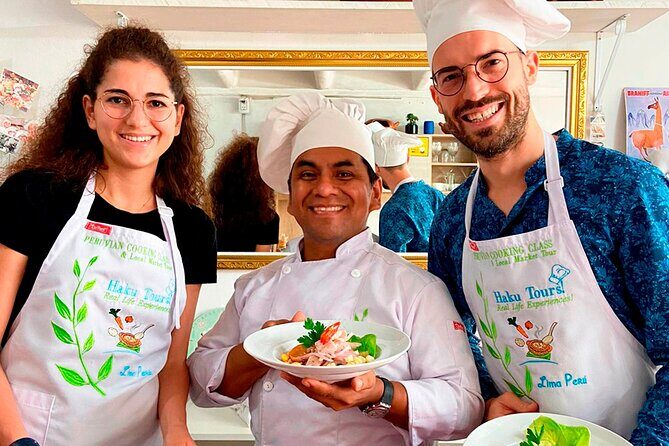
- Hands-on from the first minute: you’re making the pisco sour and then moving straight to ceviche prep.
- Technique-focused: you learn how to balance the drink for the right foam, then how to “cook” fish with leche de tigre.
- Small group max 14: easier to ask questions and get help while you work.
- Professional chef + guide: you get both kitchen skills and the story behind the national cocktail.
- Real meal at the end: you sit down for the food and cocktail you helped make.
Lima Miraflores starts at the kitchen, not your hotel
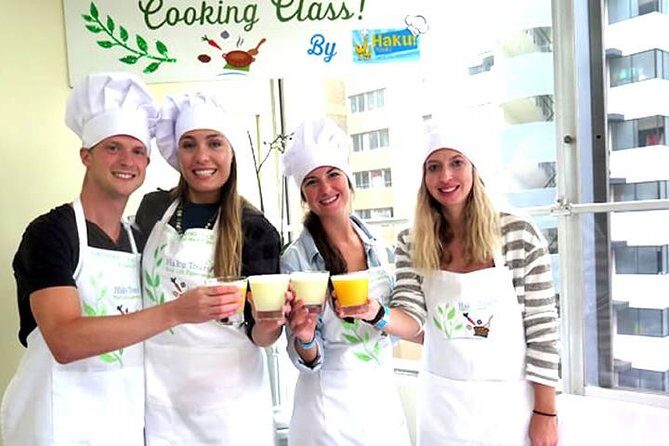
This experience is set in Miraflores at Av. José Larco 724. You’ll meet there and finish back at the same spot, which makes planning simple if you’re staying in the Miraflores area (or anywhere you can reach by public transportation). The class is about 2 hours, and you can choose an afternoon or evening slot.
The vibe is practical. You’ll be in an equipped kitchen with a professional chef and a guide. Reviews also point to a rooftop-style setting in Miraflores, which matters more than you’d think: when the space feels comfortable, you focus on learning instead of being distracted by cramped room logistics.
Because there’s no pickup, do yourself a favor and build a little buffer into your travel time. Lima can be busy, and you don’t want to rush into a drink-making class where timing and accuracy matter. Comfortable shoes help too, since you’ll be standing and moving between prep and tasting.
Other Peruvian cooking classes in Lima


Pisco Sour: balancing lime, Pisco, and bitters for the foam
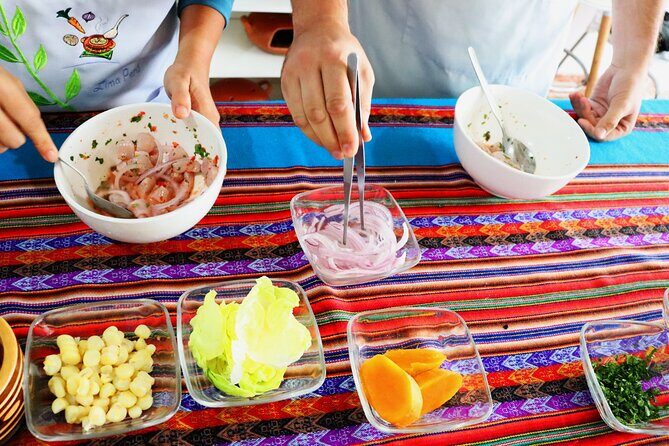
The class kicks off with Peru’s signature cocktail: the pisco sour. What makes this part feel different is that it’s taught as a skill, not a gimmick. You learn how the ingredients work together—especially the balance of Pisco, lime, and bitters—and how that balance leads to the right foam.
You’ll also hear the story behind the drink. That’s not trivia for trivia’s sake; it gives you context while you’re working. When you understand why the drink tastes the way it does, you remember the method better. You’re not just copying steps—you’re learning what to adjust if your version tastes too sharp, too flat, or not foamy enough.
A nice detail: the group energy stays active during this first phase. You’re not waiting around with a glass in your hand. You’re in the mixing flow, and you can expect staff to stay on you just enough to keep quality high. One review even credits the host’s English and pisco-sour know-how, which helps a lot if your Spanish is still in progress.
Ceviche with leche de tigre: learning the real “cooking” move
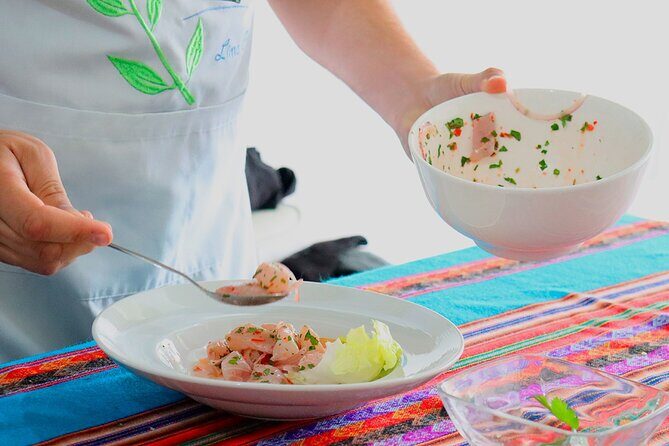
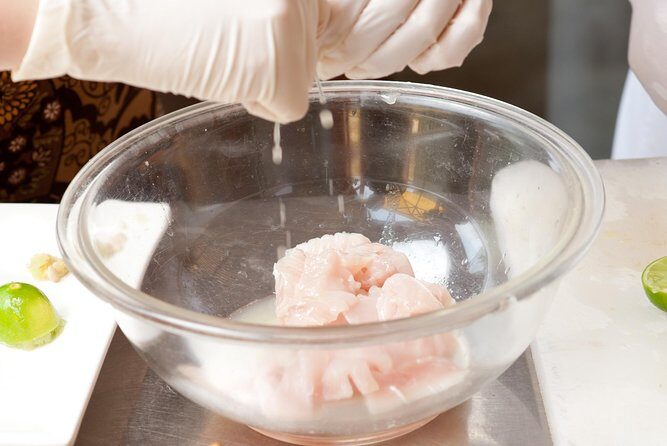
After the cocktail, you transition into ceviche. The big idea you’ll practice is the Peruvian technique of “cooking” fresh fish in leche de tigre. That sounds poetic, but in class it’s practical: acid and seasoning do the transformation, and timing is part of the craft.
The chef’s goal is harmony. You’ll work on getting the right match between spice and acidity—so it tastes bright without being harsh, and spicy without overpowering the fish. This is the part where hands-on learning pays off. You can read about ceviche at home and still miss the point, because your knife skills, your portion sizes, and your tasting judgment all influence the final balance.
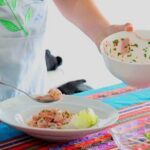
You’ll also avoid the common cooking-class trap of watching most of the time. The structure here is meant for people who want to be active: you’ll cut and prepare, then use the taught method to finish your ceviche. At the end, you eat what you made (and yes, it’s designed to pair well with your own pisco sour).
If you’re coming in nervous—maybe it’s your first time making ceviche—good news. The instruction style is described as clear and supportive, with chefs guiding the work and answering questions while you’re in the process. Some names that show up in feedback include Chef Fernando and guide Caesar, Geo and Joseph, Chef Ruth, Chef David with Junior, and instructors like Gabriela and Karina. The common thread across names is the same: active teaching, not passive watching.
The food you learn plus the meal you eat
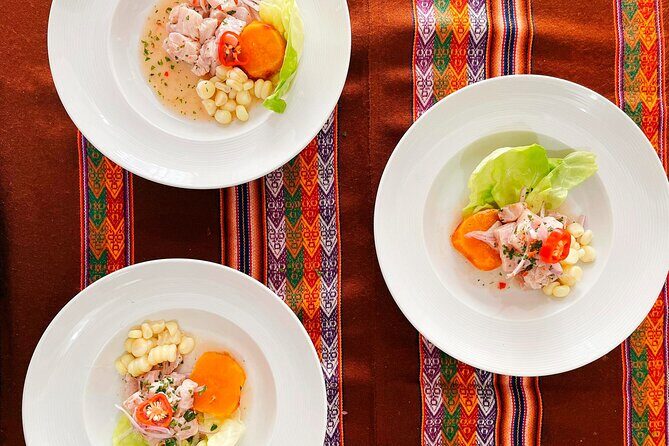
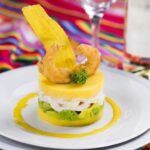
This class is built around a simple promise: you’ll make Peru’s two iconic items and then enjoy them as a meal in Lima. The “included” list is straightforward—professional chef, small group, guide, all ingredients, and an implemented, equipped kitchen—so you’re not constantly worrying about missing items.
You do have to plan for one thing: alcoholic beverages are not included and are sold separately. The class centers on the pisco sour, but any extra alcohol or additional drinks you want beyond what’s part of the session would be on you. Soda/pop is also for sale.
For many people, that tradeoff is fine because the value comes from the instruction and the fact that you’ll sit down after cooking. You’re paying for time with a chef and technique you can repeat, not for a free open bar. Still, if you’re traveling with a group where some people don’t drink alcohol, plan accordingly. The minimum drinking age is 18, so bring ID if you’re close to that.
Vegetarian option: yes, but tell them ahead
One of the best practical notes here is that a vegetarian option is available. You’ll want to advise at booking so the kitchen can plan the ingredients and workflow.
What you can’t do is assume the vegetarian version will be a simple ingredient swap. In a class focused on technique—especially ceviche with leche de tigre—substitutions often require different timing and seasoning balance. The class already uses guided precision, so it makes sense that the vegetarian option would be handled deliberately rather than last-minute.
If vegetarian food is important to you, this is one of the clearer culinary classes to choose in Lima because they explicitly offer it.
Other ceviche and pisco sour experiences in Lima



A small group that actually lets you talk
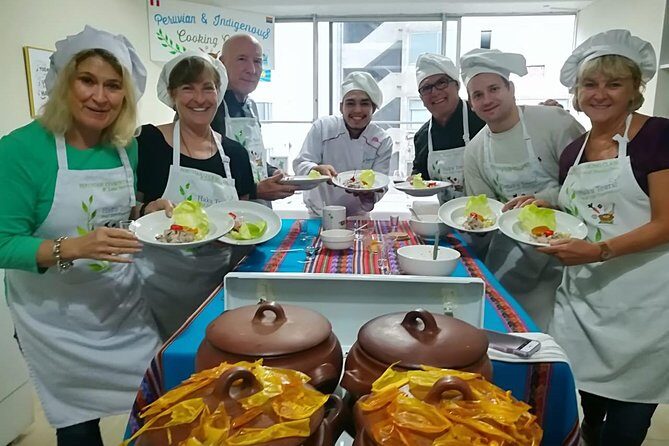
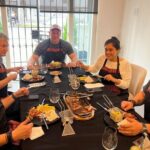
With a maximum of 14 people, the class avoids the chaotic “kitchen assembly line” feel. You can ask questions while you work, and the chef and guide can keep track of who needs help.
This matters because pisco sour and ceviche both reward attention to small details. Foamy texture depends on method and balance, and ceviche timing depends on how you’re prepping and seasoning. In a large group, you lose that feedback loop. Here, you get more of it.
Socially, it’s also a good group mix. Multiple reviews mention meeting fellow visitors, chatting during the process, and sharing stories at the end when you sit down to eat. Even if you’re solo, you won’t feel like you’re stuck talking only to strangers at a table. People tend to stay engaged because they’re working on the same tasks together.
Practical value: why $42 for 2 hours can make sense
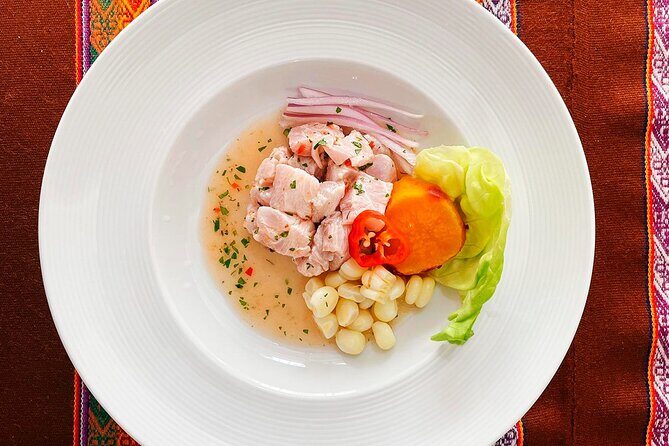
At $42 per person for about 2 hours, this class isn’t cheap in the way a street-food snack is cheap. It’s more like paying for a private-ish kitchen lesson with ingredients handled for you.
Here’s the value logic that clicks for most people:
- You’re learning two skills in one session: pisco sour technique and ceviche technique.
- You’re not doing it with a random grocery-list experiment. You’re using a professional chef’s approach in an equipped kitchen.
- You get a finished meal, so you’re not paying only for instruction time.
Also, the class is booked on a typical advance timeline (around 7 days), which often means it’s actively scheduled and doesn’t feel like a half-empty “maybe it happens” experience. If you like structured learning but hate stodgy demonstrations, this hits the sweet spot.
One extra bonus: at least one participant mentions receiving a recipe book (in that case, a 14-page handout). It’s not listed in the official included items, so don’t count on it blindly—but it’s smart to ask when you confirm. Even if you don’t get a full booklet, the takeaway is the method: once you know how balance and timing work, you can recreate the flavors at home with local ingredients.
What to wear, bring, and expect during the session
Wear comfortable clothes and shoes. You’ll be standing and working at prep stations, and you don’t want restrictive footwear. That’s not just comfort advice; it affects how well you can concentrate while chopping, mixing, and tasting.
In terms of alcohol, remember the session’s focus is the pisco sour, but any additional drinks beyond what’s covered are for sale. If you plan to skip alcohol, you can still participate fully as long as you meet the minimum drinking age requirement rules.
Language-wise, you can expect English support based on feedback, but your best move is to keep questions ready. If you want to know what makes your ceviche taste right, ask. Chefs can give quick fixes that save you time later at home.
Should you book the ceviche and pisco sour class?
Book it if you want a Lima activity with real kitchen action, not a long show. This is especially good for couples on a date night, friends who want a shared project, and solo travelers who like meeting people without awkward icebreakers.
Skip it or think twice if you hate standing for 2 hours or you strongly prefer activities with hotel pickup. The start point is central but you’ll need to get yourself there.
If your goal is to leave with a repeatable method—how to balance a pisco sour for foam and how to get ceviche right using leche de tigre—this class is built for that outcome.
FAQ
How long is the class?
It lasts about 2 hours.
Where is the meeting point?
You meet at Av. José Larco 724, Miraflores 15074, Peru, and the experience ends back at the meeting point.
What time does the evening class start?
The start time listed is 7:00 pm (and there’s also an afternoon class option).
Is there a vegetarian option?
Yes. If you need a vegetarian option, you should advise at the time of booking.
What’s included in the price?
The price includes a professional chef, a small group, a professional guide, all ingredients for the Peruvian dishes, and an implemented and equipped kitchen.
Is the alcohol included?
Alcoholic beverages are not included and are available for sale. Soda/pop is also for sale, and the minimum drinking age is 18.
What’s the cancellation policy?
You can cancel for free up to 24 hours in advance for a full refund. If you cancel less than 24 hours before the experience starts, the amount paid is not refunded.