REVIEW · LIMA
Cook The Most Popular Peruvian Dishes!
Book on Viator →Operated by HAKU TOURS · Bookable on Viator
Your dinner plan starts in a real kitchen. In Lima’s Miraflores, you’ll cook classic Peruvian dishes with a chef and guide, then taste what you make, plus get time for photos and video.
I love the hands-on pace and the small-team feel, where you’re not just watching. I also love that the class is built around recipes you can make at home, not vague inspiration.
One thing to consider: it’s in a high-rise on the 9th floor, so plan for elevators and your arrival timing.
In This Review
- The Big Picture: Why This Lima Class Works
- Key Points You’ll Appreciate Before You Go
- Meeting at Haku’s Kitchen in Miraflores (724 Jose Larco Ave)
- The 3-Hour Class Flow: What Happens in Each Block
- Hands-On Cooking: Lomo Saltado and Causa Without the Guesswork
- Lomo Saltado
- Causa
- What you’ll gain for home cooking
- The Culture Part: Why Product Explanations and Local Ingredients Matter
- Chicha Morada at the End: A Proper Lima Finish
- Photos, Video, and the Kitchen Setup That Helps You Learn
- Price and Value: Why $45 Can Make Sense in Lima
- What’s not included
- Who This Cooking Class Is Best For
- Small Tips That Make the Experience Smoother
- Should You Book This Peruvian Cooking Class?
- FAQ
- What is the meeting point for the cooking class?
- What start times are available?
- How long is the experience?
- How big is the group?
- What’s included in the price?
- Are drinks included?
- Do I get recipes to cook at home?
The Big Picture: Why This Lima Class Works
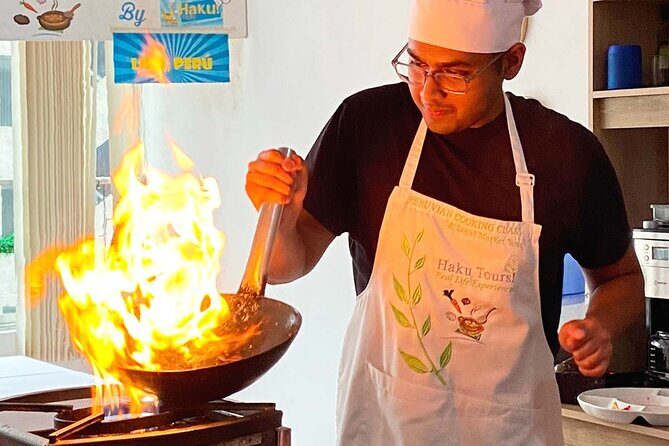
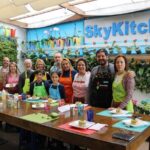
This isn’t a giant group “demo.” It’s a working kitchen class where you learn step-by-step while you’re actually cooking. The format makes it easier to ask questions, correct small mistakes early, and get confident enough to repeat the dishes later.
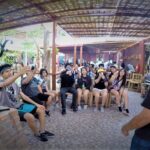
And yes, it’s fun. You’ll be cooking alongside other people, with a guide keeping things moving and explaining what matters. Several sessions also mention lively music and a high-energy vibe, which helps when you’re standing at the counter for a full stretch.
The location in Miraflores is also practical. You’re not crossing town to reach some remote place. If you’re already doing sightseeing in Miraflores, this fits well as a half-day plan.
Key Points You’ll Appreciate Before You Go
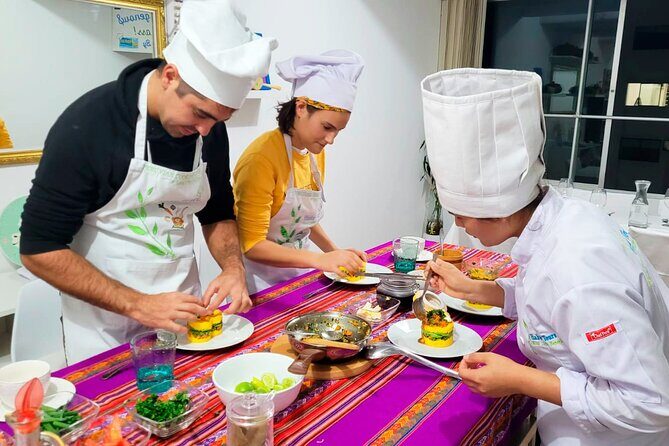
- Hands-on coaching: You’re guided while you cook, not just handed a tasting fork.
- Small-group attention: A max of 8 for personalized involvement, with a listed overall limit higher than that.
- Take-home recipes: You’re meant to recreate Peruvian dishes back home.
- Lots of tasting: You’ll eat what you make plus additional local ingredients.
- Photo and video time: The experience is set up for memorable visuals.
- Classic Peru on the menu: Many classes focus on lomo saltado and causa.
Other Peruvian cooking classes in Lima

Meeting at Haku’s Kitchen in Miraflores (724 Jose Larco Ave)
You meet at Av. José Larco 724, Miraflores. There are start times at 9:30 AM, 3:00 PM, or 7:00 PM, and the activity ends back at the meeting point.
This matters because Miraflores is an easy base for visitors. If you’re staying nearby, you can show up without building a whole logistics day around the class. Also, the meeting point is near public transportation, which helps if you’re not renting a car.
The one “heads up” is the 9th floor. The class happens at Haku’s Kitchen (9th floor). One review flagged this as a surprise because the tickets often don’t highlight the high-rise location. So when you’re going, give yourself a little extra time to find the right building and move up comfortably.
The 3-Hour Class Flow: What Happens in Each Block
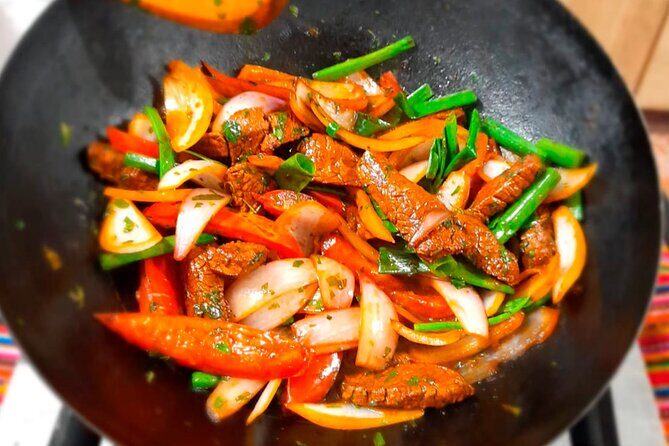
The class runs about 3 hours. Even if your specific dishes vary slightly by session, the structure is consistent:
1) Arrival and quick gastronomy induction (about 10 minutes)
You get a short setup on Peruvian gastronomy—enough to understand what you’re about to cook and why ingredients behave the way they do.
2) Traditional flavors and product explanation (about 10 minutes)
This is where you learn what the ingredients are supposed to do. Think: what gives depth, what brings balance, and what makes a dish taste like itself. It’s not just a “this is tasty” moment.
3) Chef + guide coaching during cooking (about 2 hours)
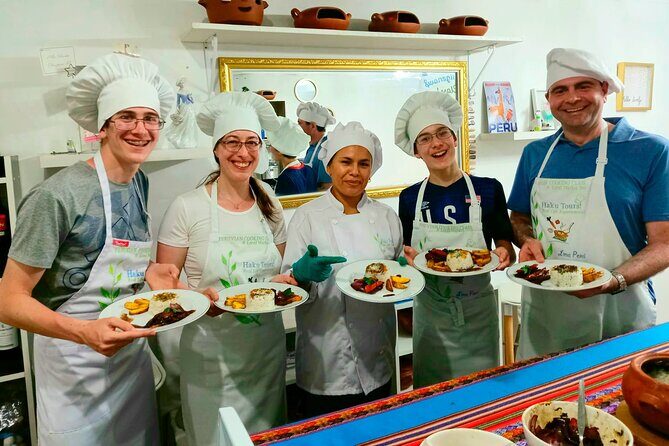
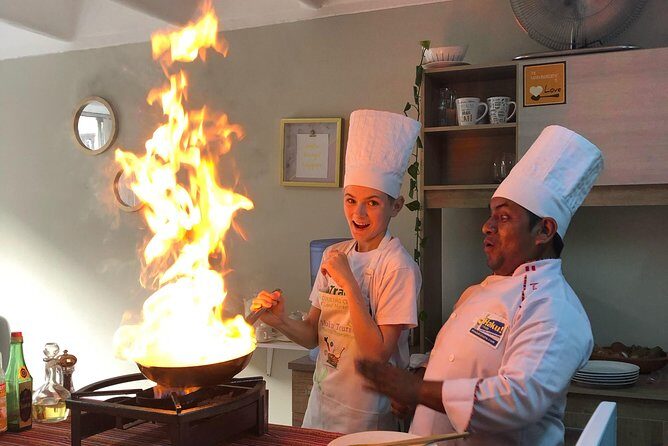
This is the main event. You’ll be actively cooking with a professional chef and a guide. Many participants specifically mention learning lomo saltado and causa, with step-by-step help for techniques and timing.
You’ll also see how the team keeps things moving, often pairing a chef’s instruction with a guide’s translation when language comes into play. Reviews mention sessions where the chef taught mainly in Spanish while the guide translated to English.
4) Plates and local ingredients tasting (about 40 minutes)
After cooking, you eat. You don’t just taste a tiny sample—you get plates and local ingredients to try, which helps you connect the flavor explanation to the final results.
5) Last briefing + chicha morada tasting (about 10 minutes)
The session ends with a final wrap-up and a taste of chicha morada, a Peruvian drink made from purple corn. It’s a good finish because it’s a different flavor lane than the savory dishes you cooked.
Hands-On Cooking: Lomo Saltado and Causa Without the Guesswork
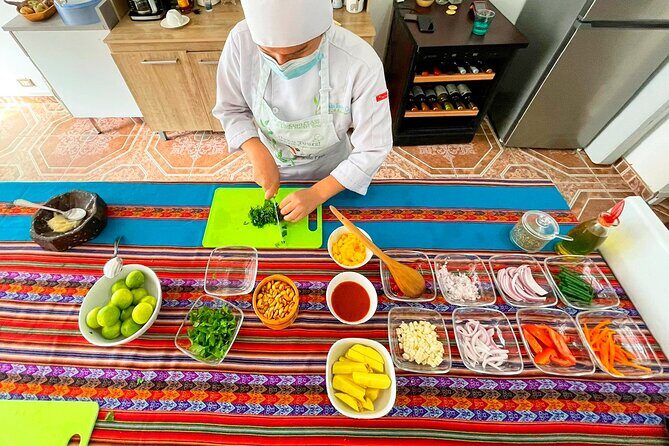
If you’re trying to pick one Lima “do” besides museums, this is a strong choice because you leave with practical skills. A lot of the praise centers on that: you learn techniques you can actually repeat, not just eat a meal.
Lomo Saltado
From the reviews, lomo saltado shows up again and again. It’s a dish where timing and heat control matter. In a hands-on format like this, you’re more likely to understand what changes when the pan is too hot (or not hot enough) and how the components should come together.





Causa
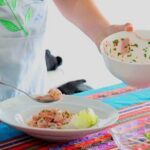
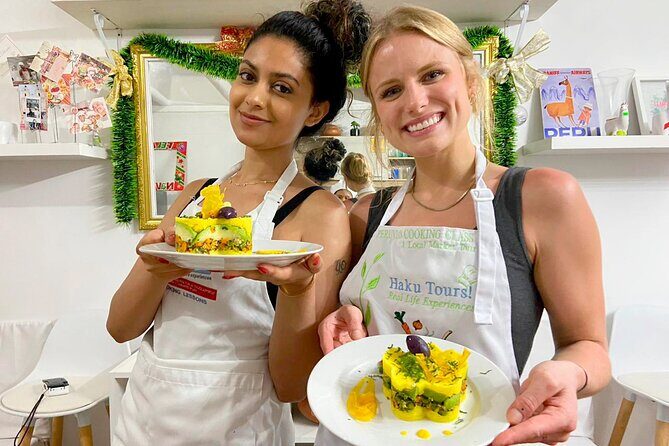
Causa is the other star in many sessions. It’s also a dish where technique matters, especially for texture and layering. When you’re cooking it yourself, you’ll pick up how to handle the ingredients and how the final shape should look and taste.
What you’ll gain for home cooking
Even without getting every single “restaurant secret,” the class is built around repeatable steps. The take-home recipe element plus watching a chef guide you makes it easier to recreate the dishes later. Several people also mention leaving with leftovers or making enough that dinner feels handled when they get back.
The Culture Part: Why Product Explanations and Local Ingredients Matter
Peruvian food isn’t one style. It’s a set of flavors shaped by coast, Andes ingredients, and smart ways of balancing acidity, starch, and spice.
That’s why the product explanation segment is more than filler. When you learn what’s going into the dish and what each ingredient is meant to do, your cooking improves fast. Instead of copying exact flavors, you understand the logic behind the seasoning and texture.
The tastings also help. Reviews specifically mention fruit and potatoes from Peru, including varieties people hadn’t seen at home. That’s useful because it changes your expectations for what “potato” and “fruit” can mean in Peruvian cuisine.
Chicha Morada at the End: A Proper Lima Finish
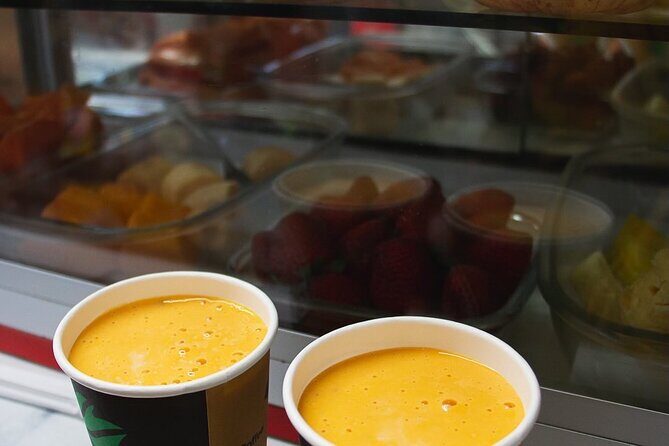
Chicha morada is a great “closing flavor,” and it’s included as a tasting at the end of the activity. After a savory cooking block and a meal, a sweet-tang drink gives your palate a reset.
It also gives you a simple takeaway for friends back home. If you’ve been waiting for one Peruvian thing that’s not just a main dish, this is it.
Photos, Video, and the Kitchen Setup That Helps You Learn
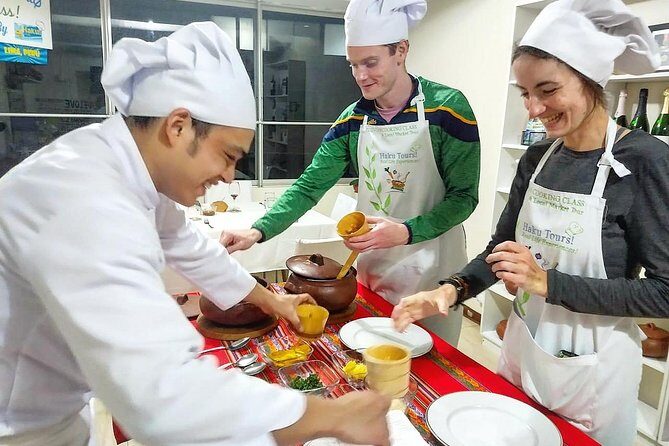
I like classes where you can document your progress without feeling rushed. This one explicitly includes the chance to shoot unique photos and video, and the kitchen experience is designed to support that.
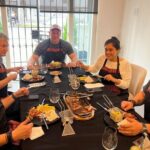
A few reviews also mention a beautifully set table for eating after cooking. That sounds small, but it changes the mood. You’re not eating standing up in a back corner. You cook, you eat, you learn—then you leave with something more than just a full stomach.
Some sessions are also described as having lively commentary and music. That’s not just entertainment. A fun atmosphere often means fewer nerves, which helps you focus while the chef explains technique.
Price and Value: Why $45 Can Make Sense in Lima
At $45 per person for about 3 hours, you’re not just buying ingredients. You’re paying for:
- a professional chef
- a professional guide
- snacks
- all fees and taxes
- plates and local ingredients tasting
- a structured course flow that includes a final drink tasting (chicha morada)
Is it the cheapest activity in Miraflores? Maybe not. But it’s also not the kind of “ticket + brief info” you forget in a week. For this price, you’re getting real cooking instruction plus food you help create. That makes it feel more like a meal experience with skills attached.
What’s not included
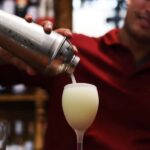
Alcoholic beverages are for sale, and soda/pop is for sale. So if pisco sours are part of what you want, treat it as something to check on day-of. Reviews mention pisco sours in some sessions, but the only safe statement from the provided info is that alcohol isn’t included automatically.
Who This Cooking Class Is Best For
This is a solid fit if you want something active in Lima that doesn’t require long travel.
- Couples: It’s an easy date format. You cook together, then sit down for the meal.
- Families: Reviews include adults cooking with kids (including a 9-year-old). The hands-on pace can work well when someone in the group enjoys participating.
- Solo travelers: You’re in a small group, which usually makes it easier to meet people and ask questions.
- Beginners: Multiple reviews mention doing fine as a novice. The step-by-step guidance is the point.
One more perk: language flexibility. Reviews mention that some chefs teach in Spanish, but the guide can translate so English speakers still follow the steps. Some sessions also ask what language you prefer.
Small Tips That Make the Experience Smoother
- Arrive a few minutes early so you’re not rushing up to the 9th floor.
- Come with a decent hunger level. The class feeds you in courses, but you’ll be cooking for a while.
- Ask about the dish list when you arrive if you’re specifically hoping for lomo saltado, causa, or drink steps like pisco-related moments.
- Plan for photos: the class encourages video and photos, so bring your phone with battery and enough storage.
- Expect teamwork: reviews mention collaborative prep in some sessions, where not everyone does every single step alone.
Should You Book This Peruvian Cooking Class?
I’d book it if you want a Lima activity that’s hands-on, social, and useful after you go home. The strongest selling points are the small-group involvement, the chef + guide coaching, and the fact you leave with recipes you can recreate.
Skip it only if you strongly prefer passive sightseeing. This is a kitchen class. You’re standing, chopping, mixing, and learning by doing. If that sounds like fun, it’s one of the best “practical Peru” experiences you can fit into a visit.
If you’re staying in Miraflores, it’s also the kind of plan that doesn’t steal your whole day.
FAQ
What is the meeting point for the cooking class?
You meet at Av. José Larco 724, Miraflores 15074, Peru.
What start times are available?
The class starts at approximately 9:30 AM, 3:00 PM, or 7:00 PM.
How long is the experience?
The cooking class is about 3 hours (approx.).
How big is the group?
The overview highlights personalized attention with a maximum of 8 people, and the additional info lists a maximum of 14 travelers for the activity.
What’s included in the price?
Included are a professional chef, a professional guide, snacks, and all fees and taxes. You also get plates and local ingredients tasting, plus chicha morada tasting.
Are drinks included?
Alcoholic beverages and soda/pop are not included, but alcoholic beverages are for sale and soda/pop is for sale.
Do I get recipes to cook at home?
Yes. The experience includes recipes you can make at home.