REVIEW · LIMA
Bean-to-Bar Chocolate Workshop in ChocoMuseo Lima Miraflores
Book on Viator →Operated by ChocoMuseo SAC · Bookable on Viator
Cacao gets hands-on fast in Miraflores. At ChocoMuseo, you work through the key chocolate steps—roasting cacao nibs, grinding, and mixing with a melangeur—then finish by tasting cacao drinks and leaving with 130g of your own handmade chocolate. I really like the feel of making real chocolate from scratch steps, not just watching. One consideration: the final bars are assembled in the workshop with added ingredients, so it is not a fully hands-off science experiment from raw bean to boxed candy.
I also like that the class stays small (max 10), so you get time to ask questions. Guides you may run into include Diana, Dani, Manuel, Robert, and Natalia, and participants note they keep the experience clear and fun. The workshop is family-friendly and works for different skill levels.
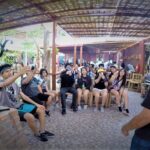
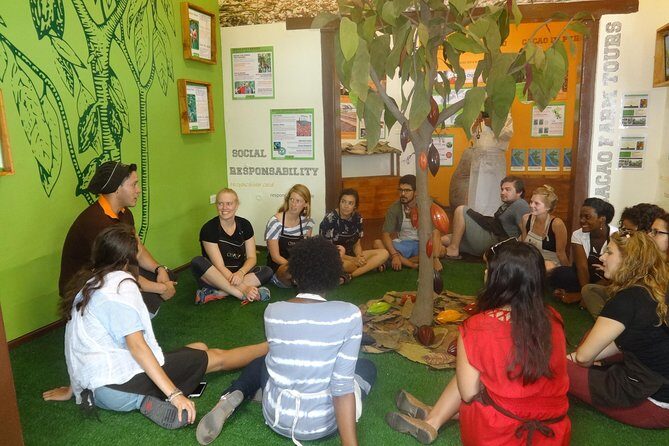
One more practical heads-up: it happens in a market-style setup outdoors under a roof, so plan for the air and the noise level.
In This Review
- Key things to know before you go
- ChocoMuseo in Miraflores: what the setting is really like
- The 2-hour workshop: how your chocolate gets made
- Roasting cacao nibs
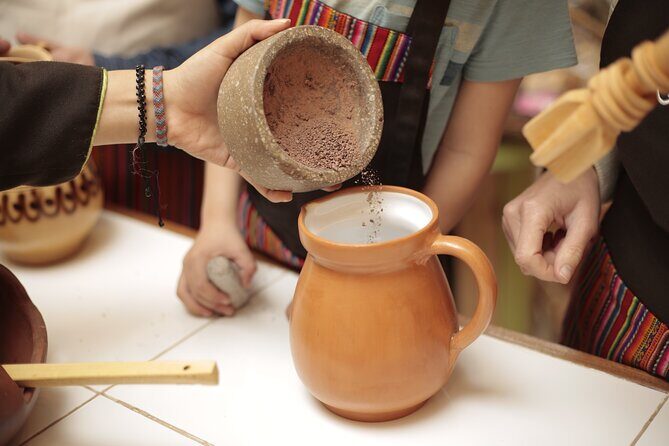
- Grinding and making cocoa powder
- Mixing with the melangeur
- Forming and finishing
- Tastings and ingredient choices: more than one flavor path
- What you take home: 130g of handmade chocolate
- Guides and group size: why it feels personal
- Price and value: does $33.79 make sense?
- Who this is best for (and who should think twice)
- You’ll love it if…
- Consider skipping if…
- Logistics you should plan for
- Should you book the ChocoMuseo bean-to-bar workshop?
- FAQ
- How long is the bean-to-bar chocolate workshop at ChocoMuseo?
- What’s included in the $33.79 price?
- Where is the meeting point, and does it end nearby?
- Can I leave with my chocolate right after the class?
- Is it family-friendly?
- What is the cancellation rule?
Key things to know before you go
- Roast, grind, and mix cacao using a melangeur, not just flavoring melted chocolate
- Tasting is part of the class, including chocolate drinks and cacao-based options
- You leave with 130g of handmade chocolate you made and choose ingredient add-ins
- Small group size (10 max) means questions and pacing usually feel human
- It is a market setting (outdoor feel under a roof), so dress for real Lima weather
- Inka Plaza location makes it easy to combine with quick souvenir shopping nearby
ChocoMuseo in Miraflores: what the setting is really like
ChocoMuseo sits inside Inka Plaza, in Miraflores (Av. Petit Thouars 5330). The meeting point is right there inside the plaza, so you are not hunting across the city for a hidden side street.
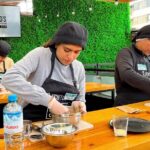
The biggest thing about the location is the vibe. One participant called out that the workshop takes place outside, under a roof with no windows. Translation: you get that open-air feel, plus ambient market noise. If you are sensitive to sound or you run cold, bring a light layer. If you come expecting a quiet, museum-style room, you might feel a bit surprised. Several people even noted that it feels more like a workshop space in a market than a traditional museum.
Good news: the upside of a market location is that you can turn the class into a half-day of easy exploration. You can also grab souvenirs in the same general area without adding extra transit.
Other Miraflores tours we've reviewed in Lima

The 2-hour workshop: how your chocolate gets made
This experience is set for about 2 hours, and the workshop ticket includes admission. You will do the class at ChocoMuseo, and the structure is built around learning the steps while you also get hands-on.
Here is what the process looks like in the real flow of the class:
Roasting cacao nibs
You start with the cacao stages. The workshop walks you through roasting cacao nibs, which matters because it is the step that helps develop that deeper chocolate aroma. Even if you do not care about the science, it is a memorable moment because you can practically smell the change as the cacao heats up.
Grinding and making cocoa powder
Next comes grinding the nibs. This part helps you understand why chocolate has texture and flavor beyond sweetness. Grinding is where you go from cocoa chunks to a usable base that can be mixed into drinks and chocolate.
Mixing with the melangeur
Then you get to learn how a melangeur is used. This is one of the most “real maker” moments in the class, because you see chocolate being worked into a smoother, more consistent mixture. People tend to remember this part because it feels like equipment you see in true chocolate-making setups.
Other Peruvian cooking classes in Lima

Forming and finishing
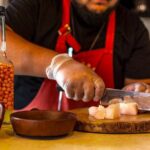
Finally, you create and finish your own chocolate. You will get to make small pieces or bars in the workshop and personalize them using ingredient choices.
One fair note: a few participants mentioned that the last bar-making may use chocolate that is already prepared or melted in the room, with you adding your chosen ingredients. That is still a hands-on process, but it is not the strict version where you start from raw cacao fruit and end with finished chocolate entirely through workshop steps.
Tastings and ingredient choices: more than one flavor path
A big reason this class gets such high marks is that it does not stop at the making station. You also get chocolate drinks tasting as part of the session.
From the descriptions, you can expect that the class includes cacao-based drinks and tastings as you move through the process. One person specifically mentioned trying different cacao drinks and hot chocolate options, plus tastings that go from stronger chocolate down to milkier options. Another said they even tasted the fruit/pulp of the cacao plant, along with teas made from shells.
You also get to choose your ingredients for what you make. That is part of the fun because you are not only producing chocolate; you are creating a version that fits your taste. Some classes like this let you pick add-ins such as flavors or mix-ins, and you walk out holding something that feels like a souvenir you actually made, not just bought.
If you love food education, this is the sweet spot: you get enough background to sound like you know what you are talking about, without turning the whole thing into a lecture.
What you take home: 130g of handmade chocolate
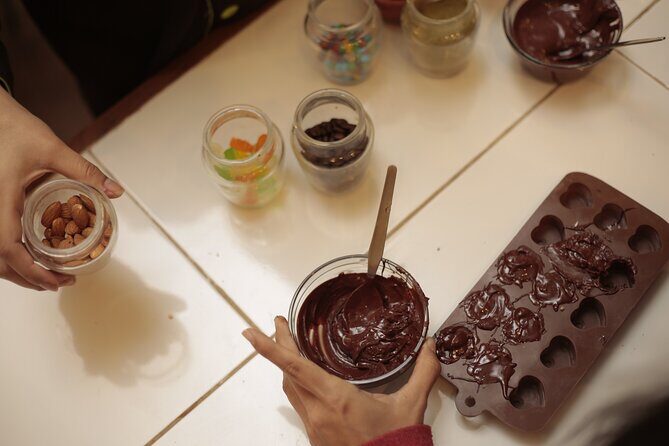
Here’s the practical payoff: your ticket includes 130g of your own handmade chocolates. That amount is a real take-home, not a tiny sample.
You also have a timing window. The experience notes that you will be able to leave with your chocolates around 45 minutes after the end of the workshop. In other words, you may finish the class, then hang around briefly while your chocolates are ready to go.
This is a detail worth planning around. If you book a tight schedule right after, give yourself some buffer. On the plus side, it is also a good moment to walk a bit around Inka Plaza, snack, or browse nearby stalls.
Guides and group size: why it feels personal
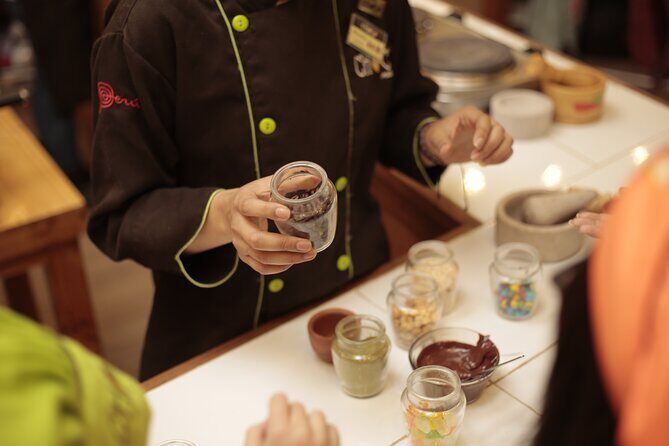
This class caps at 10 travelers. That small size changes the whole vibe. Instead of watching a host perform at you, you get chances to ask questions, especially when you are learning hands-on techniques like roasting and grinding.
Participants also consistently mention instructors by name, including Diana, Dani, and Manuel (plus Robert and Natalia in other mentions). What stands out from the feedback is not just friendliness; it is clarity. People highlight that the guides can explain the process in a way that works for mixed ages—kids, adults, solo travelers, and couples.
If you go as a solo traveler, this is one of those activities where you are naturally part of the same group. You are not seated in a theater. You are working in stations and making something together, which makes conversation easier.
Price and value: does $33.79 make sense?
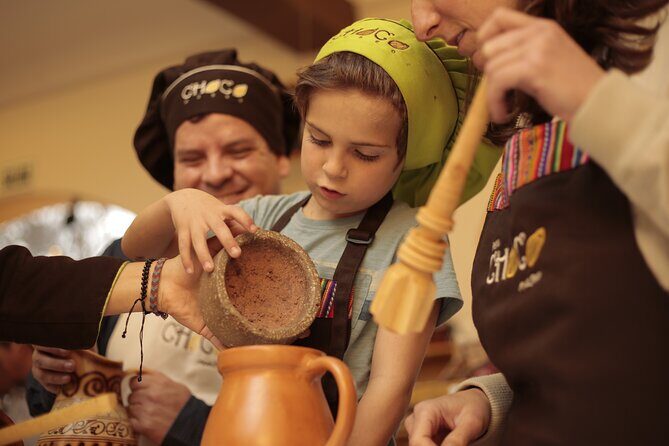
The price is $33.79 per person, and the workshop runs about 2 hours. On paper, that sounds like “just chocolate.” In practice, the value comes from what is included:
- Admission ticket included
- Chocolate drinks tasting
- All materials to make your own chocolates
- 130g of handmade chocolates to take home
You are paying for ingredients, equipment use (including the melangeur setup), and guided instruction that covers multiple steps, not a single-flavor demo. Also, you are leaving with something edible and tangible.
The one missing piece is transportation. You are responsible for getting there. Since it is in Miraflores and near public transport, it is not usually a headache, but still plan it as “you handle transit.”
When I look at value like this, I treat it as a food activity plus an edible souvenir. If you want a classic walking tour, this is different. If you want something active, tasty, and memorable, the price feels reasonable for what you get.
Who this is best for (and who should think twice)
This workshop is built to fit a wide range of people.
You’ll love it if…
- You want a hands-on food experience in Lima
- You like learning where ingredients come from (cacao to chocolate)
- You are traveling with family. It is family-friendly and works across ages
- You want a fun solo activity where meeting others feels natural
- You enjoy tasting. The tasting portion is not an afterthought
Consider skipping if…
- You want a fully indoor, quiet museum-like space. The setup is outdoor-feeling under a roof.
- You expect a super strict bean-to-bar process from raw cacao fruit through every single step with no prep. The process is real, but the final bar setup may be more workshop-assembled than raw-fruit-to-finished-candy at every moment.
- You dislike waiting briefly. You may need around 45 minutes after class ends to leave with your chocolates.
Logistics you should plan for
Here are the practical bits that help your day go smoothly:
- Meet/return: The activity starts and ends back at the meeting point at ChocoMuseo inside Inka Plaza.
- Duration: About 2 hours.
- Timing for chocolate pickup: around 45 minutes after the end of the workshop.
- Group size: up to 10 travelers.
- Location feel: outdoor/market-style under a roof, with no windows.
- Getting there: near public transportation.
- Animals: service animals are allowed.
One small administrative note: there is at least one mention of a missing emailed certificate for a participant. If certificates matter to you, you might ask the staff on arrival what to expect for any paperwork.
Should you book the ChocoMuseo bean-to-bar workshop?
If your goal is a memorable Lima food experience that you can actually take home, I’d book it. The combination of hands-on chocolate steps, a real take-home portion (130g), and cacao drink tastings makes this feel worth the time and money. The small group size helps it stay friendly and interactive, not rushed.
I’d choose this especially if you are squeezing in an extra activity in Miraflores and you want something that is both educational and delicious. If you are traveling with kids or you want an activity that works for different ages, this fits well.
If you hate outdoor market noise or you need strict indoor calm, then it is worth adjusting expectations based on the open-air setup under a roof.
FAQ
How long is the bean-to-bar chocolate workshop at ChocoMuseo?
It runs for about 2 hours.
What’s included in the $33.79 price?
The price includes admission, chocolate drinks tasting, all materials to make your chocolates, and 130g of handmade chocolate to take home.
Where is the meeting point, and does it end nearby?
The class starts at ChocoMuseo inside Inka Plaza, Av. Petit Thouars 5330, Miraflores 15074. It ends back at the same meeting point.
Can I leave with my chocolate right after the class?
You can leave with your chocolates around 45 minutes after the workshop ends.
Is it family-friendly?
Yes. It’s described as family-friendly and suitable for all ages and skill levels.
What is the cancellation rule?
You can cancel for a full refund up to 24 hours in advance. If you cancel less than 24 hours before the experience starts, the amount paid is not refunded.