REVIEW · LIMA
Food History + Local Markets Tour & Fruit Tasting
Book on Viator →Operated by HAKU TOURS · Bookable on Viator
Exotic fruit in Lima tastes like a map. You get local market street-level food and hands-on fruit tasting built around Peru’s coast, jungle, and Andes, plus real history tied to what you eat. One thing to consider: you’ll be on your feet a decent amount, so plan for some walking and standing in lively market aisles.
I like the value here because the price includes a professional guide, local snacks, private air-conditioned transport, and market admission. The schedule also starts at 2:00 pm, so come with enough appetite for a lot of tastings and a late meal plan.
In This Review
- Key things to know before you go
- Why Lima markets are the real food classroom
- Mercado N 2 de Surquillo: Surco fruit tastings and your first big choice
- Santiago de Surco market: Amazon-inspired dishes and fresh juices
- Ugarelli vineyard in Surco: wine, pisco tradition, and a gentler pace
- How much food you get in 3.5 hours (and why it matters)
- Small-group logistics in Lima: the comfort factor you feel
- Guide style: what makes this tour feel personal
- Price and value: why $52 can make sense
- What to bring (and what to expect underfoot)
- Who should book this Lima food history and markets tour
- Should you book this Lima food history and fruit tasting tour?
- FAQ
- How long is the food history + local markets tour in Lima?
- How much does the tour cost per person?
- What time does the tour start, and where does it meet?
- What is included in the price?
- What market areas and food stops are part of the tour?
- What kind of fruit and dishes will I try?
- Is there a wine or pisco tasting during the tour?
- How big is the group?
- Can you accommodate dietary restrictions?
- What cancellation timeframe is offered?
Key things to know before you go
- Exotic fruit from three regions: coast, jungle, and the Andes, sampled across the markets
- Regional comfort food on the menu: options like causa or ceviche, plus Amazon-inspired dishes like juane
- Winery stop in Surco: Ugarelli vineyard with wine tastings and pisco tradition
- Small group, max 10: easier conversation, more time for questions, and less rushing
- You’ll eat more than you think: reviewers repeatedly stress you get stuffed, so shift your dinner plans
Why Lima markets are the real food classroom
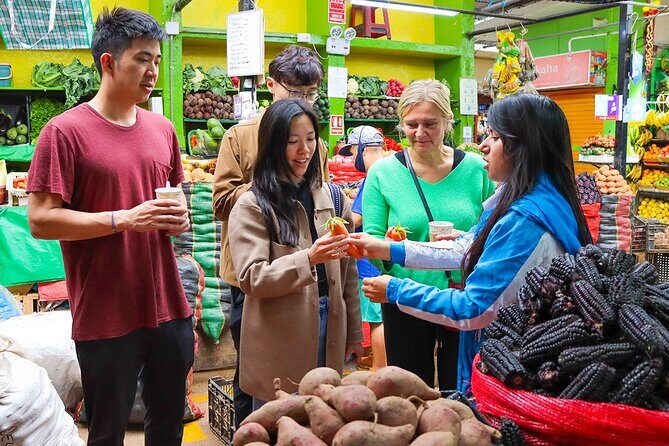
If you want Lima food without the showroom feeling, this is a strong choice. The tour is built around everyday markets where people shop and snack, not staged tasting rooms. You’ll follow your guide through narrow lanes and stalls where produce, juices, and prepared bites sit side by side.
The food story here is practical. Peru’s ingredients come from very different climates, and the flavors on your spoon or in your cup reflect that. The guide’s job is to connect the dots: where fruit grows, how a dish fits local routines, and why certain Amazon-style plates show up in Lima menus.
I also like that the tour doesn’t just say Lima is food-focused. It makes you sample it, in sequence, so you actually taste the difference between regions and cooking styles.
Other market and fruit tasting tours in Lima
Mercado N 2 de Surquillo: Surco fruit tastings and your first big choice
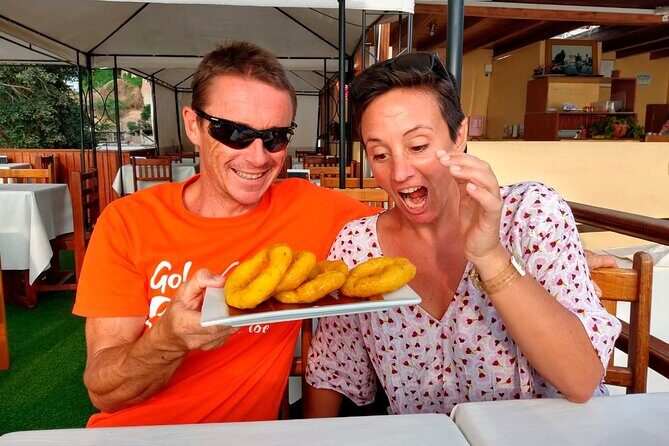
Your first tasting happens in the Mercado N 2 de Surquillo area in Surquillo. This is a “show up and start tasting” kind of start. The market has that friendly, neighbor-to-neighbor feel where you can watch people move from fruit to snack.
The star is the fruit lineup. You’ll taste different exotics that come from multiple parts of Peru, including the coast, jungle, and Andes. This matters because a lot of tourists land in Lima thinking of it as one climate. Here, you’re tasting how altitude and geography change what ends up in markets.
You’ll also have a second food choice tied to a classic Peruvian comfort-food lane:
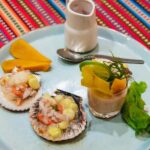
- Causa (a creamy, layered-style dish)
- Ceviche (fresh seafood with bright citrus flavors)
You should go into this first section with your taste buds awake. Even if you think you know ceviche, the market setting makes the flavors feel more immediate and less performative. And if you’re the type who loves asking why something tastes the way it does, this first stop is a good warm-up.
Time-wise, the market portion is about 45 minutes. That’s long enough to sample without feeling like you’re trapped.
Santiago de Surco market: Amazon-inspired dishes and fresh juices
Next you head to the Santiago de Surco market area. This stop is known for rainforest-style food and fresh exotic fruit juices, which is a big part of why this tour earns repeat bookings.
If the first market makes you think, this one makes you taste the connection between Peru’s regions and cooking traditions. In particular, you can try dishes rooted in Amazon flavors, prepared with ingredients described as organic and authentic.
Two standout options are:
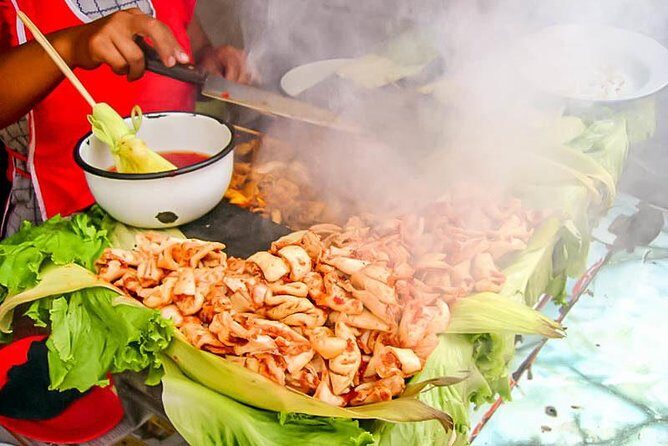
- Juane, a traditional Amazon-style dish
- Chaufa de Cecina, a take on fried rice-style comfort food using cecina (a cured meat)
What I like about this stop is the way it shifts the tour from generic “try some fruit” to a more specific food geography. You’re not just sampling. You’re learning why certain flavors pair well with certain fruits and why Lima menus borrow from the jungle pantry.
Your time here is about 40 minutes. With a small group, you’re less likely to feel rushed while you compare tastes. One practical tip: if you’re unsure what to order, listen to your guide’s choice language and then choose the dish that matches your curiosity that day, not the one that sounds safest.
Ugarelli vineyard in Surco: wine, pisco tradition, and a gentler pace
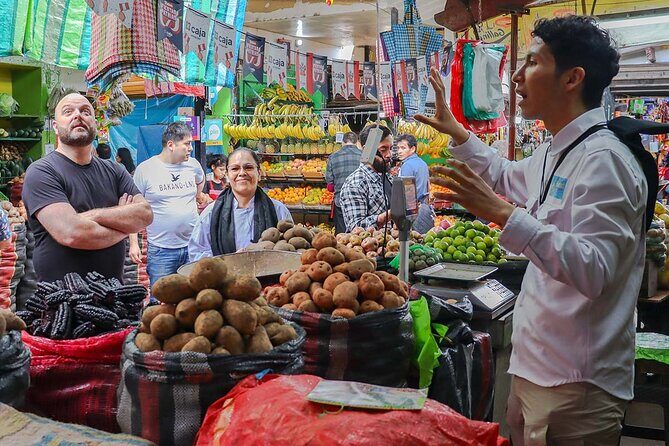
The final food-and-drink chapter is at the Ugarelli vineyard in Surco. This stop changes the feel from market noise to a more relaxed setting. It lasts about 30 minutes, and the admission is free as part of the experience.
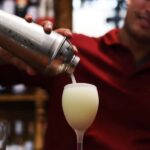
Ugarelli focuses on several wine styles, including young dry, semi-dry, and sweet wines. For many people, the most memorable part is how the tasting also points to pisco and other macerated wine traditions that are almost expected in Peruvian winemaking.
You’ll taste a variety of flavors that reflect how seriously Peru treats both grape-based drinks and local tradition. Even if you don’t consider yourself a wine person, you’ll still get value because the tasting is paired with context your guide can explain in plain language.
This stop also gives your feet a break before the tour ends back near where you started. After hours in markets, that pacing matters.
How much food you get in 3.5 hours (and why it matters)
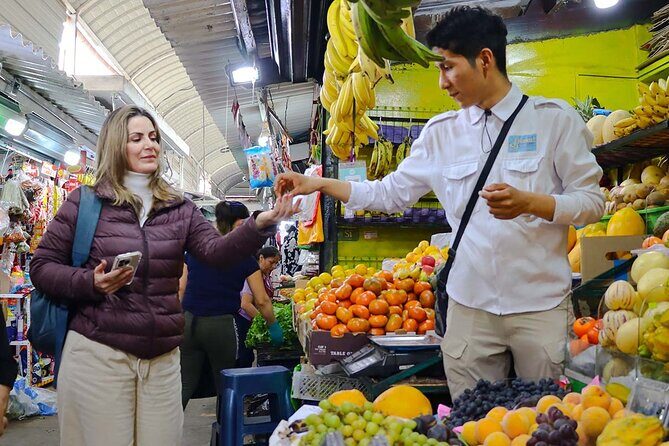
This tour is built for eating. Not just nibbling. You sample fruit and prepared bites at more than one market, then you finish with wine and pisco-style tastings at the vineyard. That means the tour works best when you plan your day around it.
The biggest practical lesson I’d give you: don’t schedule a heavy dinner right after. You may still be hungry for seconds, but the tour portion alone is designed to fill you up. Several people also noted they ended up eating more than they expected, so a light lunch or a late snack before the 2:00 pm start is the smartest move.
Pacing is also part of the value. At around 3 hours 30 minutes total, you’re not tied up all afternoon. But it’s long enough to cover two market areas plus the winery and still feel like a complete experience instead of a quick bite-and-bail.
Other food & drink experiences in Lima
Small-group logistics in Lima: the comfort factor you feel
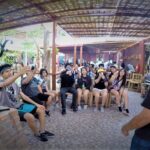
This is a small group tour with a maximum of 10 people, plus private transport in an air-conditioned vehicle. Lima can be chaotic on the street, and this setup makes a difference.
You’re not just swapping neighborhoods on your own. You’re getting door-to-door movement from your central area. That matters in Lima because travel time and traffic can eat up the energy you actually want to spend eating.
Also, when groups are small, guides can adjust. People in the group can ask questions about fruit names, how a dish is made, or how a flavor connects to Peru’s geography without the tour feeling like a lecture you can’t interrupt.
The meeting point is Av. José Larco 724, Miraflores (start at 2:00 pm), and the tour returns you back to that same area.
Guide style: what makes this tour feel personal
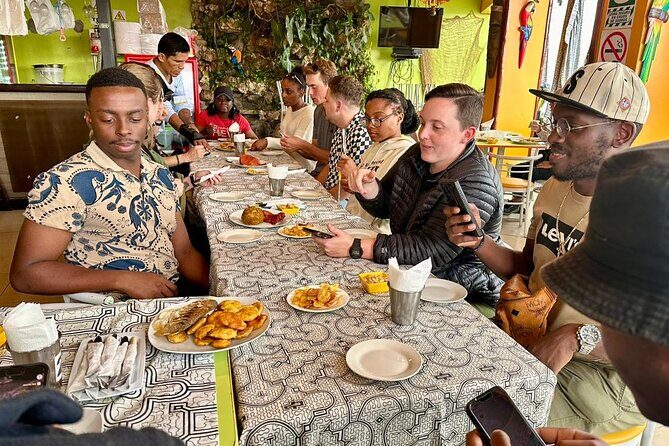
A lot of food tours succeed or fail on the guide. Here, the guide energy shows up again and again in guide names you might meet. People have praised guides like Paola, Alberto (driver), Leo, Amadeo, Junior, Cesar, and others for being energetic, friendly, and able to explain both flavors and history in a way that keeps you engaged while you eat.
So what should you look for in a good guide on this kind of tour?
- Clear explanations that connect fruit and dishes to where they come from
- Thoughtful sequencing so you taste across regions without repeat flavors
- Easygoing pacing that doesn’t make you feel like you’re being hurried through tastings
If you like learning while you eat, this format fits you. If you only want food without any talking, you might still appreciate the context, because it helps your brain remember the differences between what you tasted.
One more small thing: some guides also point out street art like murals along the route. It’s not the main draw, but it adds a Lima feel beyond food.
Price and value: why $52 can make sense
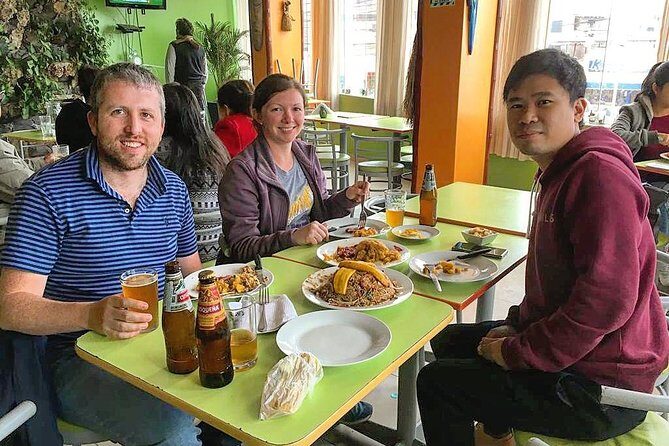
At $52 per person for about 3.5 hours, this tour compares well when you factor in what’s included. You’re paying for:
- a professional guide
- local snacks
- private transport in an air-conditioned vehicle
- small group size (max 10)
- all fees and taxes
- market admission included at the markets
- the winery experience as part of the itinerary
The “hidden” value is the efficiency. You’re not trying to find local markets, figure out what to order, or guess which vendors will be consistent. Your guide handles that. You also get to taste a range of items across different Peru regions without doing a DIY route that could easily turn into dead ends.
In short: if you want local food and fruit tastings with transport and admissions handled, this price can feel fair. If you’re the type who wants to eat at your own pace with no guidance at all, then it might not be your best use of time.
What to bring (and what to expect underfoot)
This is a market-focused experience, so bring practical gear:
- comfortable clothes and shoes
- a bottle of water
- a moderate fitness mindset (the tour notes moderate physical fitness)
You’re likely to walk between nearby areas and spend time standing at stalls while tasting. That’s normal for market tours, but your comfort matters. If you’re in sandals or brand-new shoes, you might regret it.
If you have dietary restrictions, let the team know when you book. The tour explicitly asks you to flag restrictions ahead of time, so the guide has a chance to plan selections that work for your needs.
Who should book this Lima food history and markets tour
Book it if you:
- love markets and local street-level food culture
- want to taste fruit and dishes from multiple Peru regions in one outing
- enjoy learning the story behind ingredients, not just eating them
- want a small-group pace with air-conditioned transport between areas
You might pass if you:
- hate standing around while you taste small portions
- want only one big meal instead of several tastings
- are very sensitive to walking and time on your feet
Should you book this Lima food history and fruit tasting tour?
Yes, if your goal is a genuinely local-feeling Lima afternoon built around fruit, regional dishes, and a final Surco wine/pisco stop. The combination of two market areas plus the Ugarelli vineyard gives you variety without turning the day into a chaotic scavenger hunt. And the small-group size plus included transport and admissions makes it easy to enjoy without logistics stress.
If you do book, come ready to eat. A light plan for before the 2:00 pm start is your friend, and shifting dinner later will save you from the classic Lima food-tour problem: you’ll want to try everything, then realize your next meal plans may need to scale down.
FAQ
How long is the food history + local markets tour in Lima?
It lasts about 3 hours 30 minutes.
How much does the tour cost per person?
The price is $52.00 per person.
What time does the tour start, and where does it meet?
It starts at 2:00 pm and meets at Av. José Larco 724, Miraflores 15074, Peru. The tour ends back at the meeting point.
What is included in the price?
Included are a professional guide, local snacks, private transport, small group service, all fees and taxes, and an air-conditioned vehicle.
What market areas and food stops are part of the tour?
You visit Mercado N 2 de Surquillo, then Santiago de Surco Market, and you also go to the Ugarelli vineyard in Surco.
What kind of fruit and dishes will I try?
You’ll taste exotic fruit from the coast, jungle, and Andes. You can also choose between causa or ceviche at the first market, and try Amazon-style options like juane or Chaufa de Cecina at the second market.
Is there a wine or pisco tasting during the tour?
Yes. At the Ugarelli vineyard, you’ll taste a variety of wines and also pisco and macerated wines.
How big is the group?
The tour has a maximum of 10 travelers.
Can you accommodate dietary restrictions?
Yes. The tour says to let them know about dietary restrictions when you book so the guide can plan for you.
What cancellation timeframe is offered?
Free cancellation is available up to 24 hours in advance of the experience start time for a full refund. Within 24 hours, there is no refund.