REVIEW · LIMA
#1 Rated Cooking Classes with Local Market Tour & Pickup
Book on Viator →Operated by Luchito's Peruvian Cooking Class · Bookable on Viator
Market first, recipes next.
This Lima experience is built around a smart idea: you walk through Surquillo’s Mercado nro 1 de Surquillo with a market guide, learn what Peru sells (fruits, vegetables, meats, herbs), and then you turn those ingredients into hands-on cooking back at the class. I like the focus on real shopping cues and practical food know-how, especially when the chef is teaching clearly step by step and making the whole thing feel fun, like Camila guiding dishes such as causa and ceviche. One thing to think about: it’s a short, tight session (about 1 hour), and only one pisco cocktail is included, so plan on extra spending if you want more drinks.
You’re also paying for more than a cooking show. Transportation is included, the market visit is led by a professional guide, and you leave with a certificate & recipes you can actually use later. If you’re hoping for a long meal or endless tasting, this is more “focused afternoon class” than “slow dinner night.”
In This Review
- Key things to know before you go
- Surquillo Market First: Learning What Peru Sells
- From Ingredients to Causa and Ceviche in One Session
- The Meal, the Pisco Cocktail, and What You Actually Get
- Timing and Logistics: How the 12:30 PM Plan Works
- Who This Cooking Class Is Perfect For
- Tips to Make the Most of This Afternoon Class
- Should You Book This Lima Market and Cooking Experience?
- FAQ
- How long is the cooking class and market tour?
- What dishes do you cook during the class?
- What’s included in the price?
- What isn’t included?
- Do you provide pickup or transportation?
- What time does the experience start?
- Is free cancellation available?
Key things to know before you go
- Surquillo market visit first at Mercado nro 1 de Surquillo, with guided learning on what locals buy.
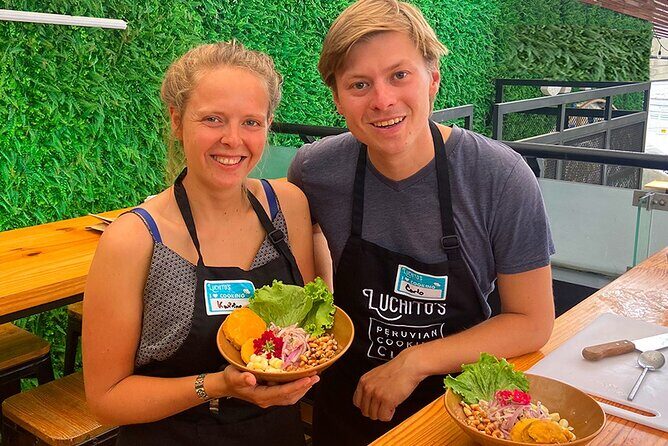
- Hands-on cooking with classic Peruvian dishes like causa and ceviche made step by step.
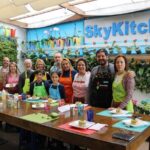
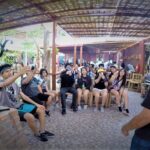
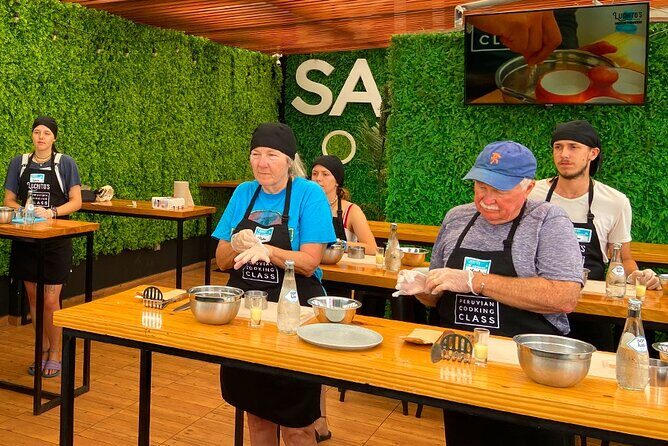
- Small group vibe with a maximum of 12 travelers, so the instructors can help.
- Included drinks and meal basics, including a pisco cocktail, bottled water, and a 2-course meal.
- Leave with paper you can use: certificate plus recipes, not just a full stomach.
- Different staff, consistent results: you might meet Dasha at the market and Camila (or other chefs like Jorge or Lucho) in the kitchen.
Surquillo Market First: Learning What Peru Sells
The afternoon starts at the market in Surquillo, specifically Mercado nro 1 de Surquillo. The vibe is practical: you get a guided walk through the stalls so you’re not just seeing food, you’re learning how Peruvian ingredients work in real life.
I really like that you’re taught the basics before you cook. You hear what different produce is used for, what to look for, and how the market’s variety connects to the dishes people actually eat. In the process, you’ll also get to sample items as part of the market experience, which helps you understand flavors with your own taste buds instead of trying to guess later.
Surquillo is known for variety, and your guide’s job is to make that variety make sense. The reviews highlight market guidance led by people like Dasha, with lots of fruit knowledge and friendly explanations. That matters because Peru’s ingredient list can feel big when you’re new. When someone shows you what’s common, what’s seasonal, and what goes together, you’ll remember it for your next restaurant meal, too.
The main consideration here is timing. Because the whole experience is only about an hour long, the market portion is not a full wander-and-shop spree. You’ll want to pay attention to the guidance and take quick notes if you care about ingredient details for later cooking.
Other Peruvian cooking classes in Lima
From Ingredients to Causa and Ceviche in One Session
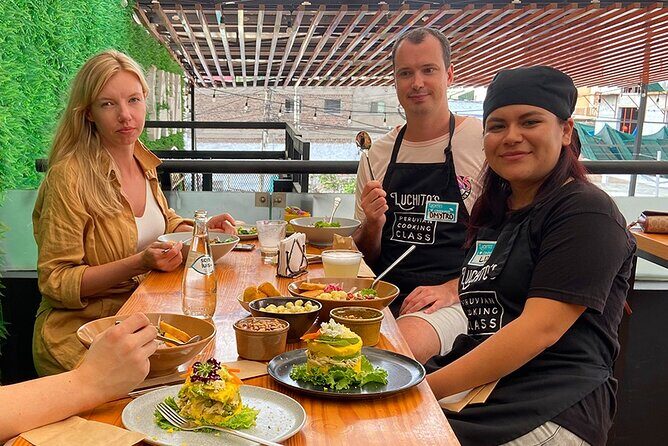
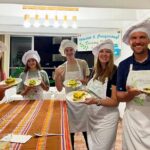
After the market, you move into the cooking portion where the lesson becomes hands-on. Expect step-by-step guidance from the chef, and in the examples you’ll often see dishes like causa and ceviche made during the class. The structure is key: you’re not just watching. You’re doing, with clear instructions that keep you from getting lost mid-recipe.
What I like most about this format is the way it turns grocery learning into technique. By the time you’re chopping, assembling, or mixing, you understand what you bought and why it matters. That’s a big upgrade from classes where you only learn recipes without the ingredient logic.
The instructors named in the experience descriptions and reviews include Camila as a chef and cooking instructor, with other chefs also mentioned such as Jorge and Lucho. Across the accounts, the common theme is a teaching style that’s friendly and clear, and a class that feels like good company as much as a lesson. One review also mentions the chef functioning as a bartender in the course of serving drinks, which gives the afternoon a lively rhythm.
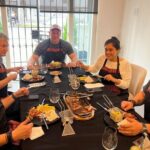
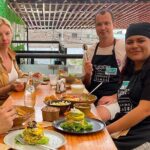
You’ll also eat what you cook as part of the 2-course meal. A cooking class that ends with you tasting your own work is the point, and here you do get that payoff instead of leaving only with a clipboard of instructions.
The downside of the short format still shows up here. You might not get an extra-long session to refine every technique or experiment with substitutions. If your goal is mastery and repetition, you may want to treat this as an excellent first pass, then follow up later with another class or a cooking-focused restaurant dinner.
The Meal, the Pisco Cocktail, and What You Actually Get
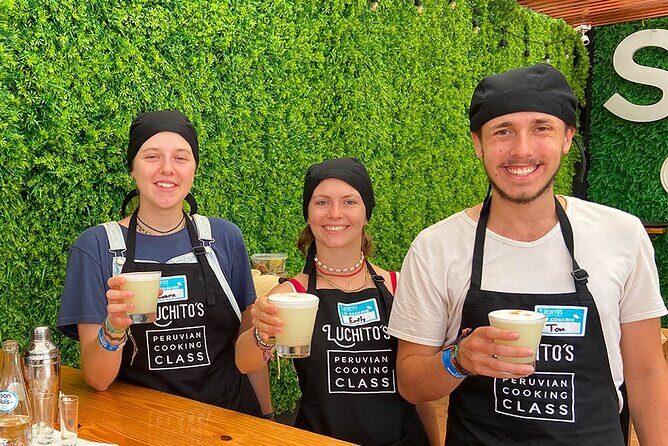
This experience is priced to include the food experience, not just instruction time. You get a 2-course meal, pisco cocktail, and bottled water, all included as part of the package. There’s also mention of fruits being tasted during the market-to-class flow, which pairs nicely with the idea of learning ingredients and then using them.
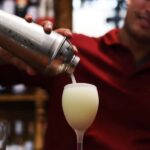
That included pisco cocktail is a big deal for value. It’s not every cooking class that throws in a Peruvian classic drink as part of the meal, and it helps the timing feel like a proper afternoon, not a rushed workshop. If you’re the type who likes trying local flavors in a guided setting, that inclusion is one of the better parts of the deal.
What’s not included is straightforward: additional drinks and tips/gratuities. If you know you’ll want extra beverages beyond the included cocktail and water, add a little buffer to your budget. Also, tips are typical in food-service experiences, so plan to decide based on service rather than assuming it’s already baked in.
You’ll also leave with a certificate & recipes. That might sound like a small detail, but it’s practical. If you want to repeat a dish at home without guessing from memory, recipes you can take away are worth more than a photo.
Timing and Logistics: How the 12:30 PM Plan Works
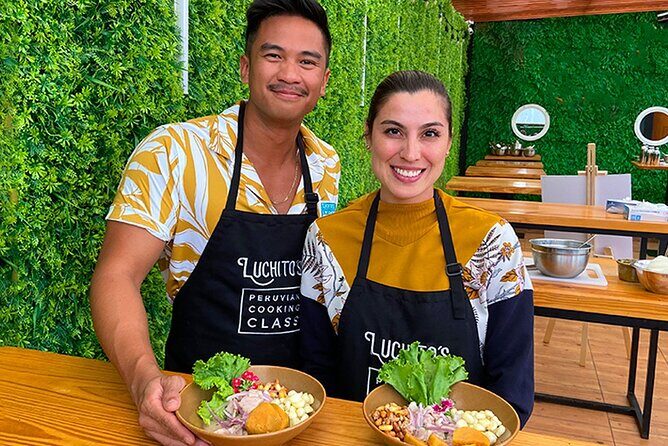
The start time is 12:30 pm, and the duration is about 1 hour. That combination makes it a good choice for travelers who don’t want a whole afternoon consumed by cooking. It’s also a helpful option if you’ve got limited time in Lima but still want something beyond a basic sightseeing day.
You’re not thrown into the city without support. Transportation is included, and the meeting point is described as near public transportation. That matters because in Lima, getting across neighborhoods can take longer than you expect. Included transport lowers the stress level and keeps the day moving.
Group size is capped at 12 travelers. That limit usually means more interaction and less waiting around. In a class where you’re cooking and tasting, that’s a real benefit. You’re more likely to get your questions answered, especially if you’re working with unfamiliar ingredients.
Booking tends to be popular too. On average, this is booked about 35 days in advance, so if your travel dates are fixed, I’d secure your spot earlier rather than gambling on last-minute availability.
Who This Cooking Class Is Perfect For
This is ideal if you want an introduction to Peruvian cuisine that’s hands-on, friendly, and grounded in real market shopping. I’d especially recommend it if you like the idea of learning by doing and you want to connect ingredients to finished dishes.
It also suits:
- Couples and small groups who want a shared activity with a relaxed, social feel.
- Food lovers who want structure: market guide first, chef next, then a meal.
- Travelers with limited time who still want a meaningful experience instead of a quick snack stop.
If you’re an advanced home cook, you might find the session basic in pace compared to a multi-hour class. But you’ll still get value from tasting, ingredient guidance, and seeing how local cooks approach staples like ceviche and causa.
And if you’re coming with dietary needs or restrictions, the important thing is to ask in advance. The provided information doesn’t list specific accommodations, so you’ll want to confirm what can be adjusted for your situation before booking.
Other market and fruit tasting tours in Lima

Tips to Make the Most of This Afternoon Class
This kind of experience goes best when you treat it like a learning session with eating built in. Go in hungry, stay curious, and pay attention to the market explanations because that’s what makes your cooking steps feel logical instead of random.
A few practical moves that help:
- Ask the market guide what you’re sampling and how it’s used in Peruvian dishes.
- During the class, follow the chef step by step and don’t hesitate to ask small questions mid-recipe.
- Taste everything you’re served with intention. Notice texture and acidity, especially for ceviche-style flavors.
- Take the recipes seriously when you get them. If you wait until you’re home, ingredients fade from memory fast.
Also, because additional drinks aren’t included, decide early whether you’ll stick to the provided cocktail and water. That keeps the experience from turning into surprise spending.
Should You Book This Lima Market and Cooking Experience?
I think you should book it if you want a compact, high-signal way to learn Peruvian cuisine: market knowledge up front, then hands-on cooking, then a meal you made yourself. The included pisco cocktail, bottled water, and certificate & recipes add real value to the $66.75 per person price point, especially because you’re getting both instruction and the eating portion built into the same session.
Skip it or reconsider if you want a long, slow culinary day, lots of extra drink time, or deep technical training that lasts well beyond an hour. This is structured for momentum and clarity, not for hanging out for hours.
If you’re on the fence, I’d choose based on your schedule and your interest in learning ingredients, not just recipes. When that’s your priority, this class hits the sweet spot.
FAQ
How long is the cooking class and market tour?
It lasts about 1 hour.
What dishes do you cook during the class?
The class includes making classic Peruvian dishes such as causa and ceviche.
What’s included in the price?
Transportation, a professional market guide, a 2-course meal, a pisco cocktail, bottled water, and a certificate with recipes.
What isn’t included?
Additional drinks and tips/gratuities are not included.
Do you provide pickup or transportation?
Yes, transportation is included.
What time does the experience start?
It starts at 12:30 pm.
Is free cancellation available?
Yes, you can cancel for a full refund up to 24 hours before the experience start time.