REVIEW · LIMA
Birdwatching & Landscaping Tour in Lima
Book on Viator →Operated by HAKU TOURS · Bookable on Viator
Morning birds in Lima are pure luck—and skill. This 4-hour birdwatching and landscaping tour turns a regular city morning into a focused hunt, with three very different habitats packed into one route: old-olive shade, cliff terraces, and a Pacific pier. I love the variety of birds you can compare back-to-back, and I also love that you get binoculars from the start, so you’re not guessing at every flutter.
My favorite part is how the guide works the route. With Amadeo’s energy, you don’t just see birds—you learn what to look for and why that spot attracts them, plus he adds Peru and Lima context that makes the morning feel bigger than birds alone.
One thing to consider: the pacing is brisk. The last stop at Playa Makaha is only about 45 minutes, so if you’re chasing a specific species, you’ll need focus and a little patience.
In This Review
- Key highlights you’ll feel fast
- Why Lima birding works: three habitats in one morning
- Entering Parque El Olivar de San Isidro’s 150-year olive grove
- Bicentennial Park and its Inca-style Andenes overlooking the Pacific
- Playa Makaha pier: where Peruvian ocean birds show up
- Price and value: what $55 buys you in real bird time
- Logistics that actually affect your day (meeting point and pickup)
- What your small group and guide style changes
- Pacing tips so you don’t miss the good moments
- Who this tour fits best
- Should you book the Birdwatching & Landscaping Tour in Lima?
- FAQ
- How long is the Birdwatching & Landscaping Tour in Lima?
- What is the price per person?
- Where is the meeting point?
- Is pickup included?
- What’s included in the tour price?
- What birding stops are included?
- Do I need to speak Spanish?
- What size is the group?
- Is cancellation free?
Key highlights you’ll feel fast
- Oldest olive trees in Peru: more than 1,000 olive trees over 150 years old, plus birds in shaded branches
- Cliffside bird habitat at Bicentennial Park: terrace-style Inca-inspired “Andenes” and ocean views
- Coastal pier watching at Playa Makaha: a prime spot for Peruvian ocean birds and shore species
- Binoculars included (2 per group): easier views of small birds without awkward hand-sharing
- Small group size: capped at 10 people, so questions and repositioning happen quickly
- English guide and pro support: clear explanations plus practical bird-spotting help
Why Lima birding works: three habitats in one morning

Lima can feel like a big, gray city at first glance, but the birding here is all about contrast. On this tour, you move through three places that birds use for very different reasons—food, nesting, cover, and safe perches.
You start with trees and shade in San Isidro, then shift to cliffside plantings and terraces that catch wind and hold insects, then end at the ocean edge where seabirds rest and feed. That structure is smart because it keeps your attention from flagging. Even if you’re not a die-hard birder, you’ll notice how the birds change when the setting changes.
The tour is also timed well for learning. You’re up early (8:00 am start), when birds tend to be active and when you’ll still have good morning light for spotting movement. This is a group tour, but it doesn’t feel like a rushed “look and go” checklist. It’s more like guided focus.
If you're still narrowing it down, here are other tours in Lima we've reviewed.



Entering Parque El Olivar de San Isidro’s 150-year olive grove
The first stop is Parque El Olivar de San Isidro, and it’s the kind of place that makes birding easier because the setting does half the work for you. This park has more than 1,000 olive trees, including trees older than 150 years. It’s also over ten hectares of trees—basically one of Lima’s important green lungs.
Why this matters for birdwatching: older trees often mean more stable branches, more insects, and more places for birds to perch and hop around. So instead of scanning open space with no cover, you’re scanning a living structure that’s always doing something.
In this park, you can watch more than 20 bird species. Based on the birds highlighted on the tour, look for species like the Vermilion flycatcher, goldfinch, and amazilia hummingbirds. The exact birds you see depend on timing and the day’s activity, but the overall promise is real: this stop is built for variety.
What I like here is that it’s not just nature; it’s nature with a built-in sense of place. An old grove in the middle of Lima gives you context fast. You get history through the trees themselves, and you get a bird-first walk that still feels gentle.
Possible drawback: if you’re mainly interested in ocean birds, this stop might feel “different” from what you expected. It’s still great birding—just don’t expect seabirds right away.
Bicentennial Park and its Inca-style Andenes overlooking the Pacific

Next you head to Bicentennial Park, a newer Lima park perched on a cliff between Miraflores and Barranco. It’s directly above the Pacific, with a big open footprint—more than 30,000 square meters—and it’s designed for walking.
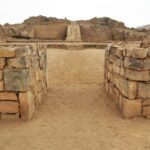
The park’s layout matters. It was built using the ancient Inca technique called Andenes, or bench terraces, plus long, walkable ramps. That means you’re not just standing in one spot staring out. You can move through levels, which helps you catch birds that stay higher up, then drop to feed, then return to perches.
The bonus is that the terraces and cliff setting create micro-habitats. The tour’s bird list here includes species such as mocking birds, shiny cowbirds, red-crested cardinals, and house wren. It also mentions butterflies that flutter around flowers like bougainvillea, campanulas, and small lantana.
If you’re the type who enjoys “small wins,” this is where you’ll get them. Even if one bird doesn’t stick around, another might appear at a nearby level. It’s also a nice change of pace after the shaded grove. You’ll feel the ocean air and the wider views, and the birds often react to that shift.
One practical note: because the park is on cliffs, keep an eye on where you’re walking. The ramps and terraces are built to be walkable, but you’ll still want solid footing and steady attention while you look up.
Playa Makaha pier: where Peruvian ocean birds show up
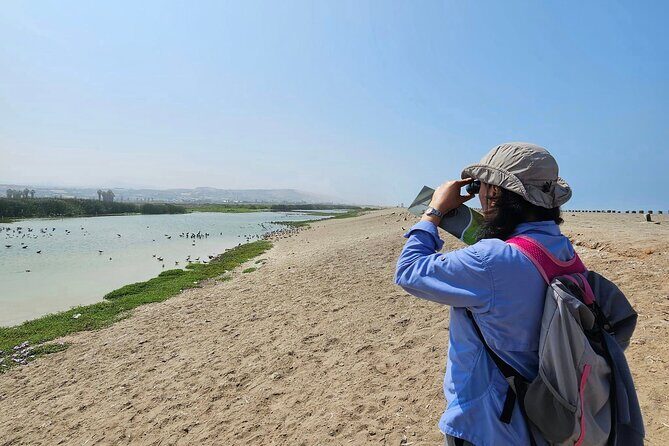
The final stop is Playa Makaha, a green-coast stretch of shoreline where ocean birds rest, nest, and reproduce. The tour focuses on the pier area, which is the best place to watch because it gives seabirds a reliable landing and resting point.
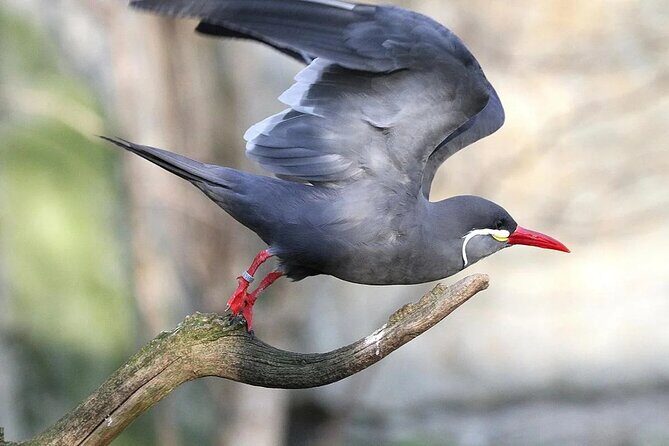
This is your seabird and shore-bird chapter. The birds mentioned for this stop include Peruvian pelican, Peruvian gull, Inca terns, and oystercatchers, plus other shore birds. Again, you won’t control the exact mix of species on any given day, but the location is chosen for bird action rather than “pretty sand and hope.”
And because Playa Makaha is described as a long, historical beach with a local atmosphere, the ending feels more grounded. It’s not just bird spotting in a scenic vacuum. You get that sense that you’re watching wildlife in a working coastal environment.
The drawback is time. This stop is about 45 minutes. That’s enough to get real views from the pier, but it’s not enough for long, slow roaming. If you’re hoping to spend extra time by the water, treat this as the “birdwatching session,” not the whole beach day.
Price and value: what $55 buys you in real bird time

At $55 per person for about four hours, this tour sits in the sweet spot for value if you want structured birding without the logistics headache.
Here’s what you’re paying for, and why it matters:
- Professional guide: you get scanning help and bird behavior context, which is the difference between spotting one bird and learning how to spot the next one
- Binoculars (2 included): you can actually see small birds instead of standing there with half-angles
- Private transport: Lima traffic is unpredictable, so having transport handled keeps you focused on the birds
- Bottled water: small comfort that helps you stay alert
- Admissions handled: the first two stops include admission tickets, while Playa Makaha’s admission is free
Also, the group is capped at 10 people. Smaller groups generally mean quicker repositioning when a bird shifts, and it’s easier to keep track of what the guide is showing you.
One more value angle: the tour is in English and you get a mobile ticket. That’s less friction when you’re already juggling Lima neighborhoods and directions.
If you’re on a tight schedule, the payoff is that you cover a lot of “bird zones” fast. If you’re a casual bird watcher, that breadth helps you feel like you got something even on a variable bird day.



Logistics that actually affect your day (meeting point and pickup)

This tour starts at Av. José Larco 724 in Miraflores (15074). It ends back at the meeting point, so you’re not stranded across the city after the watch ends.
Pickup and drop-off are included only for hotels, Airbnbs, or accommodations in Miraflores, Barranco, or San Isidro. If you’re staying elsewhere, you can arrange pickup with an extra fee—just plan for that early so you’re not negotiating last minute.
The good part: since the tour is designed around a tight 4-hour loop, you’ll likely spend less time in transit than you would if you tried to stitch the stops together yourself by taxi and local bus. That matters for early-morning energy.
What your small group and guide style changes

This is the tour’s secret sauce. With a maximum of 10 people, you’re not lost in a crowd. The guide can move the group when birds go quiet or when a better angle opens.
In the feedback, the guide Amadeo gets singled out for infectious enthusiasm and for expertly guiding people to the birds one can spot in Lima and across Peru. I love that combination: he’s not just pointing at branches, he’s teaching you how bird spotting works—then backing it with cultural info that helps you place what you’re seeing in a wider Peru context.
That’s useful for you because birding can be frustrating without guidance. Birds are small. They move fast. They like to hide. A good guide helps you read the clues: where the bird perches, what sound it makes, and what nearby plantings attract different species.
You’ll also appreciate the binoculars. The tour provides 2 binoculars, so you should be able to get clear views, especially for smaller birds mentioned on the route (like goldfinch and hummingbirds).
Pacing tips so you don’t miss the good moments

You’ll be on the move for about four hours, so don’t plan your “extra stuff” right before or after. I’d treat this as your morning focus and let the rest of the day unfold more slowly.
A few practical things to do:
- Arrive a bit early so you’re settled before the watch starts at 8:00 am
- Keep your phone camera ready, but prioritize scanning with the binoculars first
- When the guide calls out a species, switch your attention quickly—birds often only offer a clear window
- At the cliff and pier stops, watch your footing before you crane your neck
Also, if you’re sensitive to crowds, the group size helps. Still, you’ll want to listen for instructions so you don’t wander while birds are active.
Who this tour fits best
This is a strong match if you:
- Want a structured birding experience without planning separate half-days
- Like learning what you’re seeing, not just taking photos
- Enjoy walking in different settings—tree park, terraced cliff park, and coastal pier
- Are traveling with mixed interest (one person loves birds, another likes views and culture)
It might be less ideal if you’re hoping for a long beach day, since Playa Makaha is only about 45 minutes. It’s also not designed as a deep hiking expedition. The route is built to be walkable and guided, not grueling.
Should you book the Birdwatching & Landscaping Tour in Lima?
If you want good value and real bird time, I’d say book it—especially if you’re early in your Lima trip and want a quick way to understand the city’s nature side. The mix of ancient olive trees, Inca-style terraced design, and a pier focused on ocean birds is a smart one-day bird sampler.
Skip it only if you dislike guided group walks or if you’re expecting long, uninterrupted beach time. Otherwise, you’ll leave with more than sightings—you’ll have a better sense of how Lima’s different habitats shape what birds show up where.
FAQ
How long is the Birdwatching & Landscaping Tour in Lima?
It’s about 4 hours (approx.), starting at 8:00 am.
What is the price per person?
The price is $55.00 per person.
Where is the meeting point?
The start and end point is Av. José Larco 724, Miraflores 15074, Peru.
Is pickup included?
Pickup and drop-off are included only for accommodations in Miraflores, Barranco, or San Isidro. For other districts, pickup can be arranged with an extra fee.
What’s included in the tour price?
You get a professional guide, bottled water, 2 binoculars, and private transport. Admission tickets are included for the first two stops, and Playa Makaha admission is free.
What birding stops are included?
You visit Parque El Olivar de San Isidro, Bicentennial Park, and Playa Makaha (pier area).
Do I need to speak Spanish?
The tour is offered in English.
What size is the group?
The maximum group size is 10 travelers.
Is cancellation free?
Yes, free cancellation is available up to 24 hours before the experience start time for a full refund.