REVIEW · LIMA
Bizarre Foods Tour for Adventurous Foodies
Book on Viator →Operated by Lima with Soul Tours · Bookable on Viator
Ready for dinner with teeth? In Lima, this small-group bizarre foods tour mixes neighborhood walking with market stops, so you taste beyond the usual tourist plates. You can pick a morning or afternoon slot, and the ride is in an air-conditioned vehicle to keep you comfortable while you go hunt down unusual flavors.
I like two things right away: the group stays small (maximum 8), which means you can ask questions without feeling rushed. And I really appreciate the pickup and drop-off from Miraflores, Barranco, San Isidro, and Magdalena, which saves you time and stress after a long travel day.
One consideration: this is for adventurous eaters. You may be offered foods that feel intense at first, like guinea pig, Amazonian piranha, and even cow heart, so if you want only familiar, mild dishes, this tour may not match your style.
In This Review
- Key highlights worth your attention
- Lima’s “bizarre foods” tour: how it feels and who should go
- Starting at Plaza Tupac Amaru: context first, then taste
- Magdalena del Mar: where the unusual Peru food shows up
- What foods you might taste (and why they’re on the list)
- The guide makes or breaks bizarre food tours (and this one targets clarity)
- The food volume: come hungry, not stuffed
- Pickup zones and getting around comfortably in Lima
- Price and value: $50 for guided tasting in a small group
- Morning vs. afternoon: picking the slot that fits your day
- My practical “should you book” checklist
- FAQ
- Is the Bizarre Foods Tour in Lima offered in English?
- How long does the tour take?
- Do you have to join a large group?
- Where does the tour start?
- What neighborhoods are pickup and drop-off offered in?
- Can you get pickup from the airport?
- Does the tour run on Mondays?
- What kinds of bizarre foods are included?
- What is the cancellation policy?
- Should you book this tour?
Key highlights worth your attention
- Small group size (max 8): more time with the guide and a calmer pace.
- Morning or afternoon options: easier to fit into your Lima schedule.
- Air-conditioned pickup and transport: comfort on the move.
- Plaza Tupac Amaru start: you get cultural context before you taste.
- Magdalena del Mar food stops: markets and local restaurants across Peru’s coast, Andes, and Amazon.
- Offbeat foods that have meaning: you’ll learn why these dishes matter, not just what they are.
Lima’s “bizarre foods” tour: how it feels and who should go
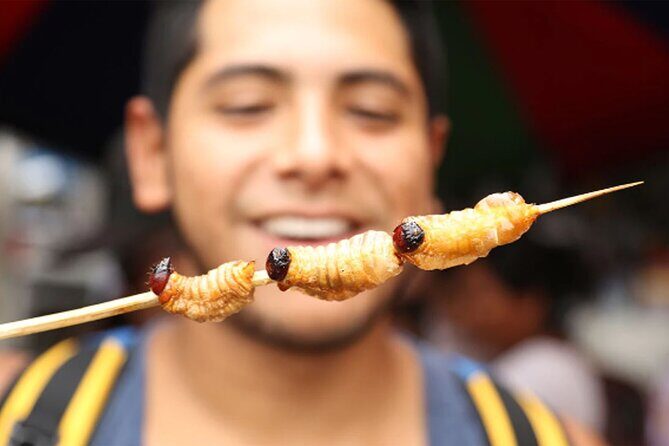
This is a 3-hour Lima food tour designed for people who don’t want bland choices and aren’t afraid of trying the unfamiliar. The pitch is simple: you’ll taste surprising regional foods from the coast, the Andes, and the Amazon, and you’ll do it with an expert guide who explains what you’re eating and why it matters.
Because the group is capped at 8 travelers, the experience doesn’t feel like a factory line. You move through the neighborhood and markets at a human pace, and the guide can slow down when something feels intimidating. That’s a big deal with food like this.
Who it’s best for:
- You love hands-on food experiences and learning while you eat
- You’re curious about indigenous culture and how it shows up in everyday dishes
- You want a guided version of “eat like a local,” not a self-guided scramble
You might skip it if you’re very squeamish, or if you’re traveling with strong limits on what you’ll try. The tour isn’t trying to be fancy; it’s trying to be honest about food in Peru, including foods that many people avoid.
Other Lima food tours we've reviewed in Lima
Starting at Plaza Tupac Amaru: context first, then taste
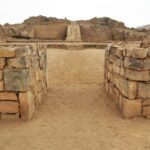
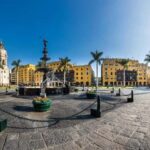
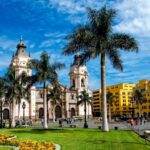
The tour begins at Plaza Tupac Amaru, where you get background on the districts and what makes this part of Lima worth exploring. The stop is short (about 15 minutes), but it sets the tone. Instead of jumping straight into extreme eating, you get a quick frame for how local neighborhoods and culture connect to food.
That matters because these bites aren’t presented as shock value. The guide links dishes to indigenous culture and regional identity, so when you later try something unusual, it lands with meaning instead of confusion. It also helps you feel less thrown off, especially if you’re new to Peruvian food beyond ceviche and grilled classics.
Admission isn’t a problem here: the tour includes ticket-free entry for the start stop.
Magdalena del Mar: where the unusual Peru food shows up
After the plaza, the action moves to Magdalena del Mar, a neighborhood about 20 minutes from Miraflores. This is where you’ll pass through local markets and restaurants, and the guide keeps the focus on food as a part of daily life.
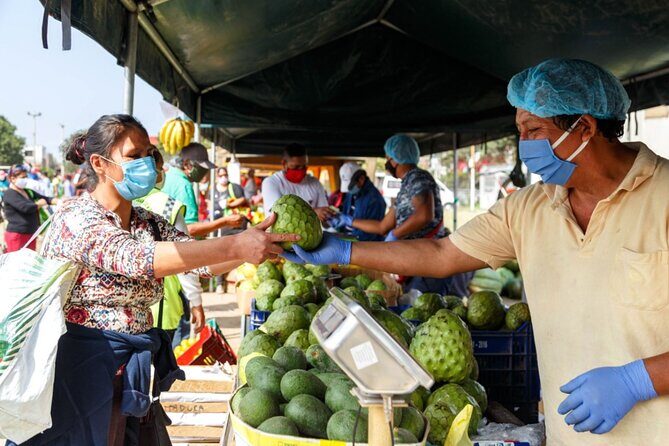
Here’s what I think makes this stop work: you’re not just collecting tastes. You’re watching the food world at close range—how fruit and ingredients get chosen, how dishes are prepared, and how flavors from different parts of Peru translate into what you can actually order and eat.
The guide’s explanations also push beyond flavors into culture. The tour is very clear that Peru’s cuisine has a serious side for indigenous history and meaning, not only modern trends. That’s why the menu can include items that sound surprising on paper.
Also, a practical note that helps your expectations: the tour is designed to be a safer way to try unfamiliar foods without having to figure everything out yourself. It’s still adventurous food, but it’s guided.
What foods you might taste (and why they’re on the list)
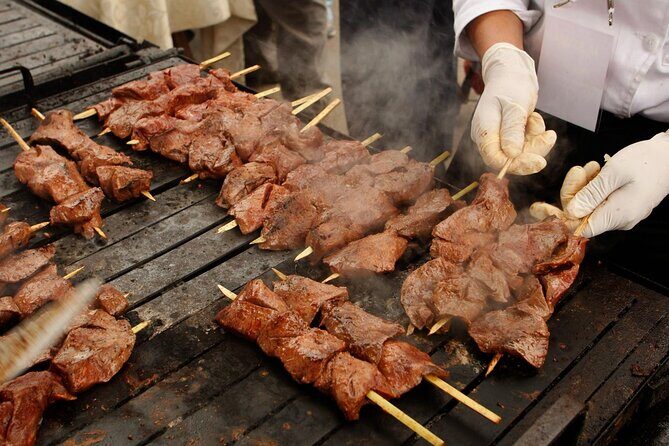
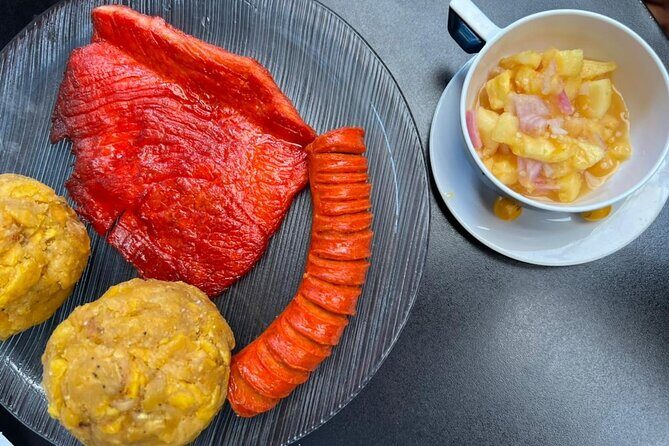
This is the part most people zero in on, so let’s be straight. The foods mentioned include:
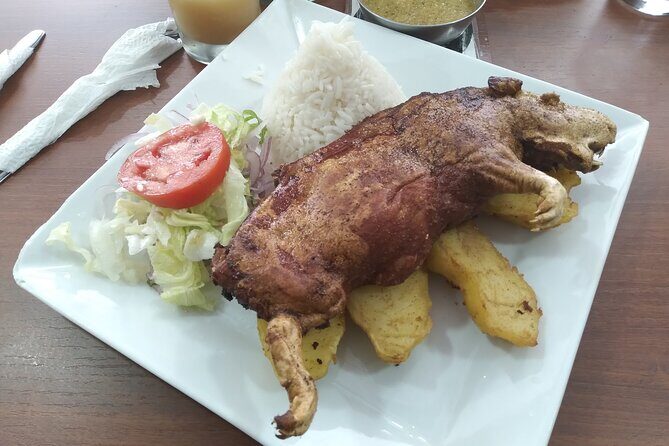
- Guinea pig
- Amazonian piranha
- Cow heart
- Other surprising regional dishes, including items like grubs (the tour descriptions and guide focus point toward these kinds of bites)
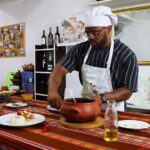
You’ll also hear about preparation and see the process, not just the end plate. And based on guide style described by past participants, the guide typically helps you understand what to expect so you don’t feel blindsided.
One more thing I like: the tour doesn’t act like these are random weird snacks. The explanations connect them to coast, Andes, and Amazon food traditions. That makes it easier to try something you might otherwise skip because it sounds “too much.”
If you’re wondering about comfort level, treat the experience as a “step-by-step yes.” You can still be adventurous while deciding which items fit your personal comfort. The value here isn’t forcing yourself; it’s learning and tasting with context.
The guide makes or breaks bizarre food tours (and this one targets clarity)
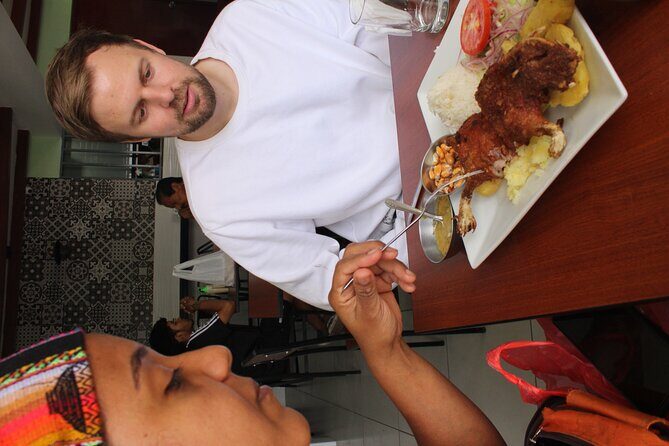
A theme from the experience is that the guides work hard to remove intimidation. I’m glad that’s built into the format. When you’re dealing with unfamiliar foods, your brain needs context fast: what it is, how it’s prepared, and how it’s typically eaten.
Past participants highlighted guides such as Johnny and Any for that kind of explanation. The praise isn’t just about being friendly; it’s about turning food fear into curiosity. One person called out that the guide explained both the historical cultural side and how these foods have evolved into what people eat today. Another person specifically mentioned Amazonian culture and foods, along with a strong sense of how the flavors connect to the region.
And you’ll feel that clarity while walking through the market. Even if you’re nervous, you’re not left alone with a menu. The guide is there to translate the experience into something you can actually enjoy.





The food volume: come hungry, not stuffed
This is a tasting tour, and the portions can be large. Several participants pointed out that the tour can fill you up fast, and there’s one very practical tip: don’t eat breakfast or lunch right before you go.
That’s not a small detail. If you show up already full, you’ll struggle to enjoy the variety. The whole point is trying multiple regional bites, not picking one item and calling it a day.
My advice: plan a lighter morning (or a lighter afternoon), wear comfortable walking shoes, and treat it like a full meal. The tour is built to leave you satisfied, and the best part is often getting to the later items when you’ve stopped thinking about what might feel weird and you’re just enjoying the flavors.
Pickup zones and getting around comfortably in Lima
Logistics can ruin a food tour if you’re stuck figuring out transport. This one helps by offering pickup and drop-off from:
- Miraflores
- Barranco
- San Isidro
- Magdalena
So if your hotel is in those areas, you should be able to start and finish without awkward rides. If you’re coming from the airport, pickup is also possible, but it’s listed as an added cost in Peruvian soles.
You’ll travel in an air-conditioned vehicle, which is a big quality-of-life upgrade. Lima days can get warmer than people expect, and after a few hours of eating and walking, comfort matters.
Price and value: $50 for guided tasting in a small group
At $50 per person for about 3 hours, this tour sits in a reasonable zone for what you get: expert guidance, multiple tastings, and transportation plus pickup in several popular neighborhoods.
Where the value really shows is in the combination:
- Small group (max 8) instead of a big crowd
- Guided context so the food becomes understandable
- Multiple stops with market and restaurant exposure
- Comfort details like air-conditioned transport
If you were to do this food exploration on your own, you’d need local know-how fast—where to go, what’s safe, and how to interpret ingredients you might not recognize. Paying for that guidance makes sense, especially if you want to be adventurous without turning your trip into a stressful food guessing game.
English support is included (the tour is offered in English), which matters because it’s the explanations that make “bizarre” feel meaningful instead of confusing.
Morning vs. afternoon: picking the slot that fits your day
The tour gives you a choice of morning or afternoon. I like that because Lima has a lot going on, and people often want food plans around beach time, museum time, or a day trip.
If you’re the type who likes your energy high for the first tastings, choose the slot that matches your appetite. And since the tour can involve big portions, align the timing with when you’ve eaten least recently.
Also note this tour doesn’t run on Mondays. If you’re planning around that day, you’ll need a different activity.
My practical “should you book” checklist
I’d book this tour if:
- You want a small-group food experience, not a rushed lineup
- You’re curious about Peru across regions (coast, Andes, Amazon)
- You like guides who explain what you’re tasting, including cultural and historical context
- You’re comfortable trying foods like guinea pig or cow heart, at least as a learning experience
I’d think twice if:
- You’re sensitive to unusual meats or organs and doubt you’ll enjoy it
- You want only familiar flavors and don’t want any surprises
- You have a schedule on a Monday (since the tour doesn’t run that day)
One more booking tip: this experience is often reserved about 33 days in advance on average, so if your trip is coming up soon, I wouldn’t wait for last-minute decisions.
FAQ
Is the Bizarre Foods Tour in Lima offered in English?
Yes. The tour is offered in English.
How long does the tour take?
It runs for about 3 hours (approximately).
Do you have to join a large group?
No. The maximum group size is 8 travelers.
Where does the tour start?
The tour starts at Plaza Tupac Amaru.
What neighborhoods are pickup and drop-off offered in?
Pickup and drop-off are offered from Miraflores, Barranco, San Isidro, and Magdalena.
Can you get pickup from the airport?
Yes, pickup from the airport is possible for an additional cost in Peruvian soles.
Does the tour run on Mondays?
No. It does not run on Mondays.
What kinds of bizarre foods are included?
The tour mentions tasting items such as guinea pig, Amazonian piranha, cow heart, and other surprising regional foods.
What is the cancellation policy?
You can cancel for a full refund if you cancel at least 24 hours before the experience’s start time. Free cancellation is offered with that window.
Should you book this tour?
If you want a guided, small-group way to try Peru’s unusual foods with real context, it’s a strong match. If you’re squeamish about offbeat ingredients, this may test your comfort more than you’d like. Use the food examples above as your reality check, then choose based on how adventurous you feel.