REVIEW · LIMA
Cajòn afro peruano with Paloma Pereira
Book on Viator →Operated by PERCULAB S.A.C. · Bookable on Viator
Afro-Peru music, in a real home workshop. You get exclusive access to Paloma Pereira’s centenary family home in Miraflores, where the focus is the origin of Afro music and learning to play with a Peruvian music artist.
I like that it’s hands-on and instrument-focused, not just a lecture. You also get a private setup, so your group can stay close to the action instead of watching from the back.
One thing to consider: at about 1 hour 30 minutes, it’s a concentrated experience, not a long, multi-session music crash course.
In This Review
- Key things to know before you go
- Cajón Afro Peruano with Paloma Pereira: What you’re really buying
- Miraflores meeting point: How to start without stress
- Inside Paloma’s centenary family home workshop
- Learning Afro music origins while you play
- The instruments: where the session becomes real
- English-friendly for culture learning, not just sightseeing
- Time plan: a focused 1 hour 30 minutes
- Price and value: why $65 can make sense here
- Who this workshop is best for
- Practical tips so you get more from the session
- Should you book Cajón afro peruano with Paloma Pereira?
- FAQ
- How long is Cajón afro peruano with Paloma Pereira?
- Where do I meet the group in Miraflores?
- Is the experience private and in English?
- What does it cost?
- Will I get a ticket and confirmation?
- What’s the cancellation deadline?
Key things to know before you go
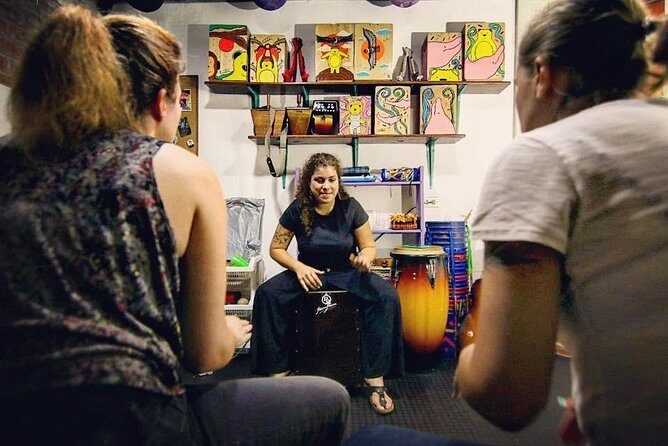
- Exclusive workshop access in Miraflores inside a centenary family home
- Afro music origins explained while you’re actively learning
- Many instruments so you can test the sounds, not just hear about them
- Private tour for your group with English available
- Mobile ticket + confirmation at booking to keep things simple
Cajón Afro Peruano with Paloma Pereira: What you’re really buying
This isn’t one of those “see a show, take a photo, move on” deals. You’re paying for an intimate music lesson rooted in Afro-Peruvian culture, delivered from inside an actual workshop space in Paloma Pereira’s family home in Miraflores.
The title says Cajón afro peruano, but the real value is the broader context: you’ll learn about the origin of Afro music, then use instruments during the session. That combo matters. If you only practice rhythms without understanding where they come from, the experience can feel like a trick. Here, the teaching angle is part of the fun.
At $65 per person for about 1.5 hours, you’re also paying for something that’s harder to price than a museum ticket: time with an artist in a private setting. For many visitors, the “artist time” is the whole reason to book in the first place.
If you're still narrowing it down, here are other tours in Lima we've reviewed.



Miraflores meeting point: How to start without stress
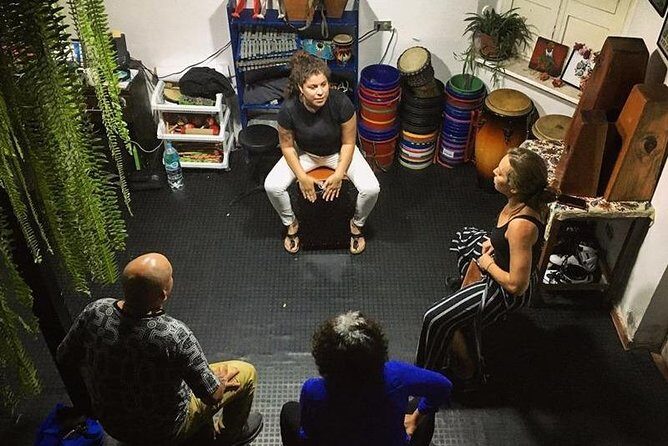
You’ll meet at Casa Perculab, C. Manco Cápac 236, Miraflores 15074, Peru. The activity ends back at the meeting point, so you won’t be scrambling at the end to find your way through unfamiliar streets.
The location in Miraflores is helpful for planning. It’s listed as near public transportation, which usually means less hassle getting there and less time wasted between parts of your day. It also helps if you’re combining this with other Miraflores stops.
Since the tour language is English, you won’t have to play translation roulette with key cultural terms. That’s a small thing that becomes a big deal when you’re trying to follow rhythm explanations and instrument basics.
Inside Paloma’s centenary family home workshop
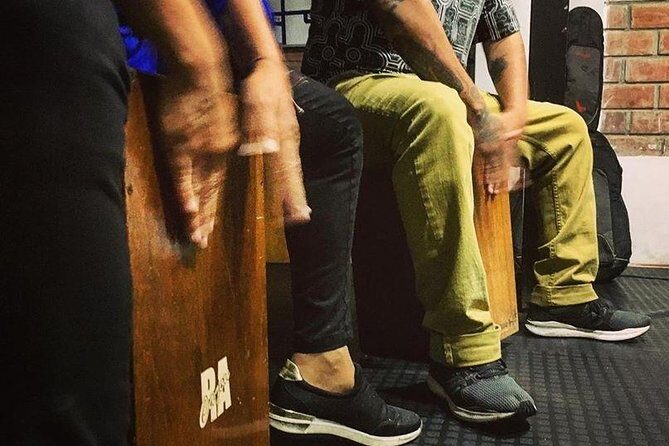
The session happens in Paloma Pereira’s workshop inside a centenary family home. That phrase is more than decoration. A workshop is where people actually practice, build, repair, and teach. When you walk in, you’re not just borrowing a space for tourism—you’re stepping into a working environment.
This “family home workshop” setup is exactly why this experience feels different from a classroom. You get exclusive access, which tends to mean fewer distractions and more attention to what you’re doing. Even if you’re new to Afro music, the setting supports the learning process. There’s less pressure to perform like a pro, and more encouragement to participate.
Also, because it’s private (only your group participates), you can move at the pace that keeps the session comfortable. Private doesn’t mean silent and stiff. It usually means you don’t get lost in a crowd.
Learning Afro music origins while you play
One of the most praised parts of this experience is the way the teaching connects music to roots. You’ll learn the origin of Afro music, and that matters because Afro-Peruvian sound isn’t just about beats. It carries history, community memory, and identity—usually communicated through rhythm, call-and-response energy, and the way instruments speak to each other.
In a workshop like this, you don’t just collect facts. You apply what you’re learning. That helps the story stick. The music becomes something you can feel, not something you only understand later in your hotel room.
The session is also described as phenomenal for the overall learning arc: origin first, then instruments, then playing. That structure is a good sign. It suggests you’re not being thrown into the deep end with a set of instruments and a shrug.
The instruments: where the session becomes real
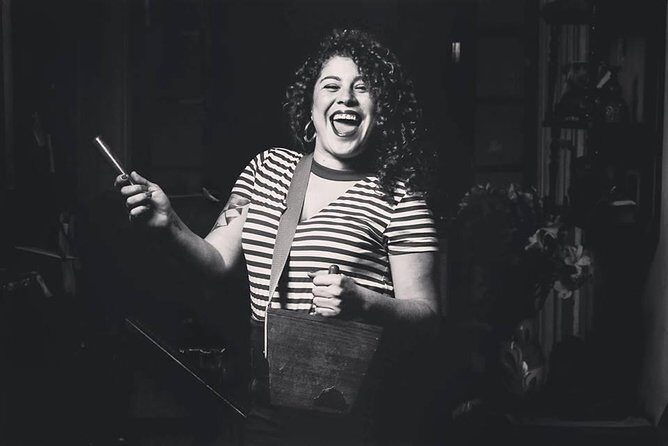
You can expect many instruments. That’s one of the clearest draws. When you can try different instruments in the same session, you start noticing patterns: which sounds carry the groove, how tones interact, and how rhythm layers build energy.
This is the best part if you learn by doing. You’ll be more likely to remember the experience because you participated, not just watched. Even if your technique is imperfect at first, the session’s value is in learning how the group sound comes together.
Here’s a practical way to get the most from the instrument time: go in ready to be a beginner. Ask questions when you don’t understand a concept, even if it feels basic. Rhythm teaching often uses short terms that click fast—once you hear the same idea with the right example, it usually makes sense.



English-friendly for culture learning, not just sightseeing
The experience is offered in English, which can be a major advantage in a music workshop. Music vocabulary can be tricky even when you speak the language. When instruction is clear, you spend less time guessing and more time playing.
And because this is happening in a workshop setting, the teaching is likely more direct and practical than a museum-style explanation. That’s useful if you want to take something home beyond photos: you want understanding and a feel for how the music works.
If you’re the type who likes your cultural activities active—like cooking classes, craft workshops, or dance lessons—this should fit your taste. If you only want passive viewing, you might find it too participatory. Still, the listing says most travelers can participate, which suggests the format is designed to welcome a range of comfort levels.
Time plan: a focused 1 hour 30 minutes
The session runs about 1 hour 30 minutes. That short duration is not a weakness. It’s usually a feature. A workshop works best when energy stays high and the instruction stays tight.
But it does mean you shouldn’t expect a full course in one visit. Think of it as a meaningful intro: origins, instrument exposure, and a chance to play. After that, you’ll leave with a stronger starting point than you had when you arrived.
If you want to pair it with other Miraflores plans, schedule breathing room around it. A music workshop can build momentum, and you may find you want a few minutes to calm down and reflect before heading to your next stop.
Price and value: why $65 can make sense here
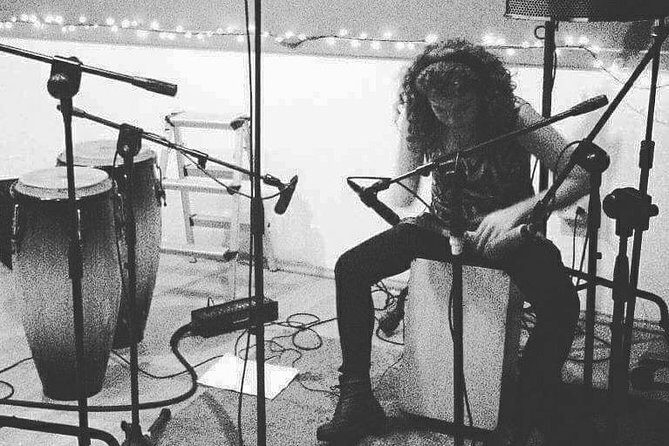
Let’s talk value. $65 per person sounds steep compared with walking tours. But music workshops are labor-heavy. You’re not just paying for a guide who talks. You’re paying for an artist’s teaching time, instrument handling, and access to a private workshop environment.
You also get several value multipliers:
- Private tour format for your group
- Hands-on instrument experience (not just observation)
- Cultural context through Afro music origins
- English instruction, so you can follow along without language friction
If you’ve already spent your Lima budget on museums and viewpoints, this is a strong way to add something that feels personal and active. If your budget is tight, consider treating it like a “one special lesson” splurge rather than a casual extra.
Who this workshop is best for
This tour fits best if you want:
- A participatory cultural experience in Lima
- A direct connection to Afro music through hands-on playing
- A small, private-feeling setting rather than a big group
It’s also a good pick for visitors who enjoy learning by repetition—music is made by doing it again and again, even in short sessions. And because it’s listed as offered in English and says most travelers can participate, it’s likely to work well for a wide range of visitors.
If you dislike interactive activities, you might prefer a performance or lecture instead. If you want to touch instruments and practice what you’re taught, this is right in its lane.
Practical tips so you get more from the session
A few common-sense moves make a workshop smoother:
- Arrive early enough to settle in before the session starts. This is a home workshop, so give it a minute to feel normal.
- Wear comfortable clothes. Instrument time can involve standing, leaning, and shifting position.
- Keep your questions ready. If something about the origin story or rhythm concept isn’t clear, ask while it’s fresh.
- Bring a curious mindset. Afro music isn’t just a sound. It’s a way of communicating, and the teaching is part of that experience.
Should you book Cajón afro peruano with Paloma Pereira?
Book it if you want an authentic, artist-led introduction to Afro-Peruvian music that goes past sightseeing. The biggest reasons to say yes are the combination of origin teaching plus hands-on instrument time, delivered from an exclusive workshop space in Miraflores.
Skip it only if you want a passive experience, or if you’re expecting a long, multi-hour course. At 1 hour 30 minutes, you’ll leave with a strong foundation and a taste of the culture—not a complete mastery program.
If your ideal Lima day includes learning something real from someone who lives it, this one deserves a place on your calendar.
FAQ
How long is Cajón afro peruano with Paloma Pereira?
It lasts about 1 hour 30 minutes.
Where do I meet the group in Miraflores?
You start at Casa Perculab, C. Manco Cápac 236, Miraflores 15074, Peru, and the activity ends back at the same meeting point.
Is the experience private and in English?
Yes. It’s a private tour/activity, and it’s offered in English.
What does it cost?
The price is $65.00 per person.
Will I get a ticket and confirmation?
You’ll receive a mobile ticket, and confirmation is received at the time of booking.
What’s the cancellation deadline?
You can cancel for a full refund if you cancel at least 24 hours before the experience’s start time (local time). Cancellation within 24 hours isn’t refundable.