REVIEW · LIMA
Exploring Markets & Street Food in Lima
Book on Viator →Operated by Peruvian Worldview · Bookable on Viator
Lima’s markets don’t feel like a checklist. This street-food tour strings together Surquillo fruits, Mercado Central bites, and sweet endings in a way that helps you understand how locals shop and eat. It’s paced for an afternoon start, and the tastings are the point, not an add-on.
I especially like the fruit stop, because you’ll get to try things you may never see back home. Second, I like the variety across cultures and cravings: smoky anticuchos and warm picarones in one stretch, then Chinatown flavors, then Peruvian desserts. One thing to think about: this is a tasting itinerary, so if you have strict allergies or dietary restrictions, you’ll want to flag them early so the guide can work with you.
In This Review
- Expect pickup and a real guide, not just a map
- Key Highlights You’ll Care About
- The Best Time to Do Lima Markets: 1:30 pm Works
- Stop 1: Mercado Nº 1 de Surquillo and Its Fruit Tasting Moment
- Stop 2: Mercado Central for Anticuchos and Picarones
- Stop 3: Chinatown for Min Pao Tasting
- Stop 4: Alameda Chabuca Granda for Peruvian Desserts
- The Guides: What Makes This Tour Feel Personal
- Price and Value: Why $55 Can Make Sense
- How to Prepare So You Enjoy Every Stop
- Logistics That Keep the Day Easy
- Who This Tour Fits Best
- Should You Book Exploring Markets & Street Food in Lima?
- FAQ
- What time does the tour start?
- How long is the experience?
- Where does the tour go?
- What foods will I taste?
- Is the tour offered in English?
- Is hotel pickup available?
- Can I cancel for free?
Expect pickup and a real guide, not just a map
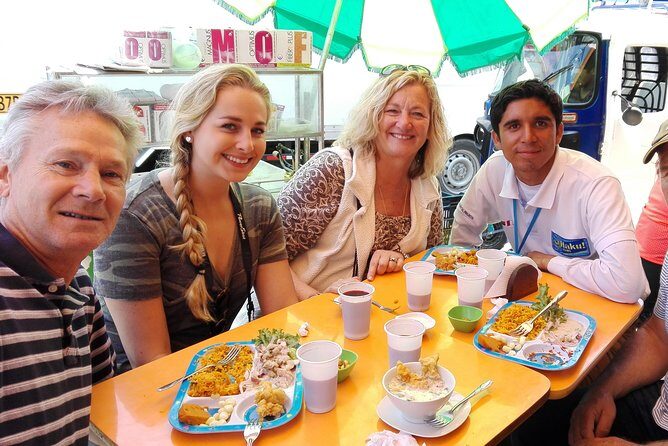
This tour is offered in English, runs about 3 hours, and starts at 1:30 pm. If you’re staying in Miraflores, Barranco, San Isidro, or Downtown Lima, hotel pickup makes the first 20 minutes much less stressful.
Key Highlights You’ll Care About
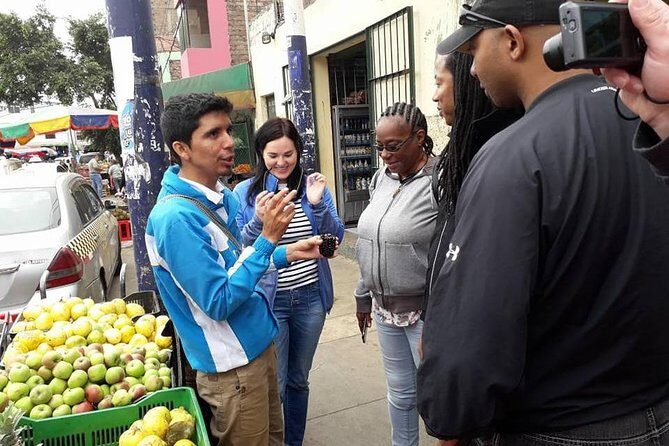
- Fruit tasting at Mercado Nº 1 de Surquillo: try local seasonal produce, not just common supermarket fruit
- Anticuchos and picarones at Mercado Central: iconic street snacks in the place where everyday food is sourced
- A Chinatown stop for min pao: a tasty reminder that Lima’s food scene blends cultures
- Desserts at Alameda Chabuca Granda: a sweet finish that feels like Lima, not a generic souvenir stop
- Guides who handle both languages well: English-friendly, and you’ll often hear Spanish explanations too
Other Lima food tours we've reviewed in Lima
The Best Time to Do Lima Markets: 1:30 pm Works
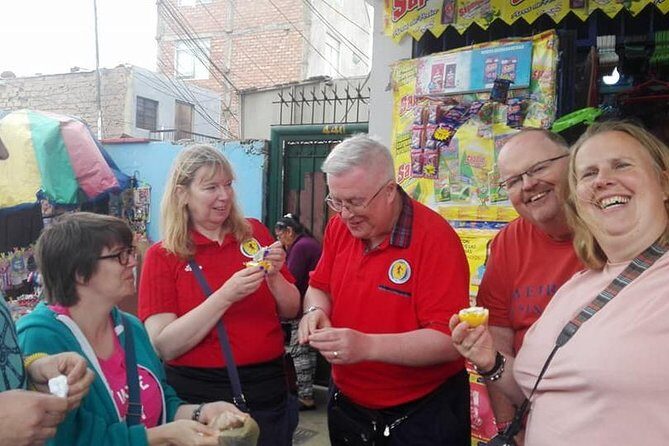
A market tour can go two ways: either you rush through stalls like a tourist, or you slow down enough to notice patterns. Starting at 1:30 pm hits a nice middle ground. You’re far enough into the day to eat a proper afternoon meal’s worth of samples, but you’re not sprinting in peak morning chaos.
You’ll cover four stops—Surquillo, Mercado Central, Chinatown, and Alameda Chabuca Granda—so you get variety without feeling like you’re traveling across the entire city. And since hotel pickup is available from several popular areas, you spend more time eating and less time decoding buses.
If you’re thinking about value, this matters. A $55 tour that lasts about three hours works when it delivers multiple meaningful tastings plus a guide who can explain what you’re seeing while you’re there. This one follows that logic.
Stop 1: Mercado Nº 1 de Surquillo and Its Fruit Tasting Moment
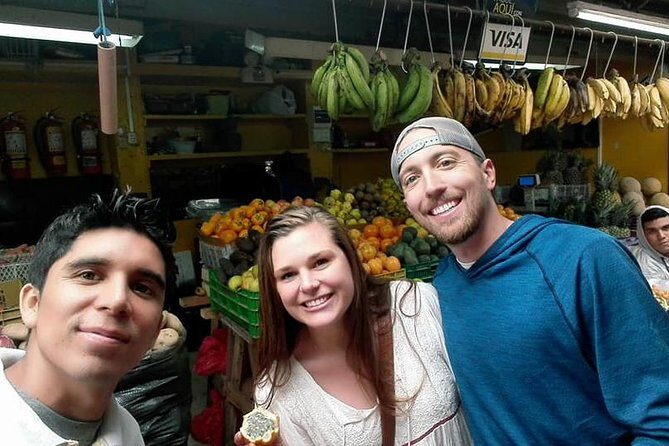
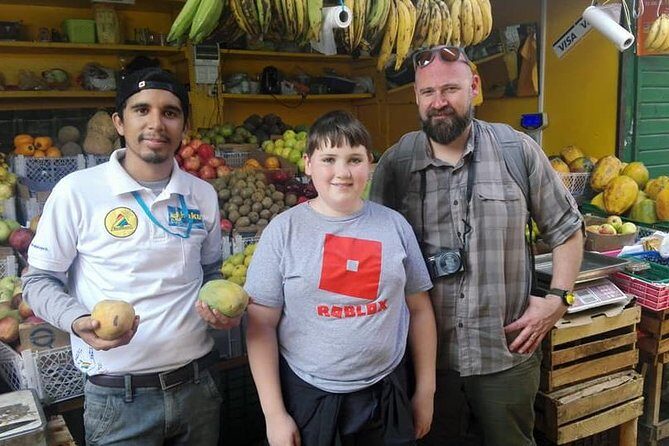
The tour begins at Mercado Nº 1 de Surquillo with fruit tasting. This is the kind of stop that resets your expectations fast. Markets like this aren’t designed for people who only want to photograph strawberries and bananas. They’re built for what local families buy and what’s in season.
Here’s what I’d watch for during your fruit tasting:
- Texture and ripeness: fruit in Peru often tastes different depending on how it’s harvested and when it’s sold.
- Name recognition: even if you don’t remember every fruit name, try to learn a couple and ask how people usually eat them.
- Sweet vs. tart: guides often explain which fruits lean juice-like and which are more tangy, so you can predict what you’ll like.
A big practical win: tasting first helps you connect faster with the rest of the markets. Once you’ve tasted something unfamiliar, you notice details—how vendors handle the fruit, how customers choose, how often sellers talk to each other. It’s not just food. It’s a glimpse of daily rhythms.
One downside risk to consider: if you hate trying new flavors, this stop can feel intimidating. If you’re game to take small bites, it’s a standout.
Stop 2: Mercado Central for Anticuchos and Picarones
Next is Mercado Central, where the tour focuses on two classic street-food targets: anticuchos and picarones.
Anticuchos usually means grilled skewers you can smell before you even see them. You’re not just sampling a dish—you’re stepping into a food ecosystem where demand is constant and flavors get dialed in on the spot. If you like meat that’s smoky and sauce-forward, this is your lane.
Then comes picarones, a sweet treat that feels like comfort food. Depending on how it’s served, picarones often come warm, syrupy, and perfect for finishing off an afternoon. When you pair anticuchos (savory) with picarones (sweet), you get that full street-food arc: salt, smoke, then sugar.
What makes this stop valuable isn’t just eating. It’s seeing how produce and meat flow in bulk markets. Even if you only take in a few minutes of the scene, you’ll come away with a better sense of where food really comes from—less “restaurant magic,” more real supply and prep.
Practical note: mercados can be active and full of smells. If you’re sensitive, keep a small water bottle handy and take breaks when you need them. You’ll enjoy the experience more if you don’t try to power through your nose.
Stop 3: Chinatown for Min Pao Tasting
Then you head to Chinatown for a tasting of min pao. Lima has long hosted Chinese communities, and you can taste that influence in the food. This stop adds the missing middle: markets aren’t only Peruvian; they’re also cross-cultural.
Min pao is the kind of item that tends to be more than just “a snack.” It’s usually the sort of bite that reminds you Lima isn’t frozen in one tradition. The food reflects migration and adaptation, and Chinatown brings that story through your stomach.
This stop also helps balance the menu. After grilled savory and fried-sweet treats, a different flavor profile is a relief. It keeps the tour from becoming one long repeated style of food.
Other food & drink experiences in Lima


Stop 4: Alameda Chabuca Granda for Peruvian Desserts
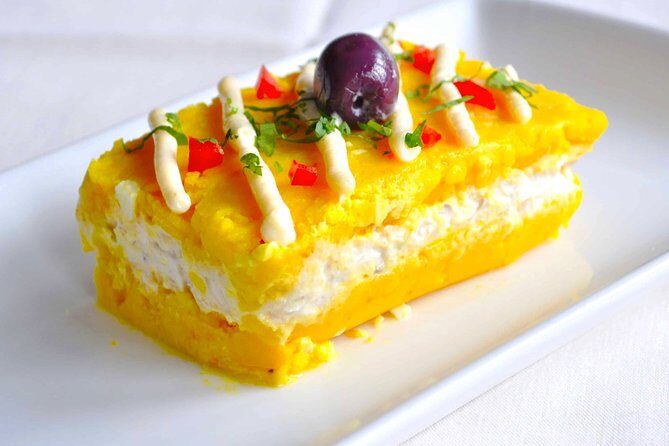
The tour closes at Alameda Chabuca Granda with Peruvian desserts. This is where the pacing turns from “tasting to understand” into “tasting to remember.”
A good dessert stop does two things:
- It lets you slow down after earlier walking and shopping energy.
- It gives you a final flavor anchor, so the whole afternoon sticks in your memory.
Since this is a dessert finale, you can end your meal without needing to hunt for dessert later. It’s a smart way to close a market tour, especially if you have dinner reservations.
The Guides: What Makes This Tour Feel Personal
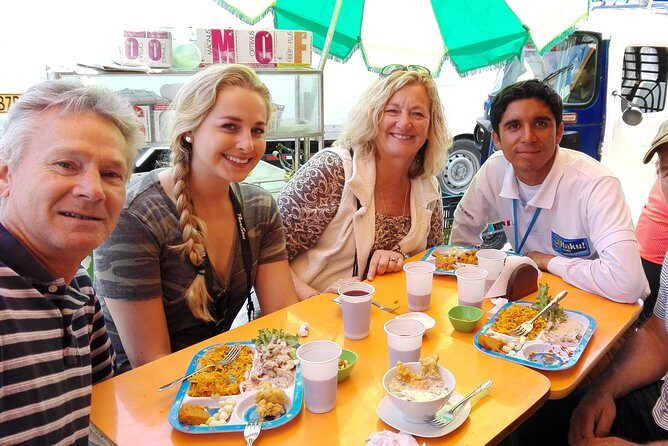
The biggest praise here isn’t just the food. It’s the guides. Names like Juan, Lucas, Alfredo, and Darwin come up in guides associated with this experience, and the pattern is the same: strong communication and real passion for what you’re tasting.
A great guide does a few specific things well:
- They explain what you’re looking at in plain language, not a lecture.
- They help you ask questions you wouldn’t think to ask on your own.
- They connect food to people—how they farm, sell, and cook.
In particular, guides are described as able to handle English very well, and you may also hear Spanish explanations layered in. That matters because markets can be noisy and fast. When the guide can translate and clarify, you get more from the same stall time.
One more detail that shows up: some guides are described as advocates—meaning the tour isn’t only “look at this food.” It’s also about understanding the city and the everyday challenges people face.
Price and Value: Why $55 Can Make Sense
Let’s talk value without hand-waving. At $55 per person for about 3 hours, you’re paying for four things:
- Several focused food tastings (not one or two bites)
- A guide who can translate, interpret, and keep the flow smooth
- A structured route across multiple neighborhoods
- Hotel pickup from key areas (Miraflores, Barranco, San Isidro, Barranco, and Downtown Lima)
If you were to do this on your own, you’d spend time figuring out where to go, what to order, and how to communicate with vendors. You’d also risk paying more for less memorable bites just because you didn’t know what was good. A guided route helps you avoid that guesswork.
Also, the tour is often booked in advance—about 19 days on average—which usually signals steady demand. That doesn’t guarantee anything, but it often correlates with a tour that gets repeated because people like it.
How to Prepare So You Enjoy Every Stop
This is the kind of tour where small choices matter. Here are a few you can control:
- Eat lightly before you go: you’ll sample at multiple places, including sweets at the end.
- Bring cash for souvenirs only: tastings are part of the experience, but extra purchases might happen if something catches your eye.
- Wear shoes you can stand in: you’ll be on your feet moving between markets and neighborhoods.
- Ask questions at the fruit stop: it’s the easiest place to learn. Once you connect the names to flavors, the rest feels more meaningful.
Logistics That Keep the Day Easy
A couple details make this tour simpler than many market experiences:
- Hotel pickup is available in several areas, so you don’t have to play transit roulette right away.
- The tour is noted as near public transportation, which helps if your pickup doesn’t match your timing.
- You’ll get a mobile ticket, so you’re not stuck managing printed confirmations.
Group discounts are also mentioned, which can make this friend-or-family-friendly. One story tied to this experience also hints that the day can run as a smaller group or even privately depending on who books—so if you want more one-on-one time, it may be worth asking when you confirm.
Who This Tour Fits Best
This tour is a strong fit if you:
- Want a food-focused introduction to Lima without spending days planning
- Like markets where you can taste rather than just look
- Enjoy learning about culture through what people actually eat
- Prefer a guide who can explain clearly in English
It may be less ideal if you:
- Have strict allergies and can’t safely navigate tasting menus
- Hate trying new flavors at all
- Want a tour that’s mainly about historical monuments rather than food
Should You Book Exploring Markets & Street Food in Lima?
If you want your first taste of Lima to feel like Lima—markets, street food, and sweet endings—this is an easy yes. The route gives you fruit, savory grilling, sweet treats, and a Chinatown stop, all in about three hours, with hotel pickup making the afternoon feel smooth.
Book it if you’re open to trying unfamiliar foods and you want a guide like Juan or Lucas style: explaining, translating, and keeping the experience moving so you actually understand what you’re eating. If you have dietary restrictions, reach out before you go so you can plan around them. Otherwise, this tour is a smart way to turn an afternoon into a real Lima memory.
FAQ
What time does the tour start?
It starts at 1:30 pm.
How long is the experience?
It lasts about 3 hours (approx.).
Where does the tour go?
You visit Mercado Nº 1 de Surquillo, Mercado Central, Chinatown, and Alameda Chabuca Granda.
What foods will I taste?
The tasting includes fruit, anticuchos and picarones, min pao, and Peruvian desserts.
Is the tour offered in English?
Yes, it’s offered in English.
Is hotel pickup available?
Pickup is available from hotels in Miraflores, Barranco, San Isidro, or Downtown Lima.
Can I cancel for free?
Yes. You can cancel for a full refund up to 24 hours in advance.