REVIEW · LIMA
Lima: Tour a pie con Guía Local por el Centro Histórico
Book on GetYourGuide →Operated by Free Walking Tours Peru LCC · Bookable on GetYourGuide
If you think Lima is all ocean and sunshine, this tour changes your mind—fast. You get a focused 2-hour walk through the city’s Historic Center, where the streets explain the people, power, and trade that shaped Peru’s capital.
You’ll see major icons like Plaza Mayor and the Government Palace exterior, plus lesser-known corners that make the whole area feel lived-in.
What I like most is the way the guide connects each stop to a clear story, not just names on a sign. I also really enjoy the route that slips off the most crowded paths, so you get more character per minute.
One caution: this is a walking tour, and it’s listed as not suitable for people over 70, so it’s best if you’re comfortable moving at street pace and standing for short explanations.
In This Review
- Key Highlights You’ll Feel on the Walk
- Why Lima’s Historic Center Works Best on Foot
- Meeting at Ramón Castilla and Getting Your Bearings Quickly
- Jirón de la Unión and Taulichusco: The Start of the Street Story
- Plaza Mayor de Lima: Where Power Gets Physical
- Plazuela Santo Domingo and Pasaje Santa Rosa: Smaller Places, Better Atmosphere
- Union Club and the Postal Museum: Practical History You Can Grasp
- Government Palace Exterior and Casa del Oidor: Institutions, Control, and Architecture
- House of Peruvian Literature: Turning the Corner Toward Culture
- Calle de los Mercaderes and Calle de los Pescadores: Trade Streets with Real Meaning
- Old Train Station, Oldest Bar, and Spanish Water Fountain: The City’s “Everyday Legends”
- Kilómetro 0 and Optional Change of Guard Moment: Timing, Photos, and Local Rhythm
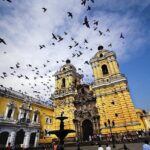
- Finish at Convento de San Francisco: A Strong, Symbolic Landing
- Price and Time: Why $12 for 2 Hours Often Feels Like a Bargain
- What to Bring, What Not to Bring, and How to Avoid Common Friction
- Who Should Book This Walking Tour (and Who Might Not)
- Book It or Skip It?
- FAQ
- How long is the Lima Historic Center walking tour?
- Where does the tour meet?
- What languages are offered?
- How much does it cost, and what’s included?
- Is hotel pick-up and drop-off included?
- What should I bring, and what’s not allowed?
- How much should I tip at the end?
Key Highlights You’ll Feel on the Walk
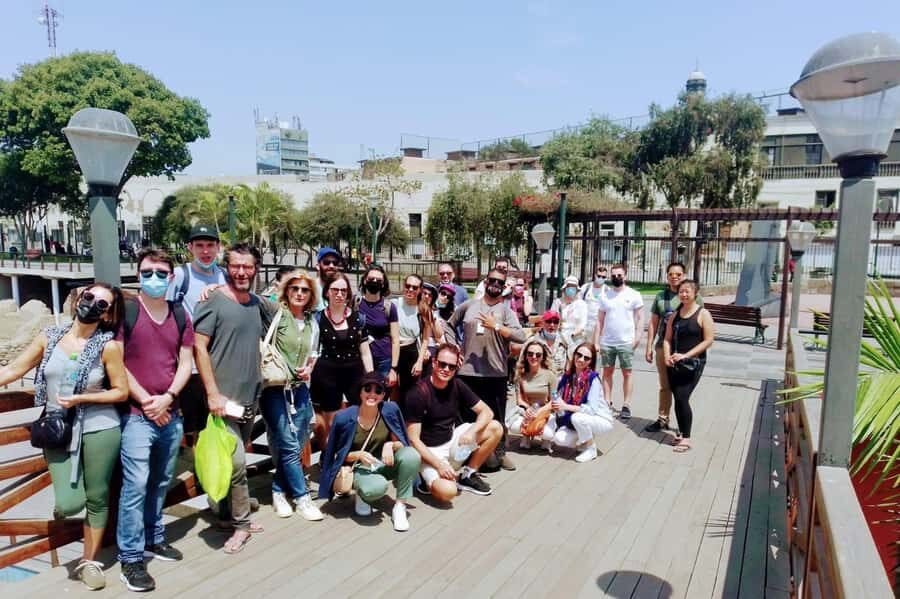
- Full-history focus that ties major landmarks to Lima’s day-to-day life over time
- Professional local guidance in English and Spanish so you can actually follow the details
- Out-of-the-beaten-path route that swaps crowds for character-filled streets and passages
- Photo-friendly stops at points like Plaza Mayor, Casa del Oidor, and Kilómetro 0
- A smart ending at Convento de San Francisco, where the tour naturally “lands”
Why Lima’s Historic Center Works Best on Foot
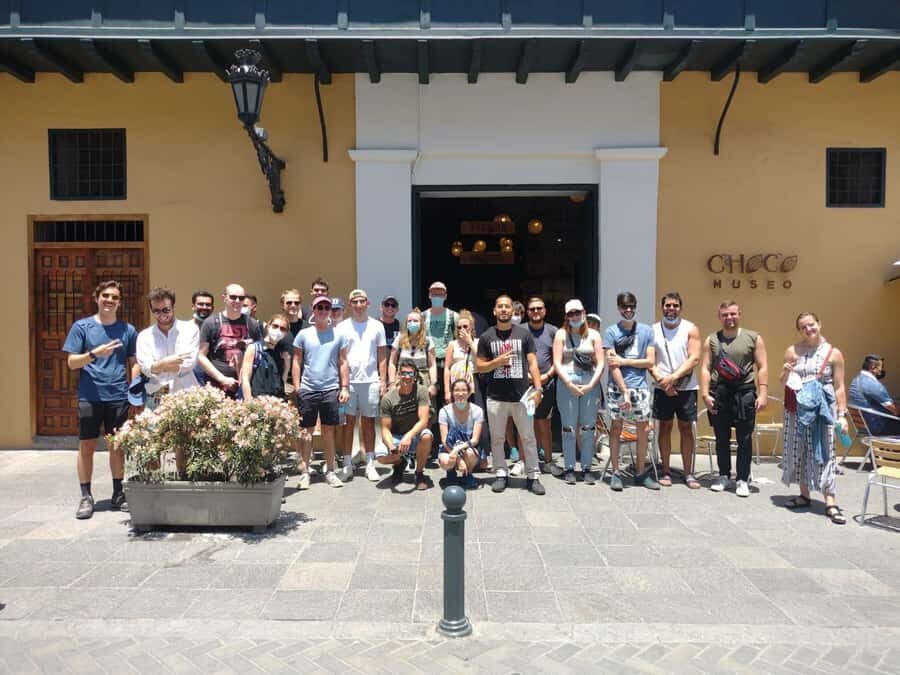
Lima’s Historic Center is the kind of place where context matters. If you show up on your own, you can still see the big sights—but you’ll miss why they’re connected. On foot, the city becomes readable: streets lead you from government to commerce to neighborhood life, and you start noticing the patterns.
This tour is built for that. It’s only 2 hours, but it’s packed with stops that help you understand what Lima looked like when Spanish authorities, local institutions, and merchants were all shaping the same city. You’re not just touring buildings. You’re walking through the logic of the capital.
Other historic center and catacombs tours in Lima


Meeting at Ramón Castilla and Getting Your Bearings Quickly
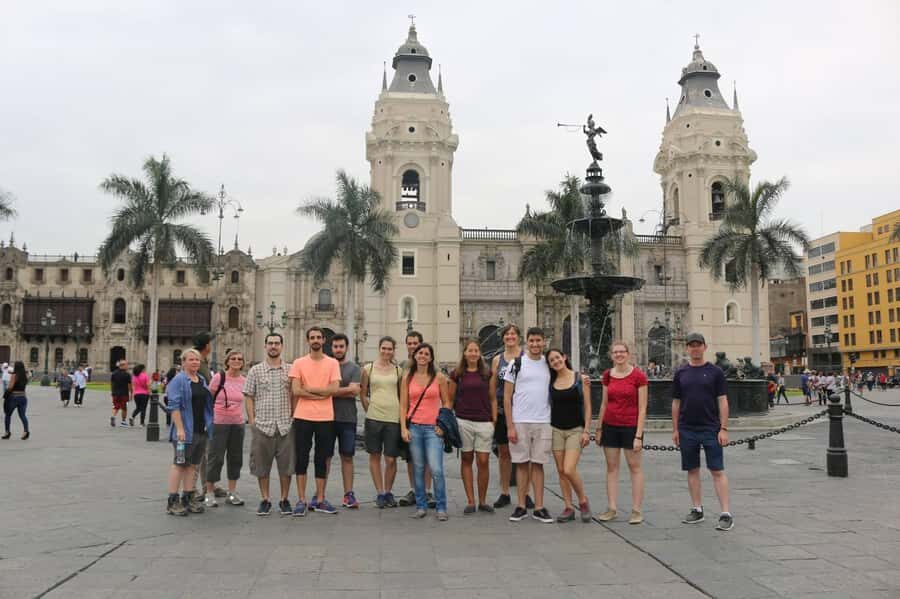
You start at the Monumento a Ramón Castilla, in front of the church La Merced. Look for the guides’ green vests so you can lock in the right group from the first minute.
This matters more than it sounds. The Historic Center has lots of similar-looking streets and plazas, and it can be easy to lose your sense of direction early on. The meeting point is a clear landmark, and the guide’s role here is basically to get you oriented—what you’re seeing, what order to expect, and where the story is headed.
A practical tip: bring cash, water, and a hat. Lima sun can be serious, and this walk moves through areas that may not offer much shade.
Jirón de la Unión and Taulichusco: The Start of the Street Story
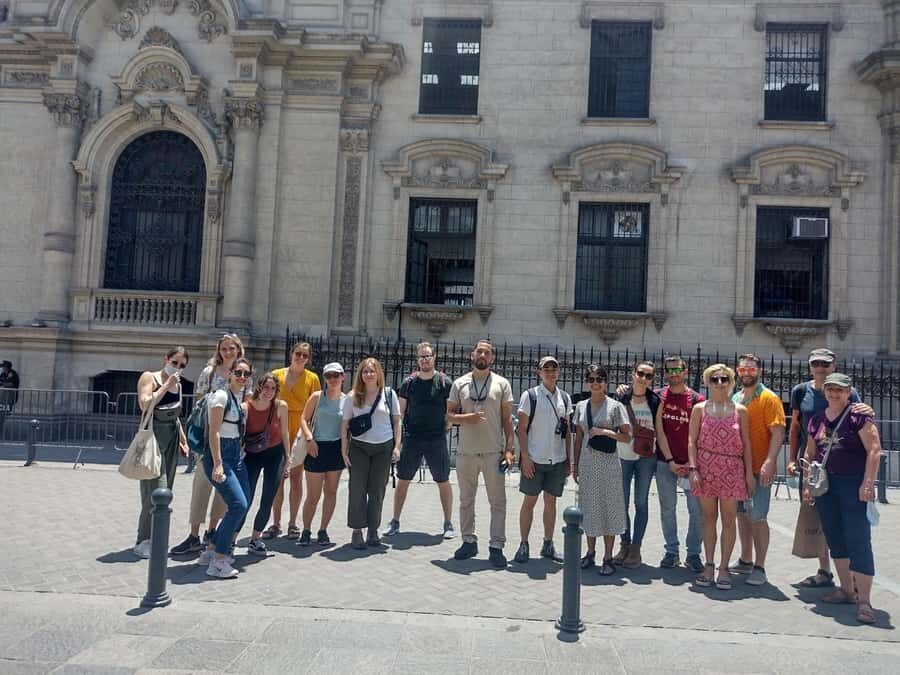
After the meeting point, you’ll walk along Jirón de la Unión for a short visit. This is one of those main corridors where Lima’s “center” feeling starts to make sense: urban life, movement, and long-running street identity.
Next comes the Taulichusco monument. Short stop, but it’s the kind of detail that helps you connect Lima’s modern look to older layers of the city. Even when you’re not stopping for long, the guide’s commentary helps you understand why certain landmarks sit where they do.
If you like architecture and street layout, this early portion is a good warm-up. If you prefer slow pacing, you’ll still be okay—but expect the group to move efficiently.
Plaza Mayor de Lima: Where Power Gets Physical
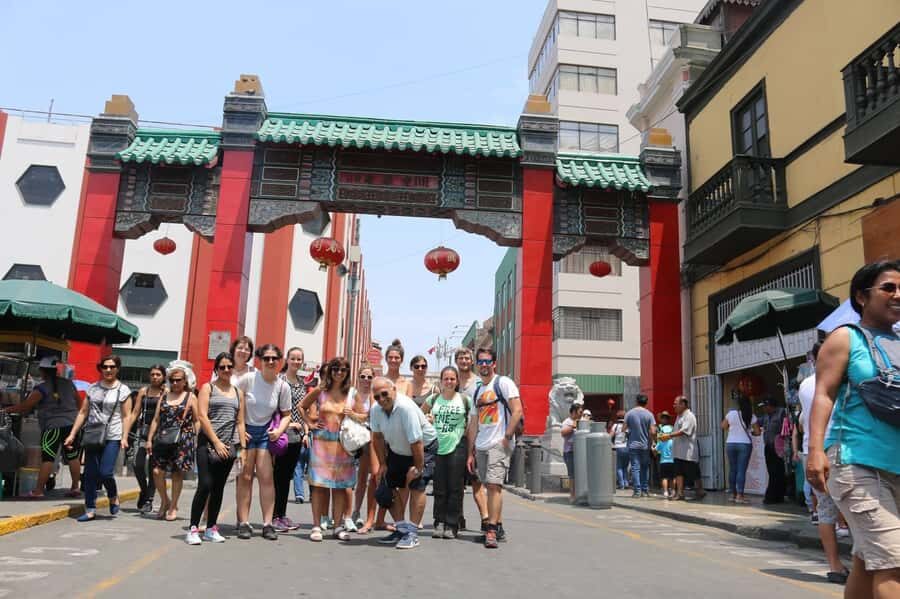
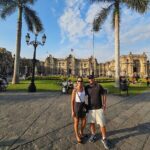
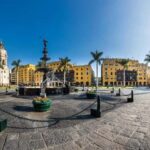
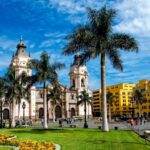
Then you reach Plaza Mayor de Lima, the classic center point of the whole story. The guide will lead the group tour here for around 15 minutes, and this is where the city’s big-picture shape comes in.
Plaza Mayor isn’t only a postcard. It’s the place where government presence is visible in everyday space. You’ll also get exterior views of major authority buildings as part of the same theme, including the Government Palace of Peru (exterior visit).
What I like about spending time here with a guide is the emphasis on what the plaza meant and how the city organized itself around that kind of power. Even if you’ve seen the square before, the explanation usually helps it click.
Plazuela Santo Domingo and Pasaje Santa Rosa: Smaller Places, Better Atmosphere
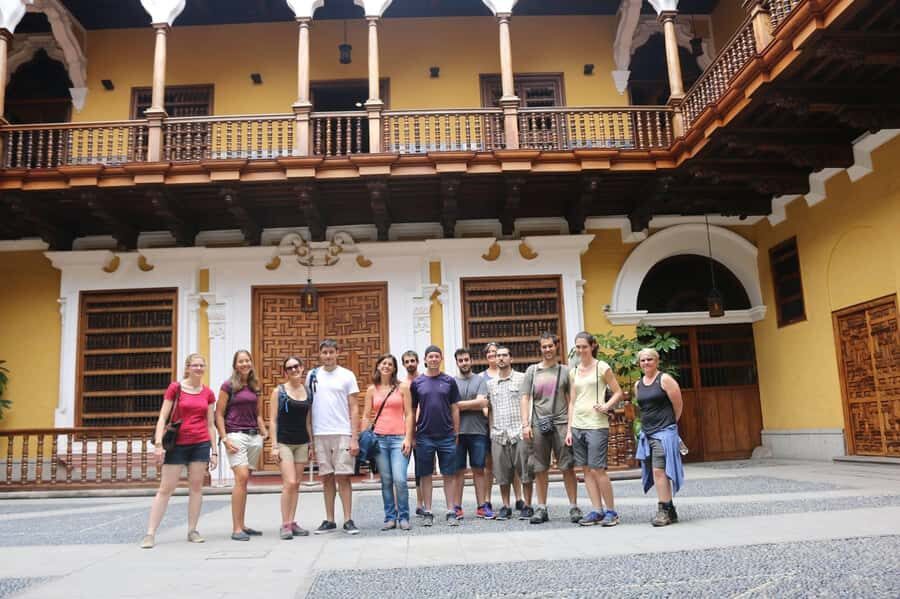
Not every stop is a massive landmark. You’ll also spend time around Plazuela Santo Domingo and pass through Pasaje Santa Rosa (with a guided stop).
These kinds of places are where Lima stops feeling like a checklist and starts feeling like a real neighborhood of the past. Passages and small plazas often hold architectural clues and street details that are easy to overlook when you’re moving fast.
This part of the tour is also a big reason to choose a guide. Without context, you may admire the look but miss the point of why that space matters. With a good guide, you get the story behind the setting.
If you’re the type who enjoys taking photos, this section gives you angles that feel calmer than the busiest plazas.






Union Club and the Postal Museum: Practical History You Can Grasp
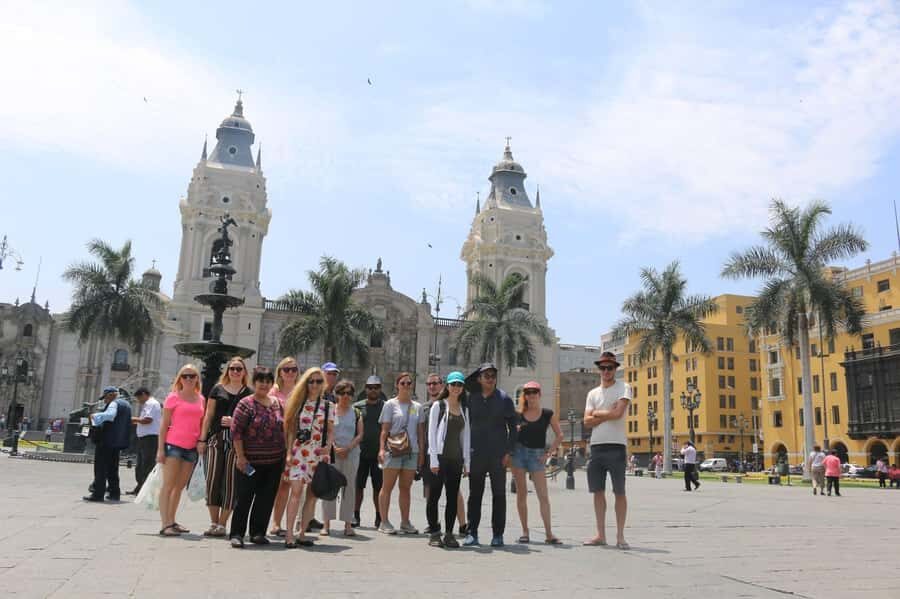
Along the walk you’ll visit the Union Club and also stop at Museo Postal y Filatélico del Perú.
This isn’t the kind of museum stop I’d automatically pick if I were on my own. That’s exactly why it works here. A postal and philately stop helps you understand communication networks—how cities connected, how news traveled, and how official and personal messages moved through Lima.
Even if you don’t go deep into the displays, the framing matters. You’ll come away with a clearer idea of how daily life and institutions were linked through something as ordinary as mail.
The museum visit is about 10 minutes, so this is not a long museum day. It’s a taste designed to make you want to return later if you’re curious.
Government Palace Exterior and Casa del Oidor: Institutions, Control, and Architecture
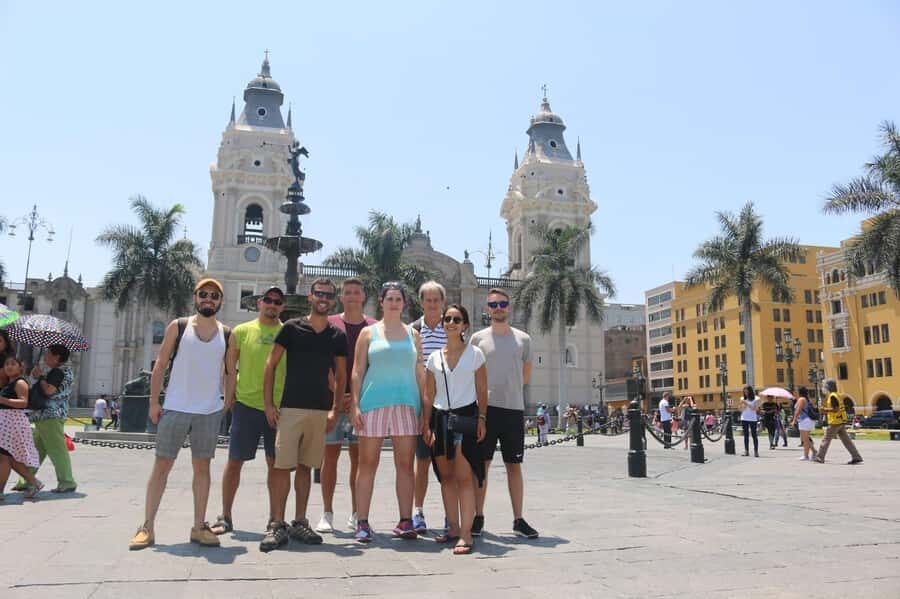
After seeing the plaza, you’ll connect the story to the Government Palace of Peru exterior (about 10 minutes). Then you move toward Casa del Oidor (around 5 minutes).
This is where the tour earns its “full-history” promise. The buildings aren’t just pretty. They represent roles—who held authority, how decisions were made, and how power showed up in stone and layout.
Casa del Oidor is especially interesting because it ties into Lima’s legal-administrative story. Even during a short stop, the guide’s explanation helps you read the building as a symbol of governance, not just as an old structure in a tourist zone.
House of Peruvian Literature: Turning the Corner Toward Culture
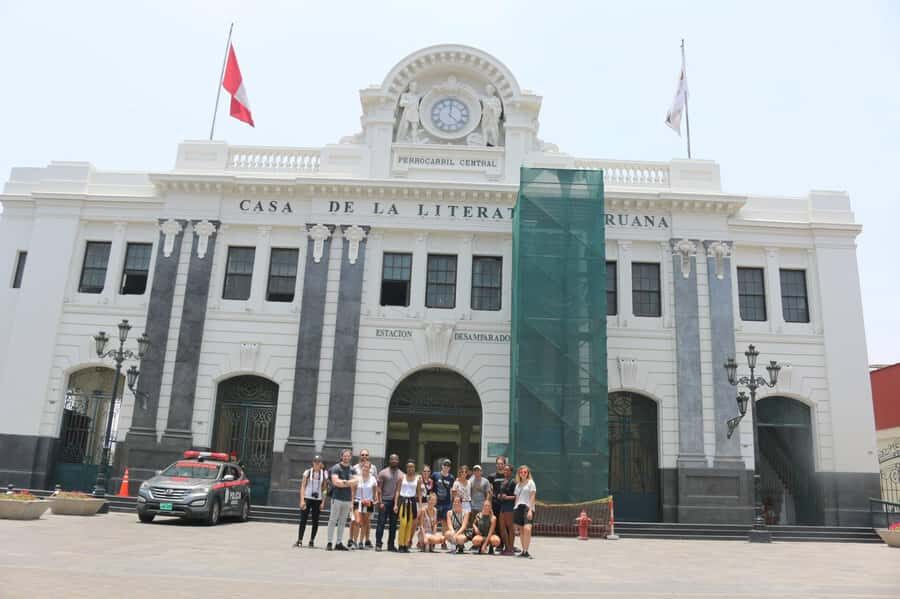
You’ll also visit the House of Peruvian Literature. The stop time is around 10 minutes, and the value here is the cultural pivot.
Lima isn’t only government and trade. It also produces ideas, writing, identity. When a walking tour includes a cultural institution like this, you get a more balanced understanding of what the city is.
If you like literature, art, or language, this is one of the stops that can shift your perspective from architecture to meaning.
Calle de los Mercaderes and Calle de los Pescadores: Trade Streets with Real Meaning
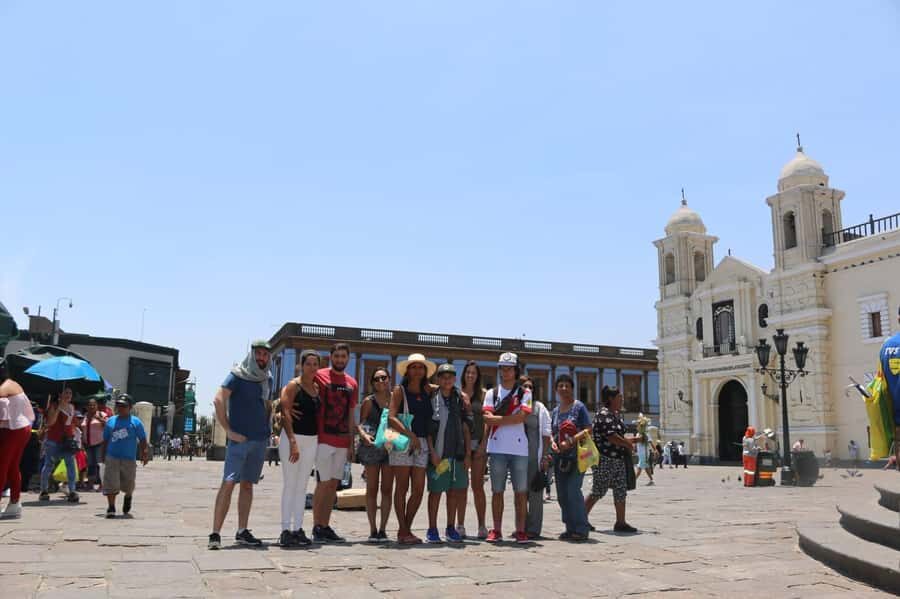
One of the tour’s most enjoyable angles is the way it references trade. You’ll see streets tied to merchants and fish sellers, including Calle de los Mercaderes and Calle de los Pescadores.
These names are more than trivia. They point to how Lima’s economy shaped daily street life—what people sold, where activity gathered, and how the city fed itself and funded growth.
If you’re into street-level history, these portions are where you can start imagining what a day in Lima looked like before everything became modern storefronts.
Old Train Station, Oldest Bar, and Spanish Water Fountain: The City’s “Everyday Legends”
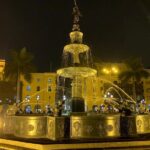
Along the route, you’ll also pass by sights highlighted by the tour provider, like the old train station and the oldest bar of Lima, plus the Spanish Water Fountain.
Even without long explanations at each spot, these are the kinds of landmarks that make you feel the city’s continuity. A fountain is a social tool. A train station is movement and change. An old bar is memory and routine.
The guide’s job here is to connect these “everyday legends” to the larger Lima story you’ve been building since Plaza Mayor.
Kilómetro 0 and Optional Change of Guard Moment: Timing, Photos, and Local Rhythm
The walk includes Kilómetro 0, plus you may have an optional change of guard moment depending on timing.
Kilómetro 0 is the kind of place you can see quickly, but it helps to understand what it represents—Lima’s central point for distances and navigation. It’s one of those stops where a short explanation can turn a simple photo into a moment of comprehension.
If the change of guard is happening and your group can see it, that’s a bonus. I treat these moments like street theater: not the “main act,” but memorable if it aligns with your schedule.
Finish at Convento de San Francisco: A Strong, Symbolic Landing
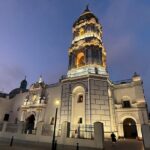
You end at Convento de San Francisco. The tour wraps here for a natural reason: it’s a big, historic destination that makes the whole route feel complete.
Finishing at a major religious site gives your brain a place to “land” after moving through power buildings, commerce streets, and cultural stops. You also have a clear next step after the tour—stick around, explore nearby streets, or continue on to your next Lima plan.
Price and Time: Why $12 for 2 Hours Often Feels Like a Bargain
At $12 per person for a 2-hour guided walk, you’re paying for two things: time and interpretation. In places like Lima, interpretation is the difference between seeing and understanding.
You also get a real guide in English and Spanish, and the stop list includes both the obvious classics and the less predictable corners. That blend helps you spend less time “figuring out what to do” and more time actually learning.
What’s not included: pick-up and drop-off at your hotel. So think of this as a meet-at-a-landmark style tour. If you can get yourself to the meeting point, you’re set.
What to Bring, What Not to Bring, and How to Avoid Common Friction
This tour is simple, but come prepared. Bring:
- Hat
- Drinks
- Biodegradable sunscreen
- Comfortable clothes
- Cash
Not allowed:
- Alcohol and drugs
- Littering
- Bare feet
Also plan for walking and standing in streets and small areas. If you’re sensitive to uneven pavement or crowds, wear shoes that feel stable.
One more practical detail: after the tour, you’re asked to leave a tip of 30 soles per person in cash. That’s not something to “work out later.” Have the cash ready so you can relax at the end.
Who Should Book This Walking Tour (and Who Might Not)
This tour fits you if you want:
- A guided overview of Lima’s Historic Center in just 2 hours
- Full-story explanations that connect landmarks instead of repeating surface facts
- A route that includes both major sights and off-the-main-path streets
You should probably choose a different option if:
- You’re over 70 (it’s listed as not suitable)
- You want long museum time or slow, unstructured wandering
- You’d rather avoid short stops and quick photo moments
Book It or Skip It?
I’d book this tour if you like your sightseeing with context, and you want to leave the Historic Center with a clearer sense of how Lima worked—power, law, trade, communication, and culture all stitched together.
I’d skip or reconsider if walking pace and short stops don’t match your style, or if you’re in a group that can’t comfortably handle a city-center walk.
If you do book, show up at the meeting point on time, bring cash for the expected tip, and be ready to learn something small-but-useful at almost every turn.
FAQ
How long is the Lima Historic Center walking tour?
The tour lasts 2 hours.
Where does the tour meet?
You meet at the Monumento a Ramón Castilla, in front of the church La Merced. Look for the guides wearing green vests.
What languages are offered?
The live tour guide runs in English and Spanish.
How much does it cost, and what’s included?
It costs $12 per person and includes a professional guide.
Is hotel pick-up and drop-off included?
No. Pick-up and drop-off at your hotel is not included.
What should I bring, and what’s not allowed?
Bring a hat, drinks, biodegradable sunscreen, comfortable clothes, and cash. Alcohol and drugs, littering, and bare feet are not allowed.
How much should I tip at the end?
After the tour, leave a tip of 30 soles per person in cash.