
REVIEW · LIMA
Private Transfer Lima Airport (QuickLlama Airport Shuttle)
Book on Viator →Operated by QuickLlama Airport Shuttle · Bookable on Viator
Lima airport stress starts before you leave. This private transfer is built to keep your departure smooth with a tracked, professional pickup plus an air-conditioned van and onboard Wi‑Fi. I especially like the driver touchpoints (WhatsApp alert if you share a phone number) and the way the service handles real-life timing, since the drive can be 45 minutes or stretch to 90. One thing to consider: traffic rules Lima, so your transfer time depends heavily on the hour you’re traveling.
You’ll be picked up at your hotel or address inside the coverage area, then taken to Jorge Chavez International Airport in Callao. The service is designed for groups, and it’s private, meaning only your group rides in the vehicle. If you’re traveling with kids, extra luggage, or a mix of travelers who don’t want a bus-and-stand-in-line moment, this style of transfer tends to feel like a win.
Here’s the practical upside: you’re not guessing. You get a mobile ticket, GPS tracking, and security cameras on board, plus professional driving standards. The main drawback is simply planning your arrival window, since Lima traffic can change the trip length fast.
In This Review
- Key things that make this transfer work in real life
- A private Lima airport van that respects your time
- Pickup that actually helps: timing, contact, and where the car meets you
- The drive to Jorge Chávez: learn Lima traffic and plan like a pro
- Inside the van: Wi‑Fi, A/C, and the tech that reduces anxiety
- Safety and insurance: what the included coverage really means
- Meeting up at Jorge Chavez: what to know about the airport end
- Price and group value: how $29 can make sense
- Who should book this transfer, and who might pass
- Quick practical tips for using this transfer well
- Should you book the QuickLlama Airport Shuttle?
- FAQ
- How long does the transfer from Lima to Jorge Chávez usually take?
- What’s the pickup process like?
- Is there Wi‑Fi in the van?
- What features are included in the vehicle?
- How much does it cost and is it per person?
- Is insurance included?
Key things that make this transfer work in real life
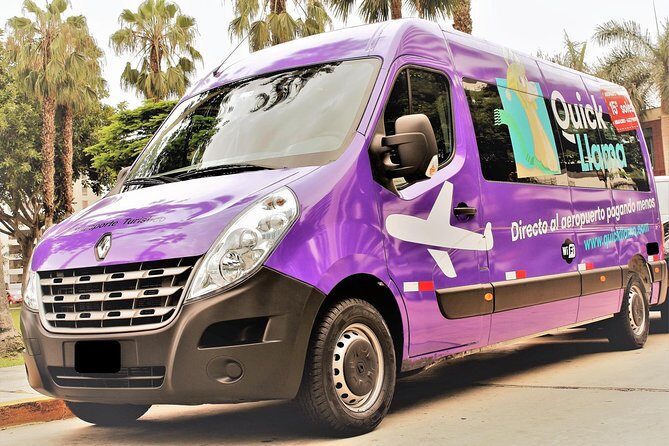
- WhatsApp pickup alert about 5 minutes before arrival (when you provided a phone number)
- GPS tracking and GPS-based route management so you’re not left wondering where the car is
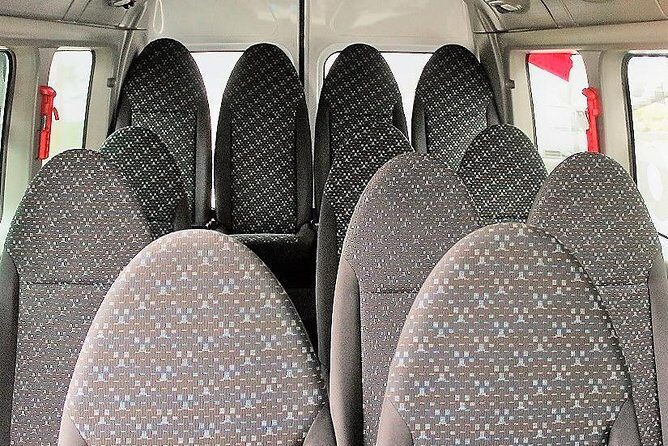
- Free onboard Wi‑Fi and air conditioning, helpful when you want your phone battery to last until check-in
- Insurance coverage included with medical and disability/fatality limits per person
- Private vehicle pricing (per group/vehicle), so the value can be great with more than one traveler
- Traffic-aware timing guidance, including the usual 45-minute vs 90-minute windows
A private Lima airport van that respects your time
Lima can feel chaotic right at the start of a trip. One of the reasons airport transfers get under people’s skin is simple: you lose time twice—first getting to the airport, then trying to fix the stress when you arrive late. A prebooked private transfer helps because the plan is locked in before you’re standing outside with rolling luggage and jet lag.
What I like about this setup is that it’s not trying to be fancy. It’s trying to be dependable. You agree on a pickup time, the driver shows up on that schedule, and you’re guided to Jorge Chavez International Airport. That matters if you have early check-in, connecting flights, or a tight itinerary in Lima.
Also, this service is family-friendly in the obvious way. It’s private and can handle group travel, so you’re not splitting your party, switching vehicles, or hoping everyone ends up at the same place at the same time. If you’re traveling with kids, you’ll likely value the simple fact that everyone stays together.
Other Lima airport transfers we've reviewed in Lima



Pickup that actually helps: timing, contact, and where the car meets you
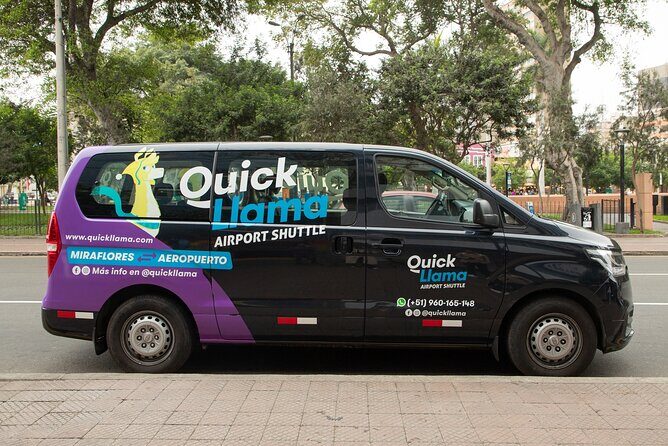
The biggest quality-of-life feature is the pickup process. The driver arrives at your agreed time at your hotel or address within the coverage area. If you shared a phone number when booking, you’ll get a WhatsApp message about 5 minutes before the driver arrives. That short heads-up is small, but it reduces the common airport-transfer problem: waiting while you wonder if you missed the car.
You also have control over where you’re picked up and dropped off. You can request pickup from an address like your hotel, apartment, or house, and you can specify whether you need a transfer to the airport or from the airport. For many people, this is the difference between a smooth arrival and a messy one, especially if you’re not staying at a big, obvious landmark hotel.
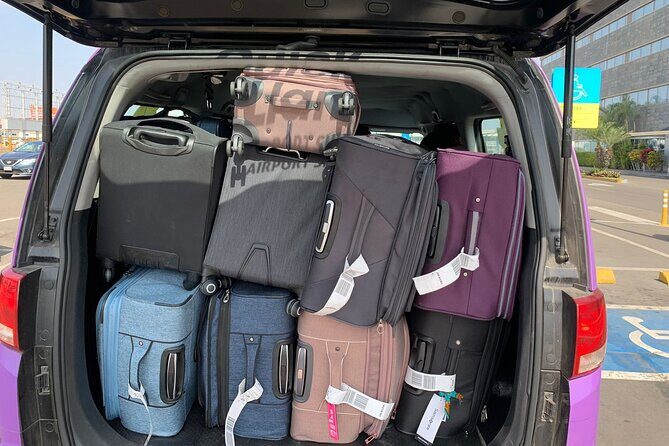
Luggage matters too. The service uses a van designed to carry people comfortably, and one of the strongest signals from past experience with this transfer is that the vehicle is roomy for both passengers and luggage. That’s a practical comfort point, because in Lima you don’t want to fight for space or squeeze everyone into a tight space with bags at your feet.
The drive to Jorge Chávez: learn Lima traffic and plan like a pro
This is the part where you should be realistic. Lima traffic changes the transfer time more than most people expect. The service guidance is clear: the airport trip is about 1 hour on average, but it can be as short as 45 minutes with light traffic, or as long as 90 minutes with heavy congestion. Your exact time also depends on where you’re staying, since Lima isn’t one uniform traffic block.
Use the timing windows to plan your airport arrival:
- Lowest traffic: 9 PM to 7 AM, often around 45 minutes
- Highest traffic on weekdays: 7 AM to 9 AM and 5 PM to 9 PM, often around 90 minutes
- Moderate traffic: 9 AM to 5 PM weekdays and most of weekends, often around 1 hour
The practical takeaway is simple: don’t just book and hope. Book, then build your day around the traffic ranges. If you’re leaving during a weekday rush window, treat the 90-minute estimate as your planning baseline, not the optimistic best case.
If you’re the type who likes buffer time (and you should be, before flying), aim for the schedule guidance. For domestic flights, plan to arrive 1.5 to 2 hours before departure. For international flights, plan 2 to 3 hours ahead. That buffer isn’t about being cautious for nothing; it’s about giving yourself time for check-in, security, and any small surprises at the airport.
Inside the van: Wi‑Fi, A/C, and the tech that reduces anxiety
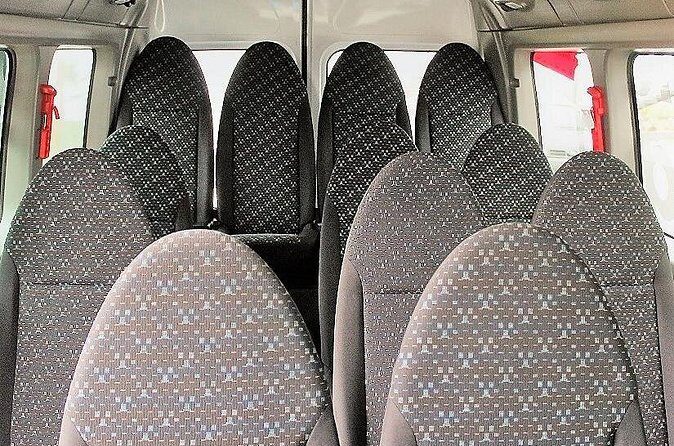
This transfer isn’t just transport. It includes a handful of features that make the ride feel easier, especially if you’re traveling with kids or you need to handle last-minute messages.
You can expect:
- Free Wi‑Fi onboard so you can send messages, check flight info, and handle small online tasks without burning your data plan
- Air conditioning, which matters in Lima’s heat and especially if you’re wearing warmer clothes for your flight
- Security cameras in the vehicle, adding a layer of oversight for safety-minded travelers
- GPS tracking, which supports the driver’s route and lets the service coordinate pickups more reliably
GPS tracking might sound like a boring detail, but it has a real benefit: you’re less likely to feel stranded if something changes. In a city with heavy traffic, route awareness can mean fewer uncertain minutes.
And yes, Wi‑Fi can be genuinely useful on travel days. If you need to confirm gate details, coordinate with family, or just keep everyone calm on the phone before boarding, it’s the kind of comfort feature you miss until you need it.
Safety and insurance: what the included coverage really means
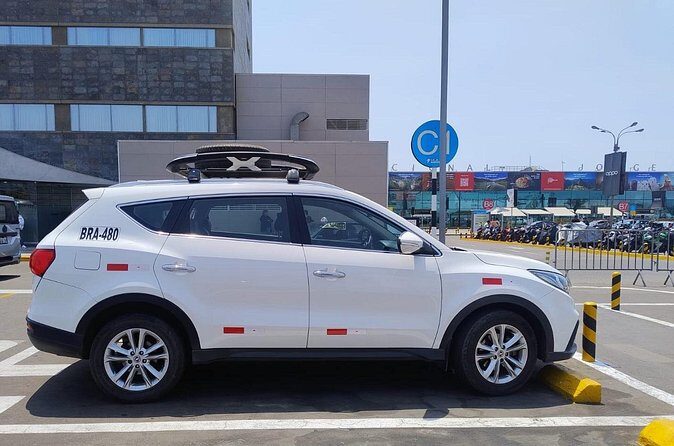
Airport transfers are usually about convenience, but this one adds a strong layer of reassurance. You’re covered by a private insurance policy included with the service. The limits listed include:
- US$4,000 per person for medical expenses
- US$20,000 per person for permanent disabilities
- US$20,000 per person for fatalities
That doesn’t replace travel insurance for everything, but it helps cover the basics inside this specific transfer scenario. Think of it like a safety net for the time you’re riding with the driver, not a full plan for your whole trip.
There’s also the practical safety angle: professional drivers and a vehicle equipped with security cameras and GPS tracking. When you’re handing off your departure to someone else, these details help you feel less like you’re rolling dice.
If you like to travel with a checklist mindset, this transfer gives you several checkmarks at once. It’s still smart to keep your own standard safety habits—seatbelt on, keep your phone charged, know your documents—but you’re not starting from zero.
Other private tours in Lima





Meeting up at Jorge Chavez: what to know about the airport end
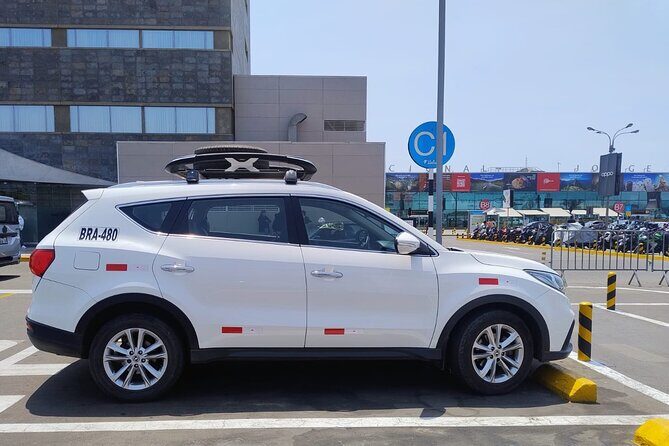
The meeting point for the airport is New Jorge Chávez International Airport, Avenida Morales Duárez s/n, Callao, Peru. That’s useful because it gives you a clear reference point if you’re trying to plan logistics like pickup instructions and taxi alternatives.
For drop-offs, the key is matching your arrival time to your flight schedule. Because traffic can swing from 45 minutes to 90 minutes, you should avoid cutting it close. The flight arrival guidance is especially important for international travel. You’ll usually spend more time navigating check-in and security processes when crossing borders.
Also remember: this is a private vehicle drop-off, not a shared shuttling situation where multiple stops compete for time. That can help you manage stress because the plan is focused. Your transfer is the mission, not one of many.
Price and group value: how $29 can make sense
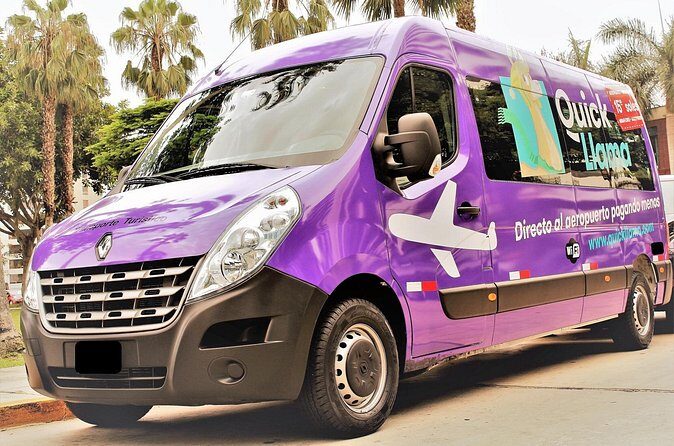
The price is listed as $29.00 per group (up to 3), and it’s also described as private vehicle pricing rather than per person. That’s where value can become real: if you’re traveling with another couple or a small group, you spread the cost across passengers.
At the same time, the service description also mentions the transfer is for up to 13 people for group travel. That suggests this is a flexible setup depending on the vehicle/group configuration. Because the exact capacity can be part of how the operator sizes your reservation, I’d treat the up-to-3 note as the simplest way the price is shown for standard groups, and confirm vehicle capacity when you book.
Here’s the value logic that usually matters:
- If you’re solo, it can still be reasonable because you avoid waiting, negotiating, and uncertain timing.
- If you have two or more people, it often looks better than taking public options plus the headache of figuring out how to get luggage from point A to point B.
- If you’re traveling with kids or elderly family members, the value rises fast because you’re buying less stress and fewer moving parts.
The real price question isn’t just the number. It’s whether the transfer buys you time, reduced hassle, and arrival confidence. For many people, especially on flight day, that’s the whole deal.
Who should book this transfer, and who might pass
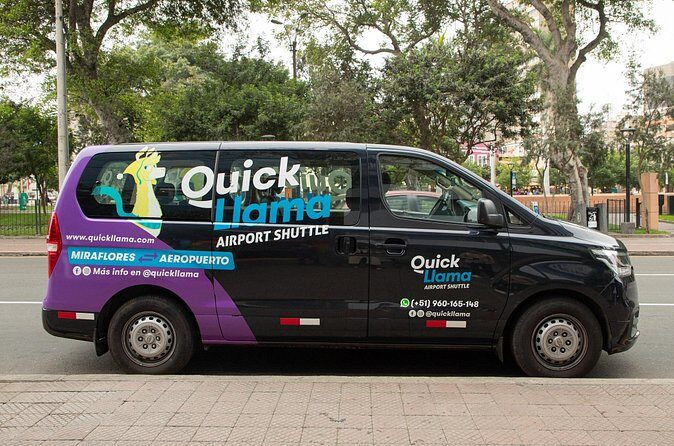
This transfer fits best if you want a direct, private ride with predictable pickup behavior. It’s particularly handy for:
- Families who want one vehicle, one pickup time, and a calm end to the trip
- Travelers carrying luggage who don’t want tight transfers
- Groups who can use private-vehicle value (because the price is per group/vehicle)
It might not be your best match if you’re comfortable with more uncertainty or you love figuring out transportation on the fly. But if your day revolves around flight timing, this type of booking tends to make travel days feel smaller and more controlled.
Also, if you’re sensitive to stress, the included GPS tracking and the WhatsApp driver notice (when available) help. You’re not stuck in the common limbo of guessing whether the driver is running late or you missed each other.
Quick practical tips for using this transfer well
If you’re booking this, a few small moves can make the day smoother:
- Plan pickup for the right traffic window, not just the flight time. If you’re leaving during weekday peak hours, assume longer time.
- If you have a phone available on arrival day, include your number so you can get the WhatsApp heads-up.
- If you’re traveling internationally, lean toward the higher end of the recommended airport arrival window.
- Keep your luggage ready at pickup time so boarding stays quick and calm.
These are the kinds of steps that turn a standard transfer into an actually relaxing one.
Should you book the QuickLlama Airport Shuttle?
If you want a straightforward Lima airport ride with professional driving, tracking, and comfort features like air conditioning and free Wi‑Fi, I think this is a strong option. The included insurance adds reassurance, and the pickup process is designed to reduce the most annoying parts of airport logistics: waiting, confusion, and uncertainty about timing.
I’d book it if your flight is time-sensitive, you’re traveling with family, or you don’t want to spend your last minutes in Lima negotiating transport. I’d double-check your group size at booking if you’re traveling with more people, since the service notes both group pricing and broader capacity.
For most travelers, this is the kind of practical purchase that turns airport day from a problem into a checkbox you finish early.
FAQ
How long does the transfer from Lima to Jorge Chávez usually take?
It takes about 1 hour on average. With lighter traffic it can be around 45 minutes, and with intense traffic it can be about 90 minutes depending on where you’re staying.
What’s the pickup process like?
The driver arrives at the agreed pickup time to your hotel or address within the coverage area. If you provided a phone number, the driver will WhatsApp you about 5 minutes before arriving.
Is there Wi‑Fi in the van?
Yes. The vehicle includes free onboard Wi‑Fi.
What features are included in the vehicle?
The van has air conditioning, security cameras, and GPS tracking. Drivers are professional.
How much does it cost and is it per person?
The price is listed as $29.00 per group (up to 3). It’s also described as the price for the entire vehicle, not per passenger, for a private ride.
Is insurance included?
Yes. The service includes a private insurance policy with US$4,000 per person for medical expenses, US$20,000 per person for permanent disabilities, and US$20,000 per person for fatalities.