REVIEW · LIMA
Skip the Line: Peruvian Regional Dances Ticket
Book on Viator →Operated by La Candelaria · Bookable on Viator
Peru’s dancing is loud, proud, and fun. This La Candelaria evening pairs skip-the-line entry with a traditional pisco sour as you take in 10 regional dances, and it even gives you a chance to learn a few moves. The main catch is that some parts of the show can run long, so if you prefer short and tightly paced entertainment, keep that in mind.
I like that the focus stays on real cultural variety, not a scripted dance routine that you just watch from your seat. You’ll be close enough to interact with performers and the host, which makes the night feel more like a shared celebration than a distant performance. If you’re booking with a group that really wants a chance to win audience contests, note that the energy on stage may lean toward bigger groups.
In This Review
- Key Things to Know Before You Go
- A La Candelaria Night in Lima That Moves Fast
- Skip-The-Line Entrance: The Real Value of Arriving Right
- The 4-Hour Show: 10 Regional Dances and Audience Participation
- Pisco Sour While You Watch: How the Drink Fits the Culture
- Dinner and House Cocktails: Upgrade for a Full Evening Meal
- What Makes the Dancing Part Feel Worth the Ticket
- The Possible Downside: Long Participation Moments and Uneven Contest Energy
- Transportation and Where to Plan Your Timing in Lima
- Who This Experience Fits Best
- Price and Value for a 4-Hour Dance Night
- Should You Book This Skip-the-Line Regional Dances Ticket?
- FAQ
- How long is the Peruvian Regional Dances ticket?
- Where does the experience take place?
- What’s included with the ticket?
- Can I add dinner to the ticket?
- Is there audience participation?
- How many regional dances are in the show?
- How early should I book?
- When will I receive confirmation after booking?
- What’s the cancellation policy?
- Is the venue accessible and animal-friendly?
Key Things to Know Before You Go
- Skip-the-line entrance saves you time and keeps the evening from feeling rushed
- Pisco sour is part of the vibe while the regional dances start flowing
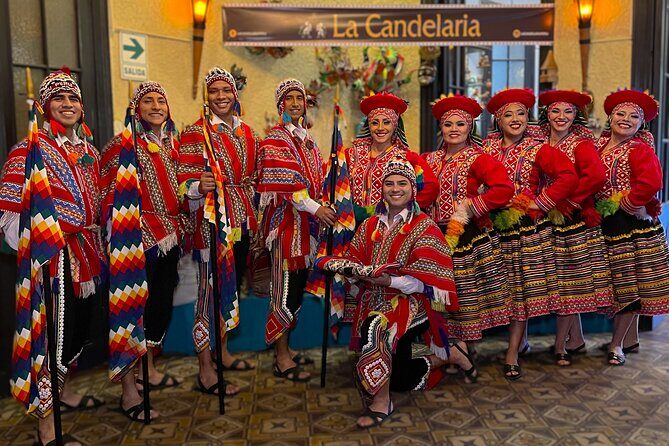
- 10 different regional dances across Peru, with chances to learn some steps
- Interactive hosting includes audience participation, not just passive watching
- Dinner and house cocktails are available, with a dinner included upgrade option
- La Candelaria is set up for a crowd-friendly night close to public transportation
A La Candelaria Night in Lima That Moves Fast
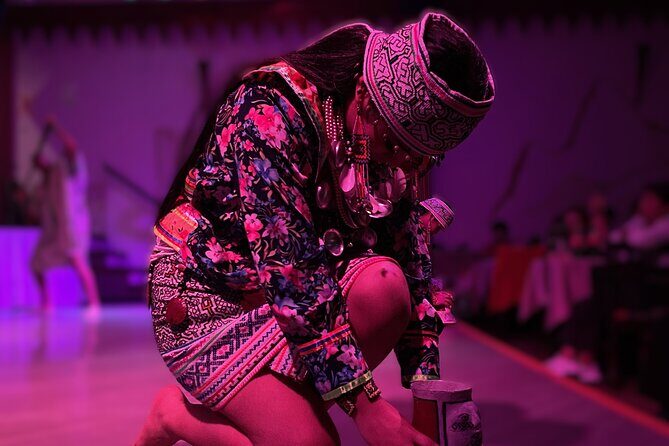
This is the kind of evening that works even if your Spanish is limited. The program is built around regional dance styles, and the host pulls the audience into the action so you’re not stuck behind a curtain of formality. You’re basically paying for an organized party-style introduction to Peruvian culture.
What makes it feel good value is how much is packed into about 4 hours. Instead of one dance or one theme, you get a set of multiple regional dances, and the pacing is aimed at keeping energy up rather than slowing down for explanations.
A few more Lima tours and experiences worth a look



Skip-The-Line Entrance: The Real Value of Arriving Right
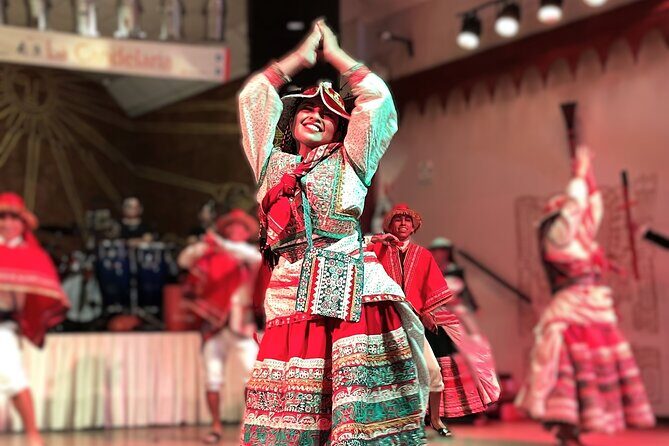
In a busy city like Lima, the start time matters. This ticket is designed to handle skip-the-line admission, so you spend less time waiting and more time getting settled, grabbing your drink, and watching the first dances roll in.
That time-saving also matters because the event is time-bound. You’re looking at an evening format, not an all-night show where you can drift in later and still catch everything. The “skip the line” piece is what helps you feel like you got the full experience.
The 4-Hour Show: 10 Regional Dances and Audience Participation
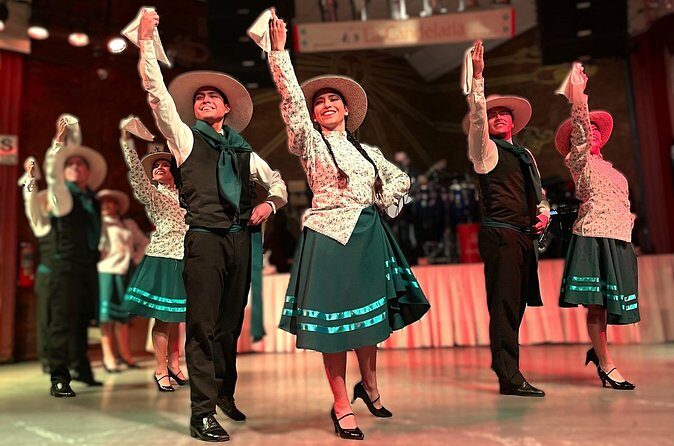
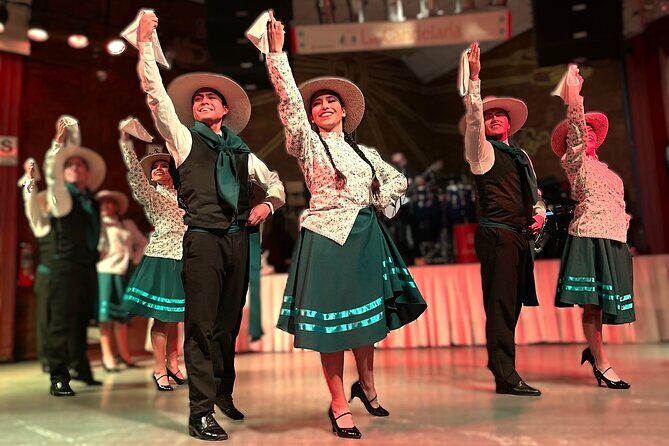
At La Candelaria, the night is centered on one main stop: a program featuring 10 different regional dances from Peru. This isn’t just a parade of performances. You’re meant to interact with dancers and learn some steps during the show.
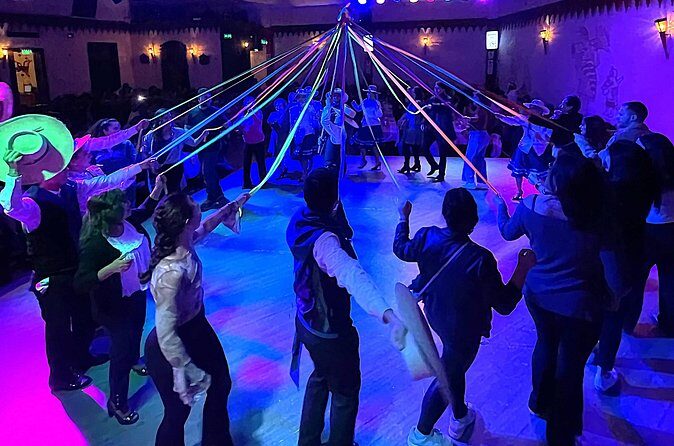
That “learn as you go” structure is one of the biggest reasons this works well for first-timers. When the host invites you on a dance moment, you’re not suddenly asked to do something out of nowhere. The show is built to teach through repetition and quick participation cues.
There’s also a practical side to the format. Group activities keep you watching and engaged, even when you’re tired. And if you’re traveling with family, kids or teens usually find it more interesting than a quiet cultural lecture.
One thing to keep in mind: the show style includes audience call-ins and contest moments. In some similar event formats, contest segments can stretch longer than you’d want, and the audience participation can feel uneven. If you hate being put on the spot for long stretches, mentally plan for the host to steer energy toward the crowd that’s most ready.
Pisco Sour While You Watch: How the Drink Fits the Culture
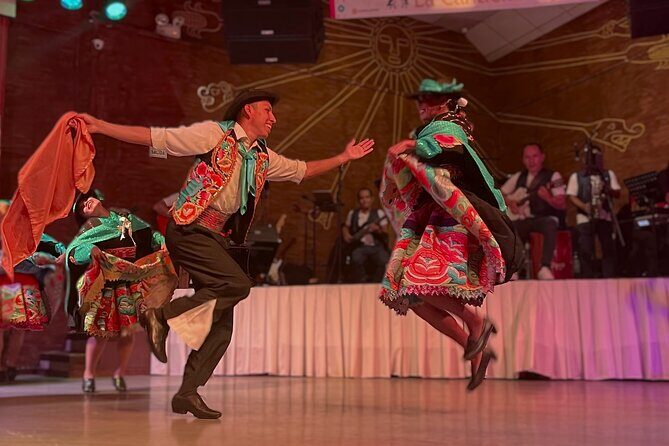
The program includes a traditional pisco sour as part of the experience while the dances are happening. That matters because it sets the tone. It’s not just “here’s a drink,” it’s part of the rhythm of the evening—grab, sip, watch, then join in.
In Peru, pisco sour is more than a cocktail. It’s an everyday cultural marker for celebrations, and it pairs naturally with live performance nights. You’ll find it helps make the whole event feel like a festival moment rather than a formal ticketed show.
If you’re sensitive to alcohol, you’ll still have options in how you pace the evening. The event timing is about four hours, so you can control how quickly you drink and whether you switch to non-alcoholic choices if available. (The details of drink variety aren’t listed here, so treat that as a “ask on-site” moment.)
Dinner and House Cocktails: Upgrade for a Full Evening Meal
You have an option to upgrade your ticket to include a Peruvian dinner. That’s the biggest decision point for value, especially if you’ve been eating on the go in Lima.
From the structure of the night, dinner and cocktails are tied to the same overall event flow. The setting is designed so you’re not constantly leaving your seat or losing the atmosphere while you eat. Instead, you get an evening where performance and meal happen together.
Why that’s worth considering: if you’re visiting Lima for the first time, it’s easy to get stuck with a “too hungry to enjoy the show” problem or a “we ate early, now we’re just waiting” situation. Adding the dinner upgrade helps you keep the timing smooth.
If you already have a restaurant planned, you can still go for the show and drinks. But if you want one ticket that covers the evening, the dinner upgrade is the cleaner way to do it.






What Makes the Dancing Part Feel Worth the Ticket
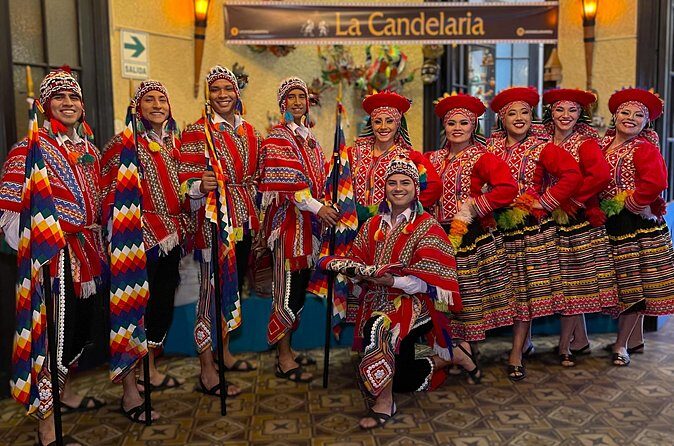
The dance focus is the whole point, and it’s not just about style—it’s about variety. With 10 regional dances, you’re exposed to multiple expressions of Peru’s culture in one sitting.
Here’s what you can take away as a visitor: different regions have different movement styles, music rhythms, and costumes. Even if you can’t identify every dance right away, you can usually feel the differences as the program shifts. That’s why multiple dances work better than a single performance: your brain gets pattern recognition fast.
Also, the show is built around participation, so you’re learning with your body, not just your eyes. That can turn a “watching” experience into a “doing” experience, which tends to stick longer after the night ends.
The Possible Downside: Long Participation Moments and Uneven Contest Energy
A fair caution based on the event style: audience participation segments can run longer than you’d like. There can be moments where the host asks the audience to dance for extended stretches, including contest-style bits.
One more practical consideration: if there’s a competition element, selection may favor certain tables or bigger groups. That doesn’t ruin the show, but it can affect how you feel if your group is hoping for a guaranteed chance at stage time.
My advice is simple: go for the overall performance and cultural dance variety first. Treat the contests as bonus entertainment. If you’re mainly there for dancing and interaction, you’ll likely enjoy the night even if you’re not picked for every segment.
Transportation and Where to Plan Your Timing in Lima
The venue is near public transportation, which is helpful when you’re trying to keep your evening stress-free. Since the event lasts around four hours, you don’t want to schedule it in a way that leaves you stranded at the start.
If you’re pairing this with dinner elsewhere, build in extra buffer. The skip-the-line entry helps, but Lima evenings can have their own rhythm—traffic, crowds, and walking time add up.
Who This Experience Fits Best
This is a strong fit if you want a social evening in Lima that still feels culturally specific. It works especially well for:
- Families who want shared entertainment where kids can watch and move
- Couples who like something lively and interactive rather than quiet sightseeing
- First-time visitors who want one organized introduction to regional dance culture
It may be less ideal if you strongly dislike host-led audience moments or you prefer very short shows. If you know you get impatient with long segments, plan to arrive rested and keep your expectations focused on the dance set, not the contest pacing.
Price and Value for a 4-Hour Dance Night
At $29 per person, this sits in the “good value when it fits your mood” category. You’re paying for more than admission. You’re getting:
- Skip-the-line entry
- A pisco sour as part of the program tone
- 10 regional dances in one evening
- Interactive participation and learning moments
- A dinner option if you choose the upgrade
The value equation changes depending on whether you add dinner. If you were going to pay for dinner anyway, the upgrade can feel like a smart consolidation: one ticket, one evening plan, less coordination. If you prefer eating before or after, the base experience still gives you the core show.
Also consider timing. This is typically booked about 41 days in advance on average, which suggests it’s popular and can sell out. If your dates are firm, booking early helps you avoid last-minute regret.
Should You Book This Skip-the-Line Regional Dances Ticket?
I’d book it if you want a fun Lima night with real cultural content and a schedule that keeps you moving. The big wins are the skip-the-line start, the pisco sour atmosphere, and the fact that you get to experience multiple regional dances rather than a single set.
I’d skip or be cautious if you’re picky about show pacing and don’t want long audience participation moments. This is an interactive format, and the hosting style can include extended participation and contest segments.
If you’re flexible and you like the idea of learning a few steps while enjoying good food and cocktails, it’s a solid buy for a first visit to Peru’s dance scene.
FAQ
How long is the Peruvian Regional Dances ticket?
It runs for about 4 hours.
Where does the experience take place?
The main venue is La Candelaria in Lima, Peru.
What’s included with the ticket?
Your admission ticket is included, and the program features traditional regional dances. You also get to enjoy a traditional pisco sour as part of the event.
Can I add dinner to the ticket?
Yes. There is an upgrade option that includes a Peruvian dinner with your ticket.
Is there audience participation?
Yes. You’ll interact with the performers and you can learn some dance moves during the show.
How many regional dances are in the show?
The program includes 10 different regional dances from Peru.
How early should I book?
On average, people book this about 41 days in advance, so booking ahead is a good idea if your dates are set.
When will I receive confirmation after booking?
Confirmation is received within 48 hours of booking, subject to availability.
What’s the cancellation policy?
You can cancel for a full refund if you cancel up to 24 hours in advance of the experience start time.
Is the venue accessible and animal-friendly?
Service animals are allowed, and the venue is near public transportation. Most travelers can participate.