REVIEW · LIMA
Lima: Larco Museum Entry Ticket & Guided Tour with Pickup
Book on GetYourGuide →Operated by APULLAY TOURS · Bookable on GetYourGuide
Ceramics tell Peru’s story in pictures. This 3-hour Larco Museum visit pairs hotel pickup with a bilingual guide, then walks you through 45,000+ artifacts in a clear, thematic way. You’re not just looking at objects here—you’re learning how people understood life, power, and the afterworld long before the Inca Empire.
What I like most is how the tour connects the dots fast. I especially love meeting the museum through Pamela-style storytelling, where you can ask questions and get patient answers, and then ending at the fertility room for a striking cultural moment that sticks with you.
The main consideration is time. You’ll cover a lot in a short window, so if you prefer to linger sentence by sentence (or want deep study on just one theme), you may want extra solo time after the tour.
In This Review
- Key things that make this Larco Museum experience worth your time
- Why Larco Museum’s ceramics are a fast route to understanding Peru
- Pickup in Miraflores, Barranco, or San Isidro: how the 3-hour structure works
- Entering the museum experience: guided, thematic, and built for clarity
- The ceramics room on offerings and human sacrifice before the Incas
- Andean cosmovision: war, music, and death explained through objects
- The fertility room: a surprising finale with cultural weight
- Free time and shopping: how to use the extra 15 minutes well
- Price and value: is $54 a good deal for Lima museum time?
- Who this tour suits best (and who might want a different plan)
- Should you book this Larco Museum guided tour?
- FAQ
- How long is the Larco Museum tour?
- Where are the pickup locations?
- Is hotel pickup included?
- What language is the guided tour in?
- How large is the group?
- Does the tour include museum entry tickets?
- Are meals included in the price?
- Is the activity wheelchair accessible?
- Is there a short shopping stop during the tour?
Key things that make this Larco Museum experience worth your time
- A small group (up to 10) keeps the guide’s attention on you.
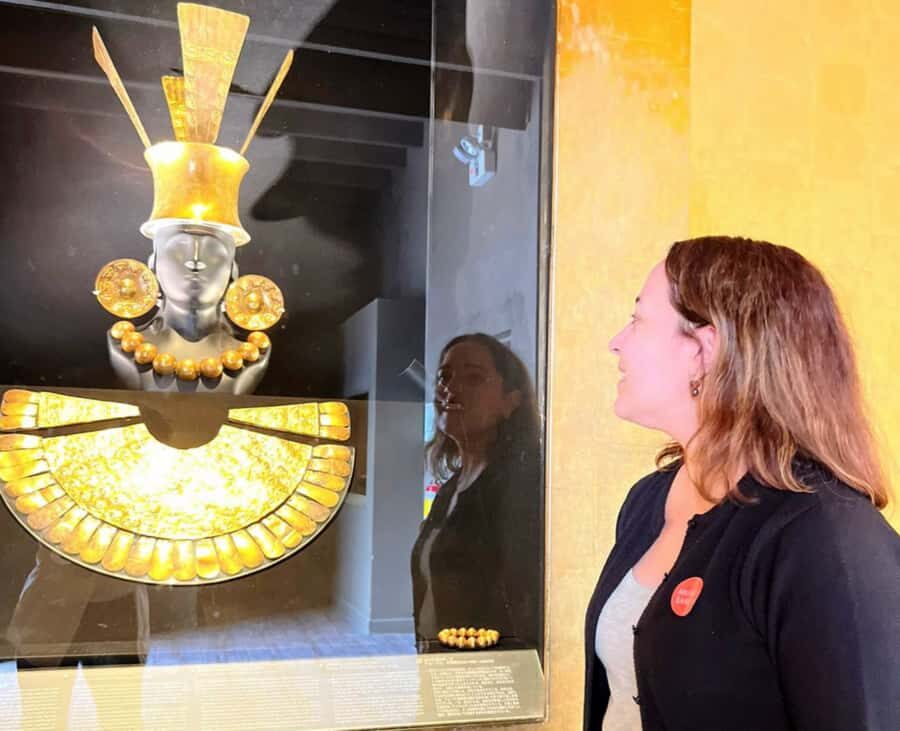
- 45,000+ ceramics presented chronologically helps you track change over time.
- A dedicated room on offerings and human sacrifice before the Incas gives context to shocking imagery.
- Andean cosmovision topics like war, music, and death are explained through objects.
- The fertility room lands as a powerful finale.
- Pickup and return are built in for Miraflores, Barranco, and San Isidro.
Why Larco Museum’s ceramics are a fast route to understanding Peru
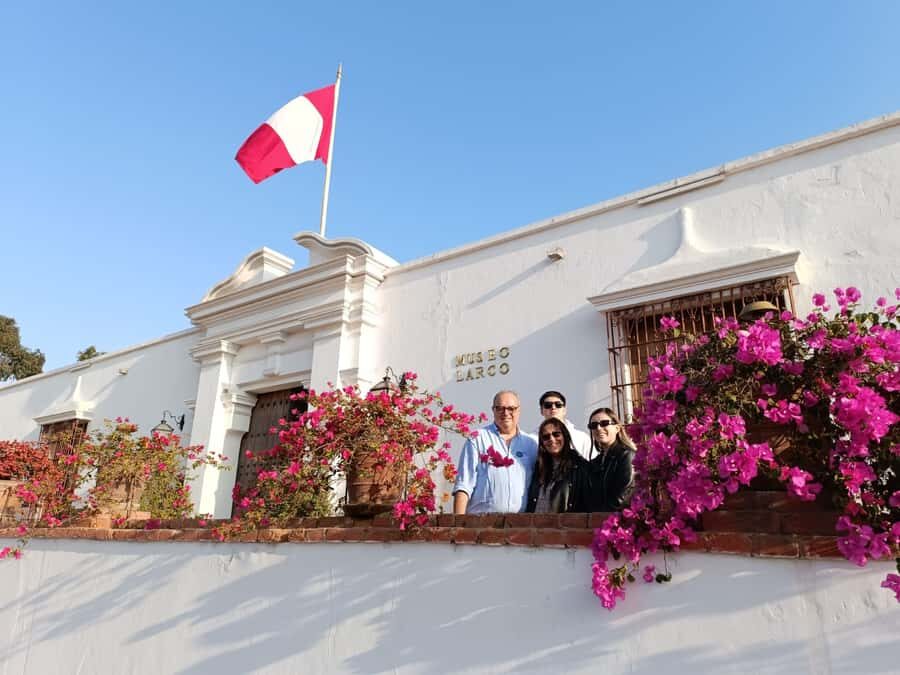
If you only have a limited time in Lima, Larco Museum is one of the most efficient places to start. The museum’s collection leans heavily on ceramics—over 45,000 pieces—and it’s arranged in a way that helps you see how artistic styles and beliefs shift as civilizations change. That matters because Peru’s past isn’t one single story. It’s many stories, overlapping in time, with different ideas about ritual, power, and the natural world.
Ceramics are especially useful for learning. Pots, figures, and vessels aren’t just decorative. They can show everyday life and also formal, spiritual, and political ideas. When a guide points out symbols and why certain scenes show up, the museum stops feeling like a gallery of random artifacts and starts feeling like a written record.
What makes this tour practical is the format. You get guided time inside the museum plus a bit of free time to look around at your own pace. That blend is ideal for most visitors: you gain the context from the guide, then you can return to what grabbed your attention.
Other Larco Museum and art tours in Lima
Pickup in Miraflores, Barranco, or San Isidro: how the 3-hour structure works
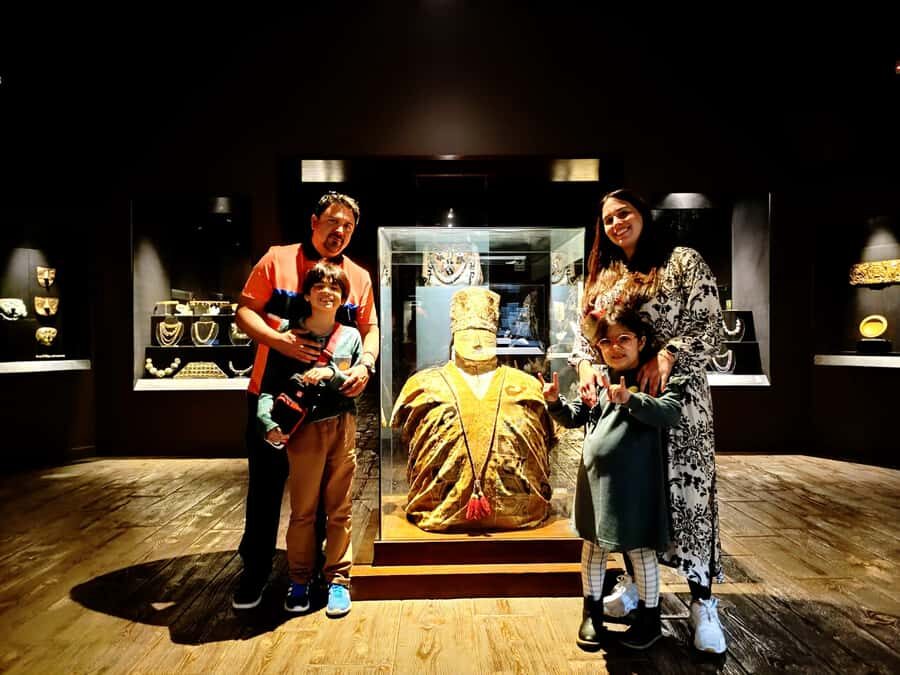
This experience is built around your location in Lima. Pickup is available from San Isidro, Miraflores, or Barranco, and the tour includes return to your hotel or an optional drop-off in those same key districts. You also get a professional driver, plus a bottle of water, which sounds small but is genuinely helpful when you’re moving around Lima.
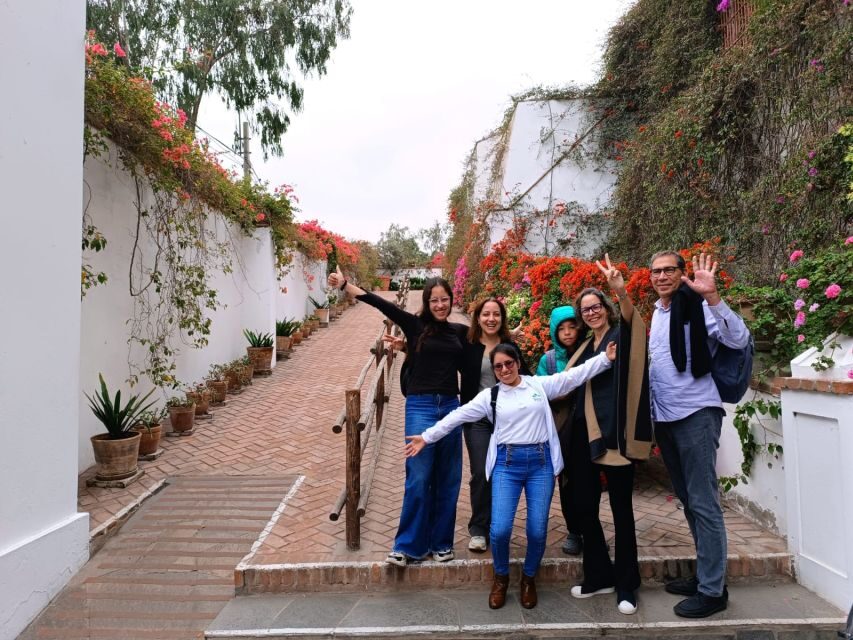
The van ride time is about 25 minutes each way, and the museum visit portion runs about 2 hours with guided storytelling, plus some time afterward. There’s also a photo stop before you enter the museum area, and a short shopping stop afterward.
This matters because it turns an otherwise “maybe I’ll do it later” museum idea into a timed plan you can trust. You don’t need to figure out transit, line timing, or how to get back easily—especially valuable if it’s your first day in Lima or you don’t want to deal with navigation.
Two quick practical tips based on how these tours run:
- Arrive at the lobby about 15 minutes early so you don’t stress the group timing.
- If you’re sensitive to time boxes, plan to focus hardest during the guided portion, then use free time to revisit only 1–2 areas that you want more of.
Entering the museum experience: guided, thematic, and built for clarity
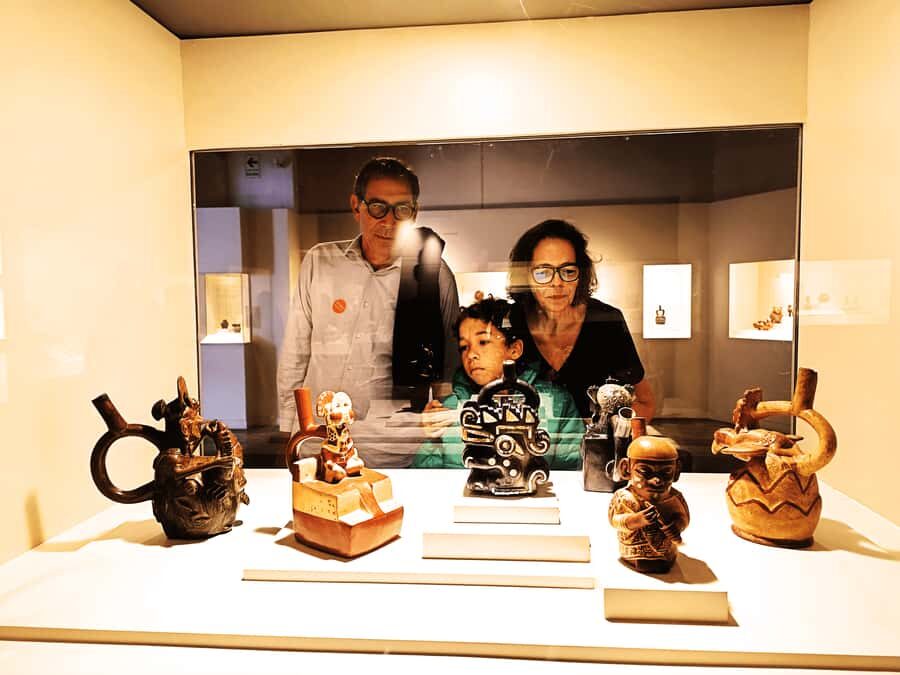
The Larco Museum is big, but the walkthrough is designed to keep you oriented. Rooms are organized by theme, and ceramics (along with other materials like textiles and metalwork) are presented in a way that feels didactic—meaning you’re not wandering without direction.
A guided route is the difference between seeing objects and understanding what you’re looking at. With the guide, you get a running explanation of how the museum’s collection links to major periods of ancient Peru leading up to the rise of the Inca Empire. The guide also handles the meaning behind recurring symbols, so you know why certain imagery appears in multiple pieces rather than treating everything as isolated.
Because the group is limited to 10 participants, the guide can actually answer questions without rushing. In the reviews, guides stood out for patient, enthusiastic explanations, and this setup helps you get that same benefit.
One small drawback: the museum can still feel dense. Even with a guide, you’re looking at a lot in a short time. So come in ready to accept that this is a guided overview, not a slow research session.
The ceramics room on offerings and human sacrifice before the Incas
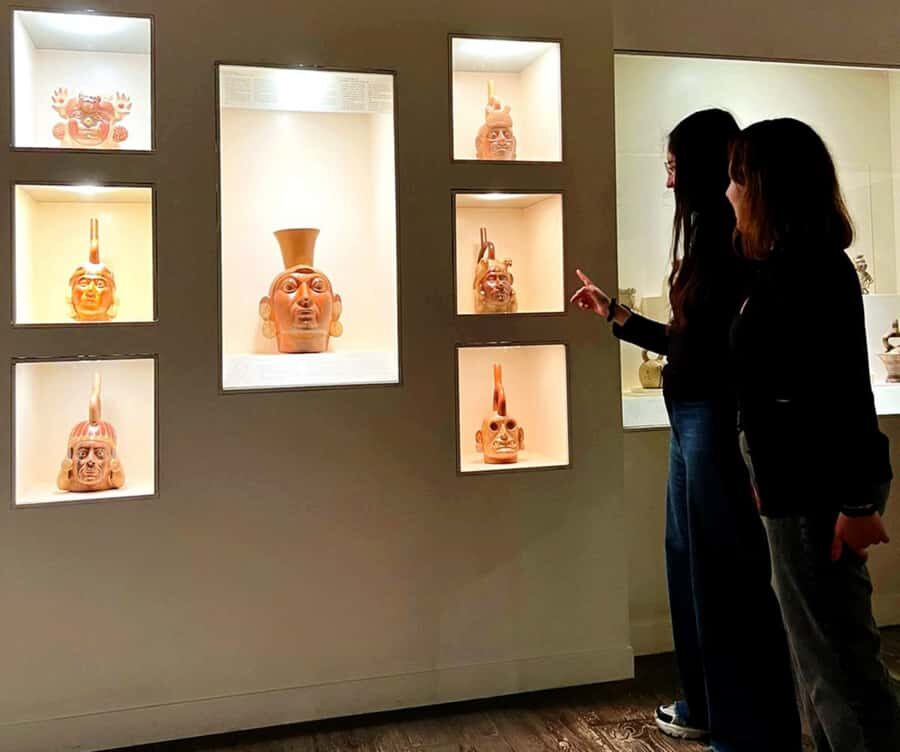
One of the most memorable parts of this tour is the stop at a room featuring ceramics that connect directly to offerings—and in some cases, human sacrifice—before the Incas. The imagery can be intense, but the guide’s job here is to provide context: what people believed, what the objects were meant to communicate, and why these practices show up in artifacts from earlier traditions.
This is where the museum’s power becomes obvious. Without context, you might interpret a figurine as just a scene. With context, you start understanding ritual logic: who the ceremony was for, what the act was meant to achieve, and how ceramics acted like a visual language.
The tour also places these themes alongside later developments, so you can see how belief systems and iconography evolve. That chronological feeling is useful because it stops the common mistake of treating ancient Peru as one era. Instead, you learn that practices and symbols shift across time, and that shift is part of the story.
If you’re traveling with kids or you’re someone who doesn’t handle dark ritual topics well, it’s worth knowing this room is part of the program. You’re not just getting a “fun art tour” here. It’s more like an educational walkthrough of belief, power, and consequence.
Andean cosmovision: war, music, and death explained through objects
After the sacrifice-and-offering context, the tour moves into what the museum calls out as Andean worldview themes: music, war, and death. This is not taught as abstract philosophy. It’s taught through artifacts—especially ceramics that depict scenes with strong symbolic meaning.
I like this approach because it helps you stop thinking of ancient culture as separate from human behavior. People fought wars, made music, grieved, and worried about life after death—just like we do today. The difference is how those experiences were framed by ritual and cosmic understanding.
When the guide links instruments, battle imagery, and funerary themes to cultural beliefs, you can start spotting patterns. You may notice repeated motifs that suggest shared ideas about authority, the sacred, and the cycles of life.
One practical reason this guided segment is worth it: the museum’s displays can be visually overwhelming. A guide gives you a path and a set of questions to carry. Instead of standing in front of artifacts wondering what you’re supposed to see, you know what to look for—like icon details, actions, and symbolism.
A few more Lima tours and experiences worth a look






The fertility room: a surprising finale with cultural weight
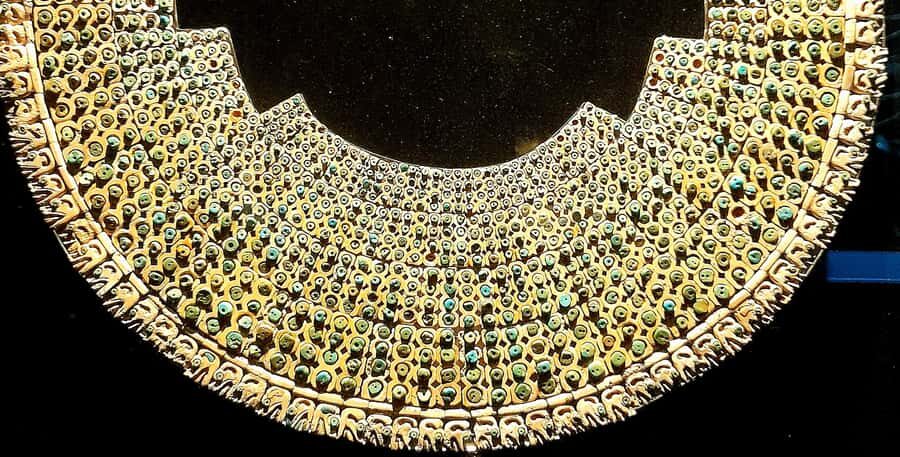
The tour ends with one of the most striking stops: the room allusive to fertility. Even if the word fertility sounds modern or clinical, in this context it’s about cultural meaning tied to survival, continuity, and the sacred forces people believed affected crops, health, and community well-being.
This room is worth treating as a “slow moment,” even within a timed itinerary. The guide’s explanation is meant to help you understand why these images were created and what they were meant to communicate in their own cultural framework. Then you can take a minute to look without being rushed.
In the reviews, this part is called out as a powerful experience. That tracks with how museum rooms often work: one theme can be heavy, and then the final room reframes the story toward renewal and continuity. Whether you find it moving, unsettling, or simply fascinating, it’s the kind of museum scene that tends to stick.
Free time and shopping: how to use the extra 15 minutes well
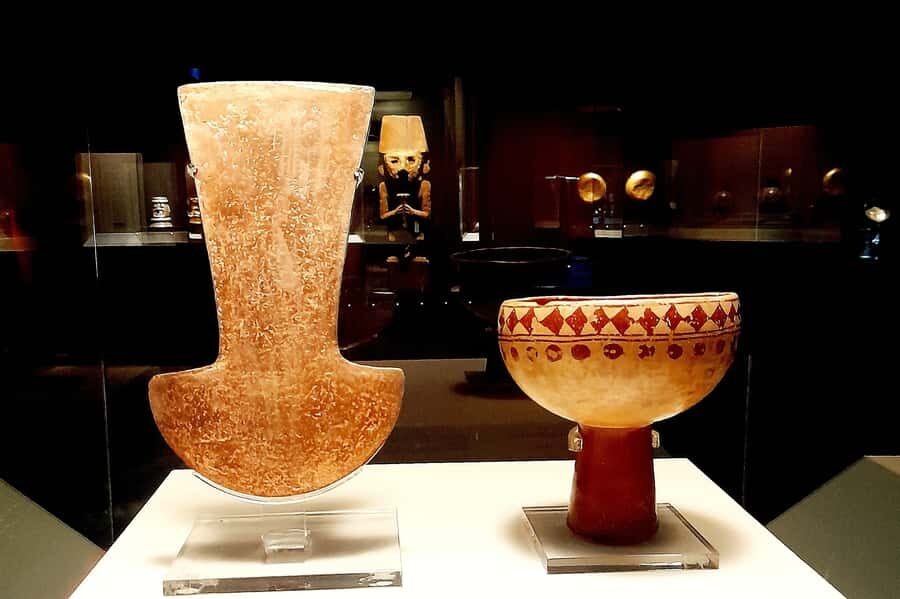
After the main guided portion, you get some time to browse and make the experience your own. There’s also a shopping stop of about 15 minutes. That’s not long, so don’t plan on it like a market run.
Here’s how I’d use the time:
- Use the free time to revisit the exact rooms the guide highlighted most.
- Pick one topic you want more of—ceramics, textiles, or another material—and focus on only that.
- If you want a small souvenir, set a budget before you enter the shop window.
The value here is that you leave with more than photos. You leave with a mental map of how the museum’s story moves from earlier civilizations toward the Inca era, and you can keep unpacking it later on your own.
Price and value: is $54 a good deal for Lima museum time?
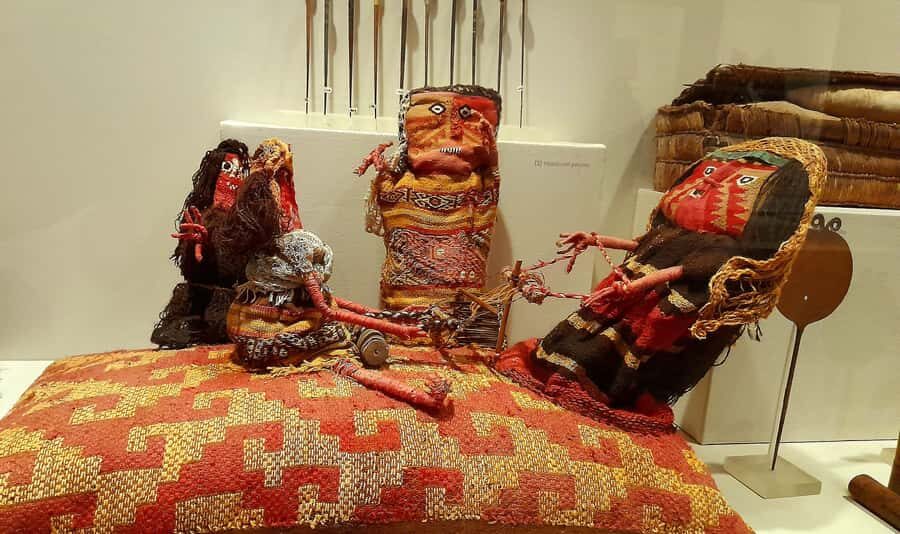
At $54 per person for about 3 hours, this tour is priced for people who want two things at once: interpretation and convenience.
You’re paying for:
- Hotel pickup and drop-off (within San Isidro, Miraflores, or Barranco)
- Museum entry tickets
- An official bilingual guide (English/Spanish)
- Skip-the-line ticket handling
- A professional driver and a bottle of water
If you try to do this independently, the costs can add up quickly once you include entry tickets, transport, and the time wasted figuring out logistics. The guided portion is also the big differentiator. Larco Museum is easiest to appreciate when someone can explain what your eyes are seeing.
So is it worth it? In my view, it is—especially if:
- It’s your first museum in Lima and you want context fast
- You’d rather ask questions than wander in confusion
- You want a timed plan with pickup, return, and a small group pace
If you’re the type who loves self-guided wandering and already knows exactly what you want to focus on, you might prefer a cheaper approach. But that’s not the best match for most visitors who want meaning, not just objects.
Who this tour suits best (and who might want a different plan)
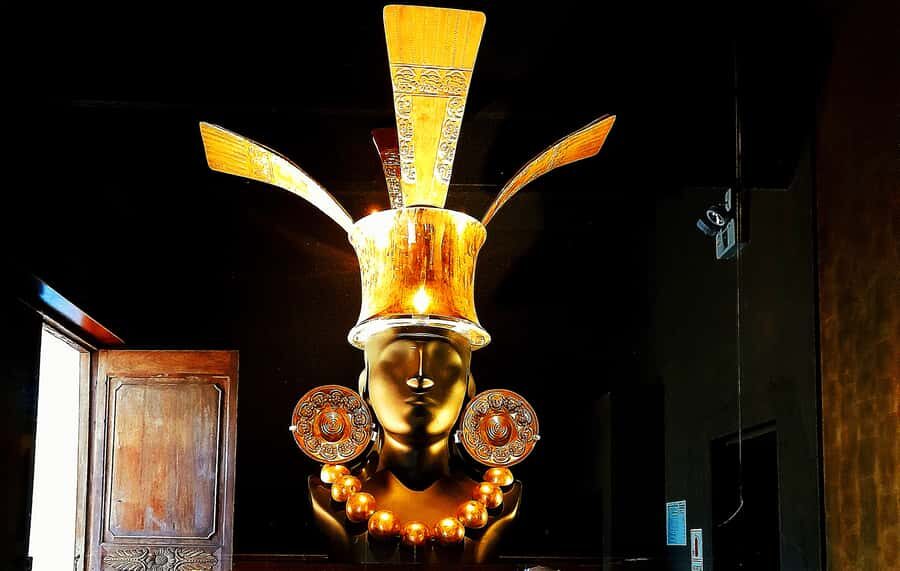
This tour fits well if you want a structured introduction to ancient Peru. It’s especially good for people who:
- Like museum storytelling tied to symbolism
- Want to understand the Andean worldview themes of war, music, death, and fertility
- Appreciate small group pacing (up to 10 participants)
- Value bilingual guide support
It might be less ideal if you want a long, slow museum experience with deep reading. The tour is only about 2 hours inside, and the route covers major thematic areas rather than one subject in full detail.
Also, if you’re uncomfortable with discussions around offerings and human sacrifice, I’d weigh that before booking. The tour description makes it clear those themes are part of the museum focus.
Should you book this Larco Museum guided tour?
I’d book this tour if you want the best “first-time Lima museum” experience with minimal hassle. The combination of pickup, skip-the-line entry, and a small guided group makes the logistics easy, and the guide-led interpretation makes the museum’s ceramics collection far more meaningful than a self-walk alone.
If you have limited time in Lima, this is a smart use of it. You’ll get a guided overview of the museum’s chronological story, plus the standout themed rooms that most people remember: offerings and sacrifice, Andean worldview themes like war and music, and then the fertility room at the end.
If you do have the flexibility to return later on your own, even better—consider this tour your context-building start, then use any extra hours to linger where you felt the strongest connection.
FAQ
How long is the Larco Museum tour?
The duration is 3 hours.
Where are the pickup locations?
Pickup is offered from San Isidro, Miraflores, and Barranco.
Is hotel pickup included?
Yes, pickup and drop-off are included if you’re staying in Miraflores, Barranco, or San Isidro.
What language is the guided tour in?
The official tourist guide is bilingual in English and Spanish.
How large is the group?
The group is limited to 10 participants.
Does the tour include museum entry tickets?
Yes, entry tickets to the Larco Museum are included, and you skip the ticket line.
Are meals included in the price?
No, meals are not included.
Is the activity wheelchair accessible?
Yes, it is wheelchair accessible.
Is there a short shopping stop during the tour?
Yes, there is a shopping stop after the main museum visit.