REVIEW · LIMA
Small-Group Tour of Lima Private Homes
Book on Viator →Operated by Lima Mentor · Bookable on Viator
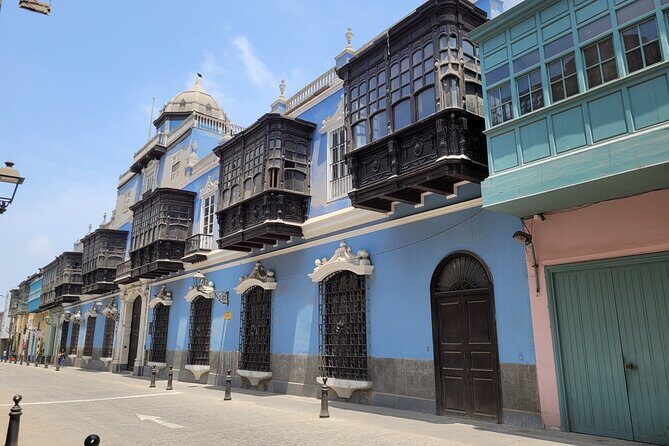
Private homes in Lima? Yes. This small-group tour is built around Lima’s architectural icons and the people-power behind them, from colonial families to republican-era elegance. You’ll get a tight route near the city’s big historic sites, then slow down for the parts that matter: time inside select residences and a real sense of how Lima’s past still shapes the streets.
What I like most is the access. You’re not just driving past pretty facades—you’re stepping into places such as Casa de Aliaga and the House of Osambela, where the stories are part of the walls. I also like the practical setup: hotel pickup and drop-off plus admissions for key stops means you spend more time looking and less time figuring things out.
One thing to plan for: downtown Lima traffic. One review noted the schedule meant extra time in the car when traffic hit, so if you’re easy-going about timing, you’ll enjoy this much more than if you hate delays.
In This Review
- Key points before you go
- A small-group, close-to-the-action look at Lima’s elite residences
- Price and logistics: what $60 buys you (and what it saves you)
- Stop 1: Casa de Aliaga by the Government Palace
- Stop 2: The House of Osambela and the merchant’s ocean view
- Stop 3: Federico Fernandini’s early-1900s mansion vibe
- Stop 4: Coffee at Restaurante Cordano near the Palace zone
- Hotel Bolívar, the first university story, and the Pisco Sour finish
- Why the guide’s stories matter more than the walls
- The pacing reality: plan for traffic, not just tickets
- Who should book this Lima private homes tour
- Should you book the Small-Group Tour of Lima Private Homes?
- FAQ
- What time does the tour start?
- Where do I meet the group?
- Is hotel pickup available?
- How many people are in the tour?
- What language is the tour offered in?
- Are admissions included?
- Is there an age requirement for alcohol?
Key points before you go
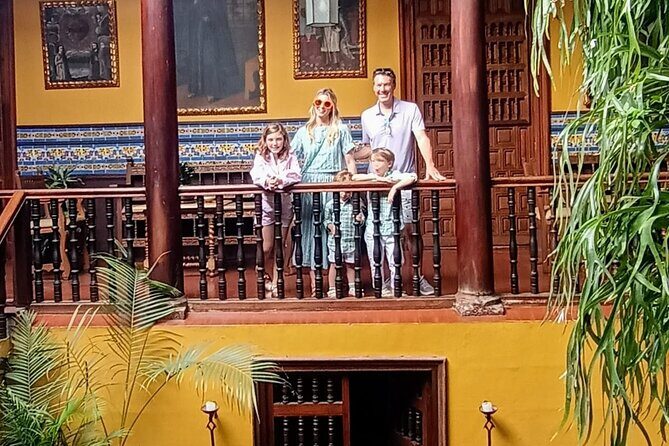
- Maximum 4 travelers means you get a more personal, question-friendly pace.
- Private-home access beats the usual exterior-only sightseeing.
- Admissions included for major stops like Casa de Aliaga and the House of Osambela.
- Coffee included at a traditional spot near the Government Palace area.
- Pisco Sour moment adds a fun, Peru-sweet finish to the history tour.
- Miraflores pickup keeps logistics simple if you’re staying nearby.
A small-group, close-to-the-action look at Lima’s elite residences
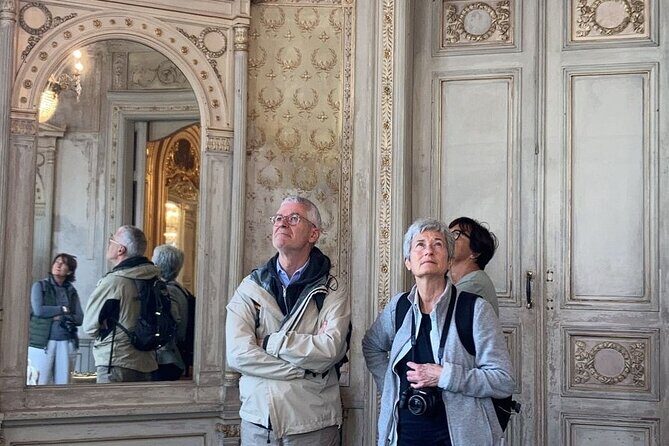
This tour targets Lima’s most interesting “layers” of time, not just one era. You start in the zone where the colonial and republican eras overlap—near major government and heritage buildings—and then work through private homes that show how wealth, trade, and politics shaped the city.
The small-group size (up to 4) matters here. In Lima’s historic center, you can’t always count on smooth pedestrian flow or fast entrances. A larger group often turns into a slow-moving line. Here, you’ll generally have more breathing room to ask questions and actually look at details like layouts, facades, and how the homes connect to the surrounding streets.
Other private tours in Lima


Price and logistics: what $60 buys you (and what it saves you)
At $60 per person, the value mostly comes from three things you don’t have to manage yourself:
- Round-trip hotel transport in an air-conditioned minivan, with pickup and drop-off.
- Admission tickets included for specific stops.
- Coffee or tea included as part of the experience.
If you’ve tried booking “architecture + interiors” tours in big cities, you know the costs add up quickly once you include entry fees, guides, and transport. This price bundles the basics so you can focus on the sights.
Logistics are straightforward as long as you’re staying in the right area. Pickup is offered from the Hilton Lima Miraflores (Av. la Paz 1099), and the tour asks you to provide your hotel name and address in Miraflores for pickup. There’s also a mobile ticket, and the day starts at 2:00 pm.
Dress is smart casual, and the tour is generally marked as suitable for most travelers. It’s also listed as near public transportation, which is reassuring if you ever need an alternate plan.
Stop 1: Casa de Aliaga by the Government Palace
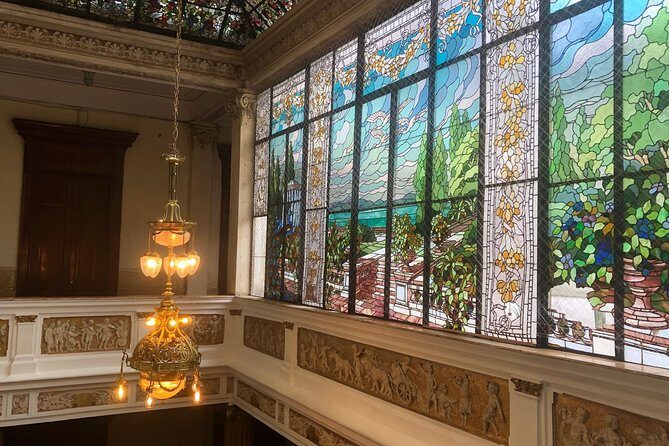
Casa de Aliaga is a headline stop for a reason. It sits right by the Government Palace area, which gives you an immediate feeling for how tightly Lima’s elite past is braided into the center of power. The big story here is continuity: the house has been owned by the same family since the arrival of the Spaniards, with 17 generations maintaining the home.
Expect this stop to feel more like stepping into a living timeline than touring a museum. The interest isn’t only in the building itself—it’s in the idea that private residence and civic Lima share a boundary. When you’re that close to the government core, it helps you understand why certain families mattered beyond economics; their position shaped politics, land, and social networks.
This stop runs about 30 minutes, and the admission ticket is included. That’s a practical win: you avoid the extra line-and-pay hassle and keep your time focused on the interior experience.
Stop 2: The House of Osambela and the merchant’s ocean view
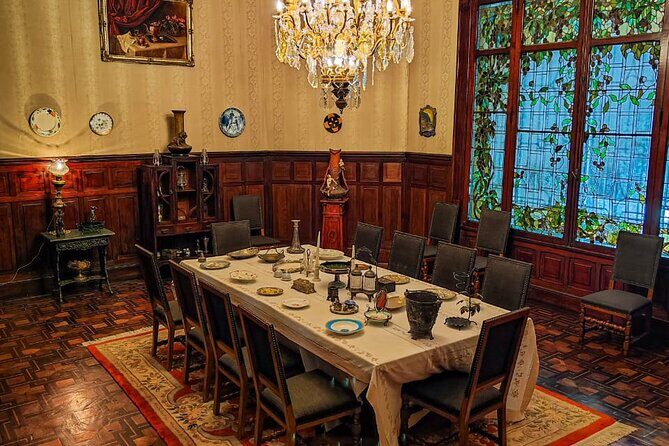
Next up is the House of Osambela, a colonial-era residence tied to trade and shipping. The key detail is the owner: a prominent merchant who could watch ships coming and going, using the top perspective to observe the flow of goods.
That one fact changes how you view the house. From ground level, a mansion can look like “just” architecture. But if the structure allowed someone to monitor the ocean traffic, then the building starts to make sense as an instrument—part home, part business advantage.
Like the first stop, this is about 30 minutes, and the admission ticket is included. I like stops with included entry because you spend less time waiting and more time learning. It also keeps the tour pacing cleaner when you’re moving through central Lima.
Stop 3: Federico Fernandini’s early-1900s mansion vibe
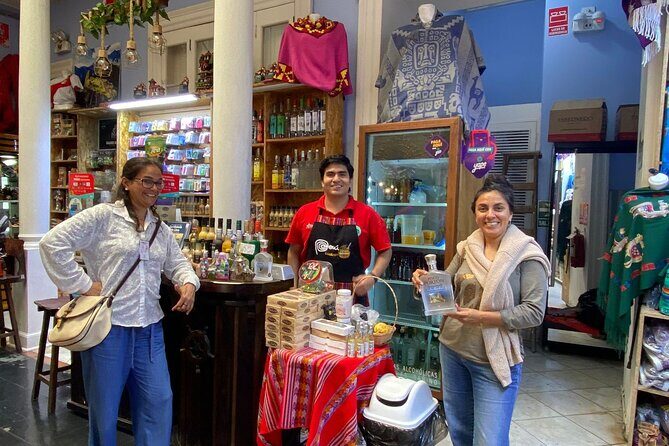
The next stop takes you into an early-1900s private house on Avenida Federico Fernandini. This one is described as an elegant mansion from the “glorious times” of Lima’s historic center.
What makes this kind of stop valuable is contrast. After colonial continuity in Casa de Aliaga and merchant life in Osambela, you get a different flavor: republican-era refinement and the kind of urban growth that created new architectural tastes. It’s the same city, but the mood shifts. Even without a deep comparative lesson, you can feel the difference in style and proportions when you’re standing there.
This stop is about 30 minutes, and the admission ticket is free. That’s helpful for your budget and your expectations: you still get a guided visit and time inside, but there’s no extra entry cost to factor in.






Stop 4: Coffee at Restaurante Cordano near the Palace zone
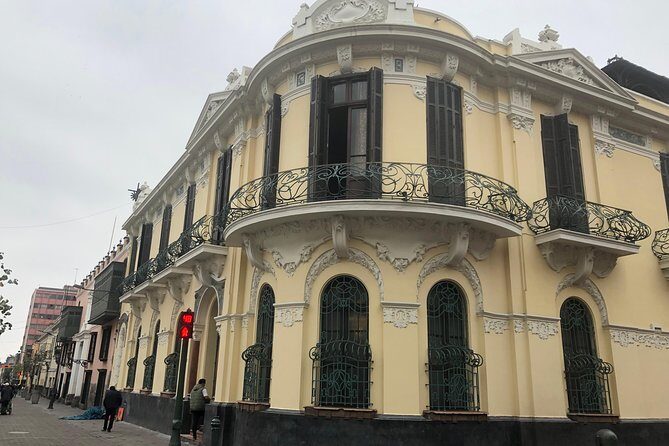
After the residences, you’ll slow down at RESTAURANTE CORDANO for coffee, with coffee and/or tea included. The location matters: it’s described as a traditional bar next to the Government Palace.
This is the “sit and reset” portion of the route. When you’ve been looking at architecture and learning names, dates, and family stories, your brain needs a short break. Coffee at the end of a set of interior visits is a smart way to help everything stick.
This stop runs about 30 minutes. There’s no admission ticket mentioned for this stop in the basics, but coffee/tea is part of the package. It also gives you a natural moment to ask your guide follow-up questions before you head back.
Hotel Bolívar, the first university story, and the Pisco Sour finish
Your tour highlights include several big cultural touchpoints that round out the home-and-architecture focus.
You’ll explore Hotel Bolívar, a longtime favorite among Hollywood luminaries. You also get the home of the first university of the Americas, plus a broader look at the colonial-to-republican narrative across Lima’s architectural sites. In practice, what this does is connect the private houses to public institutions and famous names—so Lima stops being a set of isolated buildings and starts feeling like a system.
Then comes the fun part: a bartender prepares Peru’s national drink, the Pisco Sour, and you see the result. This is where you get a sensory break from stone and ornament. If you want to take your photos, this is also usually easier than trying to shoot in bright interiors, since it’s a controlled “moment” rather than a hallway scramble.
One practical note: the tour data says the minimum age to drink alcohol is 18. If you’re traveling with younger teens or family members, you can still enjoy the history and watch the preparation, but confirm how the experience handles taste portions when alcohol is involved.
Why the guide’s stories matter more than the walls
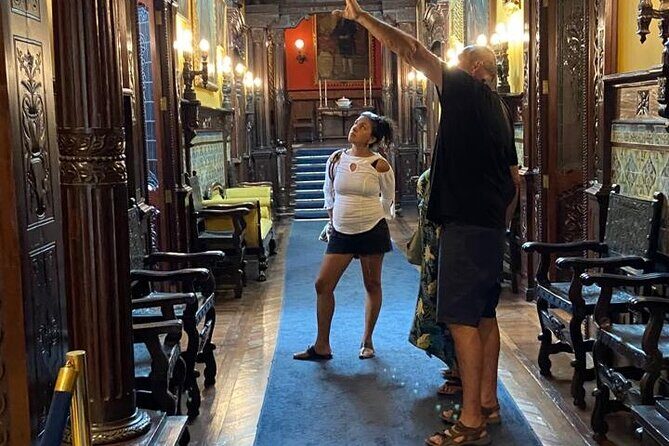
The biggest praise tied to this type of tour usually isn’t the architecture alone—it’s what your guide does with it. Even the positive comment in the provided feedback emphasizes the guide’s knowledge. That’s what turns a house visit into context you can carry around the city.
Here’s what I think you should look for while you’re inside:
- Family continuity and power: Casa de Aliaga isn’t only old. It’s long-lived, which changes how you interpret the house in today’s city.
- Trade and geography: Osambela’s story about watching ships gives you a clue about why certain rooms and viewing positions mattered.
- Stylistic shift: early-1900s mansions on Federico Fernandini help you feel Lima’s evolution rather than memorize dates.
Also, because it’s small-group, you can ask more targeted questions. If you’re curious about how colonial homes were used day-to-day or why republican-era architecture looks different, this format makes it easier to get straight answers.
The pacing reality: plan for traffic, not just tickets
One drawback noted is that traffic can eat into your time. That’s not a knock on the guide or the homes. It’s just the reality of Lima’s historic center during active hours.
Your schedule includes multiple stops, each around 30 minutes, plus time in the minivan. So if the road slows down, you feel it. My advice: build your expectations around the value of the stops, not the stopwatch. If you keep a flexible mindset, the architecture time still comes through.
Who should book this Lima private homes tour
This tour fits best if you:
- Want interior access to major historic residences rather than only photos from outside.
- Prefer a small group (max 4) where you can ask questions.
- Like pairing architecture with story—colonial and republican context, plus the human side of trade and institutions.
- Stay in or near Miraflores, since pickup is aligned there.
It’s less ideal if you need a strict timeline or if you hate car time. The route is central, which usually means great access, but it also means you’re at the mercy of traffic.
Should you book the Small-Group Tour of Lima Private Homes?
I’d book it if your priority is “real” Lima—private residences, strong architectural stories, and a guide who can connect the dots. The value is strongest because entry tickets for key homes and coffee are included, and the small group keeps the experience from feeling like a rush.
I wouldn’t book it if you’re ultra timing-sensitive and expecting a perfectly punctual, car-free route. You’ll still visit the homes, but the tour can run longer if traffic slows down.
If you want a practical tiebreaker: check your hotel location and your afternoon flexibility. Start with the assumption that Lima traffic is normal, then enjoy the fact that the tour format is designed to make the time you spend inside matter.
FAQ
What time does the tour start?
The tour starts at 2:00 pm.
Where do I meet the group?
The meeting point is the Hilton Lima Miraflores, Av. la Paz 1099, Lima 15074, Peru. The tour ends back at the meeting point.
Is hotel pickup available?
Yes. Pickup is available at the lobby of your hotel or address, but you need to provide a Miraflores hotel name and address for pickup.
How many people are in the tour?
The tour has a maximum of 4 travelers.
What language is the tour offered in?
It’s offered in English.
Are admissions included?
Admission tickets are included for Casa de Aliaga and the House of Osambela. The Avenida Federico Fernandini stop is free, and coffee/tea is included at Restaurante Cordano.
Is there an age requirement for alcohol?
Yes. The minimum age to drink alcohol is 18.