REVIEW · LIMA
Wonders of Peru & Huaraz 16-Day Tour
Book on Viator →Operated by Viagens Machu Picchu · Bookable on Viator
Peru at full volume is what this trip feels like. You’ll stitch together Lima’s colonial streets, glacier hikes in Huaraz, and the big finale at Machu Picchu—all on a tightly run 16-day schedule.
Two things I especially like: the on-the-ground team keeps things moving with clear coordination (and in past departures, guides like Walter Diaz and Alfredo earned praise for being prepared and punctual), and you’re not stuck figuring out logistics nonstop. Transport between regions, booked sights, and hotel nights are built into the plan, so you can spend your brain on the views instead of schedules.
One real consideration: the pace is intense, with early starts in the mountains and multiple high-elevation days. If you’re not comfortable with altitude or long travel days, you’ll want to think carefully—especially since the tour requires good weather for key outdoor stops.
In This Review
- Key things worth knowing before you go
- Lima’s Historic Center and Miraflores: where the trip starts strong
- Huaraz: glacier views, turquoise lagoons, and early alarm clocks
- Lake 69 to Pastoruri: the altitude and fitness reality check
- Paracas coast and Ballestas: penguins by boat, dunes by choice
- Nazca Lines flight: the one day that really can’t be faked
- Arequipa: colonial plazas and volcano viewpoints without the museum fatigue
- Puno and Lake Titicaca: Uros reed islands and Taquile culture
- Cusco route via the Andes: ruins, passes, and a baroque church stop
- Cusco historic walk and the surrounding ceremonial sites
- Sacred Valley: alpacas, Pisac market time, and Ollantaytambo to Aguas Calientes
- Machu Picchu day: bus up, guided time at the entrance, then back to Cusco
- Price and logistics: what $3,095 is buying you in real life
- Who this tour fits best (and who should reconsider)
- Should you book Wonders of Peru & Huaraz?
- FAQ
- How long is the Wonders of Peru & Huaraz tour?
- Where does the tour start and end?
- Is pickup offered?
- Is the tour offered in English?
- What’s the maximum group size?
- Are entrance tickets included?
- Are meals included?
- What about transport for Machu Picchu?
- Do they offer help for altitude?
- Is the tour dependent on weather?
- Is this booking refundable if you cancel?
Key things worth knowing before you go
- Most major entrances are covered so you’re not hunting for tickets every day.
- Group size stays small (max 17), which helps the trip feel organized.
- Huaraz + glacier country comes with real early departures, including a 5:00 a.m. start.
- You get guided time in Lima, Arequipa, and Cusco, not just “show up and wander.”
- Machu Picchu is handled with bus-and-train logistics, so you don’t have to coordinate that day yourself.
- Altitude support shows up in the routine, including the chance to try coca tea on arrival in Huaraz and again when you reach higher-altitude areas.
Lima’s Historic Center and Miraflores: where the trip starts strong
Lima is a smart opening move because it balances culture and orientation. On your first day, you land at Jorge Chávez International Airport and your team brings you to your hotel, then you get a day-by-day walk-through and local pointers for food and nearby neighborhoods. That “get your bearings fast” start matters when you’ll be crossing Peru afterward.
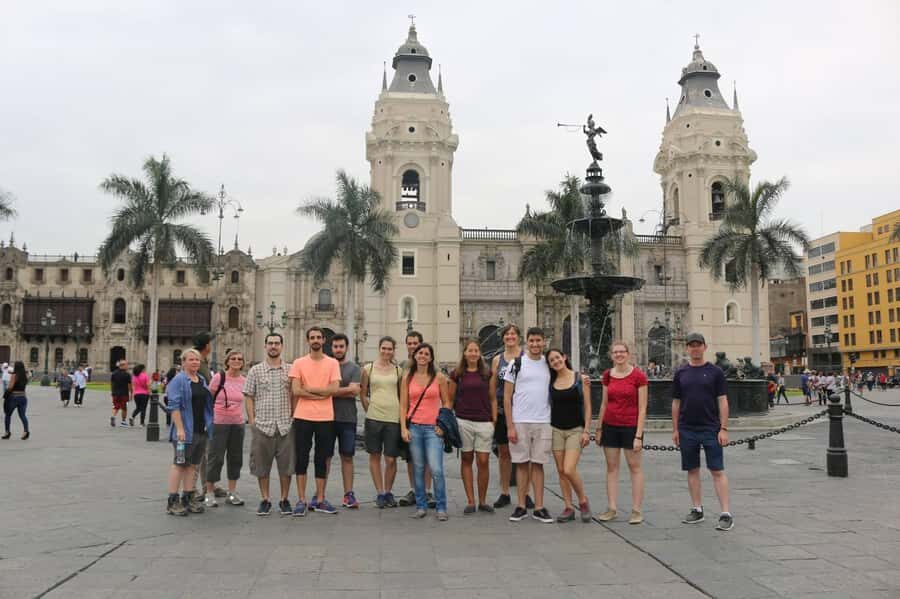
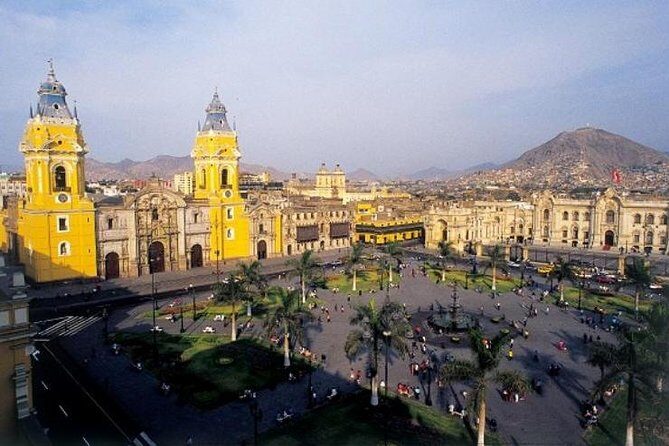
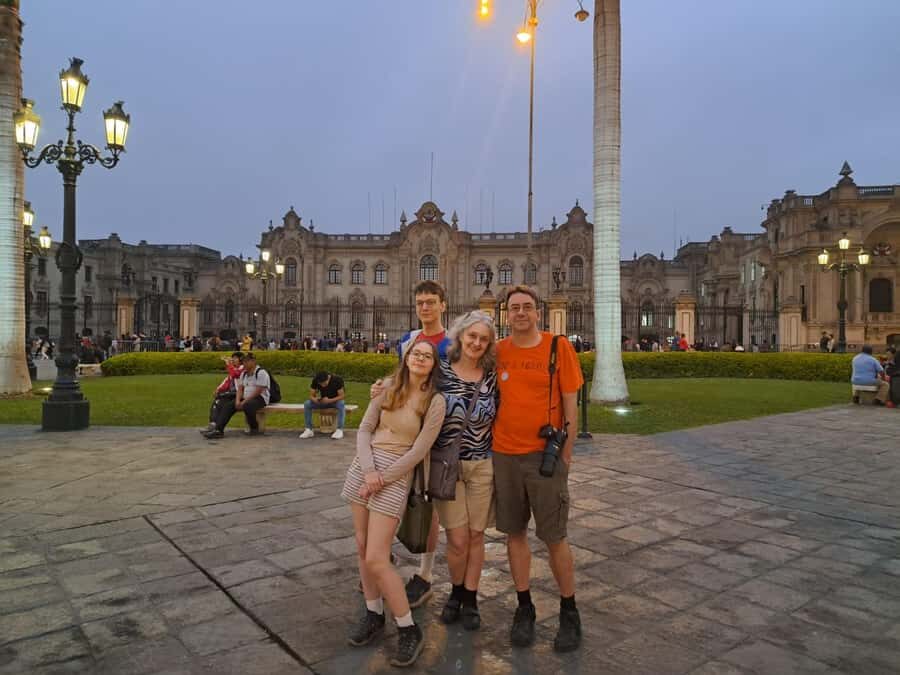
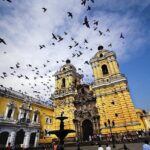
Your second day digs into the UNESCO-listed Historic Center of Lima, the one with more than 600 colonial-era monuments. The visit focuses on the landmarks you actually want to see with context: Plaza de Armas (Plaza Mayor) sits right at the center of civic and religious power, surrounded by the Government Palace and major church buildings.
Then you head into one of Lima’s most striking colonial complexes: the Basilica and Convent of Santo Domingo. Built starting in the late 1500s, it took decades and later required rebuilding after earthquakes. This is also where you’ll see the resting places of major Peruvian saints, including Santa Rosa de Lima and San Martín de Porres. If you like places with story behind the walls (and you don’t mind paying attention for a bit), this stop delivers.
After the old-city weight, you pivot to Miraflores. You’ll walk through San Martin Square / area highlights, then cruise past beloved viewpoints like El Parque del Amor with the famous sculpture El Beso. The trip also includes Parque Kennedy and the Central Park area—plus a nice reminder that this part of Lima is lived-in, not staged.
You’ll notice a practical detail: this is not a “stay in one neighborhood” day. It’s a good first taste of Lima that also sets you up for the next morning’s big jump into the Andes.
If you're still narrowing it down, here are other tours in Lima we've reviewed.



Huaraz: glacier views, turquoise lagoons, and early alarm clocks
The Huaraz portion is where the trip turns from city sightseeing into real nature effort. After you arrive in Huaraz, you check into your hotel and are encouraged to try coca tea—the kind of small altitude-minded touch that can help you feel more ready for what’s next.
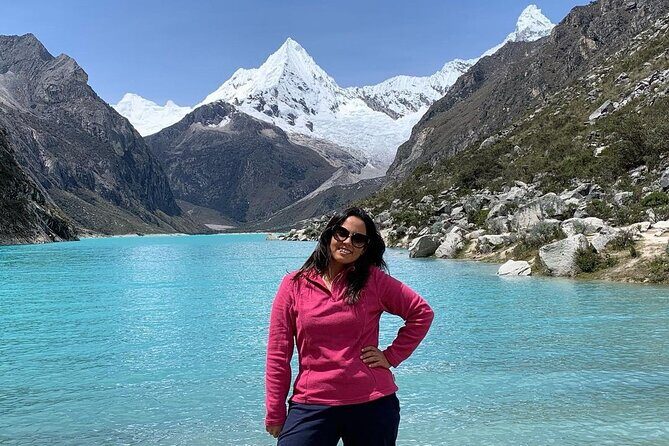
Then comes the day that starts your high-country rhythm: Laguna Parón. You depart around 8:30 a.m. toward Caraz, then continue to the lagoon. Once you’re there, you get time to take photos, walk around, and absorb the scale of the water against the mountains. It’s about enjoying the setting, not grinding the whole day.
From there, the itinerary keeps stacking nature stops, and it does it in a way that still gives you breaks. A good example is the shift from Parón’s daytime pace into the early-morning day for Laguna 69. You’ll leave Huaraz at 5:00 a.m., then reach the trail starting area at Cebollapampa. The hike is listed as about two hours, and the point is simple: you earn the payoff at the lagoon. If you’re the type who hates being rushed, you’ll still want to embrace this one as a “morning effort, bigger reward” day.
Then you move on to Lake Llanganuco, still within Huascarán National Park. Expect another hour-ish style of time on the water and mountain viewpoints. The lakes are described as turquoise, with snow-capped peaks and a mix of local wildlife you might spot as you go. You’re not just looking at one postcard view—you’re getting a sequence.
Lake 69 to Pastoruri: the altitude and fitness reality check
This is the part of the trip that asks you to be honest about your body. The schedule takes you into the Cordillera Blanca zone, where altitude is part of the deal. For Nevado Pastoruri, the tour notes an altitude of 5,240 meters. That’s not a number you should ignore.
The day around Pastoruri starts after breakfast, and you’ll spend time walking and absorbing the surroundings. It’s listed with a longer total time, including after-lunch free time, which is useful—because at altitude, you often need a slower pace than you planned. You also return to Huaraz so you can rest before your bus back toward Lima.
Here’s what I like about how this tour handles the mountains: it doesn’t just throw you from one peak to another without recovery. You get built-in “down time” between bigger efforts. That said, the trade-off is obvious: the schedule is not relaxed.
If you’re traveling with mobility concerns, or you’re unsure how you’ll handle altitude, this is where you should pause and sanity-check. The tour itself signals moderate physical fitness. It’s not “everyone do a marathon” fitness. But it is “you should expect real walking and high elevations.”
Paracas coast and Ballestas: penguins by boat, dunes by choice

After the Andes, you drop down to the Pacific coast, and the change of environment is dramatic in a good way. The Paracas National Reserve day is built around a guided tour in a remote coastal ecosystem. It lists over 400 species of flora and fauna, and it specifically calls out the chance to see Humboldt penguins, sea lions, and birds including red-footed guanay cormorants.
Then you get the classic Paracas add-on: Islas Ballestas by boat. This is another chance for Humboldt penguins, exotic birds, and lots of sea lions—because the islands are known for animal life up close. If you like wildlife days, this is one of the easiest-to-enjoy blocks on the whole trip because you’re not working for elevation gains.
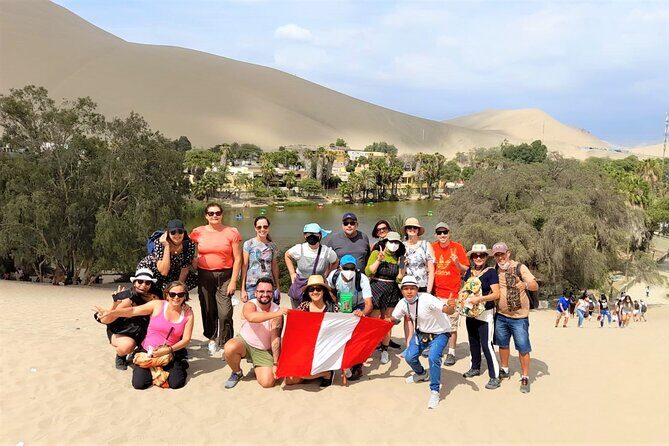
Next comes Huacachina, described as the only natural oasis in South America. The itinerary has you do a dune buggy ride and then a sandboarding experience. That’s a big contrast from Huaraz’s trails. It’s noisy, physical in bursts, and fun in the way that makes you forget you’ve spent weeks watching mountains.
After Huacachina, you continue to the Nazca region for the next day’s world-famous mystery.
Nazca Lines flight: the one day that really can’t be faked
The Nazca Lines day is straightforward: you’ll see geoglyphs from the air because they’re only truly clear from above. The tour highlights that these figures are best appreciated by taking a flight, and it lists some of the most famous designs you’ll observe: the Monkey, Hummingbird, Astronaut, Spider, and more.
This is one of those “do it the right way” activities. Ground-level viewing won’t give you the full picture, so the flight is the whole point.
Once the flight is over, you start the move toward Arequipa with an overnight travel day. That kind of overnight movement can feel long, but it’s also how you fit everything in without cutting key sights. It’s the trade you make for doing Lima + Huaraz + coast + Titicaca + Machu Picchu in one run.



Arequipa: colonial plazas and volcano viewpoints without the museum fatigue
Arequipa is the type of city where you get architectural beauty and viewpoints without needing to spend a whole day in one building. After arrival and a fresh start, you enjoy a guided walk centered around the historic heart: Plaza de Armas. The surrounding colonial atmosphere is the point here, and your time is designed to let you see it clearly instead of sprinting through it.
Then you stop at Plaza de Yanahuara, famous for its arches made from white ashlar and for panoramic views. It also lists the three volcanoes that guard the city: Chachani, Misti, and Pichu Pichu. That viewpoint component matters because it gives you geography you can actually remember later.
You also visit the Mirador Carmen Alto, described with sweeping views and pre-Columbian agricultural terraces that still function today. Another stop is La Mansion del Fundador, linked to Arequipa’s founder, Don Garcí Manuel de Carbajal. Even if you’re not a deep-architecture person, places like this help you understand why Arequipa looks different from Lima.
There’s also a day break built in with a stop at Molino de Sabandía, a windmill structure noted as functioning since the XVII century, and a stop at Parque Acuatico Tingo where you can get snacks and optional activities like horse rides or swimming (you choose what you want).
Arequipa doesn’t feel like a “checkbox city.” It’s more like a quality control stop: you get history, views, and a couple chances to breathe.
Puno and Lake Titicaca: Uros reed islands and Taquile culture
From Arequipa you travel to Puno and settle into the hotel. Again, you’re offered coca tea to try, this time as you head into one of Peru’s higher-altitude regions.
Then you step onto Lake Titicaca for Uros Floating Islands. The tour takes you by pickup and a short ride to the islands, where you learn about how the Uros community builds and maintains islands using totora reed. This portion is not about a “quick photo and leave.” You get an explanation of customs and daily life.
Next is Taquile Island. Here the tone shifts toward culture and craftsmanship. The itinerary notes that locals are skilled craftsmen and that traditions have been kept across generations. You also get lunch and then return to Puno for the evening.
This is one of the better human-experience segments of the trip because it’s not only about scenery. It’s about how people live on the water and how the community preserves identity.
Cusco route via the Andes: ruins, passes, and a baroque church stop
Cusco is the center of the story, but the trip gets there in a way that adds meaning instead of just changing buses. On the day traveling to Cusco, you make multiple stops that mix pre-Inca, Inca, and colonial sites.
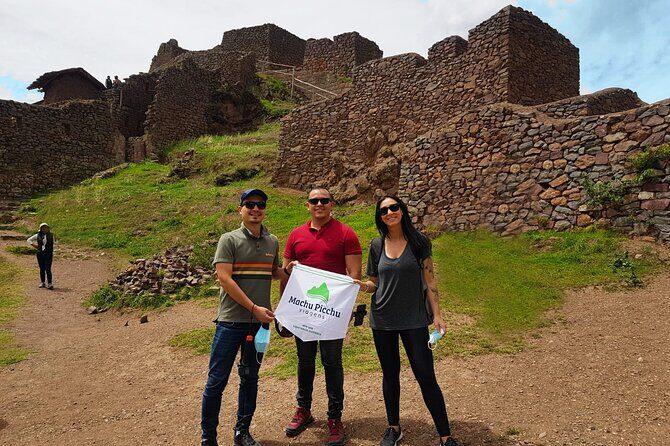
First is Pucará and the Kalisaya ruins, built by the Pucará civilization before the Incas, leaving traces in the highlands. This is a good “context” stop: you learn that Cusco didn’t appear from nowhere.
Then comes La Raya Pass at 4,335 meters with views over the valley and the Chimboya snow-capped mountain. There’s also an artisan market where you can pick up souvenirs.
Next is Sicuani, a small town stop with a buffet lunch and rest. It matters because long road days eat energy fast.
You continue to Raqchi, noted as an important Inca settlement and home to the Temple of Wiracocha, with walls listed as reaching over 10 meters. Then you head to San Pedro Apostol de Andahuaylillas, where the main church is famous for baroque architecture and painted murals.
By the end of the day, you arrive in Cusco, listed at about 3,400 meters. Between the ruins and churches, you also get a sense of how layered the region is. Pre-Inca, Inca, and Spanish influences are not separate chapters. They’re all in the same pages.
Cusco historic walk and the surrounding ceremonial sites
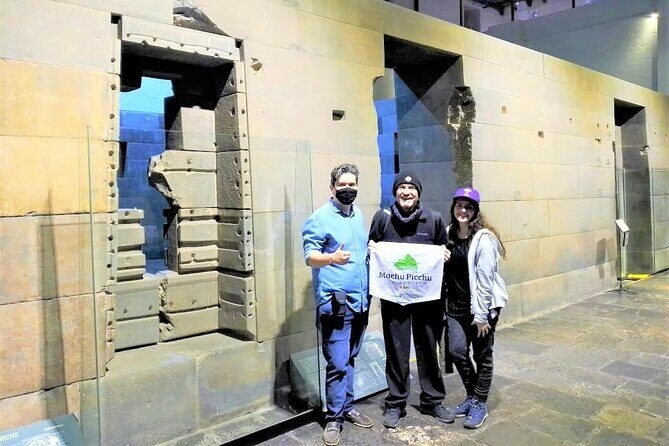
Once you’re in Cusco, you get a guided walking tour of Plaza de Armas in the morning. The tour then moves into Qorikancha, the Temple of the Sun, described as the principal worship center of Inca culture. The site also includes a current Catholic church built on top of earlier Inca settlements—one of those places where you see how history gets overwritten rather than erased.
After that, you visit Cusco Cathedral, a colonial baroque example where Spanish foundations sit on an older Inca palace base.
Then the tour spreads outward to big ceremonial and fortress-like sites: Sacsayhuaman (with stones up to 5 meters and weighing over 120 tons), Q’enqo (ritual-based ceremonial space), Puka Pukara (fortress-like administrative center), and Tambomachay, known for Inca hydraulic engineering with irrigation channels and three water fountains still supplying water.
This day is a lot of “stone with purpose.” If you love archaeology, it’s a jackpot. If you get tired of tours, take advantage of any short breaks you get and keep your pace steady. Cusco rewards patience.
Sacred Valley: alpacas, Pisac market time, and Ollantaytambo to Aguas Calientes
The Sacred Valley day is a mix of animals, viewpoints, crafts, and a real shift toward the Machu Picchu journey.
First is Awana Kancha, described as an animal shelter and a textile exhibition. The focus is on alpacas, llamas, and vicuñas, plus Peruvian textiles. It’s an easy stop that breaks up the heavier archaeological pattern.
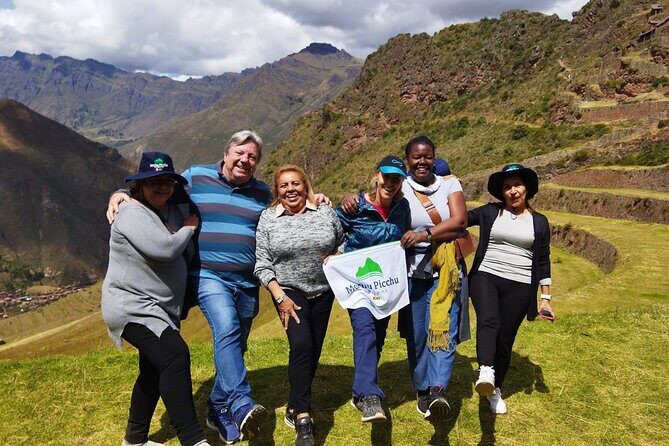
Then you go to Pisac: the archaeological park with views and then the Pisac artisan market, listed as one of the largest local markets in the region. This is where you can shop without it feeling random.
There’s also Urubamba, with a buffet lunch at Tunupa Restaurant and time by the Urubamba River sounds (the itinerary notes the calming sound of the river).
Next comes Ollantaytambo. You’ll explore the town’s cobbled streets and the Inca open draining system, then visit the archaeological park. The itinerary highlights Ollantaytambo as the only place that defeated the Spanish army during colonization for almost 50 years.
After Ollantaytambo, you board the train to Aguas Calientes. This is the staging town for Machu Picchu, built in the mountains with hotels, restaurants, bars, and handicraft shops.
Machu Picchu day: bus up, guided time at the entrance, then back to Cusco
Machu Picchu is handled with a clear sequence. You’re picked up from your hotel in Aguas Calientes and taken by bus to the main entrance, about 30 minutes. A professional guide leads the experience and shares details and facts about Inca culture and the site’s mysteries.
You’ll spend about two hours at Machu Picchu, then you return to Aguas Calientes. After that, the itinerary sends you back to Cusco using train to Poroy (about 30 minutes away from Cusco) and then a short transfer to your hotel.
This is one of the biggest practical wins of booking a package like this: the hardest logistics—when to be where and how to get in/out—are already stitched together. You can focus on staying present instead of solving the route yourself.
Also keep in mind the tour notes that the experience requires good weather. Outdoor timing matters, so it’s smart to plan flexibility around that.
Price and logistics: what $3,095 is buying you in real life
At $3,095 per person for roughly 16 days, the value comes from bundling a lot of expensive moving parts:
- Hotel nights in multiple bases: Lima, Huaraz, Paracas, Arequipa, Puno, Cusco, and Aguas Calientes.
- Entrance tickets for archaeological sites.
- Transportation that would be a headache to arrange on your own: tourist buses between major regions and the key Aguas Calientes train and bus segments for Machu Picchu.
- Professional team support, plus 24-hour assistance in Spanish and English.
- A meal foundation: 12 breakfasts and 2 lunches are included.
If you were building this trip independently, you’d spend time matching schedules, booking intercity transport, and tracking tickets for each stop. Here, most of that mental clutter is handled for you.
The trade-off is pace and pre-booked structure. You’re not traveling like a slow solo explorer. You’re traveling like someone who wants to see a lot, with guidance and comfort built in.
You’ll also find a group element. The tour caps at 17 travelers, so you’re not in a huge crowd. That helps communication and keeps the days feeling controlled.
Who this tour fits best (and who should reconsider)
This is a strong fit for you if:
- You want a big Peru highlight run in one trip, from Lima through Huaraz to Machu Picchu.
- You like guided history paired with active nature days.
- You’d rather manage fewer bookings and rely on a team for timing.
- You can handle early mornings and walking at altitude.
You might reconsider if:
- You have serious mobility limits. The itinerary includes hiking days like Laguna 69 and high-elevation sites like Nevado Pastoruri at 5,240 meters.
- You don’t handle altitude well, even with the coca tea offered at arrivals.
- You prefer flexible, unstructured days. This route is built for momentum.
Should you book Wonders of Peru & Huaraz?
My take: if your goal is to see major Peru highlights without turning your vacation into a booking project, this tour makes sense. The strongest points are the organized flow between regions, the mix of guided city time and nature effort, and the way Machu Picchu logistics are handled.
Just go in with eyes open. Expect early starts in Huaraz, real altitude exposure, and tight scheduling. If you like a well-run plan and can handle the physical demands, you’ll likely love how much you get—without wasting days on figuring things out.
FAQ
How long is the Wonders of Peru & Huaraz tour?
It runs for about 16 days.
Where does the tour start and end?
It starts with pickup at J Chavez International Airport in Lima and ends with pickup at Alejandro Velasco Astete International Airport (Cusco area) about 2 hours before your flight departure.
Is pickup offered?
Yes. Pickup is offered from the airport and for tours from several locations, with a confirmed pickup time provided after booking.
Is the tour offered in English?
Yes. It’s offered in English.
What’s the maximum group size?
The maximum is 17 travelers.
Are entrance tickets included?
Yes. Entrance tickets for all archaeological sites included on the itinerary are listed as included.
Are meals included?
Breakfast is included 12 times, and lunch is included 2 times. Food and drinks not mentioned are not included.
What about transport for Machu Picchu?
You get round-trip bus tickets between Aguas Calientes and Machu Picchu and round-trip train tickets to Aguas Calientes.
Do they offer help for altitude?
The itinerary includes coca tea offered on arrival in Huaraz, and again when you reach higher-altitude areas like Puno.
Is the tour dependent on weather?
Yes. The experience requires good weather. If it’s canceled due to poor weather, you’re offered a different date or a full refund.
Is this booking refundable if you cancel?
No. The tour is non-refundable and can’t be changed for any reason. If you cancel or ask for an amendment, the amount you paid isn’t refunded.