REVIEW · LIMA
10-Day Taste Peru Experience: Lima, Nasca, Cusco & Machu Picchu
Book on Viator →Operated by VIPAC Travel · Bookable on Viator
Peru hits you fast: sea, deserts, and high Andean stone. This 10-day Taste Peru route is built around big sights plus food and drink moments, with private transfers and hotel nights included so you spend less time hunting logistics. You also get the kind of “from above” view most people never manage—an overflight of the Nazca Lines.
I especially like the way the trip balances Peru’s flavors with its history. You’ll go beyond museum photos into hands-on tastings like pisco stops (Huacachina lagoon, Tacama winery, and a handcrafted cellar) and a seafood dinner in Lima. Second, the itinerary stitches together major regions—Lima, Paracas/Ica, Cusco, the Sacred Valley, and Machu Picchu—so the time you pay for actually covers ground.
One thing to consider: this is a busy, physical schedule, and Cusco’s altitude can hit hard. If you know you’re altitude-sensitive, plan for extra caution on days 5–6 and bring the right meds or talk to your doctor before you go.
In This Review
- Key Points at a Glance
- Lima: Miraflores Promenade, Huaca Pucllana, and a Cathedral Walk
- Magic Water Circuit and Pescados Capitales: Lima’s Fun Side
- Larco Museum Brings Ancient Peru Into Focus
- Paracas Premium Service and the Nazca Lines Overflight
- Tacama Winery, Huacachina Dunes, and the Pisco Trail in Ica
- Cusco City Tour: Markets, Korikancha, and Plaza Mayor
- Sacsayhuaman, Q’enqo, Tambomachay: Inca Stone at Altitude
- Sacred Valley Day 1: Awanacancha, Pisac, and Inkariy Museum Lunch
- Sacred Valley Day 2: Moray, Maras Salt Mines, and Ollantaytambo Stones
- Machu Picchu by Bus: Guided Visit Plus Circuit Choices
- Value and Logistics: What You Pay For (and What You Still Control)
- Should You Book Taste Peru (Lima, Nasca, Cusco & Machu Picchu)?
- FAQ
- What’s included in the tour price?
- Are flights included?
- Is the Nazca Lines overflight included?
- Is there a limit on the group size?
- What’s the Machu Picchu ticket rule?
- Will you get a specific Machu Picchu route?
- How do you handle altitude in Cusco?
- Are pisco tastings included?
- Are any meals included besides breakfast and lunch?
- What’s the cancellation policy?
Key Points at a Glance
- Nazca Lines from the air: a dedicated overflight that shows the scale you cannot see from the ground
- Pisco and food built into the route: Huacachina, Tacama winery, and a handcrafted cellar for real taste culture
- Major Inca sites with expert guidance: Cusco highlights plus Sacsayhuaman, Q’enqo, Moray, and Ollantaytambo
- Machu Picchu visit includes guided time and takes you up by bus with the Urubamba canyon views
- Max 20 travelers: smaller group feel, plus daily coordination by WhatsApp (per prior guests)
Lima: Miraflores Promenade, Huaca Pucllana, and a Cathedral Walk
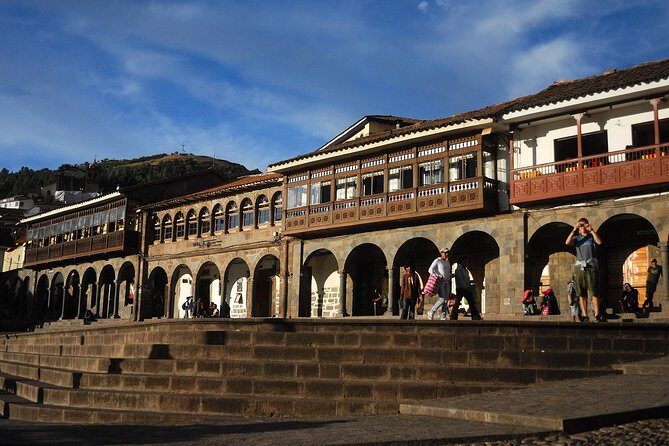
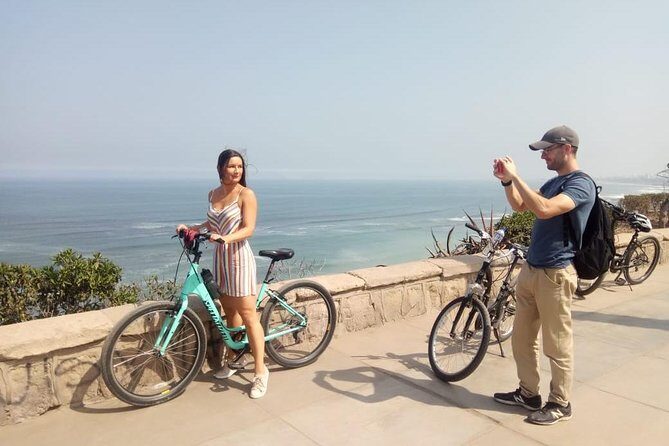
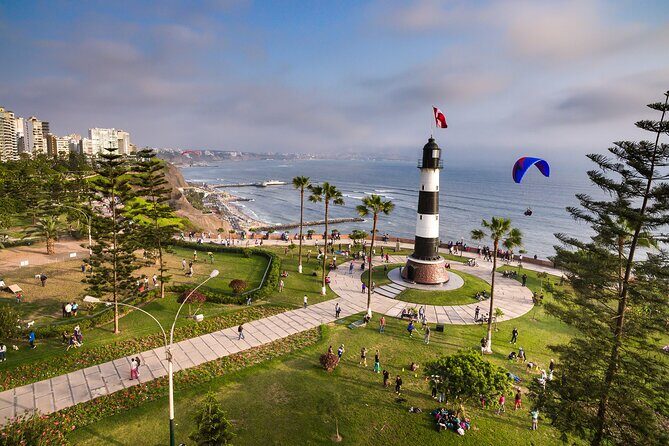
Your trip starts in Lima with an airport meet-and-greet and a private transfer to your hotel. The first full day is a city orientation that’s more useful than it sounds. You’ll begin in Miraflores at Love Park, with a Pacific overlook that helps you understand the city’s layout and mood before you head inland.
From there, you’ll visit Huaca Pucllana, a ceremonial center tied to Lima culture. It’s one of those stops that makes Lima feel less like a layover city and more like a place with roots—brickwork, rituals, and a sense of continuity in the middle of modern neighborhoods.
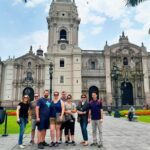
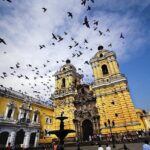
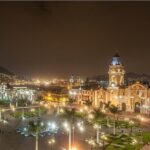
Then it’s on to the Main Square area for government buildings and the Cathedral visit. The Santo Domingo Convent is included too, and it’s a neat add-on because it ties 17th-century religious life to the physical building and corridors where key figures walked. If you like your travel to include both big landmarks and grounded details, this morning sets a strong pace.
Other Nazca Lines flights and tours from Lima


Magic Water Circuit and Pescados Capitales: Lima’s Fun Side
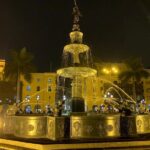
After a morning of history, the afternoon shifts into something more playful. You’ll stop for pisco time in Pueblo Libre, then head to the Reserve Park for the Magic Water Circuit—13 water fountains with color, illusion, and a show-like feel. It’s a good break after walking in town, and it gives you a “Lima at night” vibe without needing nightlife planning.
Dinner that evening is at Pescados Capitales, a seafood-focused restaurant with a lively atmosphere and a focus on fresh ingredients. Peru’s seafood reputation is real, and Lima is where you taste it with the least guesswork. Even if you’re not a foodie by label, a good seafood meal is one of the best ways to understand regional ingredients.
If you’re thinking about jet lag, this day is surprisingly kind. You get tours and tickets handled, plus a built-in evening plan so you don’t waste energy figuring out what to do next.
Larco Museum Brings Ancient Peru Into Focus
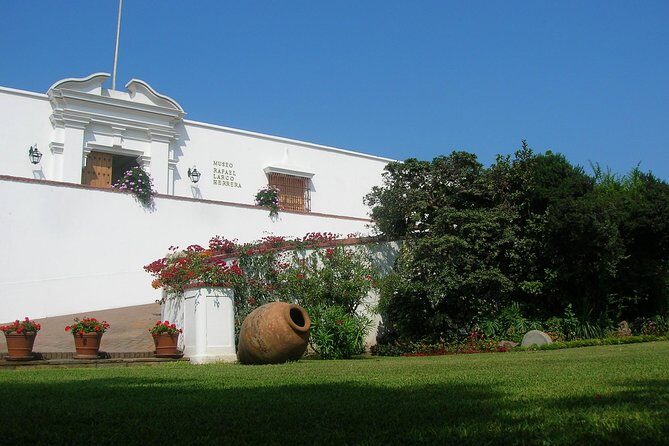
Museo Larco is where the trip starts to feel like more than a checklist. You’ll explore galleries with gold pieces, textiles, and erotic pottery tied to ancient Peru’s world view. What I like about this stop is that it’s not just “look at artifacts.” The museum helps you connect what you see—materials, designs, and objects—to the cultures that made them.
You also get access to the museum’s warehouse during your visit. That detail matters because it changes how you perceive the collection. Instead of only seeing display-case highlights, you’re offered expressions of art that reflect how pottery communicated ideas.
Then the day folds taste back in. You’ll visit an old-school pisco bar in Pueblo Libre for a Chilcano and a butifarra sandwich, followed by another round of Magic Water Circuit time. If you enjoy the idea of travel as a sequence of moods—learn, taste, relax—this layout works.
Paracas Premium Service and the Nazca Lines Overflight
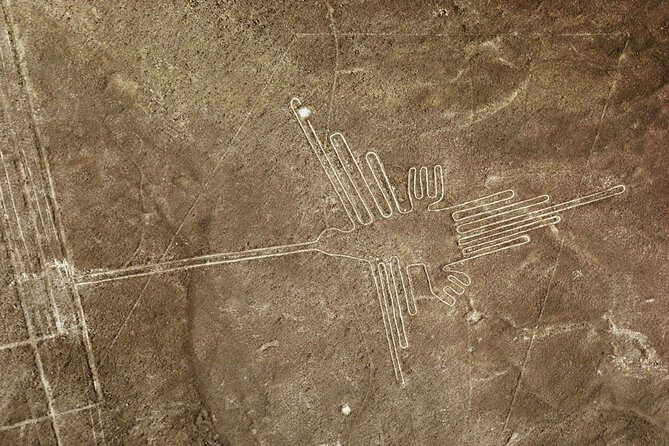
On day 3, the route heads to Paracas Bay using the exclusive Paracas Premium Service. From there, you go to the Pisco airport for the Nazca Lines overflight. Seeing giant animal figures from above changes everything. From the ground, you get partial sections and perspective tricks; from the air, you finally grasp the real scale and the logic of the lines.
The itinerary notes that the origins of the Nazca Lines are unknown, with one theory being that they may connect to an astronomical calendar. You don’t have to choose a theory on this trip to enjoy it. The point is that your brain can finally do the “how did they place that?” work because the lines are laid out like a map.
After the flight, you return and transfer to your Paracas hotel. The rest of the day is free, which is smart. It keeps you from feeling like every minute is scheduled, and Paracas downtime is a good buffer for travel fatigue.
Practical note: the plane can hold up to 12 passengers, and overflights are not recommended for children under 8.
Tacama Winery, Huacachina Dunes, and the Pisco Trail in Ica
Day 4 shifts from coastal scenes to desert energy. You’ll tour Tacama winery, a property open since 1540, and you’ll learn how it traces deep roots in grape growing for pisco production. This stop stands out because it combines architecture, vineyards, and production areas—so you understand pisco as an industry, not just a drink.
You’ll visit the estate, including a bell tower, vineyard, and wine cellar. Then it’s time at a handcrafted pisco cellar called El Catador, where you can see ancient clay vessels known as piscos and the oak press. That’s the kind of detail that turns a tasting into a story you can repeat later.
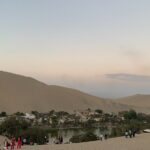
You also get Huacachina Oasis in the Ica desert, surrounded by sand dunes and palm trees. Even if you’re mostly here for food, this is worth it because the scenery explains why the region feels so different from Lima and Cusco.
Lunch in Tacama includes pisco and wine tasting, and the day returns you toward Lima in premium service. It’s a compact way to get “Peru’s flavor geography” in one arc.
Other multi-day Peru and Machu Picchu tours from Lima
Cusco City Tour: Markets, Korikancha, and Plaza Mayor
Flying into Cusco starts a new chapter. You’ll have a meet-and-greet at the airport and a private transfer to your hotel. A quick tip before you go: plan your Lima-to-Cusco flight so you arrive by noon at the latest, because the tour day is tight and you need time to settle.
In the afternoon, you’ll begin with San Cristobal Plaza for a panoramic view of Cusco. It’s not just scenic—this viewpoint helps you “place” the city in your mind before you start walking.
Next: San Pedro Market, where you’ll learn about local products grown in the area. Then it’s Korikancha (also known as the Gold Enclosure) with its gold-covered walls and the temple’s significance. From there you visit Santo Domingo Church, then walk from San Blas through Hatun Rumiyoc, stopping at Inca Roca Palace and the Twelve Angle Stone before reaching the Main Square for the Cathedral.
This is an efficient Cusco intro, and it’s especially useful if you’re trying to understand how Inca layout and Spanish-era architecture coexist in the same streets.
Sacsayhuaman, Q’enqo, Tambomachay: Inca Stone at Altitude
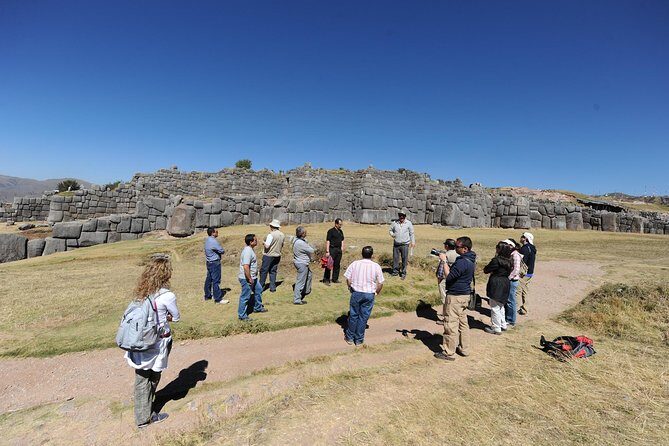
Day 6 is the big archaeology day, and it’s designed to help you see beyond one site. The itinerary includes Sacsayhuaman, described as an impressive fortress of colossal constructions. You’ll also take in beautiful views—useful because altitude can make every overlook feel like a highlight.
Then you visit Q’enqo, including the sacrificial altar embedded inside a rock cave. It’s a striking setting, and the rock formation makes the site feel more “lived in” than a flat museum display.
After that, you’ll reach viewpoints like Puca Pucara, plus Tambomachay, considered one of the pillars of Andean cosmo-vision. The key here is that you’re not just moving from sign to sign. You’re seeing how Inca engineering, ritual space, and landscape connect.
The afternoon is free, which is smart. Cusco altitude often means you need breathing room—literally. Use the time to walk slowly, eat light, and adjust before Sacred Valley day.
Sacred Valley Day 1: Awanacancha, Pisac, and Inkariy Museum Lunch
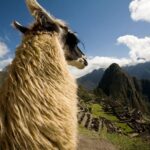
When you head into the Sacred Valley, the pace shifts from steep-city altitude to something more spacious—and you’ll feel it. Day 7 includes Awanacancha, a tourist complex where you can feed Andean camelids like llamas and alpacas. You’ll also see weaving and dyeing techniques through local demonstrations, which connects culture to daily life.
Pisac follows. You’ll visit the Inca and colonial town parts, with a walking tour focused on Pisac. Shopping at the handicraft market is included, so you’re not rushing through it at the end.
Then you’ll go to the Inkariy Museum for lunch. The guided tour covers rooms showing cultural representations of pre-Hispanic civilizations of ancient Peru. This is a strong add-on because it gives you context while your mind is still in “Inca mode” from the morning.
If you’re looking for value, this day is it. You get animals, craft technique, archaeology, colonial town atmosphere, and a guided museum time—all with lunch included.
Sacred Valley Day 2: Moray, Maras Salt Mines, and Ollantaytambo Stones
Day 8 is where the Sacred Valley becomes visually unforgettable. You start with the Living Culture Yucay Museum, which focuses on preserving agricultural and cultural activities. Then you move to Moray, known for its concentric terraces that simulate different microclimates—basically an Inca experiment in farming geography.
Next is Maras, with the famous millenary salt mines. The contrast of white wells against the green valley is exactly the kind of scene that makes photos actually make sense later. You’ll want a camera ready, but also plan to pause and look, not only shoot.
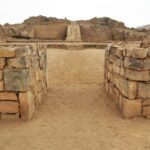
You’ll stop for a buffet lunch, then visit Ollantaytambo, focusing on how Incas worked the stones. This is a meaningful ending to the day because Ollantaytambo isn’t just pretty ruins. It’s a place where the engineering still feels impressive, especially when you can compare it to earlier sites you’ve seen.
The itinerary is a lot, but it’s a good kind of busy: each stop changes the view and the concept.
Machu Picchu by Bus: Guided Visit Plus Circuit Choices
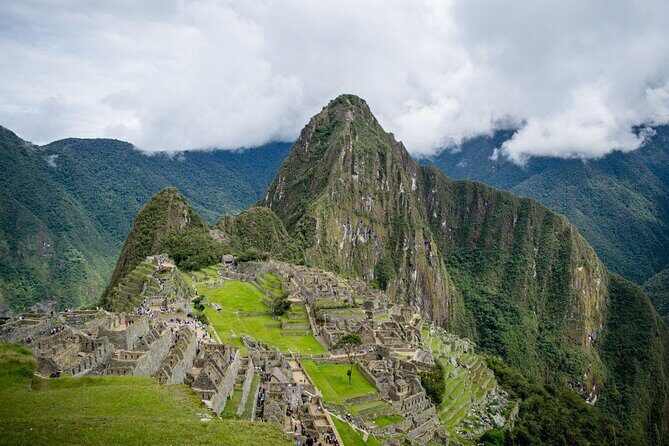
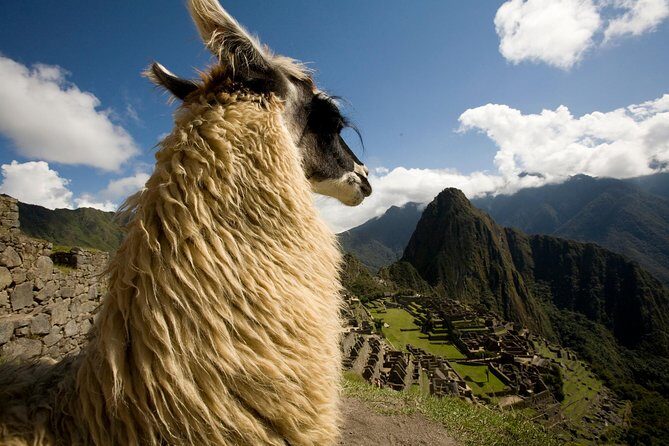
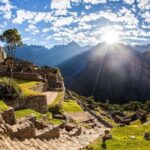
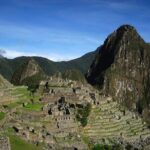
Day 9 is Machu Picchu. You’ll board the bus up the winding road with views over the Urubamba River and its canyon. That ride matters because it gives you a sense of scale. When Machu Picchu appears, it feels less like a photo set and more like a place that belongs in this landscape.
You’ll have a guided visit of the site, then lunch at a restaurant in the area. After the arranged time, you return to Cusco by bus and get transferred to your hotel.
One practical detail to know: Machu Picchu has new visitor circuits with three main routes. Route 2 is given priority, and if it is not available you’ll be informed about options like circuit 3B or circuit 1B so you can confirm before tickets are issued. Since the Machu Picchu ticket is not refundable and date changes are not accepted, you should treat your chosen day as fixed once you book.
If you want a trip that balances awe with structure, this is the right day. You get guided time so you don’t miss the main features, and lunch is built into the schedule so you don’t scramble.
Value and Logistics: What You Pay For (and What You Still Control)
At $2,005 per person for roughly 10 days, this tour isn’t cheap, but it’s also not trying to sell you a bare-bones “survive on your own” plan. You’re paying for hotels (9 nights), breakfasts (9), lunches (5), several attraction tickets, plus private transfers between airports, hotels, the bus, and the railway station. That adds up fast in Peru, especially across regions.
What’s not included is the most important unknown for many travelers: your international and domestic flights, specifically flights Lima–Cusco–Lima. This matters because the tour’s timing expects you to be in the right places on schedule, and altitude changes are real. If you don’t nail the flight timing—especially arriving by noon in Cusco—you can end up feeling squeezed.
Also note the altitude consideration. The trip goes from sea level to around 11,000 feet at Cusco, and you should plan for stomach and breath adjustment. Bring medicine or ask your doctor before you travel if you’re prone to altitude issues.
The good news: the tour caps at 20 travelers, which usually means less chaos when you’re changing locations and queues. And the communication style used by VIPAC Travel is described as strong via WhatsApp, which helps you avoid those last-minute surprises.
Should You Book Taste Peru (Lima, Nasca, Cusco & Machu Picchu)?
Book it if you want a focused “big highlights” Peru trip with real food and drink stops. This works best for you if you value guided time at the major sites, want private transfers to reduce stress, and like the idea of understanding pisco and regional agriculture as part of the itinerary—not as a random side trip.
Skip it or go in with eyes open if you hate physical days, get altitude symptoms easily, or you dislike fixed ticket rules—especially with Machu Picchu, where changes aren’t accepted. Also, if you’re traveling with children, check the note that Nazca overflights are not recommended for kids under 8.
If you match the pace, you’ll come away feeling like you saw Peru in full, from Pacific edge to high Andean stone, with the taste stops doing real work in the story.
FAQ
What’s included in the tour price?
The tour includes 9 nights of accommodation at selected hotels, private transfers between airports, hotel, bus, and railway station, city tour elements, Larco Museum and the Magic Water Circuit, Nazca overflight and Paracas/Ica/Nazca day components, pisco experience stops (Huacachina lagoon, Tacama winery, and El Catador), plus selected meals (9 breakfasts and 5 lunches).
Are flights included?
Flight tickets are not included, including flights Lima to Cusco and Cusco to Lima. The itinerary includes the flight movement between Lima and Cusco, but you’ll need to purchase the flights separately.
Is the Nazca Lines overflight included?
Yes. The Aerodiana Nazca Lines overflight is included as part of the Paracas day.
Is there a limit on the group size?
Yes. The tour has a maximum of 20 travelers.
What’s the Machu Picchu ticket rule?
The Machu Picchu admission ticket is not refundable, and date changes or amendments are not accepted. If you need to change the visit date, you must purchase a new entrance ticket.
Will you get a specific Machu Picchu route?
Route 2 is given priority. If it’s not available, you’ll be informed of alternatives such as circuit 3B or circuit 1B so you can confirm before tickets are issued.
How do you handle altitude in Cusco?
Altitude sickness is a known consideration. The tour notes that if you experience altitude sickness, you should bring medicine or ask your doctor for advice before you depart.
Are pisco tastings included?
Yes. The pisco experience includes Tacama winery with pisco and wine tasting, plus a handcrafted pisco cellar visit called El Catador. The itinerary also includes pisco-related tasting time in Lima and a Chilcano.
Are any meals included besides breakfast and lunch?
Breakfast (9) and lunch (5) are listed as included. The itinerary also includes a dinner stop at Pescados Capitales.
What’s the cancellation policy?
Free cancellation is available up to 24 hours before the experience’s start time for a full refund. If you cancel less than 24 hours before, the amount paid will not be refunded.