REVIEW · LIMA
8-Days Best of The Inca Empire from Lima
Book on Viator →Operated by VIPAC Travel · Bookable on Viator
Eight days, two cities, one Inca thrill. I like how the tour gives you guided context at every major stop, not just photos, and I also really like the pace that makes altitude days feel manageable. You should know Cusco sits high, so you’ll want to plan for altitude sickness risk even with built-in rest time and helpful guidance.
The big strength here is that most of the heavy lifting is handled for you: airport and station transfers, guided sightseeing, and entrance fees. In feedback tied to this trip, the guide team—Gabriela is specifically praised—shows up as professional and on time, which matters when you’re trying to enjoy Peru instead of chasing buses.
This is also a small group experience (up to 12), which helps you keep questions moving and your day from turning into a cattle-line. The main tradeoff is that logistics are tight around key timed entries, especially Machu Picchu, where date changes aren’t accepted and the ticket isn’t refundable.
In This Review
- Key things to know before you go
- Lima on arrival: Miraflores views and Plaza Mayor history
- Pachacamac, Larco Museum, and the Magic Water Circuit: Lima’s best contrast
- Cusco city tour: San Pedro Market to Korikancha gold
- Sacsayhuaman and Qenqo: fortress stones and ritual caves
- Sacred Valley Day 1: Pisac viewpoints, camelids, and weaving skill
- Sacred Valley Day 2: Moray microclimates, Maras salt, and Ollantaytambo stonework
- Machu Picchu with bus up, guided walk, and a timed return
- Day eight: Cusco farewell and your Lima connection
- Price and value: what you’re really paying for at $1,454
- Altitude and pacing: rest time is part of the plan
- Who this trip fits best
- Should you book this 8-day Inca Empire tour from Lima?
- FAQ
- Is airfare included in this tour?
- What meals are included during the 8 days?
- Are entrance fees included for the main sights?
- Is the Machu Picchu ticket refundable if plans change?
- What is the group size?
- What should I do about altitude in Cusco?
Key things to know before you go
- Small group, up to 12 people: easier pace and more personal guide attention.
- Guided tours at the listed sites: you’ll get the why behind what you’re seeing.
- Lima first, then the Andes: a smoother start before Cusco altitude.
- Sacred Valley variety in two full days: Pisac, weaving and camelids, Moray, Maras, Ollantaytambo.
- Machu Picchu day is transport-managed: bus up, guided walk, then back to Cusco.
- Altitude planning matters: bring medicine or ask your doctor ahead of time.
Lima on arrival: Miraflores views and Plaza Mayor history
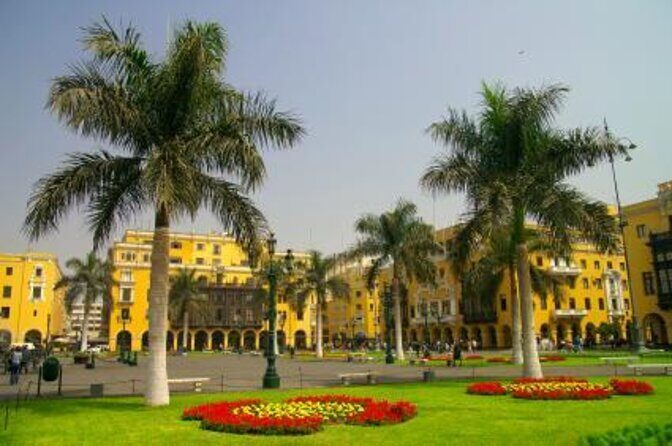
Your day one starts in Lima with an airport meet-and-greet and a transfer to your hotel. After that, you’ll get an organized orientation walk that’s perfect on day one, when your brain is still sorting out jet lag and street names.
I like the sweep of Lima’s highlights from the ocean view in Miraflores down to Huaca Pucllana. You’re not just touring buildings—you’re watching how different eras sit on top of each other in the same city, which is a big theme for this whole trip.
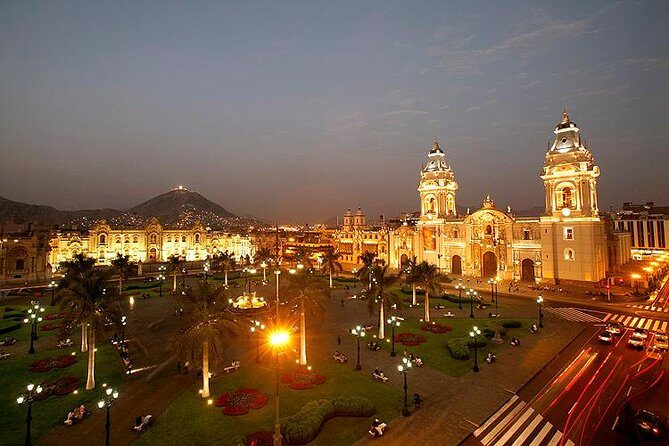
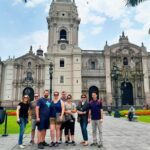
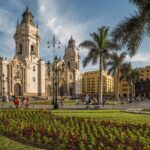
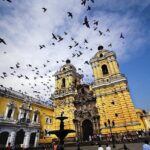
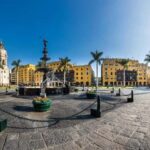
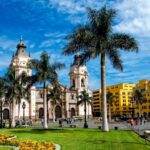
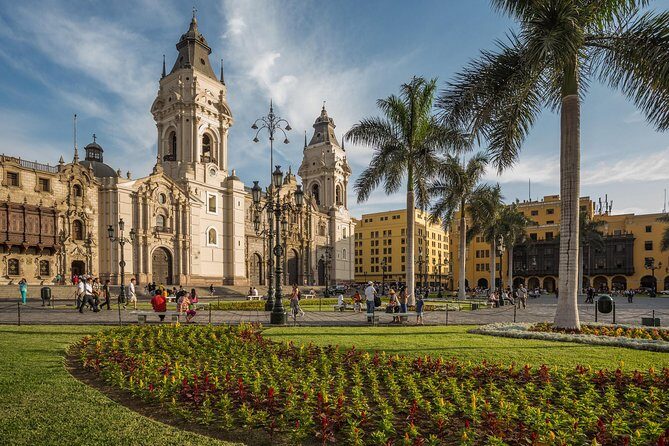
Then you move into the Plaza Mayor area, with the Government Palace and Town Hall in view, plus time at the Cathedral. The visit to the Santo Domingo Convent is especially interesting because it ties together early colonial life with religious figures and their resting place, all along corridors associated with 17th-century characters.
Possible drawback to keep in mind: day one can feel like a lot of walking right after travel. If you’re sensitive to jet lag, pace yourself during the Plaza Mayor stretch and treat the afternoon as a “get your bearings” day, not a race.
Other multi-day Peru and Machu Picchu tours from Lima
Pachacamac, Larco Museum, and the Magic Water Circuit: Lima’s best contrast
Day two is a strong mix: archaeology, museum time, then lights and food. I love this kind of day because it shows Peru’s story in layers—coastal cultures first, then the long jump into what the Incas later inherited and reshaped.
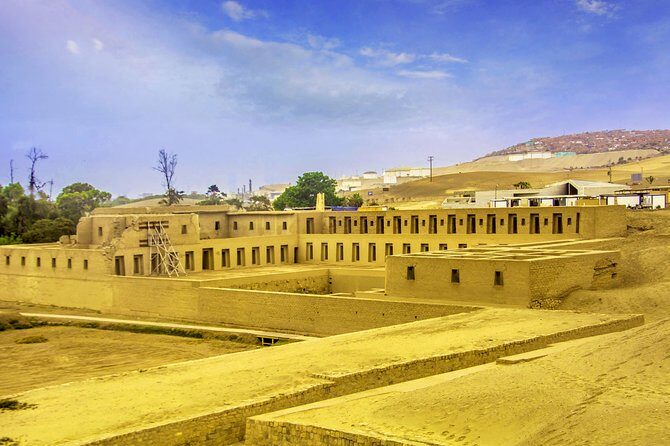
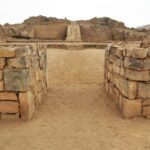
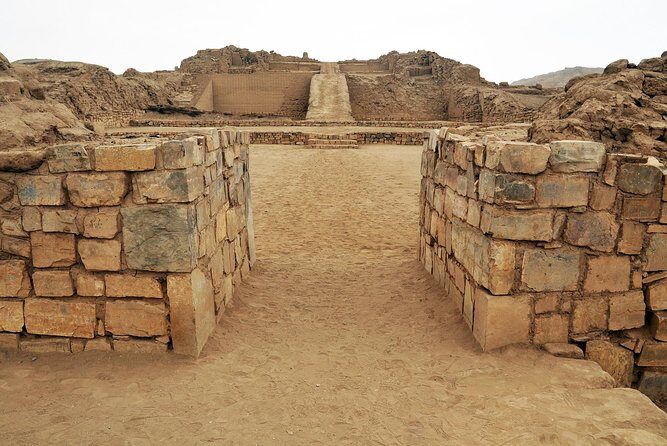
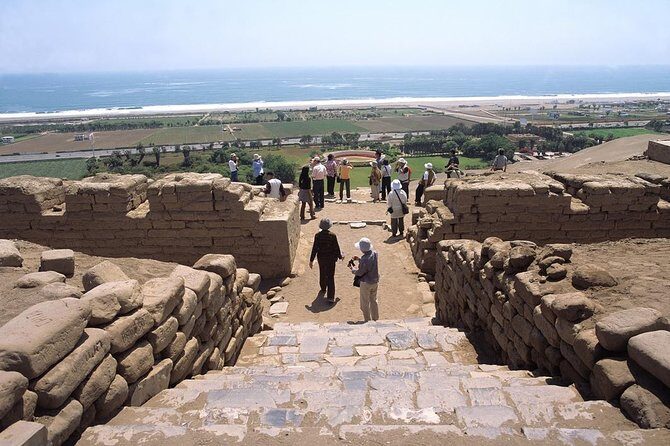
Pachacamac Archaeological Sanctuary is only about 30 km south of Lima, so it works even if you don’t want a full-day trek. You’ll walk among adobe structures and look out over the Lurin River Valley and the ocean. When the Incas arrived, the complex became an administrative center while respecting earlier local construction, and that “adaptation” idea is one of the most useful things to learn on a first Peru trip.
You’ll also visit the In-site Museum, which helps you connect what you’re seeing in the ruins with artifacts found there. After that, you head to Museo Larco, about 30 minutes from Lima’s center, and it’s built for variety. One big reason it’s popular is the museum’s range: you get displays tracing ancient cultures plus a huge ceramic collection showing everyday life through faces, objects, fruits, and animals.
Then comes Circuito Magico del Agua, the Magic Water Circuit near dusk. It’s a fountain-and-light show with interactive elements and music, and it’s recognized internationally for the size of the fountain complex. If you want a break from archaeological facts and just enjoy something different, this is a fun reset.
Finish day two with Pueblo Libre and a pisco-friendly pause. The plan includes an old tavern stop where you can try classic Peruvian sandwiches with a drink made from pisco. It’s not just food—it’s a low-key way to end a long day without overthinking dinner plans.
Cusco city tour: San Pedro Market to Korikancha gold
After Lima, you fly to Cusco, then get a city orientation built for first-timers. This matters because Cusco can feel like sensory overload—steep streets, constant activity, and altitude in the background.
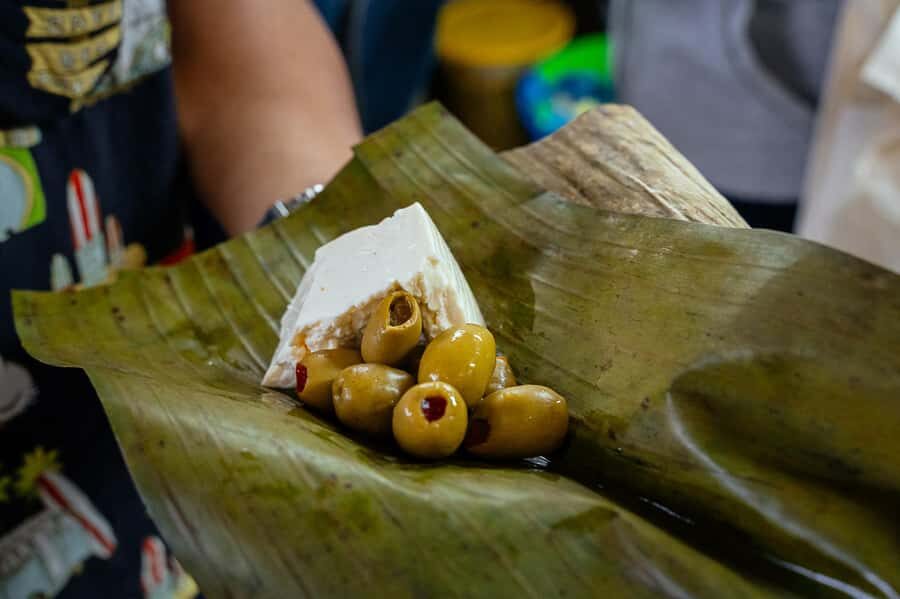
Your afternoon starts with San Cristobal Plaza for city views, then drops you into San Pedro Market. I like market time on guided trips because it helps you see what locals actually buy and cook, not just what tourists photograph. It also gives context for the products grown in the region that supply the city.
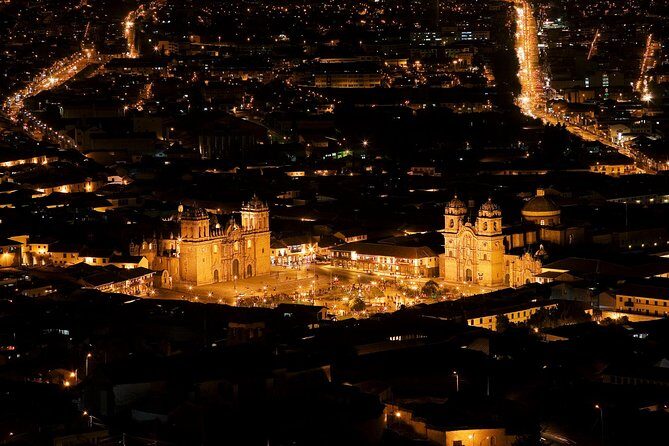
Then you move into Korikancha, the “Gold Enclosure,” with its legendary gold-covered walls as part of the story. After that, the tour continues with Santo Domingo Church and a walking route through artisan areas like San Blas, plus stops such as the Hatun Rumiyoc street, the Inca Roca Palace (now tied to the Archbishop’s Palace), and the famous Twelve Angle Stone. Even if you’re not a stone-geometry person, these stops make the Inca presence feel real in everyday Cusco.
You wrap at the Main Square area, with time at the Cathedral and colonial masterpieces. It’s a good contrast to earlier Lima days: colonial power sits differently here, layered onto an Inca city foundation.
Sacsayhuaman and Qenqo: fortress stones and ritual caves
Day four focuses on the area around Cusco with three standout stops and a less crowded feel. The tour heads to Sacsayhuaman in the morning to get you away from peak crowds, and it’s easy to see why this site grabs attention: the fortress uses colossal constructions and sits in a place with big views.
Next is Qenqo, including a sacrificial altar embedded inside a rock cave. This is one of those places where the setting helps you understand the architecture as part of ritual space, not just a monument.
After that, you go to Puca Pucara viewpoint and Tambomachay, described as connected to Andean cosmology and built with impressive architectural knowledge. If you like “how did they do that” questions, this is where your curiosity gets fed.
Then you get a free afternoon to explore Cusco on your own. For me, that’s a smart move after three guided-heavy days: you can recover, wander streets, or just sit somewhere cool and watch mountain air do its thing.
Sacred Valley Day 1: Pisac viewpoints, camelids, and weaving skill
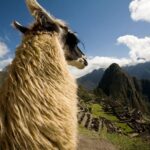
Day five takes you into the Sacred Valley and gives it a full, well-paced day. It starts with breakfast and heads to Awanacancha, where you can see and feed Andean camelids like llamas and alpacas. If you’re nervous about animal feeding rules, this is the kind of place where the guide can keep things respectful and safe.
You’ll also learn about weaving and dyeing techniques through local demonstrations. That’s an important piece, because textiles in the Andes aren’t random crafts—they’re part of identity and seasonal knowledge, and seeing the process makes souvenir shopping feel more meaningful.
Then you move into Pisac, including Inca and colonial parts. The colonial town visit includes walking time and a chance to shop at the handicraft market. This is a good spot to slow down and compare quality rather than grabbing the first thing you see.
Lunch is included at the Inkariy Museum stop, and you’ll get a guided tour of rooms that display cultural representations of pre-Hispanic civilizations. I like museum stops in the middle of a Sacred Valley day because they bring structure to what can otherwise feel like nonstop ruins and viewpoints.
Overnight is in the Sacred Valley, which helps you reduce back-and-forth travel fatigue and makes the next day feel smoother.





Sacred Valley Day 2: Moray microclimates, Maras salt, and Ollantaytambo stonework
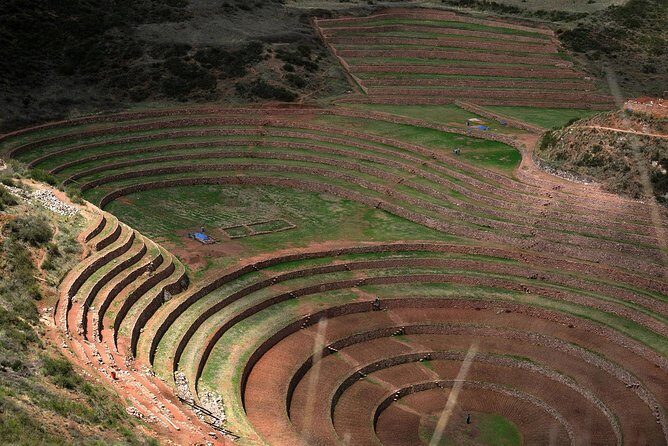
Day six is the “wow, okay, that’s clever” day in the Sacred Valley. You start at Moray, known for its concentric terraces that simulate microclimates like an amphitheater. The point—recreating different growing conditions for agriculture—gives the site a practical meaning. It’s not just impressive geometry; it’s food planning at empire scale.
After Moray, you go to Maras salt mines, described as millenary and originally connected to colonial-era use. The view of the white salt wells set against the green valley is one of those moments where you understand why people stop and just stare for a minute.
A buffet lunch is included, then you head to Ollantaytambo. Here the guide focuses on Inca stonework techniques, which is great because Ollantaytambo tends to be where people either get inspired or feel lost if nobody explains what they’re looking at. You’ll have context for why the stones look the way they do and how the site fits the larger area.
Then you train toward Machu Picchu. You’ll be assisted for lodging on arrival, so you’re not left scrambling over the last steps. That’s a quiet but real quality-of-life win.
Machu Picchu with bus up, guided walk, and a timed return
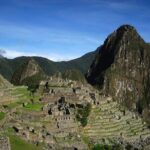
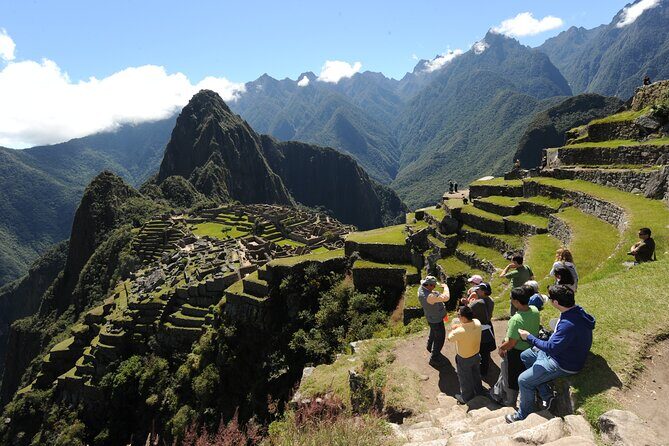
Day seven is the centerpiece: Machu Picchu. You start with breakfast, then board the bus up the winding road to the site. Along the way, you get views over the Urubamba River and its canyon, and it’s a reminder that this place isn’t isolated—it’s carved into a lived-in mountain system.
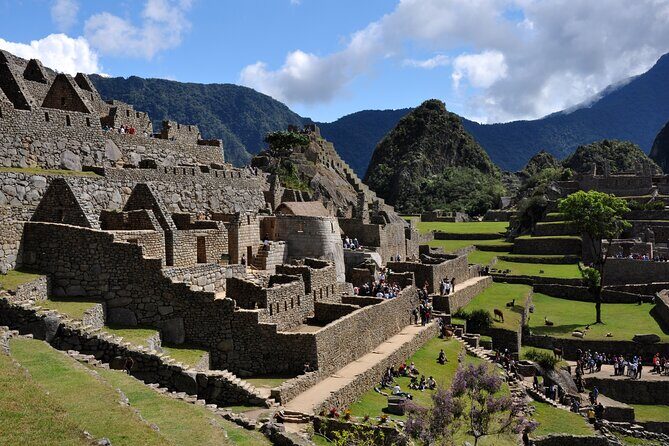
At Machu Picchu, you’ll tour with a guide, looking at terraces, ceremonial shrines, steps, and urban-style areas. The guided portion is what turns “I’ve seen it in postcards” into “I understand the layout,” especially when you get explanations in plain language.
After your guided visit, lunch is included at a restaurant in the area. Then you return to Cusco at the arranged time and get transferred to your hotel for an overnight.
This timing is one reason I like this style of tour. It respects the fact that Machu Picchu isn’t just a checkmark; it takes energy. When the transport and schedule are organized, you spend more time appreciating and less time worrying.
Day eight: Cusco farewell and your Lima connection
Your last day is simple: departure transfer to the Cusco airport, with help for your connection flight back to Lima. If you want extra time in Lima after the tour, the plan notes that you can add nights and extensions with assistance.
This “clean exit” day is underrated. When you’re traveling through altitude and long days, having a final day without pressure helps you land feeling okay instead of fried.
Price and value: what you’re really paying for at $1,454
At about $1,454 per person, this isn’t a budget tour, but it also isn’t just paying for a bus ride. The value comes from what’s included:
- 7 nights of accommodation across Lima and Cusco (with breakfast)
- Guided tours and entrance fees for the listed sites
- Most transport and all transfers between airports, hotels, railway, and bus stations
- 2 included lunches (in the Sacred Valley and around Machu Picchu)
Airfare Lima–Cusco–Lima is not included, which is a big pricing divider. If you already planned those flights, you can judge the cost more clearly: you’re buying the on-the-ground logistics plus guided interpretation and ticketed site access.
My practical take: this kind of package tends to be a good fit when you want to avoid stitching together trains, museum tickets, and schedule timing on your own—especially around Machu Picchu and the Sacred Valley route.
Altitude and pacing: rest time is part of the plan
Cusco altitude is real, so this tour asks you to be proactive. It specifically advises bringing medicine or asking your doctor before you depart if you’re prone to altitude sickness.
In the feedback for this experience, one of the strongest points was the emphasis on giving people time to rest and handle altitude in Cusco. That doesn’t remove the altitude risk, but it does reduce the chance that you spend your day gasping while trying to keep up.
Also, your group size (up to 12) helps pacing. Fewer people means the guide can slow down when needed and keep transitions manageable, especially on walking-heavy days like Cusco sightseeing and Machu Picchu.
One more practical note: when you book your Lima to Cusco flight, the tour guidance says it must be in the morning. Arrival by noon is too late, so don’t treat that as optional.
Who this trip fits best
This is a smart match if you’re a first-time visitor to Peru and you want a clear path through Lima, Cusco, the Sacred Valley, and Machu Picchu without micromanaging details.
It also fits families and travelers who don’t want a sprint. The itinerary includes guided structure, but it also gives you free time in Cusco and enough scheduled breaks that you’re not constantly on the move.
If you’re the kind of traveler who loves do-it-yourself planning and prefers wandering with no fixed schedule, you might find a guided package feels a bit structured. For many people, though, that structure is the point: it protects your energy for the places that matter.
Should you book this 8-day Inca Empire tour from Lima?
I’d book it if you want guided interpretation, ticketed site access, and a tour rhythm that respects rest—especially with Cusco altitude. The combination of Lima culture, Sacred Valley variety, and a guided Machu Picchu day makes it feel like a complete Peru sampler without sacrificing the big Inca moments.
I’d hesitate if your schedule is super flexible or if you’re the kind of traveler who might want to change your Machu Picchu date after booking. The Machu Picchu entry ticket is described as not refundable and date changes aren’t accepted, so you’ll want to be confident in your timing.
If your flights and your health plan are solid, this one can be a very efficient, high-success way to experience the heart of the Inca world.
FAQ
Is airfare included in this tour?
No. Airfare for Lima–Cusco–Lima is not included.
What meals are included during the 8 days?
Breakfast is included for 7 mornings, and lunch is included for 2 days.
Are entrance fees included for the main sights?
Yes. The tour states that entrance fees for each tour and excursion are included.
Is the Machu Picchu ticket refundable if plans change?
No. The Machu Picchu admission ticket is not refundable, and date changes or amendments are not accepted. If you need a new date, you would need to purchase a new ticket.
What is the group size?
The tour has a maximum of 12 travelers.
What should I do about altitude in Cusco?
The tour advises that if you suffer from altitude sickness, you should bring medicine or ask your doctor for advice before you depart.