REVIEW · LIMA
8-Day Peru Ancestral Energies
Book on Viator →Operated by VIPAC Travel · Bookable on Viator
Eight days, three regions, one big story. This Peru route strings together Lima’s colonial core, Cusco’s Inca-and-Spanish mix, and the altiplano around Lake Titicaca—with transport and most major entry tickets handled for you. You’ll move with a small group (up to 15) so the day-to-day feels organized, not chaotic.
Two things I like a lot: the way the itinerary is built for efficient sightseeing, and the clear guidance you get along the way—so monuments make sense, not just stand there for photos. I also appreciate that the trip is set up with hotels, transfers, and admissions included, which cuts down on the frustrating planning gap many self-guided trips create.
One consideration: altitude. Cusco and the high points en route (including La Raya at 4,800 m) can hit hard, so bring medicine or ask your doctor for advice before you go, and keep the first day in mind for pacing.
In This Review
- Key things that make this tour worth a look
- Lima’s Historical Center plus Larco Museum: a smart first-day reset
- Cusco on foot: markets, Qorikancha, and Twelve Angled Stone
- Sacsayhuaman and the surrounding sacred sites: big structures, quieter energy
- Sacred Valley essentials: Chinchero textiles, Moray microclimates, and Ollantaytambo views
- Machu Picchu day: train ride, bus climb, and the visitor-circuit reality
- Puno travel day via Andahuaylillas, Racchi, and La Raya at 4,800 m
- Lake Titicaca: Uros islands and Taquile’s Quechua traditions
- Price and logistics: what you’re paying for (and what you’re not)
- Who this Peru tour suits best
- Should you book 8-Day Peru Ancestral Energies?
- FAQ
- What does the tour price include?
- Are flights included in the package?
- Where does the tour start and end?
- Is the Machu Picchu entrance ticket refundable?
- What time should my flight arrive in Cusco?
- How many people are on the tour?
- What should I do about altitude?
Key things that make this tour worth a look
- Small group cap (max 15): easier timing, fewer delays, more space to ask questions.
- Major entries and tickets handled: including the Machu Picchu train and site admission process.
- Proper Cusco orientation on Day 2: squares, markets, Inca temples, and classic photo points—without wasting time.
- Sacred Valley stops that feel connected: textiles in Chinchero, Moray’s microclimates, then Ollantaytambo’s skyline views.
- Lake Titicaca day with two cultural stops: Uros islands plus Taquile, including music and dance moments.
- Punctual logistics emphasis: transport and drivers are run with timing in mind, and support is quick when you need help.
Lima’s Historical Center plus Larco Museum: a smart first-day reset
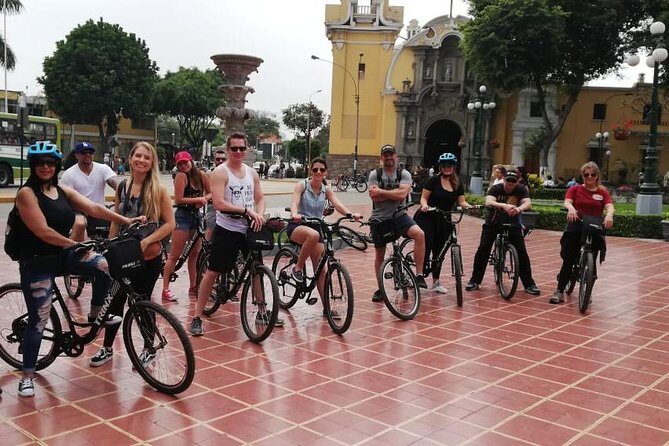
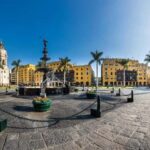
If you’ve only got a limited number of days, I love starting with Lima because it gives you a grounding in what “Peru” looks like beyond the mountains. After you land, you’ll be transferred straight to your hotel and then get right into the Historical Center on a guided walk.
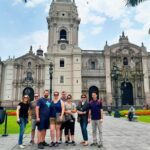
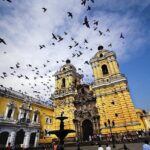
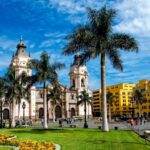
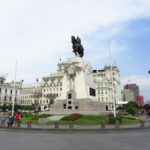
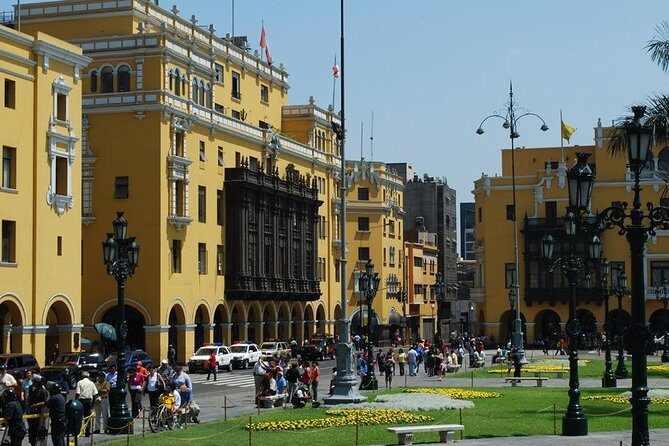
You’ll cover the kind of places that set the tone: Plaza Mayor, the Government Palace, the Municipality, and the Cathedral of Lima. You’ll also visit the Convent of Santo Domingo and Universidad Mayor de San Marcos, which helps explain how deep colonial influence ran in Lima’s early power centers. The pacing here is easy on day one—mostly focused on getting your bearings.
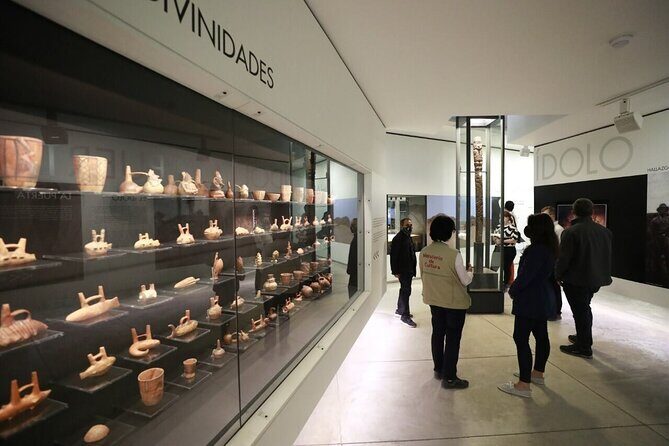
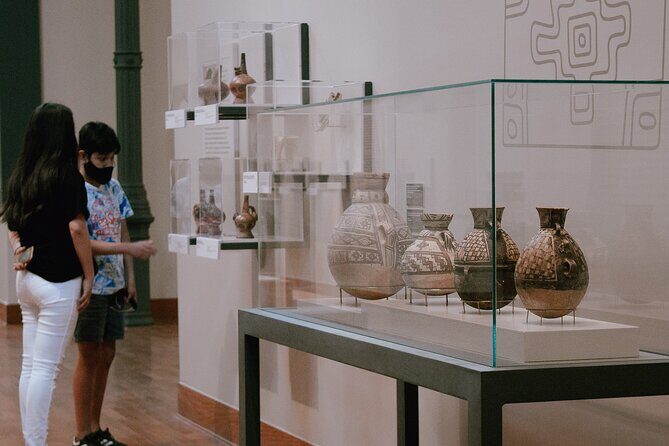
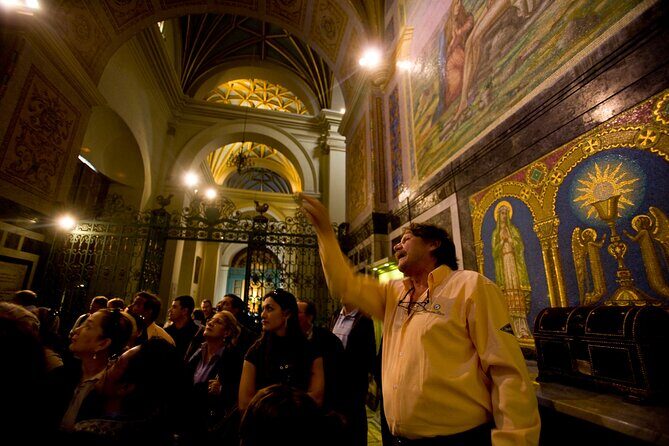
Then the tour caps the day at the Larco Museum, where you can shift from streets and architecture to the “why” behind the artifacts. The museum stop is built around Peru’s material culture: gold objects, textiles, and ceramics. If you’re the type who likes your first “big Peru moment” to be more than a scenic overlook, this museum visit is a strong move.
Potential drawback: museum-heavy days can feel like information overload right after travel. If you’re tired, slow down your photo schedule and prioritize the parts you’re most curious about.
Other multi-day Peru and Machu Picchu tours from Lima
Cusco on foot: markets, Qorikancha, and Twelve Angled Stone
Cusco can feel like sensory overload at first, so I like this tour’s approach to Day 2. You start with a panoramic overview from Plaza de San Cristóbal (San Cristóbal Square), which gives your brain a map. After that, you head into the city where Cusco becomes real: San Pedro Market, classic streets, and major ceremonial spaces.
The market stop is more useful than it sounds. It’s not just for snacks; it’s your crash course in what locals actually buy and what ingredients define regional cooking. Even if you don’t plan to eat much, you’ll get a feel for daily life and local product logic fast.
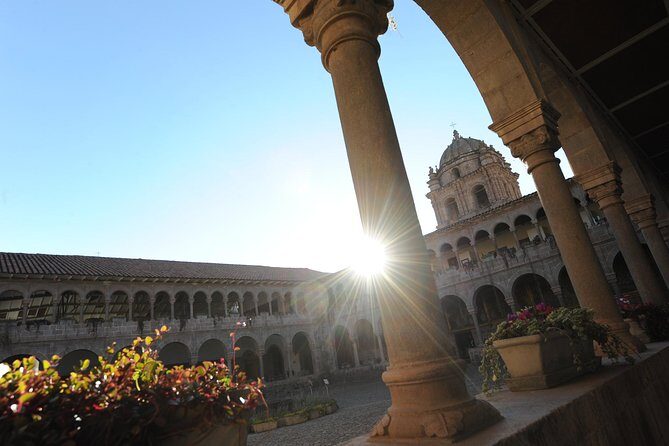
From there you visit Qorikancha, famous for the sacred walls that were once covered in gold. Standing there is one of those moments where the site explains the Inca relationship between devotion, power, and architecture—then the Spanish layer comes in visually around it. It’s a theme you’ll keep seeing throughout the trip.
Next, the walk continues through the artisan zone around San Blas and down Hatun Rumiyoc, tied to Inca Roca and the area’s layered history, including the Archbishop’s Palace. You’ll also stop at the Twelve Angled Stone, one of those Cusco landmarks people point to because the precision is hard to ignore—even if you don’t know the full story yet.
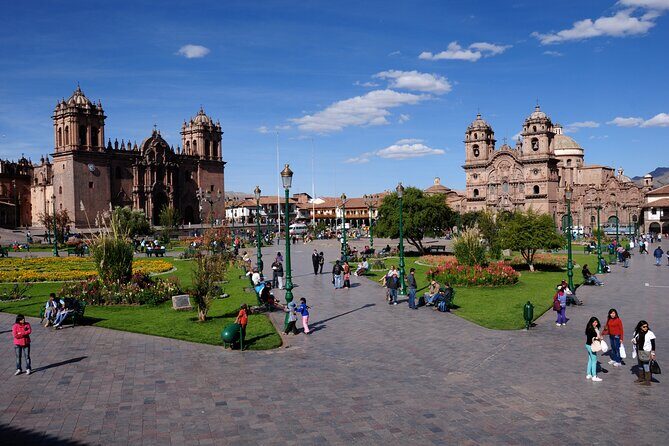
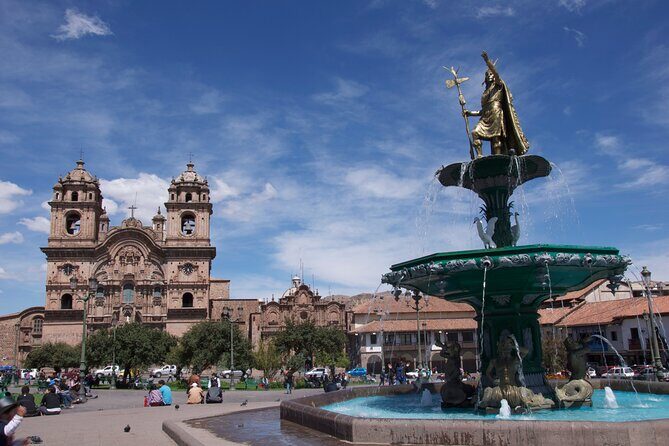
You finish with Plaza de Armas and the Cathedral of Cusco, including colonial works of notable value. That pairing matters: you’re not only seeing Inca structures; you’re also seeing how Spanish power framed itself in the same urban space.
Small trade-off: Cusco is busy and walking-heavy. Comfortable shoes and a slower pace help you enjoy it instead of just surviving it.
Sacsayhuaman and the surrounding sacred sites: big structures, quieter energy
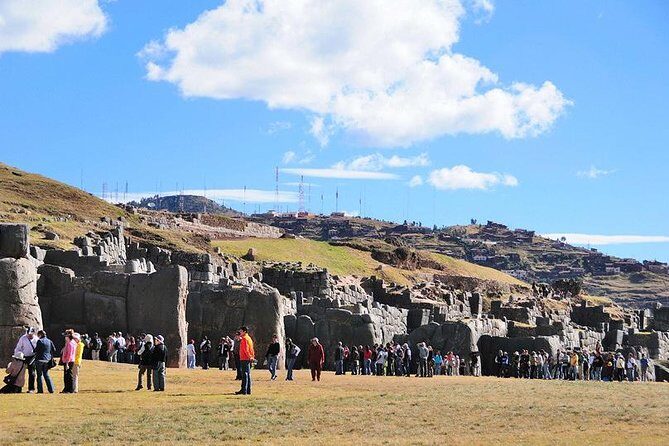
Day 3 is where the tour shifts from “Cusco city highlights” into “Inca engineering and sacred geography.” The first stop is Sacsayhuaman, described as a citadel of colossal constructions set into a scenic environment. I like this early because it’s a different scale of feeling than the tight streets of central Cusco.
Then you continue to Q’enqo, known for its altar for sacrifices embedded within the rocky formation. Sites like this don’t just look old; they make you think about how ritual and landscape worked together for the Incas.
After that, you get a lookout stop at Puca Pucará and then Tambomachay, tied to Andean cosmovision through its architecture. The point isn’t just to check boxes—it’s to connect why the Incas chose certain hills, water flows, and rock formations. You’ll feel the logic even without a deep academic background.
You end with a free afternoon in Cusco, which I consider a quiet win. It gives you time to revisit what you liked most on Day 2, shop at a slower tempo, or just rest—useful before the Sacred Valley and Machu Picchu days.
Sacred Valley essentials: Chinchero textiles, Moray microclimates, and Ollantaytambo views
If you want the Sacred Valley to feel like a journey rather than a highlight reel, this day does a good job. You start with Chinchero, a colorful village linked to weaving traditions. The stop includes time with a textiles center where you can appreciate old Inca methods for dyeing and spinning using alpaca wool.
That matters because Sacred Valley craft isn’t only a “cultural show.” It’s part of how communities turned raw animal fiber into daily clothing and identity. Even if you don’t buy anything, watching how the process works adds context to what you’ll see later in Cusco markets and artisan areas.
Next comes a stop at the Inca plaza with a colonial church, again showing the layered history that runs through this region. From there you go to Moray, the agricultural site made of concentric terraces that functioned like a lab to recreate microclimates.
Then there’s lunch, followed by the payoff: Ollantaytambo. The day doesn’t just toss you at ruins; you get key highlights there, including the Temple of the Ten Windows, the Bath of the Princess, and the Sun Temple. The viewpoint moments from the heights are exactly the kind of scenery you’ll remember after the trip ends.
You also stay overnight in the area, which is a practical choice. It reduces stress for the next day’s Machu Picchu schedule.
Possible drawback: this is a packed day. If you’re prone to motion sickness or you hate long driving stretches, plan to take breaks when you can.
Machu Picchu day: train ride, bus climb, and the visitor-circuit reality
Machu Picchu is the headline, but I like how this trip treats the logistics as part of the experience—not an annoying hurdle.
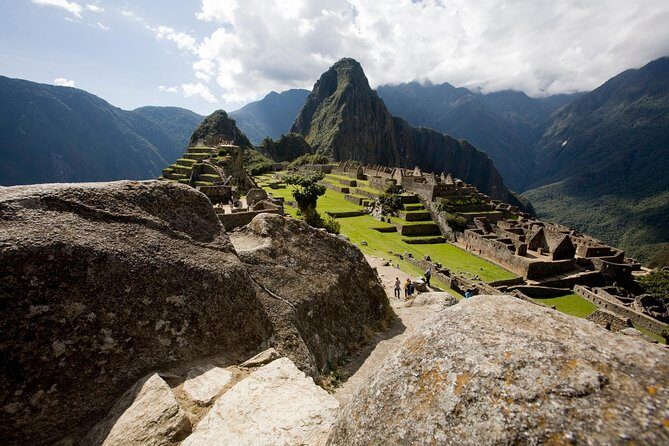
You’ll board at Ollantaytambo station and take the train to Machu Picchu station. Then staff assist with the bus that winds upward, with Urubamba River views along the way. That bus ride is worth paying attention to; it’s your first real “scale” moment before the terraces and stonework hit you.
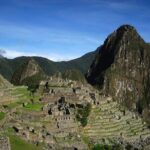
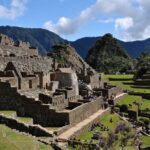
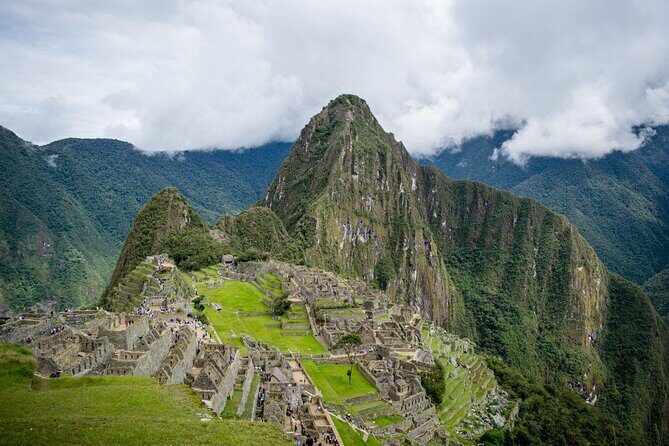
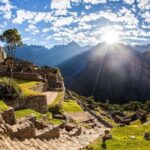
At Machu Picchu, you’ll see terraces, staircases, ceremonial spaces, and urban areas. The way the site works spatially means you can’t fully experience it in a rush—you have to slow down at the parts that matter to you: viewpoints, doorways, and the way the city hugs the terrain.
A lunch is included, and afterward you return by train and head back to your Cusco hotel for lodging.
Here’s the important practical note: Machu Picchu has new visitor circuits. Your trip prioritizes route 2, and if it isn’t available you’re informed about alternatives (3B or 1B) so you can confirm before tickets are issued. Also, the Machu Picchu ticket is not refundable, and date changes or amendments aren’t accepted—so double-check your dates early.





Puno travel day via Andahuaylillas, Racchi, and La Raya at 4,800 m
Day 6 is one of those “more than transit” days. You travel by tourist bus from the Cusco region down toward Puno, and you get stops that turn the drive into a cultural route.
You start by visiting the Church of Apostle St. Peter in Andahuaylillas, nicknamed La Sixtina de América because the walls and ceiling carry 17th-century mural paintings. It’s a striking contrast to the stone-and-terrace sites. If you’re used to thinking of the Andes as only pre-Columbian, this church reminds you that the region’s story didn’t stop.
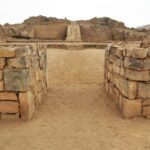
Next is Racchi, the Temple of the God Wiracocha, where remains of columns and walls show the scale of the construction in Inca times. Even partial ruins can help you visualize how monumental the full site once was.
Then comes La Raya at 4,800 m, a high point tied to the division of waters—where river basins split and flow away in different directions. If altitude affects you, this is the day you’ll feel it most. Take it slowly when you stop.
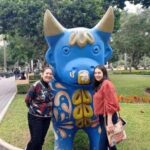
Lunch is included, and then you visit the Site Museum of Pucará. This stop ties to the local tradition of toritos de Pucará—little bull figures connected to regional festival culture.
You arrive in Puno and transfer to your hotel. By the end of the day, you’ll likely feel both travel-tired and culturally full, which is usually the right balance for a tour that includes Lake Titicaca the next day.
Lake Titicaca: Uros islands and Taquile’s Quechua traditions
For many people, Lake Titicaca is the “other Peru” they didn’t plan for. This tour makes it a highlight instead of a side excursion.
You start in the morning with a motorboat ride to the Uros, a community that historically sought refuge by living on Lake Titicaca. They continue building their islands using ancient techniques, and you’ll be welcomed while learning how the islands are maintained. It’s a reminder that “tourist experience” can still teach you something real about adaptation.
Then you sail to Taquile Island, where a Quechua community maintains traditions, clothes, and daily life. One of the best parts here is the human side: people welcome you with music and dances. That’s not a separate stage show tacked on at the last minute; it’s tied to how the island community lives.
Lunch is at a community restaurant: a simple meal, but described as rich in nutrients. After eating, you take a walk around the area to enjoy the lake views and soak up the slower rhythm of the island.
Then you return to the port of Puno and transfer back to your hotel.
Practical consideration: Lake days can be affected by weather and light. Keep your expectations flexible—views still happen, but the mood of the water can change fast.
Price and logistics: what you’re paying for (and what you’re not)
At $1,264 per person for the 8-day experience, the biggest value is what you don’t have to organize yourself. This price includes 7 nights of accommodation, breakfasts (7), lunches (4), round-trip train to Machu Picchu based on your selected hotel category, plus transfers and shared tours with English-Spanish speaking guides.
It also includes admission tickets on the tours. If you’ve ever tried to assemble Peru’s pieces—Cusco sites, Sacred Valley timing, Machu Picchu entry rules, and train reservations—this kind of package pricing can start to look less expensive than it appears.
What’s not included: your flights Lima to Cusco and Juliaca to Lima aren’t part of the tour, and there are also airport taxes (international) plus Lima–Cusco and Puno taxes listed at $32 per person. The tour also notes you’ll need to provide passport details at booking—do that early so your trip gets confirmed.
Also note the tour’s end point: you finish with a departure transfer to Juliaca Airport, which is 36 km from Puno. That matters if you’re planning onward travel. Build in time buffer for the transfer, especially if you have a tight flight schedule.
Who this Peru tour suits best
This is a good fit if you want structure and you don’t want to become a part-time logistics manager. The small group size (max 15) plus shared guided pacing makes it ideal for first-time Peru visitors who still want authentic stops.
You’ll likely enjoy it most if you:
- like walking tours paired with meaningful site explanations
- want Machu Picchu handled end-to-end (train + bus + site admission process)
- enjoy cultural stops as much as scenic ones, including San Pedro Market, La Sixtina de América, and community life on Taquile
If you hate long travel days, you should know that Day 6 is a full driving-and-stop day, and the altitude points are real. If altitude is a concern for you, plan for slower pacing and ask your clinician about prevention steps.
Should you book 8-Day Peru Ancestral Energies?
I’d book it if you want a single package that links Lima, Cusco, the Sacred Valley, Machu Picchu, and Lake Titicaca without making you coordinate tickets, trains, and cross-country timing. The pricing is strongest when you compare the total you’d otherwise spend on hotels, major admissions, and the Machu Picchu train process.
I’d pause only if you’re very altitude-sensitive or you’re planning flights that don’t match the tour’s guidance. The itinerary explicitly asks that when you book Lima to Cusco, it should be in the morning—arrival by noon is too late.
If your dates are firm and you’re ready for a fast, guided rhythm with plenty of major “wow” moments, this is a solid way to experience a lot of Peru without the stress.
FAQ
What does the tour price include?
The price includes transfers from airport to hotels, shared transfer to the train station, all admission tickets on tours, shared tours with an English-Spanish speaking guide, round trip railway ticket to Machu Picchu based on selected hotel category, 7 nights of accommodation in selected hotels, breakfasts (7), and lunches (4).
Are flights included in the package?
No. Flights Lima–Cusco and Juliaca–Lima are not included. The company says its sales team can assist you.
Where does the tour start and end?
It starts at J Chavez Intl Airport in Lima, Peru, and ends at Inca Manco Capac International Airport in Juliaca, Peru (36 km from Puno).
Is the Machu Picchu entrance ticket refundable?
No. The Machu Picchu admission ticket is not refundable, and date changes or amendments are not accepted. If you need a different visit date, you would need to purchase a new entrance ticket.
What time should my flight arrive in Cusco?
When booking your flight from Lima to Cusco, the tour states it must be in the morning. Arrival by noon is too late.
How many people are on the tour?
The tour sets a maximum of 15 travelers.
What should I do about altitude?
The tour advises that if you suffer from altitude sickness, bring medicine or ask your doctor for advice before you depart. It also mentions important altitude context while traveling in the region.