REVIEW · LIMA
10-Day Discover Peru: Lima, Arequipa, Puno, Cusco & Machu Picchu
Book on Viator →Operated by VIPAC Travel · Bookable on Viator
Ten days sounds long, but Peru moves fast. This small-group route strings together Lima’s UNESCO core, Arequipa and the Colca Valley, Titicaca, and then Cusco and the Sacred Valley before your big day at Machu Picchu. What makes it work is the pacing: you don’t just “check off” places, you get context in between—by bus, by train, and at some real early-morning viewpoint moments.
I especially like the max 15 travelers setup. When the group stays small, the guiding feels more personal, and it’s easier to ask questions (also, you’re not stuck with a loud cluster of strangers all day). I also love that the itinerary mixes top sights with hands-on stops—Lima’s Larco Museum collection access, plus Inca sites around Cusco and the Sacred Valley that explain what you’re actually seeing.
One watch-out: Machu Picchu planning is strict. Tickets are non-refundable, date changes aren’t accepted, and you’ll need to confirm which visitor circuit you get once options like route 2 (or alternatives like 3B/1B) are presented.
In This Review
- Key things I’d clock before you book
- A 10-day route that actually connects Peru (not just copies a brochure)
- Lima: Santo Domingo, Plaza Mayor, and Larco’s museum warehouse access
- Arequipa: Carmen Alto views, Yanahuara arches, and Santa Catalina’s old-street feel
- Colca Valley by land: Patapampa heights, vicuñas, and a thermal reset
- Cruz del Cóndor at dawn: condors, canyon scale, and the bus to Puno
- Lake Titicaca: Uros island life and Taquile’s traditions
- Cusco en route: Pucará artifacts, La Raya, Racchi, and Andahuaylillas
- Cusco city day: Sacsayhuaman, Q’enqo, markets, and Qorikancha gold memory
- Sacred Valley: Chinchero weaving, Moray terraces, and Ollantaytambo’s dramatic finish
- Machu Picchu day: Ollantaytambo train, bus ascent, and the new circuit rules
- Price and logistics: what $1,577 covers (and where you’ll still spend extra)
- Who this tour fits—and who should think twice
- Should you book 10-Day Discover Peru?
- FAQ
- What’s included in the tour price?
- Are there different accommodation options?
- How big is the group?
- How does Machu Picchu ticketing work with the new visitor circuits?
- What train does the tour use for Machu Picchu?
- Does the tour include meals besides breakfast?
- Is there a guide and what languages are used?
- Where does the tour start and when?
- Is free cancellation available?
Key things I’d clock before you book
- Small-group pacing across five regions, with time to rest between big travel days
- Bilingual English–Spanish guiding (the experience can feel close to private when numbers are low)
- Titicaca culture stops that include Uros island life and a Taquile community visit
- Colca Valley timing that gives you early condors at Cruz del Cóndor
- Machu Picchu circuits handled in advance so your visit follows the newer entry rules
- Train choice depends on availability, with Expedition or Vistadome used when assigned
A 10-day route that actually connects Peru (not just copies a brochure)
This tour is built like a sensible Peru “loop”: you start on the coast in Lima, work your way into the highlands via Arequipa and the Colca Valley, then cross into Puno and Lake Titicaca, and finally climb the Cusco ladder with the Sacred Valley right before Machu Picchu. That order matters. You gradually get used to altitude, and you don’t jump from coastal heat to high-Andes thin air in one day.
The schedule also respects that transit is part of the trip. You have long travel blocks (like the bus to Puno and the land day into Colca), but each day still includes a clear “why you’re going” stop. And since the tour includes admission tickets and most core meals (daily breakfast plus six lunches), it’s easier to plan your budget without playing constant catch-up.
Other multi-day Peru and Machu Picchu tours from Lima
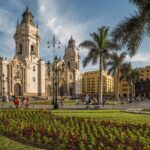
Lima: Santo Domingo, Plaza Mayor, and Larco’s museum warehouse access
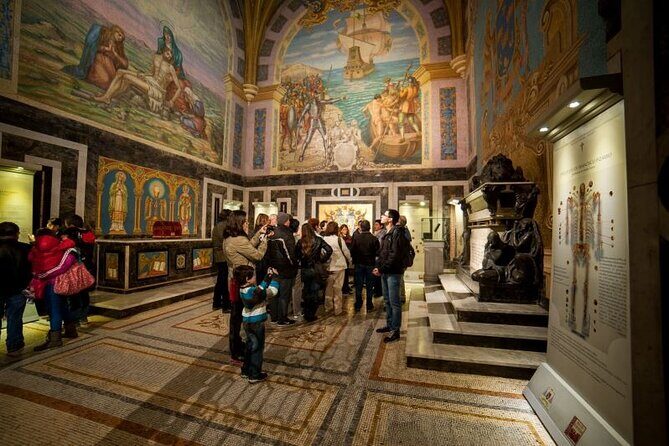
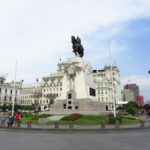
Lima can feel like an airport city to some people. This itinerary helps you see the good side fast—colonial-era Peru in one concentrated day, centered on the historical core.
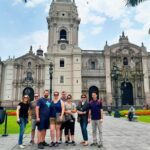
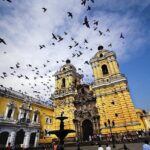
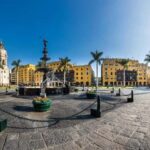
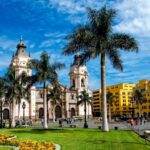
You’ll start at the Convent of Santo Domingo, exploring the Universidad Mayor de San Marcos (Peru’s oldest university), plus choir stalls and a library with rare XV-century books. It’s not just “pretty buildings”—you’re also shown how religious spaces and education were tied up together in colonial Lima. Then you move through Plaza Mayor, where the Government Palace, Municipality, and the Cathedral anchor the colonial story in art and architecture.
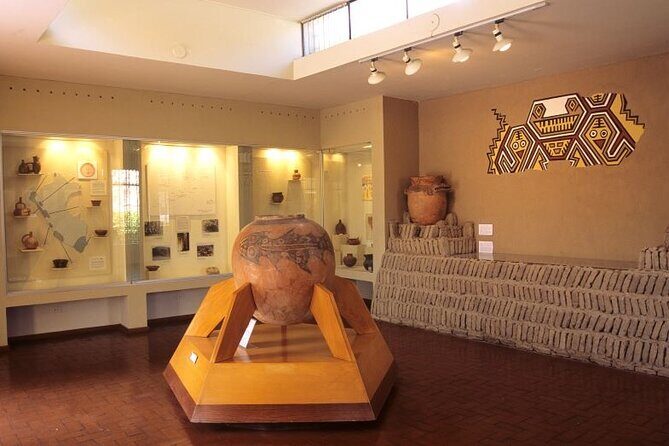
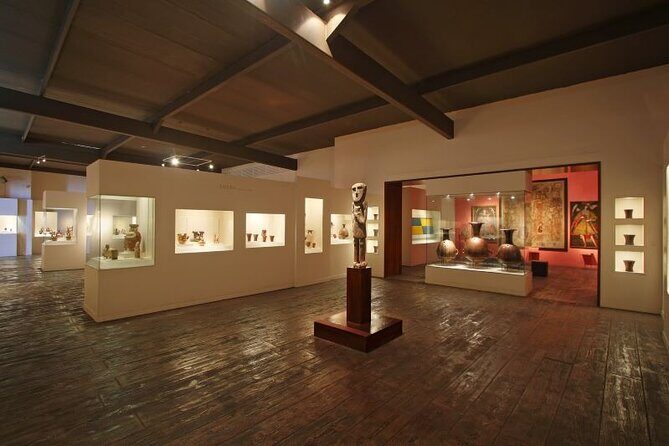
In the afternoon, you finish at the Larco Museum, including access to the museum’s warehouse so you can see artifacts in an in-depth way. That’s a standout value-add because it shifts you from looking at displays only to understanding how the collection is organized and preserved. It also means the visit isn’t only about gold and ceramics in the abstract; you get a more serious look at artistic heritage.
Arequipa: Carmen Alto views, Yanahuara arches, and Santa Catalina’s old-street feel
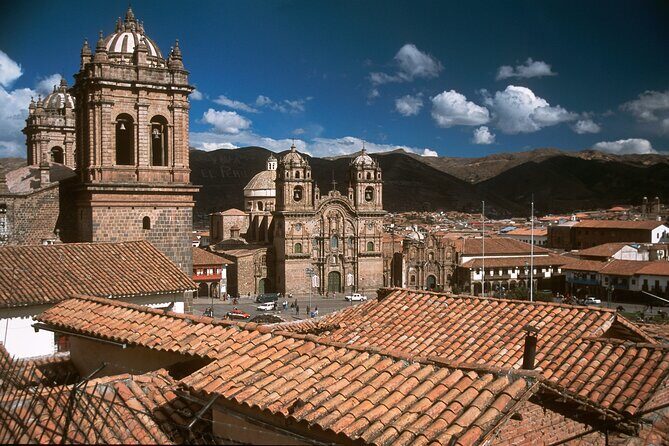
Arequipa earns its place here because it mixes dramatic views with very walkable historic neighborhoods. After lunch plans aren’t in your hands yet, you’ll spend the afternoon doing a compact best-of that stays interesting.
You’ll begin in the colonial San Lázaro neighborhood where the city was founded, then climb to Carmen Alto for panoramic views over the agricultural terraces and volcanoes like Misti, Chachani, and Picchu-Picchu. Even if you’re not into volcano facts, this is your first real “highlands sky” moment.
Next comes Yanahuara, known for its Andalusian-style church and an arched observation point—perfect for photos and for understanding why Arequipa looks like it belongs in a different world. Then you’ll visit Santa Catalina Monastery, where narrow streets and gardens can make you feel like you stepped into a working miniature city. You close around the Plaza de Armas area, plus the Iglesia de la Compañía de Jesús, including cloisters and the Dome of San Ignacio.
A small consideration: this is a lot of walking in an afternoon. Bring sun protection and plan to slow your pace slightly so you don’t burn the best part of your day.
Colca Valley by land: Patapampa heights, vicuñas, and a thermal reset
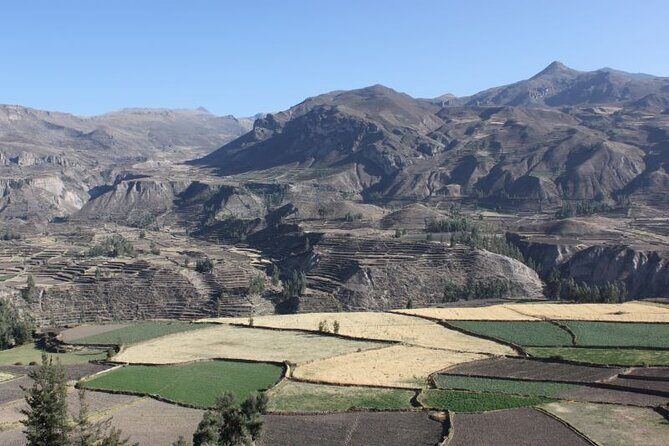
Colca Valley is one of those places where the timing does half the magic. This day is a land adventure with big viewpoint payoff, plus a nature stop that’s more than “a photo stop.”
You travel via the route beside the Chachani volcano, with strong views of Misti and Picchu-Picchu. Along the way you cross the Pampa Cañahuas vicuña reserve, a high Andean habitat where vicuñas are protected. If you care about animals and conservation, this is one of the more meaningful moments because it’s not just “look and go.”
The highest point comes at the pass of Patapampa at around 4,900 m. From there you can appreciate active Sabancaya. Then you descend into the Colca Valley, check in, eat lunch at the hotel, and get free time—either to rest or enjoy thermal waters in the area. That thermal option is practical value: after a long altitude travel day, your body will thank you.
Cruz del Cóndor at dawn: condors, canyon scale, and the bus to Puno
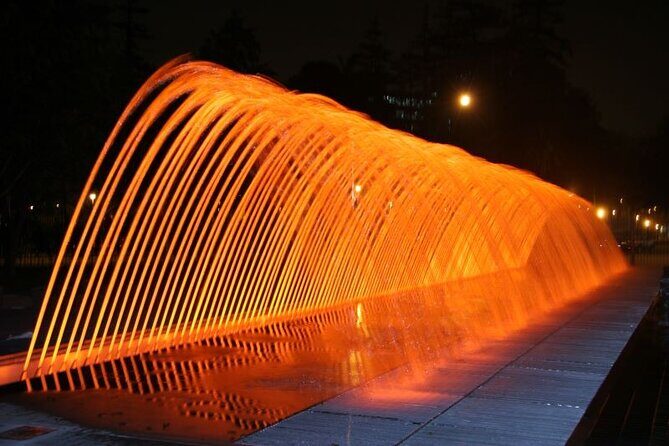
This is a classic “early start for real payoff” day. At dawn, you head to the Cruz del Cóndor observation point for condor flight viewing.
The core reason this stop matters: you see condors move across a canyon that’s considered one of the world’s deepest. Watching birds ride air currents in that setting changes how you think about the canyon scale. It’s not a museum fact; it’s an atmosphere moment.
After condors, you visit towns like Maca and Yanque, where colonial churches remain. It helps break up the intensity of the canyon morning with cultural stops that feel grounded and local. Then you move to Puno by bus—about 6.5 hours—arriving in the afternoon for hotel transfer and assistance.
If you’re the type who hates cramped seating, plan to bring something for comfort (a warm layer helps too, since mornings can stay cool).





Lake Titicaca: Uros island life and Taquile’s traditions
Lake Titicaca days can go one of two ways: staged and “tour boat-y,” or genuinely community-focused. This itinerary aims for the second.
In the morning you board a motorboat to visit Uros, a community that originally sought refuge on the lake when different cultures arrived over time. You’ll see how their islands are built and maintained using ancient techniques, and you’ll learn directly from community members who make a living from visitors. The key here is that you’re not just passing by; you’re invited into how they continue daily life.
Then you head to Taquile Island, where the community has maintained traditions, clothing, and way of life. You’ll enjoy music and dances, eat lunch at a community restaurant, and then walk around areas with views over Lake Titicaca. The lunch described here is simple but nutrient-rich, which matters because you’re going to walk after the meal.
Cusco en route: Pucará artifacts, La Raya, Racchi, and Andahuaylillas
Cusco itself is a magnet, but this route keeps you from arriving cold. Day 6 is a smart pre-Cusco warm-up through cultures and sites that explain how highland beliefs shaped architecture.
You start at the Museo de Lítico de Pucará to see Pucará culture artifacts like monoliths and animal-shaped sculptures, plus toritos de Pucará—colorful figures tied to protection and fertility symbolism. Then you stop at La Raya (about 4,335 m), where the watershed sits between Lake Titicaca and the Amazonas basin. That’s a useful geographic lesson you feel in your bones because of the altitude.
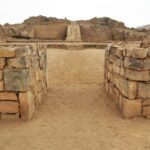
After lunch you visit Racchi, exploring ruins of a temple dedicated to Wiracocha. Finally you stop at San Pedro Apóstol de Andahuaylillas, often called the Sistine Chapel of America for its elaborate painted ceilings and wall art. That final stop sets expectations for Cusco: you’re going into a region where art, religion, and political meaning all blend into stone and paint.
Cusco city day: Sacsayhuaman, Q’enqo, markets, and Qorikancha gold memory
Cusco day is structured to help you understand both big Inca works and street-level city life.
You begin with Sacsayhuaman, a citadel known for massive stone structures integrated into the surrounding area. Next is Q’enqo, an Inca site with an altar carved into rock. You’ll also stop at Puca Pucará (a lookout) and Tambomachay, tied to Andean cosmology.
In the afternoon you shift into a guided city tour from San Cristóbal Square for panoramic views, then to San Pedro Market to experience local products and flavors. That market stop is not just eating; it’s a sensory way to understand what people buy and use day to day.
You’ll then visit Qorikancha, the Temple of the Sun, once covered in gold, followed by the San Blas artisan neighborhood. Walking down Hatun Rumiyoc Street brings you to the famous Twelve Angled Stone. You close at Plaza de Armas and the Cathedral for colonial artwork, which gives you a bookend view of how control and belief changed over time.
Sacred Valley: Chinchero weaving, Moray terraces, and Ollantaytambo’s dramatic finish
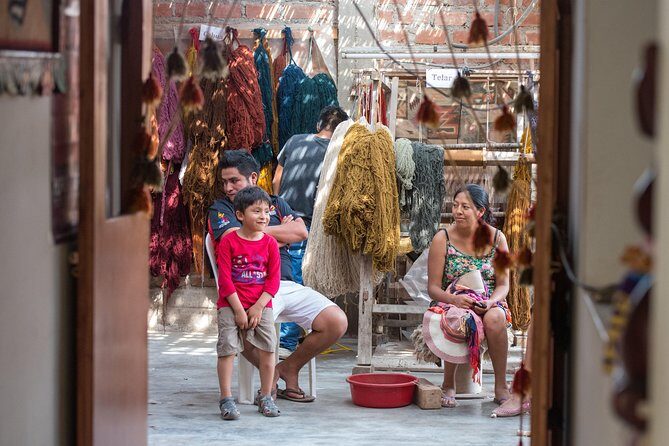
The Sacred Valley day(s) are where Peru turns cinematic. You start with Chinchero, known for weaving women and traditional textile work. There’s also time at a textiles center to see old Inca techniques for dyeing and spinning using alpaca wool. This is one of those stops where you can watch a craft process and immediately understand why textiles mattered as status, economy, and identity.
Then you visit Moray, famous for concentric agricultural terraces designed as a lab for microclimates. After lunch, you continue to Ollantaytambo, including the Temple of the Ten Windows, the bath of the princess, and the Sun Temple. The view from Ollantaytambo is your “wrap it up” moment at the end of the day—exactly what you want before the next day’s Machu Picchu logistics.
You’ll lodge in the area overnight, which helps you avoid doing everything late and exhausting yourself before the big train day.
Machu Picchu day: Ollantaytambo train, bus ascent, and the new circuit rules
This is the day you planned the whole trip for. You board at Ollantaytambo station, take the train (assigned as Expedition or Vistadome depending on availability), and arrive at Machu Picchu station. From there staff help you board the bus up the winding road with views over the Urubamba River canyon.
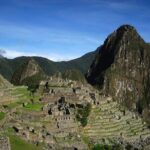
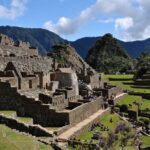
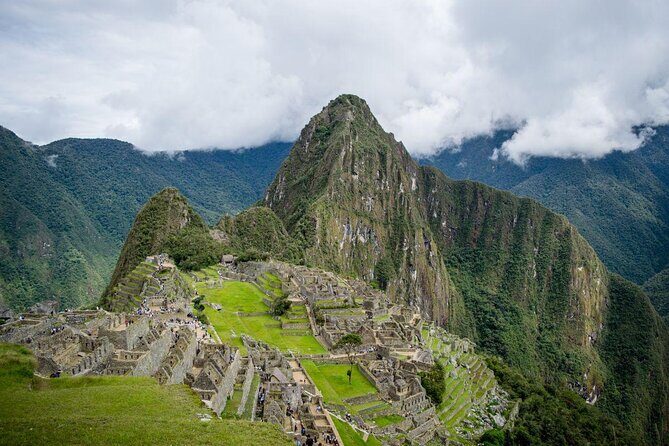
Once you enter, Machu Picchu hits hard: terraces, staircases, ceremonial areas, and urban zones. You’ll have lunch, then return by train to Cusco and transfer to the hotel.
Here’s the practical part you should take seriously: Machu Picchu has new visitor circuits with three main routes. This tour gives priority to route 2. If it’s not available, you may be informed about circuit 3B or circuit 1B, and you’ll confirm your choice before tickets are issued. Also, the Machu Picchu ticket is not refundable, and date changes or amendments aren’t accepted—you’d need to buy a new ticket.
Translation for your planning brain: lock your Machu Picchu date early, and build your schedule around it rather than hoping for flexibility.
Price and logistics: what $1,577 covers (and where you’ll still spend extra)
At $1,577 per person for about 10 days, you’re paying for more than a list of attractions. You’re paying for the friction removed: airport-to-hotel private transfers, guided shared tours with admission tickets, and the big cross-regional moves that make Peru hard to DIY quickly.
Included perks you’ll feel right away:
- Accommodation for 9 nights in selected hotels (with different accommodation classes available)
- Daily breakfast and six lunches
- Train ticket to Machu Picchu (Expedition or Vistadome, depending on availability)
- Admission tickets on tours
What’s not included is mostly the stuff that can vary by style: drinks, and international/domestic flights. If you like beer with meals or you’re the “every stop I buy a snack” traveler, budget a bit extra. The good news is the tour handles the ticketed and guided pieces so you’re not constantly negotiating entry costs.
Who this tour fits—and who should think twice
This tour is a strong match if you want:
- Guided structure across multiple regions (Lima to Cusco with Titicaca in between)
- A small group up to 15, ideally making the day-to-day feel easier than mass tours
- A realistic “best of” approach without giving up the meaning behind sites
It may be less ideal if you:
- Want total freedom to change Machu Picchu plans at the last minute (tickets are strict)
- Prefer fully private guiding and zero group interaction
- Have very limited tolerance for long travel blocks, since you do bus days like the one to Puno
Should you book 10-Day Discover Peru?
If your dream trip is Lima + the highlands + Machu Picchu without turning into a logistics project, I’d book this. The value sits in the combination: small-group guiding, admissions included, and a route that makes geographic and cultural sense. Add the Larco Museum access and the condors-at-dawn timing, and you get more than the usual “drive-by” version of Peru.
Just go in with two clear rules: keep your Machu Picchu date firm, and plan for early starts on the sightseeing-heavy days. Do that, and you’ll likely end up feeling like Peru was paced for real people—not just a schedule that’s optimized for speed.
FAQ
What’s included in the tour price?
The tour includes private transfers from the airport to hotels, shared transfer to the train station, admission tickets on tours, shared tours with an English–Spanish speaking guide, the Machu Picchu train ticket (Expedition or Vistadome depending on availability), 9 nights of accommodation, daily breakfast, and lunch on 6 days.
Are there different accommodation options?
Yes. The tour offers different accommodation classes, depending on what you select during booking.
How big is the group?
The tour has a maximum of 15 travelers.
How does Machu Picchu ticketing work with the new visitor circuits?
Machu Picchu uses visitor circuits. This tour prioritizes circuit route 2, and if it’s not available you may be offered circuit 3B or circuit 1B. You’ll confirm before tickets are issued. The Machu Picchu admission ticket is not refundable, and date changes or amendments aren’t accepted.
What train does the tour use for Machu Picchu?
The train ticket is Expedition or Vistadome depending on availability.
Does the tour include meals besides breakfast?
Yes. Lunch is included on 6 days (and you also have lunch on the Machu Picchu day).
Is there a guide and what languages are used?
Yes. The tours include a bilingual guide providing guidance in Spanish and English.
Where does the tour start and when?
The start is at J Chavez Intl Airport in Lima, Peru, with a listed start time of 12:00 am.
Is free cancellation available?
Yes. You can cancel up to 24 hours in advance for a full refund based on local time.