REVIEW · LIMA
7-Day Peru Private Journey
Book on Viator →Operated by VIPAC Travel · Bookable on Viator
Machu Picchu, handled end-to-end. This private 7-day Peru trip strings together Lima, Cusco, the Sacred Valley, and Machu Picchu with built-in timing, guides, and round-trip transfers. I especially like how the logistics are handled for you and how the schedule mixes history with food and shopping. The main thing to consider is the Machu Picchu ticket rules: it is non-refundable and you can’t switch dates.
One more reason this feels smart for real travel: it’s private, so your group is the only one moving through the day’s stops. You also get the meet-and-greet setup right away after you land in Peru, plus six nights of selected-hotel stays and included breakfasts and lunches.
And yes, it’s a lot to fit into seven days. But if you want a well-paced route that covers the big classics without you coordinating every leg, this is the kind of plan that makes Peru feel easier on day one.
In This Review
- Key highlights worth caring about
- Lima’s first impression: Miraflores views, Huaca Pucllana, and a Cathedral day
- Museo Larco and the Magic Water Circuit: art, pisco, and lights in one day
- Flying to Cusco and easing in: Sacsayhuamán, Qorikancha, and the Cusco Cathedral
- Sacred Valley day: Pisac town, handicrafts, Inkariy Museum, and feeding camelids
- Moray and Maras salt mines to Ollantaytambo: terraces, white pools, then the train
- Machu Picchu with visitor circuit rules: bus up, guided walk, lunch, back to Cusco
- The Machu Picchu ticket detail you must respect
- Price and value: what $1,630 covers (and what it doesn’t)
- Service and support that can save your trip: meet-and-greet, WhatsApp help, and named pros
- Who should book this private Peru journey
- Should you book this 7-day Peru private journey?
- FAQ
- Is this tour private?
- Where does the tour start?
- What’s included in the price?
- Are flights included?
- How do you get to Machu Picchu?
- Are Machu Picchu tickets refundable?
- Can I change my Machu Picchu visit date?
- Which Machu Picchu visitor circuit is prioritized?
- What meals are included during the trip?
- How far in advance do people typically book?
Key highlights worth caring about
- Airport meet-and-greet and door-to-door transfers to keep your first day from turning into a scavenger hunt
- Lima’s mix of Miraflores, Huaca Pucllana, and the Cathedral for old Peru plus ocean views
- Museo Larco + the Magic Water Circuit in the same day gives you two totally different kinds of Peru
- Cusco by altitude and legend: Sacsayhuamán, Qorikancha, and the Sun Temple story layered with colonial sites
- Sacred Valley “layers” from Pisac markets to Inca stonework at Ollantaytambo
- Machu Picchu guided visit with circuit rules handled (Route 2 prioritized; alternatives confirmed before tickets issue)
Lima’s first impression: Miraflores views, Huaca Pucllana, and a Cathedral day
Day 1 is a classic Lima start: you land, meet your driver, and get to your hotel without the stress of figuring out local transport. In the afternoon, you’ll tour the city in a way that makes Lima feel both modern and ancient fast.
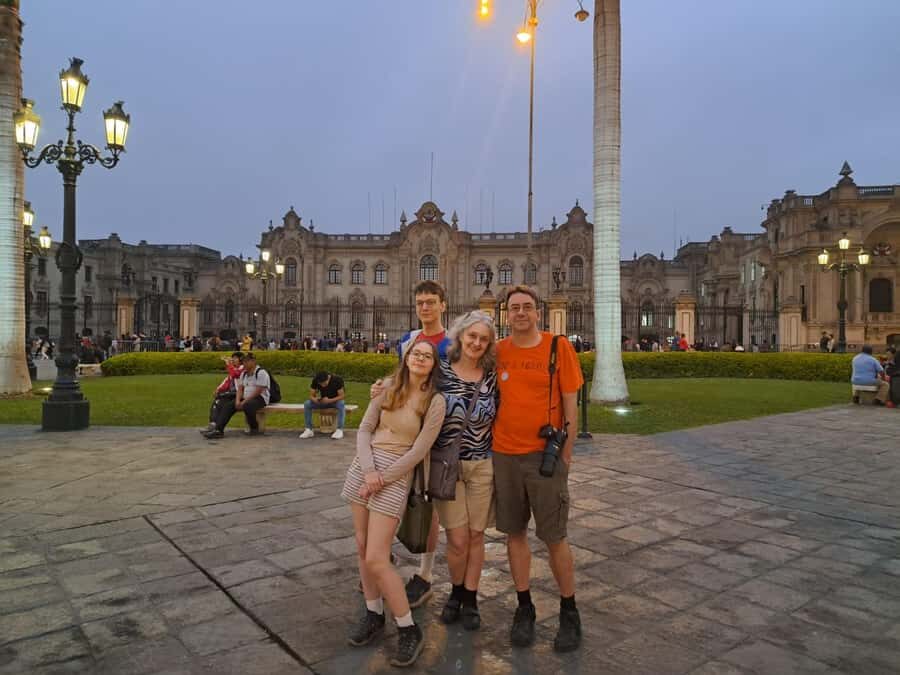
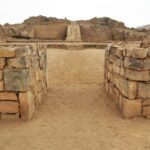
You begin at Love Park in Miraflores, with Pacific Ocean views that help you understand why this part of the city is so loved. Next up is Huaca Pucllana, a ceremonial center tied to Lima’s pre-Inca past. Even if you’re short on time, this is one of the best ways to get context: Lima isn’t just colonial churches and streets; there’s a whole older layer under the city.
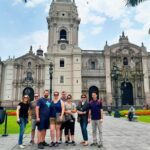
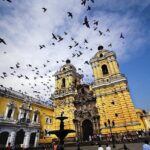
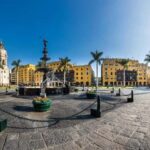
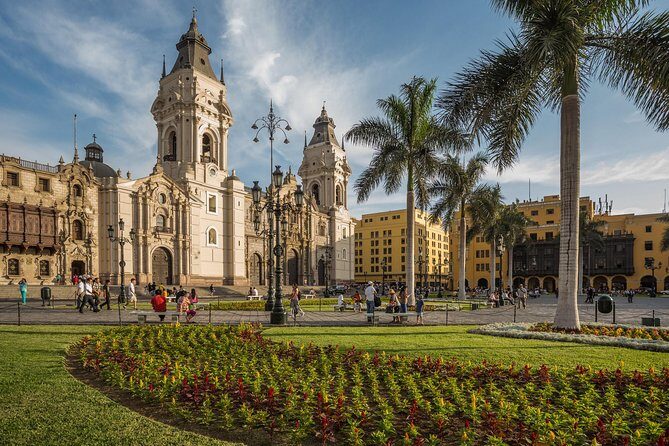
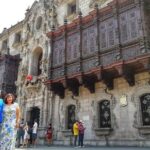
Then you move to the Main Square area, where you’ll visit the Cathedral and the Santo Domingo Convent. One of the cool details here is that corridors—associated with San Martin de Porras and San Rosa de Lima—are part of the story. Their remains are also part of what you’ll see, which makes this stop feel more personal than a quick photo stop.
Expect a day that’s part walking, part getting your bearings. It’s not designed to exhaust you; it’s designed to get your mental map of Lima set early.
Other multi-day Peru and Machu Picchu tours from Lima

Museo Larco and the Magic Water Circuit: art, pisco, and lights in one day
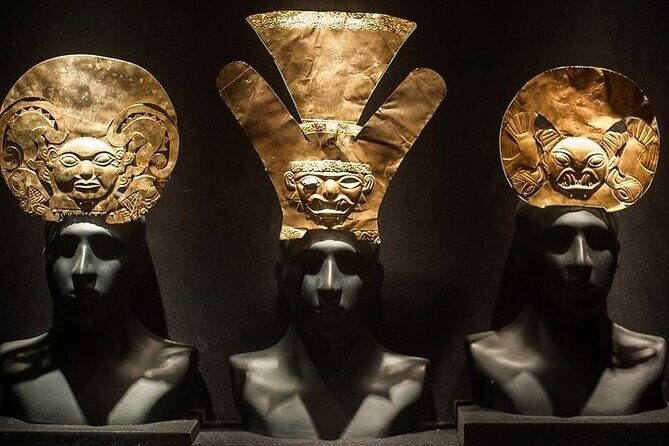
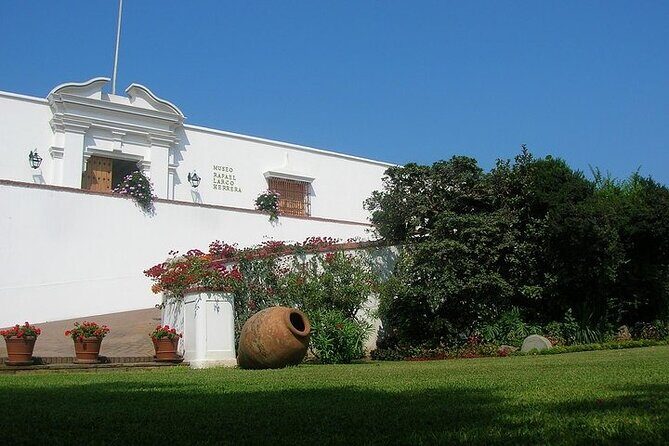
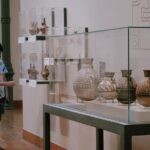
Day 2 keeps things varied, which I like because Peru can feel like one big wow after another. You head to Museo Larco first, about 30 minutes from Lima’s city center. The museum focuses on ancient Peruvian cultures, and the collection is especially known for ceramic pieces, including depictions of faces and everyday-life objects like fruit and birds.
Then the schedule shifts from museum quiet to evening energy. Before the lights, you’ll stop at an antique tavern for Peruvian sandwiches and a drink made with pisco. It’s a simple meal, but it’s also a fun way to taste Peru without turning lunch into a whole side quest.
Near dusk, you’ll go to the Circuito Mágico del Agua (Magic Water Circuit). This is where water, light, music, and imagery work together in an interactive fountain show. It’s also recognized by Guinness as the complex with the largest fountains in the world and the highest source in a public park.
If you’re wondering whether this is “touristy,” here’s the real take: it’s a big, spectacle-style attraction, but it still gives you a memorable evening reset after a day focused on history.
Flying to Cusco and easing in: Sacsayhuamán, Qorikancha, and the Cusco Cathedral
Day 3 is the big move from Lima to the Andes. You transfer to the airport, fly to Cusco, and after arrival you get the usual meet-and-greet and hotel transfer.
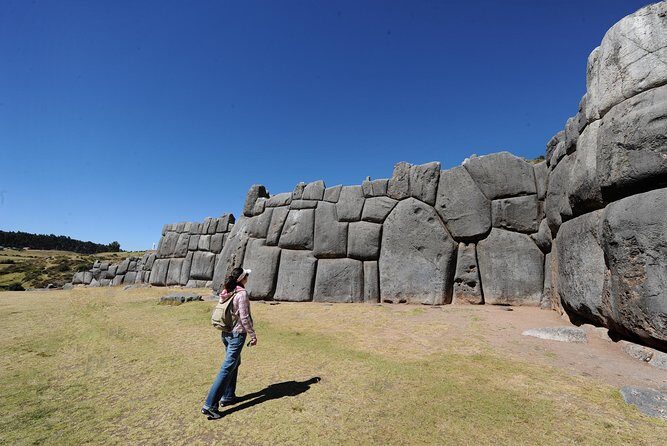
Once you’re in Cusco, the day is built to ease you toward the height while still showing major sites. You climb the Archaeological Park of Sacsayhuamán, walking among huge stone structures, including rocks up to four meters high that were used in construction. It’s the kind of site where the scale hits you before the details do.
After that you visit additional Inca sites that each have a different feel:
- Q’enqo, an ancient temple of the puma, with an altar for sacrifices inside a rock
- Tambomachay, sacred fountains tied to life and health
- Puca Pucara, a watchtower viewpoint that controlled access to the city
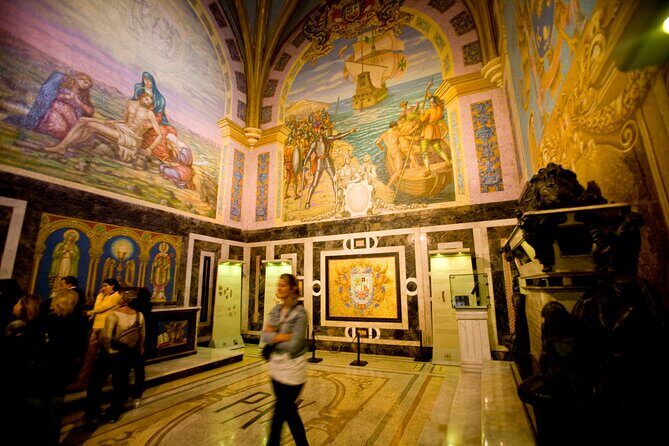
Then the itinerary turns to Qorikancha, also spelled Korikancha—often called the Temple of the Sun. This is layered history: the original Inca temple is associated with gold sheeting stories, and today the Saint Dominique Convent sits on top. It’s a strong reminder that Peru’s architecture often carries multiple time periods at once.
You wrap the day with Cusco Cathedral, which holds colonial paintings and artworks, including a cross associated with the first conquerors. If you want one day where you can feel Cusco as both sacred and political, this is it.
Sacred Valley day: Pisac town, handicrafts, Inkariy Museum, and feeding camelids
Day 4 moves you into the Sacred Valley of the Incas and keeps the tone practical and hands-on. You start with Pisac, including both an archaeological area with viewpoints over the colonial town and time to walk the colonial Pisac town itself.
Shopping here is not an afterthought. You’ll have time for the handicraft market, which matters because it’s often where you can buy directly from local artisans. Even if you don’t shop, it’s a good place to understand what people actually make and wear.
Next is Inkariy Museum, where you get guided exploration of rooms showing cultural representations of pre-Hispanic civilizations. Lunch is included here, which helps keep the day from stretching into something exhausting.
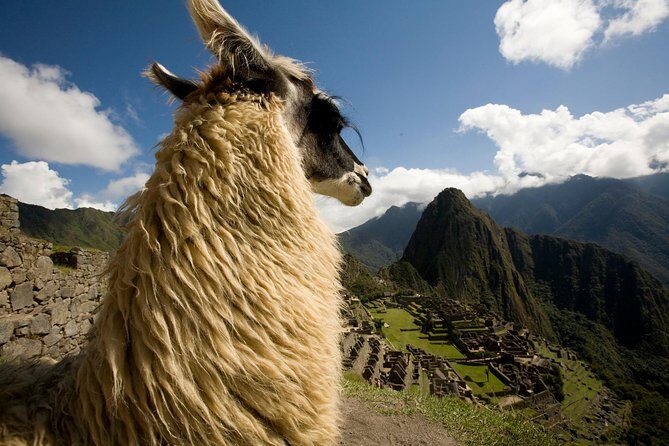
The day’s most personal-feeling stop is Yucay Living Culture Center. You’ll see—and feed—Andean camelids like llamas and alpacas, and you’ll watch locals demonstrate weaving and dyeing techniques for traditional textiles. This isn’t just “look at animals.” It’s a chance to connect craft skills to daily life.
You overnight in the Sacred Valley, which is a smart buffer. It helps you avoid “commute fatigue” and makes the Machu Picchu days feel more manageable.
Moray and Maras salt mines to Ollantaytambo: terraces, white pools, then the train
Day 5 continues the Sacred Valley route, but it’s built around contrast. You start with Moray, known for concentric terraces that simulate microclimates. The idea is that the empire used these conditions to support agricultural production across different environments—so you get a tangible example of how Inca engineering supported daily survival.
Then you head to Maras and the millenary salt mines. The most striking part is the visual contrast: white salt pools against the green valley. If you like taking photos, this is one of the best “stop and stare” places of the whole trip.
You’ll have a buffet lunch during this day, which keeps you fueled for the afternoon.
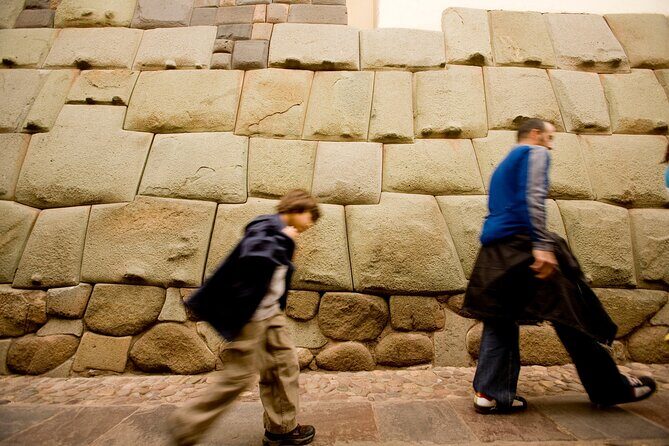
After lunch, you visit Ollantaytambo, an archaeological complex that shows how Incas worked stone with precision. The last part of Day 5 is logistics—but important logistics. You’ll catch the train at Ollantaytambo Railway Station and arrive in Aguas Calientes (Machu Picchu town), where staff help you settle into your hotel.
One practical thing to know: the train-and-arrival day often feels long, so enjoy the hotel check-in. You’ll want your energy for the next day’s bus ride uphill to Machu Picchu.
Other private tours in Lima



Machu Picchu with visitor circuit rules: bus up, guided walk, lunch, back to Cusco
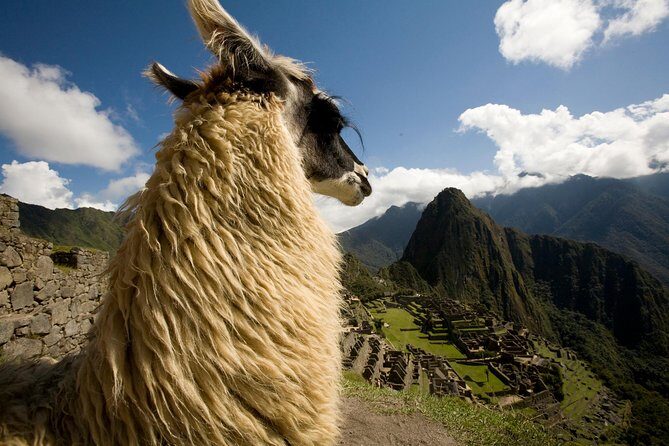
Day 6 is the star. You board the bus to the Machu Picchu entrance, winding up with views over the Urubamba River and canyon. Even before you see buildings, this ride sets the mood.
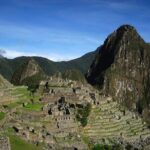
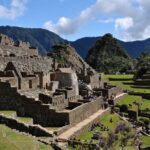
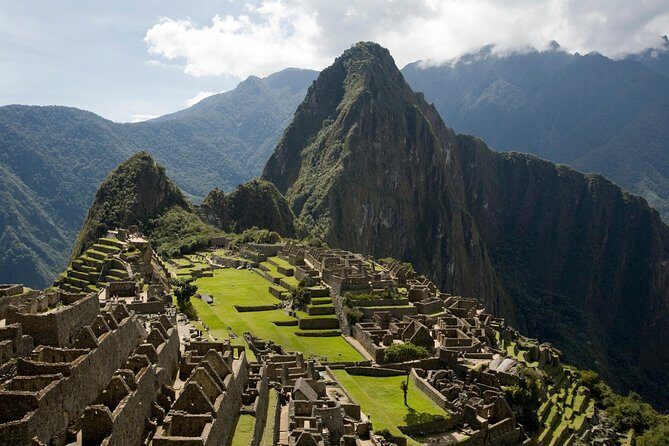
Then you’ll experience Machu Picchu itself: terraces, ceremonial shrines, steps, and what feels like an urban layout. You’ll get a guided visit, which is key because this place can feel “all stone ruins” if you only wander without context.
You also get lunch at one of the restaurants in the area. After the visit, you’ll return to Cusco and transfer to your hotel.
The Machu Picchu ticket detail you must respect
Machu Picchu uses visitor circuits now (three main routes with specific differences). For your ticket, the plan gives Route 2 priority, and if it’s not available, you’ll be told whether Circuit 3B or Circuit 1B is the fallback. You’ll be able to confirm your preference before tickets are issued.
Also, the entry ticket is not refundable, and date changes/amendments are not accepted. If you think there’s even a small risk your dates could shift, lock your schedule before you buy.
Price and value: what $1,630 covers (and what it doesn’t)
At $1,630 per person for roughly seven days, the real question is what’s included. This package covers:
- 6 nights in selected hotels
- Breakfasts (6) and lunches (3)
- All transfers from/to airports, hotels, and key stations (including railway and bus station)
- Admissions and guided activities listed across the itinerary
- The train ride to the Machu Picchu area as part of the route
What’s not included is airfare: Lima–Cusco–Lima and drinks.
So does it feel expensive? For Peru, private, door-to-door scheduling costs money. But you’re also paying for time-saving and stress-reducing mechanics: private transport, guide time, site tickets, and the train day. If you’re the kind of traveler who hates “standing around waiting for the next shuttle,” this is where the value shows up.
If you’re comfortable arranging trains, hotels, guides, and timed tickets on your own, you could potentially spend less. But the tradeoff is your mental load.
This tour is for the traveler who wants Peru to feel organized from landing to departure.
Service and support that can save your trip: meet-and-greet, WhatsApp help, and named pros
A major advantage of this kind of private operator is the human buffer when travel goes weird. You’re greeted by a driver upon arrival, and throughout the trip you have transfers between airports, hotels, and stations, so you aren’t negotiating every step.
In one guest experience, a coordinator named Richard Vargas provided 24/7 WhatsApp support, solving problems as they came up. Another guest highlighted Fatima in Lima for making sure transfers and check-ins stayed on time, even with a direct flight.
For guided time, some guests name specific people like Sofia and Hector Morales as excellent local guides, and David as a coordinator. A driver named Jose also comes up in praise for punctuality. One Machu Picchu guide called out by name was Hector.
It’s not a guarantee you’ll get the same exact team, but it does tell you what the operator emphasizes: reliable people and fast answers when schedules collide.
Who should book this private Peru journey
This trip fits best if you want:
- A first-time Peru route that hits Lima, Cusco, Sacred Valley, and Machu Picchu
- A private setup where you don’t share guides and vehicles
- Included meals and hotel nights so you can focus on the sites
- Guided context at places like Qorikancha and Machu Picchu, where wandering without direction can feel flat
It may not be the best match if you need lots of idle time built in every day. The schedule is packed, especially once you’re in Cusco and heading toward Machu Picchu.
Still, for most travelers, this structure is exactly what turns “seven days of dreams” into something you can actually complete.
Should you book this 7-day Peru private journey?
If your top priority is not coordinating Peru yourself, I’d lean toward booking this. The included transfers, guided visits, and meals remove the usual friction points. And the Machu Picchu planning—especially around circuit Route 2 priority and the need to confirm alternatives—signals that you’ll be guided through the most complicated day.
Only book if your travel dates are firm. With Machu Picchu tickets being non-refundable and date changes not accepted, flexibility is the one thing you can’t count on.
FAQ
Is this tour private?
Yes. It’s a private tour/activity, so only your group participates.
Where does the tour start?
The start meeting point is J Chavez Intl Airport in Lima, Peru.
What’s included in the price?
The package includes all transfers (airport/hotel/railway/bus station), 6 nights in selected hotels, breakfasts (6), lunches (3), and admissions/tickets for the activities listed.
Are flights included?
No. Airfare Lima–Cusco–Lima is not included.
How do you get to Machu Picchu?
You take the train to the Machu Picchu area (arriving in Machu Picchu town/Aguas Calientes), then ride the bus up to Machu Picchu for the visit.
Are Machu Picchu tickets refundable?
No. The Machu Picchu admission ticket is not refundable.
Can I change my Machu Picchu visit date?
Date changes or amendments are not accepted. If you need a different visit date, you would need to purchase a new entrance ticket.
Which Machu Picchu visitor circuit is prioritized?
The plan gives Route 2 priority. If it isn’t available, you’ll be informed about Circuit 3B or Circuit 1B options so you can confirm before tickets are issued.
What meals are included during the trip?
You get breakfast on 6 days and lunch on 3 days. Drinks are not included.
How far in advance do people typically book?
On average, this is booked about 13 days in advance.