REVIEW · LIMA
Lima: Lomo Saltado & Pisco Sour Cooking Class with Local Chef
Book on Viator →Operated by Luchito's Peruvian Cooking Class · Bookable on Viator
Pot, wok, and cocktails, all in one Lima night. I like that this class packs hands-on open-flame cooking with two iconic Peruvian flavors, from creamy Huancaína potatoes to a fast, sizzling Lomo Saltado. I also like that the evening ends with real practice on Pisco Sour and Chilcano, not just a quick sip-and-go. One thing to consider: the price includes two cocktails, so if you want extra drinks, that’s on your bill.
You’ll start in Miraflores at Saha Terraza Cocktail Bar (Calle Bolívar 164) at 6:00 pm, and the experience runs about 2 hours 30 minutes. With a max group size of 12 and instruction in English, it stays focused, and you’ll leave with a certificate plus the Luchitos special recipes to recreate at home.
In This Review
- Key highlights you’ll feel during the night
- Papa a la Huancaína: the creamy starter that sets the tone
- Lomo Saltado: wok work over open flame (and why it matters)
- Learning Pisco Sour and Chilcano, not just drinking them
- Who teaches matters: English instruction and real chef energy
- The itinerary, timed for a Lima evening that doesn’t drag
- Group size and vibe: small enough to matter
- Value check: what your $129 includes (and why it adds up)
- Where to stand out: how to get the most from the cooking
- Should you book this Lima class?
- FAQ
- What time does the class start in Lima?
- How long is the experience?
- Is the class offered in English?
- What are the main dishes and cocktails included?
- Where is the meeting point?
- Does it end at the same place?
- What’s included in the price besides the cooking?
- Are extra drinks included?
- What’s the refund policy if plans change?
Key highlights you’ll feel during the night
- Huancaína potatoes first: creamy, gently spicy Papa a la Huancaína with olives and egg as your warm-up dish
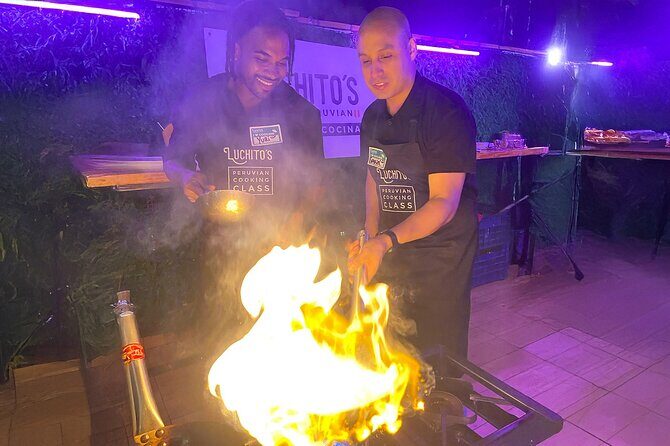
- Open-flame Lomo Saltado in a wok: a fast stir-fry built from beef, onions, tomatoes, and soy sauce
- Two cocktail techniques: learn how to make a smooth, foamy Pisco Sour and a refreshing Chilcano
- Small group feel: up to 12 people, so you can actually follow the steps
- Take-home support: an official certificate and Luchitos recipes included
Papa a la Huancaína: the creamy starter that sets the tone
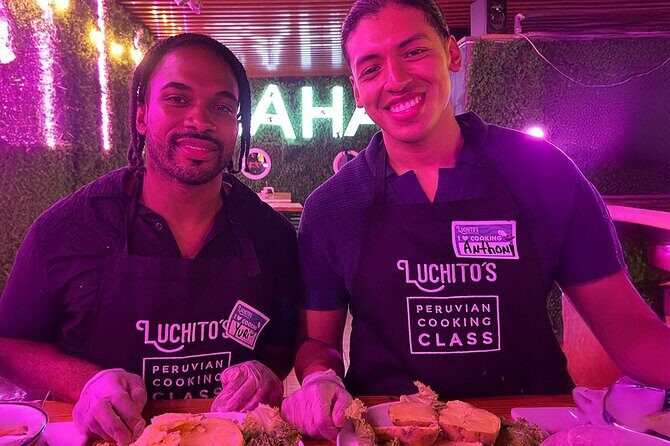
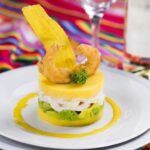
If you want to understand Peruvian cooking fast, start with potatoes and sauce. In this class, you begin with Papa a la Huancaína, boiled potatoes topped with a creamy, lightly spicy cheese sauce. It’s finished with olives and egg, which adds saltiness and a satisfying richness that keeps the dish from feeling heavy.
This starter matters because it teaches you pacing and flavor balance. You’re not just learning what to do—you’re learning what each component contributes. The potatoes give you the neutral base, the Huancaína-style sauce brings the main character (creamy texture plus gentle heat), and the toppings add contrast. If you’ve ever wondered why Peruvian plates can feel both comforting and punchy, this dish is a clear answer.
Also, this is a good “first win” meal. You’ll have something tangible early on, so the night doesn’t feel like you’re just waiting around before the fun part.
Other Peruvian cooking classes in Lima

Lomo Saltado: wok work over open flame (and why it matters)
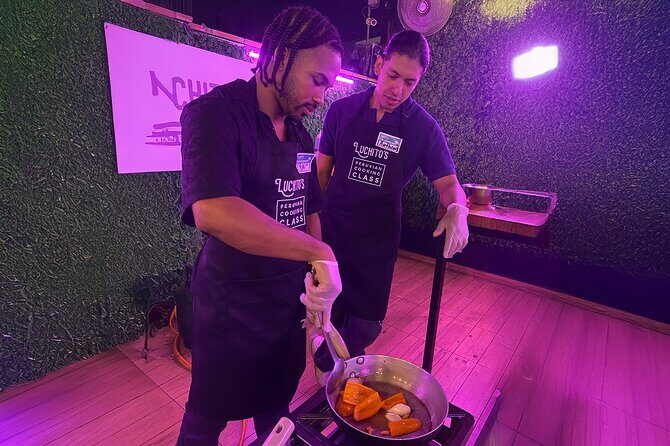
Next comes the headline: Lomo Saltado, Peru’s famous stir-fry that blends local ingredients with Asian-inspired wok technique. You’ll cook over an open flame, grab the wok, and learn how to manage heat while keeping the ingredients tasting fresh—not boiled, not soggy.
Your target flavors are baked into the ingredients: tender beef, onions, tomatoes, and soy sauce. Those pieces work together in a specific way. Onions and tomatoes bring sweetness and acidity, soy adds the savory backbone, and the beef is the star that soaks up all that wok-cooked intensity.
Here’s what makes this step valuable for you, even if you’re not a “serious cook.” Stir-fry success is mostly timing plus attention. When heat is high and movement is constant, the dish stays lively. When heat drops or you linger too long, everything turns dull. This is exactly the kind of skill you can take home.
One practical note: cooking over flame gets real fast. Expect splatter risk and a little kitchen mess, even in a friendly class setting. It’s part of the experience—just wear something you don’t mind getting a little warm.
Learning Pisco Sour and Chilcano, not just drinking them
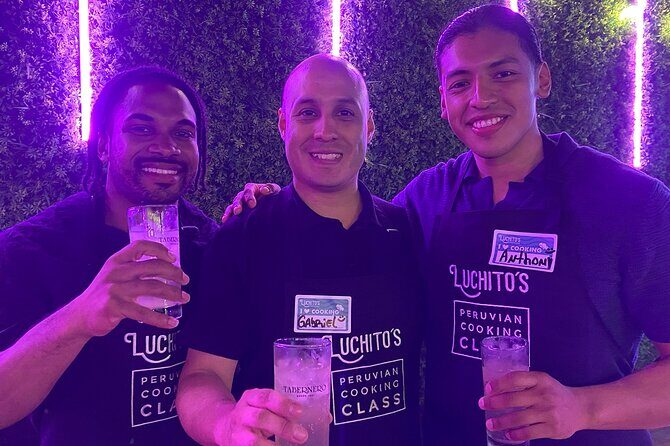
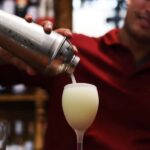
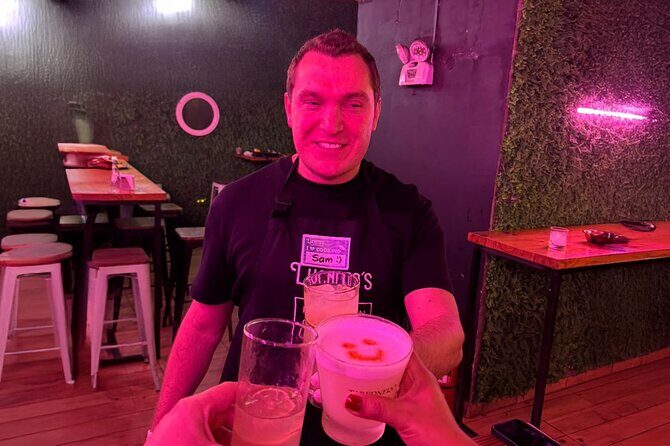
After the meal comes the fun part: shaking. In this class you’ll learn the techniques behind two Peruvian classics—Pisco Sour and Chilcano—and you’ll make your own cocktails as part of the experience.
The Pisco Sour portion focuses on the smooth, foamy result. That matters because the signature look and texture aren’t random. They come from method—how you combine and how you shake. If you’ve ever had a Pisco Sour that tasted good but didn’t have that right texture, this is your chance to understand what creates the finish you want.
Then you’ll switch gears to Chilcano, described as refreshing and bubbly. This is a different kind of skill: you’re aiming for brightness and lift, not thickness. Learning both drinks in the same night helps you see how Peru’s cocktail culture can be playful and precise at the same time.
And yes, having the drinks included changes the value equation. You’re not paying extra to “unlock” the cocktail portion. You get two cocktails as part of the class meal experience, and if you want more after that, extra drinks are not included.
Who teaches matters: English instruction and real chef energy
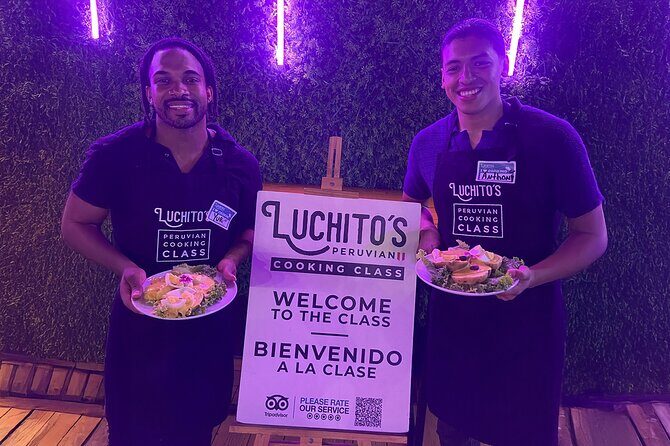
Cooking classes rise or fall on communication. This one is offered in English, and the experience is built to keep instructions clear. In particular, the class has a strong reputation for energetic, friendly instruction, with instructors like Camila and Chef Luis leading sessions, plus helpful support from assistants such as Marta and guides such as Jorge.
What I like about this setup is the combination of personality and practicality. Instructors are described as fun and approachable, but also focused on explaining steps in a way you can actually follow while your hands are busy at the stove. That’s not just nice—it’s the difference between a class you remember and a class you can reproduce.
You’ll also get the kind of learning that doesn’t stop at the plate. Some people leave with leftovers and the confidence to repeat what they cooked. You’ll also get an official certificate and recipes, so your notes don’t vanish when you get home and your fridge is suddenly empty.
The itinerary, timed for a Lima evening that doesn’t drag
This runs from 6:00 pm for about 2 hours 30 minutes. You’re not stuck in a long afternoon session, and you’re not rushed through a “quick sample” either. That timing is a sweet spot: you finish work, meet in the evening, cook dinner, and then round it out with cocktails—without needing to restructure your entire day.
The start location is Saha Terraza Cocktail Bar in Miraflores, and the activity ends back at the same meeting point. That reduces uncertainty and makes it easier to plan the rest of your night in Lima. You also have a clear anchor on the map: Miraflores is a practical base for evening plans.
If you’re trying to fit this into a busy itinerary, I’d treat it as your anchor activity. Eat dinner somewhere else only if you’ve planned for this class to be your full meal, because it includes a two-course format.
Other ceviche and pisco sour experiences in Lima



Group size and vibe: small enough to matter
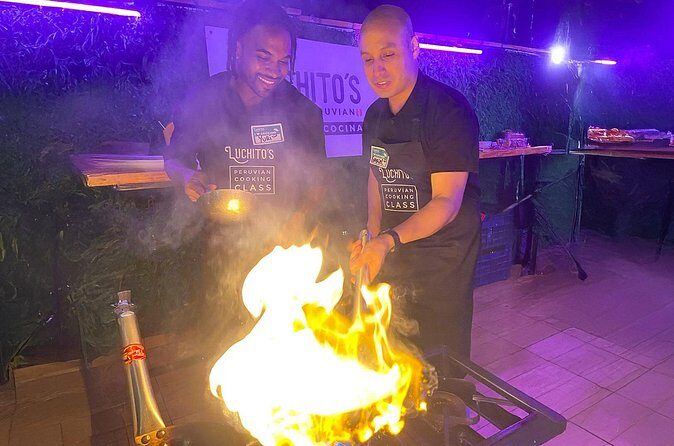
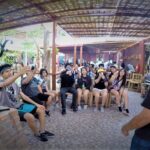
With a maximum of 12 travelers, this class feels more like a small table cooking night than a big production line. That’s important because stove time matters. When groups are large, you end up watching more than doing. With a smaller cap, you can stay engaged and keep up with step-by-step instruction.
It also tends to help with questions. In a cooking class, it’s not enough to hear directions once. You need clarity when you’re actually holding the ingredients. The English instruction helps here too—especially if you’re still finding your rhythm with Spanish in Lima.
The vibe is also described as relaxed and fun, with instructors bringing energy without turning the kitchen into chaos. For solo travelers, that matters: you get an activity that feels social without requiring you to “perform.”
Value check: what your $129 includes (and why it adds up)
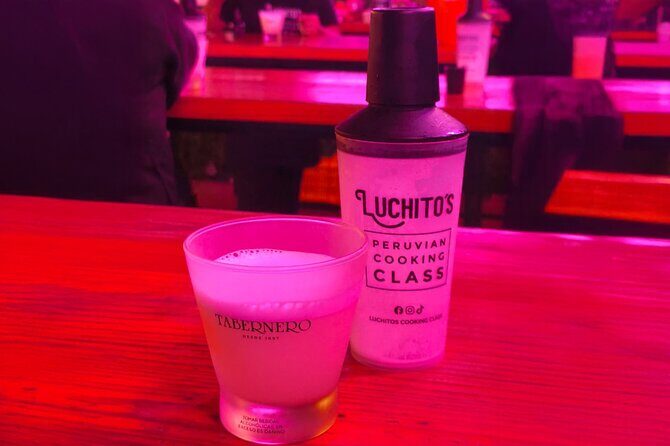
At $129 per person, this isn’t a “cheap bite” class. The value comes from the package you get in one sitting:
- A professional class with instruction
- A 2-course meal built around classic Peruvian dishes (Papa a la Huancaína, then Lomo Saltado)
- 2 cocktails (Pisco Sour and Chilcano)
- Bottled water
- An official certificate
- Luchitos special recipes you can use later
When you look at it this way, you’re paying for both the learning and the full evening experience—food, drink, and take-home materials. The recipes and certificate are especially useful if you want to remember what you did rather than just remembering that it was tasty.
What’s not included is extra drinks. So if you’re a heavy cocktail orderer, this becomes a “start here” price, not a total-bar-night price. Still, the built-in two cocktails make the cost feel more balanced than classes that only provide a tiny sample portion.
Where to stand out: how to get the most from the cooking
You’ll get more out of this class if you approach it like a skill session, not a show. Bring curiosity: ask what makes the Huancaína sauce creamy, or when the wok heat is right for Lomo Saltado. Focus on technique over perfection. You’re building a framework you can reuse.
Also, take advantage of the take-home materials. The class includes Luchitos special recipes, which means you can recreate the dishes after Lima fades from memory. If you cook even half as often as you travel, these notes become your shortcut.
Finally, wear practical clothes. You’ll be in a working kitchen, and cooking over an open flame means heat and a little mess are part of the bargain.
Should you book this Lima class?
I’d book it if you want a hands-on Lima experience that covers both food and drinks—without bouncing between multiple venues. This is a strong choice if you care about technique: open-flame wok cooking for Lomo Saltado and method-focused shaking for Pisco Sour and Chilcano.
Pass on it if you’re looking for something purely sightseeing-focused, or if you know you won’t drink cocktails at all. Since two cocktails are built into the class value, your money is partly tied to that part of the evening. Also, if your schedule is extremely tight, the fixed 6:00 pm start and 2 hours 30 minutes duration might be harder to shape.
If you want a memorable “learn and taste” night in Miraflores with clear English instruction and small-group energy, this class is a very solid pick.
FAQ
What time does the class start in Lima?
The class starts at 6:00 pm.
How long is the experience?
It runs about 2 hours 30 minutes.
Is the class offered in English?
Yes, the class is offered in English.
What are the main dishes and cocktails included?
You’ll cook and eat Papa a la Huancaína and Lomo Saltado, and you’ll also make two cocktails: Pisco Sour and Chilcano.
Where is the meeting point?
You meet at Saha Terraza Cocktail Bar, Calle Bolívar 164, Miraflores 15074, Peru.
Does it end at the same place?
Yes, the activity ends back at the meeting point.
What’s included in the price besides the cooking?
The price includes a professional class, a 2-course meal, two cocktails, bottled water, an official certificate, and Luchitos special recipes.
Are extra drinks included?
Extra drinks are not included.
What’s the refund policy if plans change?
You can cancel up to 24 hours in advance for a full refund. If you cancel less than 24 hours before the start time, the amount paid is not refunded.