REVIEW · LIMA
7-Day Peru Deep Dive: Lima, Cusco, Sacred Valley, and Machu Picchu Tour
Book on Viator →Operated by Peruvian Sunrise · Bookable on Viator
Machu Picchu, without the rush that burns days. I like how this route pairs modern Lima with Inca power in the Sacred Valley, plus real time before the big moment; the main catch is Machu Picchu tickets aren’t cancelable.
I also appreciate that you get private transfers and a setup that keeps you from waiting around between cities, though Cusco’s altitude means you should take the first day seriously.
On arrival in Cusco you stay close to the historic Plaza de Armas area, and that leisure time helps you settle in. You’ll also get a guided tour at the ruins, but you should still plan on walking, climbing, and moving at Andean pace.
In This Review
- Key things that make this tour worth a close look
- Landing in Lima: Miraflores base and a colonial-to-coast city tour
- Flying to Cusco with a buffer day near Plaza de Armas
- Moray and Maras: seeing Inca science in action
- Pisac and Ollantaytambo, plus an overnight in the Sacred Valley
- Machu Picchu day: train to Aguas Calientes, bus to the gates
- Price, inclusions, and what you should budget for
- Practical tips to make the whole route feel smooth
- Should you book this Lima, Cusco, Sacred Valley, and Machu Picchu tour?
- FAQ
- What is included in the tour price?
- Are flights included?
- How do you travel from Lima to Cusco?
- What’s included for Machu Picchu?
- Is the Sacred Valley fully guided?
- How big is the group?
- Is there a vegetarian option?
- What do I need to bring for the trip?
- How does the trip end?
Key things that make this tour worth a close look
- Small-group cap of 15, so your guide can actually answer questions in detail
- Lima orientation built around neighborhoods, from Plaza de Armas to Miraflores ocean breezes
- Sacred Valley visits that slow down, with Moray and Maras plus Pisac and Ollantaytambo
- Machu Picchu with a guided core, then time for your own wander in the afternoon
- Private airport/station pick-ups, with people meeting you by name has been praised
- English-speaking local guides are a highlight, including names like Gloria and Nataly Vera (based on prior guest experiences)
Landing in Lima: Miraflores base and a colonial-to-coast city tour
Your Lima start is practical and easy. After you land, you’re transferred to a hotel in Miraflores, a good choice because it’s near the Pacific and convenient for getting around. The ocean breeze shows up fast here, and it sets the tone for the whole trip.
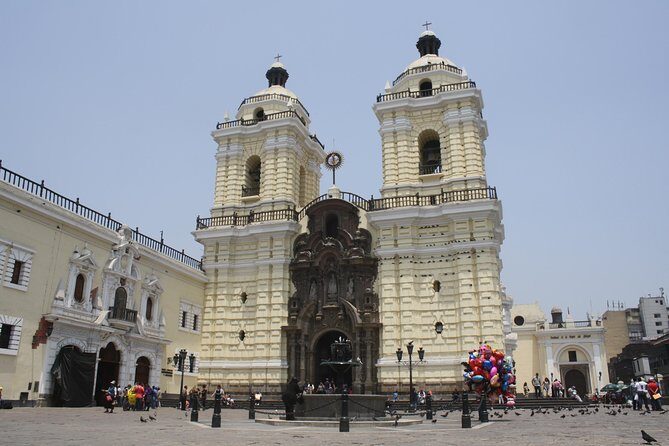
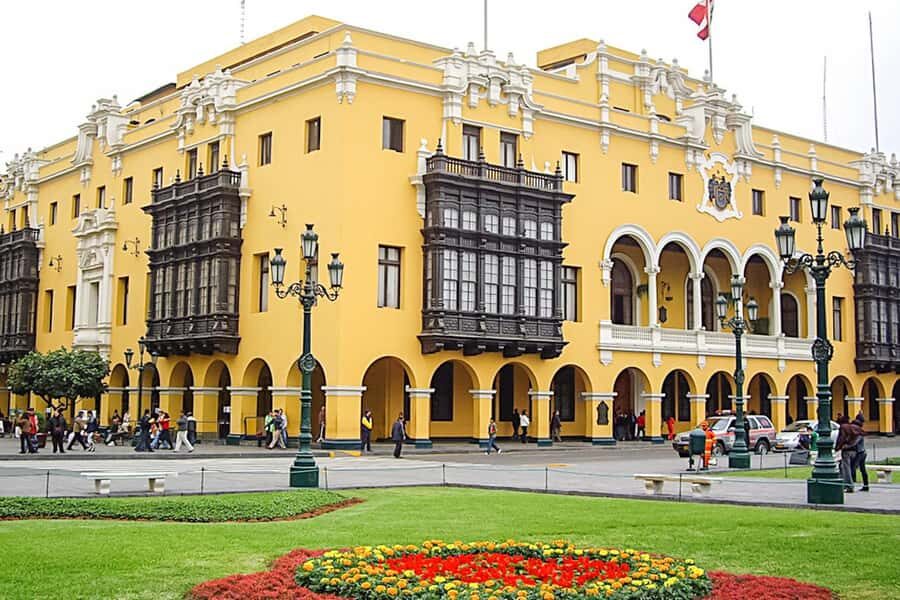
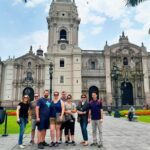
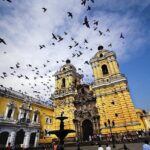
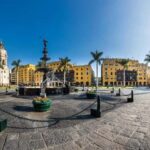
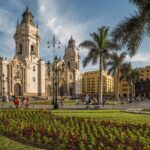
Day 2 centers on Lima’s Centro Histórico (historic center) and mixes it with a modern reset afterward. You’ll see colonial architecture around places like Plaza de Armas, San Martín Plaza, and Paseo de la República. This isn’t just photo time. The structure of the walking tour helps you understand why Lima grew where it did, and why the city feels so layered: Spanish-era squares, then wide modern avenues, then back to ocean air in Miraflores and nearby districts.
What I like most is the balance. The tour gives you enough context to make the sights mean something, and then it sends you toward neighborhoods where you can roam on your own. The trade-off is that this is a sightseeing-focused day, not a museum marathon. If you love tomb-by-tomb museum time, you might wish the plan included more indoor stops.
Other multi-day Peru and Machu Picchu tours from Lima

Flying to Cusco with a buffer day near Plaza de Armas
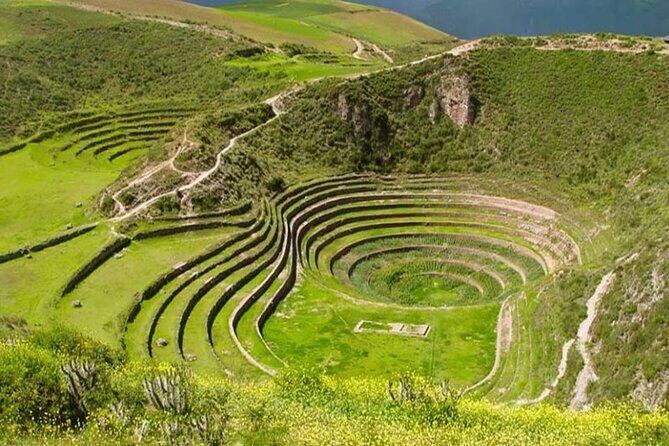
This tour understands something important about Peru: Cusco deserves a gentle landing. You fly from Lima to Cusco, and then a representative meets you and transfers you to a hotel about five minutes from the Plaza de Armas area. That location matters more than it sounds. When you’re adjusting to altitude, being close to where things happen keeps you calmer and less stressed.
Day 3 is light on purpose. You don’t race into hikes. After the transfer, the rest of the day is yours to explore Cusco at your own speed or simply rest. That free time is not filler; it helps you handle altitude better, especially if you arrive and feel the altitude right away.
Many guests have also praised the coordination side here. Names like Paul (coordinator) and local support such as Fiorella have been highlighted in prior experiences, and the big theme was clear communication and patient help on the schedule. In a trip like this, having someone you can reach matters.
The possible drawback is that Cusco still has altitude and uneven walking. This tour lists moderate physical fitness as the expectation, so if you’re very sensitive to heights or you’re coming straight from low altitude, plan to go slower than you think you need.
Moray and Maras: seeing Inca science in action
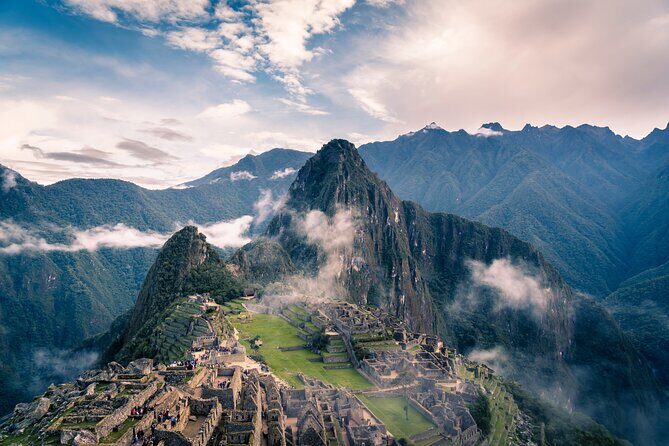
Your first half day in the Sacred Valley is built around two Inca sites that feel like they were designed for experiments: Moray and the salt mines of Maras.
Moray is the first stop and it’s a show-stopper even if you’re not an archaeology nut. You’ll visit the circular agricultural terraces built by the Incas in large natural sinkholes. Looking at those rings from the right angle, you can start to grasp the logic: different levels change conditions like temperature, creating different growing environments without needing to travel far.
Then you move to Maras, where saline spring water feeds terraces of salt pans built into a narrow valley. It’s not grand in the Hollywood sense. It’s more like engineering you can walk around. The visual rhythm of the terraces is striking, and the setting helps you understand how the Incas used geography as a tool, not just a backdrop.
This part of the tour also keeps the day digestible. You’re not traveling all day long, which helps because you’ll be doing more walking later near ruins. The caution: because the plan is structured as a half-day guided excursion, you may feel time is controlled. If you like long, unguided wandering, you might want to bring that energy for the places later in the week where you have more open time.
Pisac and Ollantaytambo, plus an overnight in the Sacred Valley
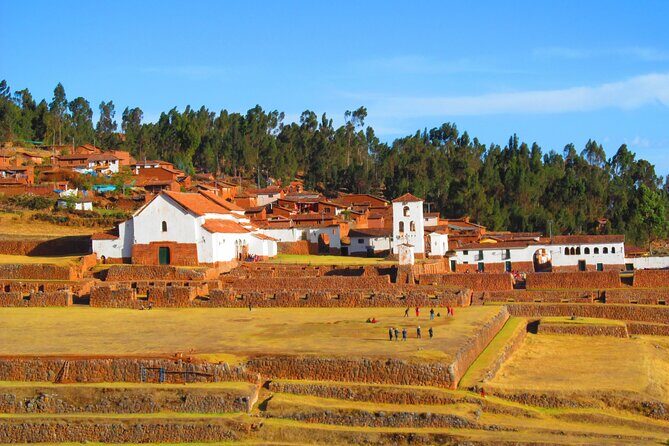
The next Sacred Valley day is where the trip changes gears from “select highlights” to a more complete in-depth feel. You’ll head to Pisac and Ollantaytambo with a short drive and guided context along the way. The guide helps connect what you see to why it mattered to the Inca world, so these stops land with more meaning than a quick pass.
The big value here is the pacing: this tour makes Machu Picchu the final act, not an early checkbox. By traveling through the Sacred Valley first and staying overnight, you get a smoother rhythm. You’re not sprinting to catch a train, and you’re not trying to do too many major sites in one day while tired.
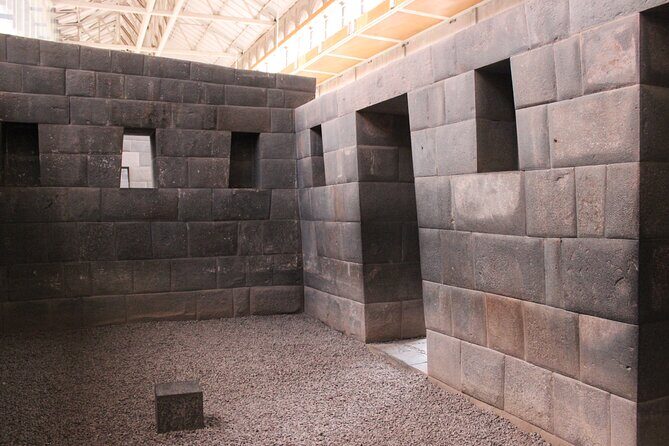
Ollantaytambo in particular is a strategic stop. Even if you don’t know the terminology yet, you can feel it as a transit hub tied to the wider Inca network. Pisac adds the sense of scale that makes the Sacred Valley feel like a whole system instead of isolated ruins.
One thing to keep in mind: some past guests have wished they had more time during Pisac, and noted that shopping stops can eat into site time. That doesn’t mean it will happen to you, but it’s a good reminder. If you want maximum time in the ruins, ask your guide where the best moments are and whether you can skip optional stops.
For the night, you stay in the Sacred Valley. Some guests have mentioned hotels such as La Carson in Yucay, with mountain views in the morning. Even if your hotel isn’t the same, you can expect that staying out here gives the trip a calmer, less frantic feel before Machu Picchu.
Machu Picchu day: train to Aguas Calientes, bus to the gates
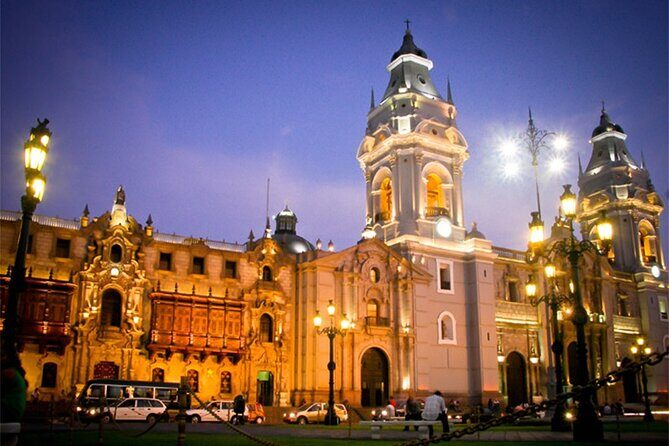
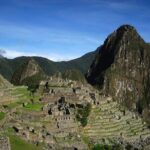
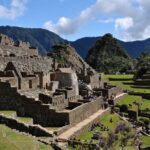
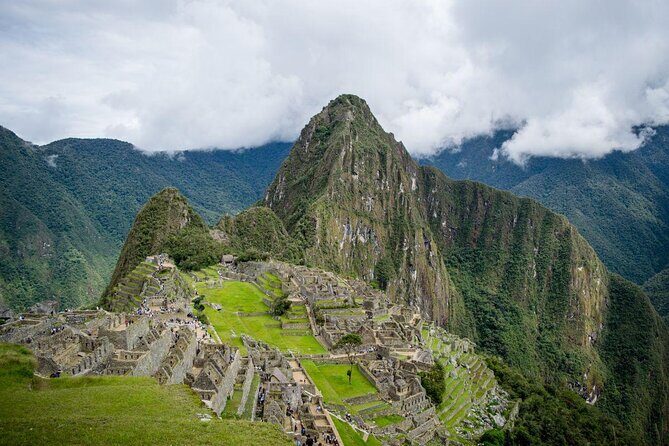
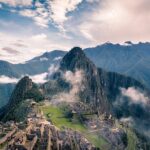
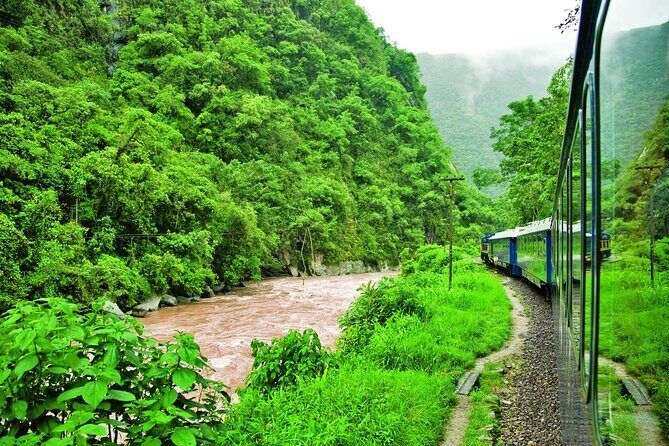
This is the day Peru has been saving up. You take a short train ride to Aguas Calientes, then a 20-minute bus ride up to the Machu Picchu gates. Once you’re inside, you get a two-hour guided tour where the guide points out the major sites and explains how the location was never taken by the Spanish, offering insight into construction techniques and ceremonial importance.
That detail is useful. It isn’t trivia. It helps you understand why the site feels so intact and why you’re not watching a heavily rebuilt showpiece. The guided portion gives you the map in your head, so when you later explore on your own, you’re not just staring at stones—you’re seeing a layout with purpose.
After the guided time, you have the afternoon free to explore. This is where the trip earns its second half value. You can return to viewpoints you like, take your time with smaller corners, and slow down when you want. If you’re traveling with others, this unstructured time also lets everyone split attention—one person may chase photos, another may focus on architecture details, and you’ll still meet back up without tension.
The return is efficient: you board the train back to Ollantaytambo Station, then you take private transport to Cusco. In other words, you get a complete day of Machu Picchu without turning the evening into a logistics nightmare.
Weather is always a factor at Machu Picchu. Some guests got favorable conditions, and the site looked incredible. You can’t plan on perfect skies, so aim to bring a flexible mindset and a light rain layer.
A few more Lima tours and experiences worth a look




Price, inclusions, and what you should budget for
At $935 per person for 7 days, the price looks reasonable when you compare it to the cost of pulling together private transfers, multiple guided excursions, and guided Machu Picchu access on your own. The tour also caps group size at 15, which often means better guide attention than larger group formats.
Here’s what you’re getting for that fee, based on the listed inclusions:
- Private transportations between hotel/airport and within the route
- Accommodations as described in the plan (so your actual hotel details will depend on what’s assigned)
- Guided excursions as described
- Admission fees for the excursions listed
- Breakfast (4 days)
Not included are the usual big items that add up quickly in Peru: international and domestic airfare, travel insurance, and meals not described, plus personal expenses like gratuities, internet charges, laundry, and beverages.
One practical reality: Machu Picchu can be expensive to re-plan. The plan notes that in case of cancellation, refund of the Machu Picchu ticket doesn’t apply. So if you’re the kind of person who worries about sudden weather disruptions or flight changes, you’ll want travel buffers in your own schedule.
Practical tips to make the whole route feel smooth
I recommend treating this as two trips welded together: a city-and-settle trip (Lima to Cusco) and a ruins-and-train trip (Sacred Valley to Machu Picchu).
On day one in Lima, take the rest of the afternoon easy. Miraflores is a good base for that, and you’ll enjoy being near places to get oriented without rushing.
In Cusco, take the free day seriously. Even if you feel fine, don’t schedule a tough “warm-up” hike. Use the time to walk around slowly near your hotel and find a rhythm. The fact that your hotel is close to Plaza de Armas means you won’t need long commutes just to feel connected.
For Moray and Maras, wear shoes you can trust. The sites involve uneven ground and viewpoints. It’s not a technical climb, but it’s not a flat promenade either.
For Pisac and Ollantaytambo, ask your guide where the best time is to linger during the guided blocks. If optional stops show up, you’ll feel better if you know what’s priority versus what’s convenience.
For Machu Picchu, start the day focused. Once the bus and train start moving, you’re locked into the flow. Use the guided tour as your foundation, then let the afternoon be your personal reward.
Also, you’ll be dealing with altitude and a moderate fitness level expectation. If you’re on the fence, plan to move slowly and stop when you need to. This tour keeps the walking manageable by design, but it still places you in real-world Andean terrain.
Should you book this Lima, Cusco, Sacred Valley, and Machu Picchu tour?
Yes, if your goal is to see a lot of Peru’s best stops with good structure and less stress between cities. This is a strong pick if you want the Sacred Valley treated as more than a corridor to Machu Picchu. You’ll also like the smaller-group style and the fact that guides and coordinators have been praised for clear communication and smooth pick-ups.
You might look elsewhere if you want zero structure and maximum free roaming every day. The trip is guided and scheduled because Machu Picchu logistics require it, and the Sacred Valley days can include time limits and occasional optional stops.
If you can handle altitude, enjoy guided context, and want a well-paced route that ends with Machu Picchu as the climax, this one fits.
FAQ
What is included in the tour price?
The tour includes private transportation (hotel/airport and within the route), accommodations as described, guided excursions, admission fees for the listed excursions, and breakfast for 4 days.
Are flights included?
No. International airfare and domestic airfare are not included.
How do you travel from Lima to Cusco?
You take a flight from Lima to Cusco, and then a representative meets you on arrival for the transfer to your Cusco hotel.
What’s included for Machu Picchu?
You take the train to Aguas Calientes, then a 20-minute bus ride to the gates. A 2-hour guided tour is included, plus time to explore on your own afterward. The return includes the train back to Ollantaytambo and private transport to Cusco.
Is the Sacred Valley fully guided?
The Sacred Valley days include guided excursions as described, including Moray and the salt mines of Maras, and also guided visits to Pisac and Ollantaytambo.
How big is the group?
The tour has a maximum of 15 travelers.
Is there a vegetarian option?
Yes. A vegetarian option is available if you advise at the time of booking. You should also share any other dietary requirements.
What do I need to bring for the trip?
You need a current valid passport on the day of travel, and passport details are required at booking.
How does the trip end?
On the last day, the transfer to the Cusco airport is scheduled based on your flight time, so you can continue on to your next adventure.