REVIEW · LIMA
8-Days Peru, The Rise of the Inca Empire
Book on Viator →Operated by VIPAC Travel · Bookable on Viator
Eight days across the Inca world. This tour strings together Lima’s UNESCO Old City, Cusco’s Inca-plus-colonial sights, and the big payoff of Machu Picchu, then finishes in Puno so you can keep going to Bolivia or return your way to Lima. It’s a classic route, but it’s also practical: you’re not wrestling buses, tickets, or timing on your own.
What I like most is how much is handled for you. You get pre-arranged transport between cities and key checkpoints, plus guided visits that focus on the places that explain the Inca story and the Spanish impact without making you bounce around.
One thing to consider: the day around Machu Picchu runs on a tight circuit and timing system, and the visit is tied to a specific ticket date. If you’re the type who hates feeling rushed, plan your mindset accordingly and ask questions early so you know how lunch and exit timing will work.
In This Review
- Key things I’d mark on your map
- Lima-to-Puno: the smart “start here, continue later” route
- Day 1 in Lima: UNESCO Old City + Larco Museum in two focused hits
- Centro Histórico de Lima (UNESCO): churches, power, and Peru’s first timeline
- Museo Larco: gold, textiles, and what the objects can tell you
- Day 2 in Cusco: Qorikancha, Cathedral art, and Sacsayhuaman’s stone precision
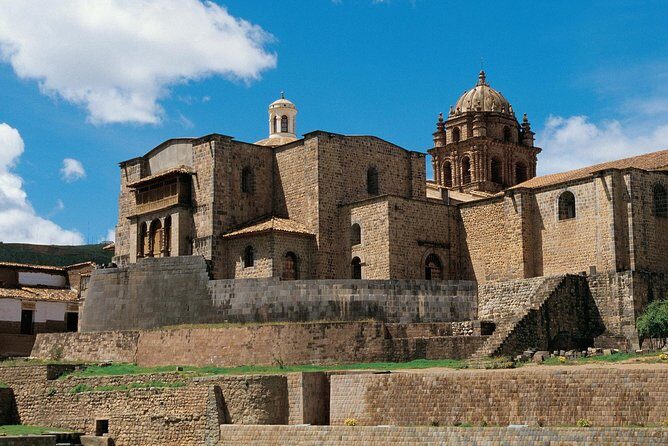
- Qorikancha: Inca foundations with colonial layers on top
- Cusco Cathedral: colonial art on Inca foundations
- Sacsayhuaman and the surrounding ceremonial sites
- Sacred Valley days: why Pisac, Moray, and Maras work so well back-to-back
- Pisac: ruins above, and the artisan market below
- Inkariy Museum + Yucay Live Culture Center: learning by doing
- Moray: terraces as an agricultural experiment
- Salinas de Maras: salt pans that still operate
- Machu Picchu day: train, bus ride, and the importance of circuits
- The not-so-sexy part: circuits and ticket rules
- A real-world pacing warning
- Cusco to Puno via La Raya Pass: how to turn a long travel day into 5 mini-days
- Andahuaylillas chapel and Racchi’s Wiracocha Temple
- Lunch, La Raya, and Pucará Museum
- Lake Titicaca on day 7: Uros floating islands and Taquile traditions
- Uros Floating Islands: totora reeds and island life
- Taquile Island: local clothing and traditions
- Price and value: what your $1,280 really covers (and what it doesn’t)
- Who should book this tour (and who should plan carefully)
- Should you book this Lima-to-Puno Inca Empire tour?
- FAQ
- How many days is the tour?
- Where does the tour start and where does it end?
- What is the tour price per person?
- Are airport transfers included?
- Is Machu Picchu admission refundable?
- How does Machu Picchu circuit routing work?
- What flight timing is recommended for Lima to Cusco?
- What part of the itinerary includes Lake Titicaca?
- How is altitude handled in the tour information?
Key things I’d mark on your map
- UNESCO Lima Old City plus San Marcos and colonial church art, all in one concentrated Day 1
- Qorikancha (Sun Temple) under Santo Domingo, where Inca stonework shows through the colonial overlay
- A strong Sacred Valley sequence: Pisac, artisan market time, plus Moray and Maras salt pans
- Machu Picchu by train + bus, using Ollantaytambo for a well-paced arrival approach
- A Cusco-to-Puno route with multiple stops (Andahuaylillas, Racchi, La Raya, Pucará) instead of one long drive
- Lake Titicaca with Uros and Taquile, including typical lunch on the island
Lima-to-Puno: the smart “start here, continue later” route
This is an 8-day tour that begins in Lima and ends in Puno. That ending matters. If you want to go on to Bolivia, Puno is your natural launch point. If you’d rather return toward Lima, you still finish with an easy setup for regional travel.
The tour also includes pickup and drop-off at the Lima and Cusco airports, so you’re not guessing how to get from the terminal to your hotel after a flight. It’s one of those details that turns a stressful travel day into something calmer.
With the itinerary split into tight, guided blocks, you get a lot of Peru’s “big names” without having to manage daily logistics. It’s not “free-roam all day.” It’s “see the key places with structure.”
Other multi-day Peru and Machu Picchu tours from Lima
Day 1 in Lima: UNESCO Old City + Larco Museum in two focused hits
Your first day is built to help you get your bearings fast, while also giving you context for what you’ll see later in Cusco and the Andes.
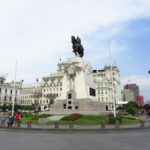
Centro Histórico de Lima (UNESCO): churches, power, and Peru’s first timeline
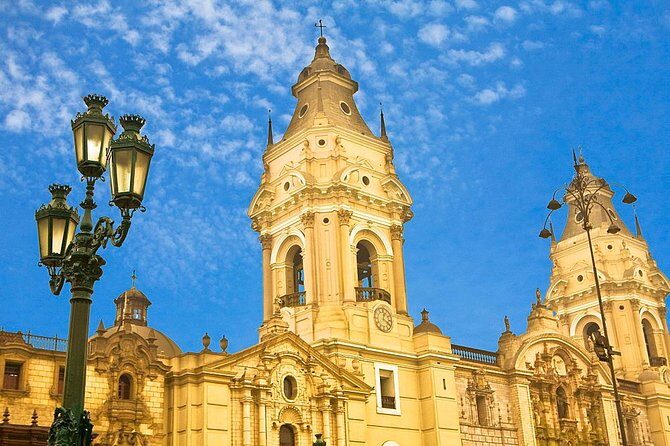
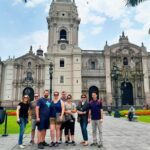
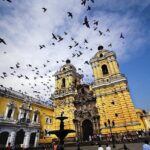
You start with a guided walk through the Historical Center of Lima, a UNESCO World Heritage Site. The pace is “serious sightseeing,” not casual strolling, and that’s a good thing on day one.
You’ll spend time around the Convent of Santo Domingo, which connects directly to Lima’s founding period. Then there’s the Universidad Mayor de San Marcos, called the oldest university in America, founded on this site. If you care about how institutions shaped colonial society, it’s one of the strongest anchor points you’ll get in Lima.
Inside, you’ll also see burial places of key Catholic figures such as San Martín de Porres, San Juan Masías, and Santa Rosa de Lima. That adds a human layer to the architecture: this isn’t just walls and facades. It’s power, faith, and legacy.
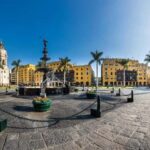
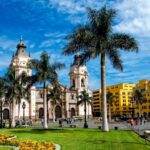
You’ll cross the Plaza Mayor area and continue toward the cathedral, which is described as a jewel of colonial Lima. This is where you’ll find colonial-era artworks that help you connect what Spanish rule brought into the visual world—paintings, altars, and religious details you’ll keep seeing echoed elsewhere.
Time on this part: about 4 hours, with admission included. For value, this matters: you’re paying for a guided “script” through the most important corners, not wandering and hoping.
Museo Larco: gold, textiles, and what the objects can tell you
After leaving downtown, you head to the Museo Larco, where the focus shifts to pre-Hispanic cultures. The collection includes gold pieces, textiles, and even erotic ceramics—part of a broader look at what ancient Peru thought was important enough to carve, decorate, and display.
What I like here is that it’s not only “pretty artifacts.” The museum aims to explain cosmovision—how people understood the world—using the objects themselves. You’re also able to see parts of the museum’s “warehouse” setup during the visit, so you get a sense that there’s more behind the glass than the first room you walk into.
Time on this part: around 2 hours, admissions included. If you’ve never been to this kind of collection before, it’s a useful warm-up for the Inca-centered parts of the trip that come next.
Day 2 in Cusco: Qorikancha, Cathedral art, and Sacsayhuaman’s stone precision
Day 2 is Cusco at full volume—religion, art, engineering, and views.





Qorikancha: Inca foundations with colonial layers on top
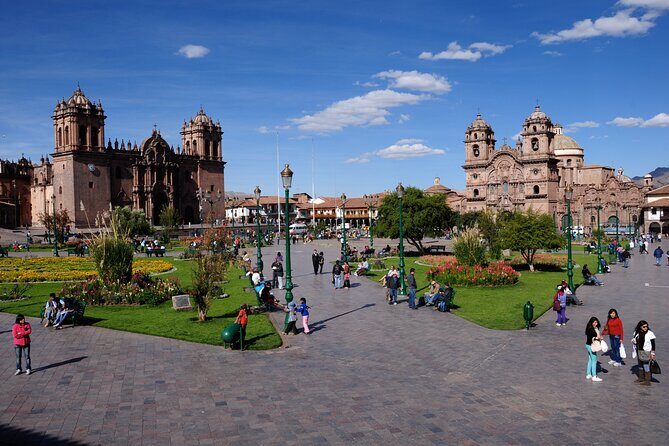
You start at Qorikancha, the former Temple of the Sun. Even if you’ve seen photos, it hits differently because you can still read the story in the structure: the Spanish takeover didn’t erase the Inca base. The tour highlights how the Convent of Santo Domingo stands over Inca foundations—symbolizing the fusion of Inca and colonial architecture.
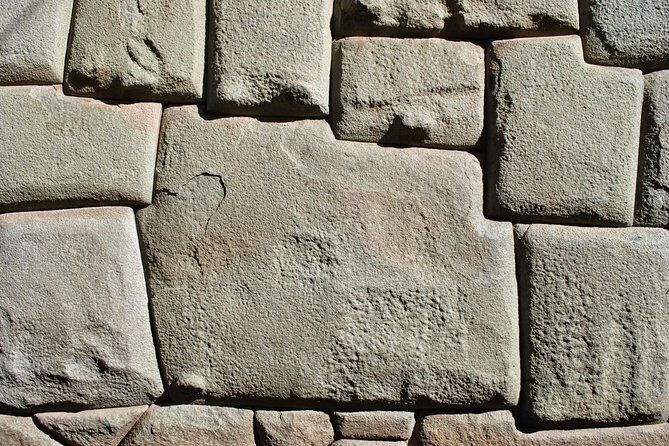
A big detail here is the contrast: most of the gold was looted, but the finely cut stonework remains. That’s the point—Inca wealth wasn’t only about metal. It was about craft, alignment, and building logic.
Admission is included; time is about 1 hour.
Cusco Cathedral: colonial art on Inca foundations
Next comes the Cathedral of Cusco, built over an earlier Inca palace foundation. Inside, you’ll see colonial-era paintings linked to the Cusco School of Art, which mixed European techniques with indigenous symbolism.
The tour also points out a striking artifact: an original cross associated with early conquistadors, presented as an emblem of conquest and faith. Whether you interpret that symbol as history, propaganda, or both, it’s a reminder that the colonial story isn’t neutral.
Expect ornate altars and carved choir stalls. Admission included, about 1 hour.
Sacsayhuaman and the surrounding ceremonial sites
In the afternoon you head up to Sacsayhuaman, where you’ll see massive stones fitted without mortar—described as over 4 meters in some cases. You’re also given the broader “complex” approach: the tour doesn’t stop at one viewpoint.
It continues to Q’enqo (a rock-carved ceremonial center), then Tambomachay (often called the Inca Baths), and includes a panoramic stop at Puca Pucará, a military outpost.
This part is about 2 hours. For me, this is where you learn that Inca life wasn’t only temples. It was ceremonies, water engineering, and defensive planning—built into one system.
Admission is included.
Sacred Valley days: why Pisac, Moray, and Maras work so well back-to-back
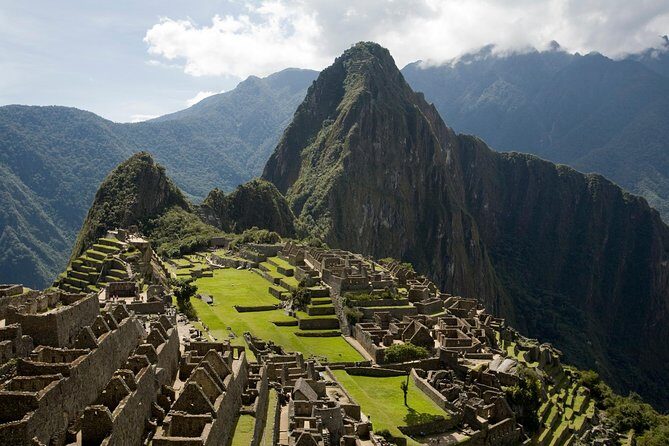
Days 3 and 4 are where the tour earns its “value” badge. The stops aren’t random. They form a chain: agriculture and trade in one day, then microclimates and salt production on the next.
Pisac: ruins above, and the artisan market below
You visit Pisac in two layers. First, the Inca archaeological site perched high above the valley. Then you descend into the colonial village built on Inca foundations.
From the summit, you get panoramic views of the valley area, and you also see the terraces and religious structures that show how Incas organized space. The tour also gives you time to explore the artisan market, described as one of the region’s most famous. That’s where you can shop for handmade textiles, ceramics, and silver jewelry.
The practical angle: if you plan to buy gifts, do it here. You’ll get a more direct line to local artisans than if you wait for souvenirs later.
Time on this day: about 2 hours for Pisac, with admission listed as free for that segment.
Inkariy Museum + Yucay Live Culture Center: learning by doing
Later, you tour the Inkariy Museum, which focuses on pre-Hispanic cultures through multiple exhibit halls. This is followed by lunch, then a visit to the Yucay Live Culture Center.
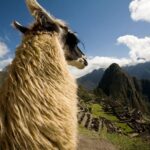
At Yucay, the tour description emphasizes hands-on demonstrations: weaving and dyeing textiles, making adobes, and even preparation of chicha (corn-based drink). You also get a close encounter with llamas and alpacas.
This is a good “bridge day” because Machu Picchu is next. It helps you understand how everyday Inca-influenced Andean life still works—techniques, materials, and routines that outlast empires.
Time: about 2 hours, and admissions for this part are included.
Moray: terraces as an agricultural experiment
On Day 4, you head to Moray, famous for its circular terraces. The tour describes them as an agricultural laboratory with up to 20 microclimates. Even if you don’t remember the number perfectly, the idea sticks: the Incas studied their environment and planned for farming based on subtle differences.
Admission included; about 1 hour.
Salinas de Maras: salt pans that still operate
Then comes Salinas de Maras, a salt mining area used since pre-Inca times and still worked by local families. The visual is stark: thousands of small pools fill with salt water, and sun evaporation leaves salt behind.
This is one of the best photo stops on the route—not because it’s flashy, but because the contrast between white salt and the surrounding earth tones makes the pattern easy to see.
Time: about 2 hours, admission included.
Machu Picchu day: train, bus ride, and the importance of circuits
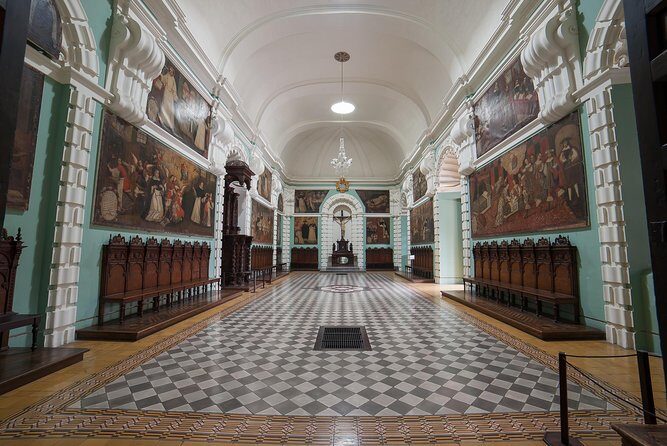
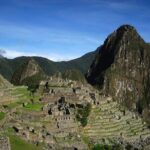
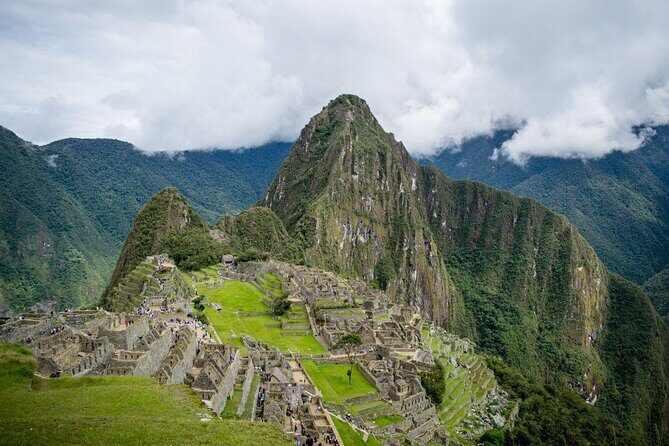
Day 5 is the highlight: Machu Picchu, called one of the seven wonders. And the way you arrive matters.
You board a train at Ollantaytambo station, then ride to Machu Picchu station. From there, staff help you board the bus up the winding road with views over the Urubamba River canyon.
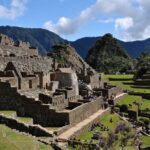
Once you reach the site, you’ll see terraces, staircases, ceremonial areas, and urban sections. The day also includes lunch at the Sanctuary’s Lodge restaurant (buffet lunch is included).
Time for the full excursion is listed as about 10 hours, with the Machu Picchu ticket included.
The not-so-sexy part: circuits and ticket rules
Here’s the practical caution: Machu Picchu uses new visitor circuits with different routes. The tour prioritizes route 2, and if it isn’t available, you’ll be informed that circuit 3B or 1B may be issued so you can confirm before tickets are finalized.
Also, the Machu Picchu admission is not refundable, and date changes aren’t accepted. If you need a different visit date, you’d have to purchase a new entrance ticket.
A real-world pacing warning
One of the issues I’d watch for is the day’s internal timing around lunch and where you’re expected to exit. If your goal is to linger, be aware the schedule can feel strict. I’d plan to follow the group’s flow, and if you’re unsure where lunch pickup fits relative to your time inside, ask your staff immediately so you don’t lose momentum.
You won’t “miss Machu Picchu,” but you could feel rushed if you’re expecting total flexibility.
Cusco to Puno via La Raya Pass: how to turn a long travel day into 5 mini-days
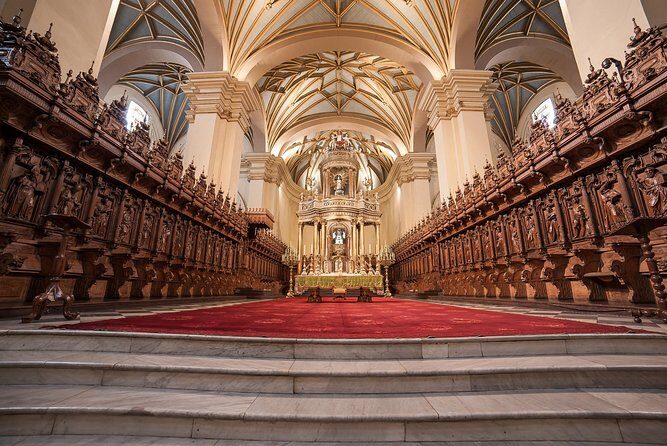
Day 6 shifts you from Cusco area to Puno by bus, but it’s not just a straight drive. The tour adds stops that break the ride into meaningful chunks.
Andahuaylillas chapel and Racchi’s Wiracocha Temple
You begin with Andahuaylillas, with a visit to its chapel. Then you go to Racchi, described as the Temple of the Wiracocha god.
The tour notes that the structures and narrow streets stand out here. That’s the key: you’re not only seeing ruins. You’re walking through spaces tied to belief systems.
Lunch, La Raya, and Pucará Museum
After time on these sites, you’ll have lunch and a chance to view La Raya Pass, described as the natural border between Cusco and Puno.
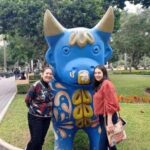
Before arriving in Puno, you visit the Pucará Museum and even get an opportunity to get one of the local classic bull-shaped ceramics.
This day is about 7 hours, with admissions included. Even if you feel tired, it’s a better setup than getting to Puno with zero context and only exhaustion.
Lake Titicaca on day 7: Uros floating islands and Taquile traditions
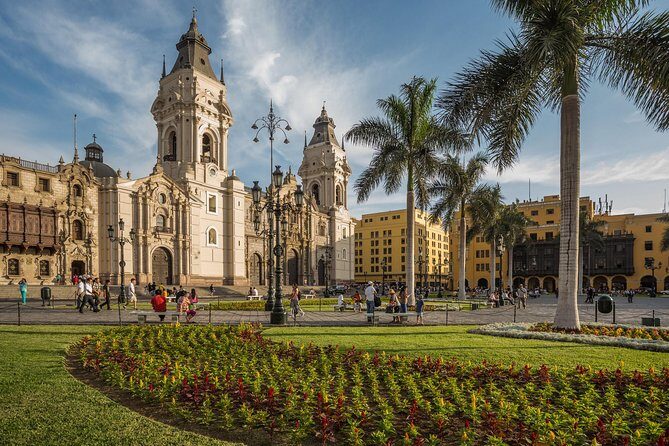
Day 7 is a full Lake Titicaca outing with Uros Floating Islands and Taquile Island.
Uros Floating Islands: totora reeds and island life
You start with the Uros, whose islands are handmade using totora reeds. The tour emphasizes the inhabitants as friendly and welcoming, and you’ll spend time exploring the islands.
This is a place that works because it’s not a ruin. It’s a living tradition. You’re seeing how the environment shapes daily life.
Taquile Island: local clothing and traditions
Next comes Taquile, where settlers still maintain ancestral traditions and wear colorful typical clothing. You’ll have time to explore the island and enjoy the best view of the lake from there.
Lunch is included, described as typical lunch on the island.
Time: about 6 hours, admissions included.
Price and value: what your $1,280 really covers (and what it doesn’t)
At $1,280 per person for about 8 days, the value comes from the way it bundles logistics and admissions.
Included highlights:
- 7 nights of accommodation in selected hotels
- Voyager service train tickets for the Machu Picchu day
- Airport transfers and station-to-hotel transfers
- Key guided tours with several admission tickets included (Lima sites, Qorikancha, Cathedral, Sacsayhuaman, Sacred Valley spots, Machu Picchu, and Titicaca islands)
- Breakfasts (7) and lunch (3), including the Machu Picchu buffet lunch
Not included:
- Flights into and out of Peru
- Food and drinks unless specified
Also, the group is capped at 15 travelers, which usually helps with pacing. It also explains why the schedule can feel structured—smaller groups still move as one unit, especially on Machu Picchu day.
One more value note: you’re booking this about 64 days in advance on average, so if Machu Picchu timing matters to you, start early and don’t wait until the last month.
Who should book this tour (and who should plan carefully)
This is a great fit if you want:
- a first-time Peru route that hits Lima, Cusco, Sacred Valley, Machu Picchu, and Puno without daily planning stress
- a structured day that includes transport safety and guided explanations
- an ending in Puno so you can connect to Bolivia or continue in Peru easily
Think twice if:
- you hate tight schedules or you want long, unstructured time after major timed experiences
- you’re very sensitive to altitude. The tour notes that altitude sickness can happen and you should bring medicine or ask your doctor. If you’ve had issues before, plan your health approach early.
And one small-but-important practical tip: ask the operator for your day-by-day timing early, ideally before you reach each hotel. A clear schedule ahead of time can stop wasted time and rushed decisions.
Should you book this Lima-to-Puno Inca Empire tour?
I’d book it if your priority is a guided, efficient Inca-and-colonial sweep with transport taken care of and an ending in Puno. The combination of Lima’s colonial depth, Cusco’s Inca stonework, Sacred Valley’s agriculture focus, and Machu Picchu’s big-ticket arrival is the right mix for most people.
I’d hesitate if you know you’ll be unhappy with strict timing around Machu Picchu lunch and exit flow, or if you expect to roam freely at every stop. If that’s you, ask how the Machu Picchu circuit and lunch timing will affect how long you can stay in key areas, and confirm what hotel base you’ll have after Machu Picchu so your next hours aren’t just downtime.
FAQ
How many days is the tour?
It’s approximately 8 days.
Where does the tour start and where does it end?
It starts in Lima and ends in Puno.
What is the tour price per person?
The listed price is $1,280.00 per person.
Are airport transfers included?
Yes. The tour includes round-trip airport transfers, including pickup and drop-off at the Lima and Cusco airports.
Is Machu Picchu admission refundable?
No. The Machu Picchu admission ticket is not refundable, and date changes are not accepted. If you need a new date, you’d need to purchase a new entrance ticket.
How does Machu Picchu circuit routing work?
The tour gives priority to circuit route 2. If it’s not available, you’ll be informed that circuit 3B or circuit 1B may be used, and you’ll be asked to confirm before tickets are issued.
What flight timing is recommended for Lima to Cusco?
When booking your flight from Lima to Cusco, it must be in the morning, since arrival by noon is considered too late.
What part of the itinerary includes Lake Titicaca?
Day 7 includes Uros Floating Islands and Taquile Island, with typical lunch included.
How is altitude handled in the tour information?
The tour advises that if you suffer from altitude sickness, you should bring medicine or ask your doctor before you depart.
—
If you want, tell me your rough travel dates and whether you’re thinking Bolivia next. I can help you sanity-check the flow from Puno based on how you like to travel.