Ancient Peru feels close here. This private 4-hour outing from Lima takes you to Pachacámac’s site museum and ceremonial ruins, with hotel pickup from Miraflores, San Isidro, and Barranco plus an English-speaking guide.
I love the Site Museum of Pachacámac because it lets you see more than 290 original pieces—ceramics, wood, and textiles—alongside the imposing Idol of Pachacámac. I also like the guided flow through the sanctuary ruins, where you connect pre-Inca and Inca building styles while getting panoramic payoff toward the Lurín Valley, Pachacámac Islands, and the Pacific.
One consideration: the schedule is tight. You get about an hour at each main stop, so if you like to linger, take tons of photos, or stop for long questions, you’ll need to be efficient with your time.
In This Review
- Key highlights worth planning around
- What You See at Pachacámac: museum, ruins, and island views
- Pickup and the ride from Miraflores, San Isidro, and Barranco
- Site Museum of Pachacámac: 290 originals and the Idol
- Guided walk through the sanctuary: adobe, stone, and sacred streets
- Pachacámac Islands viewpoint and the legend connection
- Is it worth $48? Value and time planning
- Practical tips so you don’t waste your 4 hours
- Who this tour fits best (and who should think twice)
- Should you book this Pachacámac tour from Lima?
- FAQ
- How long is the Pachacámac tour?
- What time does the tour start?
- Do they offer hotel pickup in Lima?
- Is this a private tour?
- What admissions are included?
- Is the tour in English?
- Is transportation included?
- Do I need a mobile ticket?
- Are meals included?
- What is the cancellation policy?
Key highlights worth planning around
- Pickup from Miraflores, San Isidro, and Barranco keeps the morning low-stress
- Site Museum access to over 290 original artifacts (ceramics, wood, textiles)
- A guided walk through Pachacámac: temples, pyramids, and sacred streets in adobe and stone
- Pachacámac Islands viewpoint time for wide views over the Lurín Valley and the Pacific
- English-speaking expert guide at the sanctuary (Mario is mentioned in multiple experiences)
- Private tour format so it’s only your group in the vehicle
What You See at Pachacámac: museum, ruins, and island views
This is a classic Lima “get out of the city” day. You start with a city-side morning pickup, then head south to the Archaeological Sanctuary of Pachacámac, one of the most important ceremonial centers on Peru’s coast. The payoff comes in layers: artifacts first, then the monumental ruins, then the view.
The tour is built around three different kinds of time. The museum gives you context through original objects like ceramics, wood, and textiles. The ruins give you scale—temples, pyramids, and sacred pathways made with adobe and stone. And the islands portion adds the legend-and-setting feeling, with broad panoramas toward the Pacific and the Lurín Valley.
That combination is why this trip works well for first-timers. You don’t just wander around old walls; you learn what people believed there, and why the place mattered across pre-Inca and Inca eras.
Other Pachacamac and pre-Inca ruins tours in Lima

Pickup and the ride from Miraflores, San Isidro, and Barranco
Your day starts at 9:00 am, with pickup from specific areas in Miraflores, San Isidro, and Barranco. If your hotel is in a nearby pickup zone, that convenience matters more than it sounds—Lima traffic can be unpredictable, and getting a planned private vehicle early helps you use the day you paid for.
Pickup times are confirmed based on your location (they’ll confirm the details after booking, and timing is handled according to the pickup point). Then you drive south in private tourist transport for about 1 hour to reach Pachacámac.
This first segment is also a good moment to get oriented. You’ll get your guide’s tone for the day early, and you’ll arrive ready to absorb what you’re about to see. If you’re outside the named pickup districts, you’ll need to check availability rather than assuming pickup is guaranteed.
Site Museum of Pachacámac: 290 originals and the Idol
The museum stop is where the trip earns its “wow, I get it now” feeling. Inside the sanctuary area, the Site Museum shows more than 290 original pieces of ceramics, wood, and textiles. Seeing originals matters. Copies don’t have the same weight for understanding how people made, used, and valued objects.
One highlight is the Idol of Pachacámac, described as a sculpture revered for centuries by pre-Hispanic peoples of Peru. Even if you don’t consider yourself a museum person, this is the kind of object that gives you a mental hook: it helps you connect the stories to something tangible rather than guessing based on ruins alone.
The museum time is about 1 hour, so you’re not stuck in slow mode. You’ll usually leave with clearer answers to big questions—what kinds of materials were important, what kinds of figures and symbols were used, and why this sacred center attracted attention for such a long stretch of time.
Guided walk through the sanctuary: adobe, stone, and sacred streets
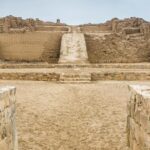
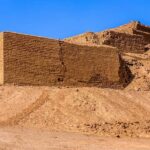
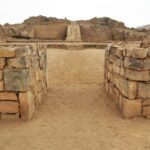
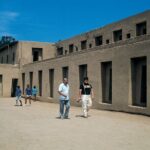
After the museum, you step into the Pachacámac Ruins with a guide. This part focuses on the sanctuary’s big picture: it’s a pre-Inca and Inca complex made of temples, pyramids, and sacred streets built in adobe and stone.
What you’ll like most here is the structure of the visit. A good guide doesn’t just point at buildings; they connect what you’re seeing to why people would come there. The experiences tied to Mario in these trips emphasize clear explanations—history, spiritual significance, and the myths and legends connected to the place.
A practical note: ruins are forgiving in one way and strict in another. They’re forgiving because you can understand a lot from shape, scale, and placement even without reading signage fluently. But they’re strict because the tour gives you about 1 hour for this stop, and the sites cover ground. Wear shoes that can handle uneven surfaces and plan to prioritize what you want to photograph.
If you want the best result, treat this hour like a guided “big map” session. After that, you’ll know what you’d return for if you ever come back.
Pachacámac Islands viewpoint and the legend connection
Then the tour shifts from stone-and-adobe to wide views. At the Pachacámac Islands stop, you get panoramic scenery associated with the myth and legend of Cavillaca and Cuniraya from Peruvian folklore. Even if you’re not a mythology superfan, this kind of framing helps you read the geography differently.
This part is timed at about 1 hour, and the reward is the setting: viewpoints over the Lurín Valley, out toward the Pacific Ocean, and the islands area that carries the Pachacámac name in the story. It’s a nice reset after time in enclosed temple spaces and museum rooms.
Also, this is where your guide’s narration can really click. Standing in the open makes the spiritual and ceremonial purpose feel more human—you can sense why people would travel, gather, and remember stories tied to this horizon.






Is it worth $48? Value and time planning
At $48 per person for about 4 hours, you’re paying for three things: pickup, private transport, and an expert guide focused on the sanctuary portion. The museum and ruins admissions are included, while the other parts of the day are listed as admission-free segments.
That combination usually works out best for visitors who don’t want to piece together buses, tickets, and timing on their own. It’s also a good value if you’d otherwise pay for museum entry plus a local guide to explain what you’re looking at in the ruins.
The schedule is the tradeoff. The tour is built to deliver the highlights fast: museum, ruins, viewpoint. If you’re the type who likes to take your time and wander without a stopwatch, you might feel slightly rushed. But if you want a guided, efficient introduction that ends with serious views, the price-to-time ratio is fair.
Practical tips so you don’t waste your 4 hours
Since meals aren’t included, plan to handle food before or after you go. If you’re hungry at midday, you’ll likely want something packed or easy to buy near your next stop in Lima. Also, you’ll be moving between several zones, so keep your essentials simple: comfortable clothing, sensible footwear, and a small day bag.
A few more small things help:
- Bring the mobile ticket your tour uses, so you’re ready at each entry point.
- Use the pickup time as a guide for your energy. Starting at 9:00 am means you’ll be “on” early.
- If you’re photographing, decide in advance what matters most—museum objects, temple angles, or the horizon view—so you don’t lose time bouncing between priorities.
This is a private tour, so you can ask questions when they come up, especially during the sanctuary walk. That’s when a guide’s explanations turn random ruins into a story you can actually follow.
Who this tour fits best (and who should think twice)
This tour fits best if you want a guided first visit to Pachacámac from Lima without planning headaches. It’s a smart choice if you care about understanding what you’re seeing—objects in the museum, then temple layouts and sacred streets in the sanctuary—plus you want a scenic finish.
It may be less ideal if you’re a long-form site stargazer. With roughly one hour per main stop, the pace is structured. You can still slow down a little for good photos, but you probably won’t get “all day explore” freedom.
If your hotel is in Miraflores, San Isidro, or Barranco, logistics are straightforward. If you’re outside those areas, you’ll need to check pickup availability instead of assuming it works.
Should you book this Pachacámac tour from Lima?
Yes—if you want a guided, efficient introduction to one of Peru’s most important coastal ceremonial centers. The museum component (those 290+ original artifacts, including the Idol of Pachacámac) gives you context, and the sanctuary walk turns that context into something you can see and understand.
Book it especially if you appreciate clear storytelling and want an English-speaking guide at the site—experiences in this tour format highlight Mario’s explanations and passion for connecting history with myths and meaning.
Skip it if you’re hoping for a slow, self-paced day where you can linger for hours in one area. This one is designed to deliver the essentials in a tight window, with solid panoramic payoff at the end.
FAQ
How long is the Pachacámac tour?
The tour runs for approximately 4 hours.
What time does the tour start?
Pickup and start time is 9:00 am.
Do they offer hotel pickup in Lima?
Yes. Pickup is offered in specific areas of Miraflores, San Isidro, and Barranco.
Is this a private tour?
Yes. It’s listed as a private tour/activity, meaning only your group participates.
What admissions are included?
The Site Museum and the Pachacámac ruins include admission. The itinerary also lists admission ticket free for the Miraflores segment and the Pachacámac Islands viewpoint segment.
Is the tour in English?
Yes. The tour is offered in English.
Is transportation included?
Yes. The experience includes private transportation.
Do I need a mobile ticket?
Yes. A mobile ticket is provided for the experience.
Are meals included?
No. Meals are not included.
What is the cancellation policy?
You can cancel for free up to 24 hours in advance for a full refund. If you cancel less than 24 hours before the start time, the amount paid is not refunded.