REVIEW · LIMA
Lima: Villa El Salvador Shanty Town Tour
Book on GetYourGuide →Operated by Tangol · Bookable on GetYourGuide
Villa El Salvador feels real, fast. This small-group tour takes you into Lima’s south side to meet the community there, not just look from a distance. I especially liked how the guides (like Maverick and Leonardo) explain the why behind the neighborhood—how it started, how it grew, and what it means today. One thing to keep in mind: this walk has stairs, so you’ll need to climb and descend comfortably.
The second big win for me was the access to everyday life. You get time for panoramic photos of Lima and the Pacific area, but you also visit homes, a local market, and a community kitchen. The only possible drawback is the schedule is tight (about 3.5 hours), so if you hate walking at a steady pace, plan accordingly.
In This Review
- Key highlights you’ll actually feel
- Why Villa El Salvador is more than a shantytown walk
- Getting there from Miraflores, Barranco, or San Isidro
- Walking the community with your guide: history, politics, religion
- Yellow stairs and the urban project you can see
- Panoramic views over Lima, the Lurín Valley, and the Pacific
- Homes, neighbors, and the chance to talk like a person
- Market stop and the community kitchen: how day-to-day needs get met
- Kindergarten on weekdays, street play on weekends
- Timing, walking pace, and what to bring for a 210-minute tour
- Price and value: what $61 covers (and what it doesn’t)
- Who this tour suits best (and who should skip it)
- Should you book the Villa El Salvador Shanty Town Tour?
- FAQ
- Where does the tour pick you up?
- How long is the tour?
- How long is the transfer to Villa El Salvador?
- How big is the group?
- What languages are the guides?
- Is food included?
- How much walking is involved?
- Is it suitable for people who use wheelchairs?
- Is there a school visit?
- What should I bring?
Key highlights you’ll actually feel
- Small group (up to 8): more time for real questions and conversations.
- Guides with deep context: you’ll hear history and community structure, not just facts.
- Yellow stairs and access improvements: you’ll see how an urban project affects daily movement.
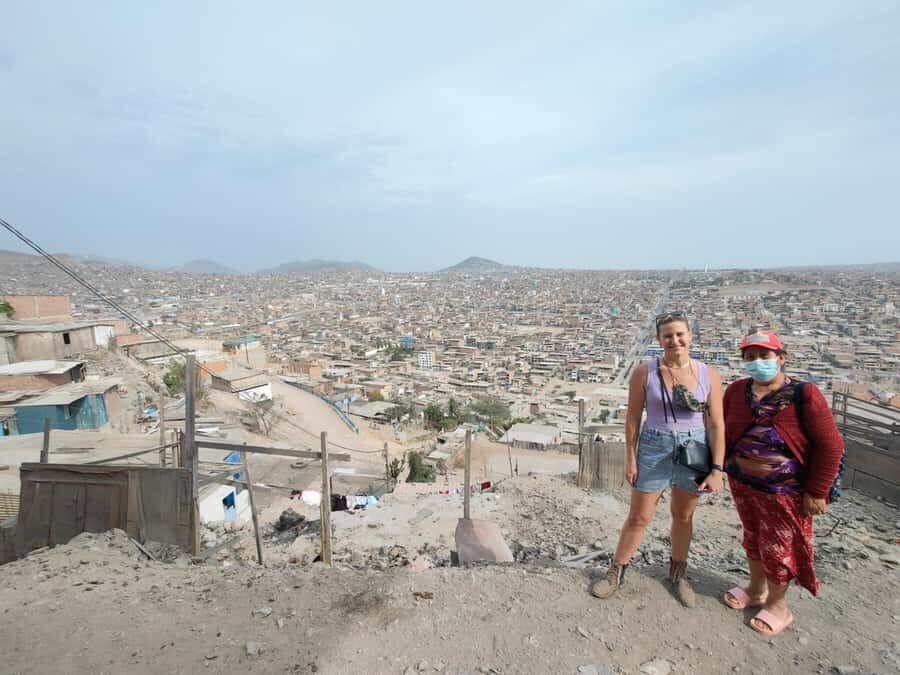
- Panoramic viewpoints: Lima city, the Valley of Lurín, and the Pacific are all in the photo mix.
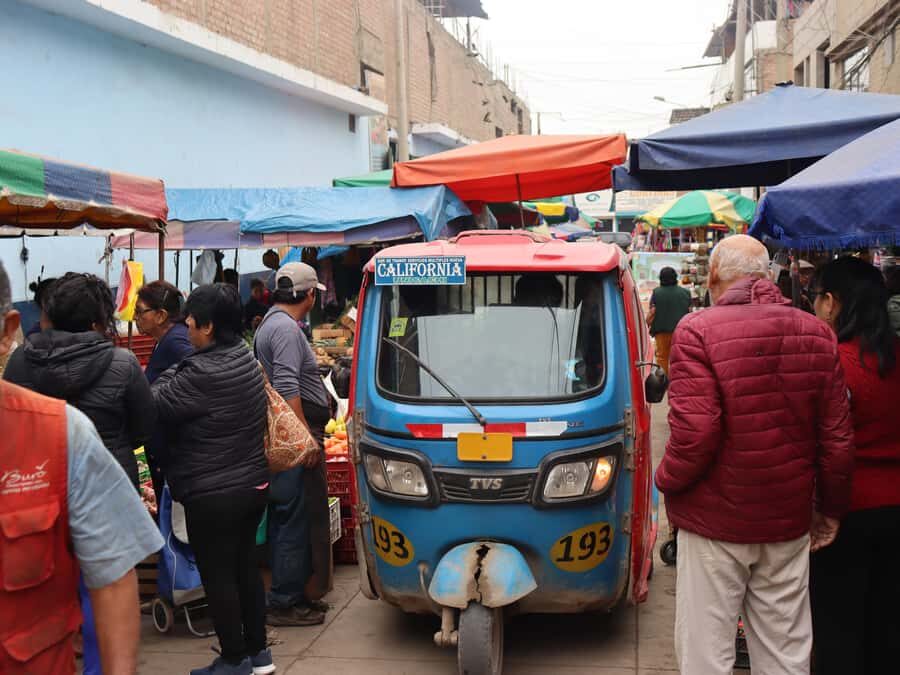
- Market + community kitchen: you’ll see how basics get handled day to day.
- Kindergarten visit timing: Monday to Friday for kindergarten, weekends more street play.
Why Villa El Salvador is more than a shantytown walk
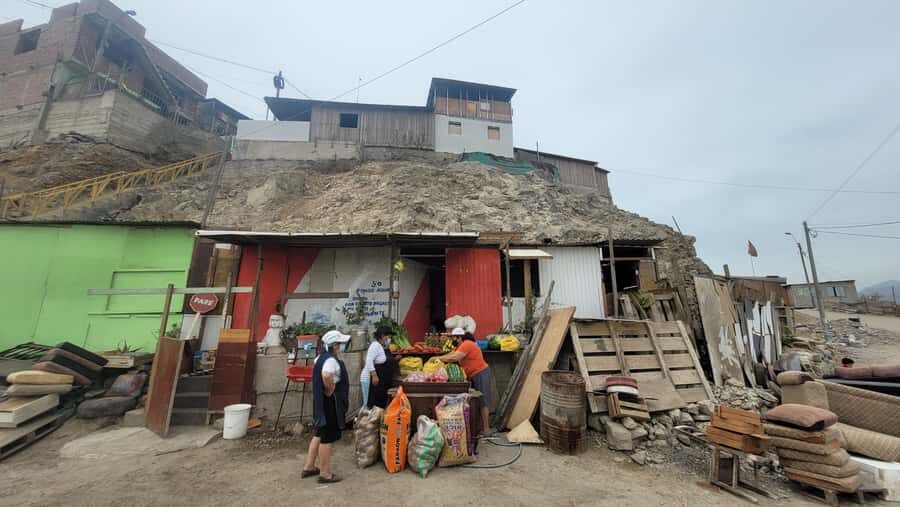
A lot of tours treat neighborhoods like a backdrop. This one treats Villa El Salvador like a living place with people who have opinions, routines, and pride. You’re walking with a leader who explains how the community system works, and you’re encouraged to interact as you go.
I also like that the tour gives you context instead of only sightseeing. Villa El Salvador started as a human settlement in 1971, when many families arrived without basic services like water, drainage, or electricity. Over time, it developed through an urbanization plan that helped residents build more stable community life—something you can understand as you move through the area.
And here’s the practical part: you’re not just standing and listening. You’ll meet neighbors, see children around homes and schools, and get a grounded look at daily needs and solutions.
Other shanty town and local community tours in Lima



Getting there from Miraflores, Barranco, or San Isidro
Your day starts with pickup from central areas in Lima—Miraflores, Barranco, or San Isidro. From there, the van ride takes roughly 45 minutes to reach Villa El Salvador, about 16 miles south of Lima’s city center.
Why this matters: the drive helps set the stage. You’re heading out of the classic tourist corridors and into a district with a different pace and a different story. Also, having hotel transfer included means you can focus on the experience instead of logistics.
Once you arrive, you’ll switch to the walking portion with your guide. Expect about 70 minutes walking, plus photo stops and time for visits.
Walking the community with your guide: history, politics, religion
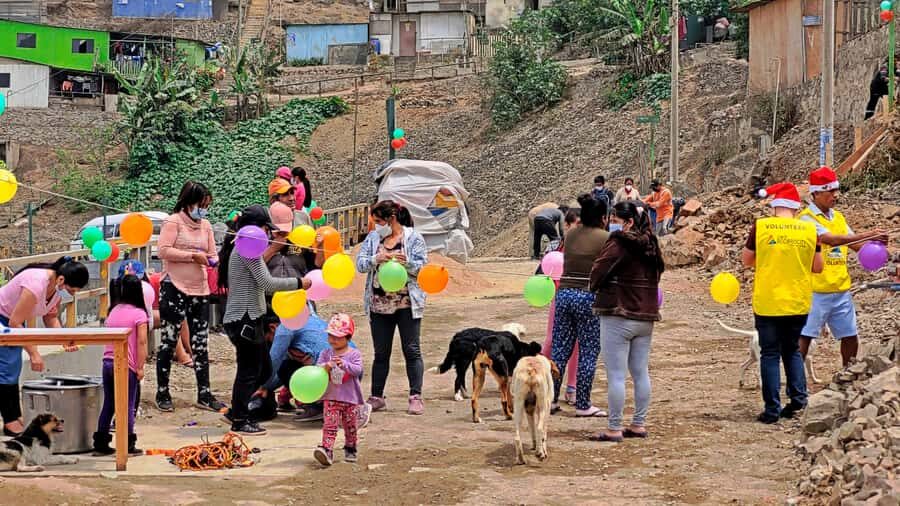
The walking part isn’t a random stroll. As you get closer to the bottom of the hill, your guide explains the community system and offers context on history, politics, and religion as they relate to how the neighborhood operates.
This is where the tour becomes genuinely informative. The goal isn’t to sensationalize hardship. It’s to show how a community organizes, adapts, and builds institutions over time—especially when people began with very limited infrastructure.
You’ll also notice the emphasis on a personal pace: getting close enough to talk and ask questions, not just hearing a monologue while you pass by. In past experiences with similar tours, I’ve found that the best moments happen when the guide can translate everyday life without turning it into theater—this one leans that way.
And yes, the guides can be English or Spanish speaking, so you’re not stuck relying on hand gestures if you want to understand everything.
Yellow stairs and the urban project you can see
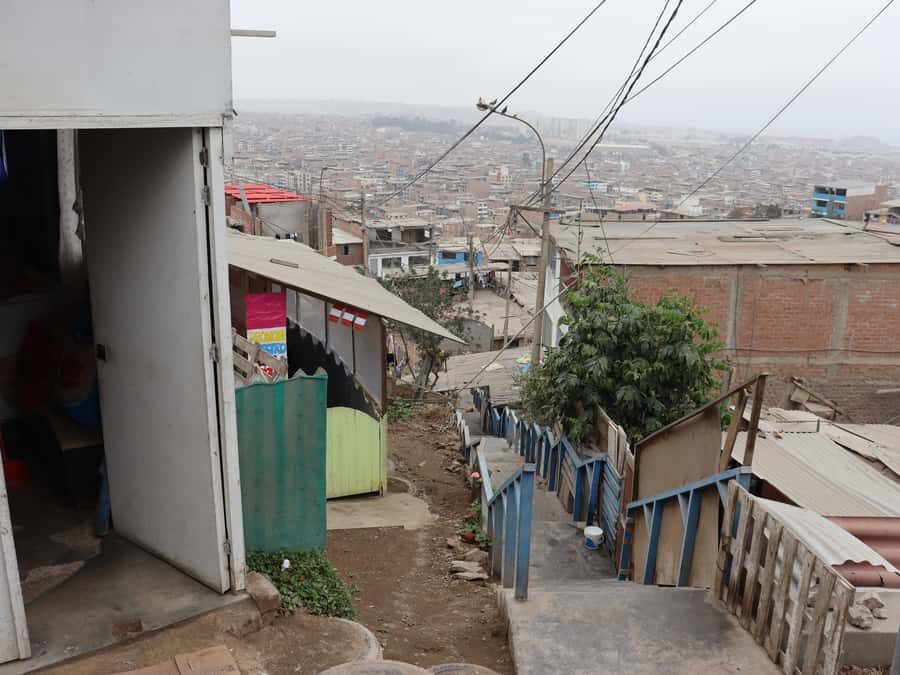
One of the most memorable stops is the yellow stairs, part of an urban project built to improve access to homes. If you’ve only seen hillside areas from roads far above, this is a real eye-opener: you can literally see how movement and infrastructure shape daily routines.
For you, that means a clearer understanding of what “development” looks like on the ground. It’s not only about buildings. It’s about whether people can reach home safely, whether routes are practical, and whether access gets better year by year.
Photo tip: you’ll likely want to capture the stairs from different angles as you move. The color helps your pictures pop, and it gives you a reference point for the scale of the hill and the neighborhood around it.
Panoramic views over Lima, the Lurín Valley, and the Pacific
Yes, there are big views. And not just one view—your guide builds in time for panoramic photos as you get closer to viewpoints.
You can take pictures across Lima, with the Valley of Lurín and the Pacific Ocean also on the visual menu (weather and visibility will affect how crisp the horizon looks). Even if you’re not a “view person,” these stops matter because they help you place the neighborhood in a wider geography.
Why it’s valuable: it breaks the mental map you might have from the city center. Instead of thinking of Lima as one flat grid of neighborhoods, you start to see how communities sit against hills and natural boundaries—how that shapes everything from housing to movement.






Homes, neighbors, and the chance to talk like a person
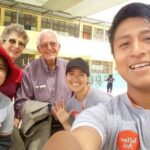
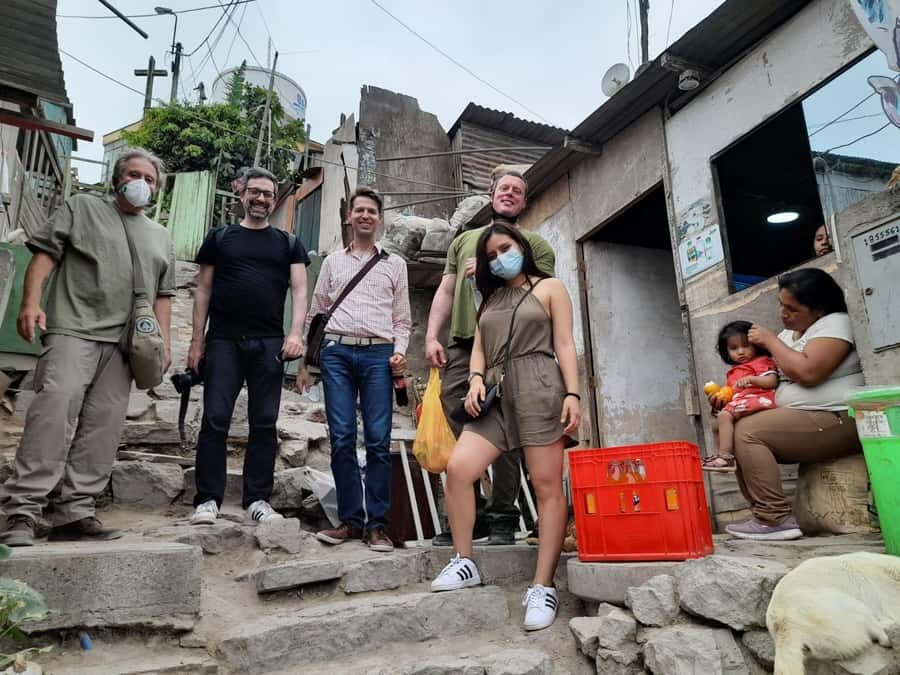
A major difference here is the emphasis on interaction. You’ll visit houses to meet neighbors, take pictures with residents in their traditional homes, and see children along the way.
This is the part I’d call “real-life learning.” You’re not collecting a checklist of sights. You’re learning the human side: what people do, what families care about, and how community life shows up in ordinary moments.
Of course, you should keep it respectful and low-pressure. If someone doesn’t want photos or conversation, it’s easy to shift to listening. Small group size helps here—when you’re with only a handful of people, you don’t crowd the moment.
Also, bring that passport or a copy: it’s listed as accepted, and you’ll want it handy.
Market stop and the community kitchen: how day-to-day needs get met
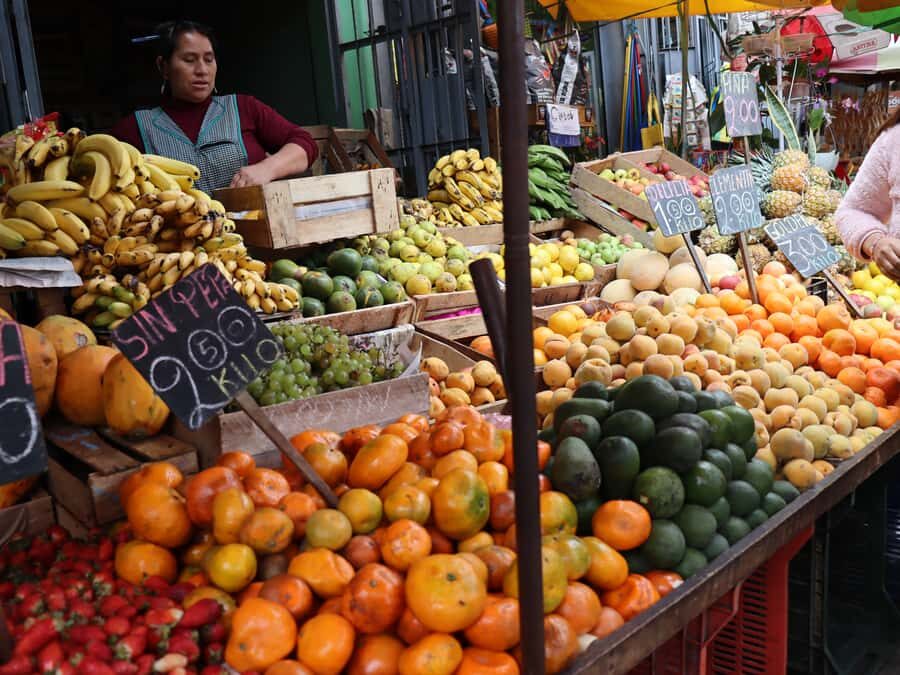
After the walking visits, the tour brings you to a local market to see basic products. It’s a practical look at what’s available in daily life—useful for understanding the neighborhood beyond the hillside views.
Then comes a standout stop: a community kitchen where people without resources get fed every day. This is one of those experiences that changes your perspective because it shows a service built around the community’s actual needs.
You should go in with the right expectations: food and drinks aren’t included on this tour. But that can be a good thing. You’ll have more freedom to focus on the experience itself, and you can choose what to eat later back in the city.
Kindergarten on weekdays, street play on weekends

School visits depend on the day. You can visit a kindergarten from Monday to Friday only. On weekends, you’ll get to know children while they’re playing in the streets.
Either way, you’re seeing how younger residents spend time and how community spaces support families. It’s also where the tour can feel emotionally meaningful, because you’re watching children in natural settings—not staged performances.
If you’re traveling with kids of your own, this is often one of the easiest moments to connect and learn about what life looks like for local families. If you’re sensitive to emotions, pace yourself here and give yourself a minute after to regroup.
Timing, walking pace, and what to bring for a 210-minute tour
This tour lasts about 210 minutes (3.5 hours). Most of that is the van transfers and the main walking block, plus time for visits and photos.
Because it’s a walking tour with stairs, pack for comfort. The essentials are simple and listed for a reason:
- comfortable clothes
- water
- hat, sunscreen, sunglasses
- passport (copy accepted)
And don’t underestimate the hill. Even if you’re a capable walker, you’ll be climbing and descending. If you’re unsure, test your footwear on uneven sidewalks before you go—grippy soles help.
Price and value: what $61 covers (and what it doesn’t)
At $61 per person, the tour isn’t trying to be the cheapest option in Lima. But it does include several things that usually cost extra if you do them solo: round-trip hotel transfers, a professional guide (English and Spanish), and logistics like tolls and parking.
Also, the small group size is part of the value. Up to 8 participants means the guide can slow down when someone has questions and can manage visits without turning it into a rush-through.
What’s not included is food and drinks. That’s normal for this kind of community tour. I think it’s reasonable because meals vary by day and setting, and it keeps the focus on what you’re there to see and understand.
Who this tour suits best (and who should skip it)
This tour is suitable for all ages, but only if you can handle stairs and the walking pace. It’s a great fit for people who want more than the standard city highlights and who like learning how communities evolve.
You’ll especially enjoy it if you:
- like learning from guides who explain the why behind places
- prefer human interactions over passive sightseeing
- want a different side of Lima that still feels grounded and respectful
You might want to skip it if you’re using a wheelchair or if stairs would be a problem. This is also not the best choice for anyone who wants a fully seated, low-movement experience.
Should you book the Villa El Salvador Shanty Town Tour?
If you want a Lima experience with real context—and you’re comfortable walking with stairs—this is worth booking. The strongest part for me is how the guides connect the neighborhood’s beginnings to what you see today, while still leaving room for genuine interaction with residents. Guides like Maverick and Leonardo (and in other cases Nataly) are praised for passion and for explaining how and why the community formed.
Book it if you like small-group tours and you’re curious about Lima beyond the usual postcard routes. Skip it if you’re not comfortable with stairs or if you want food included and zero walking time.
If you’re ready for a respectful, well-paced look at a community’s everyday reality, this one makes a smart, meaningful add-on to your Lima trip.
FAQ
Where does the tour pick you up?
Pickup is included from centrally located hotels in Miraflores, Barranco, and San Isidro.
How long is the tour?
The tour lasts about 210 minutes.
How long is the transfer to Villa El Salvador?
The van ride is about 45 minutes to reach Villa El Salvador.
How big is the group?
The group is small, limited to up to 8 participants.
What languages are the guides?
The guide provides live interpretation in English and Spanish.
Is food included?
No. Food and drinks are not included.
How much walking is involved?
You’ll have a guided visit and walking portion of about 70 minutes in Villa El Salvador, plus movement around stops.
Is it suitable for people who use wheelchairs?
No. It’s not suitable for wheelchair users.
Is there a school visit?
Yes. You can visit a kindergarten Monday to Friday only; on weekends, you’ll instead spend time with children playing in the streets.
What should I bring?
Bring sunscreen, sunglasses, a hat, comfortable clothes, water, and a passport (a copy is accepted).