REVIEW · LIMA
Half-Day Local Communities and Social Tour in Lima
Book on Viator →Operated by Alternative Peru · Bookable on Viator
This is Lima, off the tourist map. You get Andean burial traditions, real community projects, and a home-style lunch.
I love the human scale of this tour: you meet people face-to-face in San Juan de Miraflores, not just watch from a bus window. I also like the pairing of sights and support, starting at Cementerio de Nueva Esperanza and then moving into local social initiatives.
One heads-up: there’s some walking on uneven ground and a lot of sun. Bring good shoes and sun protection, and skip this if you have serious back or neck problems.
In This Review
- Key reasons this tour earns strong recommendations
- What you’re really signing up for in Lima
- Cementerio de Nueva Esperanza: Peru’s colorful burial traditions in the hills
- The drive and timing: why “half-day” can still feel full
- San Juan de Miraflores: meeting makers, families, and community leaders
- The lunch stop that people remember
- Where the tour turns from visiting to supporting
- Photography and respect: how to get great shots without being weird
- Price and value: what $182 covers in the real world
- What to bring (and what to skip)
- Who this Lima communities tour is best for
- A quick word on your guide
- Should you book this half-day Lima social tour?
- FAQ
- How long is the Half-Day Local Communities and Social Tour in Lima?
- What are the main stops on the tour?
- Is lunch included?
- Is this a private tour?
- Do we need to do walking during the tour?
- Is the tour recommended if I have serious back or neck problems?
- What happens if the tour is canceled due to poor weather or political situations?
Key reasons this tour earns strong recommendations
- Cementerio de Nueva Esperanza: color, views, and Andean burial traditions in the hills
- Bilingual guidance with local context: your Peru guide teams up with a community guide
- Home-cooked Peruvian lunch in a local house, not a generic restaurant stop
- Community projects get real support, tied to what you see during the visit
- Photography time with dramatic cemetery scenery and hilltop surroundings
What you’re really signing up for in Lima
A lot of Lima tours show you neat neighborhoods and polished viewpoints. This one aims for something different: it connects Lima’s “everyday” side to the people building community life under tough conditions.
It’s a private tour, about 5 to 6 hours, and it runs with hotel pickup and drop-off plus private transportation. That matters here, because travel time in Lima can be unpredictable, and you don’t want to rush through places where you’re meant to slow down and listen.
Also, this isn’t just sightseeing for spectacle. The day includes a contribution to the social project visited, so what you do is tied directly to what the community is working on.
Other shanty town and local community tours in Lima



Cementerio de Nueva Esperanza: Peru’s colorful burial traditions in the hills
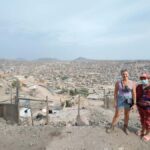
Your first stop is Cementerio de Nueva Esperanza. You drive for about 50 minutes, and then you step into what’s often described as the second-largest cemetery in the world. This cemetery isn’t flat and orderly. It sits amid hills and settlements, so it feels more like a living place than a distant final resting spot.
You’ll have about 30 minutes there, with the admission ticket included. Give yourself permission to wander with your eyes. The colors are striking, and the angles from the hills make it a natural spot for photos that look more artistic than touristy.
What makes this cemetery special is the blend of belief systems you’ll hear explained on-site. You may learn how Catholic symbols show up alongside practices linked to Andean spirituality. A lot of visitors walk away surprised by how people can honor the dead with both solemn rituals and everyday-life meaning.
Practical tip: bring your sunscreen and a hat before you get there. Even if the sky looks harmless, the sun in Lima can feel intense. Also, wear shoes you trust. This is a place where uneven ground isn’t a theoretical problem.
The drive and timing: why “half-day” can still feel full
This tour fits into about 5 to 6 hours, but that includes real city time. Lima traffic can stretch transfers, and the schedule can be affected by weather or local situations. That’s not a dealbreaker. It’s just how the city works.
If you’re trying to make a later dinner reservation or a flight connection, you’ll want a buffer. Lima can run late. The good news is the structure is simple: a cemetery stop, then a neighborhood visit with lunch and community time.
You’ll likely feel the tour’s pace shift after lunch, because community visits don’t move like attractions. You meet people, ask questions, and listen. That takes time, especially if your group wants deeper conversations.
San Juan de Miraflores: meeting makers, families, and community leaders
After the cemetery, you head to San Juan de Miraflores. This is where the tour becomes less about what you see and more about what you understand.
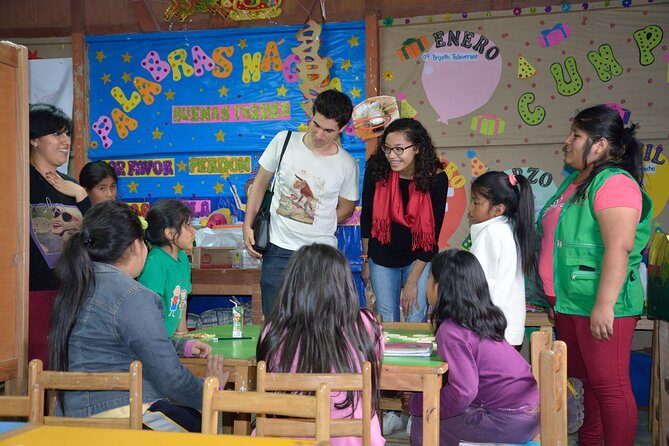
You’ll start by visiting a local woman who has started a small business and artisan workshop in her home. Expect a personal introduction, not a sales pitch. This is your first chance to see how daily life and work blend together in tight spaces, and how creativity can be a pathway to stability.
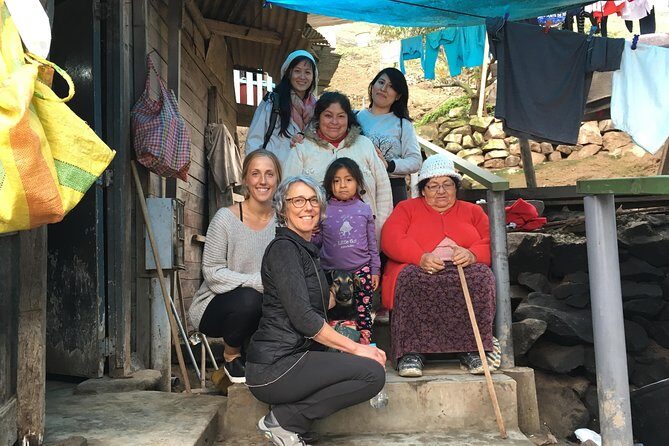
Then the tour continues with a bilingual guide setup. Your main guide pairs with a local guide who knows the neighborhood and can translate daily realities in a way that feels grounded. You’ll walk through the neighborhood with context, and you’ll get to meet several local families and community leaders.
Here’s what I think you’ll appreciate most: you don’t just get a list of challenges. You also learn what’s working. The tour focuses on social and environmental projects led by local entrepreneurs, plus community efforts that keep things moving even when resources are limited.
A note on daily conditions: you might notice things like crowded streets, lots of activity, and a way of life shaped by scarcity. One example you could hear about is water access. In some parts of Lima, water delivery can be infrequent and families may need to prove they live there to receive it. That kind of detail helps you understand why community projects matter so much.
The lunch stop that people remember
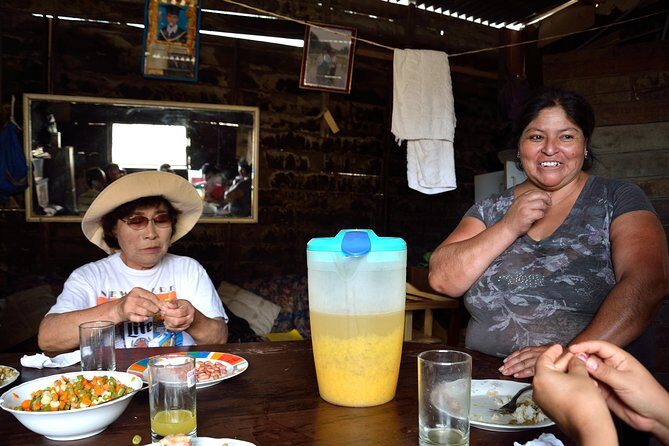
Lunch is the big emotional turning point of the day. You’ll go to the house of a local cook who prepares authentic Peruvian lunch for you.
This isn’t a buffet. It’s home-cooked, served in a family setting. And your local guide gives context, so lunch becomes part of the story rather than a mid-tour pause.
From what I’ve learned about how this experience is carried out, you may also hear about how food connects to community roles. One guest described the cook’s morning routine of preparing food for local kids and elders who can’t afford meals. Whether or not you hear that exact story, you’ll likely feel the same theme: food here is care, not just calories.
Food tip: the tour asks you to advise any specific restrictions at booking. If you have dietary limits, speak up early so the team can adjust.
A few more Lima tours and experiences worth a look



Where the tour turns from visiting to supporting
After lunch, you’ll get more than a tour of buildings. You’ll learn about the local project the visit supports, including what it does and why community leaders keep pushing it forward.
Depending on the day, you might be able to see kids participating in activities. That’s a big reason this kind of tour doesn’t feel like a one-way look. Kids show up, work happens, and you get a sense of momentum.
One thing I like about the way this tour is structured is that it keeps the focus on relationship and contribution. Your visit isn’t meant to turn people into a backdrop. It’s set up so you’re learning with the community, and your ticket includes a contribution to the social project being supported.
If you’re sensitive to the idea of charity tourism, this is a better fit than most. The goal isn’t pity. It’s understanding and support.
Photography and respect: how to get great shots without being weird
This tour gives you photo opportunities, especially at the cemetery. But the best results will come from approach, not from your camera.
At the cemetery, photography feels natural because the scenery is dramatic and the cemetery itself invites careful looking. In the neighborhood, think slower. Ask your guide first when you want to take photos near people’s homes or workshops. If someone’s sharing their life story, your photos should never interrupt.
Also, dress and behave like you’re visiting someone’s space. That means quiet attention, no sudden crowding, and a willingness to listen longer than you talk.
If you do it this way, you’ll end up with the kind of photos that tell a real story: hills, color, hands at work, and the ordinary scenes that make Lima feel human.
Price and value: what $182 covers in the real world
At $182 per person, this isn’t a budget bus tour. But it also isn’t just a ticket price for standing around.
Here’s what your money actually covers:
- Private transportation
- Hotel pickup and drop-off
- Local guide plus bilingual guidance
- Lunch
- Admission for the cemetery stop
- A contribution to the social project visited
In practical terms, you’re paying for time with people and for the logistics that make it possible. You’re not assembling your own ride, booking your own local guide, buying admission, and arranging lunch at home.
So the value question becomes: do you want a meaningful, guided, respectful day with support built into the experience? If yes, the price makes sense. If you only want quick photos and a short walk, you might feel it’s too much.
What to bring (and what to skip)
This is a half-day tour, but it still takes a good chunk of the day under the Peruvian sun. Even when it’s cloudy, the sun can be strong.
Bring:
- Sunscreen
- A hat
- A bottle of water
- Comfortable closed-toe shoes (no sandals)
Skip if you can’t handle:
- Some walking on uneven terrain
- Any serious back or neck issues (this tour isn’t recommended for those)
Also, be ready for the tour to move at neighborhood pace, which can feel slower than a standard attraction circuit.
Who this Lima communities tour is best for
This is a great match if you want:
- A social tour that connects what you see to real community initiatives
- A day with a guide who helps you ask better questions
- Time for a home-cooked Peruvian lunch
- A more personal look at life beyond Lima’s main tourist corridors
It may be less ideal if you’re:
- Looking for big scenic viewpoints only
- Uncomfortable with uneven paths and modest walking
- Sensitive to places that highlight hardship and daily constraints
Kids can enjoy it too, as long as they can handle walking and the sun. The tour is designed to be educational and human, not shocking for the sake of it. Still, check how your child handles heat and time on their feet.
A quick word on your guide
Your experience includes a guide and a local guide in the neighborhood. In past visits, Alfredo has been mentioned as a guide who brings both knowledge and easy humor, and who makes time for questions.
If you get a guide with that style, you’ll likely appreciate the balance: serious context, but not heavy-handed. The tour works best when you can talk with confidence, and good guidance helps that happen.
Should you book this half-day Lima social tour?
I’d book it if you want Lima to feel real in a way that stays respectful. The combination of Nueva Esperanza cemetery, a San Juan de Miraflores community visit, and lunch in a local home makes this more than a checkbox activity. Add the project support, and you get a day with purpose, not just scenery.
I’d pass if you’re hoping to avoid uneven walking, or if heat and sun logistics would be a struggle. Also skip if you need highly predictable accessibility, since the tour involves real terrain and neighborhood spaces.
If you’re the type who likes asking questions and you’re willing to slow down, this tour is the kind that can change how you see a city.
FAQ
How long is the Half-Day Local Communities and Social Tour in Lima?
It runs about 5 to 6 hours.
What are the main stops on the tour?
You’ll visit Cementerio de Nueva Esperanza first, then travel to San Juan de Miraflores for neighborhood visits and lunch.
Is lunch included?
Yes. You’ll eat an authentic Peruvian lunch prepared by a local cook.
Is this a private tour?
Yes. It’s private, meaning only your group participates.
Do we need to do walking during the tour?
There is some walking on uneven terrain, and it’s recommended to wear comfortable shoes or sneakers (no sandals).
Is the tour recommended if I have serious back or neck problems?
No. It’s not recommended for participants with medical conditions such as serious back or neck problems.
What happens if the tour is canceled due to poor weather or political situations?
The tour can be canceled or altered due to extremely poor weather, political situation, or other unexpected events. If canceled, you’ll be offered an alternative date or a full refund. Free cancellation is available up to 24 hours in advance for a full refund.