REVIEW · LIMA
Lima Private Tour | Stories & History through Streets & Monuments
Book on Viator →Bookable on Viator
Lima’s best stories are on foot. This 3-hour private tour weaves street life and monuments into clear explanations, ending at the Plaza Mayor area. You also get guided access to the Franciscan monastery and catacombs, plus a simple start at a meeting point that makes the whole thing feel low-stress.
I like two things a lot here. First, the tour includes entrance and guiding inside the Franciscan monastery and catacombs, so you’re not just looking at an old space in silence. Second, the route hits Lima’s most important “where you are” landmarks (squares and famous streets) so the city starts to make sense fast.
One consideration: catacombs aren’t everyone’s cup of tea. If you prefer only light, carefree sightseeing, the darker side of Lima’s past may feel like a lot—also, it is still a walking tour in the historic center.
In This Review
- Quick hits before you go
- A story-first way to see Lima’s center
- Plaza San Martín: the meeting point that keeps things simple
- Jirón de la Unión: Lima’s iconic aristocratic street
- La Merced church and convent: quick stop, big atmosphere
- Plaza de Armas (Plaza Mayor): where the big stories land
- Taulichusco monument: an Ishma reminder in stone
- La Casa de la Gastronomía Peruana: from mail and telegraph to food museum
- Franciscan monastery and catacombs: the included experience you shouldn’t skip
- Churro + bottled water: the small add-ons that make walking easier
- Price and logistics: what $89 buys you in real terms
- Where you end: Plaza Mayor as a smart finishing point
- Who this private Lima history tour suits best
- Should you book this Lima private tour?
- FAQ
- How long is the Lima private tour?
- What does the tour cost, and is it private?
- Where does the tour start and where does it end?
- What time does the tour begin?
- What’s included in the price?
- Is drop off included at the end of the tour?
- Is this tour suitable for everyone?
- Can I cancel for free?
Quick hits before you go
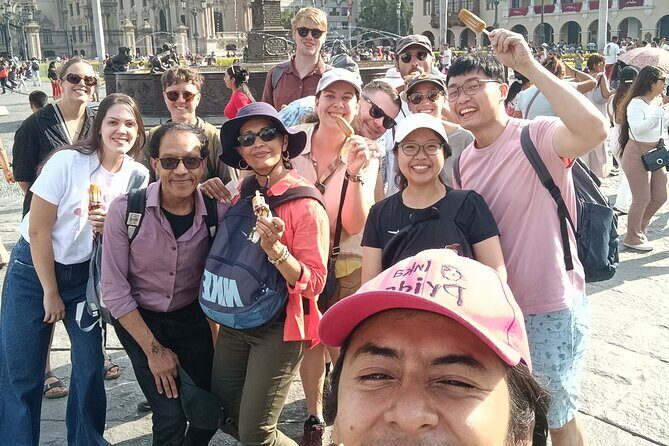
- Private group only: just your group, no crowd noise to fight
- Guided Franciscan monastery & catacombs: included entry plus context
- First stops are easy: Plaza San Martín is the smooth, no-confusion start
- Plaza Mayor gets the full story treatment: this is the anchor of the tour
- Short, smart stops: you cover a lot without a long day
- A real food bonus: bottled water plus the best churro in Peru (as part of the tour)
A story-first way to see Lima’s center
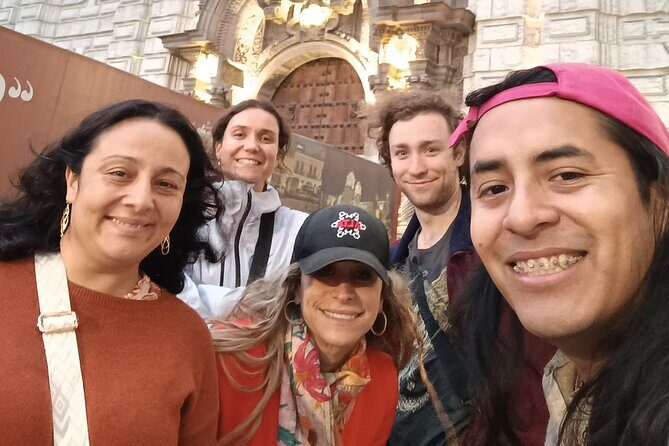
This tour is built for people who want history explained in plain language while they walk. Instead of hopping randomly between sights, it threads together key places that help you understand Lima as a living city, not just a list of photos.
The pacing is also worth appreciating. It’s only about 3 hours, and many stops are intentionally short. You’ll spend most of your time at the places that matter most (especially Plaza de Armas) and use the quick stops to build context.
If you care about how cultures layer over time—Inka-era memories, Spanish colonial power, and Lima’s later social life—this route gives you a guided path through it.
Other private tours in Lima


Plaza San Martín: the meeting point that keeps things simple
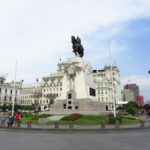
You start at Jr. Camaná 779 at 8:30 am, with Plaza San Martín as your main meeting spot. That sounds basic, but it matters in Lima’s historic center, where getting turned around can waste energy you’d rather spend learning.
From there, the tour moves toward the area where the city’s old “spine” begins: famous streets and major squares. The goal is to get you oriented early without spoiling the surprises ahead.
The time commitment here is small (around 20 minutes), which is exactly what you want from an early stop. It’s enough to set the scene, but not so much that the day feels front-loaded.
Jirón de la Unión: Lima’s iconic aristocratic street
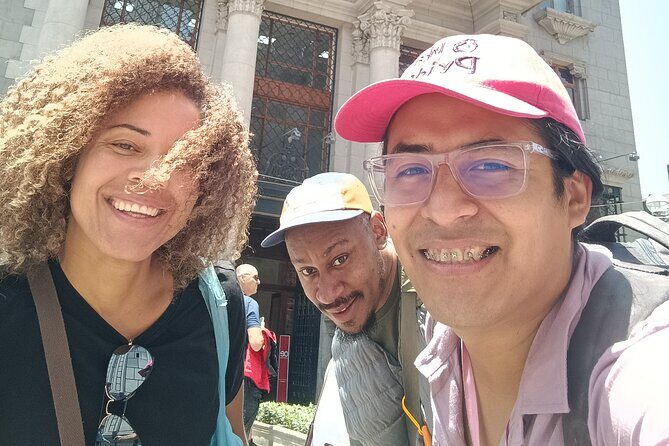
Next up is Jirón de la Unión, described as the most iconic street in all of Lima. The big idea is that this was once an aristocratic corridor tied to Spanish descendants—so you’re not just walking a pretty street. You’re walking through the shape of old social power.
This stop is brief (about 15 minutes), which is good for two reasons. One, you won’t get dragged through a long lecture before you even reach the main squares. Two, the street works as a quick “anchor,” letting your guide connect Lima’s architecture and layout to the stories behind them.
If you like urban details—street names with meaning, how power concentrates in certain blocks—this is an easy win. You’ll leave with a clearer sense of why certain areas became so important.
La Merced church and convent: quick stop, big atmosphere
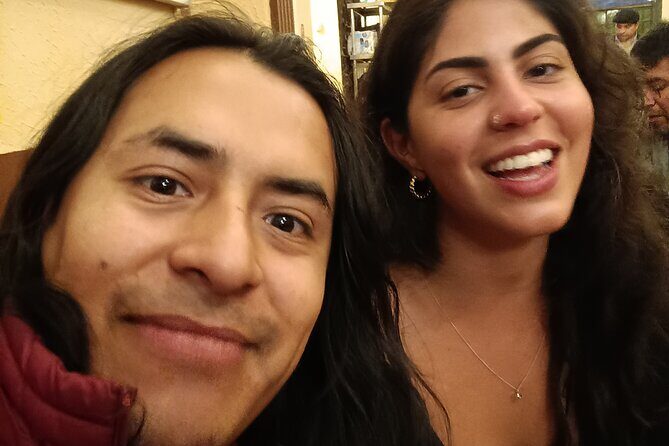
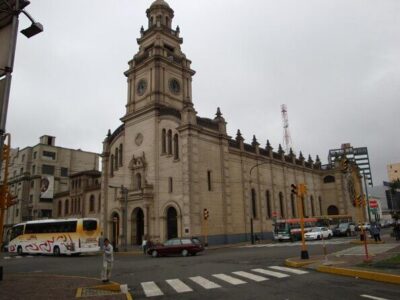
Then comes Iglesia y Convento La Merced, a must-do stop that lasts about 10 minutes. In a short tour, this is the kind of place that can either waste time or add atmosphere, depending on the explanation you get.
Here, the value is in the “hit and understand” approach. Even with limited time, a church or convent setting can quickly show you what Spanish-era Lima tried to do spiritually and socially—then your guide can connect that to what you’ll see next.
If you’re the type who hates standing around waiting for the next transfer, you’ll probably appreciate how compact this moment is.
Plaza de Armas (Plaza Mayor): where the big stories land
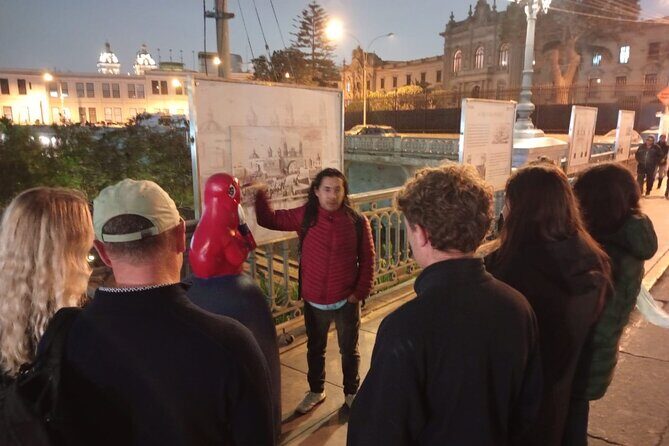
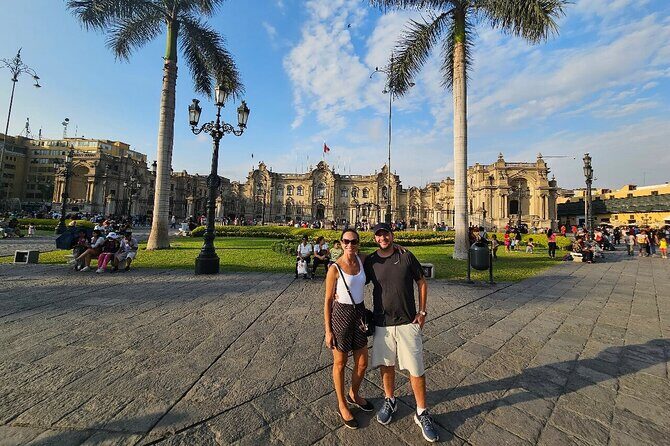
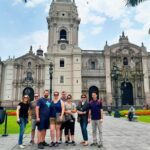
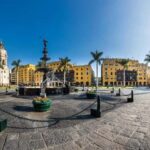
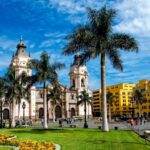
Now you reach the star of the tour: Plaza de Armas (Plaza Mayor), usually the main draw for most people. This is the kind of place where a single square can hold layers of politics, faith, and everyday life—so your guide spends about 40 minutes here.
This stop is where the tour’s storytelling payoff is strongest. It’s not just “look around.” It’s the anchor that helps everything else click: why the city’s center mattered, how power shifted, and how everyday Lima life grew around monumental space.
If you’ve ever visited a historic center and thought, I see the buildings, but I don’t get the meaning, this is the fix. Plaza Mayor is designed for interpretation, and the extra time lets that interpretation land.
Other historical tours in Lima


Taulichusco monument: an Ishma reminder in stone
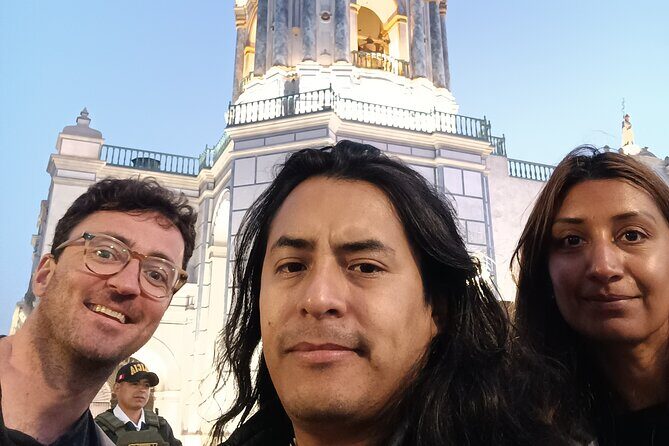
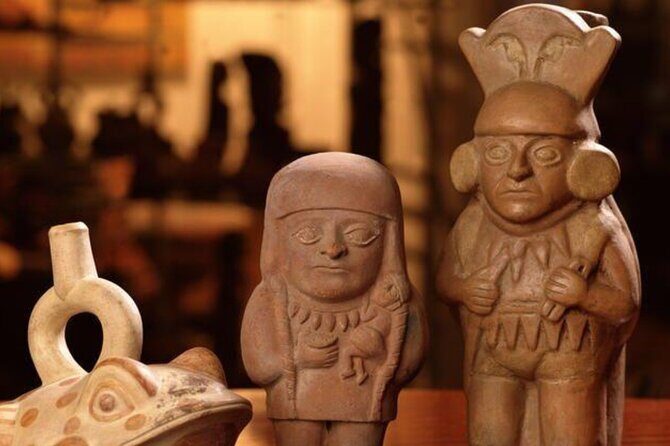
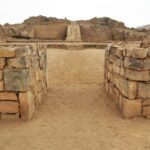
For a very short stop—about 5 minutes—the Taulichusco monument packs in a surprisingly specific message. It’s a stone reminder tied to the last pre-Inka ruler of the Ishma culture.
That matters because Lima’s story isn’t only Inka versus Spanish. It’s also about the earlier cultures whose traces still show up in present-day monuments. A quick stop like this is a smart way to widen your timeline without stretching the tour.
The best part of a small stop: it gives you a mental bookmark. Later, when you see other traces of older cultures in Peru, you’ll be able to place what you’re looking at more confidently.
La Casa de la Gastronomía Peruana: from mail and telegraph to food museum
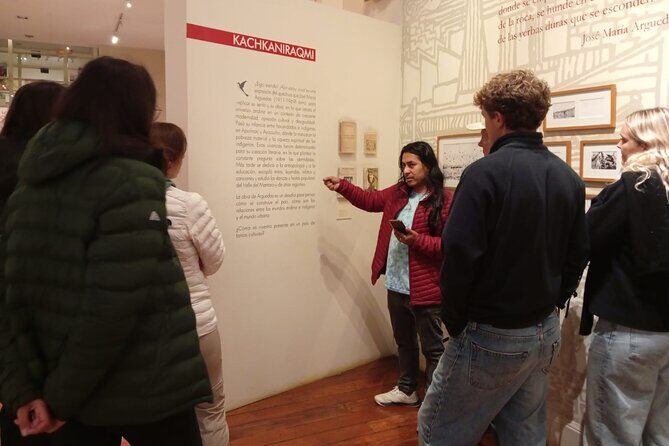
Next you’ll stop at La Casa de la Gastronomía Peruana, about 5 minutes. The neat context here is that the building used to serve as a space for mailing and telegraph, and later became a gastronomic museum.
So even though the tour is focused on streets and monuments, this stop adds a different kind of history: the history of communication and daily life. Food culture is tied to identity, and a place like this helps explain why cuisine isn’t just “something to eat.” It’s also a story of networks, trade, and community habits.
If you’re a food traveler, you’ll likely like how the tour keeps one foot in the present. Lima’s past doesn’t end with colonial walls—it keeps shaping what people do today.
Franciscan monastery and catacombs: the included experience you shouldn’t skip
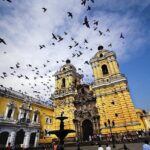
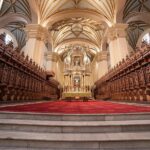
One of the most important parts of this tour is also the most distinctive: entrance plus guided time inside the Franciscan monastery and catacombs. This is included, which is a big value point because catacomb-style visits can require separate tickets and extra coordination elsewhere.
These spaces tend to be memorable for a reason: the guide’s job is to explain what you’re seeing, not just point at it. You’ll get context that turns the visit from “strange rooms” into a clearer understanding of how belief, burial practices, and power intersected in historic Lima.
Keep in mind the tour info flags it as not recommended for not open-minded people. That’s not a warning sign so much as a heads-up: expect darker atmosphere and more serious historical tone than a standard sightseeing loop.
If you can handle somber history, this is the part that most often justifies booking a guided tour instead of doing everything on your own.
Churro + bottled water: the small add-ons that make walking easier
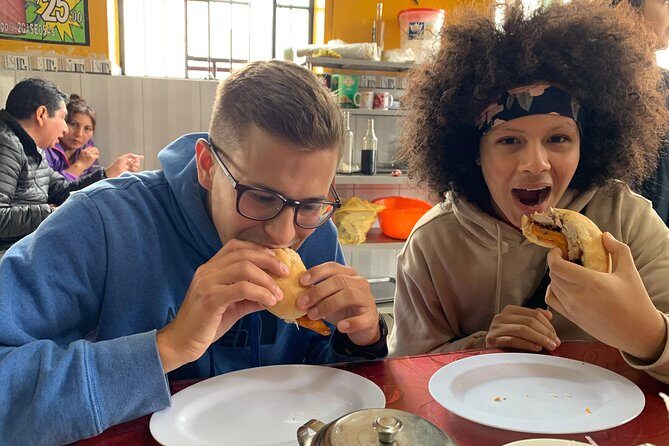
Included in the tour are bottled water and what the listing calls the best churro in Peru. It’s a small line item, but it has practical travel value.
Three hours on foot can add up, especially in warm weather or when you’ve already walked a museum earlier in the day. Water helps you stay patient and present. The churro stop also gives a friendly break that doesn’t feel like you’ve been pulled away for a random purchase.
And since the tour covers heavy topics (especially the monastery and catacombs), a familiar snack can help keep the mood balanced without canceling out the history.
Price and logistics: what $89 buys you in real terms
The price is $89 per person for about 3 hours, and it’s a private tour—only your group participates. You also get transportation for pick up, while drop off isn’t included.
For value, the key is that you’re not paying just for walking and directions. You’re paying for:
- a professional guide
- included entrance and guiding inside the monastery and catacombs
- pick up transportation
- the small refreshment touches (water and churro)
If you were to replicate this alone, the biggest headache would likely be the coordination: finding the right entry experience, navigating the historic center efficiently, and getting explanations that actually connect the stops.
The one logistics thing to plan: since drop off isn’t included, decide in advance how you’ll get from the ending point back to your hotel.
Where you end: Plaza Mayor as a smart finishing point
The tour ends at Plaza Mayor de Lima in the Lima 15001 area. That’s a strong finish because you’ll be in the heart of the historic center, where it’s usually easier to keep moving rather than being left at the edge of nowhere.
Also, the meeting and end points are clear in the tour info, and the start time is 8:30 am, which tends to be a good window for comfortable walking.
If you like building a “chain” of activities—tour, lunch, museum time afterward—finishing near Plaza Mayor makes it easier to stitch your day together.
Who this private Lima history tour suits best
This is a great fit if you want history that’s explained while you walk. It’s also ideal for people who like structure: you have a set route, a set timing rhythm, and the tour’s big centerpiece is clearly defined.
It’s also a good match if you’re picky about guides. The tour is led by a professional guide, and names that show up in guide feedback for Inka Pride Tours include Bruce and Amaru—both described as fun to spend time with and strong at sharing cultural and social context in clear English.
If you travel with someone who likes facts and someone who just wants stories, this kind of “monuments + street meaning” format usually lands for both.
And if you prefer only light sightseeing, the monastery and catacombs portion is the main reason to think twice. This tour leans serious where it counts.
Should you book this Lima private tour?
Book it if you want a short, efficient introduction to Lima’s historic center with guided interpretation, not just selfies. The included Franciscan monastery and catacombs are the real decision-maker here, and the rest of the route (Plaza San Martín, Jirón de la Unión, La Merced, and Plaza Mayor) supports that bigger theme.
Skip it or choose something else if you dislike dark historical sites or you’d rather spend your time on modern neighborhoods instead of old squares and colonial-era landmarks. Also consider how much walking you comfortably do in about 3 hours.
If you’re game for stories that go beyond the postcard version of Lima, this private tour is a solid way to get your bearings fast and still leave with real meaning.
FAQ
How long is the Lima private tour?
It lasts about 3 hours.
What does the tour cost, and is it private?
The price is $89.00 per person, and it’s a private tour, so only your group will participate.
Where does the tour start and where does it end?
It starts at Jr. Camaná 779, Lima 15001 (with the meeting spot at Plaza San Martín) and ends at Plaza Mayor de Lima, Lima 15001.
What time does the tour begin?
The start time is 8:30 am.
What’s included in the price?
Included are a professional tour guide, transportation for pick up, entrance plus guiding inside the Franciscan Monastery & Catacombs, bottled water, and the best churro in Peru.
Is drop off included at the end of the tour?
No. Transportation drop off is not included.
Is this tour suitable for everyone?
Most travelers can participate, but it’s not recommended for people who are not open-minded, since it includes the Franciscan monastery and catacombs.
Can I cancel for free?
Yes. You can cancel for free up to 24 hours in advance for a full refund.