REVIEW · LIMA
Pachacamac Archaeological site Guided Tour (Small Group)
Book on Viator →Operated by Lima Highlights Tours · Bookable on Viator
This ruins tour feels personal. A small-group visit to Pachacamac keeps things manageable, and the guide leads in English so you can actually ask questions. Guides like Jonathan or Martin also connect what you see to Lima, not just a list of dates.
The trade-off is that it is mostly mud-brick ruins in a desert setting. If you’re expecting lush gardens or lots of sculpture, set your expectations early and you’ll enjoy it more.
In This Review
- Key things to know before you go
- Pachacamac: The Coast’s Big Religious Hub Before the Incas
- Museo de Sitio y Santuario: What You’ll See and Why It Helps
- Walking the Pachacamac Archaeological Site: Adobe Temples and the Sun Pyramid
- Guides Who Explain More Than Ruins: Jonathan and Martin
- Price and What $55 Buys You in Real Terms
- Getting There Smoothly: Pickup Zones and the Limitation to Know
- Timing, Comfort, and How to Make Desert Ruins Feel Worth It
- Who Should Book This Pachacamac Tour (and Who Might Want Another Option)
- Should You Book This Guided Pachacamac Small-Group Tour?
- FAQ
- How long is the Pachacamac Archaeological Site Guided Tour?
- What is the price per person?
- Is the tour offered in English?
- Is museum admission included?
- Do I get pickup from the airport or Callao port?
- Can I cancel for a full refund?
Key things to know before you go
- Small-group size (max 14) means the pace stays human and questions are welcome.
- Museo de Sitio y Santuario gets about two hours, with artifacts like pottery and textiles.
- Sun Temple views: you’ll see why the Incas built major pyramids for the Sun.
- Pickup only in key Lima areas: Miraflores, Barranco, San Isidro, and Lima Center.
- Admission is included (so you do not need to sort out tickets on arrival).
- English + mobile ticket keeps planning simple.
Pachacamac: The Coast’s Big Religious Hub Before the Incas
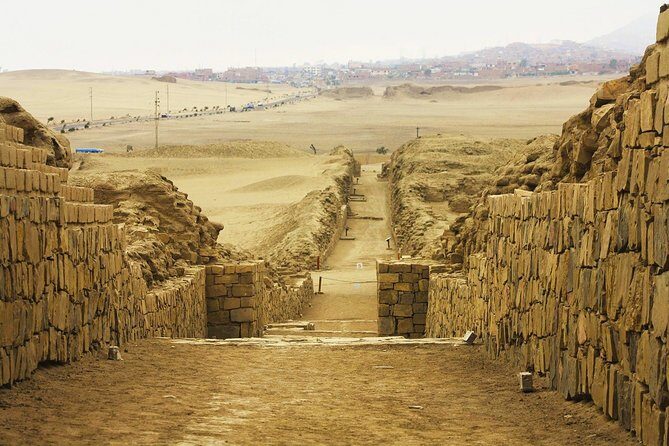
Pachacamac is one of those places where Peru’s layers show up fast. Long before the Incas took over, this coast-side area was already a major religious center. As the site developed, multiple civilizations built temples and structures over time, with activity reaching back to around 200 A.D.
What makes this stop so compelling is the mix of cultures you can literally see in the architecture. You’re not just looking at one era. You’re looking at a place that kept getting added to, rebuilt, and re-used because people kept believing in it.
On this guided experience, you’ll get help reading the ruins. That matters here. From ground level, a lot can look like walls and platforms. With the right explanation, those adobe forms turn into clues: who built, what they worshipped, and how the Incas later shaped the site, including pyramids dedicated to the Sun.
I also like that the tour is not only about the archaeology bubble. The guides you might have (Jonathan or Martin) are able to put Pachacamac in a broader Lima context. That helps you leave with a sense of place, not just an out-and-back to a desert site.
Other Pachacamac and pre-Inca ruins tours in Lima


Museo de Sitio y Santuario: What You’ll See and Why It Helps
The tour starts at the Museo de Sitio y Santuario Arqueologico de Pachacamac, and I think that’s the smart move. The museum gives your brain a set of reference points before you walk among the temples and platforms outside.
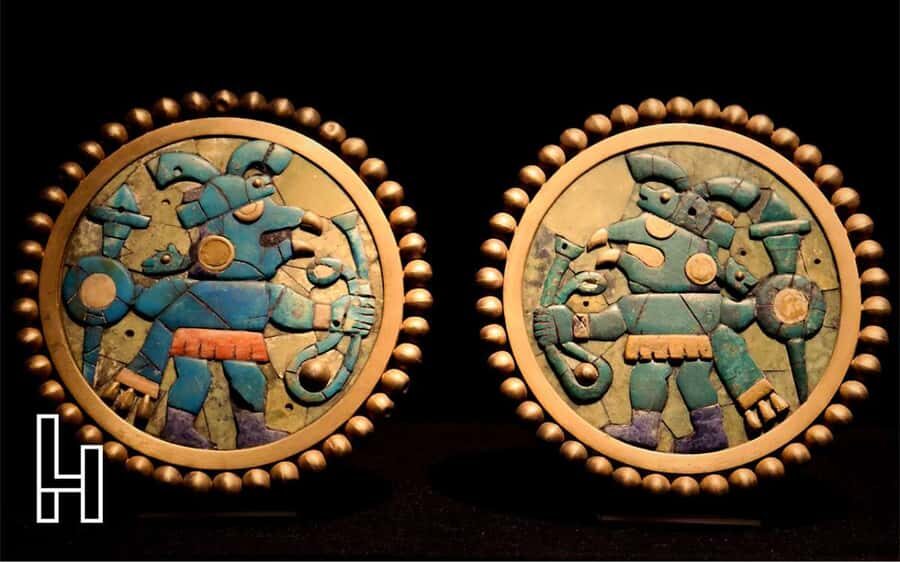
You’ll spend about two hours here, and the museum focuses on the real objects dug up from the area. Expect an impressive display of artifacts, including pottery and textiles, plus other items recovered during excavations. Even if you’re not a hardcore collector type, these pieces are the fastest way to understand daily life and ritual culture at Pachacamac.
Here’s the practical benefit: once you’ve seen what people made and used, the site stops being just geometry in the sand. You start spotting patterns in what the civilizations valued. The museum also helps connect worship to materials—what you hold, wear, and place during ceremonies—so the outdoor structures make more sense.
One review mentioned the museum’s excellent collection of original craft pieces. That lines up with the museum’s purpose: it’s not just display cases. It’s the bridge between what the ruins suggest and what artifacts confirm.
Walking the Pachacamac Archaeological Site: Adobe Temples and the Sun Pyramid
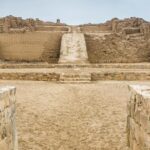
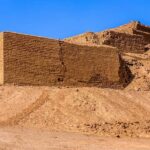
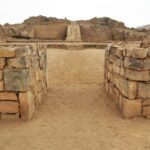
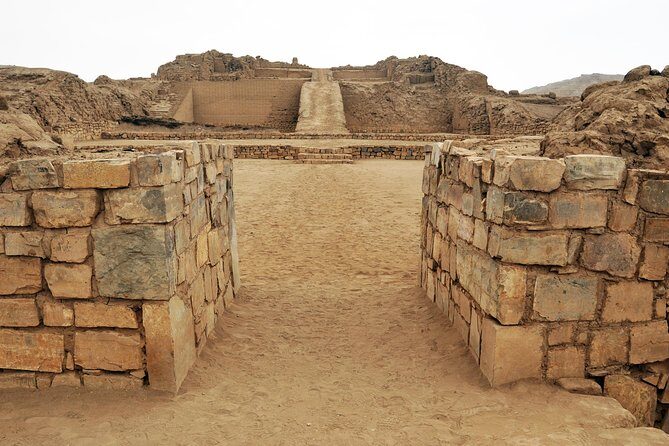
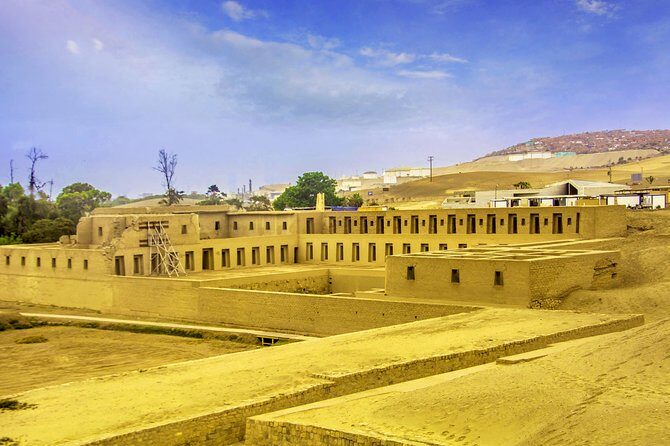
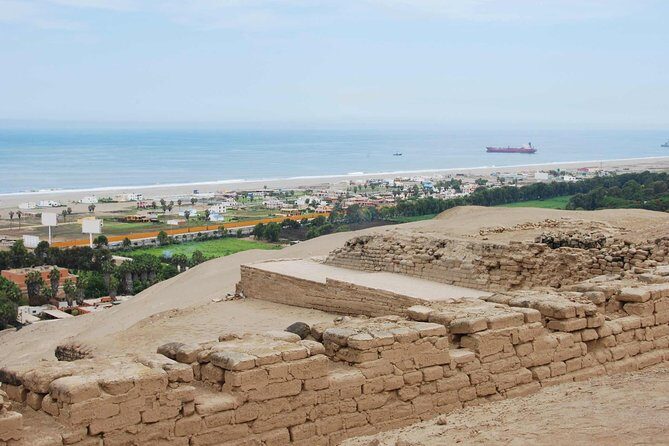
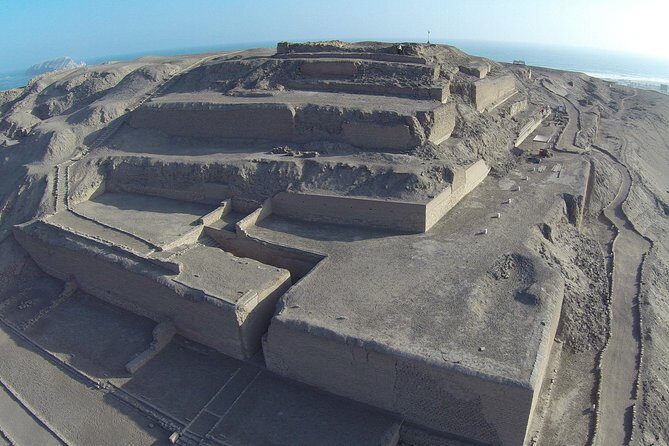
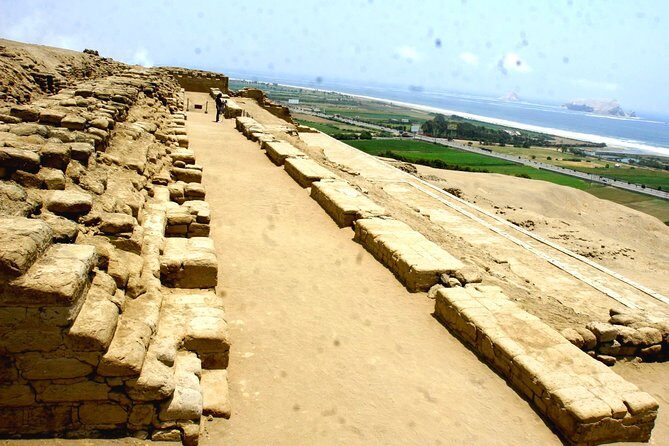
After the museum, you’ll shift to the archaeological grounds. This is where Pachacamac earns its reputation as a powerful place. The complex includes extraordinary temples and structures, many made from adobe walls and mud-brick building techniques. Those materials look humble, but they’ve lasted, which is part of the story.
A key highlight is the temple of the Sun area. You’ll see the larger pyramids associated with the Incas, built later and dedicated to Sun worship. This is also the moment when you often get a sense of scale—how the Incas organized the site to emphasize religious authority.
One review specifically called out the Temple of the Sun with beautiful views of the Pacific Ocean. Even if weather changes how dramatic the view feels, it’s still a helpful cue. You’re standing in a place where the sky and the sea matter, which fits the whole Sun theme better than a lecture in a classroom ever could.
That said, I want you to know the visual vibe in advance. The site is a walk through ruins—some walls, platforms, and desert-adjacent spaces. You don’t come here for marble statues or a theme-park flow. You come to read history with your feet, one temple line at a time.
Guides Who Explain More Than Ruins: Jonathan and Martin
The guide is where this tour can feel like a private lesson. One review described the experience as super knowledgeable and professional, and that matches the general expectation for a small-group guided visit at an archaeology site.
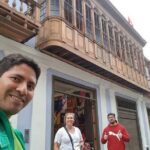
Two names came up in the feedback: Jonathan and Martin. Jonathan was noted for knowing the site and Lima in general, which is exactly what you want. Pachacamac sits just outside the city, but it belongs to Peru’s broader story. When your guide ties it back to Lima, you get a cleaner understanding of how coast life and empire life connect.
Martin is even more specific: one review said he worked at the museum for six years. That kind of time usually shows in the way facts are delivered. You’re not just hearing what something is. You’re hearing why researchers care, what was found, and how it changes your reading of the ruins.
If you want a tour where the guide actively points things out—how building methods show up, how rituals shaped space, how the Incas reworked older sacred areas—this is the right format. With a maximum of 14 travelers, you’re less likely to get stuck in a silent line.
Price and What $55 Buys You in Real Terms
At $55 per person, this tour is priced for a day that’s actually worth your time. The big value lever is that the museum admission is included. That’s not a tiny detail. It reduces friction and lets the museum portion stay focused on learning rather than paperwork.
You’re also paying for a guided structure that compresses a lot of learning into 3 hours 30 minutes (approx.). With guided time, you’re not wandering the museum wondering what to look at first. You get a plan: museum for about two hours, then time at the site itself.
And there’s another value layer: pickup is included, but only from certain areas of Lima. If you’re already staying in Miraflores, Barranco, San Isidro, or Lima Center, you avoid the hassle of finding transport for a semi-outside-the-city day trip. For many visitors, that alone can make the tour feel like a bargain compared with piecing together a bus or taxi plan.
One more small bonus: the tour offers group discounts. If you’re traveling with friends or family, it may help lower the per-person cost.
Other guided tours in Lima





Getting There Smoothly: Pickup Zones and the Limitation to Know
Here’s the logistics truth you should plan around. Pickup and drop-off are only included from Miraflores, Barranco, San Isidro, or Lima Center. If you’re staying outside those areas, the operator will provide a meeting point in Miraflores to start the tour.
There’s no pickup/drop-off included for the airport or the Port area around Callao. So if you’re arriving by flight or cruising and you’re hoping to roll straight into the tour, you’ll need a separate plan to get yourself to the Miraflores starting area.
Pickup timing can matter because the tour length is tight—about 3.5 hours. The tour is also in English, and it uses a mobile ticket, so you’ll want your phone ready for check-in.
If you book last minute or need any change, contact the operator after your reservation so they can be notified on time. That’s a small step that can prevent confusion when the driver is coordinating routes for multiple pickups.
Timing, Comfort, and How to Make Desert Ruins Feel Worth It
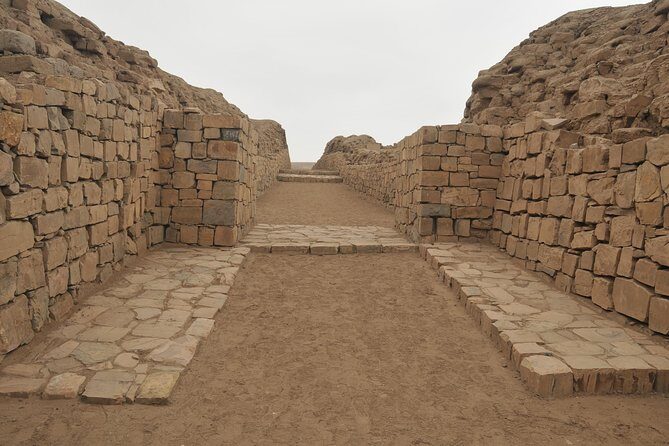
This is a midday-style walking experience near Lima. You’ll be outdoors at Pachacamac, and even when the site is fascinating, the setting can feel dusty and open.
So I’d plan with comfort in mind. Wear shoes that can handle uneven, dry surfaces. Bring sun protection because you’ll be exposed during the walking portion. Also, have a water plan, since you are out for about half a day.
The tour runs for around 3 hours 30 minutes, with about two of those hours at the museum. That means you get a chance to sit, cool down a bit, and refuel your attention with indoor learning before heading back outside.
Small group format helps here too. When there are fewer people, the guide can slow down if you’re taking photos or asking questions, instead of hurrying you along as if you’re a line at an amusement park.
Finally, focus your expectations. The best way to enjoy Pachacamac is to treat it like a guided reading of space and belief. You’re learning how sacred areas were organized, how communities came back, and how the Inca period reshaped earlier temples for Sun worship.
Who Should Book This Pachacamac Tour (and Who Might Want Another Option)
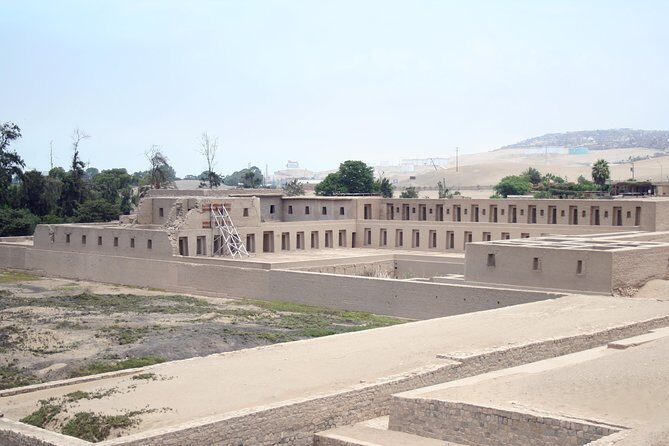
This is best for you if you like history and archaeology and you want a guided framework. The museum plus ruins pairing is ideal if you enjoy turning objects and structures into stories.
It’s also a good fit if you want a guide who can answer the softer questions: Why did people build here? What changed when the Incas arrived? How does this connect to Lima today? The mention of Jonathan and Martin is a clue that the guides aim to explain the site in human terms, not just academic ones.
You might want to think twice if your travel style is all about picture-perfect scenery. One caution from the experience was that Pachacamac can feel like grey piles of rocks in the desert if you’re not in the mood for archaeology. It’s not a weakness of the site. It’s just the visual reality.
For most people who enjoy learning, the setting becomes part of the attraction. For people who want comfort-food sightseeing—something polished and instantly scenic—this may feel like homework. Choose based on your mood.
Should You Book This Guided Pachacamac Small-Group Tour?
If you want an organized, English-led visit to Pachacamac that combines museum artifacts with an on-site walk, I’d book this. The included museum admission, small group size (max 14), and pickup from key Lima neighborhoods add up to real convenience. At $55, it feels like solid value for a half-day focused on one of the coast’s most important sacred complexes.
I’d especially recommend it if you’ll appreciate details like adobe and mud-brick construction, how multiple cultures built over time, and why the Incas devoted major pyramids to the Sun. If that kind of learning sounds fun, you’ll likely leave thinking about what you saw long after you’re back in Lima.
On the other hand, if you’re more into scenic lounging than interpreting ruins, you may enjoy Pachacamac more on a lighter, self-paced schedule. But if you’re the type who likes a guide to help you read the site, this is a smart plan.
FAQ
How long is the Pachacamac Archaeological Site Guided Tour?
It’s approximately 3 hours 30 minutes.
What is the price per person?
The price is $55.00 per person.
Is the tour offered in English?
Yes, it’s offered in English.
Is museum admission included?
Yes. The museum ticket is included.
Do I get pickup from the airport or Callao port?
No. Pickup/drop-off is only included from Miraflores, Barranco, San Isidro, or Lima Center, and there is no airport or Port (Callao) pickup.
Can I cancel for a full refund?
Yes. You can cancel for a full refund up to 24 hours in advance.