REVIEW · LIMA
Pachacamac’s Inca Lima Sanctuary Tour Including Museum
Book on Viator →Operated by CHASKY XPEDITION · Bookable on Viator
Mud-brick temples on the edge of Lima. This small-group Pachacamac tour pairs museum time with a guided walk through the adobe ceremonial center, including key buildings tied to the oracle of Pachacamac. I especially like the included admission plus the tight focus on one major site, so you don’t waste half your day figuring things out. One thing to plan for: you’ll be walking around an archaeological complex, so moderate fitness and good shoes help.
Hotel pickup makes this easy to fit into a Lima visit. You’ll ride in an air-conditioned vehicle, get snacks, and come back to your hotel after about 3 hours 30 minutes. English is offered, and the group is kept to a maximum of 7 people, which usually means more room for questions.
In This Review
- Key things I’d prioritize before you go
- Pachacamac’s adobe complex and why it still draws pilgrims
- Hotel pickup and the 31 km ride south: getting there without stress
- Museum first: your orientation in the Museo de Sitio y Santuario
- Walking the ceremonial center: temples, palaces, and the oracle’s world
- The guide experience: why small groups pay off
- Timing, pacing, and what the 2 hours on site really means
- Price and value: what $49.90 buys you in real terms
- Who this Pachacamac tour fits best (and who should reconsider)
- Should you book this Pachacamac museum-and-sanctuary tour?
- FAQ
- Where is this tour located?
- How long is the Pachacamac tour?
- How much does the tour cost?
- Is hotel pickup and drop-off included?
- What language is the tour offered in?
- What size is the group?
- Is admission included?
- Is there a vehicle for transport?
- Does the tour include snacks?
- Can I cancel for free?
Key things I’d prioritize before you go
- Max 7 people: enough space to hear your guide and still feel like more than a photo stop.
- Museum + site in one block: you get orientation before walking the temples.
- Hotel pickup in Barranco, Miraflores, San Isidro: less hassle, more time on the ground.
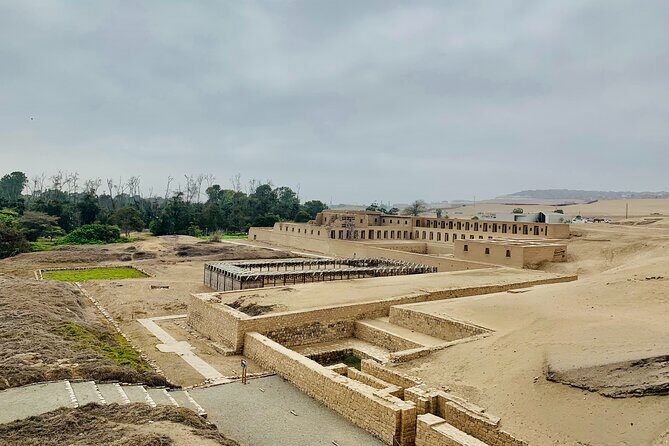
- Adobe ceremonial architecture: you’ll see multiple temple and palace areas built of mud bricks.
- Oracle of Pachacamac context: this wasn’t just scenery, it was a pilgrimage and consultation hub.
Pachacamac’s adobe complex and why it still draws pilgrims
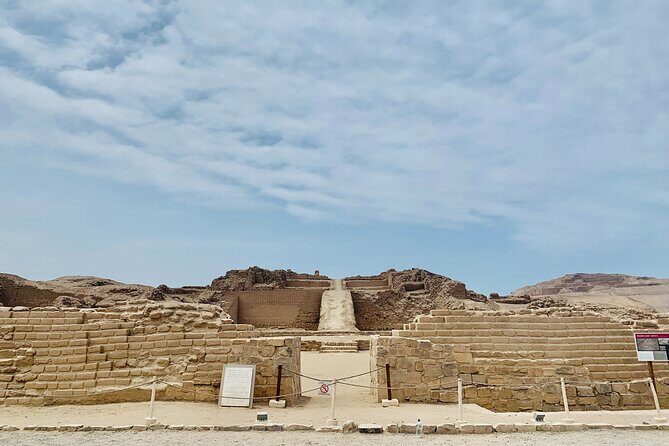
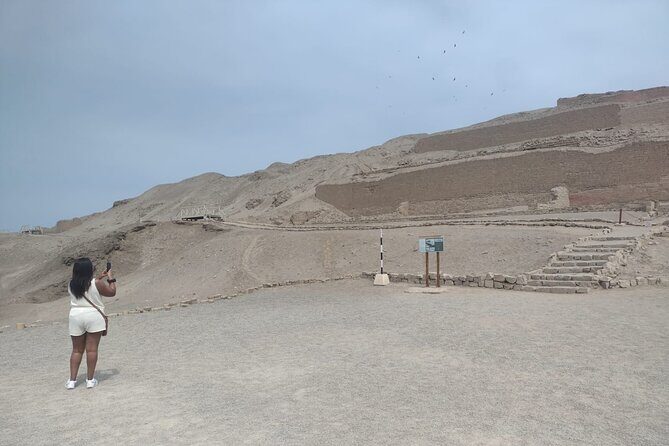
Pachacamac is the kind of place that rewards slowing down, even if your schedule won’t allow a long visit. This sacred ceremonial center sits south of Lima and was important for pilgrims who came for ritual worship and to consult the oracle tied to Pachacamac. The site is described as part of a Mystic Axis of the World concept, which gives you a clue about how people once understood sacred geography, not just buildings.
What I like most is the way this tour is built around meaning, not just dates. You’re not only looking at stone ruins. You’re learning how the complex worked as a pilgrimage destination, including why the oracle earned such attention and why the “Lord of the World” title mattered to visitors.
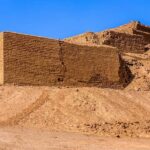
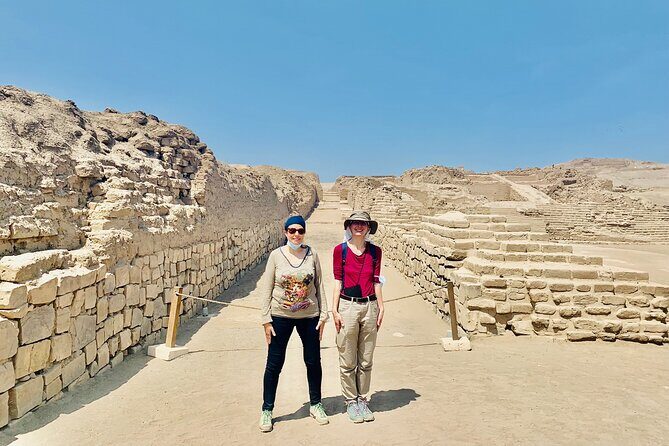
And since the main structures are made of adobe (mud bricks), you’re seeing how people built major sacred spaces using the materials available to them. That’s not a small detail. Adobe architecture can look fragile, but it also tells a whole story about daily life, construction skills, and what communities valued enough to invest in.
Other Pachacamac and pre-Inca ruins tours in Lima

Hotel pickup and the 31 km ride south: getting there without stress
This tour starts with hotel pickup, which is a big deal in Lima traffic. You board a vehicle driven by your driver, and then your expert local guide takes the lead on the story as you head south about 31 kilometers (19 miles) to Pachacamac.
That drive time matters. With a set departure and an air-conditioned vehicle, you’re not guessing whether you’ll find transport, bargain your way through it, or lose track of timing. Instead, you’re already in “tour mode” when you arrive, which helps you absorb more once you’re at the site.
Your pickup and drop-off are listed for hotels in Barranco, Miraflores, and San Isidro. If you’re staying outside the pickup radius, you can let the operator know and they’ll work out an option and solution.
Museum first: your orientation in the Museo de Sitio y Santuario
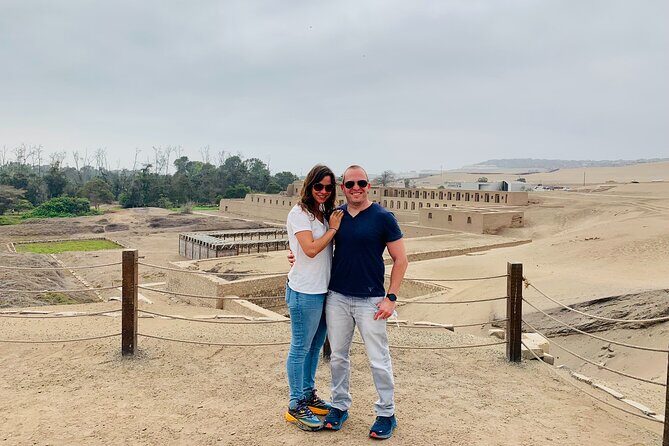
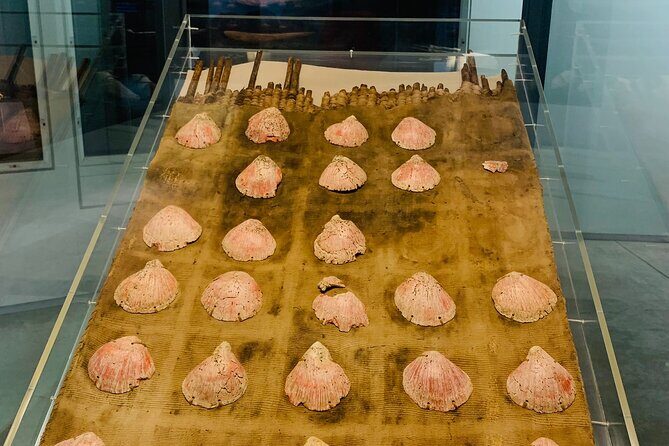
Your main stop is the Museo de Sitio y Santuario Arqueologico de Pachacamac, and this is a smart way to structure the visit. Even when a site is visually impressive, it can be hard to understand what you’re seeing without a quick framework.
A site museum like this typically helps you get your bearings—what parts of the complex are most important, how the ceremonial spaces relate to pilgrimage, and what you should pay attention to as you move from area to area. Here, that orientation sets you up for the guided walk where you’ll hear how Pachacamac became a major pre-Hispanic ceremonial center on the Pacific Coast of America.
Then the tour turns from explanation to walking. You’ll get out and explore with your guide, so the museum information can connect directly to buildings and features you can actually point at.
Walking the ceremonial center: temples, palaces, and the oracle’s world
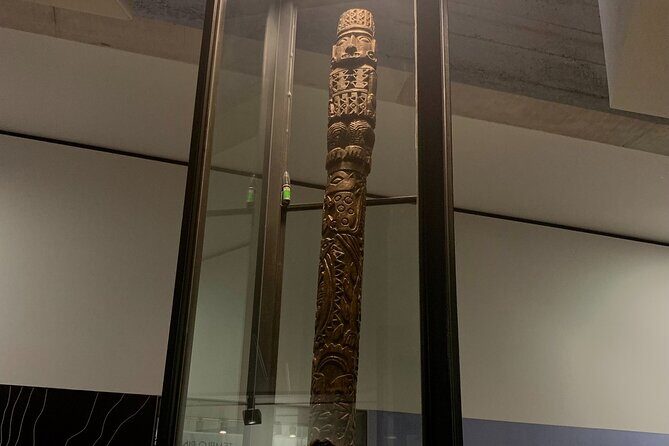
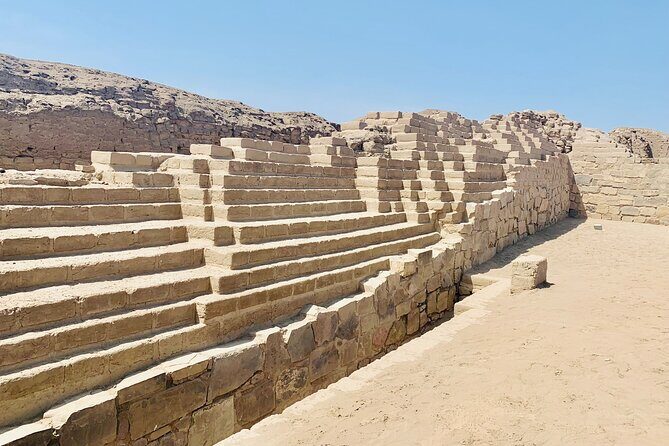
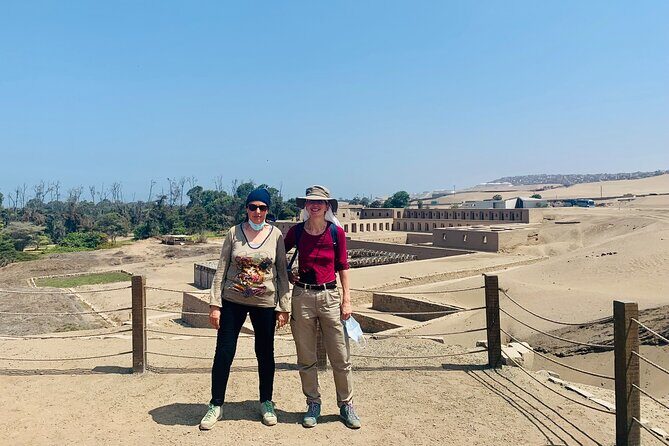
Most of the value on this experience comes from the guided walk through the core adobe areas. Your tour includes time to walk around the archaeological site with your guide and learn what each major building area was for and why it mattered for pilgrims.
Here are the standout places you’ll see as you move through the complex:
Adobito’s Temple
The name itself signals the adobe construction theme. As you look at this kind of structure, it’s easier to understand why mud brick wasn’t just a local building method—it was part of how sacred architecture was made.
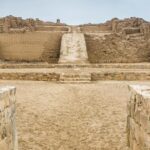
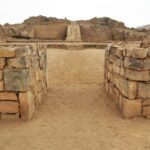
Templo with ramp
Ramps matter because they suggest how people moved through ritual space. Even if you don’t know the technical term, you can usually tell these were planned pathways rather than random access.
Taurichumbi Palace and Pachacamac Palace
Palace spaces usually mean administration, ceremony, or elite activity. On this tour, you’re not just reading labels—you’re hearing how these areas fit into the bigger story of Pachacamac as a pilgrimage and consultation hub.
Temple of the Sun
You’ll see a major sun-related ceremonial space. In sacred complexes, solar associations tend to point to how communities connected celestial meaning to political and religious authority. Your guide can help connect the dots in plain language.
Pilgrims Square
This is the place that makes the site feel less like a museum and more like a destination. If you’ve ever visited a religious complex while it was active, you know how gathering areas shape the whole experience. This square is your clue that Pachacamac was built for crowds of visitors coming to participate.
Acllahuasi
This is another key area tied to ritual life. Even without extra details, the presence of a dedicated space like this tells you the complex was organized, not improvised.
Throughout the walk, the tour frames Pachacamac as the place where pilgrims worshiped and consulted the oracle of Pachacamac—the “Lord of the World.” That single theme helps everything connect. You can look at each structure and think, okay, this wasn’t built just to impress. It was built to support the flow of people, ceremony, and belief.
The guide experience: why small groups pay off
This tour caps the group at 7 travelers, which changes how the visit feels. When the group is small, you spend more time asking questions and less time waiting for everyone to catch up.
There’s also a strong emphasis on a professional guide with local expertise. One name that came up for high praise is Felipe, noted for being especially personable and full of knowledge. Even if your guide isn’t the same person, the key takeaway is the standard they aim for: clear explanations, good pacing, and enough personality to make the story stick.
Practical tip: if you want the most out of it, pick one or two things you care about—oracle practices, adobe building, or how pilgrimage worked—and use that as your focus as you walk. Your guide can usually steer you to the best features for that interest.
Other museum experiences in Lima



Timing, pacing, and what the 2 hours on site really means
The site portion is listed as 2 hours, with the overall tour running about 3 hours 30 minutes. That means you’re not doing a rushed sprint through ruins, but it’s also not a slow, all-day ramble.
For you, the pacing should feel balanced:
- You get picked up, travel south, and arrive ready.
- You spend a solid block walking and learning.
- You’re back at your hotel afterward.
This setup is ideal if you have limited time in Lima or you’d rather spend your energy on one major stop than juggle multiple half-sites.
The only real consideration is physical effort. The tour notes moderate physical fitness and “most travelers can participate.” Archaeological sites tend to involve uneven ground and steady walking, so if you know you tire quickly on your feet, plan accordingly. Good footwear is the biggest win.
Price and value: what $49.90 buys you in real terms
At $49.90 per person, the price looks simple on paper. The value is in what you’re getting without extra adds.
This ticket includes:
- A professional guide
- Hotel pickup and drop-off (for hotels in Barranco, Miraflores, San Isidro)
- Small groups (max 7)
- Admission to the Pachacamac museum and archaeological site
- Air-conditioned vehicle
- Snacks
Here’s the practical way to think about it: you’re paying for three things—transport time, guiding, and site entry. If you’ve ever tried to do an archaeology day on your own, you know the hidden costs show up fast: transport planning, entry fees, and paying attention to the right details without a guide.
So for many people, $49.90 is less about the sticker number and more about buying back your time and mental energy. You show up, get taught, and get out with a clearer story of what you saw.
There’s also mention of group discounts. If you’re traveling with friends or family, ask about how that works when you book.
Who this Pachacamac tour fits best (and who should reconsider)
This is a strong match if you want:
- A focused visit to one major ceremonial site
- A guided walk through specific adobe features and names (not just general photos)
- A schedule-friendly tour that lasts about 3.5 hours
- English support and a small group setting
It’s also a good choice if you’re staying in areas like Barranco, Miraflores, or San Isidro and you prefer hotel pickup over figuring out transport.
You might consider a different option if:
- You don’t want to walk around an archaeological complex at all
- You’re hoping for a very long, slow exploration (this one is built around a 2-hour site experience)
- You want a lot of free time to wander without guide direction
Should you book this Pachacamac museum-and-sanctuary tour?
If your goal is to understand Pachacamac instead of just photographing it, I’d book this. The structure is sensible: museum orientation, then a guided walk through the adobe temples, palaces, square, and the Acllahuasi area, all tied to the pilgrimage-and-oracle theme.
It’s also easy on logistics thanks to pickup, air-conditioned transport, admission included, and snacks, with a small-group cap that keeps the experience personal. And with a 5/5 rating and 100% recommendation based on 11 high marks, you’re not taking a big gamble on quality.
My only pushback is the walking. If you’re fine with a moderate amount of time on your feet and bring comfortable shoes, this is a smart way to spend a half-day outside Lima with real context.
FAQ
Where is this tour located?
It’s in Lima, Peru, with transport provided from selected hotel areas.
How long is the Pachacamac tour?
The duration is about 3 hours 30 minutes.
How much does the tour cost?
The price is $49.90 per person.
Is hotel pickup and drop-off included?
Yes. Hotel or apartment pickup and drop-off is included for hotels in Barranco, Miraflores, and San Isidro.
What language is the tour offered in?
The tour is offered in English.
What size is the group?
The tour has a maximum of 7 travelers.
Is admission included?
Yes. Entry/Admission to the Pachacamac Museum and archaeological site is included.
Is there a vehicle for transport?
Yes. You’ll travel in an air-conditioned vehicle with your driver.
Does the tour include snacks?
Yes. Snacks are included.
Can I cancel for free?
Yes. You can cancel up to 24 hours in advance for a full refund.