REVIEW · LIMA
Private Cooking + Market with Maido’s Former Creative Chef (+trasportation)
Book on Viator →Operated by Peruvian Cooking Classes · Bookable on Viator
Huaca Pucllana gives you a great Lima kickoff. This private cooking + market experience pairs Maido’s former creative chef with hands-on Peruvian food, starting in Miraflores and ending with what you cooked. I like that you learn by doing, not just watching, and I especially love the focus on Pisco Sour technique and flavors you can actually repeat at home. The one thing to consider is timing and weather: the experience asks for good conditions, and it runs about 5 hours.
What really makes it interesting is the mix of craft and comfort. You’ll go from market picks to a 3-course Peruvian meal at the chef’s home, plus fruit tasting and follow-along video tutorials. If you’re sensitive to spice, pay attention during any fresh-chili moments, since that’s part of real cooking in Peru.
In This Review
- Key highlights worth your attention
- Huaca Pucllana and Miraflores: a handy place to start
- Why Chef Hector Aguilar changes the class
- Market shopping: the ingredient education you can taste later
- The Pisco Sour lesson you’ll actually reuse
- Building a 3-course Peruvian meal from scratch
- Eating what you made: the sit-down payoff
- Private, chef-led format: control, attention, and comfort
- Transportation and the 5-hour rhythm
- Price and value: what $100 buys you in real terms
- What to do before you go so it goes smoothly
- Who this tour fits best
- Should you book Private Cooking + Market with Maido’s Former Creative Chef?
- FAQ
- Where does the experience start and end?
- How long is the cooking class?
- Is this a private experience?
- What will I learn to make?
- What is included at the end of the class?
- What happens if the weather is bad?
Key highlights worth your attention
- Chef Hector Aguilar (Maido former creative chef): top-level teaching in a small, private setting
- Market + cooking under guidance: you’ll learn how ingredients drive the menu
- Pisco Sour skills: build the national drink at home, not just sip it
- 3-course Peruvian meal: a real lunch or dinner after the work is done
- Fruit tasting + recipe e-book: take the flavors home with video tutorials
Huaca Pucllana and Miraflores: a handy place to start
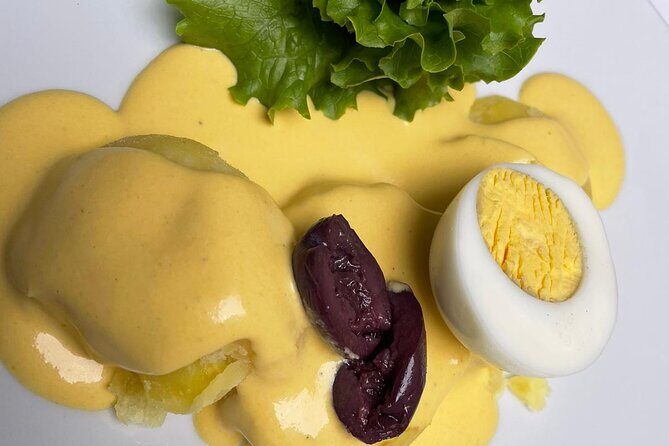
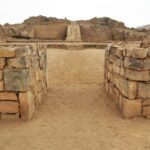
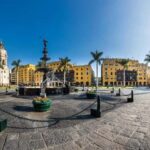
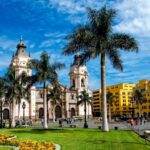
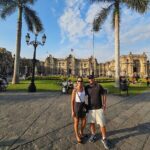
Your experience starts in Miraflores, at Ca. Gral. Borgoño 742, and one of the first stops is Huaca Pucllana. That matters because it places you in one of the most practical areas for visitors. Miraflores is where you can find good transit links, easy taxis, and plenty of food nearby, so you’re not scrambling just to meet on time.
Also, Huaca Pucllana is a nice mental reset at the start of a food-focused day. Lima can feel like a lot all at once, and having an early landmark helps you get oriented. If you’re the type who likes knowing where you are, this is a small detail that improves the whole experience.
You should plan to arrive a bit early. The activity ends back at the meeting point, which makes the day feel contained and simple.
Other private tours in Lima


Why Chef Hector Aguilar changes the class
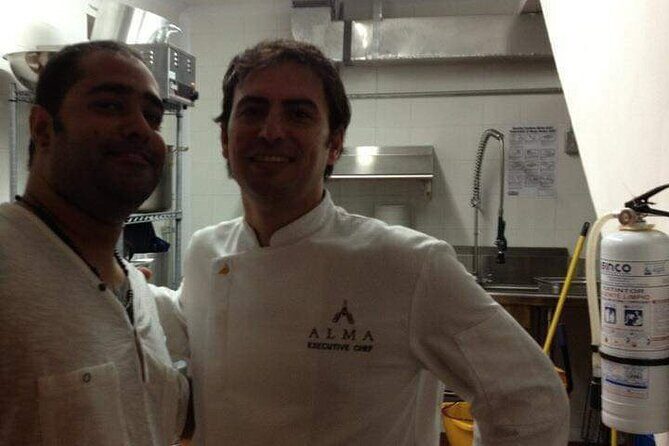
This isn’t just a cooking workshop; you’re learning from Chef Hector Aguilar, described as Maido’s former creative chef. The pitch is not subtle: Maido is listed as the best restaurant in South America for 2024 and 5th in the world, and the experience leans on that reputation for serious technique.
What you’re paying for here is the quality of guidance. When a chef with that level of background teaches, you tend to get clearer explanations about timing, texture, and seasoning, not just a list of steps. The class also feels more personal than a standard group tour because it’s private and you’re learning inside the rhythm of a working culinary mind.
The reviews also point to the teaching style: Hector shares stories and takes you beyond recipes. That matters because you remember food better when it connects to context—why a method exists, what to watch for, and how to adjust when something doesn’t behave like the video.
Market shopping: the ingredient education you can taste later
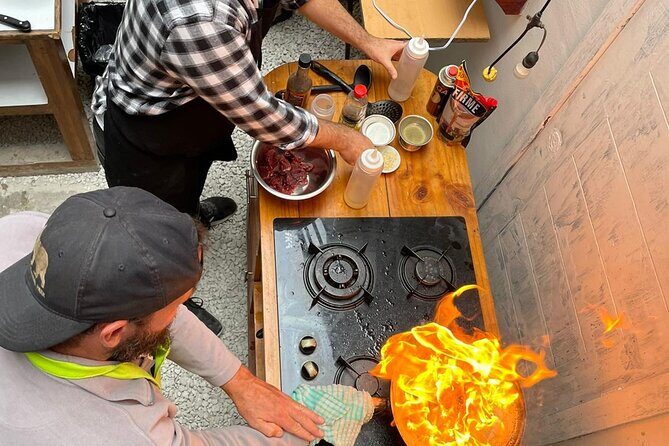
You’ll do a market component as part of the day, with transportation included as part of the experience. I like this approach because it turns the class into an ingredient story. Instead of only learning what to cook, you learn what to look for and how choices affect flavor.
This is especially valuable for Peruvian staples. In many cuisines, you can get away with substitutions. In Peru, the balance of citrus, aromatics, and how certain ingredients are handled really matters. A market-focused start helps you understand those differences, so when you cook later at home, you’re not guessing.
Your group also gets practical attention since it’s private. If you’re confused about an ingredient or you have a dietary request, the format is designed to handle that better than a crowded public class.
The Pisco Sour lesson you’ll actually reuse
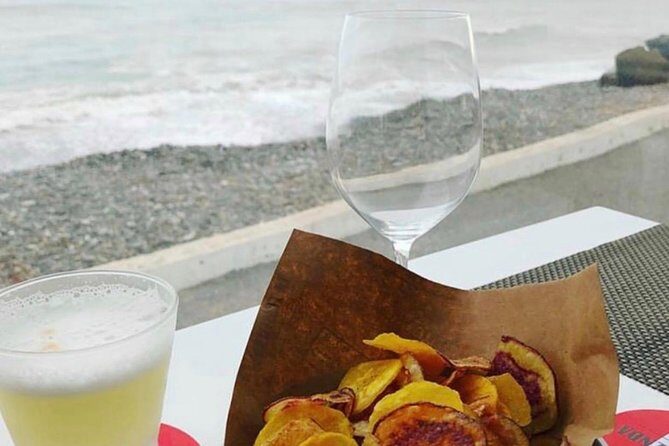
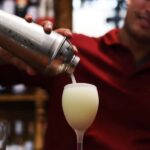
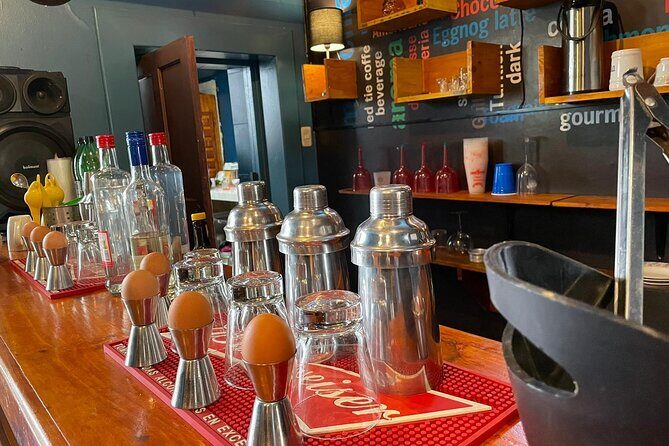
The tour is built around learning your own Pisco Sour, Peru’s national drink. This is not just a tasting moment; it’s a lesson, and you’ll make it yourself. The teaching goal is clear: you should be able to recreate it later, not simply recall how it tasted.
What makes this especially useful is that Pisco Sour is technique-driven. You don’t just need ingredients; you need to build the right balance and texture. In the same day, you’ll also enjoy fruit tasting, and the drink theme continues there with fruit-forward variations. One review highlights maracuya sour as a favorite, which tells you the fruit pairing isn’t an afterthought.
If you’re a cocktail person, this is the kind of class where you leave with a real skill. If you’re not, it’s still a big win because Pisco Sour is a signature Peruvian flavor you’ll keep seeing on menus, and now you’ll understand what you’re ordering.
Building a 3-course Peruvian meal from scratch
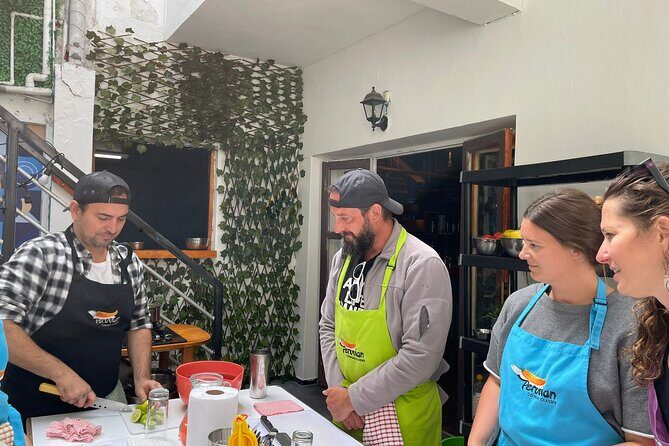
The core of the experience is preparing a 3-course meal of Peruvian delicacies at the home of a former Michelin star chef. You’ll work through one of four menus (each menu includes 5 dishes), and your exact menu choice is organized once you complete your reservation—so you’re not locked into one “generic” cooking class route.
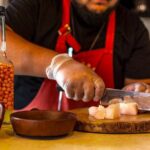
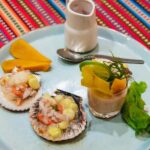
A key detail for food lovers: the class includes guidance on making authentic ceviche. That’s a big deal because ceviche is not hard in theory, but it’s easy to get wrong if you don’t respect timing and ingredient behavior. Learning it here gives you a reference point for what good ceviche actually should taste like.
You should expect a full arc: starter or appetizer energy, main-course focus, then a finishing course. The day is structured so you cook and then eat your results at the end, which makes the work feel rewarding rather than exhausting.
Also, since the menu is drawn from a set of options, you get flexibility. If you have preferences, it’s worth communicating them before the class so the team can match you to a menu you’ll enjoy.
Other shopping tours in Lima
Eating what you made: the sit-down payoff
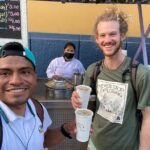
After cooking, you’ll enjoy an amazing lunch or dinner followed by fruit tasting. This is one of the best parts of the experience, because it turns a learning day into an actual meal experience. You don’t need to guess whether you did well; you get to taste the finished results with guidance in the background.
Sitting down also makes it easier to enjoy Lima’s flavors without rushing. Cooking classes can sometimes turn into a long line of tasks followed by a quick snack. Here, the meal is positioned as the natural end point—something you should savor.
You’ll also receive a souvenir recipe e-book and video tutorials. That’s not a “nice to have” if you actually cook. It’s the difference between tasting great food once and being able to repeat it later.
Private, chef-led format: control, attention, and comfort
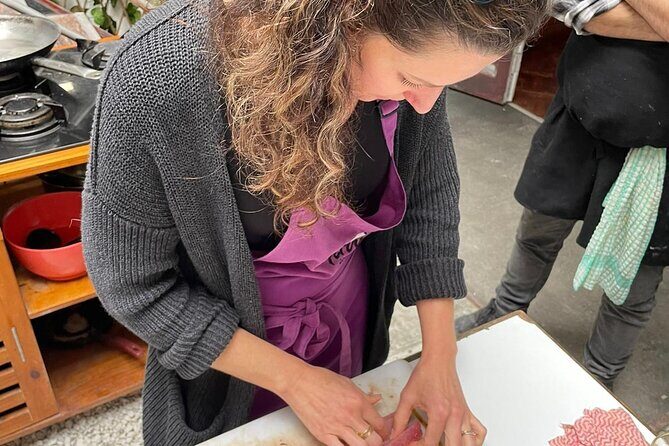
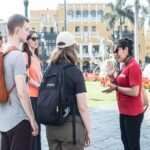
This is a private tour/activity, so only your group participates. That matters more than it sounds. In cooking classes, learning improves when you can ask questions without feeling rushed, and you’re less likely to get ignored if something goes off script.
The reviews back that up with strong satisfaction around Hector’s teaching. One review describes the day as trying lots of Peruvian food and Pisco Sours, with plenty of anecdotes and a fun atmosphere. Another review praises how the class knowledge carried into the rest of the trip—suddenly restaurant dishes made more sense because you’d learned the logic behind them.
There’s also room for tailored needs. The experience notes that any request can be catered if you inform them prior to the class and if it fits availability. If you have a dietary limitation or a preference, don’t wait until the last minute to mention it. The earlier you communicate, the better your odds.
Transportation and the 5-hour rhythm
The experience includes transportation, and it starts and ends back at the meeting point in Miraflores. That reduces the “day friction” that can ruin cooking classes. When you don’t have to manage logistics, you can focus on learning and enjoying your meal.
The duration is about 5 hours. That’s long enough to do shopping, cook multiple dishes, and still sit down for lunch or dinner. It’s also short enough that you’ll likely still have energy for the rest of your Lima day afterward.
One practical note: the experience requires good weather. If conditions are poor, the class may be canceled with an alternate date or a full refund. When you’re planning your trip, avoid scheduling too many outdoor activities on the same day.
Price and value: what $100 buys you in real terms
At $100 per person for roughly 5 hours, this is not the cheapest way to eat in Lima. But you’re paying for four things that usually cost more when handled separately.
First, you’re getting a market component plus a chef-led class in a private format. That level of access is hard to replicate on your own.
Second, you’re making a 3-course meal and getting the drink lesson that goes with it. Between the ingredients, the chef time, and the fact that you eat what you cook, the value isn’t only in the “activities,” it’s in the final meal payoff.
Third, you’re leaving with practical tools: a recipe e-book and video tutorials. If you cook at home even a little, this is where the price starts to feel reasonable. It’s like paying for a learning package you can revisit, not just paying for a single day of entertainment.
Finally, the chef pedigree matters. Hector is described as Maido’s former creative chef, which signals a teaching approach built on refinement and clarity. That’s the difference between a fun cooking demo and a class that actually upgrades your skills.
What to do before you go so it goes smoothly
To get the most out of the day, treat it like a practical workshop.
- Wear comfortable shoes and plan to move a bit during the market and cooking portions.
- Be ready to work with real ingredients, including aromatics that can be intense. One review mentions a fresh-chili mishap when someone touched her face, and she handled it with warm chamomile tea before returning to enjoy the class. The lesson is simple: keep an eye on your hands and tell the instructor if anything happens.
- If you have dietary requests, communicate them before your class. The experience says requests can be catered if informed prior and subject to availability.
- If you want a particular menu style, ask for what you prefer early in the process. Your menu is organized once you complete your reservation, and you’ll want that choice to match your tastes.
If you come hungry and curious, this one flows well. You’ll likely leave with a new appreciation for why Peruvian cooking tastes so balanced.
Who this tour fits best
This experience fits best if you want more than a casual cooking class.
You’ll love it if you:
- want a hands-on Peru food lesson, not a lecture
- care about learning technique for Pisco Sour and classic dishes like ceviche
- prefer private instruction over joining a large group
- enjoy turning a trip memory into something you can recreate at home
You might choose something else if you want a very short activity, or if you need a strict schedule with no weather-sensitive elements.
Should you book Private Cooking + Market with Maido’s Former Creative Chef?
If you’re on the fence, I’d book it if your goal is real skill plus a satisfying meal. The chef-led teaching, the market-to-menu flow, and the fact that you make your own Pisco Sour and then sit down to eat all of it make this feel like a complete experience rather than a quick taste tour.
Also, it’s a smart pick for your first days in Lima. When you learn the logic behind flavors, you’ll understand more when you visit restaurants afterward.
One last check: because the experience requires good weather, pick a day that has flexibility in your itinerary. If you can do that, this is the kind of culinary day that leaves you with both full stomach and better instincts for ordering and cooking Peru’s food at home.
FAQ
Where does the experience start and end?
It starts at Ca. Gral. Borgoño 742, Miraflores 15074, Peru, and it ends back at the same meeting point.
How long is the cooking class?
The duration is about 5 hours (approx.).
Is this a private experience?
Yes. It’s a private tour/activity, and only your group participates.
What will I learn to make?
You’ll prepare a 3-course Peruvian meal and learn how to make your own Pisco Sour. The class is based on one of the four available menus of 5 dishes, organized after you reserve.
What is included at the end of the class?
You’ll enjoy lunch or dinner, followed by a fruit tasting. You’ll also receive video tutorials and a recipe e-book.
What happens if the weather is bad?
The experience requires good weather. If it’s canceled due to poor weather, you’ll be offered a different date or a full refund.