REVIEW · LIMA
Private Tour Terrorism in Perú, the unknown history
Book on Viator →Operated by Peru Best Price travel agency & Tour Operator · Bookable on Viator
A bombing site in Lima can change how you see the city. This private tour connects the scary 1980s-era terrorism period with the places Lima still remembers, using clear English guidance and built-in museum context.
I like the structure: short, focused stops where you get a story, then time to take it in. I also like that it stays practical—pickup and drop-off in several Lima neighborhoods, plus an English-speaking guide so you are not stuck guessing.
One consideration: parts of what you see are tied to a deeply emotional topic, and the LUM museum is mainly presented in Spanish, so the value of having a strong English guide is huge.
In This Review
- Key points you’ll care about
- Why this Lima terrorism history tour feels different
- Price and what you actually get for about $45.13
- Stop 1: Miraflores Tarata Street and the 1980s bombing site
- Stop 2: Chorrillos Cross for views and the darker story
- Stop 3: LUM Museum for memory, tolerance, and inclusion
- How the timing and transport work in a 3–4 hour private format
- The guide makes (or breaks) this kind of tour
- Who should book this tour—and who might not love it
- Tips to get the most out of it
- Should you book this tour?
- FAQ
- Where does pickup happen?
- Can you pick us up from the airport or cruise port?
- How long is the tour?
- Is it a private tour?
- What language will the guide speak?
- Which stops are included?
- Is admission included for the LUM Museum?
- Do you provide a mobile ticket?
- What are the operating hours?
- How does cancellation work, especially with weather?
Key points you’ll care about
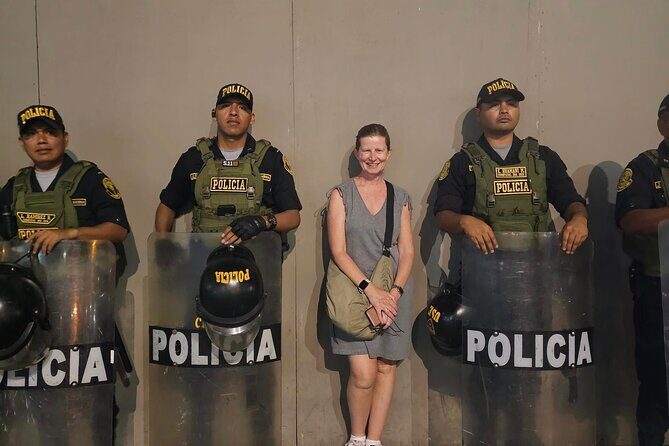
- Private just for your group: no crowd pressure, no rushing with strangers.
- English-speaking guide: especially important at LUM Museum where exhibits are mainly in Spanish.
- Museum admission included: for the LUM stop, you do not have to handle ticket hassle.
- Tarata Street + Chorrillos Cross viewpoints: you get history and photos with city context.
- Pickup from many districts: including Miraflores, San Isidro, Barranco, and more, plus airport/cruise options.
- Good weather matters: the tour requires it, so plan with some flexibility.
Why this Lima terrorism history tour feels different
Lima can look like a normal big city until you learn how recent fear shaped daily life. This experience is not just a sightseeing loop. It is built around three specific places that help you understand how terror landed in public spaces—and how Peru responded afterward.
The best part is the private format. You get to move at your group’s pace, ask questions, and stay longer on the details that hit you hardest. When the topic is heavy, that calm control matters.
Another thing I appreciate is the English-speaking guide. Even if you know Spanish basics, museum-style explanations and political history are hard to follow without real help. In the accounts I have read, guides used visuals (including a tablet with maps and topic photos) to keep the story clear while you are on the move.
The final reason this tour feels worthwhile is the balance of places: you start with a specific bombing site, then you go to a cross that connects memory with a high city viewpoint, and you finish at the LUM Museum, where the theme turns toward remembrance and inclusion.
Other private tours in Lima


Price and what you actually get for about $45.13
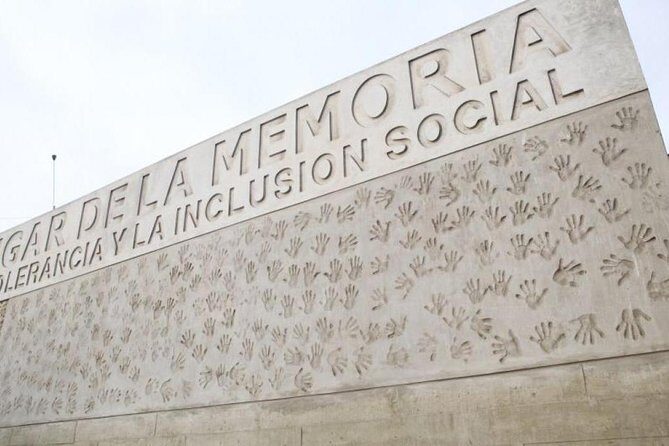
At around $45.13 per person (with private touring and English guidance), this sits in that sweet spot where you are paying for structure and access—not just transportation.
Here is what makes the number feel more like value than a splurge:
- Pickup and drop-off are offered across multiple central districts in Lima, plus the airport and cruise port pickup options.
- It is a private tour, so you are not splitting the experience with other groups or getting cut short.
- The LUM Museum admission is included, so you do not need to budget or wait at the ticket stage for that stop.
- Two of the key heritage stops have free admission, which helps you keep your spending under control.
In plain terms: you are paying for an English guide who can explain the period clearly and walk you through why these places matter. If you were to visit these spots on your own, you could spend time coordinating transit and still miss the story thread.
If you want a quick rule of thumb: if Lima history is important to you and you do not read Spanish comfortably at museums, this price is easier to justify.
Stop 1: Miraflores Tarata Street and the 1980s bombing site
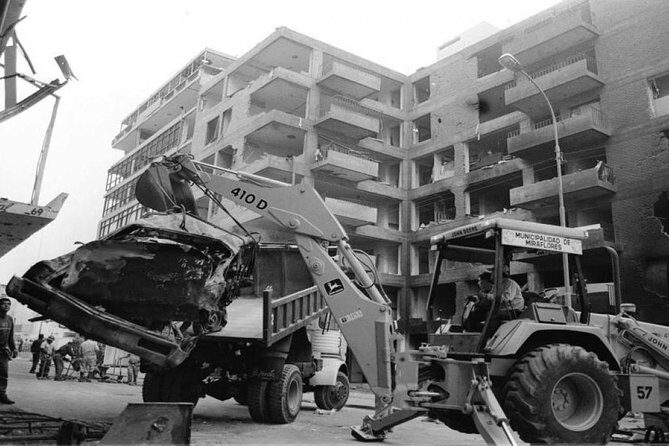
The tour starts in Miraflores and points you to Tarata Street, described as a place where the first bomb in Lima occurred during the 1980s. This is a short stop—about 20 minutes—but that time is enough to set the emotional and historical tone for everything that follows.
What you should expect here is not a long lecture. It is more like a focused orientation: where the event happened, how the location fits into the city, and what it meant for people living nearby.
A practical benefit: starting in Miraflores usually makes logistics smoother. Miraflores is one of the easiest neighborhoods to base yourself in. So even if you are new to Lima, you can often handle this kind of route without stress.
A caution, though: because the topic is tied to violence, the atmosphere can feel heavy even if the walking is minimal. Keep that in mind if you are touring with kids, or if your group prefers lighter sightseeing.
Stop 2: Chorrillos Cross for views and the darker story
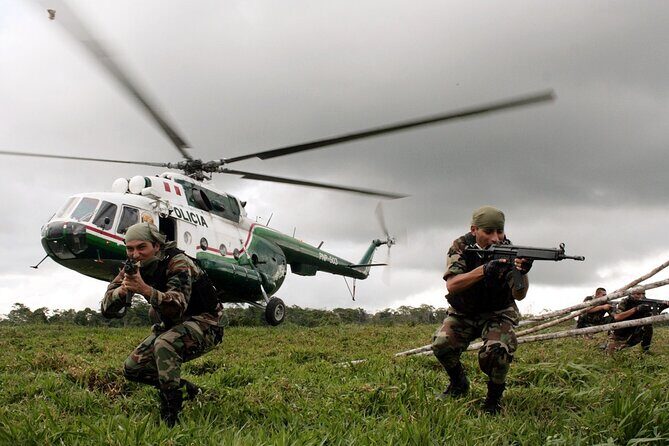
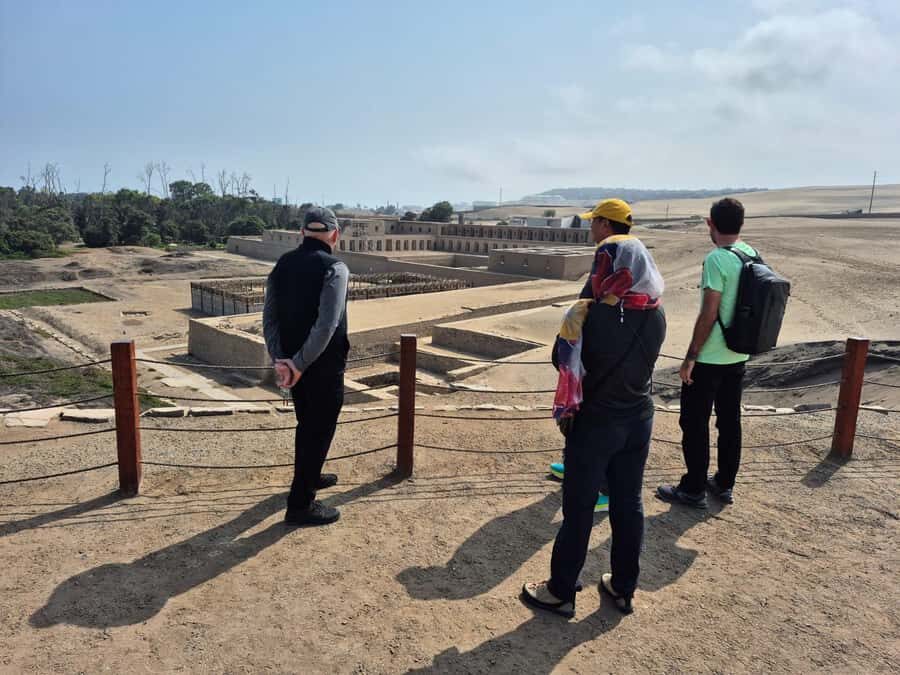
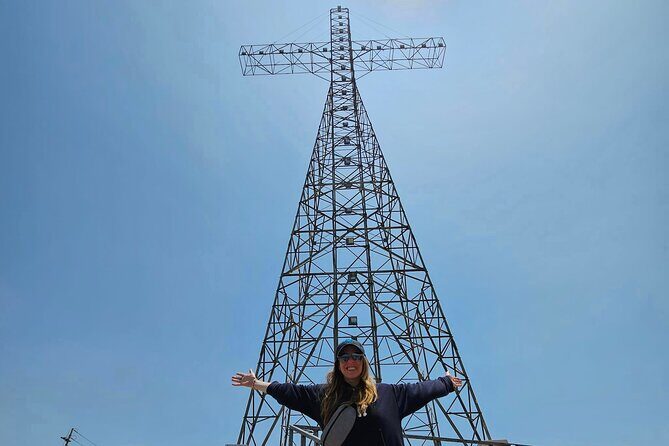
After Miraflores, the route continues to Chorrillos Cross, again with about 20 minutes on the clock. This stop has two jobs: give you a strong view over Lima, and explain the cross’s darker history.
This is one of those places where the scenery and the story talk to each other. From the higher point, you see Lima spread out. Then the guide connects what you are seeing now to what people feared back then—fear that was not theoretical, but tied to real locations and public life.
In the accounts of the experience, the cross also scored well for photos. You get city views that feel more “Lima” than “museum brochure.” That helps the tour land for visitors who want meaning plus good visuals.
The drawback is simple: because the stop is short, you will not get a long free-form walk. If your group loves staying outdoors for hours, this might feel like you are moving too quickly. If your group likes structure and then reflection, it fits well.
Stop 3: LUM Museum for memory, tolerance, and inclusion
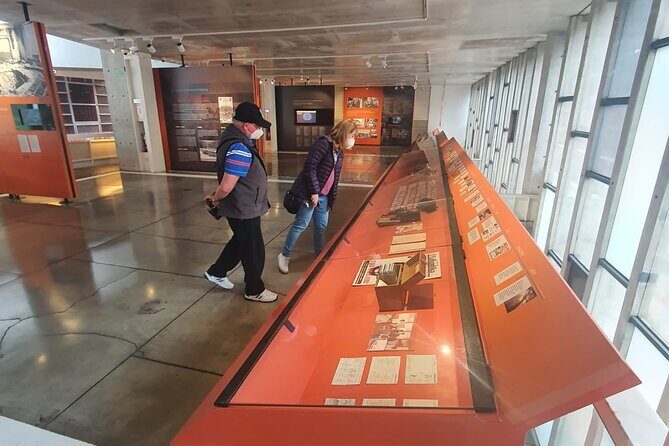
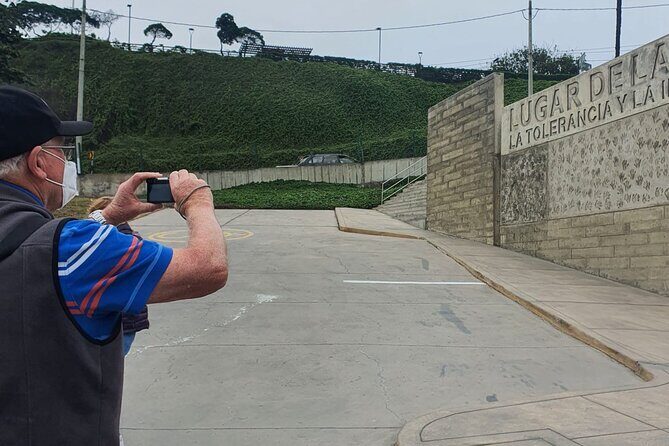
The final stop is the Lugar de la Memoria, la Tolerancia y la Inclusión Social (LUM) Museum, with about 30 minutes. Admission for this stop is included, and it is the part of the tour that shifts from specific events to broader meaning.
Here is the key detail you should plan around: the museum’s exhibits are mainly in Spanish. That is exactly where the English-speaking guide becomes essential. In the experiences people shared, guides explained exhibits so visitors did not miss the point just because they could not read every caption.
What I like about ending here is that it brings closure. The first two stops are about specific places and the shock of terror. LUM pushes you toward the human side of the story: remembering victims, understanding the harm, and learning why tolerance and inclusion matter after violence.
30 minutes is not a full-day museum visit. But for first-time visitors, it is a strong “get the message” stop—especially when you are coming with questions after hearing the earlier sites.
Other historical tours in Lima




How the timing and transport work in a 3–4 hour private format

The whole experience runs about 3 to 4 hours. With pickup and drop-off, that timeframe is usually just right: long enough to do three meaningful stops, short enough that you do not feel trapped.
Transport can be part of the value here. Several accounts note a comfortable ride and a guide who provided general Lima context while you are traveling between locations. In a city where transit timing can be unpredictable, having that time used for explanation makes the tour feel smarter.
Also, this is booked in advance often—on average around 60 days—which suggests it is a popular option for visitors who want planned, not improvised, history.
One more practical note: the experience is offered Tuesday through Sunday, with opening hours from 9:00 AM to 6:00 PM. If you are traveling with tight scheduling, check your day early.
The guide makes (or breaks) this kind of tour
This is not the kind of tour where a basic audio guide is enough. You are dealing with terrorism-era history, government response, and places where fear shaped people’s daily lives.
In at least one account, a guide named Carlos stood out for superb, clear English and the ability to handle the complexity of the period without turning it into confusion. The guide also used a tablet to share maps and visuals, which helps a lot when you are hearing about events and locations you cannot see in a textbook.
So here is what you should look for when choosing this tour: the guide’s clarity matters more than their charisma. If your group is sensitive to tone, an experienced guide who can pace the story will make a big difference.
And because this is a private tour, your questions do not get swallowed by a big group. That is valuable when history touches personal interests—family history, politics, or just a desire to understand what you are looking at.
Who should book this tour—and who might not love it
I think this tour fits best for:
- First-time visitors to Lima who want the city’s modern history in a readable, guided way.
- People who want the museum experience explained in English rather than trying to translate on the fly.
- Groups who prefer a private format for comfort and pace, especially on serious topics.
- Anyone who likes connecting viewpoint stops with story context, not just collecting photos.
You might want to skip it (or pair it with a lighter plan) if your group wants only entertainment and easy sightseeing. This experience is designed for remembrance and understanding, not casual fun.
Tips to get the most out of it
A few practical moves can improve the whole experience:
- Go in expecting a serious tone. Even short stops can feel intense when the story is about real fear.
- Plan for good weather. The tour requires it, so if your schedule is flexible, keep an open window.
- Wear comfortable shoes. You will be walking between viewpoints and museum areas, even if the stops are short.
- If you care about photos, remember the best photo opportunity is tied to the Chorrillos Cross viewpoint—so be ready when you get there.
- If Spanish is your weak spot, lean on the English guide. The LUM Museum is mainly Spanish-based, so the guided explanations are the whole point.
Should you book this tour?
I recommend booking this tour if you want Lima beyond the beach-and-balcony version of the city. It is a focused, private way to connect the 1980s terrorism period to specific locations and then finish with LUM Museum’s themes of memory and inclusion.
Do not book it if your group prefers light, surface-level sightseeing only. This is a place-based education with an emotional center.
My final take: the strongest reason to choose it is the combination of English guidance plus the LUM Museum context. If you value that—and you want a calm private route—you will likely feel the value quickly.
FAQ
Where does pickup happen?
Pickup is offered from hotels in Miraflores, San Isidro, Barranco, San Miguel, Pueblo Libre, and Callao.
Can you pick us up from the airport or cruise port?
Yes. Pickup is available from the Jorge Chavez Lima Airport, and if you are coming by cruise, the operator can pick you up at the port.
How long is the tour?
It runs about 3 to 4 hours.
Is it a private tour?
Yes. It is a private tour/activity, and only your group participates.
What language will the guide speak?
The tour is offered in English.
Which stops are included?
The tour includes Tarata Street in Miraflores, Chorrillos Cross, and the LUM Museum: Lugar de la Memoria, la Tolerancia y la Inclusión Social.
Is admission included for the LUM Museum?
Yes. Admission to the LUM Museum is included, while the other listed stops have free admission.
Do you provide a mobile ticket?
Yes. A mobile ticket is included.
What are the operating hours?
Tuesday through Sunday, 9:00 AM to 6:00 PM.
How does cancellation work, especially with weather?
Cancellation is free if you cancel up to 24 hours in advance for a full refund. The experience requires good weather; if it is canceled due to poor weather, you’ll be offered a different date or a full refund.