REVIEW · LIMA
Shore Excursion: Pachacamac, Lunch & City Tour From Callao Port
Book on Viator →Operated by HAKU TOURS · Bookable on Viator
Lima in one long day makes you feel like time travel. This Pachacamac visit plus central Lima walking stops gives you both ancient sacred power and colonial-era streets, all with a small-group pace. I also really like how lunch is handled (a real local restaurant meal, not a snack) and how the guide work turns quick look-outs into context you can actually use.
One thing to plan for: this is an 8.5-hour schedule with a lot of stops and city driving. If you get motion-sick easily or hate tight photo windows, you’ll want to bring patience for Lima traffic and quick transitions.
In This Review
- Key highlights I’d circle before you go
- From Callao Port to Pachacamac: the morning flow
- Pachacamac: adobe palaces, pyramids, and Pacific breezes
- What to watch for at Pachacamac
- Plaza San Martín and Jirón de La Unión: Lima’s social energy
- Plaza San Martín (about 20 minutes)
- Jirón de La Unión (about 40 minutes)
- A quick reality check
- San Francisco Monastery and catacombs: Lima underfoot
- If catacombs are a deal-breaker
- Presidential Palace, the Cathedral, and Plaza Mayor: the colonial core
- Palacio de Gobierno (about 5 minutes)
- Museo Catedral de Lima (about 5 minutes)
- Plaza de Armas / Plaza Mayor (about 20 minutes)
- A small add-on you’ll appreciate: Ancash Street
- Pasaje Santa Rosa and Conde de Superunda: sacred places and old convents
- Pasaje Santa Rosa (about 5 minutes)
- Jirón Conde de Superunda 262 (about 5 minutes)
- Price and value: is $120 a smart port-day choice?
- Who benefits most from this price point
- The guide effect: Edwin, Saul, Aaron, and Leonardo
- What you should bring for a Lima day like this
- Who this tour fits best (and who should skip it)
- Should you book this Callao to Lima Pachacamac tour?
- FAQ
- How long is the Shore Excursion Pachacamac, Lunch & City Tour from Callao Port?
- What time does the tour start?
- Where is the meeting point?
- Is this tour private or shared?
- What’s included in the ticket price?
- Is lunch included?
- Which entrances are actually ticketed on the tour?
- Does the tour visit downtown Lima landmarks like the Presidential Palace and the Cathedral?
- Is there free cancellation?
- Do I need to bring anything?
Key highlights I’d circle before you go
- Pachacamac first for easy context if you’re later planning Cusco and Machu Picchu
- Catacombs at San Francisco as a major ticketed stop, not just a quick exterior
- Downtown walking hits: San Martín Square, Jirón de la Unión, Plaza Mayor
- Photo-friendly viewpoints at the Presidential Palace and Lima Cathedral
- Small-group cap (max 14) helps keep the day moving smoothly
- Guides with strong English and real storytelling, including Edwin, Saul, Aaron, and Leonardo in past experiences
From Callao Port to Pachacamac: the morning flow
You start from Puerto del Callao at 8:30 am, then you’re taken by air-conditioned vehicle back out toward Pachacamac, about 31 km southeast of Lima’s city center. The drive takes around one hour, depending on traffic.
This matters because port days can be stressful. The tour setup is built for that reality: bottled water in hand, a driver who focuses on getting you where you need to be, and a plan that alternates between longer stops and short “hit-the-view” moments. In past trips, guides like Leonardo have shared pick-up coordination by WhatsApp, and that kind of communication helps you avoid that classic last-minute port scramble.
You also get a shared group, not private-only—so you’ll be traveling with other cruise passengers—but the group size is kept small, with a maximum of 14 travelers. That gives you a better shot at moving as a group without getting stuck behind stragglers.
Other Lima city tours we've reviewed in Lima
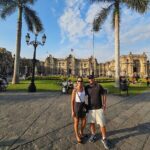
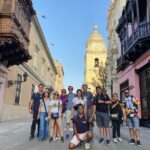
Pachacamac: adobe palaces, pyramids, and Pacific breezes
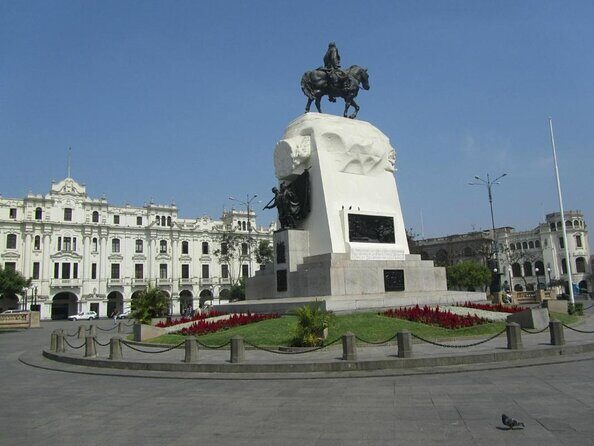
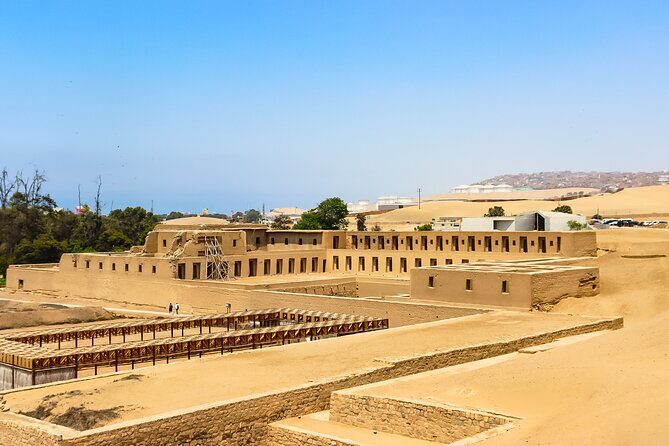
The heart of this day is Museo de Sitio y Santuario Arqueologico de Pachacamac. Expect about 2 hours on site, plus the morning drive.
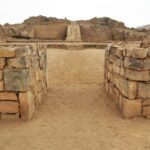
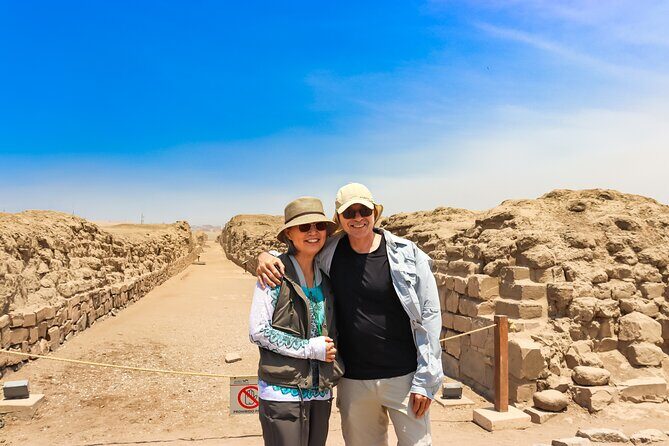
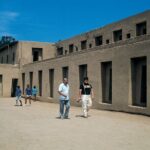
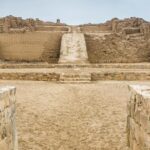
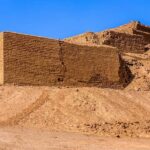
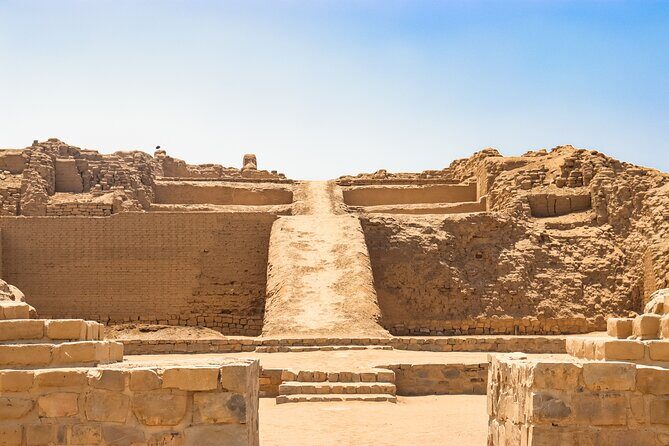
Pachacamac isn’t a single temple you tour and leave—it’s a pre-Columbian citadel made of adobe and stone palaces and pyramidal temples laid out on a huge scale. You feel that scale when you start taking in the ruins from viewpoints, especially with the Pacific breeze and the green valley below.
What I like most about going here first is what it does for your understanding later. Even if you’re not going to Cusco next, the order helps. You get introduced to sacred Inka-era connections and Andean belief systems in a way that can make other sites feel less random. The tour specifically recommends this as a starting point before going on to bigger headline Inka stops like Cusco and Machu Picchu, and I can see why: you get a mental framework for how powerful these places were.
What to watch for at Pachacamac
- Wear comfortable shoes. Ruins mean uneven ground and some walking over open areas.
- Bring sunscreen and a hat. You’ll be exposed at times.
- Plan for a mix of “walk and look” plus guided explanation, not a museum-only pace.
If you’re the type who wants every last detail, two hours might feel short. But it’s usually the right amount for a port day, and it gives you a strong foundation without eating your whole schedule.
Plaza San Martín and Jirón de La Unión: Lima’s social energy
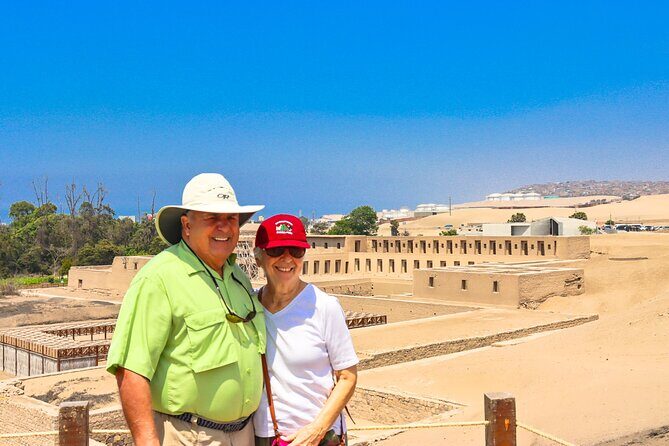
After Pachacamac, the tour shifts into downtown Lima so you can feel modern city life around colonial landmarks.
Plaza San Martín (about 20 minutes)
You’ll stop at Plaza San Martín, described as a locals’ favorite thanks to gardens and an easy atmosphere. It’s not a museum moment. It’s a “stand here and watch life” stop, with your local guide giving a practical introduction to Peru’s history and everyday culture.
This kind of pause works. After ruins, your brain is primed for context. A square like this helps you reset, then connect what you saw in the archaeological complex to what people carry forward in daily life.
Other Pachacamac and pre-Inca ruins tours in Lima
Jirón de La Unión (about 40 minutes)
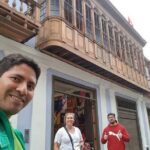
Next is Jirón de La Unión, one of those streets you can’t ignore. You get a panoramic view and a close look at wooden balconies, rock carvings, and monumental churches with religious altars.
What makes this stop worth the time is the mix of old and lived-in. There are shops and food, including well-known chicken spots, and there’s often local music in the area. You’re not just staring at architecture—you’re seeing the street function.
A quick reality check
Downtown walking can feel fast because your schedule stays tight. If you love browsing, keep your expectations realistic: you’ll get time for sights, but this isn’t a long free-exploration block.
San Francisco Monastery and catacombs: Lima underfoot
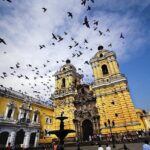
One of the biggest ticketed moments is Museo Convento San Francisco y Catacumbas, with about 30 minutes allocated for this stop and entrance included.
This is the kind of place that shifts your attention immediately. The tour focuses on both the monastery and the internal catacombs, which are described as a fascinating look into colonial-era Lima life and local traditions from the 16th, 17th, and 18th centuries.
Even with limited time, catacombs change the mood. It’s not just about what was built; it’s about what people endured and how the city organized religious power. The monastery itself also comes with a strong visual presence, so you get a two-layer experience: exterior impressions first, then that enclosed “history lesson” feeling underground.
If catacombs are a deal-breaker
You’ll only have about half an hour here. If you’re claustrophobic, very sensitive to dark enclosed spaces, or you need slow pacing, consider that before booking. The tour is moving, and this stop is part of that momentum.
Presidential Palace, the Cathedral, and Plaza Mayor: the colonial core
Once you hit the government and church center of Lima, the day becomes more about architecture and ceremony-ready viewpoints than long museum time.
Palacio de Gobierno (about 5 minutes)
You’ll enjoy a panoramic view of the Presidential Palace, where the president lives and works, and where the changing of the guard happens daily. Even if you’re not watching an official ceremony, the tour framing makes it clear why it matters: it’s one of the most important seats of national power.
Short stop means you should focus on angles. Think: wide shot first, then any details you can catch before the group moves on.
Museo Catedral de Lima (about 5 minutes)
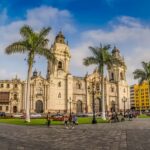
Next is the Lima Cathedral, tied to colonial religious authority. The tour description notes a key Catholic building rule: other churches should be built higher than their towers. The front is described as impressive, and the cathedral is still used for major religious ceremonies, with locals also treating it as a wedding location.
The stop is brief, but that’s often enough for the classic photo views if you arrive ready with your camera battery charged.
Plaza de Armas / Plaza Mayor (about 20 minutes)
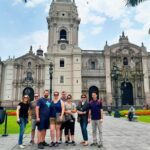
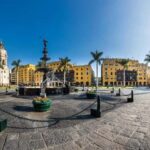
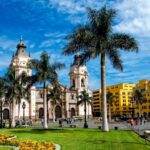
Then comes the big one in the center: Plaza de Armas, also called Plaza Mayor. Expect Spanish-influenced architecture and a surrounding ring of important historic buildings. There’s also a main garden area that gives the plaza a calmer feeling than you might expect from a political and religious center.
This is a “reset and take it all in” stop. After short looks at palaces and churches, you finally get a bit of breathing room.
A small add-on you’ll appreciate: Ancash Street
Before Plaza Mayor, you’ll walk Ancash Street to see the Happy Inka market area, with indigenous carvings and textiles. You get a chance to buy a souvenir, which can help if you like supporting local crafts and you’ve been holding off until you find something you actually want.
Pasaje Santa Rosa and Conde de Superunda: sacred places and old convents
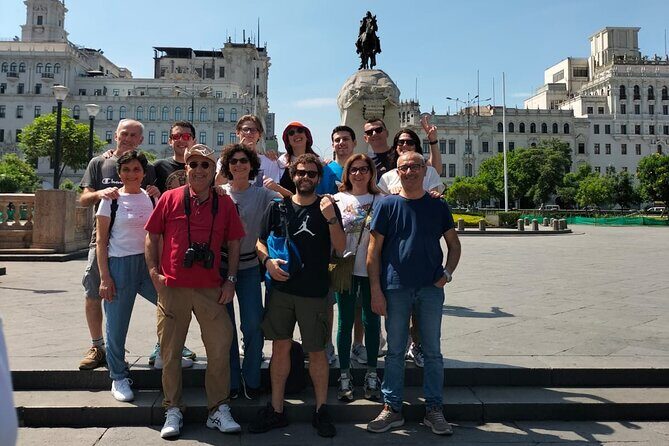
Downtown Lima has side streets that feel quieter than the main avenues, and this tour uses those lanes for meaning.
Pasaje Santa Rosa (about 5 minutes)
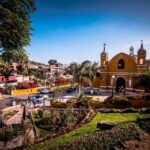
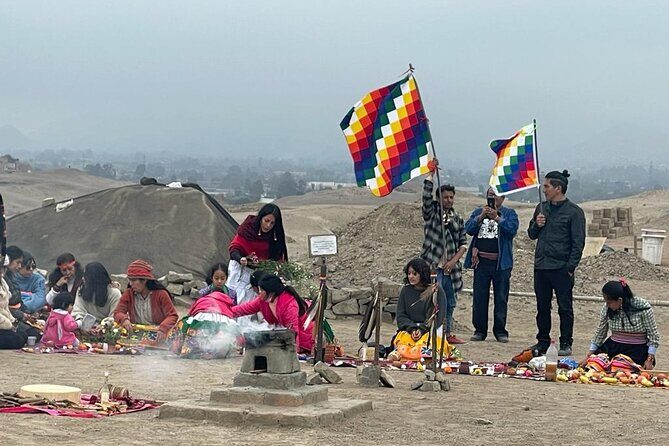
You’ll stop at Pasaje Santa Rosa, described as a lovely street where locals go, often with temporary exhibitions and a comfortable atmosphere. The tour also points out something unusual: it hides a sacred rock considered important to still living indigenous communities, connected to offerings and rituals honoring Mother Earth.
This is one of those moments where the value is the guide’s framing. Even if you don’t linger, you’ll understand why this isn’t just another pretty corridor—it’s a living cultural reference point.
Jirón Conde de Superunda 262 (about 5 minutes)
Finally, you’ll visit Conde de Superunda 262, tied to a convent described as among the oldest in South America. The tour notes it had the tallest tower in the continent during the 17th century. You’ll visit from outside since the group is using a car to return toward your accommodation at the Port of Callao or the airport.
There’s an added condition: if the church is open, you may get a quick look inside. So come with flexibility: sometimes that door is open, sometimes it isn’t.
Price and value: is $120 a smart port-day choice?
At $120 per person for about 8 hours 30 minutes, this tour isn’t the cheapest way to see Lima. But the value is strong because you’re not just doing sightseeing—you’re paying for logistics plus key admissions.
Here’s what you’re getting for that price:
- Private transport in an air-conditioned vehicle
- Professional guide throughout
- Bottled water
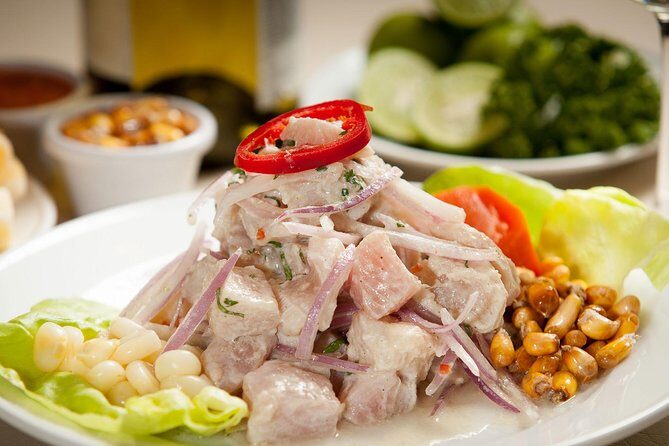
- Lunch at a local restaurant
- Entrance tickets included for Pachacamac and the catacombs
- Coverage of all fees and taxes as listed in the package
The downtown stops (like Plaza San Martín, Jirón de La Unión, Palace, cathedral, and certain streets) are listed as free admission moments, so your ticket spend is mostly focused on the heavy hitters: the archaeological complex and San Francisco’s catacombs.
Who benefits most from this price point
This is a good value if:
- You want one-day structure from a port base.
- You care about context, not just snapshots.
- You prefer a small group and an English-speaking guide to reduce guesswork.
If you already have a full day and like DIY planning, you could possibly piece together parts yourself. But from Callao, the included transport and the guided pace are exactly what remove stress.
The guide effect: Edwin, Saul, Aaron, and Leonardo
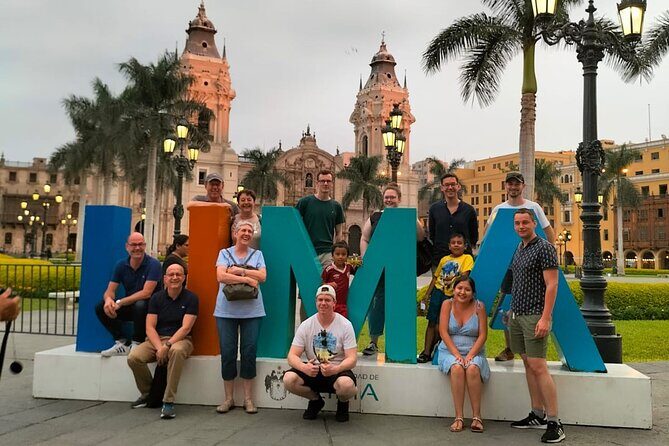
The best tours feel like they have momentum, and this one seems to live or die on the guide. In past experiences connected with this tour style, names like Edwin, Saul, and Aaron come up with consistent praise for being energetic and helpful, and for explaining things clearly in strong English.
Also, customization has been mentioned as a positive feature in similar multi-day setups. One person noted the tour could be adapted to their own likes and dislikes across two days, which is a great sign if you’re the type who wants more time in ruins than in plazas—or the other way around.
On logistics, the driver mattered too. A calmer, professional driver like Isait has been called out for handling Lima’s congested driving while keeping the ride comfortable. That’s not glamorous, but it’s real comfort on a long day.
One more detail I appreciate: the day stays small enough that you can actually ask questions. It’s hard to do that if the group is too big or if everyone is sprinting to the next stop.
What you should bring for a Lima day like this
You can’t out-plan the sun and the walking, so pack for comfort:
- Comfortable clothes and shoes
- Sunglasses, sunscreen, and a hat
- A bottle of water (they provide bottled water, but having your own helps you control pace)
- Spare camera battery in case you’ll shoot a lot
And mentally plan for quick stops. This tour works best when you treat each location like a focused chapter, not a long stay.
Who this tour fits best (and who should skip it)
This is a solid fit if you:
- Want an efficient port-day Lima experience
- Like a blend of ruins + colonial city core
- Appreciate a guide who ties sights to meaning
- Prefer a small group with room to breathe
It might be less ideal if you:
- Need long time inside sites (catacombs and Pachacamac are timed)
- Hate city driving time or get tired quickly in transit
- Want a full day of free time for shopping and wandering without a schedule
If you want one day that gives you both the ancient sanctuary and the central sights, this does that job.
Should you book this Callao to Lima Pachacamac tour?
If your goal is a high-impact day that starts with Pachacamac and ends with the classic Lima center—plazas, cathedral viewpoints, and the feel of real streets—then yes, I’d book it. The mix is practical for a cruise schedule, and the included admissions plus lunch do real work for value.
Just go in knowing the trade-off: you’ll see a lot, but it’s not a slow, hour-by-hour museum crawl. If you can handle a structured day with quick, meaningful stops, this is the kind of tour that makes Lima click fast and stay with you longer.
FAQ
How long is the Shore Excursion Pachacamac, Lunch & City Tour from Callao Port?
It runs for about 8 hours 30 minutes.
What time does the tour start?
The tour starts at 8:30 am.
Where is the meeting point?
The meeting point is Puerto del Callao (address: C. 2, Callao 07021, Peru).
Is this tour private or shared?
It’s a shared group tour, with a maximum of 14 travelers.
What’s included in the ticket price?
The package includes private transport, a professional guide, bottled water, lunch (at a local restaurant), all fees and taxes, entrance tickets to Pachacamac and the catacombs, and an air-conditioned vehicle.
Is lunch included?
Yes. Lunch is included and is served at a local restaurant.
Which entrances are actually ticketed on the tour?
Entrance tickets included are for Pachacamac and the San Francisco catacombs. Other stops are listed as free admission.
Does the tour visit downtown Lima landmarks like the Presidential Palace and the Cathedral?
Yes. You get panoramic views of the Presidential Palace (Palacio de Gobierno) and visit the Museo Catedral de Lima, plus stops at central squares like Plaza de Armas.
Is there free cancellation?
Yes. You can cancel for a full refund up to 24 hours before the experience starts.
Do I need to bring anything?
Wear comfortable clothes and shoes, and bring sunglasses, sunscreen, and a hat. It’s also recommended to bring your own bottle of water and a spare camera battery.