REVIEW · LIMA
8-Day Best-Selling Peru Tour: Machu Picchu, Rainbow Mt & Titicaca
Book on Viator →Operated by Machupicchu Peru Journeys · Bookable on Viator
Machu Picchu and Lake Titicaca in one trip is a strong combo. This 8-day route strings together major Peru highlights with practical internal transfers, a guided citadel visit, and a full day on the lake. You’ll also see how the trip rhythm changes from city walking in Lima and Cusco to early starts and high-altitude days in the Andes.
What I like most is that the tour builds in the big-ticket moments with the right structure: a guided Machu Picchu tour plus a return journey by train, and a Rainbow Mountain trek with a set pickup, van ride, lunch, and time to enjoy the view. I also appreciate the planning around admissions—archaeological park entries are included for the listed sites—so you’re not scrambling for tickets all day.
One thing to consider: this style of package depends on timing and handoffs. In past experiences with this operator, some travelers reported missed pickups, confusion about schedules, and last-minute changes, including guide arrangements and train timing. My advice is simple: confirm the next-day pickup time the evening before, and keep the contact WhatsApp number handy.
In This Review
- Key things to know before you go
- Lima to Miraflores: ocean views and old Peru in the same morning
- Cusco intro day: Qorikancha, Sacsayhuamán, and the stones that fit without mortar
- Sacred Valley day: Chinchero, Moray, Maras salt pools, and a train to Machu Picchu town
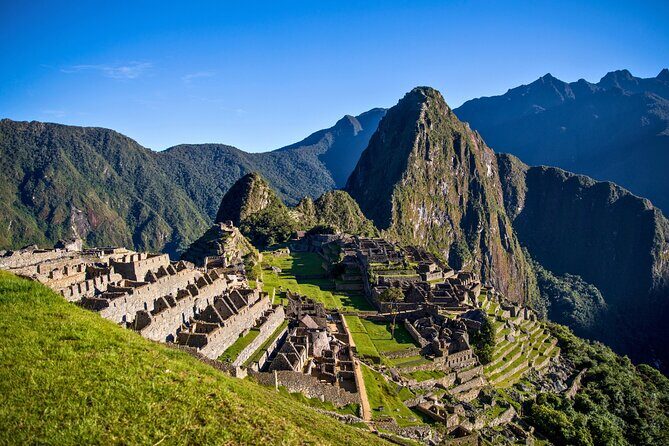
- The Machu Picchu day: bus climb, 3-hour guided route, then down to Aguas Calientes
- Rainbow Mountain trek: Cusipata breakfast, a 4 km hike, and altitude you feel
- Long road to Puno: chapel art, Raqchi temple, and Pucará pottery at museum scale
- Lake Titicaca day: Uros floating islands and Taquile’s traditions
- Price and included value: what you get for about $1,266.67
- Group size, English support, and how to avoid being the one left searching
- Who this 8-day Peru route fits best
- Should you book this tour?
- FAQ
- How long is the Peru tour?
- Where does the tour start?
- Is pickup included?
- Is the tour offered in English?
- What is the maximum group size?
- Are archaeological park admission tickets included?
- Is Machu Picchu guided?
- What train is used for Machu Picchu?
- How many lunches are included?
- What is not included in the price?
Key things to know before you go
- Small group size (max 15): easier logistics and less chaos than giant buses.
- Machu Picchu is guided for 3 hours: you’ll hit the major spots like the Temple of the Sun and the Three Windows.
- Rainbow Mountain starts early: 4:30AM pickup and a moderate 4 km dirt-path hike at high altitude.
- Lake Titicaca includes Uros and Taquile: full-day boat day with lunch on Taquile.
- Train class can be requested: you can ask for Vistadome & Observatory on the Machu Picchu train.
- Hand-off timing matters: plan to double-check pickup points so you don’t get left behind.
Lima to Miraflores: ocean views and old Peru in the same morning
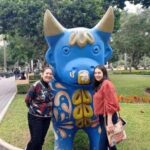
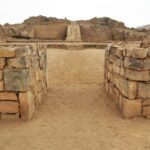
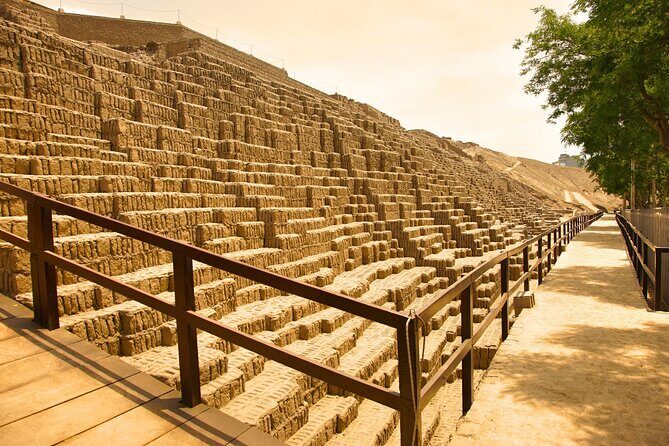
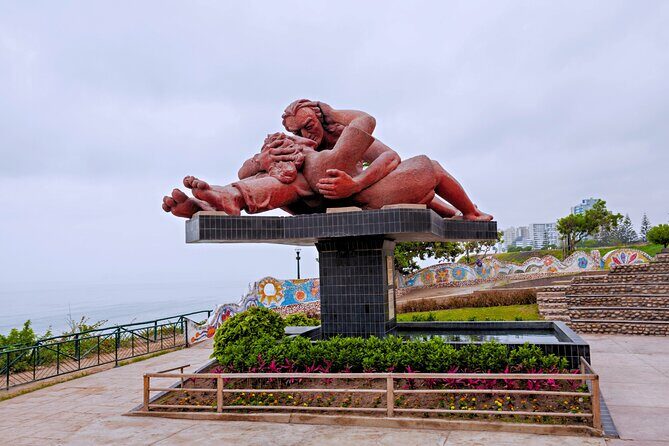
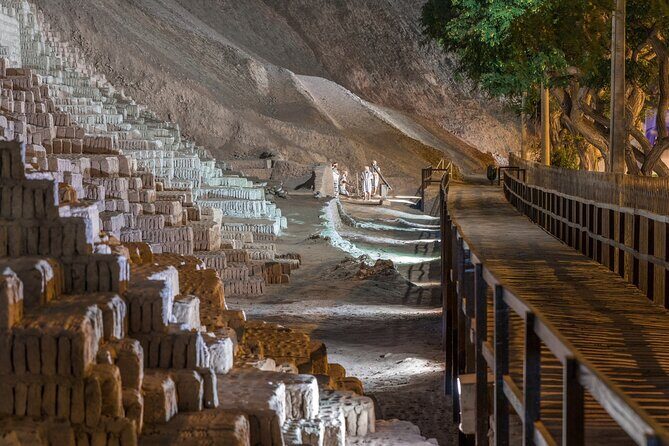
Day one begins in Miraflores, and it’s a smart way to start. You get easy sea-breeze views at Love Park and then drop into the city’s deeper layers with Huaca Pucllana, an adobe pyramid site built by the Lima culture around 500 AD. It’s not just a quick photo stop—you can actually walk the grounds and see how the ancient city life connected to what’s now a modern beachfront district.
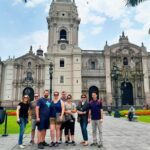
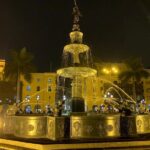
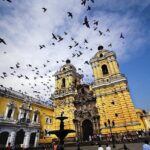
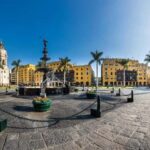
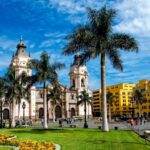
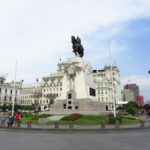
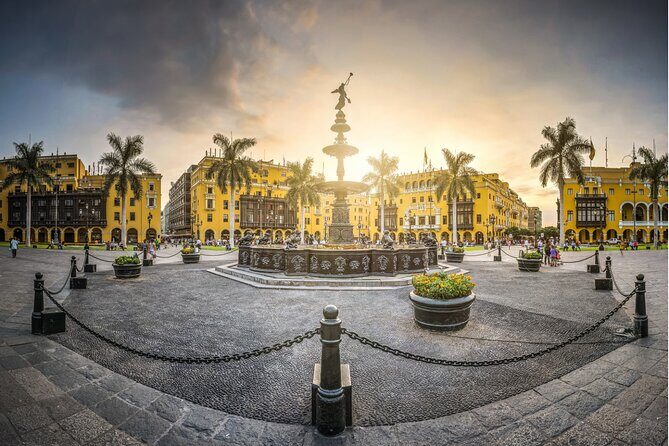
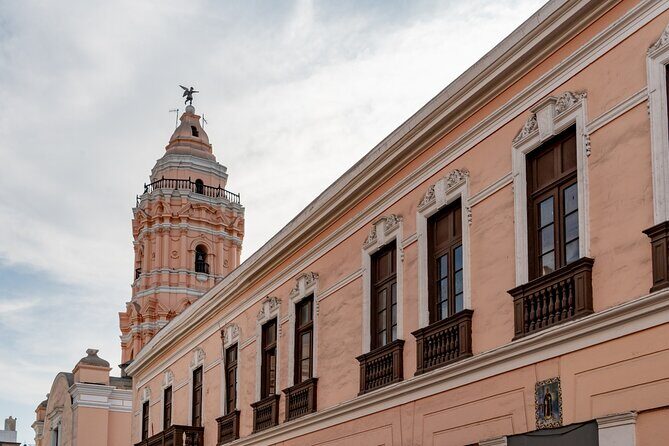
From there, the tour centers on Lima’s colonial core. Plaza de Armas (Plaza Mayor) is the main stage: Government Palace, cathedral area landmarks, and the feeling of Lima as the historic heart of the region. Then you’ll step inside Museo Catedral de Lima, including the Cathedral and the Santo Domingo complex, where figures like San Martín de Porres and Santa Rosa de Lima are connected to the site’s story.
What’s nice for travelers here is the blend. You’re not only staring at Inca ruins; you’re also getting Lima’s layered identity—Inca-era roots nearby, Spanish-era architecture downtown, and ocean views just a short distance away. If you arrive with jet lag, this day stays manageable: it’s mostly guided walking and short stops.
Other multi-day Peru and Machu Picchu tours from Lima
Cusco intro day: Qorikancha, Sacsayhuamán, and the stones that fit without mortar
Cusco day two is about orientation and impact. After arriving and checking into your centrally located Cusco hotel (either Hotel Aranjuez or Hotel Centenario), you jump into a city tour that hits the major hitters without wasting time.
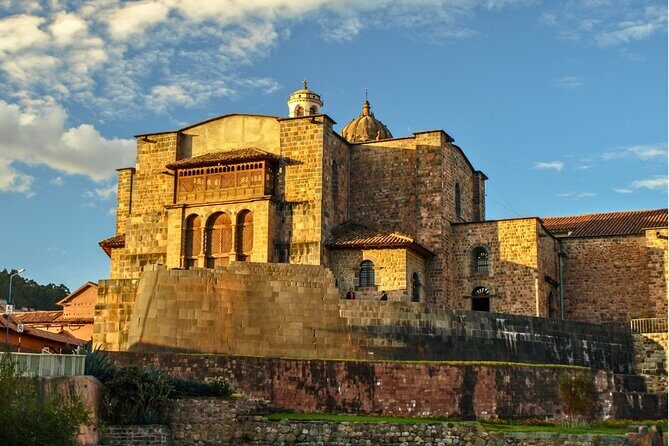
The tour starts at Qorikancha (Temple of the Sun), the famed Inca complex dedicated to Inti. Even if you’ve seen Inca stonework photos before, standing near these walls still feels different because of how tightly the blocks fit. Your next stop, Sacsayhuamán, delivers the big wow: massive stone walls built with precision cutting and no mortar. It’s also set on a hill, so you get those wide Cusco-valley views that help you understand why the Incas built where they did.
Then comes a more varied set of sites: Q’enqo with its ceremonial rock features, Puka Pukara outside town with reddish stone terraces and defensive vibes, and Tambomachay—the “Bath of the Inca”—with stone aqueduct channels that still carry water. The combo is great because it shows Incas weren’t doing one thing. Religion, engineering, defense, and water management all show up in the same afternoon.
One caution: Cusco is high altitude, and day two is still a lot of walking even if the stops are time-limited. Go slow, sip water, and take the breaks when the group pauses.
Sacred Valley day: Chinchero, Moray, Maras salt pools, and a train to Machu Picchu town
Day three is your Sacred Valley sampler—and it’s a packed one. The morning begins with Chinchero, known for textiles and skilled weaving. You’ll get a brief look at a textile center where alpaca wool dyeing and spinning techniques are shown, plus the town’s Inca square and colonial church. If you care about crafts, this stop is worth paying attention to because it explains how traditions stay alive.
Next, Moray provides the science-meets-mystery moment. Those circular, terraced depressions were used like a microclimate farming lab, letting the Incas test crops across temperature variations. It’s the kind of site that helps you understand the logic behind Andean agriculture without turning it into a lecture.
Then it’s Maras salt mines, with over 3,000 terraced salt pools used by local families to harvest pink salt. This is where the scenery changes fast: terraced geometry, mountain backdrops, and active salt production all in one view. It’s also a strong contrast to Moray’s experimental feel.
Lunch happens in Urubamba, and it’s one of the tour’s practical wins. With so many stops, you don’t want to hunt for food between transfers, and the included meal time keeps the day from turning into a scramble.
Finally, you ride the scenic train from Ollantaytambo to Aguas Calientes (Machu Picchu Pueblo). This segment matters because it breaks up the energy. You’re no longer hiking; you’re rolling through valleys and cloud-forest style scenery. The train is also where you’ll want to think about daylight vs. nighttime views.
The Machu Picchu day: bus climb, 3-hour guided route, then down to Aguas Calientes
Day four starts with a classic Machu Picchu rhythm: breakfast in Aguas Calientes, then a bus ride up through Andean scenery and winding routes. You arrive in Machu Picchu ready for the part everyone came for.
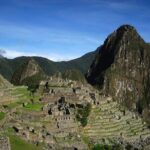
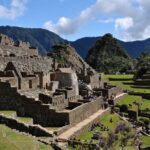
The highlight here is the 3-hour guided tour that takes you through major sections like the Temple of the Sun, Main Plaza, Intihuatana (Sun Dial), and the Temple of the Three Windows. A good guide route keeps you from wandering in circles. It also helps you connect architecture to how the site functioned—religious and observational purposes tied to Inca beliefs.
After the tour, you return by bus to Aguas Calientes. The plan gives you a little breathing space: you can grab a relaxed lunch at local restaurants and then walk through town’s artisan shops. Finally, there’s the train back to Ollantaytambo, then transfer onward to Cusco.
One real-world logistics note: in at least one case with this operator, a traveler found their train schedule meant the Machu Picchu train views weren’t as scenic as expected because departure came after dark. You can’t always control schedules, but you can control your expectations. If you care about daylight views, confirm the train departure time as soon as you can, not the morning of.
Rainbow Mountain trek: Cusipata breakfast, a 4 km hike, and altitude you feel
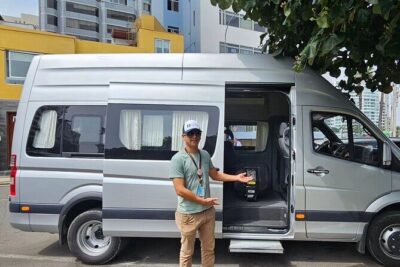
Day five is the early-start day. You’re picked up at 4:30AM from your Cusco hotel, then transported toward Cusipata. After breakfast, you continue by van along the Andes until you’re ready to hike.
The hike itself is described as a moderate 4 km trek along a dirt path. You’ll see colorful terrain and get opportunities for photos along the way. Rainbow Mountain (Vinicunca) sits above 5,000 meters, which is the key factor here. Even if the distance is manageable, the altitude can be the hard part.
Once you reach the viewpoint area, the magic is the mineral-striped colors—bands of grays, pinks, and yellows created by mineral deposits. You’ll also have a chance to look toward snow-capped peaks and Ausangate Mountain when conditions cooperate.
Back down, lunch is included in Cusipata, followed by a scenic return to Cusco with free time in the evening. That free time is important. Your legs may be tired; your head may be foggy. Plan something easy: a meal near Plaza de Armas and an early night.






Long road to Puno: chapel art, Raqchi temple, and Pucará pottery at museum scale

Day six turns into a classic Andes overland day. You start with breakfast in Cusco and ride a comfortable tourist bus to Puno. This is the day where you trade the thrill of short stops for the pleasure of seeing how the region changes as you head toward Lake Titicaca.
Stops include Andahuaylillas, famous for a chapel often compared to Peru’s Sistine Chapel. You’ll see colonial art inside, and this is a nice contrast after days of Inca sites. Next is Raqchi (Temple of Wiracocha), a larger architectural site tied to Wiracocha. You’ll walk around and then enjoy lunch in the area.
After lunch, you pause at a natural border between Cusco and Puno for photos—again, short stops that help you feel the route, not just pass it. Then you visit the Museo Litico Pukara, focused on the Pucará people, with pottery and ceremonial artifacts. It’s one of the tour’s “slow down and learn” moments that makes the whole trip feel more complete.
Finally, you reach Puno, where a transfer brings you to your centrally located hotel: Colonial Palace Hotel in Puno City. This is helpful because Puno’s streets can feel like a maze when you arrive tired.
Lake Titicaca day: Uros floating islands and Taquile’s traditions
Day seven is your full Lake Titicaca experience. It begins with a short ride to the port of Puno. Then you head out for a boat day built around two different cultural experiences.
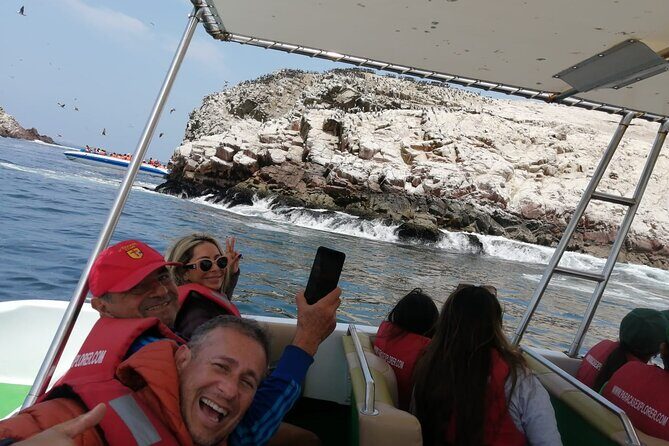
First are the Uros Floating Islands, made from totora reeds. You’ll visit the handmade islands and learn about how the communities built them and how daily life works on water-bound platforms. This stop can feel emotional for some people because it’s human ingenuity on a stage most visitors only associate with postcard views.
Then it’s on to Taquile Island, known for people who keep their customs and wear traditional attire. You’ll also have a lunch included on Taquile. The time here is long enough that you can slow down, enjoy views, and not feel rushed every ten minutes.
Back in Puno later afternoon, you get free time to eat in the historic center. If you enjoy local food, this is where you’ll get the reward for all the earlier set meals.
One possible consideration: a guide-language mismatch can happen. In one documented case, a traveler said there was no English-speaking guide on the Titicaca lake day. You can’t always guarantee guide staffing, so if you need English specifically, confirm with the operator ahead of time that your Lake Titicaca day guide language is covered.
Price and included value: what you get for about $1,266.67
At about $1,266.67 per person for an 8-day package, the value depends on how much you like having logistics handled. The tour includes:
- Round-trip transfers between arrival and departure points
- Hotel nights in Lima (LimaWasi in Miraflores), Cusco (Hotel Aranjuez or Centenario), Aguas Calientes (Ruta Amazonica), and Puno (Colonial Palace)
- Daily breakfasts
- Four lunches (Sacred Valley, Rainbow Mountain, Cusco–Puno route, and Lake Titicaca area)
- Train round-trip to Machu Picchu and access to the listed archaeological parks
- A 3-hour guided Machu Picchu tour
- Mobile ticket and English offered
Where the price really pays off is admissions and the train. Machu Picchu isn’t cheap once you start adding everything up, and the package avoids a lot of ticket hunting. You’re also saving time with structured hotel areas and transfers that align with the sites.
Where you still need to be alert: any package like this relies on schedule handoffs between airport/port, city hotels, train stations, and regional day drivers. In past experiences, travelers reported moments when pickup timing wasn’t communicated clearly and some local operators requested payments for items that were supposed to be included. That doesn’t mean it will happen to you—but it does mean it’s smart to request clarity before you board anything and to keep receipts if something unexpected comes up.
Group size, English support, and how to avoid being the one left searching
This tour runs with a maximum of 15 travelers, which is a big deal. Smaller groups usually mean fewer mix-ups. It can still happen, though, especially with big transport days like Machu Picchu and Puno.
A practical approach: treat confirmations like a checklist. Ask for the next-day pickup time by evening, not when you’re already standing in the lobby with your bags. In a real case, an organizer named Edgar was described as supportive through upgrades and problem-solving, including helping with a situation when a flight was canceled and you needed to extend Lima time. Another representative named Rafael responded to concerns and acknowledged operational issues can affect coordination due to local transport disruptions.
You don’t need to memorize names, but it’s helpful to know there is real human coordination behind the scenes—and that problems can sometimes come from schedule shifts, strikes, or train/bus operational constraints. Your best defense is staying proactive: confirm times, keep documents offline, and be ready for quick changes.
Also, if English guide availability is crucial for you, confirm it early—especially for Lake Titicaca. Your day on the lake will feel very different depending on how much you can follow.
Who this 8-day Peru route fits best
This is ideal if you want a high-impact itinerary without day-by-day planning. You’ll like it if you:
- Want Machu Picchu plus Lake Titicaca in one trip
- Prefer guided structure at key sites (Cusco and Machu Picchu)
- Are comfortable with early mornings and altitude days
- Like the idea of a small group (max 15)
It may be less ideal if you:
- Hate schedule uncertainty and need everything perfectly timed
- Are very sensitive to last-minute hotel changes or guide staffing issues
- Don’t want any chance of extra costs if a local operator requests something unexpectedly
A quick fitness reality check: the Rainbow Mountain hike is 4 km, but at over 5,000 meters. That’s where most people feel it, not the distance.
Should you book this tour?
Yes, if you want a straightforward, big-hits Peru package with admissions included, a real Machu Picchu guide, and a full Lake Titicaca day. It’s a strong value route on paper because it covers the costly core: train transport, major archaeological entries, and guided time at the headline sites.
But book with your eyes open. Confirm pickup times the night before, ask about train departure timing (especially for daylight views), and verify language coverage for Lake Titicaca. If you do those three things, you’ll cut the risk of the kinds of confusion that can sour a trip.
FAQ
How long is the Peru tour?
It lasts about 8 days.
Where does the tour start?
The meeting point is Parque Kennedy, Av Diagonal, Miraflores 15074, Peru.
Is pickup included?
Yes. Pickup is flexible—share your hotel or preferred location in advance, and hotel or airport pickup is included.
Is the tour offered in English?
Yes, it is offered in English.
What is the maximum group size?
The maximum group size is 15 travelers.
Are archaeological park admission tickets included?
Yes, admission is included for all designated archaeological parks.
Is Machu Picchu guided?
Yes. You get a guided tour of Machu Picchu with a duration of about 3 hours.
What train is used for Machu Picchu?
You use a round-trip journey on the Expedition train to Machu Picchu. You can ask for Vistadome & Observatory class.
How many lunches are included?
Four lunches are provided during the tour.
What is not included in the price?
Personal expenses and travel insurance are not included.