Sun worship meets ocean views at Pachacámac. This 4-hour guided trip from Lima pairs hotel pickup with the Site Museum and the Temple of the Sun, so you see more than “old rocks.”
I love the private transportation and smooth timing from Miraflores, San Isidro, and Barranco. I also like how the visit starts with the museum collection, which makes the ruins feel clear and intentional instead of random.
One possible drawback: meals aren’t included, so you’ll want to plan a snack and water for the morning.
In This Review
- Quick Reasons You’ll Want This Tour
- Pachacámac in Four Hours: Sun, Ruins, and a Museum Stop
- Hotel Pickup Around Miraflores, San Isidro, and Barranco (9:00 a.m. start)
- The Ride South: Private Transport Makes It Feel Like a Day Trip
- Stop 1: The Site Museum of Pachacámac (Context Before the Ruins)
- Stop 2: Ruinas de Pachacámac (Temples, Pyramids, and Sacred Streets)
- Stop 3: Ascending Toward the Temple of the Sun (Ocean Views as the Payoff)
- Price and Value: Is $60 Worth a Guided Pachacámac Day?
- What You Don’t Get: Meals (Plan Around It)
- Who This Tour Suits Best (and Who Might Ask Questions)
- Practical Tips Before You Go
- Should You Book the Archaeological Tour to Pachacámac: The Route of the Sun?
- FAQ
- What time does the Pachacámac tour start?
- How long is the tour?
- What’s included in the price?
- Are meals included?
- Where do you pick up passengers from?
- Is there free cancellation?
Quick Reasons You’ll Want This Tour
- Hotel pickup from Miraflores, San Isidro, and Barranco (9:00 a.m. start)
- Site Museum stop with 290 original ceramics, wood, and textiles
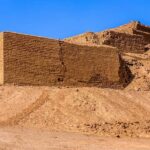
- Ruins walk through temples, pyramids, and sacred streets built with adobe and stone
- Temple of the Sun payoff with big views over the Lurin Valley and the Pacific Ocean
- Real people running it—Giovanny for coordination and Mario as the guide you’ll hear most
- Strong value at $60 for a guided half-day that’s built around context, not just walking
Pachacámac in Four Hours: Sun, Ruins, and a Museum Stop
If you want an ancient Peru experience that still feels efficient, this Pachacámac tour is hard to beat. You’re not stuck with a long bus ride and vague explanations. Instead, you get a short morning in Lima, then you’re out at Pachacámac with a plan.
The tour is built around the “route of the sun” idea: you start with context inside the Site Museum, then move through the ceremonial core, and finish at the Temple of the Sun for the view. That order matters. When you understand what you’re looking at, the ruins don’t blur together.
Also, it’s positioned as a short, doable outing: about 4 hours total, with most people able to participate. It’s a nice option when you want a major site without committing an entire day.
Other Pachacamac and pre-Inca ruins tours in Lima


Hotel Pickup Around Miraflores, San Isidro, and Barranco (9:00 a.m. start)
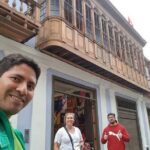
The day starts early—9:00 a.m. is the anchor. The pickup comes from specific districts and areas in Miraflores, San Isidro, and Barranco, and you’ll be collected from your hotel or Airbnb.
What I like about this setup is that it saves you from the “Lima logistics puzzle.” You don’t need to figure out local transport south of the city before your brain is fully awake. You also get private tourist transport for the trip to the sanctuary, listed at about 1 hour each way.
One detail worth noting: the pickup time is based on your pickup point, and a day ahead you’ll confirm the time based on your hotel location. So if you’re staying a bit farther within the pickup zones, don’t treat it like a one-size-fits-all departure.
The Ride South: Private Transport Makes It Feel Like a Day Trip
That roughly 1-hour ride south can be either a hassle or a warm-up. Here, it’s part of a guided day trip flow. You’ll have dedicated transport, which generally means less waiting and fewer moving parts than DIY.
This matters because Pachacámac is the kind of place where timing and pacing help. You’re walking a circuit of ceremonial structures, then you’re climbing to the highest area. Going with a planned schedule helps you actually reach that final viewpoint without feeling rushed.
If you’re prone to “morning fog,” this is the kind of tour that lets you ease in—seat first, questions later.
Stop 1: The Site Museum of Pachacámac (Context Before the Ruins)
The Site Museum and Archaeological Sanctuary of Pachacámac is where the whole experience gains meaning. Instead of walking into the ruins and guessing, you get a focused introduction to what ancient Pachacámac life and worship looked like.
Inside, the museum displays more than 290 original pieces—ceramics, wood, and textiles—preserved to help explain the civilizations connected to this sacred place. That “original” detail matters. Replicas can be fine, but originals let the craftsmanship and material weight do some convincing for you.
One of the standouts is the Idol of Pachacámac, a sculpture revered for centuries by pre-Hispanic peoples of Peru. Even if you don’t know the backstory yet, seeing an object tied to long-term spiritual importance gives you a better sense of why the sanctuary’s architecture is so focused on ceremony and presence.
A museum stop also makes the rest of the walk easier. When you can connect artifacts and themes to what you later see carved into adobe and stone, your brain starts building a timeline instead of collecting random impressions.
Stop 2: Ruinas de Pachacámac (Temples, Pyramids, and Sacred Streets)
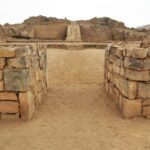
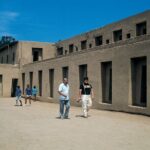
After the museum, you move into the ruins—the big ceremonial center on Peru’s coast. This is where Pachacámac becomes real in scale: temples, pyramids, and sacred streets made from adobe and stone.
The complex is described as pre-Inca and Inca. That combination is one of the reasons Pachacámac stays so fascinating. The site wasn’t just built once and forgotten. Over time, different cultural periods shaped what visitors see today.
As you walk, the route helps you understand the sanctuary as a designed space: not just separate monuments, but connected areas built to support ritual movement. You’re not wandering randomly—you’re following a path that matches how the site was used.
This is also where a guide earns their keep. In this tour, the guide at the sanctuary is often Mario, and his role is to explain what you’re seeing in a clear, question-friendly way. If you care about “why this structure is here,” a good guide makes the difference between a photo walk and a real understanding.






Stop 3: Ascending Toward the Temple of the Sun (Ocean Views as the Payoff)
The final stretch brings you up to the highest part of the archaeological complex, home to the Temple of the Sun. This is the part most people remember, because the view is hard to ignore.
From here you can look out over the Lurin Valley and the Pacific Ocean. It’s not just a photo moment, either. It helps you grasp the ancient logic of where religious power was placed—sightlines, sky, and a sense of open space tied to solar worship.
If you like taking pictures, this is your most important stop. Try not to treat it like a 20-second stop. Slow down. Look across the water, then look back toward the structures you just walked through. That back-and-forth is what makes the site click.
Also, if you’re sensitive to sun, plan your shade breaks here. You’ll be higher and exposed, and even if the tour stays efficient, that climb and open viewpoint can feel warmer than the museum did.
Price and Value: Is $60 Worth a Guided Pachacámac Day?
At $60 per person for about 4 hours, this sits in the “good deal” zone—especially because the experience includes more than entry access. You get private transportation, hotel pickup from defined districts, and an on-site expert guide at Pachacámac.
The value equation is simple: you’re paying for time saved and for interpretation. Pachacámac is big enough that without guidance, you might see a lot but understand less. Here, the museum stop and structured ruin walk are built to keep you oriented.
And the on-site guide role is a major part of the bargain. The logistics are handled by Giovanny, while the sanctuary explanations are led by Mario (on many tours). That split matters: one person keeps the day running smoothly; the other person helps you understand what you’re looking at while you’re standing right in front of it.
One more value note: this tour is often booked in advance. It’s averaging being booked about 24 days ahead, which is a practical hint that the best slots can go first. If you’re firm on dates, don’t wait until the last week.
What You Don’t Get: Meals (Plan Around It)
Meals aren’t included, which is normal for a short tour—but it changes how you should prepare. You’ll be out for roughly half the day, and you’ll likely be walking and climbing.
Bring a simple snack option if you can, and plan water. If you skip food, you may end up focusing more on energy dips than on the ruins. Also, because the Temple of the Sun is an open-air high point, you’ll want to be thinking about hydration rather than just “getting the shot.”
If you know you’ll want lunch after, treat this tour like the morning anchor, then plan a nearby meal afterward.
Who This Tour Suits Best (and Who Might Ask Questions)
This tour is a strong fit if you:
- want a guided archaeological visit without committing a full day
- enjoy museums and context before you hit the ruins
- like dramatic views and want the ocean panorama tied to the site’s meaning
- are staying in Miraflores, San Isidro, or Barranco and want pickup to do the heavy lifting
It may not be ideal if you’re expecting a long, slow exploration with lots of free time. This is paced for a half-day—so it’s efficient, not leisurely.
The tour is described as something most travelers can participate in, but your personal comfort level matters. If you have mobility concerns or you’re sensitive to sun and stairs/climbs, you should ask before booking so expectations match your needs.
Practical Tips Before You Go
A few simple things can make this kind of ruins day feel easier:
- Wear comfortable walking shoes. You’ll be moving through the sanctuary areas, including a climb up toward the Temple of the Sun.
- Bring a hat and sunscreen. The open viewpoint at the top is where sun exposure becomes real.
- Plan for no meals by packing water and a light snack.
- Keep your camera ready, but also pause long enough to look without the lens. The ocean-and-ruins perspective only works if you let your eyes rest.
If you’re the type who likes understanding what you’re seeing, bring a small curiosity list. Simple questions like what changed from pre-Inca to Inca at the site can lead to better answers from the guide.
Should You Book the Archaeological Tour to Pachacámac: The Route of the Sun?
Yes—if you want a short, guided Pachacámac day that makes sense from start to finish. The museum stop gives you context, the ruins walk follows a meaningful route, and the Temple of the Sun view over the Lurin Valley and Pacific Ocean is the kind of payoff that sticks.
Book it especially if you’re staying in the pickup zones and you’d rather not wrestle with transport. At $60 with hotel pickup, private transport, and a named-guide experience led by Mario with coordination from Giovanny, it’s priced like a smart day plan, not a risky gamble.
If you can handle a morning start and you’re okay with no meals included, this is an excellent way to see one of Lima’s most important ceremonial sites without turning your day into a headache.
FAQ
What time does the Pachacámac tour start?
The tour starts at 9:00 a.m. with pickup from your hotel or Airbnb in the listed districts.
How long is the tour?
It lasts about 4 hours.
What’s included in the price?
The tour includes private transportation, an expert tourist guide at the Archaeological Sanctuary of Pachacámac, and hotel pickup in specific areas in Miraflores, San Isidro, and Barranco.
Are meals included?
No. Meals are not included.
Where do you pick up passengers from?
Pickup is available from specific districts and areas in Miraflores, San Isidro, and Barranco.
Is there free cancellation?
Yes. You can cancel for a full refund up to 24 hours in advance of the start time.