REVIEW · LIMA
Bizarre tour in Gamarra & Witches Market
Book on Viator →Operated by HAKU TOURS · Bookable on Viator
A visit to Lima’s Witches Market is not your usual souvenir stop. You’ll mix panoramic views over Gamarra with a walking look at how people live, trade, and keep Andean traditions alive. And yes, you’ll see the market’s famous medical symbolism, including snakes, lizards, herbs, and ritual objects.
I especially like how the tour aims for respectful observation: it’s framed as learning about Andean beliefs (like luck, wealth, and love rituals) rather than thrill-seeking. Another big win is the human guide experience—groups have been guided by people such as Amadeo, Paolo, and Leonardo, with drivers like Carlos or Juan keeping things smooth and calm. The one thing to consider is that this is a close-up view of alternative medicine practices using animal parts, so it may feel intense if you dislike that kind of imagery.
In This Review
- How the format makes it easier to handle
- Key moments you’ll remember
- Getting started in Lima: pickup, meeting point, and what $45 buys
- La Victoria and the first big orientation view
- Walking Gamarra: street food, local shopping energy, and the pace of daily life
- Entering the Witches Market: herbs, animal-part symbolism, and Andean meaning
- Shamanic rituals and coca-leaf readings: what you might see (and what to expect)
- The return by public train: a small choice that changes how local it feels
- Price and logistics: value, comfort, and the realistic time window
- Who this tour is for (and who may want a different plan)
- Should you book the Bizarre tour in Gamarra and the Witches Market?
- FAQ
- How long is the tour?
- How much does it cost?
- Is the tour offered in English?
- Do I get hotel pickup?
- Where do I meet the guide?
- Is the market admission included?
- What’s included in the price?
- Is the tour just about black magic?
- Is tipping required?
How the format makes it easier to handle
At about 3 hours, with a small group size (up to 10), you can actually pay attention instead of rushing. You’ll also get hotel pickup and drop-off only in certain districts (Miraflores, San Isidro, and Barranco), so it’s worth planning around where you’re staying. If you’re outside those areas, there may be a small extra fee for pickup and drop-off.
Key moments you’ll remember
- Tall viewpoint first: start with a panoramic overview to understand where Gamarra fits into Lima
- Walking through real streets: snack stops and street-level context, not a staged route
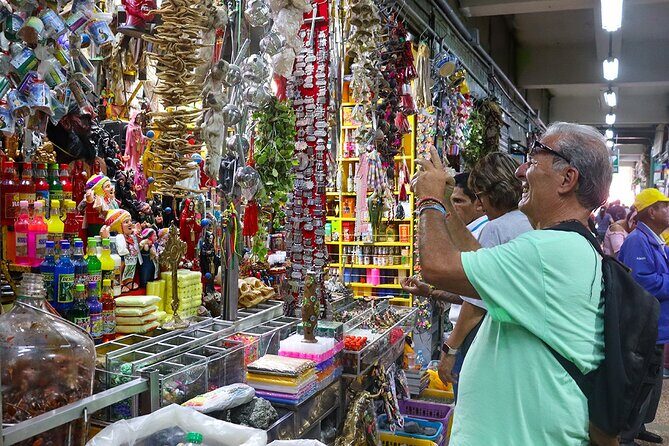
- Witches Market specifics: herbs used for luck, wealth, and love, plus animal-part symbolism
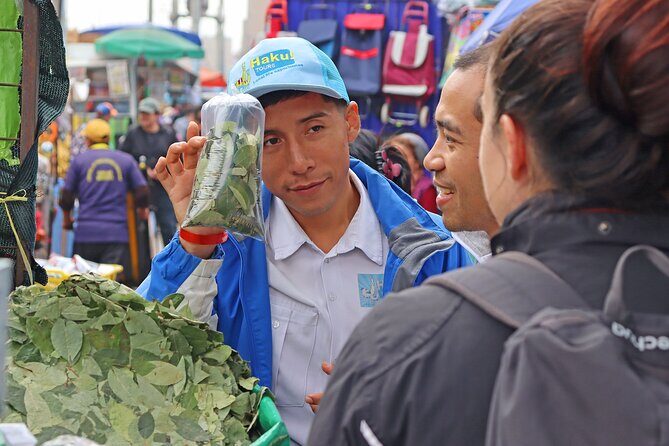
- Coca-leaf fortune telling option: if it’s possible, you may stop for a reading using coca leaves
- Public train return: the trip back is part of the local experience, not just another car ride
Other shopping tours in Lima

Getting started in Lima: pickup, meeting point, and what $45 buys
This tour costs $45 per person for about 3 hours. For that price, you’re paying for a professional guide and an air-conditioned vehicle, plus a route that’s designed to get you into a part of Lima many visitors never see. The value is not just the market. The real payoff is combining orientation (from above), street-level walking, and then the market stop with context.
Pickup works like this: you get hotel pickup and drop-off included only if you’re in Miraflores, San Isidro, or Barranco. If you’re elsewhere, you’ll be asked to pay a small extra fee for pickup/drop-off to your hotel. If you don’t want to deal with that, you can also meet at the starting point in Miraflores at Haku Tours (Piso 9, Av. José Larco 724). Either way, the tour is near public transportation, which gives you a Plan B if you’re arriving on your own.
One more practical detail: the tour is offered in English, and it’s capped at 10 travelers. That matters because Gamarra’s street life moves fast. A smaller group helps the guide keep you together and explain what you’re seeing as you go.
La Victoria and the first big orientation view
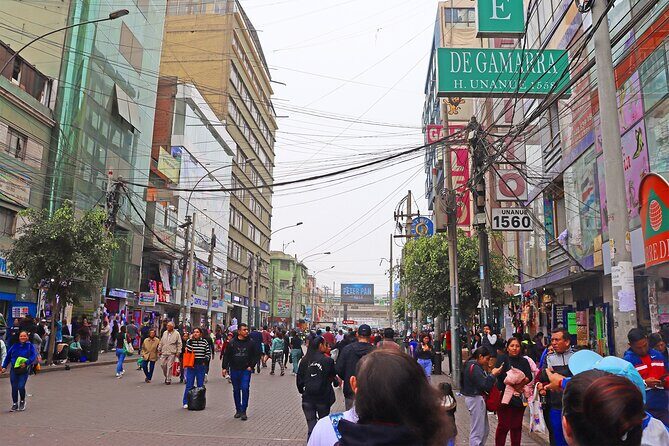
The tour begins in La Victoria, with the guide meeting you and then taking you to Gamarra, a key commercial area near the first Pueblos Jóvenes (Young Towns). Even before you start walking, you get a big-picture start: the group visits the tallest building in the area for a panoramic view.
From up there, you’re not just looking at Lima’s skyline. You’re seeing how big Gamarra is, how far the built-up area stretches, and how the city spreads outward. This matters because later, when you’re walking among the stalls and lanes, it helps everything make sense. When you can place the neighborhood in your head, you notice more and feel less lost.
Walking Gamarra: street food, local shopping energy, and the pace of daily life

After the view, the tour becomes a true street walk through Gamarra. This is where you’ll get a feel for the area as a working community—people shopping, trading, and moving through narrow lanes rather than passing through a theme park version of a market.
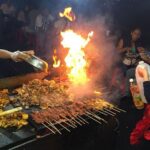
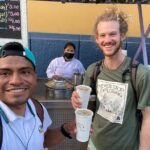
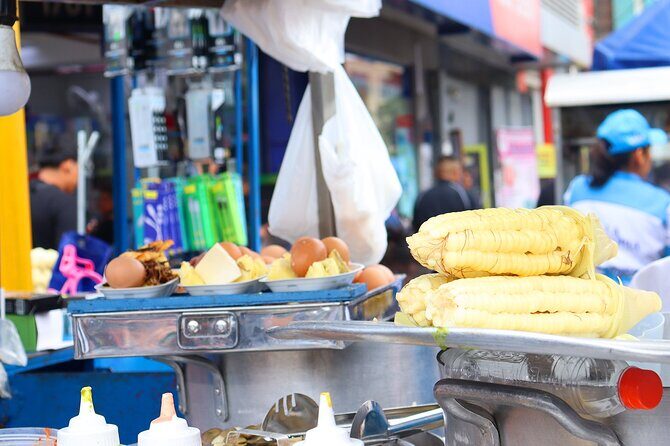
You’ll also have a chance to sample local snacks and street food. The goal isn’t to stuff yourself. It’s more like a guided taste of daily life, with the guide explaining what you’re seeing and how it connects to the area.
A good part of this walking segment is that it’s not only about consumption. The guide approach includes context—how the textile area functions, what daily life looks like, and how traditions and communities shape the neighborhood. In past groups, guides like Leonardo have been praised for answering questions and connecting what you see to larger themes like history and local politics.
Practical note: since this is a walking portion, wear comfortable shoes. Keep your phone secure and expect to move at a human pace through crowds.
Entering the Witches Market: herbs, animal-part symbolism, and Andean meaning
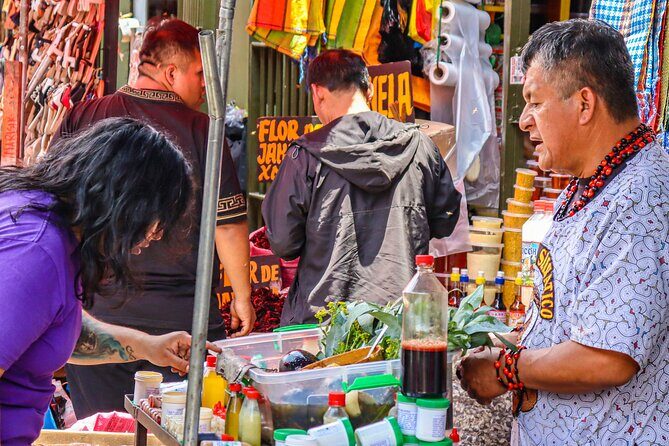
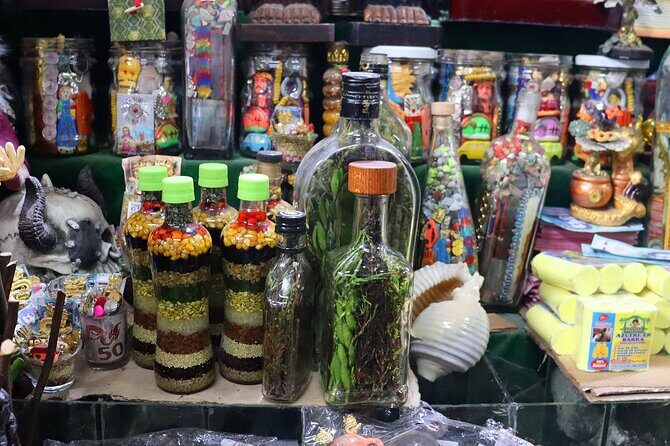
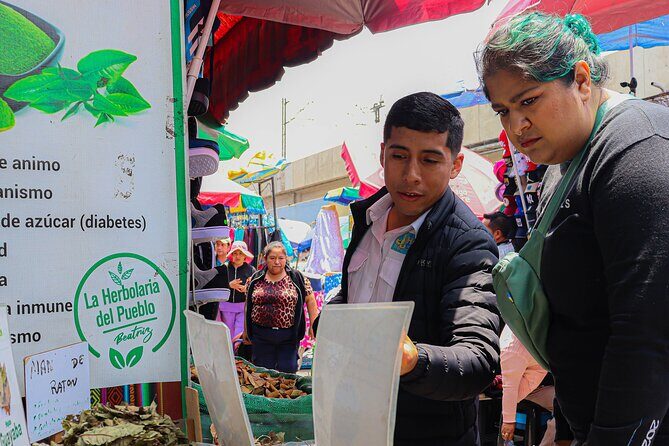
Then you reach the main attraction: the Witches Market. This is known for its use of snakes, lizards, and other dissected animals in alternative medicine traditions. The market also sells aromatic herbs used in shamanic rituals tied to luck, wealth, and love.
What I like about how this stop is framed is that it’s not treated like a horror movie. You’re told it comes from Andean cultural traditions, and the guide focuses on observation and explanation. The tour explicitly notes that you won’t be participating in black magic. Instead, you’re learning why these items are present, how people interpret them, and what kinds of hopes rituals represent.
One small but important thing: market pricing can be chaotic in places like this, especially when tourists show up. Here, the tour includes guidance and keeps you oriented, which can reduce the feeling of being pressured. Also, you’ll be told the admission ticket is free, so you’re not paying extra just to enter the market space.
If you’re sensitive about seeing animal parts, be aware this stop is a close-up view. For some people it feels fascinating and educational. For others, it’s simply too much. If that second group is you, skip this market stop or prepare yourself mentally before you arrive.
A few more Lima tours and experiences worth a look




Shamanic rituals and coca-leaf readings: what you might see (and what to expect)
Along the way, you’ll hear about the ritual side of the market: herbs and objects meant to attract good fortune and specific life outcomes. The tour language keeps the tone explanatory, and it signals clearly that the goal is understanding—not performing.
If possible, there’s also an option to visit a wise Andean woman who reads futures using coca leaves. That part may depend on timing and access, but it’s set up as an additional cultural moment if everything works out.
Here’s the practical way to think about it: even if you don’t fully subscribe to any spiritual system, a coca-leaf reading can still be a window into how people process uncertainty, make choices, and seek comfort. It can also be a way to see the role of tradition in everyday decision-making.
The return by public train: a small choice that changes how local it feels
The tour ends with a trip back using the public train to your accommodation. This is one of those details that seems minor until you do it. Returning by local transit keeps the day from feeling like a sealed bubble.
It also reinforces what the tour is actually selling: not just sights, but texture. You move from a viewpoint into a neighborhood street walk, then into a market stop, and then you return through everyday city life. The public train segment helps you carry that sense of place back with you.
Price and logistics: value, comfort, and the realistic time window
For $45 and about 3 hours, you get a solid package: guide, air-conditioned vehicle, market stop support, and a train return. The tour isn’t trying to be a half-day sightseeing marathon. It’s built to fit into a normal travel schedule.
The comfort piece is clear: air-conditioned transport helps, especially when you’re going between points. But the day still includes a walking segment, so plan for time on your feet. Because the group size is limited to 10, you’re less likely to feel like you’re trapped behind a big mass of people.
As for language, it’s English, which means you should get clear explanations without guessing. That’s especially important here, since the market’s symbols can be confusing if you only see them without context.
Tips are not included, so budget a little extra at the end if you think your guide and driver earned it.
Who this tour is for (and who may want a different plan)
This experience is a good match if you want Peru that feels human and specific. I think it works especially well for people who like markets but also like context—people who can handle seeing Andean herbal traditions and animal-part symbolism and still want to understand what it means.
It may be less comfortable if you strongly dislike animal imagery used for alternative medicine. It can also be a mismatch if you only want architecture or classic museum-style stops.
It’s also ideal if you’re the kind of traveler who enjoys questions. The tour’s guide explanations and ability to answer questions can make a big difference in how the market lands for you.
Should you book the Bizarre tour in Gamarra and the Witches Market?
If you like learning through contrasts—viewpoints, street life, and then a market that tells you something unusual about belief systems—then this is an easy yes. The price is reasonable for what you get, especially the combination of orientation + walking + market context, and the small group size helps keep it manageable.
I’d only hesitate if the idea of seeing dissected animals in an alternative medicine setting will feel upsetting. If that’s you, it’s better to skip this and choose a different Lima neighborhood tour. But if you’re curious and you can handle intense visuals with a respectful mindset, this one is likely to leave you with a memorable, real-feeling slice of the city.
FAQ
How long is the tour?
It’s about 3 hours (approx.), with a main market visit and time for walking and the return.
How much does it cost?
The price is $45.00 per person.
Is the tour offered in English?
Yes. The tour is offered in English.
Do I get hotel pickup?
Hotel pickup and drop-off are included only if you’re staying in Miraflores, San Isidro, or Barranco. Outside those districts, you may pay a small extra fee.
Where do I meet the guide?
The start point is Haku Tours – Tours in Lima City & Peruvian Cooking Classes, Piso 9, Av. José Larco 724, Miraflores.
Is the market admission included?
The information provided says the admission ticket is free for the market portion.
What’s included in the price?
The tour includes an air-conditioned vehicle and a professional guide.
Is the tour just about black magic?
No. You won’t be participating in black magic. The focus is on observation and understanding Andean beliefs and rituals.
Is tipping required?
Tips are not included, so it’s up to you to tip your guide/driver if you’d like.