REVIEW · LIMA
Lima Gastronomy Tour and Cooking Class
Book on Viator →Operated by America Viajes · Bookable on Viator
Four hours, and you smell like dinner in Lima. This experience pairs a market tasting with a hands-on cooking class, so you taste Peruvian ingredients first, then cook classic dishes like ceviche and lomo saltado. I love that you get a full sensory start in a local market (fruits you may have never seen before), and I also love that you end by eating what you made, plus a Pisco Sour. One thing to keep in mind: if your idea of a cooking class is doing every single step start-to-finish yourself, ask your guide how hands-on the session will feel when you arrive.
You’ll be picked up at 9am from your Lima hotel or port, then return around 2pm. Between those times, you’ll stop at a market for tastings such as lúcuma and chirimoya, learn why markets matter in daily Peruvian life, then head to a restaurant kitchen to cook and sit down for your meal and cocktail.
In This Review
- Key points at a glance
- Market morning: lúcuma, chirimoya, and why locals shop this way
- The cooking class kitchen: Ceviche and Lomo Saltado, not just a show
- Causa, ceviche, and the Pisco Sour finish: eating the results with your group
- Timing and route realities: why 9am to 2pm feels like more (and less) than it sounds
- Price and value: what $147 buys you in Lima
- Who should book this cooking-and-food tour?
- Should you book this Lima Gastronomy Tour and Cooking Class?
- FAQ
- What dishes will I learn to make?
- Is pickup included in the price?
- What time does the tour start and end?
- How long is the experience?
- Do I eat during the tour?
- What market items will I taste?
- Is the Pisco Sour class included?
- Is this tour private?
- Is there a minimum group size?
- Is the experience refundable?
- Are service animals allowed?
Key points at a glance
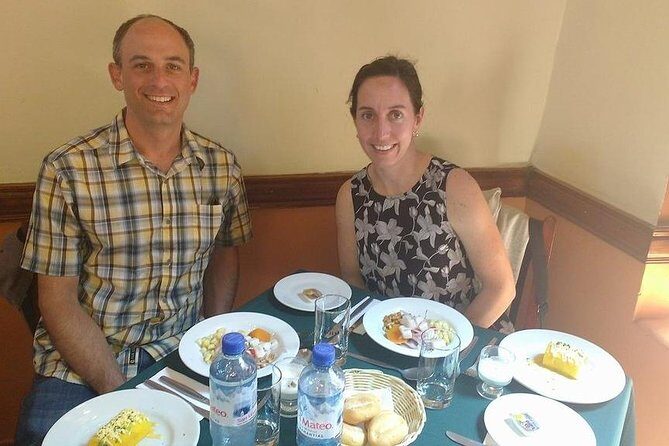
- Market tastings first: Fruits like lúcuma and chirimoya set the flavor story before you cook.
- Proper kitchen time: You prepare and cook traditional dishes with an instructor.
- Real Peruvian classics: Ceviche, Lomo Saltado, Causa Limeña, plus Pisco Sour.
- Meet-and-eat payoff: You don’t just leave with recipes—you eat the results.
- Guided context as you travel: You’ll hear about Lima city landmarks along the way.
- Works for small groups: Private format for your group, with a minimum of 2 people.
Market morning: lúcuma, chirimoya, and why locals shop this way
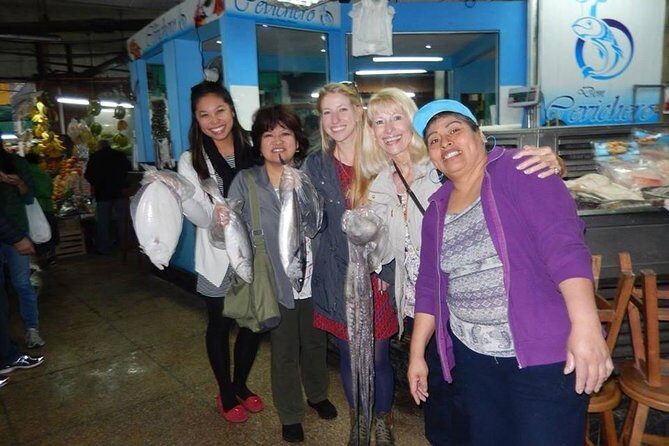
The tour starts in the morning, with pickup at 9am. You’ll go beyond the usual “look and photograph” approach and jump into Lima’s food reality right away. The market stop is the heart of the first phase, because it gives you the ingredients behind the dishes.
At the market, you’ll taste regional fruit like lúcuma and chirimoya. Lúcuma is often described as having a sweet, maple-like taste, which makes it a great bridge between what you might know from desserts at home and what Peru loves to use in cooking. Chirimoya has a custardy texture, so it’s less about crunch and more about spooning something that feels like a chilled, creamy treat. After the tastings, you’ll usually have a little time to buy your own small treats from local producers—handy if you want fruit for later or you’d like to bring back flavor notes to remember.
What I like here is that the guide doesn’t treat the market like a tourist exhibit. You get a short explanation of the importance of markets in today’s Peru, which helps the whole experience click. A market is not just where you shop. It’s where neighborhoods run on fresh supply, where small producers stay visible, and where food culture stays close to daily life.
One practical note: markets can be lively, and you’ll be walking and sampling. If you’re sensitive to smells (fish, spice, or ripe fruit), wear comfortable shoes and expect a sensory assault—in a good way.
Other Lima food tours we've reviewed in Lima
The cooking class kitchen: Ceviche and Lomo Saltado, not just a show
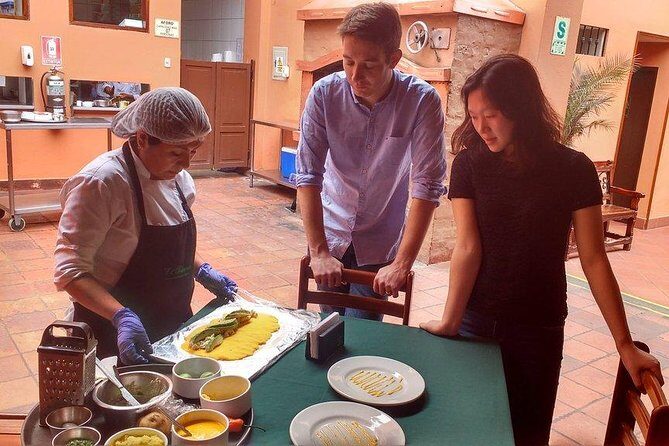
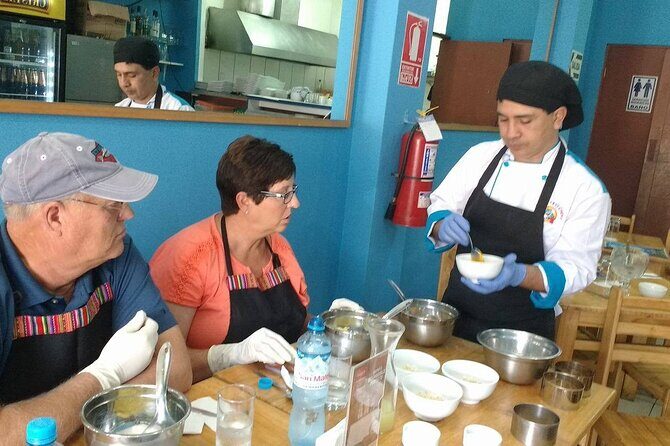
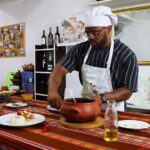
After the market, you head to a local restaurant for your hands-on cooking session. The format matters. This isn’t presented as a lecture or a “chef does everything” performance. The idea is that you learn the process and then actually make dishes.
In the kitchen, you’ll work on traditional dishes including Ceviche and Lomo Saltado, along with Causa Limeña. The teaching approach is built around history and process—so you’re not just copying a recipe. For example:
- Ceviche: You’ll learn how fresh fish gets cured by citrus, then how local ingredients shape the final flavor.
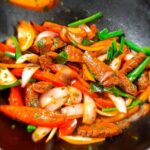
- Lomo Saltado: This is Peru’s classic mix of grilled steak flavors and the kind of fast, punchy cooking that feels like it moves at restaurant speed for a reason.
- Causa Limeña: A layered potato dish that teaches you a different side of Peruvian cooking—comfort food with structure, not just sauce and heat.
The strongest value of a class like this is timing. If you’re curious about Peruvian flavors, it’s much easier to remember them when you’ve handled the ingredients yourself. When you smell citrus curing fish, or you press and layer potatoes for causa, you understand why those dishes taste the way they do.
That said, there’s one caution worth repeating in a practical way. Some people want the class to feel like maximum hands-on work for every step. If that’s you, ask early in the session what portions you’ll personally prepare versus what the chef will guide or pre-do. The tour description clearly positions this as hands-on, and the kitchen is described as professional, but your comfort level with shared work can vary from person to person.
Causa, ceviche, and the Pisco Sour finish: eating the results with your group
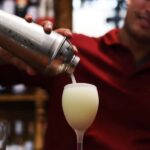
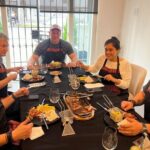
The payoff comes at the end. After you finish preparing everything, you sit down and enjoy the meal you made, along with a homemade Pisco Sour. That cocktail isn’t treated as an afterthought. It’s part of the teaching arc.
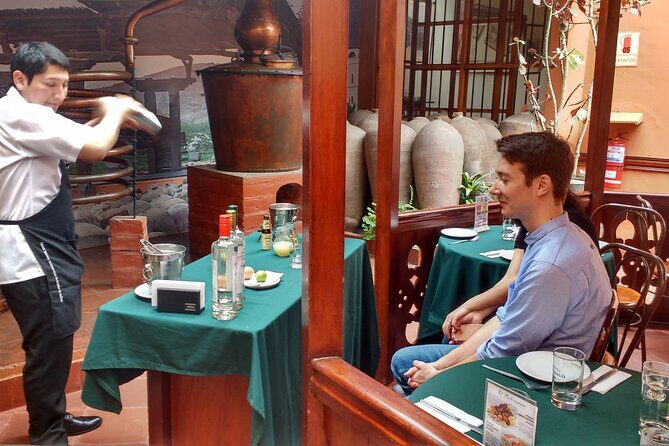
Here’s what you learn about the drink based on the tour details: the Pisco Sour is made using Peru’s distilled spirit (pisco), egg whites, and fresh citrus juice. Even if you’ve had one before, it’s the kind of drink where the balance matters. Getting the citrus and the texture right is harder than it sounds—egg whites aren’t just a garnish. They change the whole feel.
This is also where the experience tends to score big. In past experiences with this style of tour, the guide quality has been praised as friendly and informative, and the food made by the group has been called out as excellent. A big part of the fun is that you’re not eating alone or in a silent restaurant booth. You’re sharing a meal from your own work, and you’ll likely leave with a clearer mental map of Peruvian flavors than you’d get from a traditional sit-down dinner.
Timing and route realities: why 9am to 2pm feels like more (and less) than it sounds
The published timing is a 4-hour experience, with pickup around 9am and drop-off back at your hotel or port around 2pm. That means the day feels like a full half-day, not a quick snack tour.
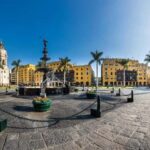
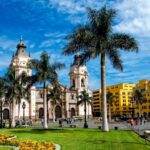
You’ll also pass city landmarks as you travel, with context from your guide. That’s useful because Lima can feel large and spread out if you only see a few “top sights.” Even short commentary can help you connect neighborhoods to the food culture you’re experiencing.
One thing to consider: pickup timing and route planning can affect how the day feels. One past guest felt the schedule didn’t match expectations about time spent walking versus cooking, while the provider response emphasized the professional kitchen setup and the fact that it’s a tour plus cooking class. Translation for you: if your priority is maximum cooking time, plan to arrive on time, and keep your expectations anchored to the overall format—market + cooking + meal—rather than thinking of it as only a classroom-style cooking block.
A small tip: bring patience for morning logistics, and do not schedule something tight right after 2pm. You’ll likely want a little time to cool down, digest, and then decide what to eat next.
Price and value: what $147 buys you in Lima
At $147 per person, you’re paying for a package: local market tasting, a guided cooking class at a restaurant, and pickup/drop-off. You’re not just buying ingredients. You’re buying time, instruction, and convenience.
Here’s how to judge value for yourself:
Where the value tends to show up
- Market tastings give you ingredient knowledge before you cook.
- Multiple dishes are covered: Ceviche, Lomo Saltado, and Causa Limeña.
- Pisco Sour is included, and it’s part of the making process.
- Meal is included, so you finish with a sit-down result.
Where expectations can create a mismatch
- If you assume you’ll prep everything completely solo, you might feel like you’re not doing enough. Cooking classes often involve teamwork with the instructor, especially in a professional kitchen.
So is it worth it? If you want more than dinner—if you want to learn and then eat the result—this pricing can make sense. If your main goal is purely to watch a chef and take photos, you may feel the price is too high for that kind of format. The sweet spot is learning how Peruvian dishes come together, plus bringing home a better understanding of flavors you can recreate later.
Also, you’ll want to check what’s included for your exact booking, especially if you’re traveling as a solo person. The tour data notes a minimum of 2 people per booking, so pricing and availability can look different depending on your group size. (A group discount is listed as well.)
Other Peruvian cooking classes in Lima
Who should book this cooking-and-food tour?
This is a great fit if you:
- Want a structured way to experience Lima food culture in one morning-to-afternoon block.
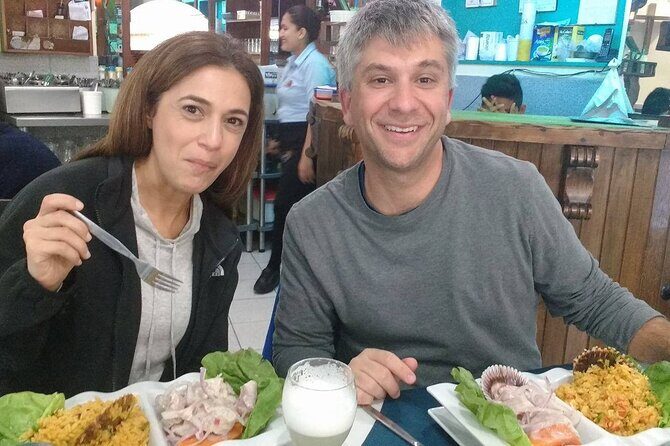
- Like learning by doing—cooking, tasting, and then eating with your guide and group.
- Are excited by specific Peruvian dishes such as ceviche and Lomo Saltado, not generic “Peruvian food.”
It may not be ideal if you:
- Only want a restaurant meal and have no interest in cooking or market tastings.
- Prefer super-slow, step-by-step cooking where you control every action without instructor prep work.
- Have tight constraints on schedule. Pickup at 9am means your day will start early, and the overall timing runs to around 2pm.
Should you book this Lima Gastronomy Tour and Cooking Class?
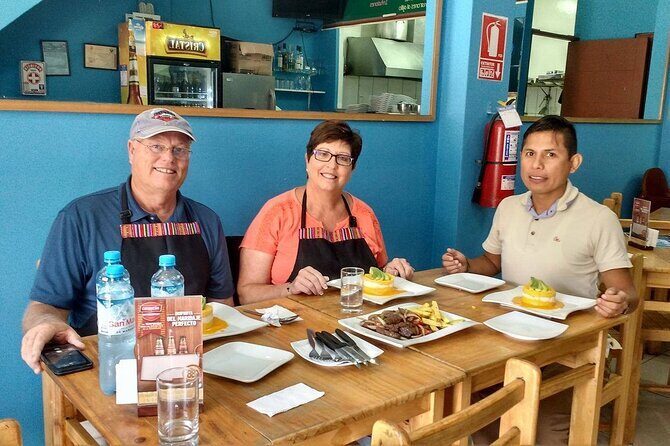
I’d book it if you’re hungry for more than a single restaurant meal. The market stop gives you a flavor introduction with fruits like lúcuma and chirimoya, then the kitchen teaches you classic dishes and ends with the kind of meal that makes the learning stick. The included Pisco Sour is also a smart bonus if you want to understand what makes Peru’s national cocktail taste the way it does.
I’d think twice if you want a long, solo-led cooking experience. In that case, message the provider or ask in advance how hands-on each dish will be for your group. Also, plan your next activity carefully since the day is designed to run from 9am to about 2pm.
If you go in with the right mindset—taste first, cook with the group, then eat what you made—you’ll likely feel like you got your money’s worth.
FAQ
What dishes will I learn to make?
The class includes traditional Peruvian dishes such as Lomo Saltado, Ceviche, and Causa Limeña, plus making a Pisco Sour.
Is pickup included in the price?
Yes. Hotel or port pickup and drop-off are included.
What time does the tour start and end?
You’re picked up at 9am and the tour ends with drop-off around 2pm.
How long is the experience?
It’s listed as approximately 4 hours.
Do I eat during the tour?
Yes. After cooking, you sit down to enjoy the meal you prepared, along with the Pisco Sour.
What market items will I taste?
The market tasting includes regional fruits such as lúcuma and chirimoya, with time for a little shopping of your own.
Is the Pisco Sour class included?
Yes. You’ll make Peru’s national cocktail, the Pisco Sour, as part of the experience.
Is this tour private?
It’s described as private, meaning only your group participates.
Is there a minimum group size?
Yes. The booking requires a minimum of 2 people.
Is the experience refundable?
No. It’s listed as non-refundable and cannot be changed for any reason.
Are service animals allowed?
Yes, service animals are allowed.